Aisha Verma covers business, markets and the Indian economy for The NE Times, from company results and IPOs to the policy decisions that move the rupee, the Sensex and household budgets.
Sensex's worst week in months: the index shed 2,091 points to close at 76,059.77 on 24 July 2026 as Brent crude topped $100 after Red Sea tanker attacks and the rupee neared its record low.
The US has imposed a 10% forced-labour tariff on India under Section 301 from 24 July 2026, softened from a proposed 12.5% after New Delhi amended its Foreign Trade Policy on 13 July.
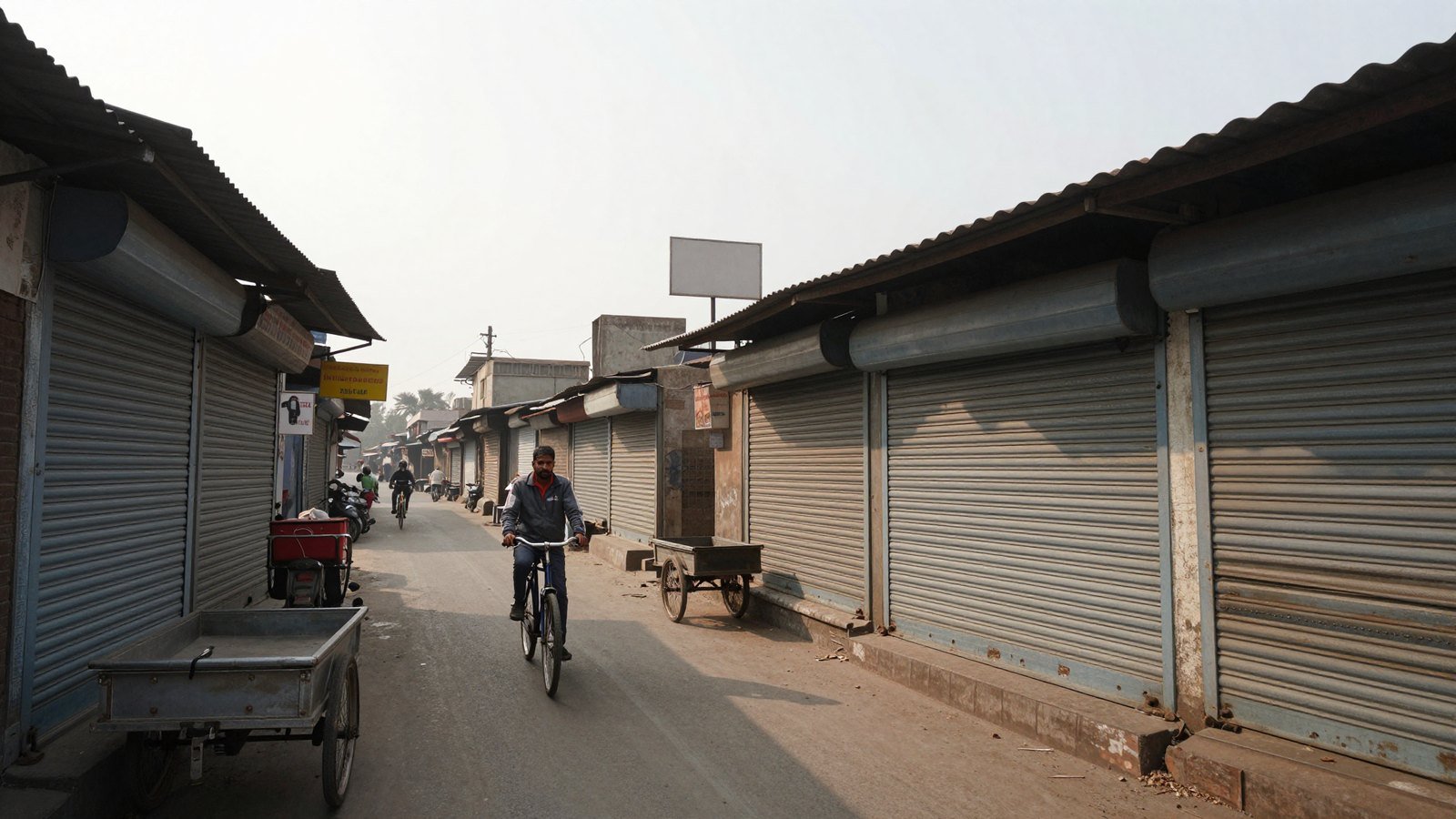
As the NEET-UG protest fast ends, we examine who bore the economic cost of central Delhi's disruptions, from daily-wage traders to gig workers, and how such losses are estimated.
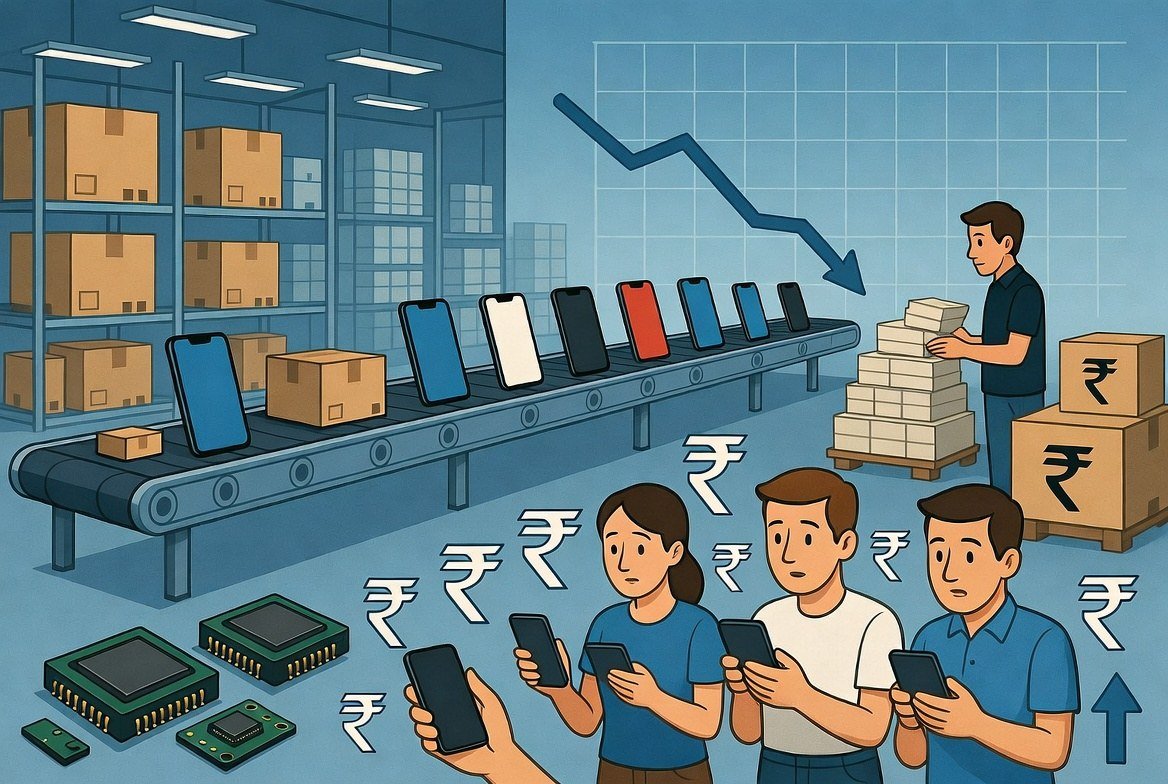
India remains one of the world's largest smartphone markets, so a double-digit quarterly shipment decline is a significant signal for manufacturers, retailers, app businesses and telecom operators.
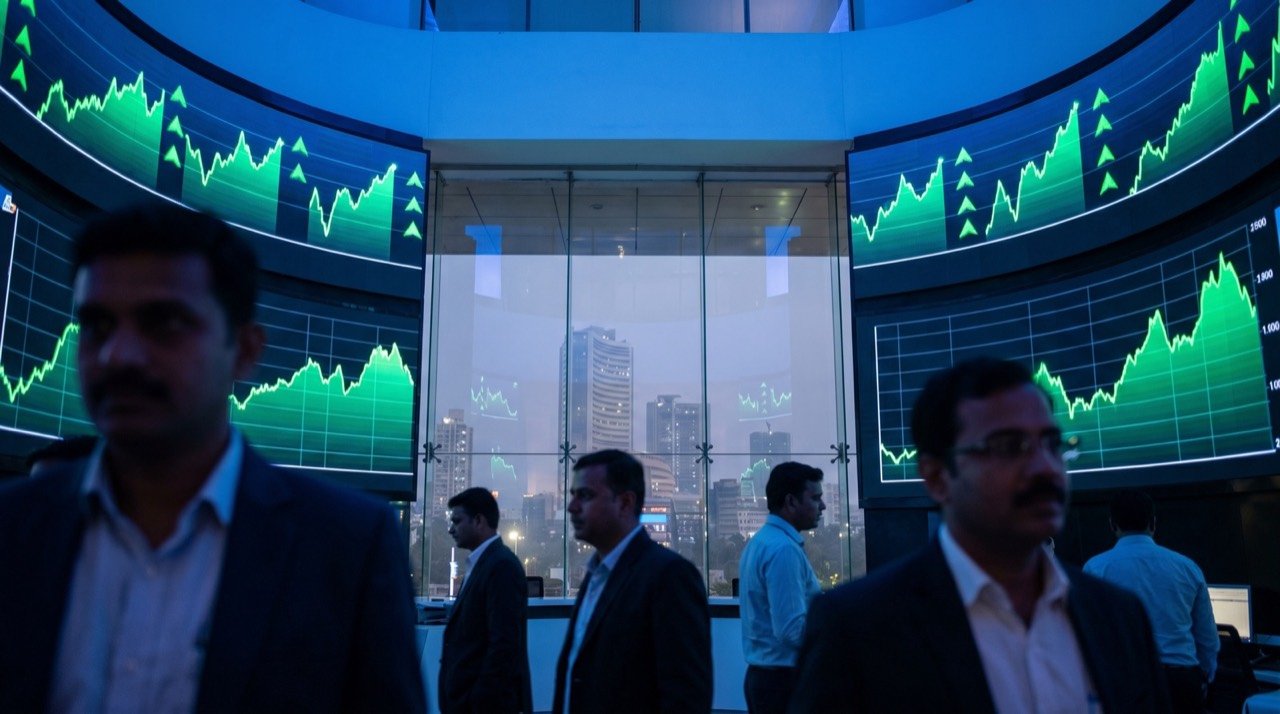
An intraday gain of about 800 points in the Sensex is large enough to dominate financial headlines, yet one session cannot establish a durable bull market.
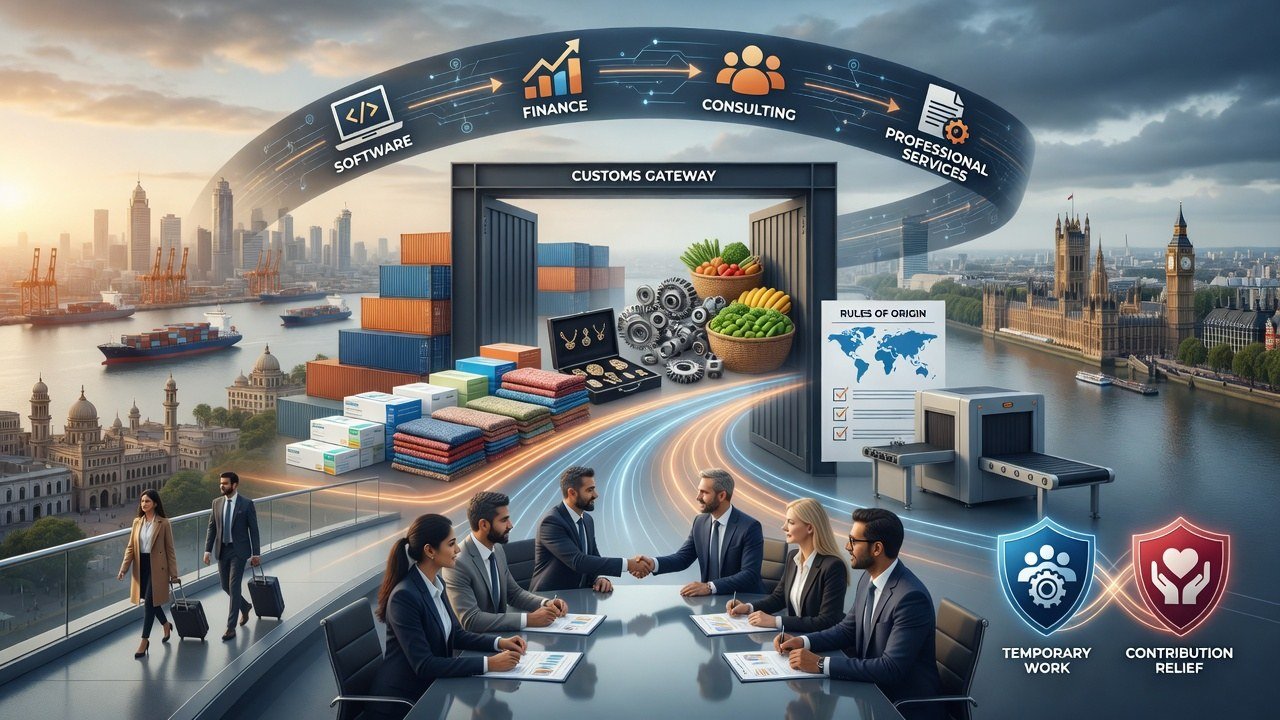
The India-UK Comprehensive Economic and Trade Agreement has moved from negotiation and ceremony into implementation. That transition is the real beginning of the story.
A consumer commission in Raipur has ordered a vehicle manufacturer and dealer to replace a Maruti Grand Vitara Strong Hybrid with an E20-compatible vehicle or provide monetary relief reported at more...
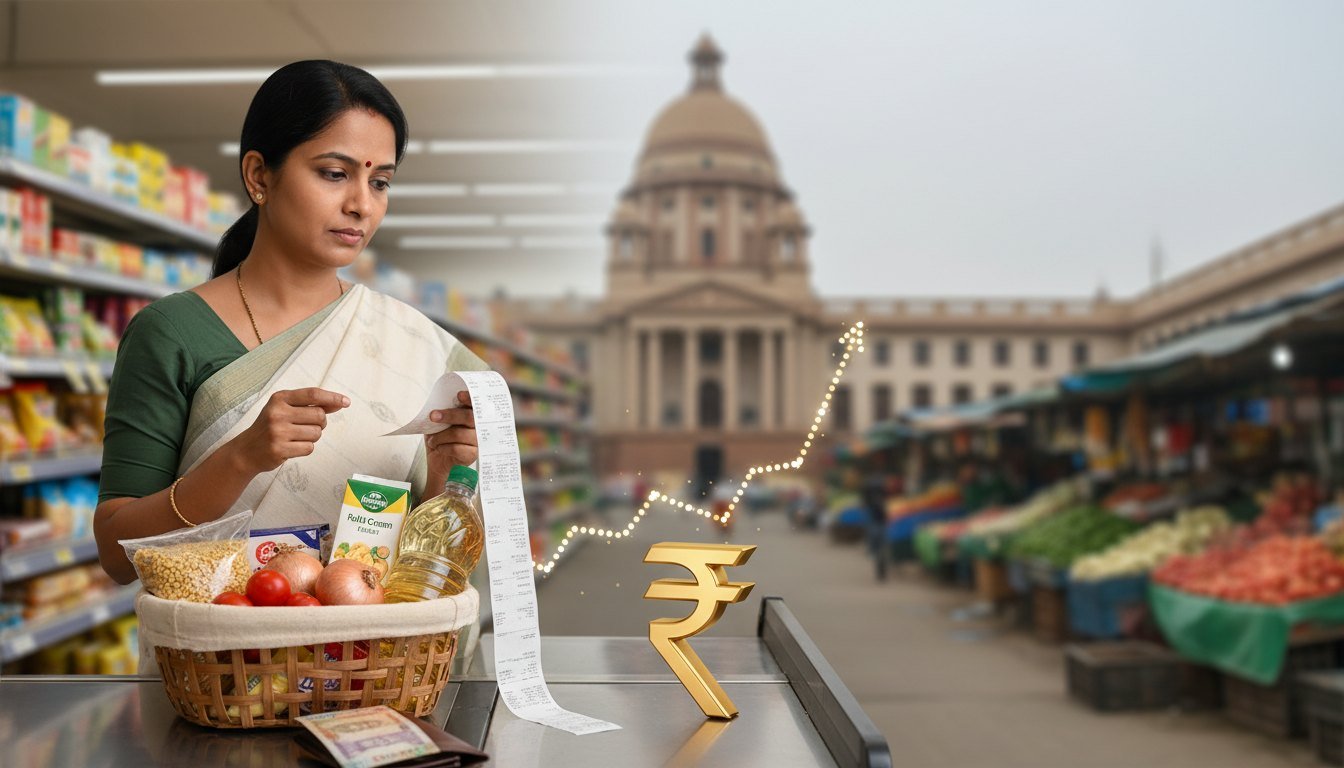
The first breach of the central bank’s 4% midpoint in 17 months puts household budgets, monsoon conditions and the interest-rate outlook back in focus.
The revised index aims to capture today’s manufacturing structure more accurately, but users must understand what changed before comparing new and old growth numbers.
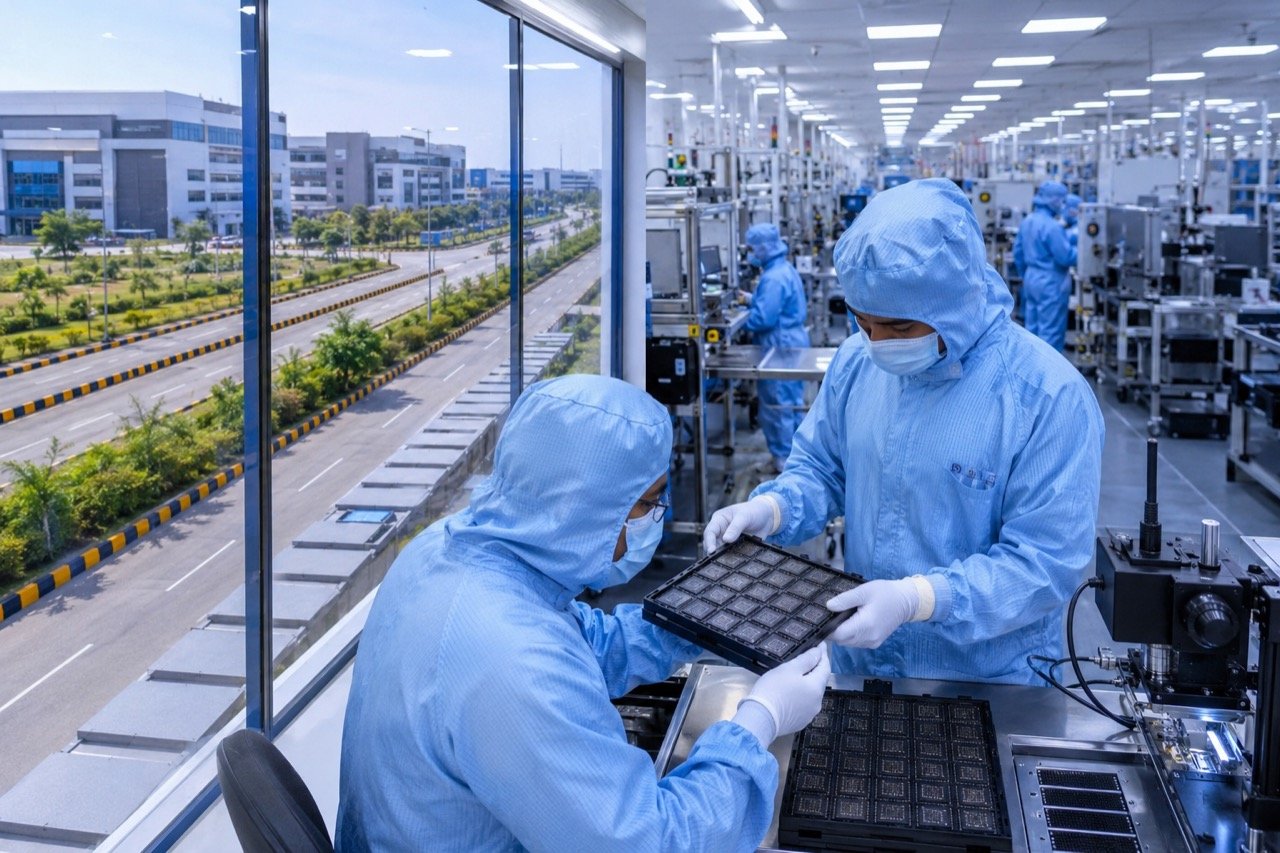
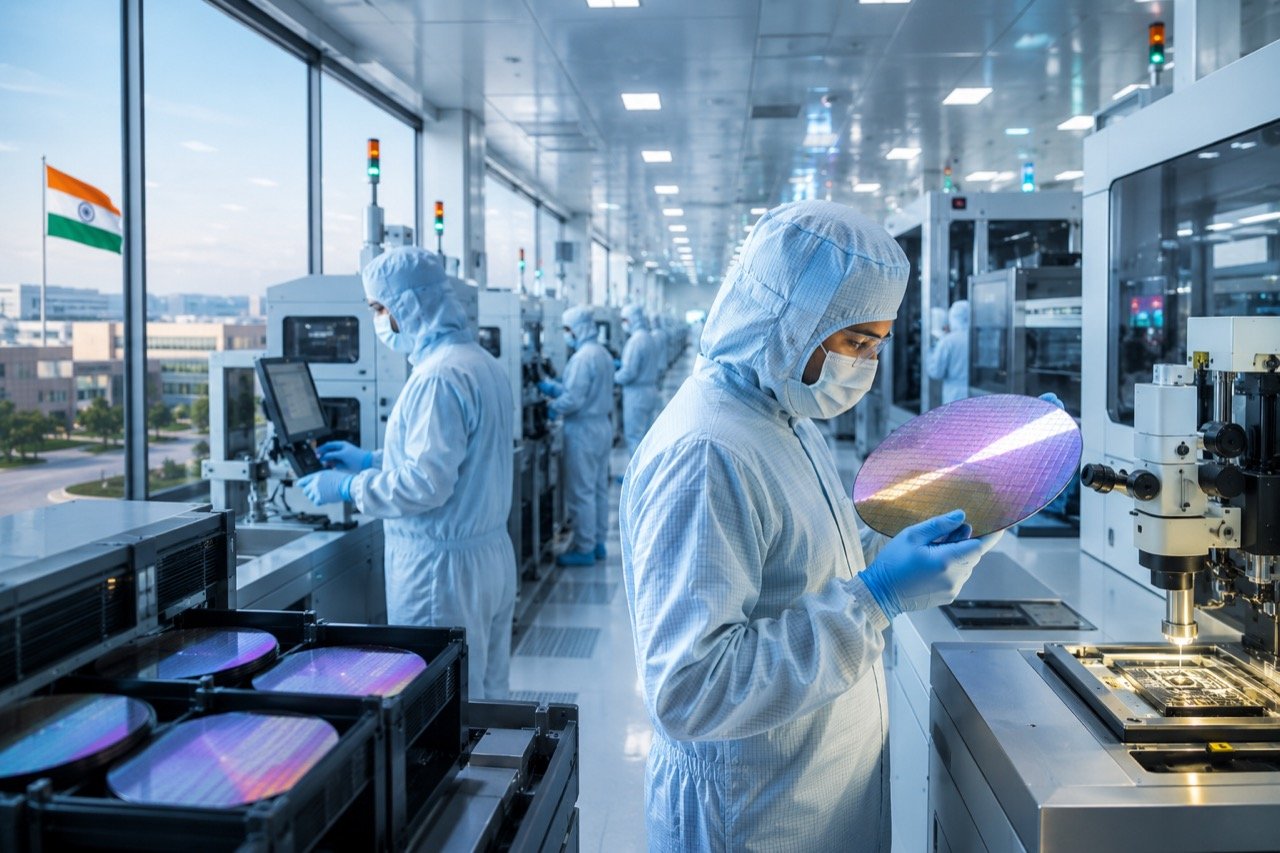
CG Semi's Sanand launch converts India's chip ambitions into real capacity for the first time, but the country must judge this bet by years of execution, not one ribbon-cutting.
Adani Green's billion-dollar loan bid and Ambuja's cement pilot in Kutch prove India can raise green capital and start hard projects; converting either into cheap, durable, decarbonised output is the harder unfinished business.
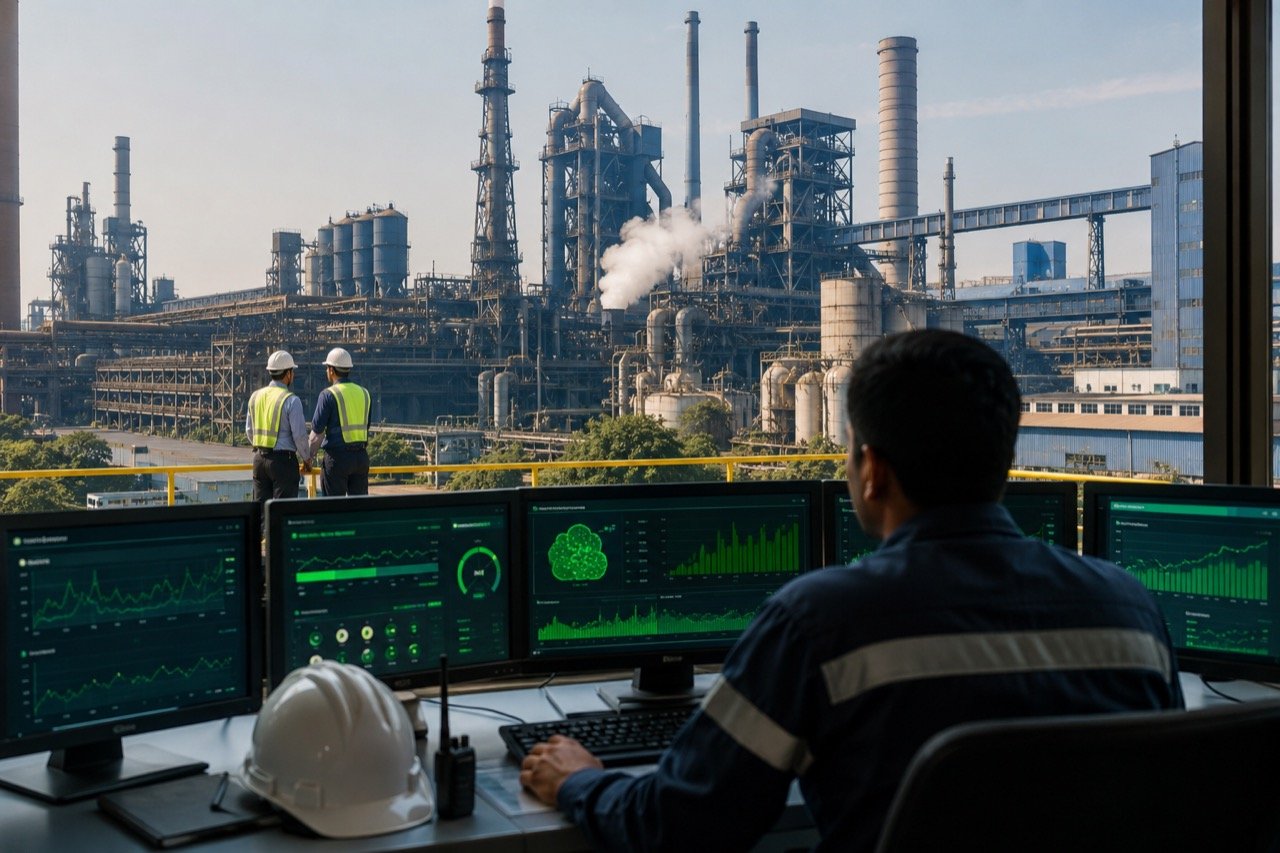
The Centre's draft emission cut targets for the iron and steel sector move India's climate policy from broad pledges to sector-specific rules, placing one of its hardest-to-abate industries under a defined framework.
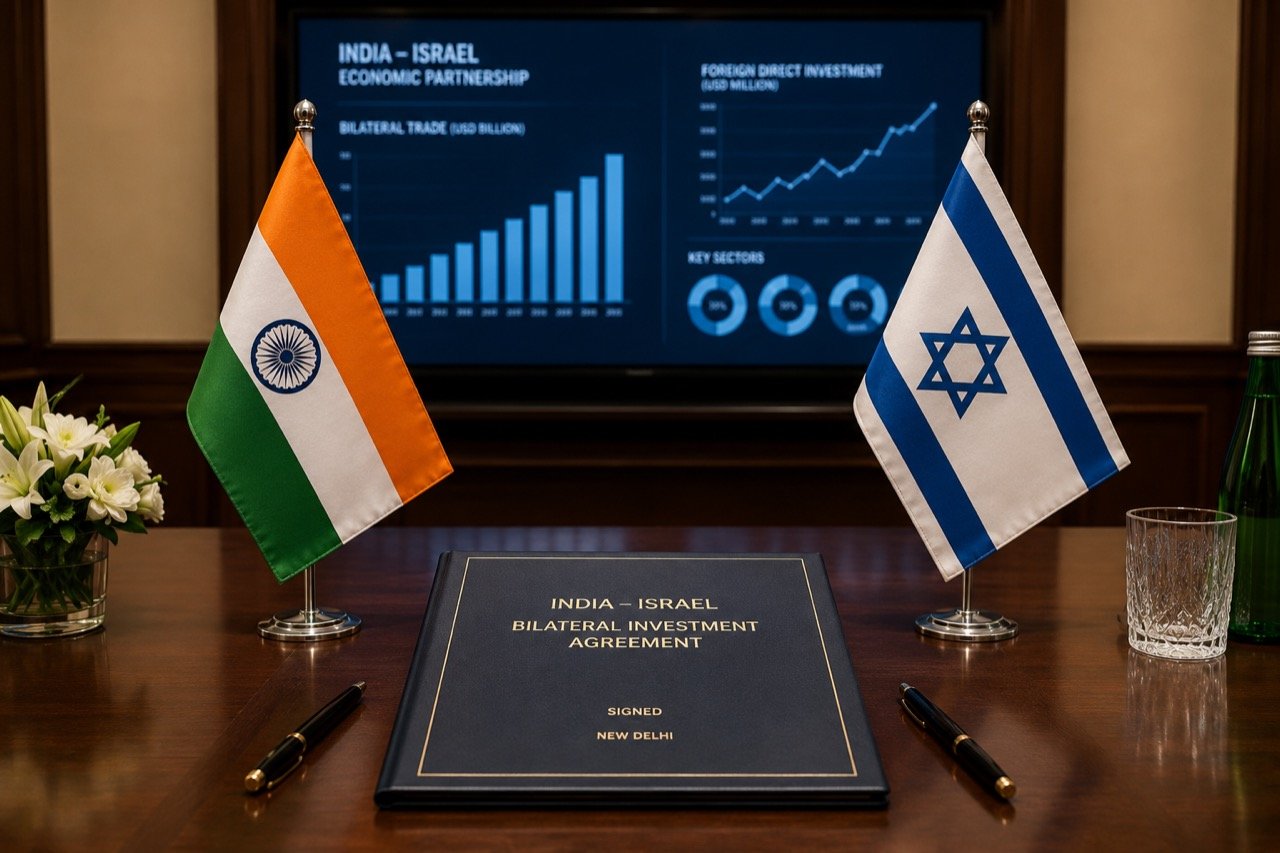
Discussions on a bilateral investment agreement between India and Israel signal a push to broaden economic ties beyond defence and technology, promising clearer rules and greater confidence for investors on both sides.
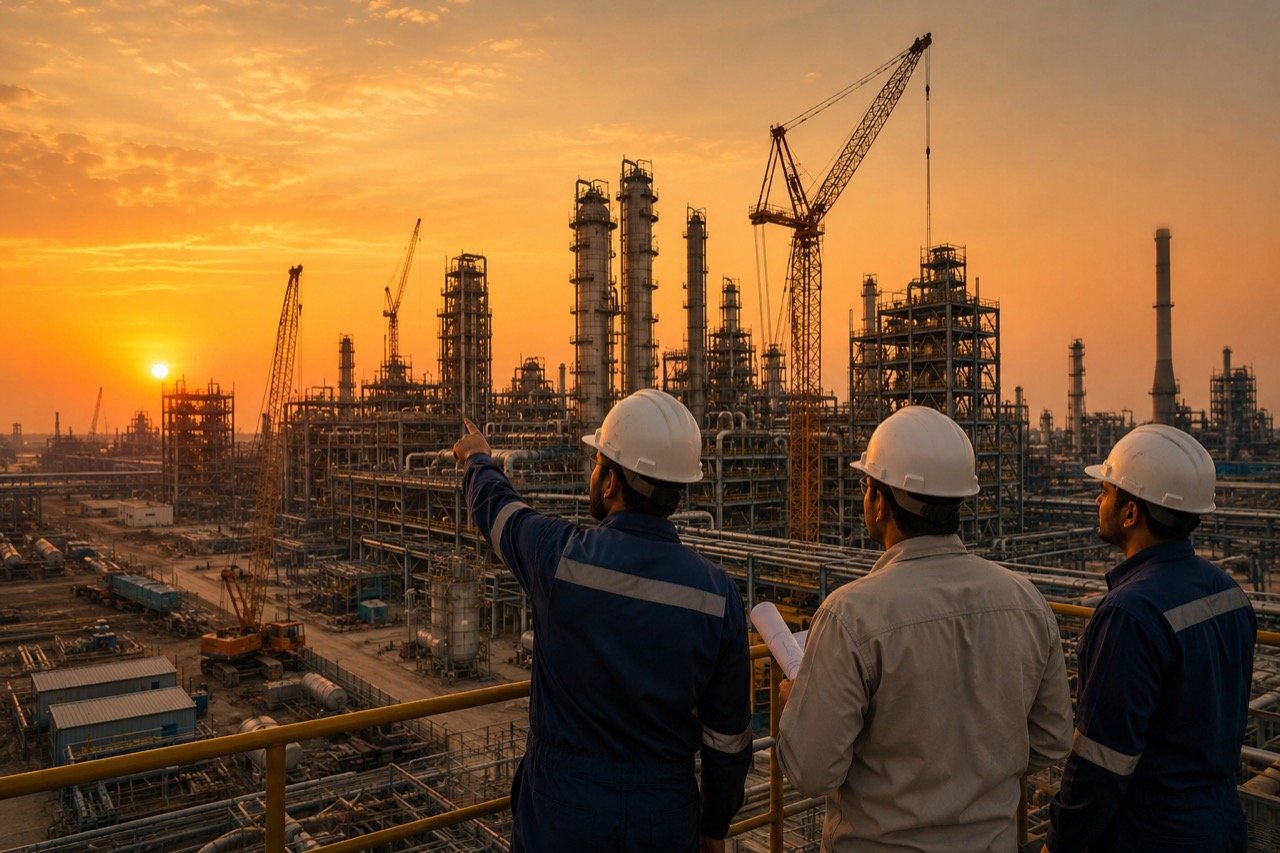
India's plans to expand oil refining capacity are back in the spotlight, underlining how fuel infrastructure remains central to demand, exports and energy security even as the clean-energy transition gathers pace.
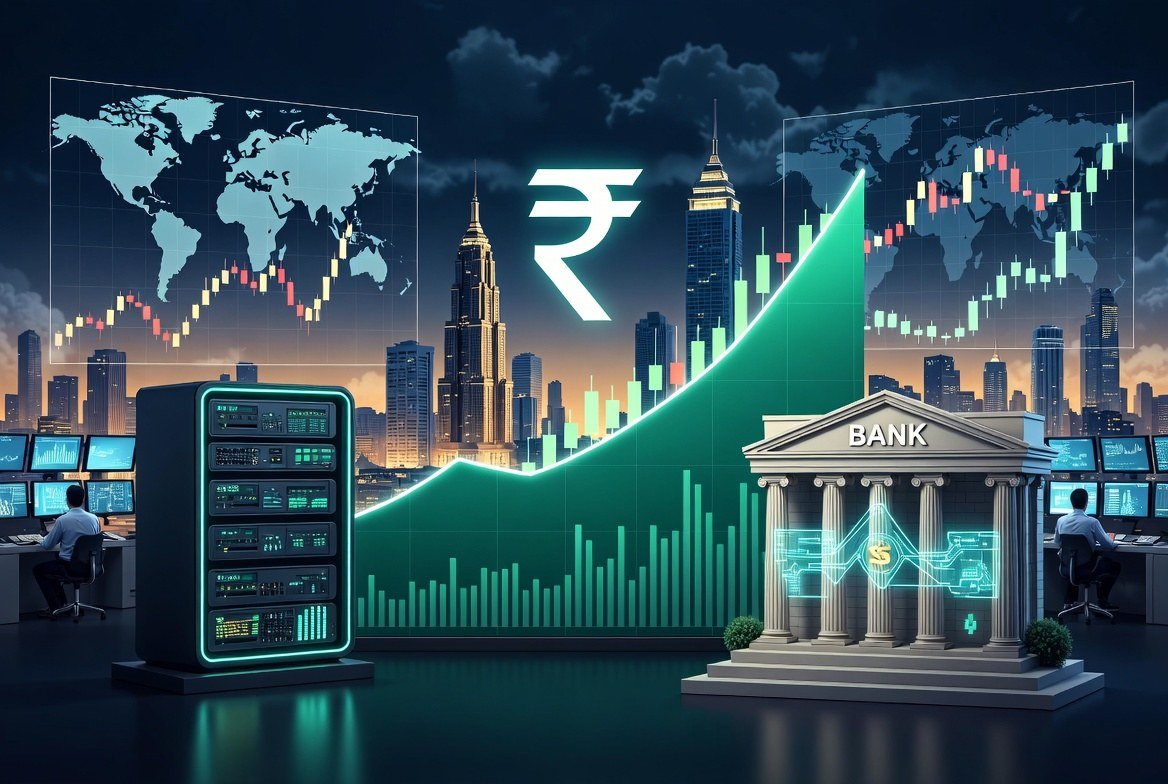
The Reserve Bank of India has flagged AI-powered cyberattacks as a leading threat to banks and NBFCs, pushing cybersecurity to the centre of India's increasingly digital financial system.
Akasa Air's 40th aircraft, ferried to Bengaluru via Seattle, Reykjavik and Cairo, marks a fleet milestone for the young carrier and a fresh signal that India's aviation market remains firmly in expansion mode.
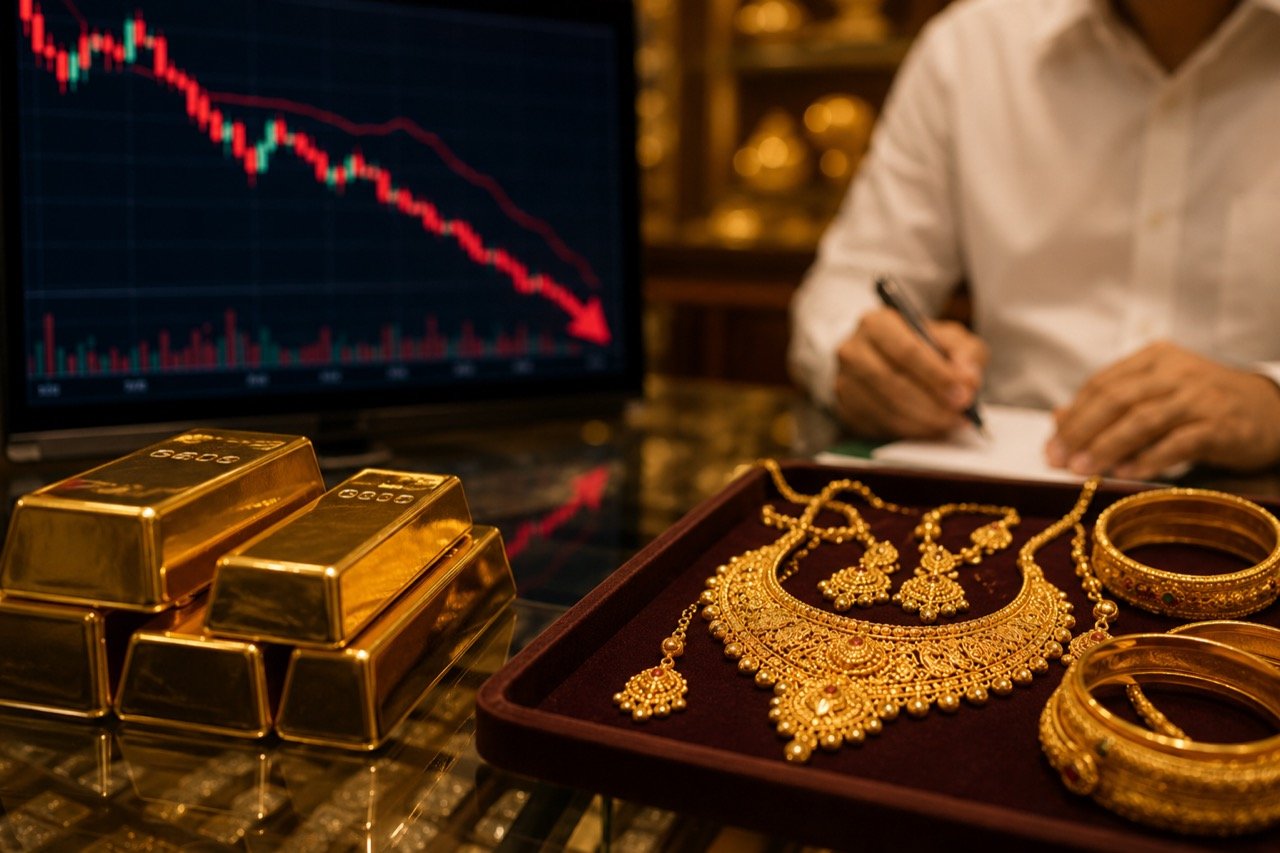
Gold rates for 24-karat and 22-karat metal edged lower across Delhi, Mumbai, Bengaluru, Chennai and Hyderabad on July 4, offering a window for buyers weighing jewellery and investment purchases.
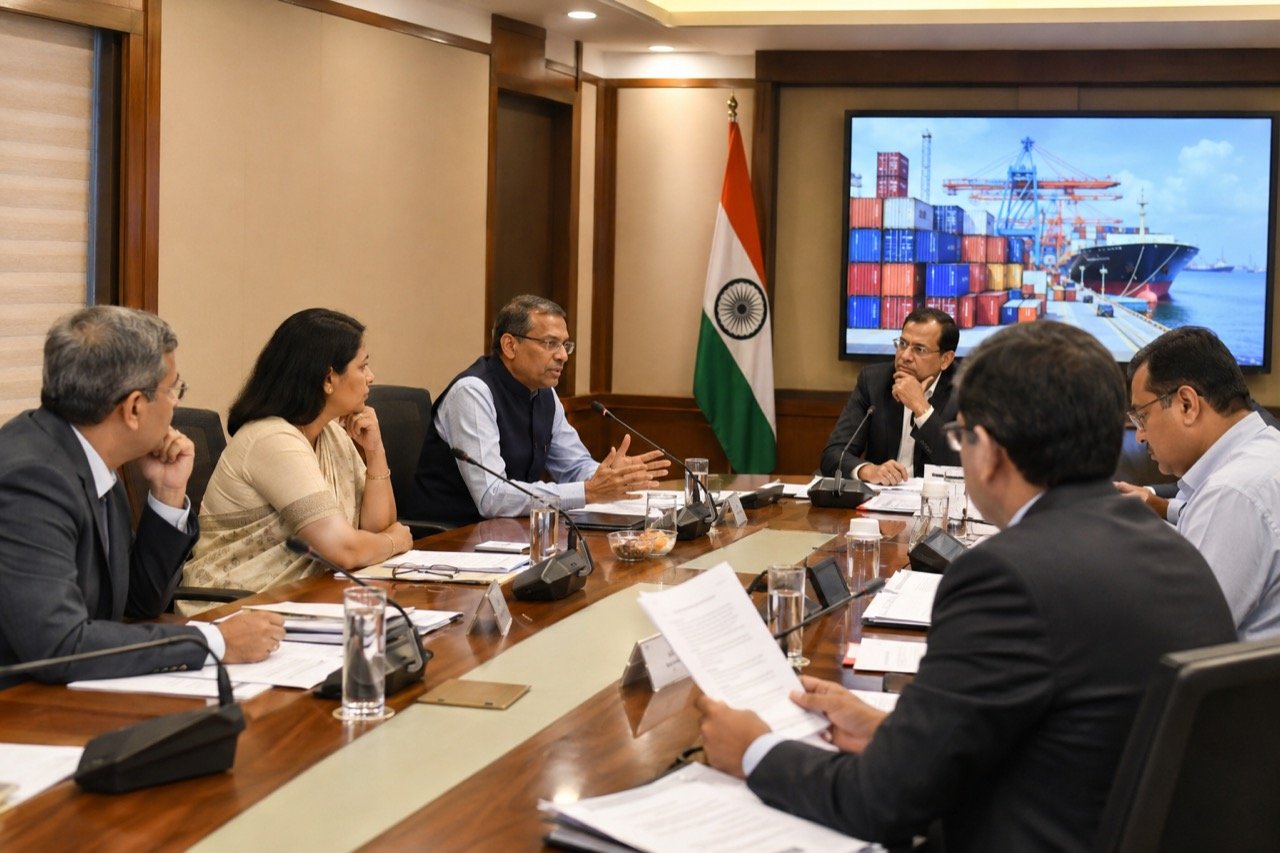
Commerce Minister Piyush Goyal chaired a Board of Trade meeting where exporters pushed for faster GST refunds, lower logistics costs and workable free trade agreements amid global demand uncertainty.
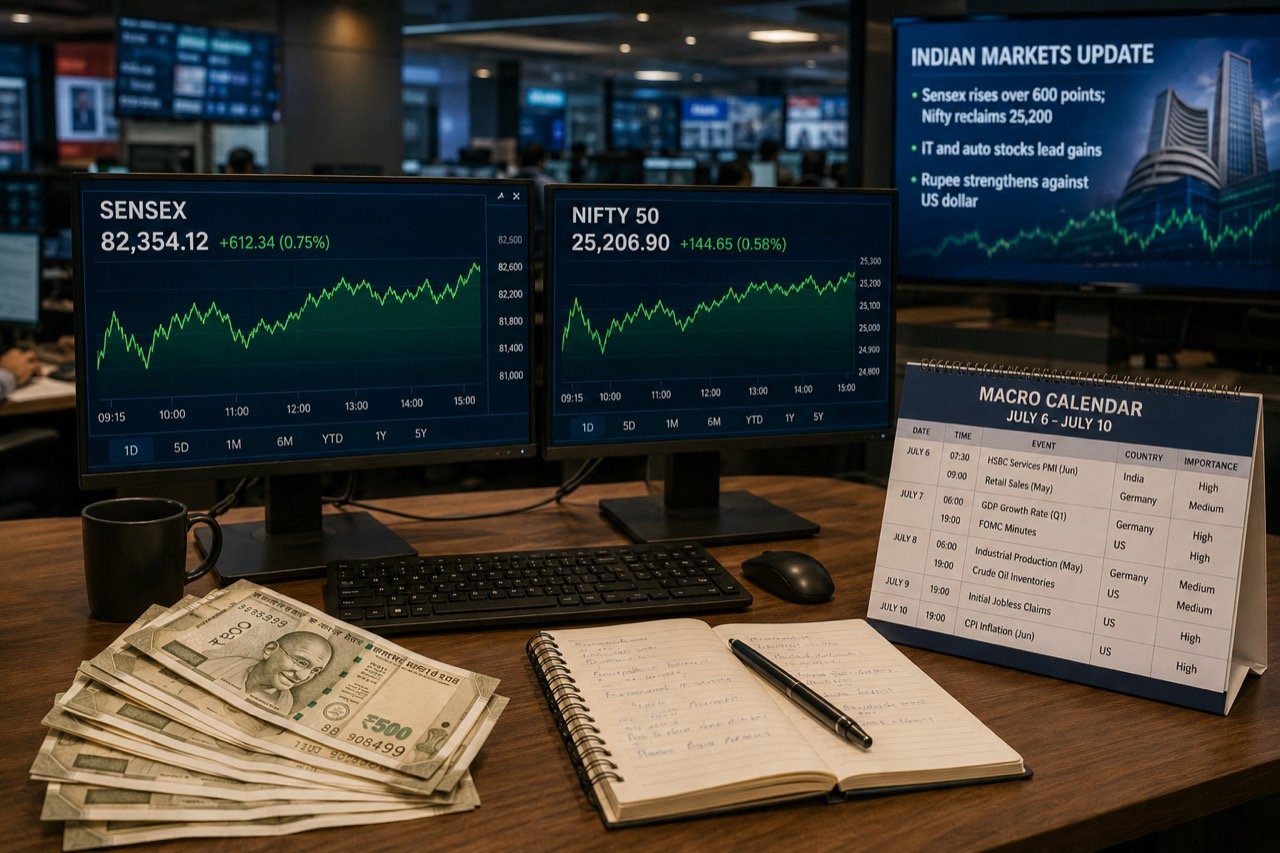
Indian equities head into a cue-heavy week as the June-quarter earnings season opens with TCS, while crude oil prices and global risk signals shape how investors position across sectors.
Commercial production at CG Semi's chip assembly and test facility in Sanand, marked by remarks from Prime Minister Modi, has renewed focus on how far India's semiconductor manufacturing push has actually come.
Indian equities enter a news-heavy week with trade-deal expectations, quarterly earnings, foreign flows and global cues all converging to set the direction for the Sensex and Nifty.
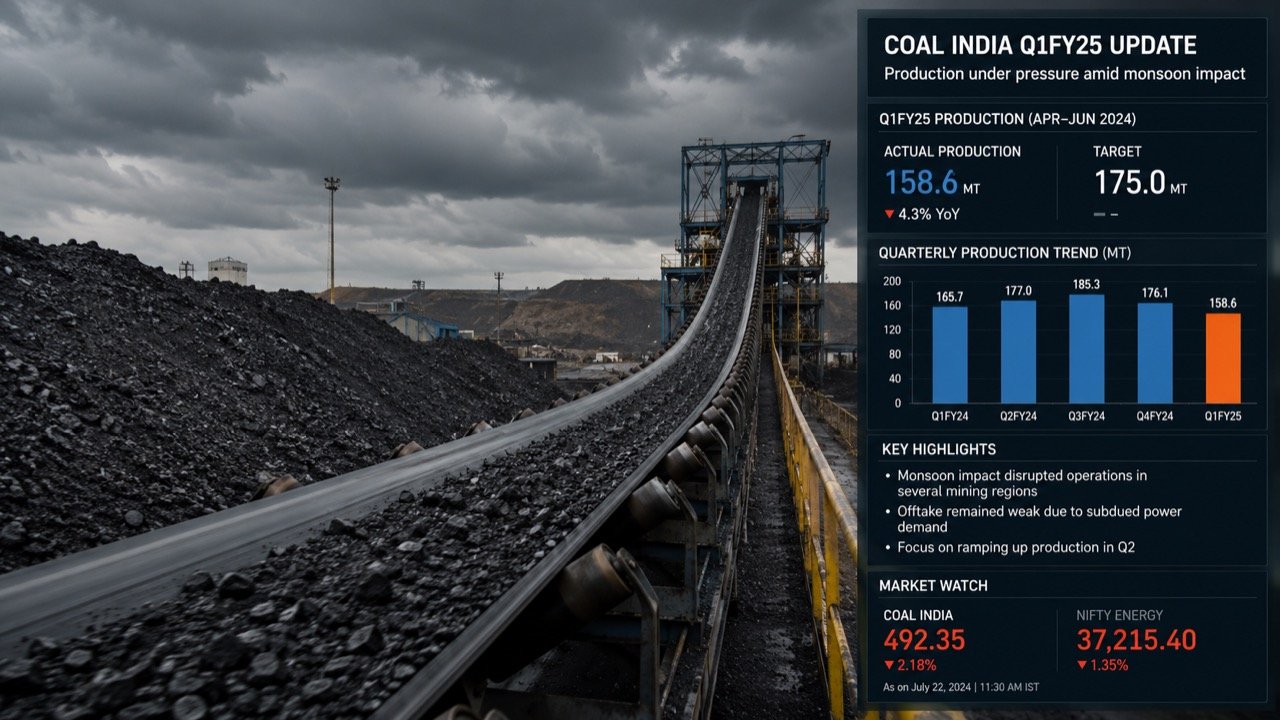
A reported first-quarter production decline at Coal India has put mining trends, monsoon disruption and power-sector inventory planning under scrutiny, given coal's central role in keeping India's lights on.
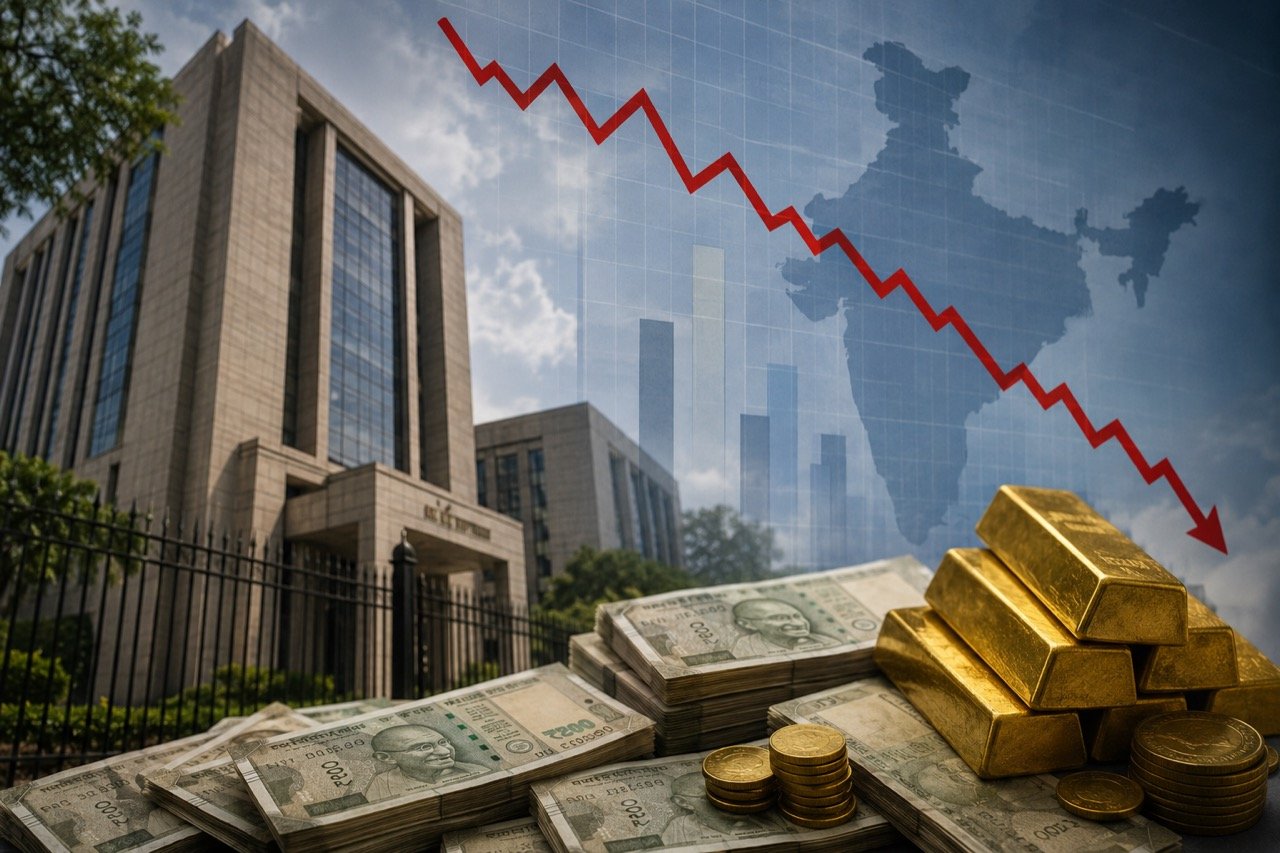
India's foreign exchange reserves have dropped to their lowest level in 15 months, narrowing the external buffer the RBI relies on to steady the rupee and reassure markets.
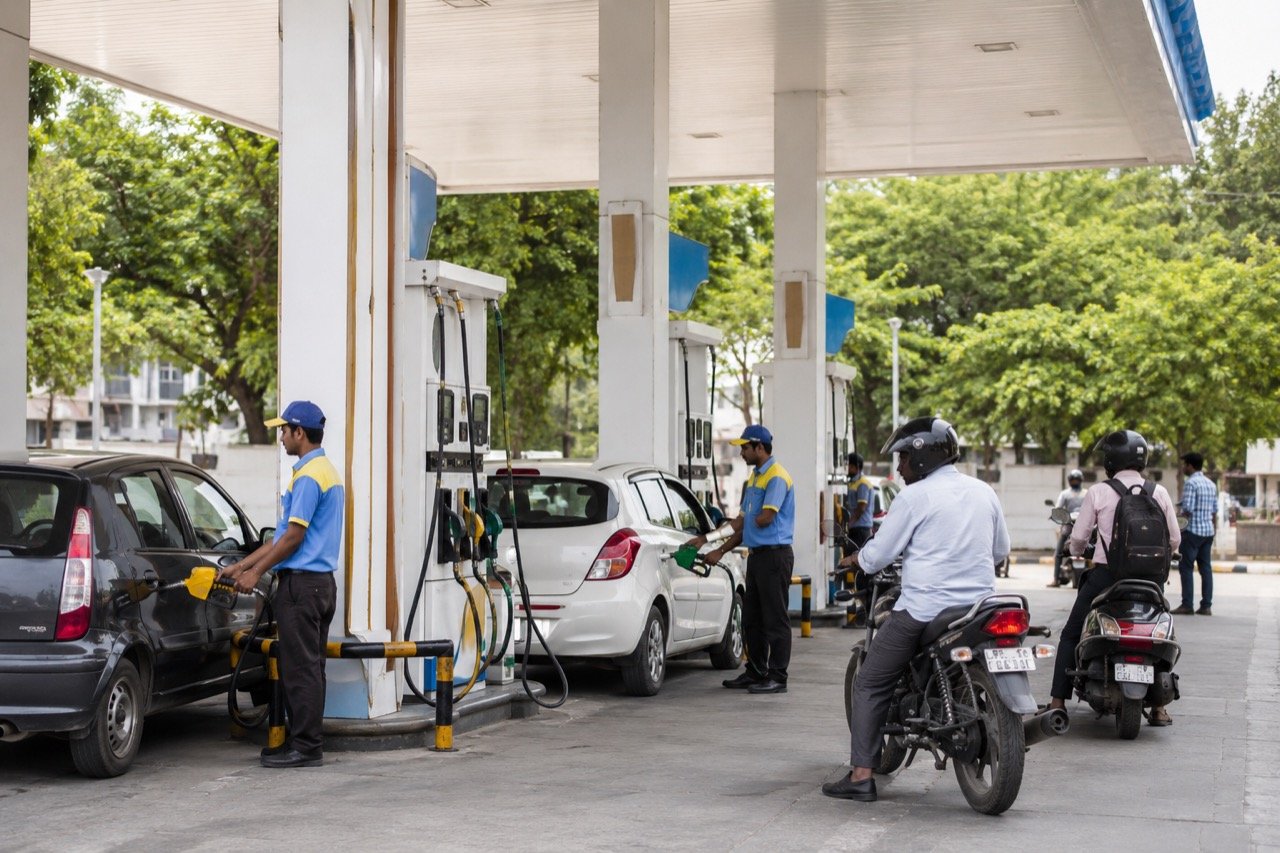
Restrictions on the sale of petrol and diesel are set to be lifted from July 1, easing uncertainty for motorists, transport operators and fuel retailers even as cities push a parallel shift to electric mobility.
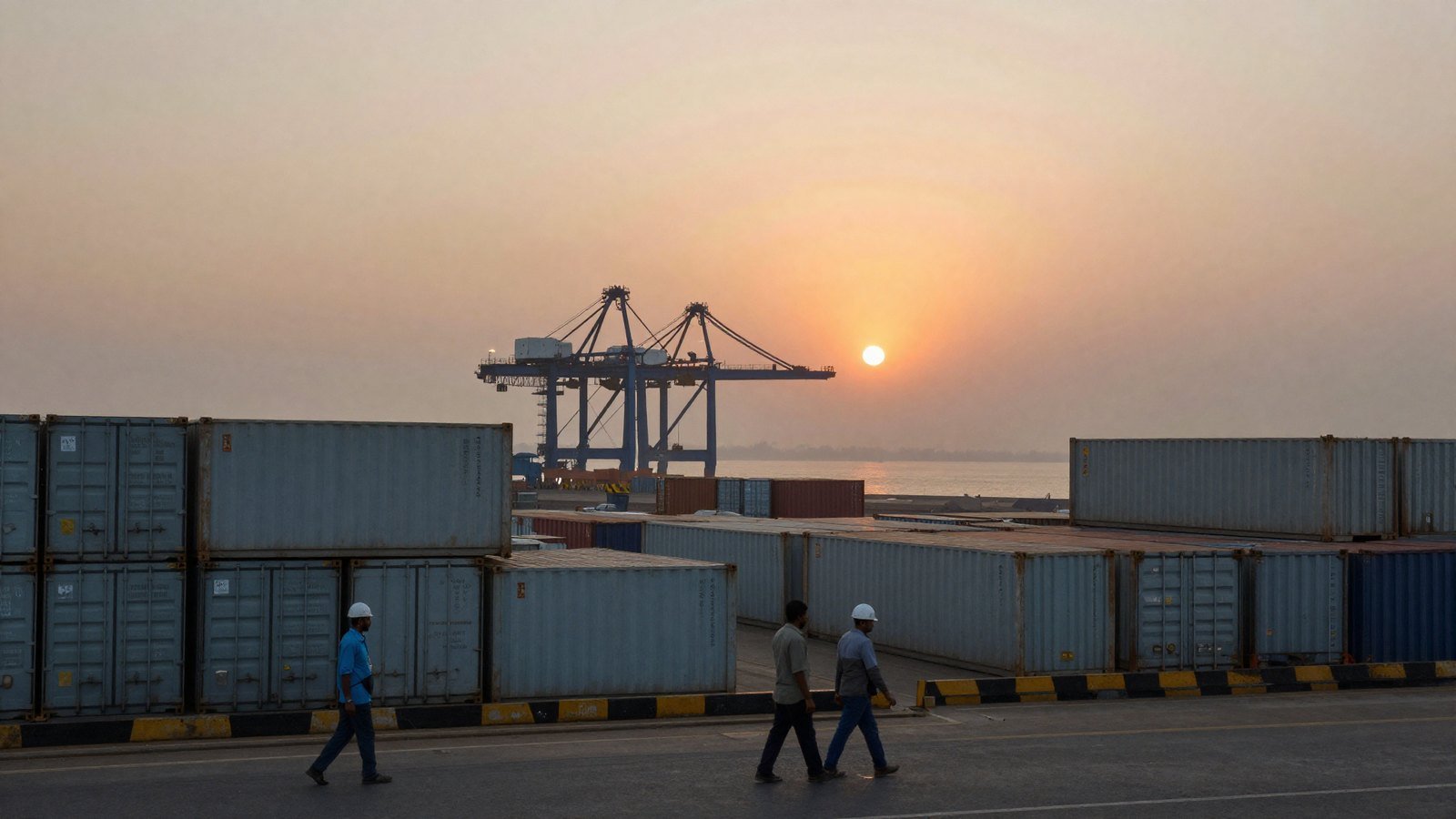
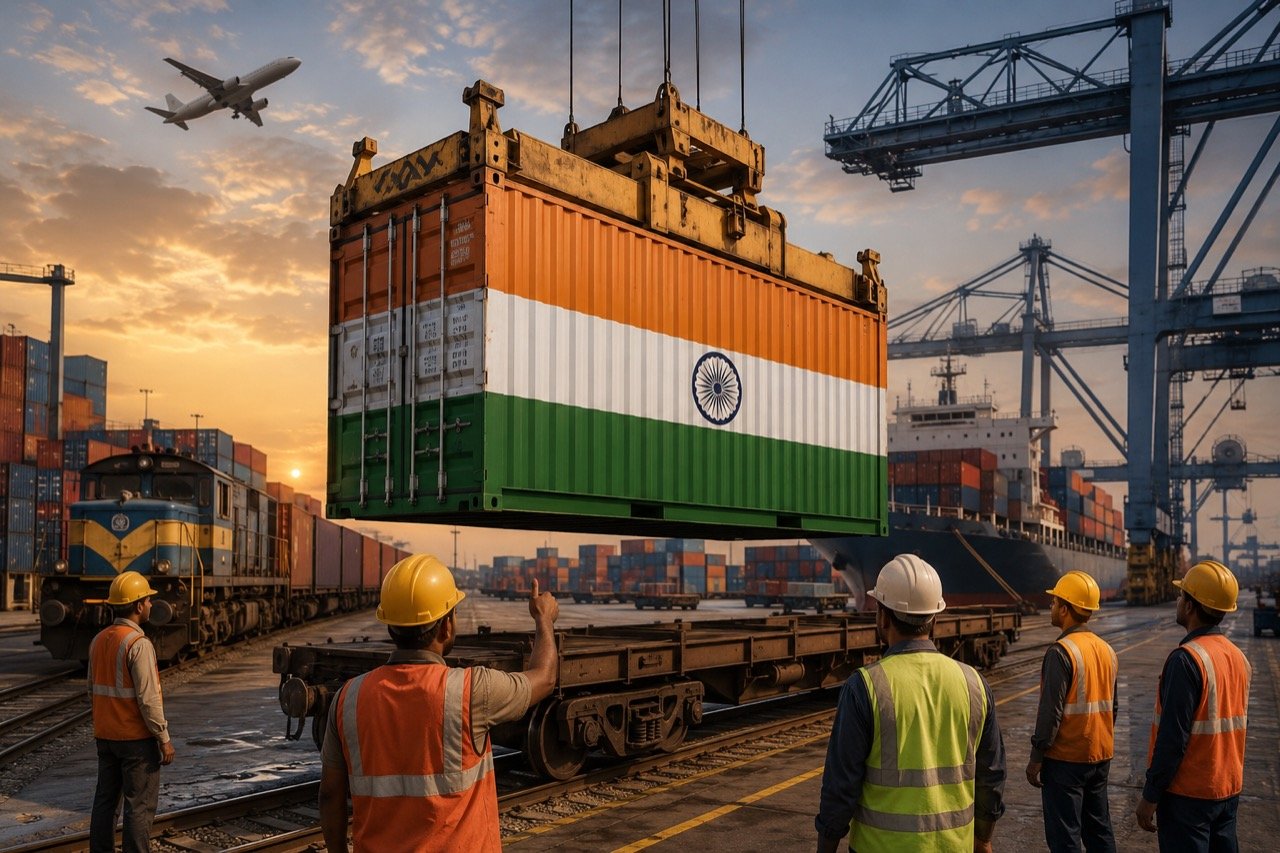
Maersk has unveiled its first India-made EXIM shipping container and placed an order for 1,000 more with DCM Shriram, a commercial vote of confidence in India's push to manufacture the hardware of global trade.
Tata Motors will raise passenger vehicle prices by up to 1.5 percent from July 1 to offset input-cost pressure, even as chairman N. Chandrasekaran reaffirms heavy investment in electric and hydrogen mobility.
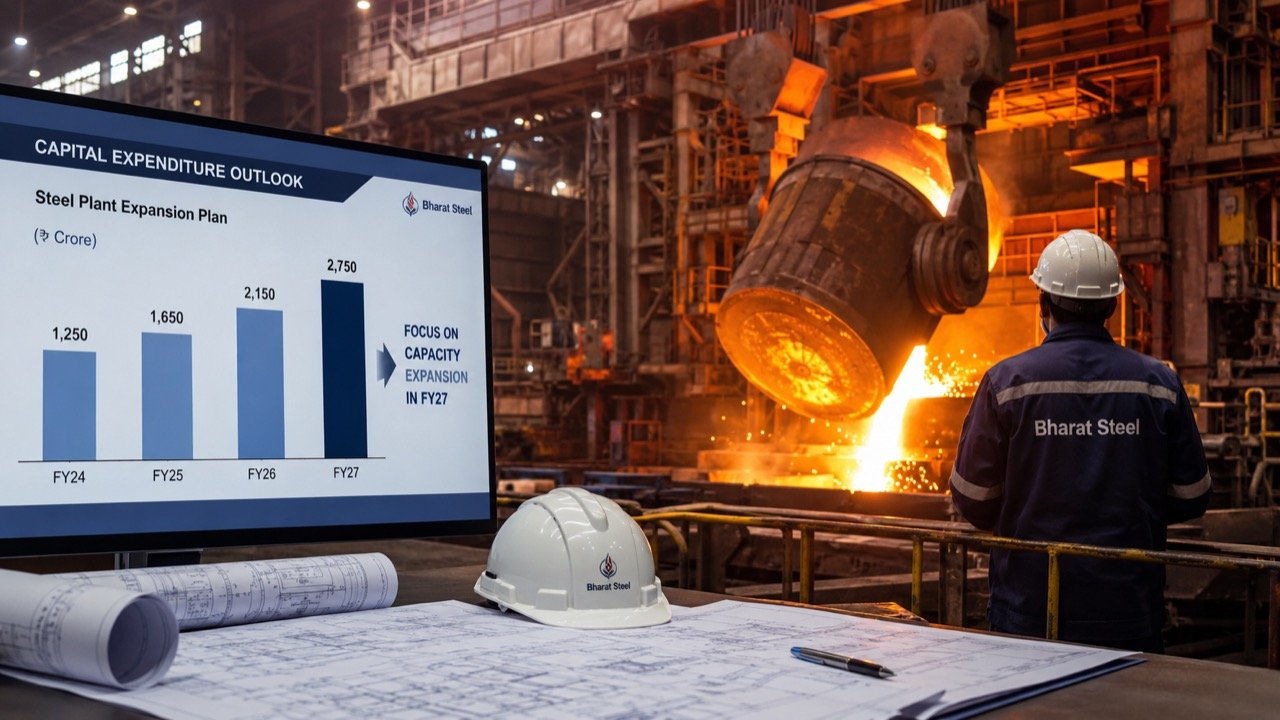
Tata Steel's roughly Rs 20,000 crore capital spending plan for FY27 signals sustained confidence in Indian steel demand, even as execution risks, raw-material costs and emissions pressures loom over the sector.
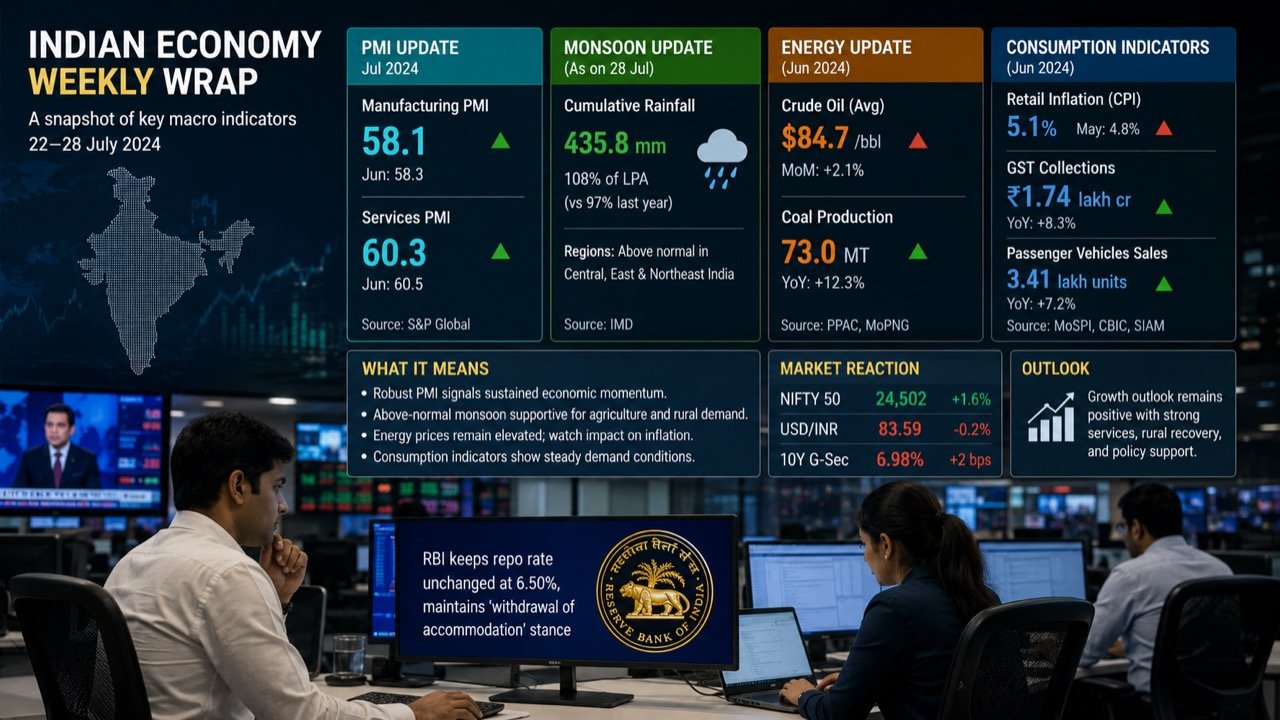
India's near-term growth picture is being read through a dashboard of indicators this week, with energy costs, PMI activity readings and monsoon-linked rural demand each pulling the conversation in different directions.
Foreign institutional investors sold Indian equities worth Rs 1,350 crore on June 29 while domestic institutions bought Rs 2,801 crore, cushioning benchmarks on a volatile day that ended in the red.
The Indian Association of Tour Operators will stage its 41st annual convention in Visakhapatnam from September 10 to 13, giving Andhra Pradesh a rare industry-wide platform to pitch its tourism potential.
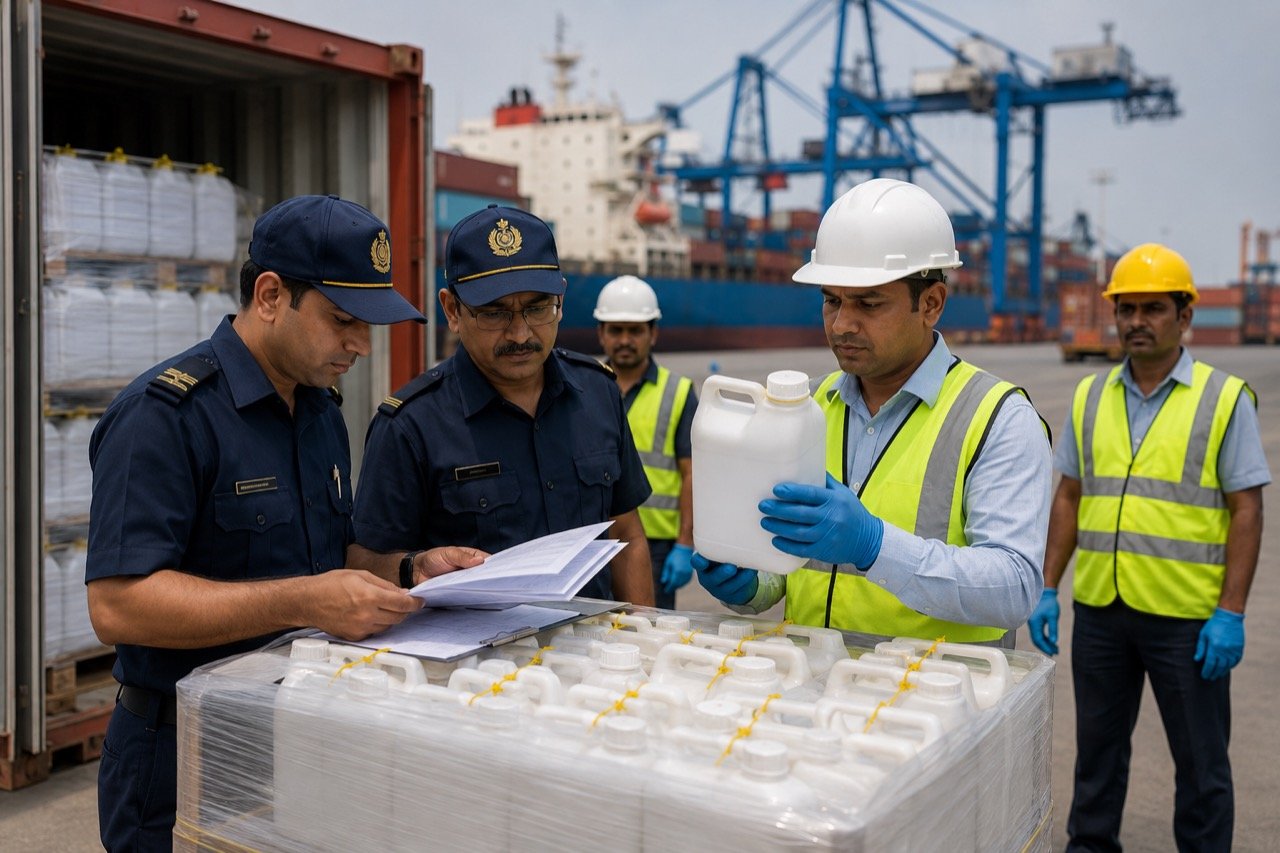
India has stepped up checks on herbicide imports from China, signalling a more assertive trade-compliance posture that could reshape supply, pricing and competition across the country's agrochemical market.
Netweb Technologies India stock logged its steepest single-day fall since January 2025, dropping as much as 11 percent after the company said its board would meet to consider raising fresh capital.
Indian benchmarks closed lower on June 29 as the Sensex fell 372 points to 76,728 and the Nifty ended at 23,946, with IT, auto and oil and gas stocks dragging while pharma outperformed.
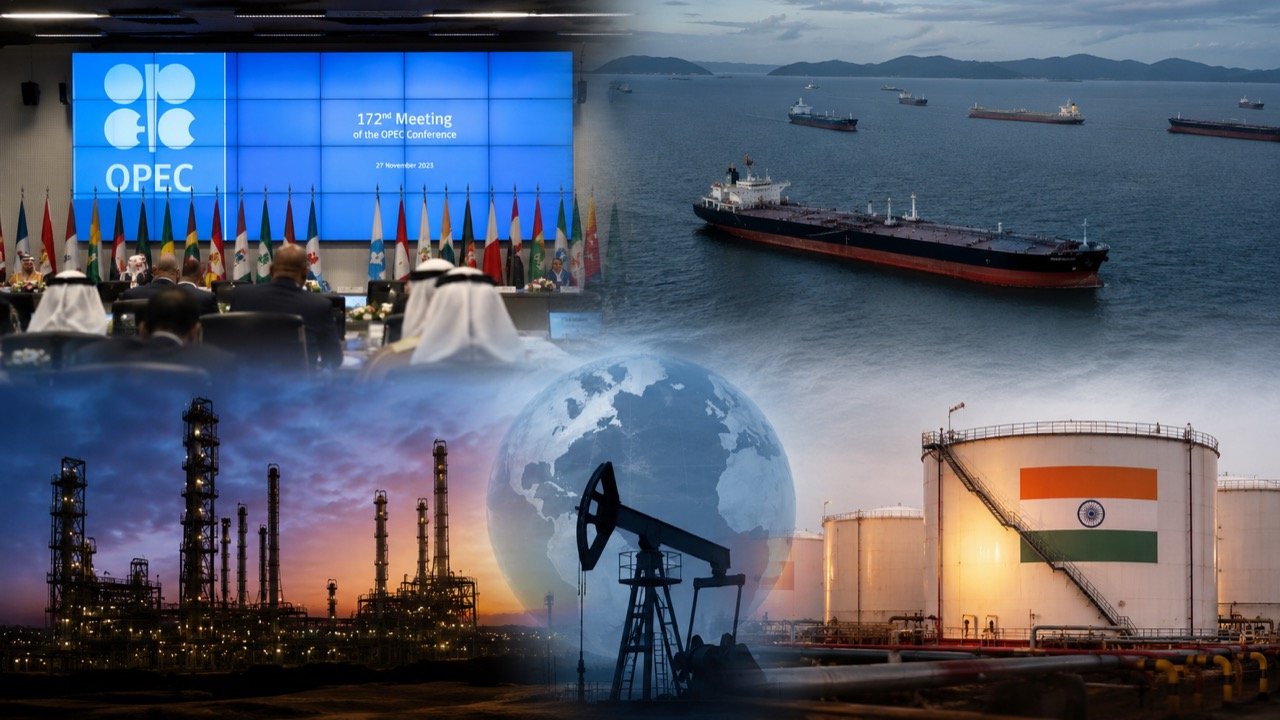
OPEC Plus members have signed off on a larger production increase for August, a supply-side shift that puts crude benchmarks, India's import bill and fuel-linked costs firmly back in the market spotlight.
Speaking at a panel in France, Finance Minister Nirmala Sitharaman said middle-class consumption helped India stay the fastest-growing large economy after Covid, putting the consumer economy back at the heart of the growth debate.
The US Department of Justice has urged a judge to permanently dismiss charges against Gautam Adani, calling the case legally flawed — a reversal with consequences for markets, diplomacy and cross-border enforcement.
· 6 min read
Showing the 30 most recent of 200 articles by Aisha Verma.