Tata Motors Lifts Prices From July, Doubles Down On EV And Hydrogen
Tata Motors will raise passenger vehicle prices by up to 1.5 percent from July 1 to offset input-cost pressure, even as chairman N. Chandrasekaran reaffirms heavy investment in electric and hydrogen mobility.
Commentary & Analysis ·
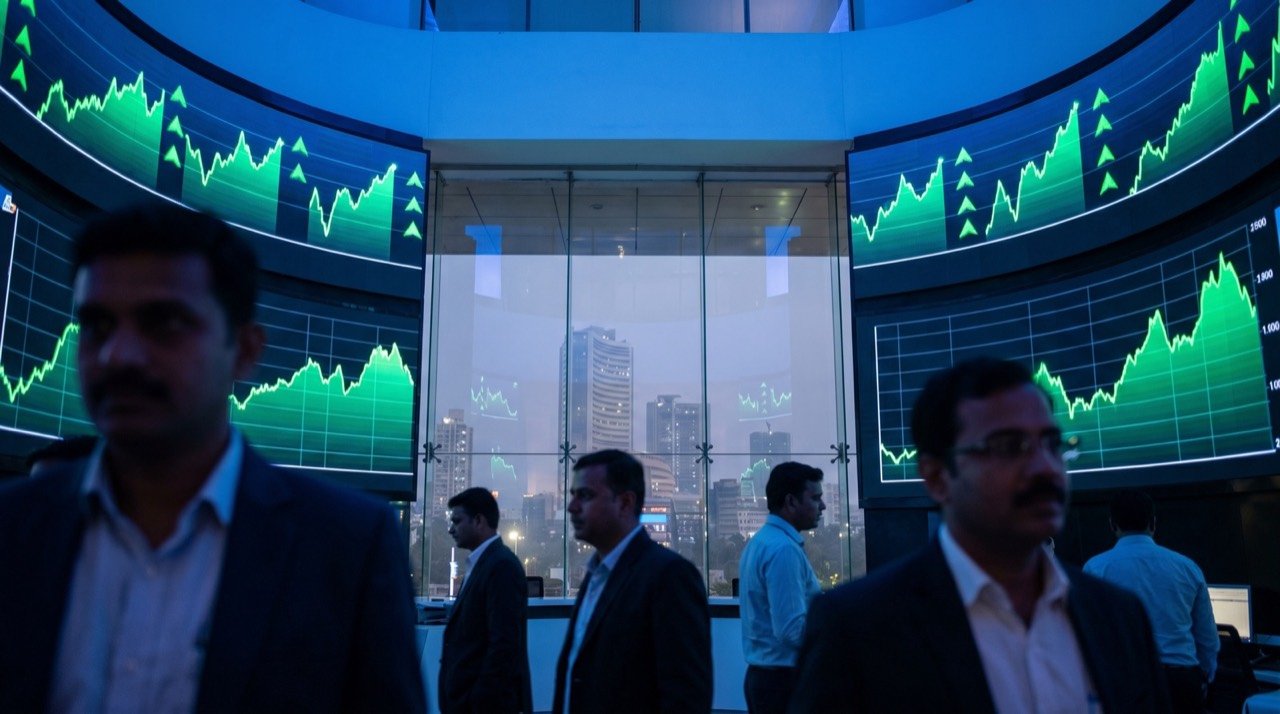
Tata Motors is set to make its cars a little more expensive. The company's passenger vehicle business has announced it will raise prices across its line-up, spanning both internal combustion engine and electric models, by up to 1.5 percent from July 1, citing rising input costs and sustained inflationary pressure. On the surface, this looks like routine housekeeping, the kind of incremental adjustment that automakers make almost every year to keep pace with costs. But the timing and context of the announcement, arriving alongside a reaffirmed commitment to electric and hydrogen mobility and a governance calendar packed with an annual general meeting and dividend payout, make it worth examining more closely than a simple price notice might suggest.
Passing on cost pressure, carefully
The carmaker has been explicit that the revision is meant to partially offset the impact of higher commodity and component costs rather than fully recover them. That distinction matters. A full pass-through would signal that Tata Motors is prioritising margin protection above all else, potentially at the risk of ceding ground to rivals in a market where every percentage point of price sensitivity can swing volumes. A partial pass-through, by contrast, is a calibrated approach that reflects just how competitive the Indian passenger vehicle market has become. Manufacturers today are contending with volatile input costs, from steel and aluminium to semiconductors and battery materials, even as consumers remain acutely price-conscious, particularly in the mass-market and entry-level segments where Tata has historically built much of its volume base.
Price increases of this scale, up to 1.5 percent, have become a recurring feature of the industry's rhythm. They rarely make headlines in isolation, precisely because they are so routine. What is notable here is that the hike applies across the entire portfolio, meaning buyers of Tata's popular electric vehicle range will also see modest increases even as the company works to keep electric mobility accessible to a wider swathe of Indian buyers. This is a delicate balancing act: EVs in India are still finding their footing on affordability, and any additional cost, however modest, has the potential to blunt the price advantage that has helped Tata build an early lead in the segment.
Betting on cleaner mobility despite the pinch
Alongside the pricing move, chairman N. Chandrasekaran reaffirmed that Tata Motors will keep investing in electric and hydrogen-based technologies, particularly for commercial vehicles. He framed the shift to cleaner transport as requiring a portfolio approach, combining battery-electric, hydrogen and other lower-emission options rather than placing a single bet on one technology. This is a significant statement of intent precisely because it comes at a moment when the company is also asking consumers to absorb higher prices. It would have been easy, and perhaps tempting, to use rising costs as a pretext to slow down capital-intensive investment in newer technologies. Instead, the chairman's remarks suggest the opposite: that Tata Motors views the clean mobility transition as a long-term strategic imperative that should not be hostage to short-term cost cycles.
The emphasis on commercial vehicles is particularly worth noting. Passenger EVs tend to dominate public conversation in India, but the decarbonisation of trucks, buses and other heavy commercial vehicles presents a distinct and arguably more difficult engineering and infrastructure challenge. Hydrogen, in particular, is often discussed as a promising option for heavy-duty and long-haul applications where battery weight and charging time are more constraining than they are for passenger cars. By explicitly including hydrogen in its portfolio language, Tata Motors is signalling that it does not expect battery-electric technology alone to solve the commercial vehicle transition, and that it is willing to hedge across multiple technological pathways rather than commit exclusively to one.
A governance calendar that reinforces the narrative
On the corporate front, Tata Motors has scheduled its annual general meeting for June 29, with a final dividend of ₹4 per share and a record date of June 12, and payment due by early July. The company has also filed its business responsibility and sustainability report for FY26 with assurance from its auditors, part of a broader push on disclosure. Taken together, these governance milestones matter beyond their procedural function. A dividend payout signals confidence in underlying cash generation even as the company continues to fund an expensive multi-year transition to cleaner powertrains. An assured sustainability report, meanwhile, reflects the growing expectation, from regulators, institutional investors and increasingly from customers, that large industrial companies substantiate their environmental claims with independently verified disclosure rather than promotional language alone.
None of this happens in a vacuum. Indian and global investors alike are increasingly scrutinising automakers not just on quarterly earnings but on the credibility of their transition plans. A dividend alongside continued capital commitment to EV and hydrogen development sends a dual message: the core business remains healthy enough to reward shareholders, while management retains conviction in the strategic direction it has set for the years ahead.
What this means for buyers and the industry
For buyers, the near-term takeaway is straightforward: a modest price bump, applied consistently across the range, that will marginally raise the cost of ownership regardless of whether the vehicle in question runs on petrol, diesel or a battery. For the industry, the more telling signal is Tata's continued commitment to spend through the transition even as it manages cost headwinds. This is not the behaviour of a company retrenching in the face of inflation; it is the behaviour of a company that views the current cost pressure as cyclical and the clean mobility shift as structural.
It is worth situating this within the broader competitive landscape. Indian automakers are under mounting pressure, both from domestic rivals expanding their own EV lines and from evolving emissions regulation, to demonstrate credible pathways toward electrification. A company that pairs price discipline with sustained investment is effectively trying to have it both ways: protecting near-term margins while not ceding long-term technological ground. Whether this balancing act proves sustainable will depend heavily on how input costs evolve over the coming quarters and how quickly hydrogen technology matures from demonstration projects to commercially viable fleets.
The NE Times View
A modest price rise to protect margins is routine; the more telling signal is Chandrasekaran doubling down on EVs and hydrogen even as input costs bite. Tata is betting that early leadership in clean mobility outweighs near-term pain, a reasonable wager given where regulation is heading. The risk is hydrogen's commercial timeline slipping, a scenario that would leave the company having invested heavily in a technology still awaiting the infrastructure and cost breakthroughs needed for mass deployment. For now, though, India's EV transition has a serious, committed champion, one willing to raise prices modestly rather than slow its technology roadmap, and willing to pair that roadmap with the kind of governance discipline, dividends and assured sustainability reporting, that reassures investors it can fund the transition without compromising financial health.
Key takeaways
- Tata Motors will raise passenger vehicle prices by up to 1.5 percent from July 1, covering both internal combustion and electric models, citing rising input costs and inflationary pressure.
- The increase is described as a partial, not full, pass-through of costs, reflecting the competitive intensity of the Indian passenger vehicle market.
- Chairman N. Chandrasekaran reaffirmed continued investment in electric and hydrogen technologies, especially for commercial vehicles, framing the transition as a multi-technology portfolio rather than a single bet.
- The company's AGM is scheduled for June 29, with a ₹4 final dividend, a record date of June 12, and payment due by early July, alongside the filing of an auditor-assured FY26 sustainability report.
- The combination of price discipline and sustained clean-technology investment signals a company managing near-term cost pressure without slowing its long-term transition strategy.
You may also like to read

Maruti sets a record and Tata's EVs cross 10,000 as India's car market holds momentum
May's sales numbers showed resilient demand and an electric milestone for Tata, even as carmakers prepare buyers for fresh price increases.

Gold Prices Ease Across Indian Cities: What the July 4 Dip Means
Gold rates for 24-karat and 22-karat metal edged lower across Delhi, Mumbai, Bengaluru, Chennai and Hyderabad on July 4, offering a window for buyers weighing jewellery and investment purchases.
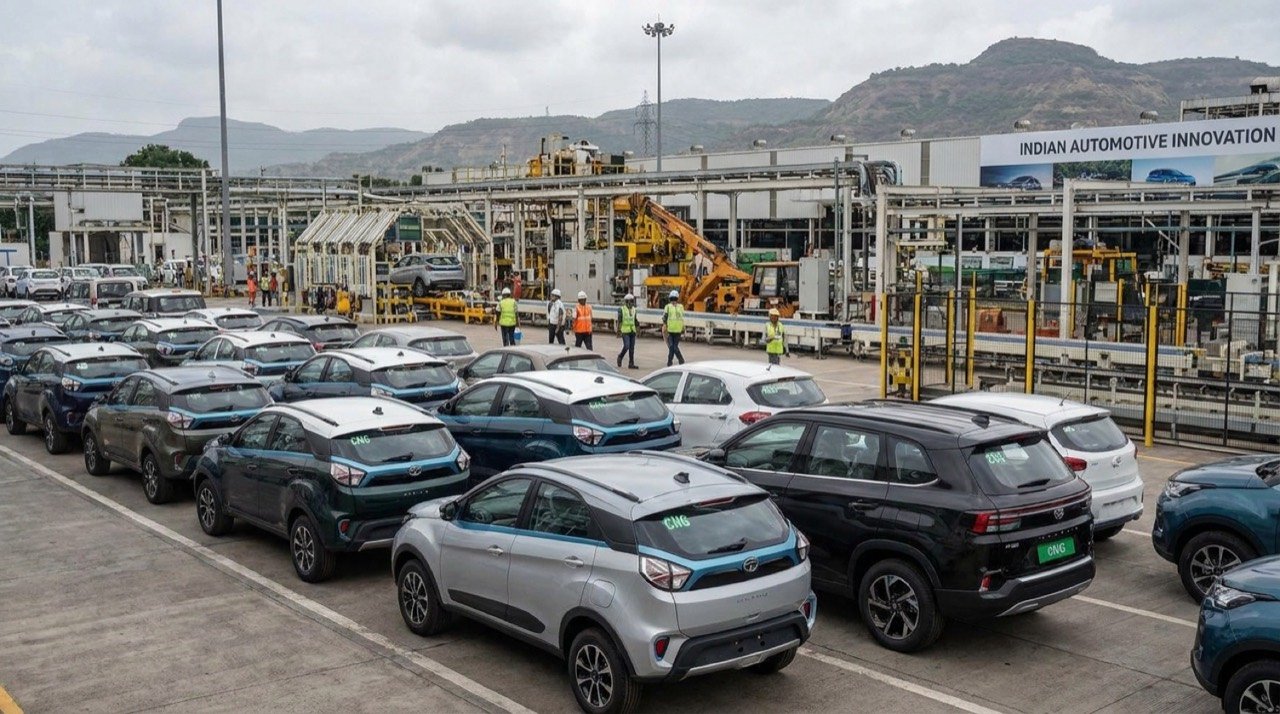
Tata Motors Targets Near-Doubling of Revenue and Sales by 2031
Tata Motors Passenger Vehicles has unveiled a 2031 plan to push revenue past Rs 6 trillion and sales beyond 1.2 million units, betting on electric and CNG models to drive India's cleaner-mobility shift.
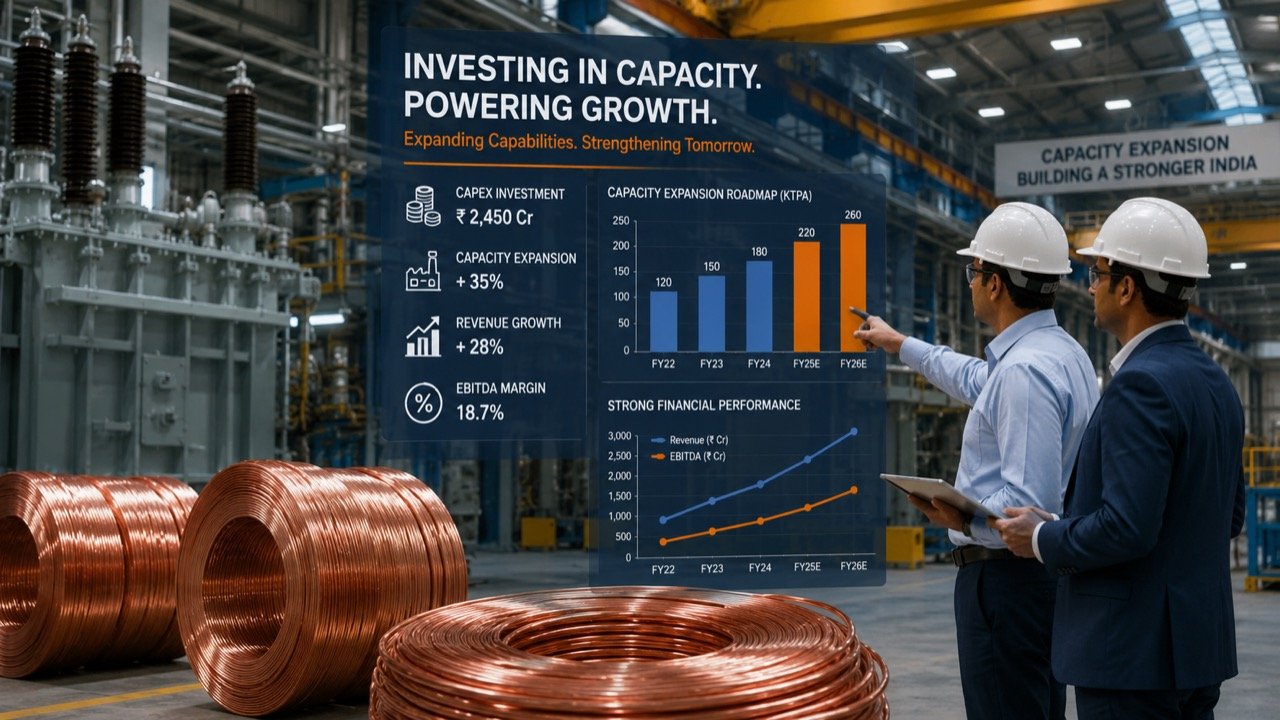
India Copper Capacity Push Grows Urgent as Clean Energy Demand Rises
Rising demand from solar, wind, electric vehicles and grid expansion is turning India's copper supply into a strategic industrial question, with capacity gaps threatening costs and project timelines.
More from this section
More
Adani Case: US DOJ Pushes for Permanent Dismissal of Charges
The US Department of Justice has urged a judge to permanently dismiss charges against Gautam Adani, calling the case legally flawed — a reversal with consequences for markets, diplomacy and cross-border enforcement.

Akasa Air Inducts 40th Aircraft in Indian Aviation Scale-Up
Akasa Air's 40th aircraft, ferried to Bengaluru via Seattle, Reykjavik and Cairo, marks a fleet milestone for the young carrier and a fresh signal that India's aviation market remains firmly in expansion mode.
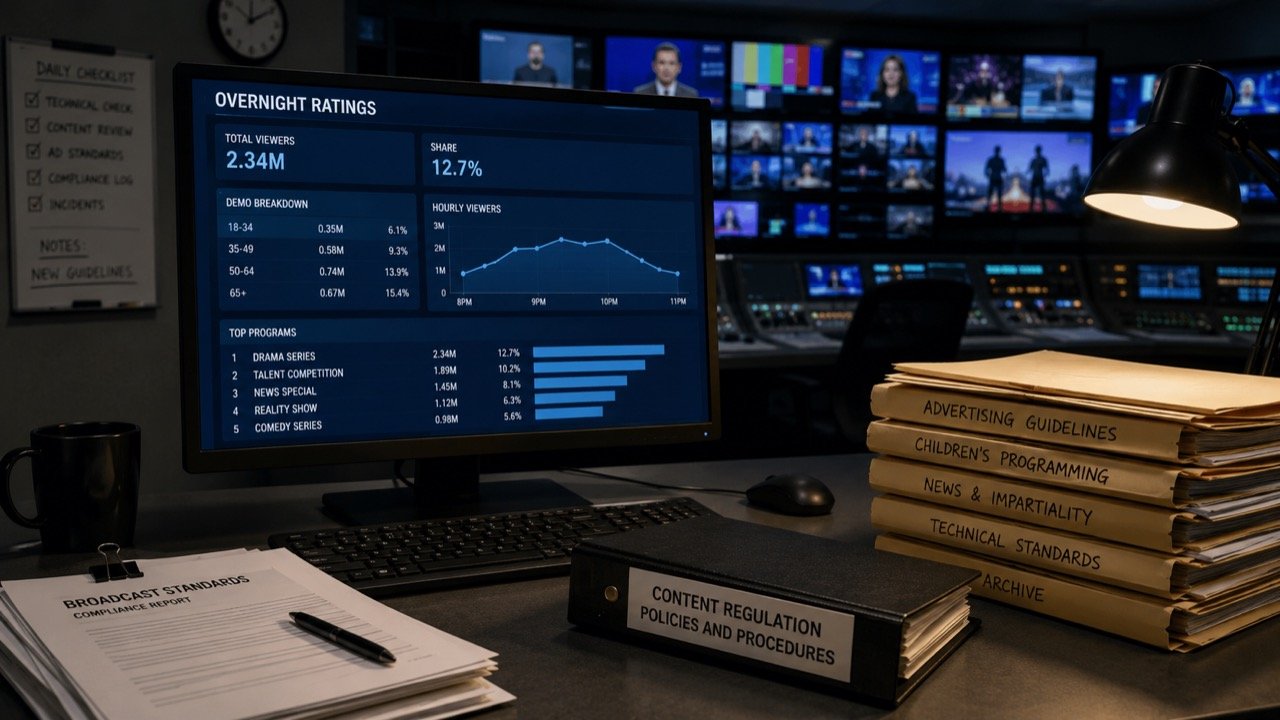
BARC Ratings Suspension Leaves Indian TV Industry Flying Blind
BARC's pause on television ratings has put India's broadcast measurement system under fresh scrutiny, leaving broadcasters, advertisers and media planners without the weekly audience data that anchors the TV economy.