Maruti sets a record and Tata's EVs cross 10,000 as India's car market holds momentum
May's sales numbers showed resilient demand and an electric milestone for Tata, even as carmakers prepare buyers for fresh price increases.
Commentary & Analysis ·

India's passenger-vehicle market kept its momentum through May 2026, with market leader Maruti Suzuki posting record domestic sales and Tata Motors marking a milestone of its own as its electric-vehicle deliveries crossed the 10,000-unit mark for the first time. The figures point to a market that remains broadly healthy, even as manufacturers signal that buyers should brace for fresh price increases on the back of rising input costs.
The monthly data offered a snapshot of an industry in transition, with established petrol and SUV demand holding firm while electrification gathers pace. The jostling at the top of the sales charts, and the steady climb of EVs, capture both the competitive intensity and the structural shifts reshaping how India buys cars.
Maruti leads, Tata edges Mahindra
Maruti Suzuki retained a comfortable lead at the top, reporting domestic passenger-vehicle sales of around 1.9 lakh units in May, a record for the carmaker. Behind it, the contest for second place tightened, with Tata Motors selling close to 59,000 to 60,000 passenger vehicles, up more than 42 per cent year on year, narrowly edging Mahindra, which logged SUV sales of around 58,000 units, up nearly 11 per cent on the same month last year.
The strong showings across the board suggest underlying demand remains robust, supported by new model launches and sustained interest in SUVs, the segment that has driven much of the market's growth in recent years. The closeness of the race for the runner-up spot underscores how competitive the mid-market has become.
An electric milestone for Tata
The standout data point was Tata Motors crossing 10,000 EV units sold in a single month for the first time, reaching a reported 10,517 units. The achievement cements Tata's position as the bellwether of India's still-young electric-car market, where it commands the broadest model portfolio. Key features of the EV landscape include:
- Tata leading on portfolio breadth and monthly volumes
- Mahindra closing the gap with newer electric SUVs
- MG Motor, VinFast and Maruti Suzuki emerging as significant players
- Growing consumer familiarity supporting steady, if still modest, EV adoption
While EVs remain a small share of overall sales, the trajectory matters. Each monthly record narrows the gap between aspiration and reality for an industry, and a government, betting heavily on electrification to cut emissions and reduce oil imports.
Price hikes on the horizon
Even as volumes impressed, carmakers flagged cost pressures. Maruti Suzuki announced price increases of up to Rs 30,000 across select models from June, citing rising input costs, a move that others in the industry have echoed in recent cycles. Such increases reflect the squeeze from higher raw-material and component prices, and test how much buyers are willing to absorb before demand softens.
The interplay between price hikes and demand will be a key variable in the months ahead. So far, the market has largely shrugged off periodic increases, but persistent cost inflation, particularly if compounded by currency and commodity pressures, could eventually weigh on the affordability that has underpinned India's car boom.
Outlook
May's numbers paint a picture of an industry that is resilient and increasingly electrified, but not immune to cost pressures. The coming months will reveal whether record volumes can be sustained as prices rise, and how quickly EVs can scale from milestone to mainstream. For now, the data suggests India's car market remains one of the brighter spots in the broader economy.
The NE Times View
Resilient demand and Tata crossing 10,000 EVs in a month show the market is broadening, not just recovering. But the looming price hikes matter more than the records: India's car buyer remains acutely cost-sensitive, and affordability, not novelty, will decide whether electrification reaches beyond metros. Watch entry-level demand closely; that is where the squeeze, and the real story of mass adoption, will play out.
This article is original commentary and analysis by The NE Times. Background facts were referenced from Autocar India, DriveSpark and Upstox.
You may also like to read

Tata Motors Lifts Prices From July, Doubles Down On EV And Hydrogen
Tata Motors will raise passenger vehicle prices by up to 1.5 percent from July 1 to offset input-cost pressure, even as chairman N. Chandrasekaran reaffirms heavy investment in electric and hydrogen mobility.

India's US LPG Imports Set to Cross Record 1 Million Tonnes in June Amid Middle East Disruption
India's cooking-gas imports from the United States are poised to top a record 1 million tonnes in June as refiners diversify away from Gulf supply disrupted by tension around the Strait of Hormuz.
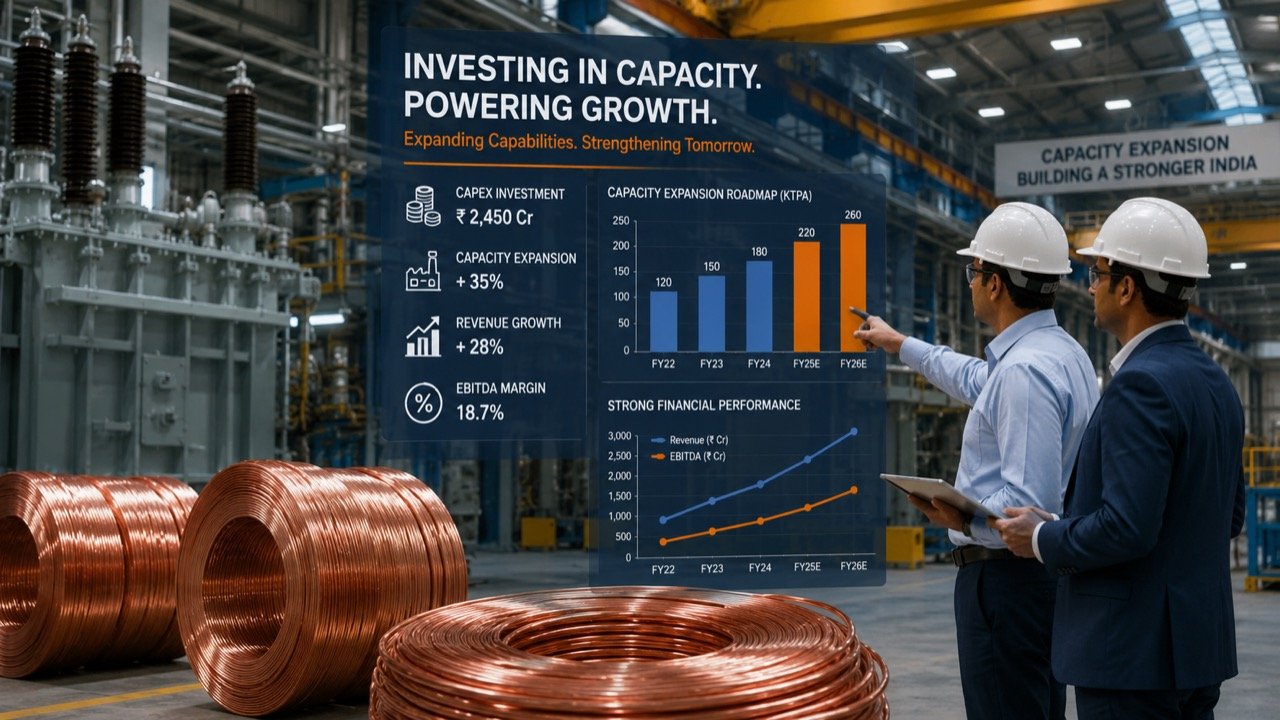
India Copper Capacity Push Grows Urgent as Clean Energy Demand Rises
Rising demand from solar, wind, electric vehicles and grid expansion is turning India's copper supply into a strategic industrial question, with capacity gaps threatening costs and project timelines.
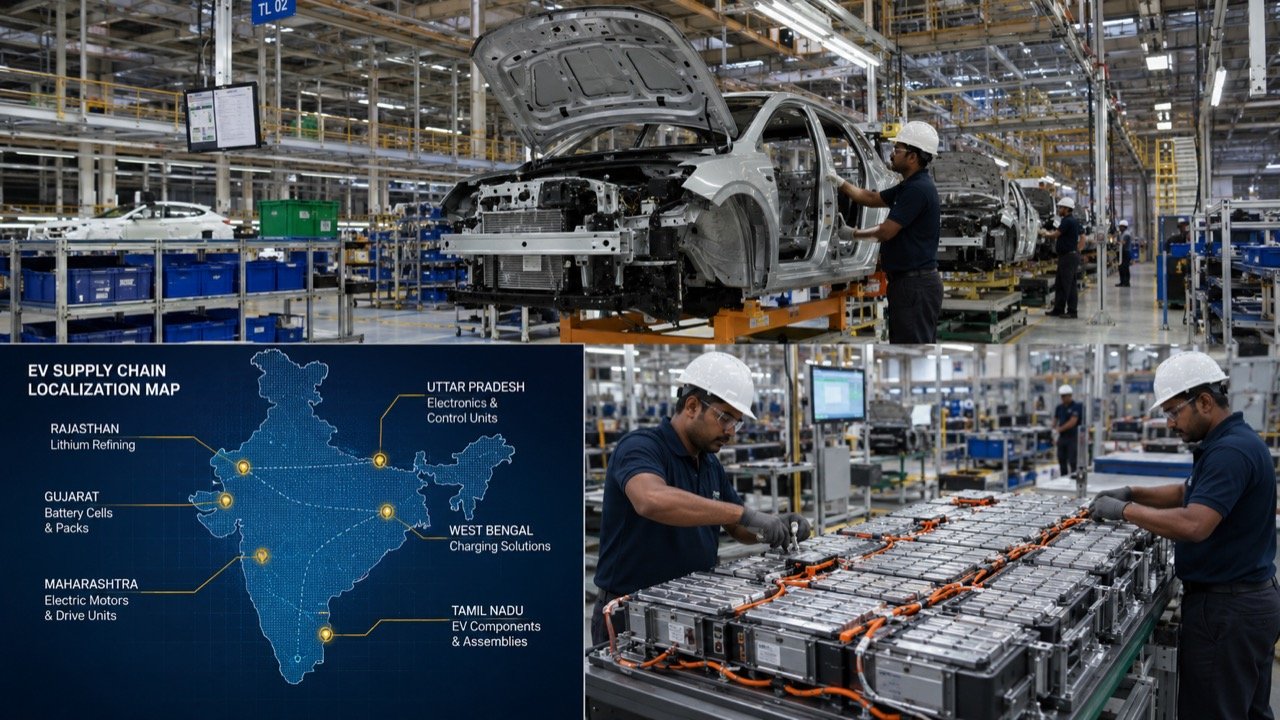
JSW MG Motor Targets 50% EV Parts Localisation in India
JSW MG Motor India's plan to source at least half of its electric-vehicle components domestically has turned a spotlight on the readiness of India's EV supply chain, from batteries to power electronics.
More from this section
More
Adani Case: US DOJ Pushes for Permanent Dismissal of Charges
The US Department of Justice has urged a judge to permanently dismiss charges against Gautam Adani, calling the case legally flawed — a reversal with consequences for markets, diplomacy and cross-border enforcement.

Akasa Air Inducts 40th Aircraft in Indian Aviation Scale-Up
Akasa Air's 40th aircraft, ferried to Bengaluru via Seattle, Reykjavik and Cairo, marks a fleet milestone for the young carrier and a fresh signal that India's aviation market remains firmly in expansion mode.
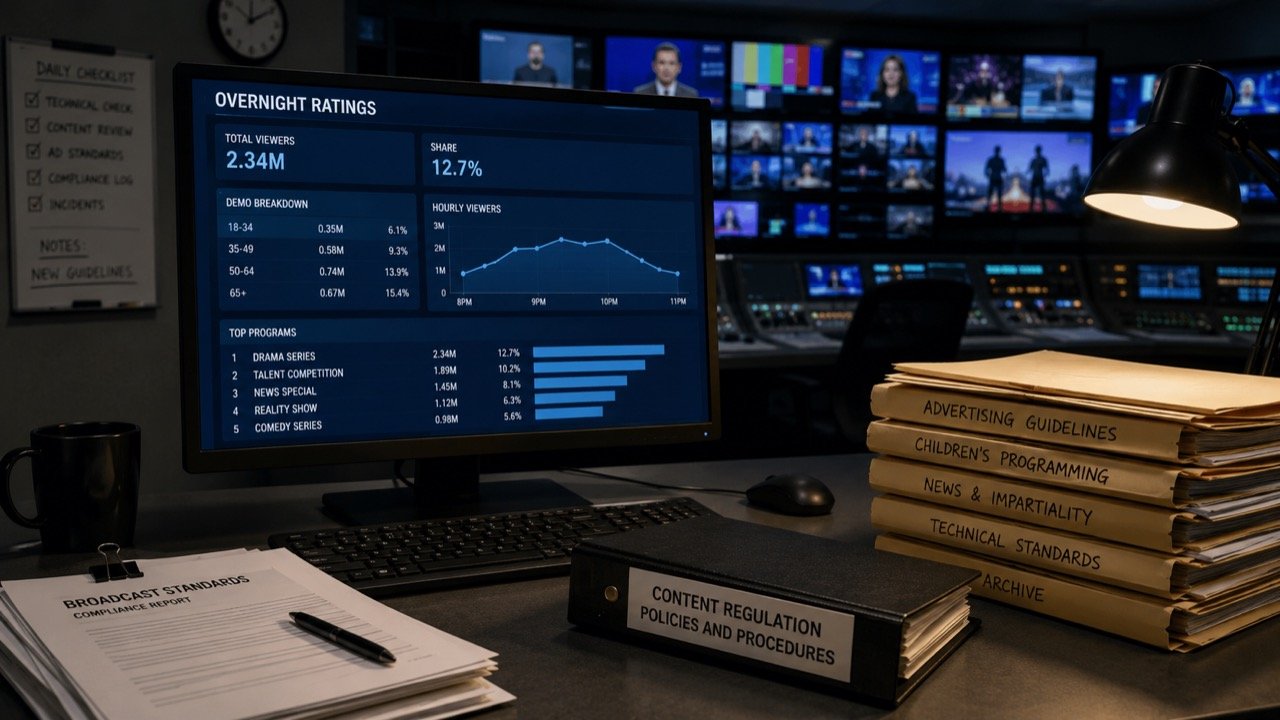
BARC Ratings Suspension Leaves Indian TV Industry Flying Blind
BARC's pause on television ratings has put India's broadcast measurement system under fresh scrutiny, leaving broadcasters, advertisers and media planners without the weekly audience data that anchors the TV economy.