India Refining Capacity Expansion Powers New Energy Push
India's plans to expand oil refining capacity are back in the spotlight, underlining how fuel infrastructure remains central to demand, exports and energy security even as the clean-energy transition gathers pace.
Commentary & Analysis ·
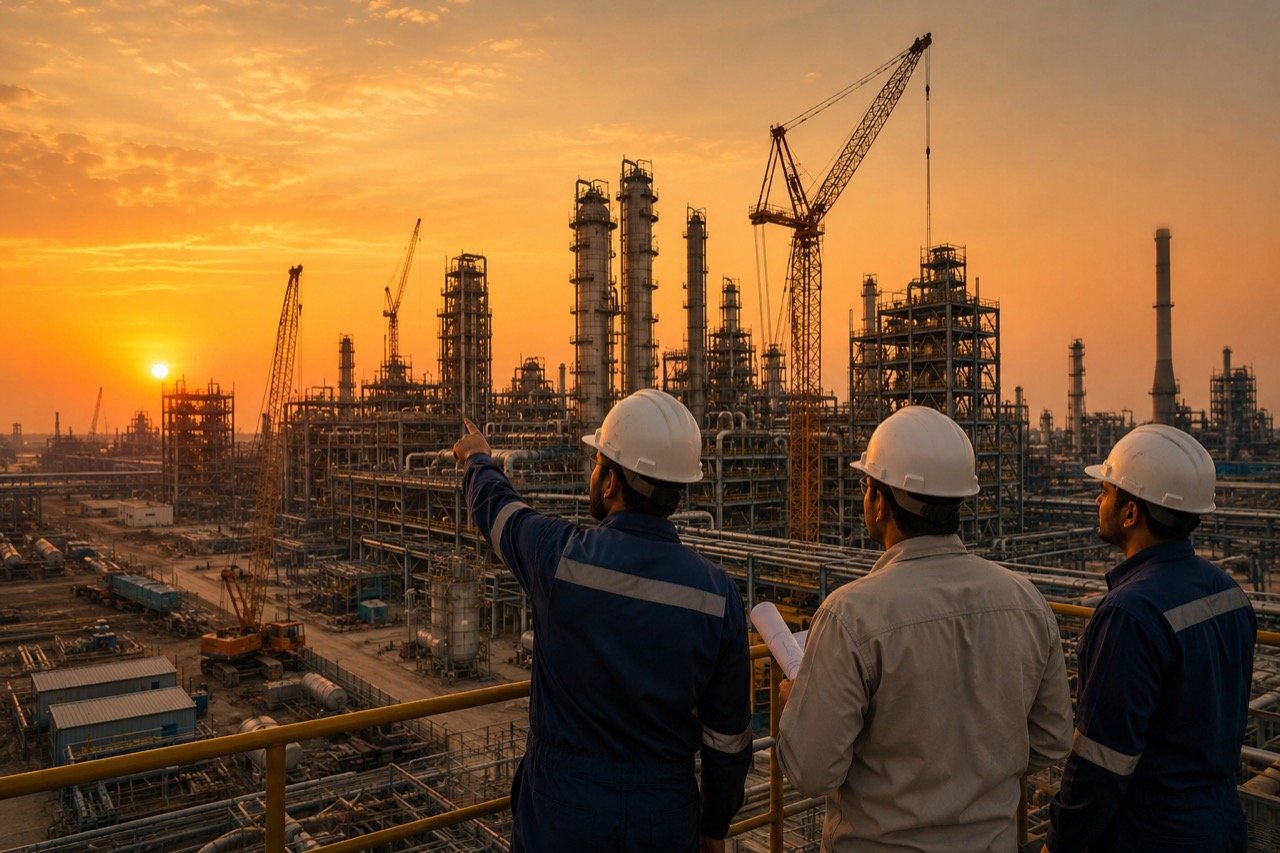
India's push to expand its oil refining capacity has re-emerged as a major energy-infrastructure story, featuring among the July 5 business developments tracked by NDTV and financial news desks. The renewed attention reflects a simple reality: as one of the world's largest energy consumers and a significant exporter of petroleum products, India's refining muscle sits at the heart of its growth story. That a subject as technical as refinery capacity can command space in mainstream business coverage says something about how central energy infrastructure has become to the national economic narrative, sitting alongside more headline-grabbing themes such as trade policy and stock market movements.
Why refining capacity matters
Additional refining capacity serves several goals at once. It helps meet rising domestic fuel demand, supports exports of refined products, and gives Indian refiners greater flexibility in sourcing crude from diverse suppliers — a strategic advantage in volatile global markets. The framing is as much about security as about commerce. A country that refines more of its own crude, and does so with the flexibility to process oil from a wider range of suppliers, is less exposed to any single geopolitical shock, whether that be a disruption in one producing region or a sudden repricing of a particular grade of crude. This matters enormously for India, which imports the overwhelming majority of the crude oil it consumes and has spent recent years diversifying its supplier base precisely to avoid overreliance on any one source.
There is also a straightforward commercial logic at play. Refined products such as diesel, petrol, jet fuel and petrochemical feedstocks are more valuable, and more exportable, than crude oil itself. A refiner with modern, flexible units can capture that additional value, selling not just to the domestic market but into export markets where Indian refined products already have a meaningful footprint. Expanding capacity, in other words, is not simply about keeping pace with population growth and rising vehicle ownership at home; it is also about consolidating India's position as a refining and export hub for the wider region.
Energy security as the underlying driver
Beneath the commercial rationale lies a deeper concern about energy security. Global crude markets have shown repeatedly in recent years how quickly prices and availability can shift in response to conflict, sanctions or supply-chain disruption. For a country as dependent on imported crude as India, the ability to process oil from a broad range of sources, rather than being locked into a narrow set of suppliers or a narrow slate of refinery configurations, is a genuine strategic asset. Capacity expansion, when paired with refinery flexibility, gives Indian policymakers and companies more room to manoeuvre when global conditions turn unfavourable. It is this security dimension, more than any single project announcement, that explains why refining capacity keeps resurfacing as a story of national importance rather than a routine industrial update.
Questions the expansion raises
Expansion is not without trade-offs. Large refinery projects involve heavy investment costs, tighter environmental standards, and assumptions about long-term fuel demand at a time when electric mobility and biofuels are growing. These are not small considerations. Refineries are capital-intensive, decades-long investments, and the economics of any new plant rest on assumptions about how much diesel and petrol India will still be consuming ten, twenty or thirty years from now. If those assumptions prove too optimistic — if electric vehicles scale faster than expected, or if biofuel blending mandates displace a larger share of fossil fuel demand than currently projected — new refining capacity could end up underused well before it reaches the end of its productive life.
Environmental standards add a further layer of complexity. Any new refinery build-out now has to satisfy considerably more stringent emissions and effluent norms than projects approved a generation ago, and public scrutiny of industrial projects sited near populated or ecologically sensitive areas has grown accordingly. The next details to watch will be project locations, timelines, investment size and the environmental safeguards attached to each build-out. These specifics, once they emerge, will determine whether the expansion programme is broadly welcomed or contested at the local level, and they will also shape how credibly the projects can claim to be compatible with India's stated climate commitments.
A broader economic story, not just an energy one
Beyond the plants themselves, the programme connects to jobs, ports, pipelines and regional industrial development, making refining capacity a broader economic story rather than a narrow energy-sector one. A new refinery does not stand alone: it requires supporting infrastructure, from crude-receiving terminals and storage tanks to pipeline networks and, often, upgraded port facilities capable of handling larger tankers. Each of these ancillary investments creates its own knock-on employment and contracting opportunities, and each tends to anchor further industrial activity — petrochemical units, fertiliser plants, ancillary manufacturing — in the surrounding region. This is why state governments frequently compete to host major refinery projects, viewing them as long-term catalysts for regional development rather than simply as energy assets.
For workers and local communities, the promise of refinery expansion is significant: construction-phase employment, permanent operational jobs, and the multiplier effects of a large industrial employer settling into a region. But these benefits also come with the obligation, on the part of both companies and regulators, to ensure that environmental and safety standards keep pace with the scale of investment, so that the economic gains are not offset by long-term ecological or health costs to nearby populations.
The NE Times View
India's refining expansion captures the central tension of its energy strategy: the country must serve today's fuel demand while building tomorrow's cleaner systems. Doubling down on refining is pragmatic — the transition will take decades, and energy security cannot wait — but the risk of stranded assets is real if demand projections prove optimistic. The wiser course is to pair every new refinery with credible environmental safeguards and flexibility to pivot toward petrochemicals and biofuels. Refiners that build in adaptability from the outset, rather than betting solely on traditional fuel demand, will be better placed to weather a transition whose pace remains genuinely uncertain. For readers, the takeaway is that India's energy transition will be managed, not sudden, and refining will bankroll much of the journey. The government's task, and that of the companies leading these projects, is to ensure that the plants built today remain economically and environmentally sound assets decades from now, rather than liabilities inherited by a future, cleaner energy system.
Key takeaways
- India's refining expansion is driven jointly by rising domestic demand, export ambitions, and the strategic value of sourcing crude from diverse suppliers.
- Large refinery projects carry heavy investment costs and long payback horizons, raising the risk of stranded assets if electric mobility and biofuels erode fuel demand faster than expected.
- Tighter environmental standards mean project location, investment size and environmental safeguards will be the details worth watching as specific projects are announced.
- The expansion has knock-on effects well beyond the refineries themselves, supporting jobs, ports, pipelines and regional industrial development.
- The NE Times View holds that refining capacity should be paired with flexibility toward petrochemicals and biofuels, treating today's investment as a bridge rather than a permanent bet on fossil fuels.
You may also like to read
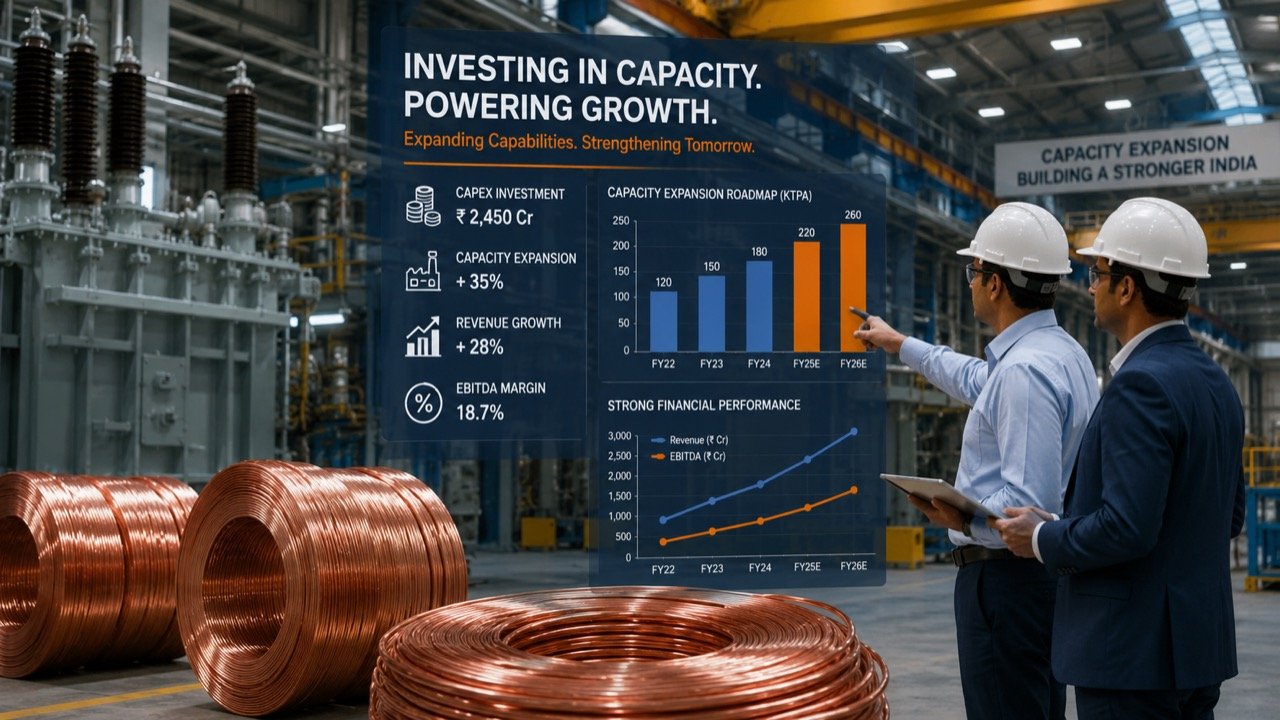
India Copper Capacity Push Grows Urgent as Clean Energy Demand Rises
Rising demand from solar, wind, electric vehicles and grid expansion is turning India's copper supply into a strategic industrial question, with capacity gaps threatening costs and project timelines.

NTPC Nuclear Push Draws Global Interest as India Looks Beyond Thermal Power
Global technology and fuel-cycle players are eyeing partnerships with NTPC as India's largest power producer repositions toward low-carbon baseload, exploring nuclear capacity and small modular reactors.
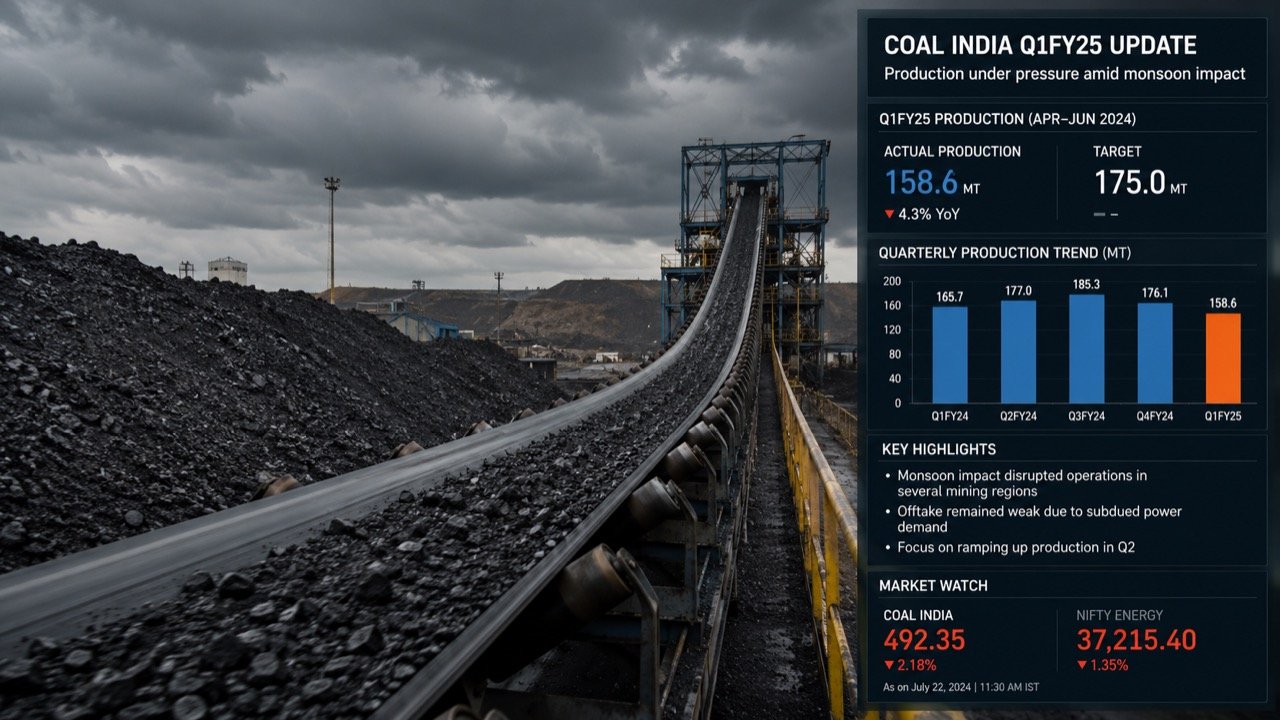
Coal India Q1 Output Falls, Raising Monsoon Power Supply Questions
A reported first-quarter production decline at Coal India has put mining trends, monsoon disruption and power-sector inventory planning under scrutiny, given coal's central role in keeping India's lights on.
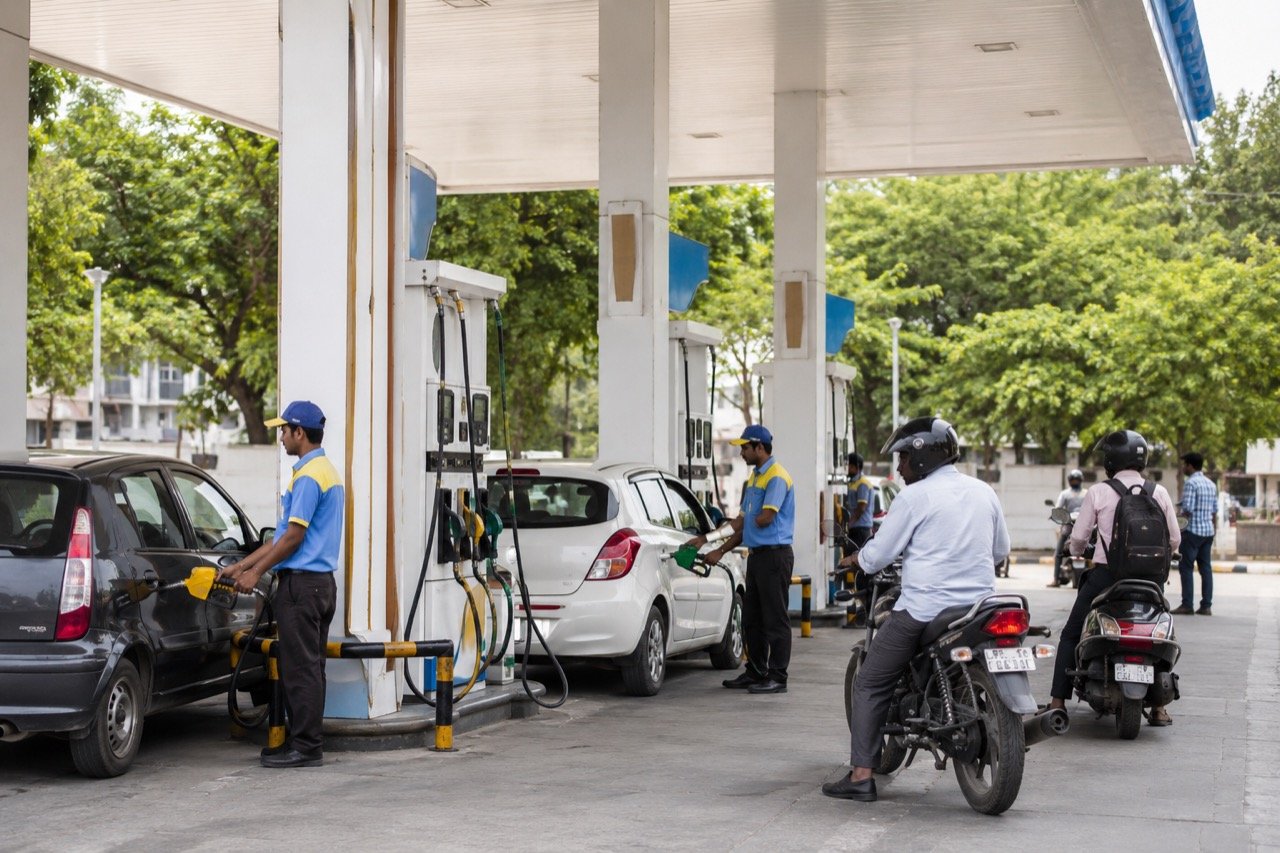
India to Lift Petrol and Diesel Sale Curbs From July 1
Restrictions on the sale of petrol and diesel are set to be lifted from July 1, easing uncertainty for motorists, transport operators and fuel retailers even as cities push a parallel shift to electric mobility.
More from this section
More
Adani Case: US DOJ Pushes for Permanent Dismissal of Charges
The US Department of Justice has urged a judge to permanently dismiss charges against Gautam Adani, calling the case legally flawed — a reversal with consequences for markets, diplomacy and cross-border enforcement.

Akasa Air Inducts 40th Aircraft in Indian Aviation Scale-Up
Akasa Air's 40th aircraft, ferried to Bengaluru via Seattle, Reykjavik and Cairo, marks a fleet milestone for the young carrier and a fresh signal that India's aviation market remains firmly in expansion mode.

BARC Ratings Suspension Leaves Indian TV Industry Flying Blind
BARC's pause on television ratings has put India's broadcast measurement system under fresh scrutiny, leaving broadcasters, advertisers and media planners without the weekly audience data that anchors the TV economy.