India to Lift Petrol and Diesel Sale Curbs From July 1
Restrictions on the sale of petrol and diesel are set to be lifted from July 1, easing uncertainty for motorists, transport operators and fuel retailers even as cities push a parallel shift to electric mobility.
Commentary & Analysis ·
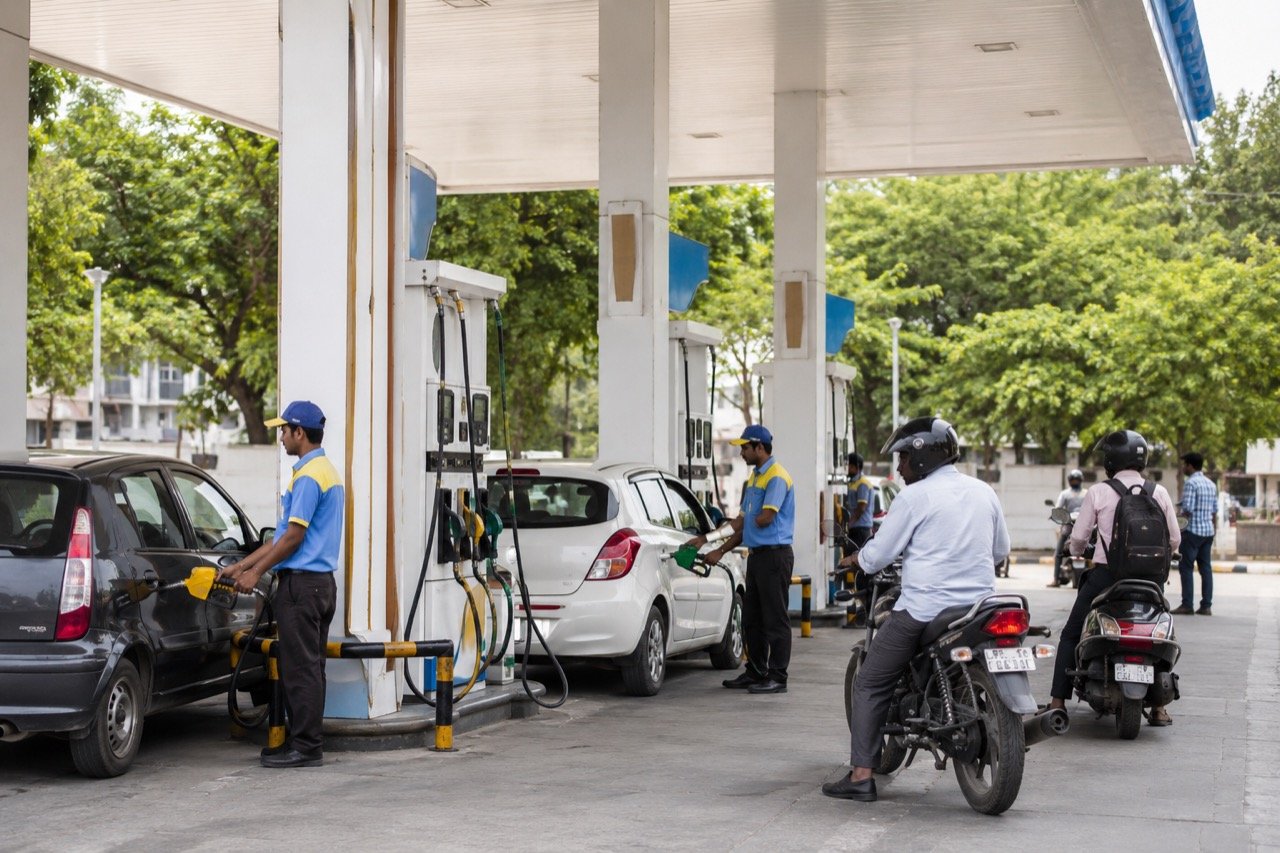
India is set to lift restrictions on the sale of petrol and diesel from July 1, according to the latest reports. The decision carries direct consequences for motorists, transport operators and fuel retailers, since curbs on conventional fuel sales ripple through daily commuting, logistics and local commerce. A confirmed lifting date matters as much as the decision itself. Fuel restrictions — whether imposed to manage shortages, pollution episodes or administrative transitions — create planning uncertainty for households and businesses, and a clear timeline restores a predictable footing.
For an economy as dependent on road transport as India's, even a temporary restriction on petrol and diesel sales is felt far beyond the individual filling station. Commercial vehicle fleets, app-based cab operators, delivery services and small traders who rely on two-wheelers and three-wheelers for their livelihoods all calibrate their operations around assured fuel access. When that assurance is withdrawn, even partially or in specific pockets, the effects cascade quickly into higher costs, missed deliveries and lost working days. The announcement of a firm restoration date therefore functions as more than a bureaucratic formality; it is a signal to millions of ordinary users of the road network that normal life can resume on a known footing.
A two-track policy environment
The change lands in a policy landscape pulling in two directions at once. Cities such as Delhi are aggressively promoting electric mobility, while the existing vehicle base still depends overwhelmingly on petrol and diesel. Conventional fuel access must therefore be preserved even as incentives and regulation nudge future purchases toward cleaner options. Managing that transition without disrupting daily life is the central policy challenge.
This tension is not unique to India, but it is unusually acute here given the scale of the vehicle population still running on internal combustion engines. Electric vehicle adoption, however encouraged through subsidies, charging infrastructure rollouts and registration incentives, remains a fraction of the overall fleet. A policy that treats fuel access as expendable while the alternative infrastructure is still being built risks punishing the very citizens the transition is meant to benefit. Fuel policy sits at the intersection of consumer convenience, supply management, air-quality goals and energy security, and abrupt moves on any one front tend to strain the others. Any restriction, even a short and well-intentioned one, tests how well these competing priorities have been balanced in advance.
What it means on the ground
For retailers, July 1 means readying inventory, staffing and customer communication for a return to unrestricted sales. Petrol pump operators will need to ensure supply chains are aligned to meet what could be pent-up demand from customers who deferred fill-ups or altered their usage patterns during the restricted period. Staffing levels, queue management and clear signage at the pump will matter in the first days after the restrictions lift, particularly if awareness of the exact date is uneven across different parts of a city or state.
For consumers, the practical step is to check whether city-specific advisories or vehicle-category rules still apply locally — national headlines can coexist with differing local implementation, so clarity from authorities remains essential. A household that reads of a national lifting of restrictions may reasonably assume the change applies uniformly, when in practice local traffic police, municipal bodies or state transport departments may retain narrower rules tied to vehicle age, emission category or specific zones. This gap between the national narrative and local execution is where confusion, and often frustration, tends to accumulate. Clear, localised communication from authorities in the run-up to July 1 would go some way toward closing that gap.
Why the timing and communication matter
Announcing a firm date is, in itself, a form of policy discipline. Restrictions that end on a vague or shifting timeline tend to generate more anxiety than the restrictions themselves, as businesses and households cannot plan around an uncertain endpoint. By contrast, a fixed date allows transport operators to schedule vehicle usage, allows retailers to plan inventory, and allows ordinary commuters to make decisions about travel, deliveries or business operations with confidence. This is a small but telling illustration of how much of the burden of a restrictive policy lies not in the restriction itself, but in the uncertainty around when it will end.
There is also a broader lesson here about sequencing. Restrictions on something as fundamental as fuel access are tolerated by the public when they are framed as temporary, necessary and time-bound. They become far more contentious when the endpoint is unclear or when the underlying rationale is not adequately explained. The manner in which this restoration has been communicated, and whether it is matched by consistent messaging at the state and city level, will shape how smoothly the transition back to normal sales proceeds.
Stakeholder perspectives
Transport unions and logistics operators are likely to welcome the restoration, given how sensitive their margins are to any disruption in fuel access. Retailers, for their part, will be watching for guidance on stock replenishment and any residual local restrictions that might create confusion at the pump. Environmental advocates, meanwhile, may use the moment to press the case that the underlying push toward electric mobility must continue regardless of this reversal, arguing that the goal was never to permanently restrict conventional fuel but to accelerate the shift to cleaner alternatives through incentives rather than denial of access. Each of these constituencies has a legitimate stake in how the next phase of fuel and mobility policy unfolds.
The NE Times View
Rolling back the fuel curbs is the right call, but the episode should prompt reflection on how such restrictions are introduced in the first place. Policies that touch something as basic as filling a tank need long runways, clear communication and realistic alternatives — not deadlines that arrive before the infrastructure does. India's clean-mobility transition is real and necessary, but it will be won at charging stations and showrooms, not at the petrol pump's gate.
The government should treat this reversal as a lesson in sequencing: build the alternative first, then phase out the incumbent. Households will move to cleaner vehicles when the switch is easy, affordable and reliable — not when access to fuel is made a pressure tactic. A durable transition to electric mobility depends on convincing citizens through better options, not compelling them through inconvenience. If the aim is a cleaner vehicle fleet within a reasonable time horizon, the more effective route lies in continuing to expand charging networks, sustaining purchase incentives and improving the economics of electric vehicles relative to their conventional counterparts, while leaving fuel access undisturbed for those who have not yet made the switch.
Key takeaways
- India is set to lift restrictions on petrol and diesel sales from July 1, restoring a predictable footing for motorists, transport operators and retailers.
- The move highlights the tension between cities like Delhi pushing electric mobility and a vehicle base still overwhelmingly reliant on conventional fuel.
- Retailers must prepare inventory and staffing for a return to unrestricted sales, while consumers should verify whether local, city-specific rules still apply.
- Clear timelines and communication matter as much as the policy itself, since uncertainty around restrictions often causes more disruption than the restrictions do.
- The NE Times argues that clean-mobility goals are best advanced through better alternatives — charging infrastructure and affordable electric vehicles — rather than restricting access to conventional fuel.
You may also like to read

India Refining Capacity Expansion Powers New Energy Push
India's plans to expand oil refining capacity are back in the spotlight, underlining how fuel infrastructure remains central to demand, exports and energy security even as the clean-energy transition gathers pace.
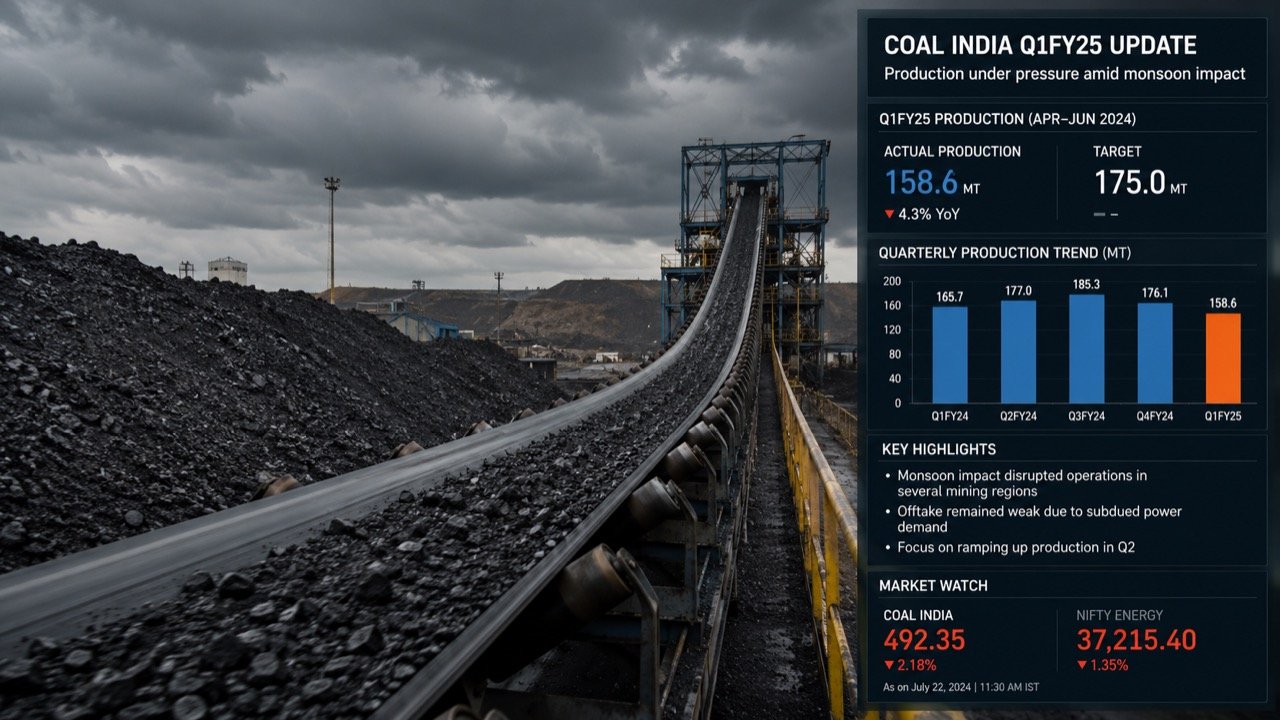
Coal India Q1 Output Falls, Raising Monsoon Power Supply Questions
A reported first-quarter production decline at Coal India has put mining trends, monsoon disruption and power-sector inventory planning under scrutiny, given coal's central role in keeping India's lights on.
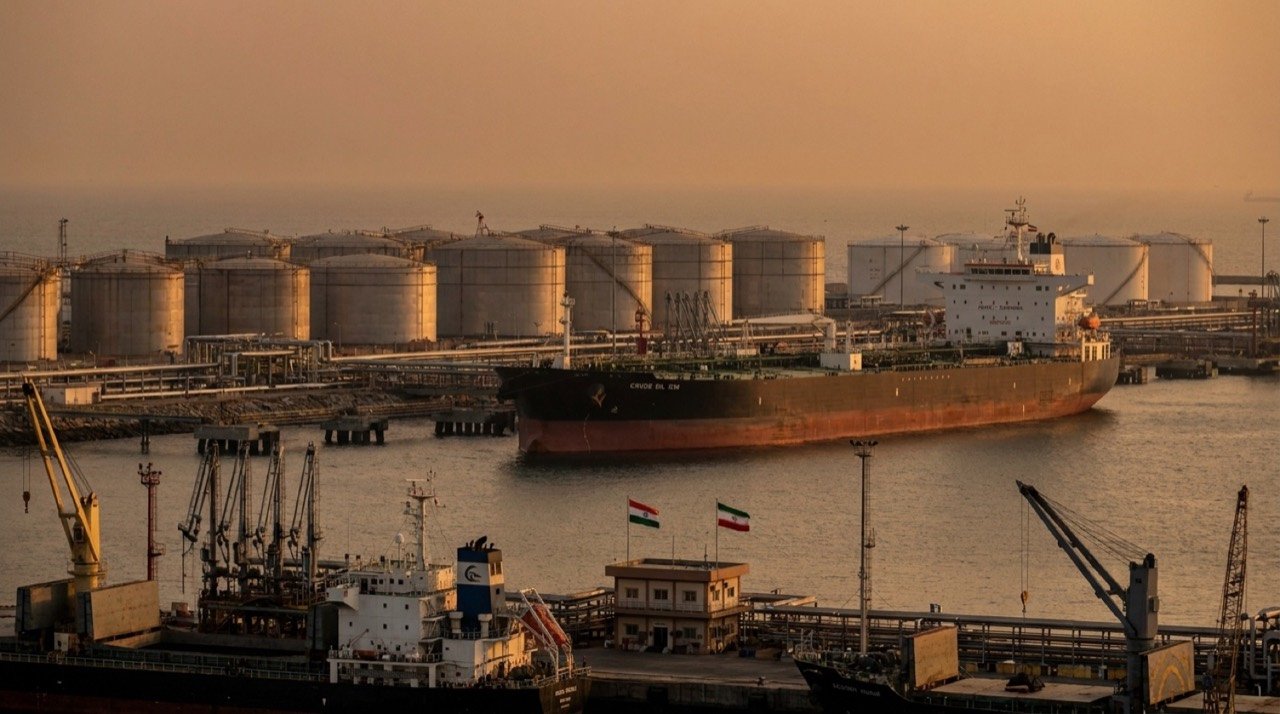
Iran's Crude Outreach Puts Indian Refiners Back in Market Focus
Tehran's renewed pitch to oil buyers has pulled Indian refiners into fresh talks, but sanctions, payment channels, insurance and freight still stand between exploratory contact and confirmed cargoes.
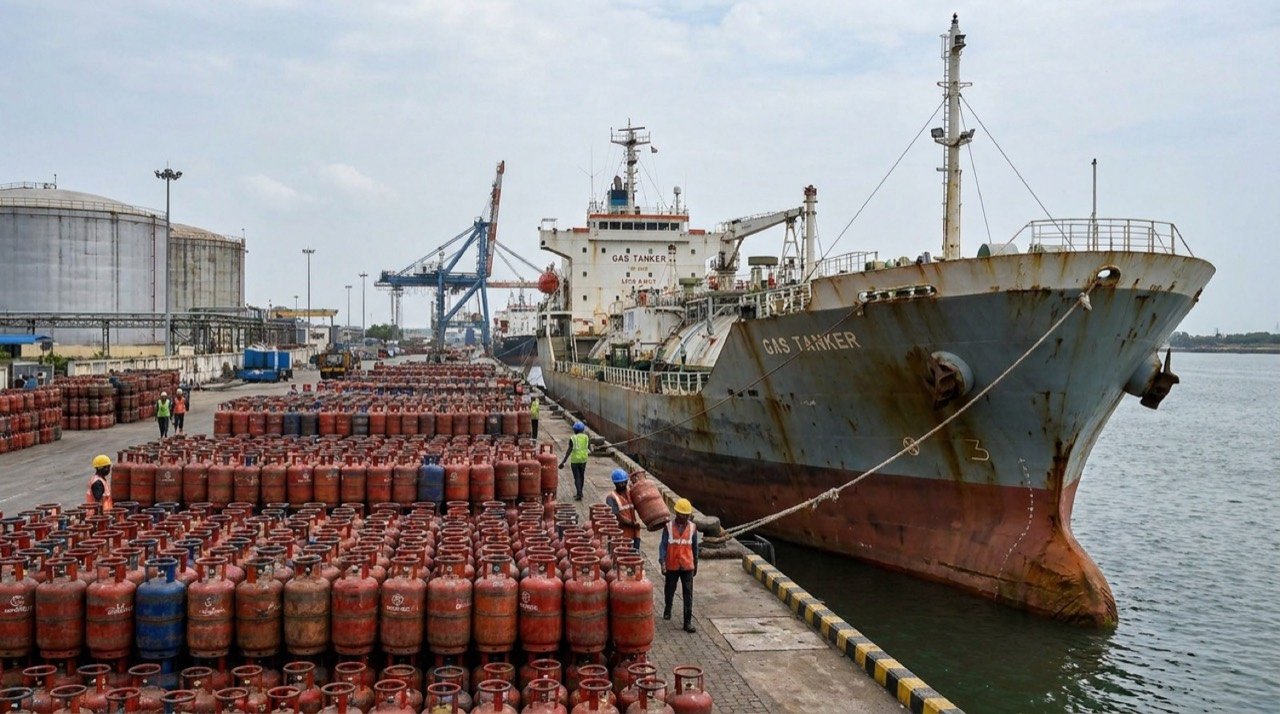
India's US LPG Imports Set to Cross Record 1 Million Tonnes in June Amid Middle East Disruption
India's cooking-gas imports from the United States are poised to top a record 1 million tonnes in June as refiners diversify away from Gulf supply disrupted by tension around the Strait of Hormuz.
More from this section
More
Adani Case: US DOJ Pushes for Permanent Dismissal of Charges
The US Department of Justice has urged a judge to permanently dismiss charges against Gautam Adani, calling the case legally flawed — a reversal with consequences for markets, diplomacy and cross-border enforcement.

Akasa Air Inducts 40th Aircraft in Indian Aviation Scale-Up
Akasa Air's 40th aircraft, ferried to Bengaluru via Seattle, Reykjavik and Cairo, marks a fleet milestone for the young carrier and a fresh signal that India's aviation market remains firmly in expansion mode.

BARC Ratings Suspension Leaves Indian TV Industry Flying Blind
BARC's pause on television ratings has put India's broadcast measurement system under fresh scrutiny, leaving broadcasters, advertisers and media planners without the weekly audience data that anchors the TV economy.