Iran's Crude Outreach Puts Indian Refiners Back in Market Focus
Tehran's renewed pitch to oil buyers has pulled Indian refiners into fresh talks, but sanctions, payment channels, insurance and freight still stand between exploratory contact and confirmed cargoes.
Commentary & Analysis ·
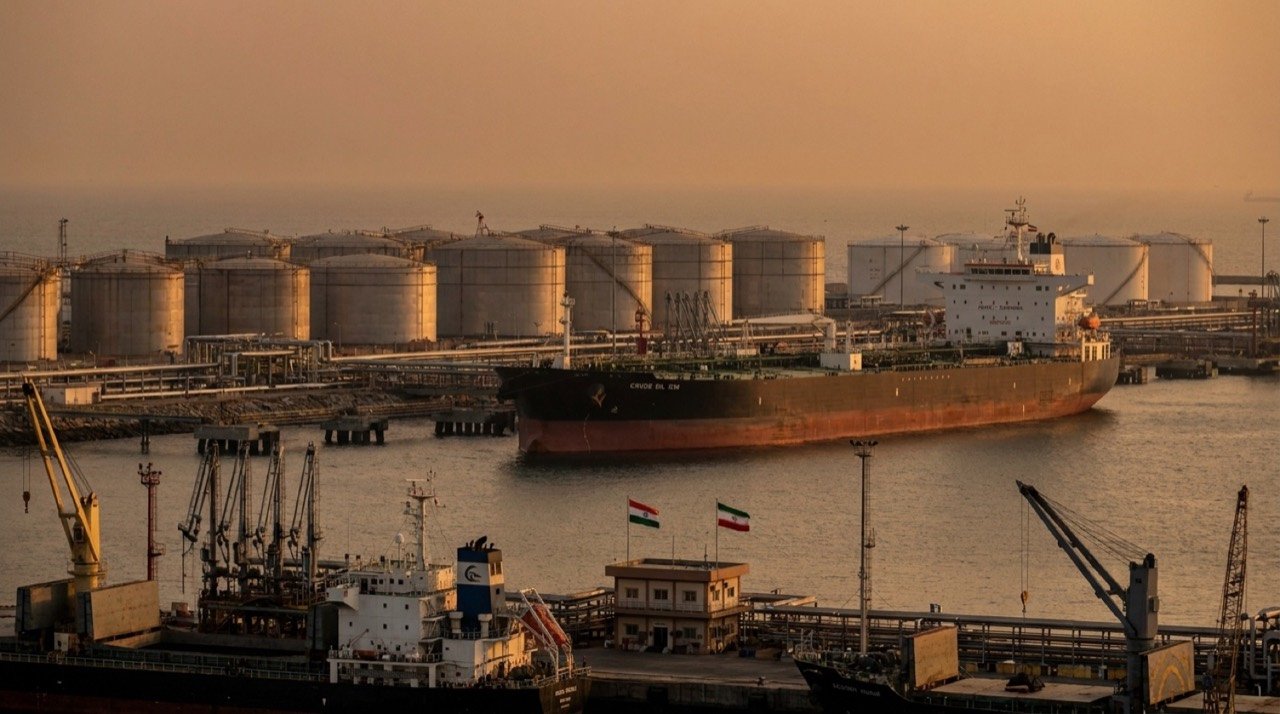
Indian refiners are once again weighing Iranian crude, with reports indicating that companies have opened lines of contact with Tehran's suppliers after Iran renewed its pitch to global buyers. The development has revived a long-dormant trade conversation, though industry watchers caution that exploratory engagement is a long way from confirmed cargo flows. For now, the contact reflects interest rather than commitment, with several hard commercial and diplomatic obstacles still unresolved.
A familiar supplier returns to the table
India has a long history of buying Iranian oil, having ranked among Tehran's largest customers in years when the legal and financial environment permitted it. Iranian grades were once prized for their pricing and the favourable payment arrangements on offer, and refiners on the west coast were configured to process them efficiently.
That trade narrowed sharply as sanctions pressure intensified, pushing Indian buyers toward West Asian, Russian and American barrels instead. Iran's latest outreach is an attempt to coax those buyers back, positioning its crude as an additional option in a market where supply diversity carries strategic value.
The hurdles that decide everything
Whether contact translates into purchases depends on a familiar set of obstacles. Sanctions exposure remains the central deterrent, raising the risk of secondary penalties for banks, insurers and shipping firms involved in any transaction. Payment channels are equally fraught, given the difficulty of settling trade outside dollar-based systems.
Insurance and freight add further complications, as global protection-and-indemnity clubs and tanker operators are wary of cargoes that could attract regulatory scrutiny. For refiners, the calculation is not merely about a discounted barrel but about the wider compliance and reputational risk attached to it.
Why it matters for Indian fuel markets
Even at the level of talks, the story carries weight for India's energy planners. Any credible additional source of crude can widen import flexibility, support refinery margins and strengthen New Delhi's hand in negotiations with rival suppliers who currently dominate its purchase basket.
- Sanctions and the threat of secondary penalties on banks, insurers and shippers
- Payment channels that must function outside conventional dollar settlement
- Insurance cover and tanker availability for sensitive cargoes
- Price competitiveness against Russian, West Asian and US grades
- Diplomatic risk weighed against gains in supply security and leverage
“For now the development is best read as exploratory engagement rather than confirmed cargo flows.”
— Industry assessment of the Iran-India crude talks
The coming weeks will show whether the conversation hardens into commercial action or fades as a negotiating signal. Much will hinge on how the global sanctions landscape evolves and whether workable payment and shipping arrangements can be assembled. Until then, Indian refiners are likely to keep Iran in view as a potential lever rather than a settled supplier, treating the outreach as one more card in a carefully managed import strategy.
The NE Times View
Discounted Iranian barrels are tempting, but the hard part has never been price. Until payment routes, insurance cover and freight clear the sanctions minefield, this is talk, not tankers. India is right to keep the channel open and diversify, yet refiners should treat Tehran's pitch as optionality rather than supply security. Watch banking workarounds, not headlines, for the real signal.
This article is original commentary and analysis by The NE Times. Background facts were referenced from The Indian Express and Reuters.
You may also like to read

Marc Faber Warning Puts Indian Market Valuations Back in Focus
Veteran market commentator Marc Faber says Indian equities could correct by up to 20 percent, reviving debate over stretched valuations, profit growth and investor risk management.

Jio Platforms IPO Filing Puts India's Digital Market in Spotlight
Reports that Reliance has filed draft papers for a Jio Platforms IPO have pushed India's equity market and digital economy back into focus, with the listing tipped to be one of the country's largest.

Rupee Claws Back To 94.55 As US-Iran Deal Hopes Ease Oil Fears
The rupee recovered to around 94.55 against the dollar by mid-June 2026, rebounding from a record low near 97 as reports of a US-Iran agreement to reopen the Strait of Hormuz lifted sentiment.

US Trade Chief Greer's India Visit Puts First Tranche of Trade Deal in Focus
USTR Jamieson Greer's New Delhi talks with Piyush Goyal have pushed the long-stalled India-US trade agreement into a decisive phase, with tariffs, market access and an early package on the table.
More from this section
More
Adani Case: US DOJ Pushes for Permanent Dismissal of Charges
The US Department of Justice has urged a judge to permanently dismiss charges against Gautam Adani, calling the case legally flawed — a reversal with consequences for markets, diplomacy and cross-border enforcement.

Akasa Air Inducts 40th Aircraft in Indian Aviation Scale-Up
Akasa Air's 40th aircraft, ferried to Bengaluru via Seattle, Reykjavik and Cairo, marks a fleet milestone for the young carrier and a fresh signal that India's aviation market remains firmly in expansion mode.
BARC Ratings Suspension Leaves Indian TV Industry Flying Blind
BARC's pause on television ratings has put India's broadcast measurement system under fresh scrutiny, leaving broadcasters, advertisers and media planners without the weekly audience data that anchors the TV economy.