RBI Warns AI-Driven Cyberattacks Are Top Risk for Banks, NBFCs
The Reserve Bank of India has flagged AI-powered cyberattacks as a leading threat to banks and NBFCs, pushing cybersecurity to the centre of India's increasingly digital financial system.
Commentary & Analysis ·

The Reserve Bank of India has flagged AI-driven cyberattacks as a top risk facing banks and non-banking financial companies, according to a Business Standard report on July 5. The warning lands at a moment when Indian finance is more digital, more API-driven and more dependent on automated systems than ever before. It is a notable moment for the regulator to speak so directly about a threat category that, until recently, was discussed mostly in technology circles rather than in the language of systemic financial risk.
Why the timing matters
India's banking and financial services sector has spent the past decade racing to digitise. UPI transactions, instant credit disbursal, API-linked lending platforms and app-based banking have become the default rather than the exception for hundreds of millions of customers. That transformation has delivered genuine convenience and financial inclusion, but it has also multiplied the number of digital touchpoints through which a determined attacker might gain entry. The RBI's warning arrives against this backdrop, at a point when the sheer scale and interconnectedness of India's digital finance ecosystem means that a single weak link — a poorly secured API, an under-trained employee, a lightly regulated NBFC — can have consequences far beyond its own institution.
Why AI changes the threat
The concern is not artificial intelligence itself but what it puts in the hands of attackers. AI tools let malicious actors scale phishing campaigns, automate reconnaissance, generate convincing fake communications and probe weak systems at machine speed. Banks and NBFCs sit on sensitive customer data and payment-linked infrastructure, so even small vulnerabilities can cascade into large losses. What makes this shift significant is not merely that attacks are becoming more frequent, but that they are becoming qualitatively harder to detect. Where earlier phishing attempts might have been identifiable through poor grammar or generic templates, AI-generated communications can be tailored, contextually convincing and produced at a volume no human fraud team could replicate manually. The same automation that helps a bank streamline customer service can, in the wrong hands, help an attacker map out an institution's defences and find its gaps far faster than before.
What institutions and customers should do
For financial institutions, the takeaway is preparedness: stronger monitoring, staff training, tighter vendor controls and rehearsed incident response. None of these are new concepts in cybersecurity, but the RBI's flagging of AI as a distinct risk category suggests existing frameworks may need to be revisited with fresh urgency. Vendor and third-party risk deserves particular attention, since much of India's API-driven banking ecosystem depends on external technology partners whose own security postures are not always visible to the institutions that rely on them. Incident response planning, too, takes on new weight when the threat can move at machine speed — a rehearsed plan that assumes days or hours to detect an intrusion may simply be too slow against an AI-assisted attacker.
For customers, the basics matter more than ever — robust authentication, attention to fraud alerts and sound digital hygiene are no longer optional extras in a system facing increasingly sophisticated attacks. This is a useful reminder that cybersecurity in banking is not solely an institutional responsibility. Even the most fortified bank can be undermined by a customer who is persuaded, through a convincing AI-generated message, to hand over credentials or authorise a fraudulent transaction. The human element remains, as it long has been, one of the most exploitable parts of any financial security chain.
What to watch next
The developments to watch next are formal RBI guidance, how banks disclose cyber incidents, and whether cybersecurity spending rises visibly across the sector in the coming quarters. Each of these will be a meaningful signal of how seriously the warning is being translated into action. Formal guidance would indicate the regulator intends to move beyond advisory language into enforceable expectations. Disclosure practices matter because the financial sector, in India as elsewhere, has historically been reluctant to publicise cyber incidents for fear of reputational damage, even though transparency is often what allows the wider system to learn and adapt. And visible increases in cybersecurity spending — on staffing, monitoring tools, audits and vendor oversight — would suggest institutions are treating this as a genuine priority rather than a line item to be addressed only after a crisis.
The NE Times View
The RBI is right to name the threat early, but naming it is the easy part. India's digital finance miracle — UPI, instant credit, API banking — was built on speed, and security spending has rarely kept pace with feature rollouts. The asymmetry is stark: attackers need one AI-crafted phishing email to succeed, while defenders must be right every time. This asymmetry is the crux of the challenge, and it is not one that incremental awareness campaigns alone will solve. Regulators should now move from warnings to enforceable baselines, including mandatory incident disclosure and minimum cyber-resilience standards for smaller NBFCs, which are the softest targets. It is worth stressing that the largest, most well-resourced banks are unlikely to be where the greatest systemic vulnerability lies. Smaller NBFCs, often operating with leaner budgets and less specialised security staff, but still plugged into the same interconnected payment rails, are the more probable weak points through which a wider crisis could emerge.
Trust is the real currency of digital finance, and in the AI era it will belong to institutions that can prove their resilience, not just claim it. A regulatory warning, however well-founded, is only the opening move. What follows — whether in the form of binding standards, disclosure requirements, or sector-wide audits — will determine whether India's financial system treats this moment as a genuine inflection point or as another advisory to be filed away until the next incident forces the issue back onto the agenda.
Key takeaways
- The RBI has flagged AI-driven cyberattacks as a top risk for banks and NBFCs, as reported by Business Standard on July 5.
- AI does not create new categories of attack so much as it accelerates and refines existing ones, particularly phishing, reconnaissance and impersonation.
- Institutions need stronger monitoring, staff training, vendor controls and rehearsed incident response, while customers must maintain strong authentication and fraud vigilance.
- Key signals to watch are formal RBI guidance, changes in incident disclosure practices, and visible increases in sector-wide cybersecurity spending.
- Smaller NBFCs, not the largest banks, are likely the softest targets, making enforceable minimum resilience standards for them a priority.
You may also like to read

India's Gold Loan Defaults Ease Even as Sanctions Double
India's gold-loan market is expanding fast, with loan sanctions reportedly doubling even as default ratios shrink, pointing to stronger repayment behaviour and rising demand for secured credit.
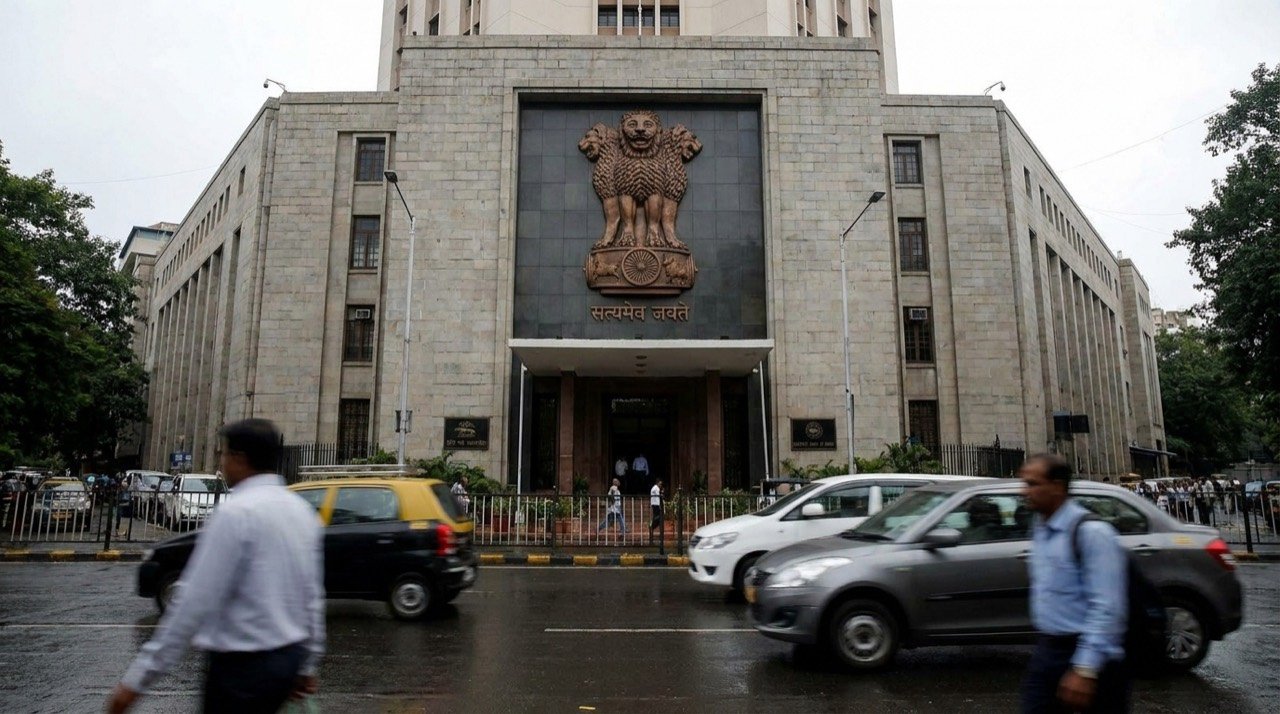
RBI Calls Rate-Hike Talk Premature, Rolls Out Liquidity Support As Rupee Steadies
The Reserve Bank moved to calm nerves in late June 2026, signalling that interest-rate hikes were premature and unveiling liquidity measures even as the rupee drew comfort from a softer crude outlook.
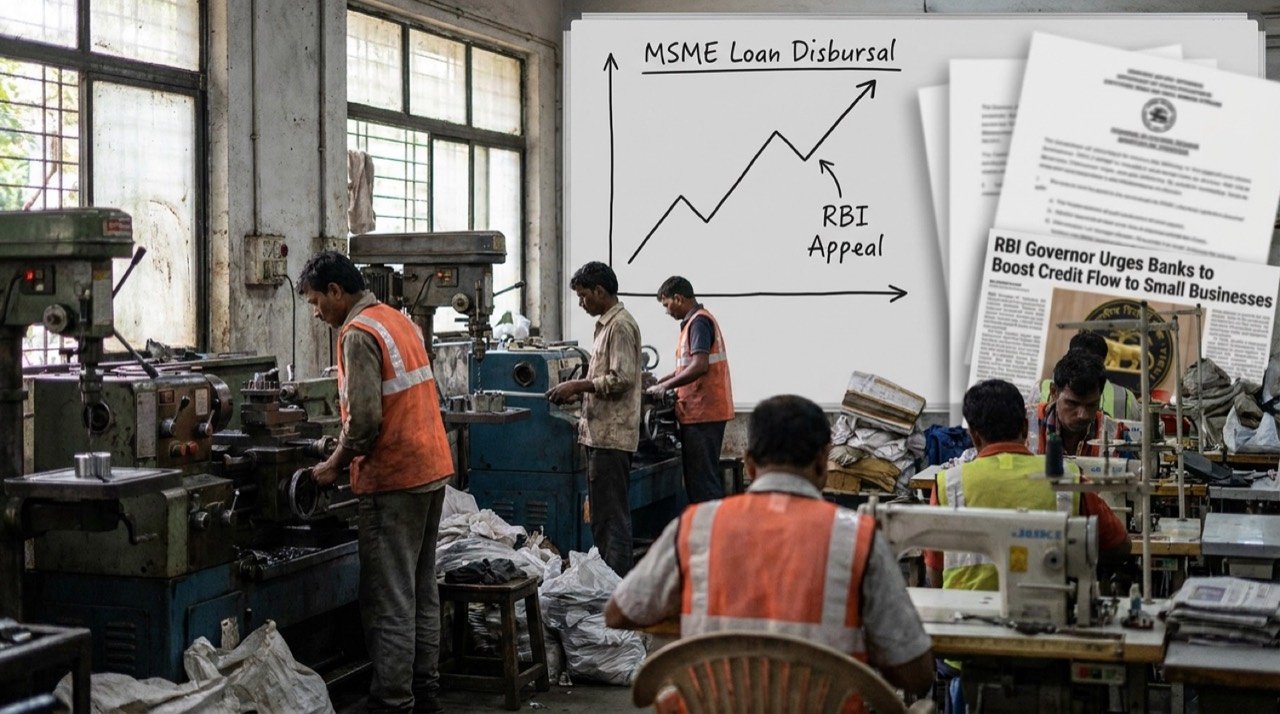
RBI Governor Urges Banks to Treat MSMEs as Growth Partners, Not Just Borrowers
RBI Governor Sanjay Malhotra has called on banks to see micro, small and medium enterprises as growth partners, reviving focus on credit access for the firms that employ millions across India.
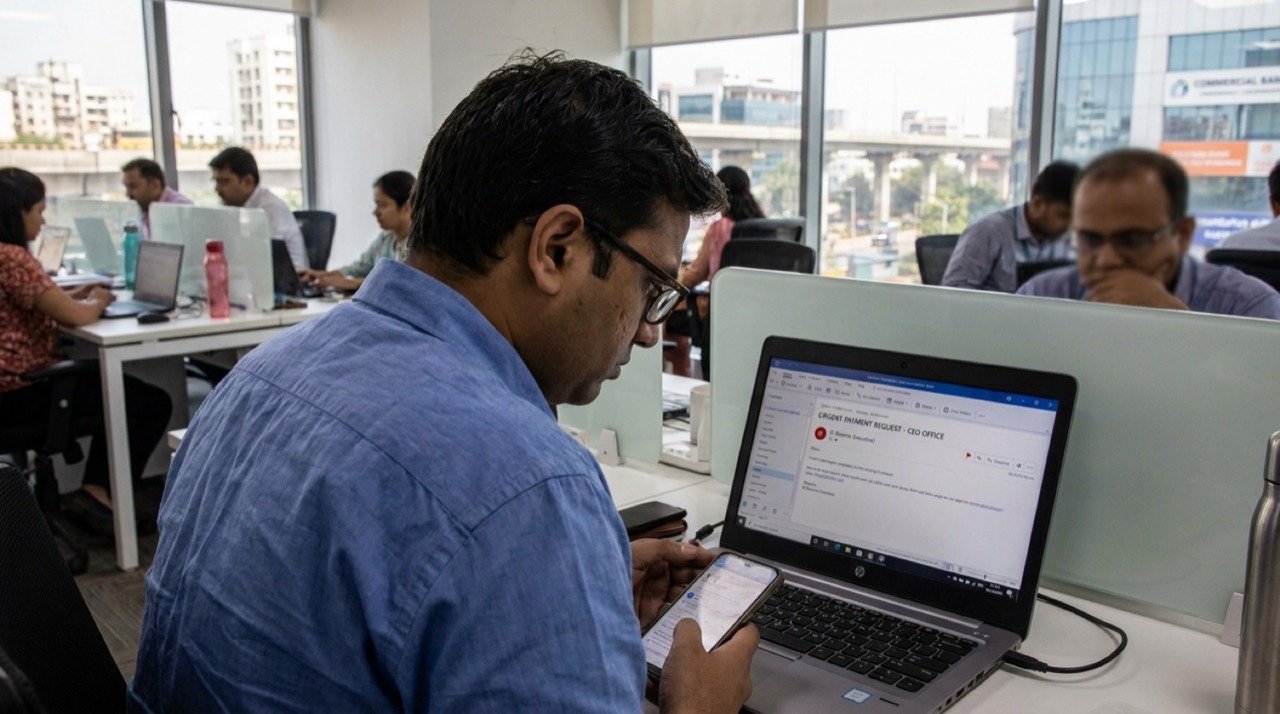
Boss Scam Advisory Warns Indian Companies Over Executive Impersonation Fraud
Indian firms are being warned about the rising Boss Scam, in which fraudsters impersonate senior executives to push urgent payments or data transfers, exploiting hierarchy and trust rather than technical weakness.
More from this section
More
Adani Case: US DOJ Pushes for Permanent Dismissal of Charges
The US Department of Justice has urged a judge to permanently dismiss charges against Gautam Adani, calling the case legally flawed — a reversal with consequences for markets, diplomacy and cross-border enforcement.

Akasa Air Inducts 40th Aircraft in Indian Aviation Scale-Up
Akasa Air's 40th aircraft, ferried to Bengaluru via Seattle, Reykjavik and Cairo, marks a fleet milestone for the young carrier and a fresh signal that India's aviation market remains firmly in expansion mode.
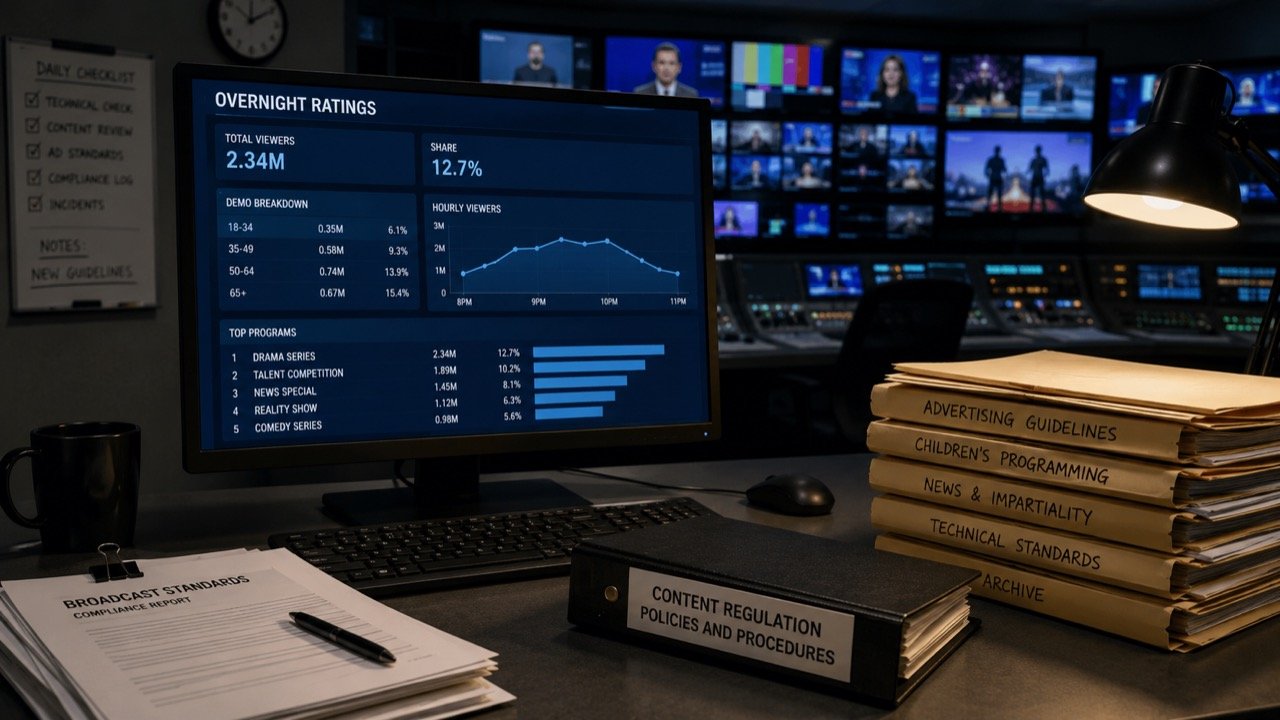
BARC Ratings Suspension Leaves Indian TV Industry Flying Blind
BARC's pause on television ratings has put India's broadcast measurement system under fresh scrutiny, leaving broadcasters, advertisers and media planners without the weekly audience data that anchors the TV economy.