RBI Governor Urges Banks to Treat MSMEs as Growth Partners, Not Just Borrowers
RBI Governor Sanjay Malhotra has called on banks to see micro, small and medium enterprises as growth partners, reviving focus on credit access for the firms that employ millions across India.
Commentary & Analysis ·
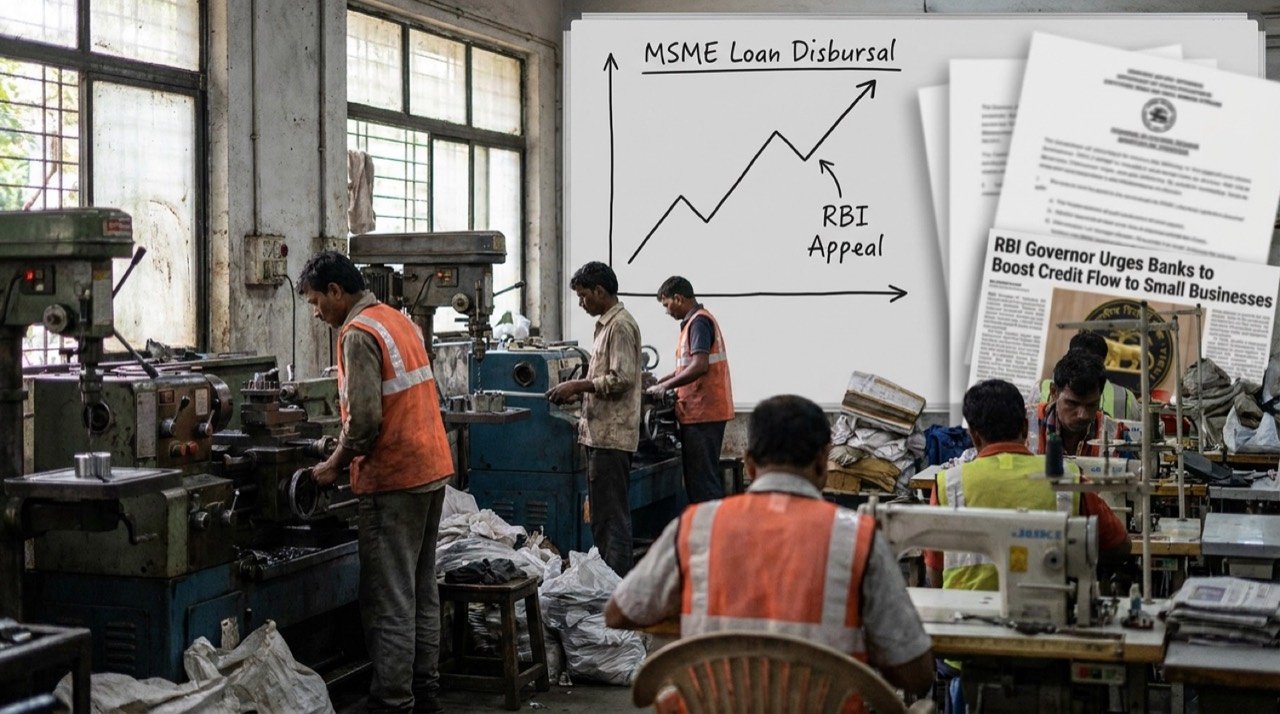
Reserve Bank of India Governor Sanjay Malhotra has urged banks to treat micro, small and medium enterprises as growth partners rather than mere borrowers, a call that has renewed attention on one of the Indian economy's most persistent challenges: getting affordable credit to smaller businesses. It is a simple sentence with a heavy implication. For decades, the relationship between Indian banks and their smallest clients has been defined by caution, collateral and a paperwork burden that many small proprietors simply cannot clear. The governor's remark asks lenders to reconsider that posture, not as an act of charity but as a matter of enlightened self-interest and economic necessity.
Why MSMEs matter to the economy
MSMEs employ millions of people and sit inside supply chains that stretch from manufacturing to services. They are often the first rung of formal employment and a vital link feeding components, goods and services to larger firms. A small auto-parts unit, a textile workshop or a local IT services outfit may never make headlines, but collectively these enterprises form the connective tissue of the economy, absorbing labour that larger, more capital-intensive firms cannot, and often doing so in smaller towns and semi-urban clusters where formal job creation is otherwise scarce.
Yet despite their economic weight, many still struggle with collateral gaps, delayed payments from larger buyers, heavy paperwork and uneven digital readiness, all of which make it harder for them to borrow, invest and grow. This is the paradox at the heart of Indian MSME policy: the segment that arguably needs credit the most, and that could deliver the most jobs per rupee lent, remains the hardest to underwrite using conventional banking tools built around fixed assets and audited balance sheets.
What the governor's message signals
The intervention matters because banks hold considerable sway over whether small firms expand, hire and move into the formal economy. A shift in how lenders view these enterprises could change the flow of credit to viable but underserved businesses. When a regulator as influential as the RBI Governor frames the relationship in terms of partnership rather than transaction, it is also a signal to the boards and credit committees of India's banks that the tone from the top is expected to change, even if the mechanics of lending do not shift overnight.
The governor's framing points toward smarter lending practices that look beyond traditional collateral and assess a firm's actual ability to repay. This is a meaningful departure from the asset-backed lending culture that has long dominated Indian banking, where the safety of a loan has typically been judged by what can be seized if it goes bad, rather than by the underlying strength of the business itself. Moving away from that default requires banks to build genuinely different capabilities: better data, sharper analytics and credit officers trained to read a business rather than merely its property title.
Pathways to better credit access
Several practical changes are seen as ways to widen finance without weakening risk controls or pushing borrowers into stress. These are not radical or untested ideas; each has been discussed in Indian financial policy circles for years, but implementation has lagged the rhetoric.
- Better underwriting that judges genuine business viability
- Cash-flow based lending instead of collateral-heavy models
- Faster dispute resolution and quicker release of delayed payments
- Simpler documentation and stronger digital readiness support
- Risk controls that protect both borrowers and bank balance sheets
Of these, cash-flow based lending is arguably the most consequential shift on offer. It would let a bank lend against the demonstrated, ongoing revenue of a business rather than demanding property or fixed assets as security, something many small firms simply do not possess in adequate quantity. Faster dispute resolution and quicker release of delayed payments address a related but distinct problem: MSMEs are frequently owed money by larger corporate buyers, and the resulting cash-flow squeeze can turn an otherwise healthy business into a credit risk through no fault of its own. Tackling that payment-delay problem is as much about fixing incentives and enforcement in the wider corporate ecosystem as it is about banking policy.
The delicate balance between access and prudence
"Banks should see MSMEs as growth partners, not just as borrowers," the Governor said, in a remark that captures the aspiration succinctly even as it leaves open the harder question of implementation. The underlying policy challenge is delicate: expanding finance to small firms while protecting borrowers from over-indebtedness and banks from a build-up of poor-quality loans. This is not a call that can be answered by simply loosening lending standards. Indian banks have been through painful cycles of asset-quality stress before, and regulators are acutely aware that pushing credit growth without matching risk discipline can store up problems for the financial system years down the line.
If lenders respond to the governor's appeal with cash-flow based products and faster grievance redress, credit could reach more of the firms that drive jobs and local growth, without sacrificing prudence. That conditional "if" is doing a great deal of work in this story. It implicitly acknowledges that exhortation alone changes little; what changes outcomes is whether banks actually redesign products, retrain staff, invest in the data infrastructure needed to assess cash flows reliably, and hold themselves accountable for outcomes rather than intentions.
The NE Times View
Exhortation is cheap; MSMEs have heard banks called their partners for decades while collateral demands and risk aversion told a different story. The gap between what regulators say and what loan officers actually do at the branch level has been a recurring theme in Indian financial policy, and it is fair for small business owners to greet this latest appeal with a measure of scepticism born of experience. The governor's framing is right, but it needs teeth: better credit-scoring of cash-flow data, faster dispute resolution and accountability when lending targets are missed.
What would genuine follow-through look like? It would mean banks publishing and being measured against concrete MSME lending targets, not merely aspirational ones. It would mean regulatory supervision that actually tracks whether cash-flow-based underwriting is being adopted at scale, rather than remaining a pilot confined to a handful of progressive lenders. And it would mean addressing the payment-delay problem that so often turns a fundamentally sound small business into a stressed borrower, which requires cooperation well beyond the banking sector alone, touching corporate procurement practices and dispute-resolution mechanisms. India's job growth runs through these firms, so the gap between rhetoric and disbursed rupees is the real metric. Until that gap narrows, calls to treat MSMEs as partners will remain, for many small entrepreneurs, a familiar and only partly convincing promise.
Key takeaways
- RBI Governor Sanjay Malhotra has urged banks to treat MSMEs as growth partners rather than mere borrowers, highlighting the persistent challenge of affordable credit for small businesses.
- MSMEs are vital to employment and supply chains but face collateral gaps, delayed payments, heavy paperwork and uneven digital readiness that constrain their access to finance.
- Proposed pathways include cash-flow based lending, better underwriting, faster dispute resolution and simpler documentation, alongside risk controls to protect borrowers and banks alike.
- The real test lies in implementation: whether banks redesign lending practices and are held accountable, rather than the appeal remaining a rhetorical gesture.
- The gap between rhetoric and actual disbursed credit will determine whether this intervention translates into meaningful job and growth outcomes for India's MSME sector.
You may also like to read
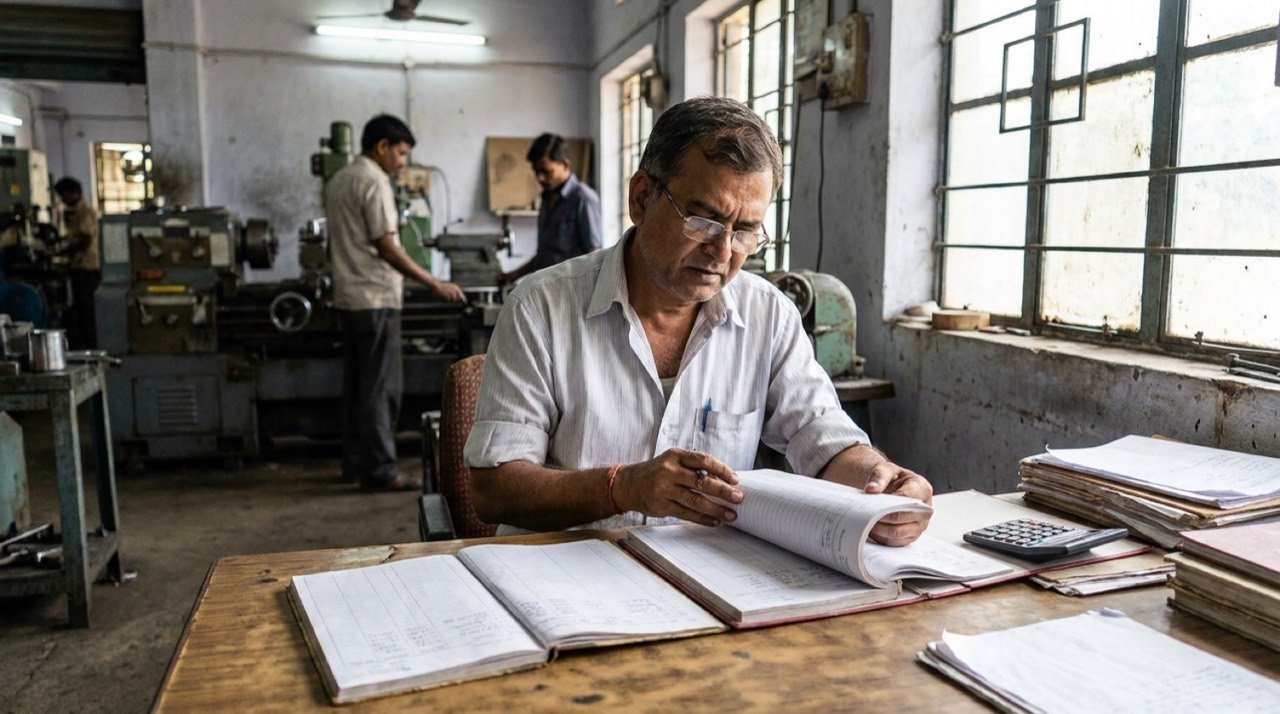
RBI Urges Banks to Treat MSMEs as Partners, Not a Compliance Burden
RBI Governor Sanjay Malhotra has told banks to view micro, small and medium enterprises as long-term business partners, linking their health to jobs, exports, GDP and credit growth.
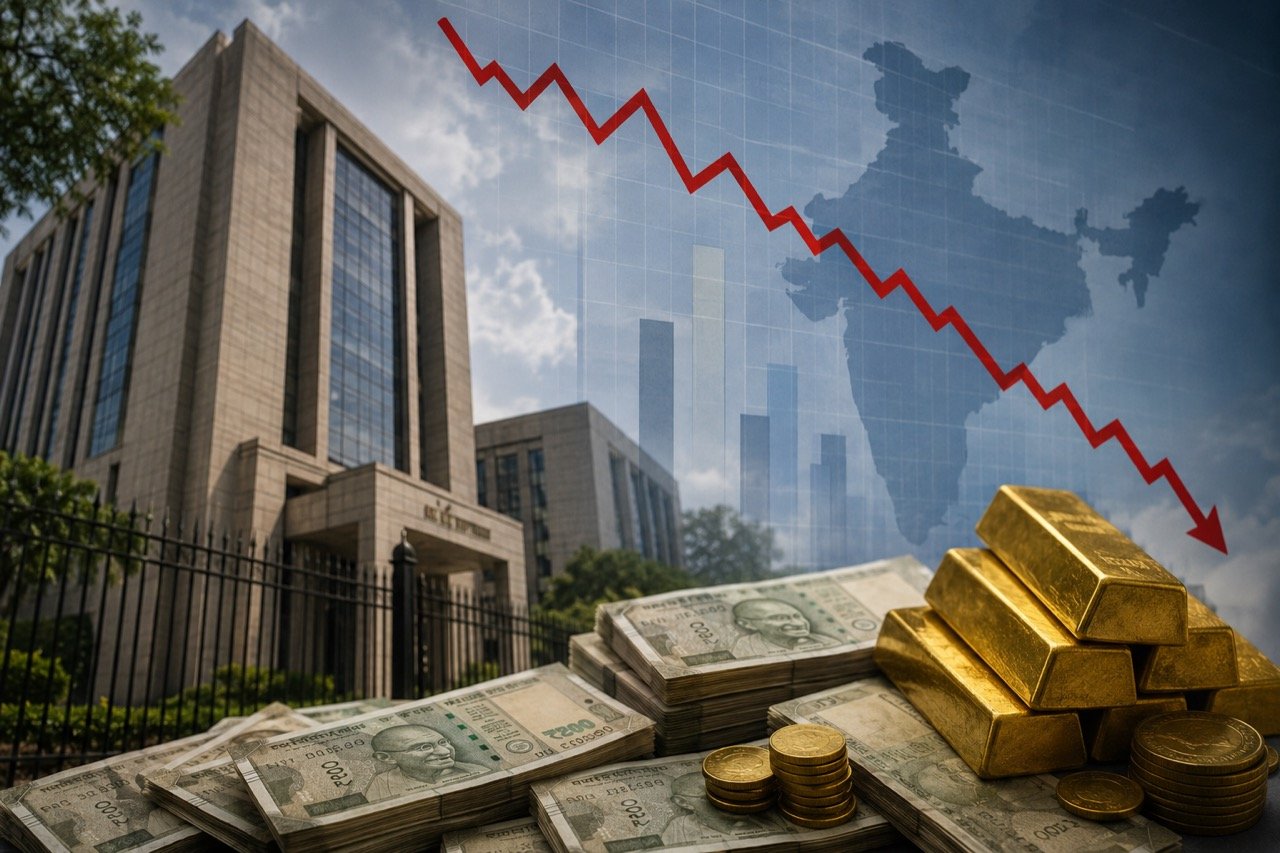
India's Forex Reserves Slip to 15-Month Low: Why the Buffer Matters
India's foreign exchange reserves have dropped to their lowest level in 15 months, narrowing the external buffer the RBI relies on to steady the rupee and reassure markets.
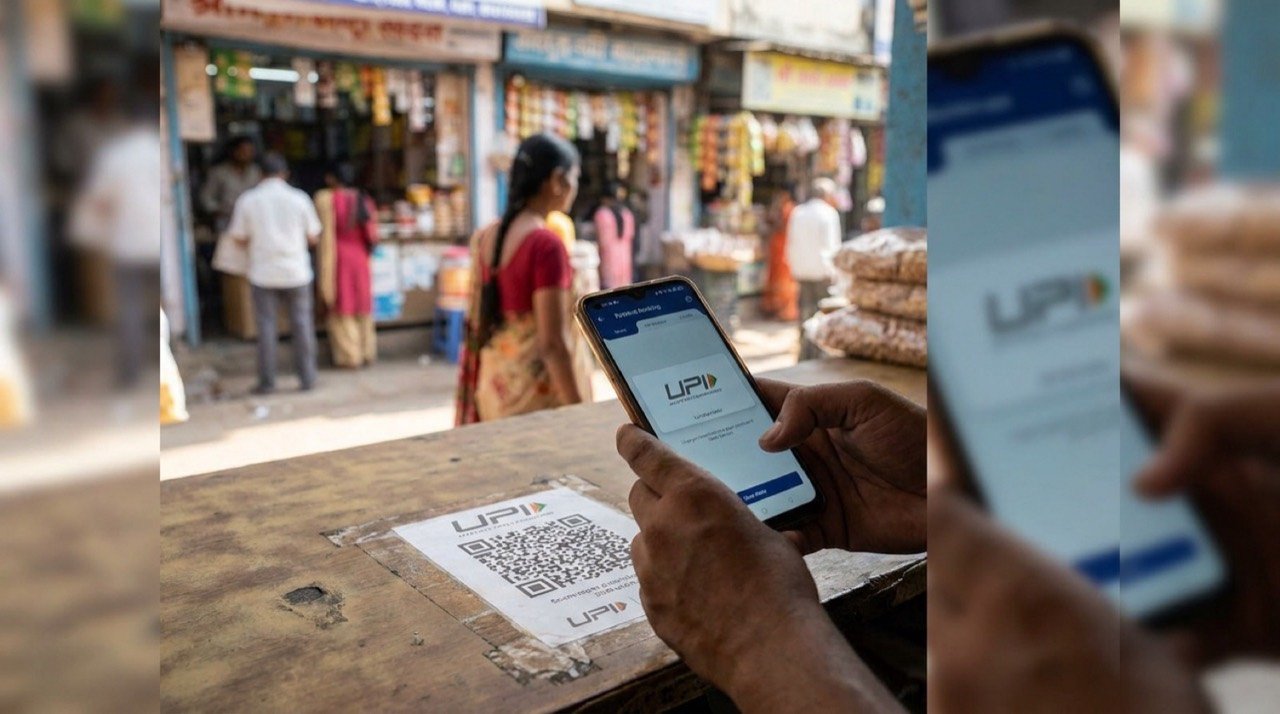
RBI Aligns UPI-Linked Credit Line Rules With Underlying Loan Norms
The Reserve Bank of India has clarified that credit lines delivered over UPI must follow the prudential rules of the underlying loan, closing a regulatory gap as banks and fintechs race to build payment-linked lending.

India's Gold Loan Defaults Ease Even as Sanctions Double
India's gold-loan market is expanding fast, with loan sanctions reportedly doubling even as default ratios shrink, pointing to stronger repayment behaviour and rising demand for secured credit.
More from this section
More
Adani Case: US DOJ Pushes for Permanent Dismissal of Charges
The US Department of Justice has urged a judge to permanently dismiss charges against Gautam Adani, calling the case legally flawed — a reversal with consequences for markets, diplomacy and cross-border enforcement.

Akasa Air Inducts 40th Aircraft in Indian Aviation Scale-Up
Akasa Air's 40th aircraft, ferried to Bengaluru via Seattle, Reykjavik and Cairo, marks a fleet milestone for the young carrier and a fresh signal that India's aviation market remains firmly in expansion mode.
BARC Ratings Suspension Leaves Indian TV Industry Flying Blind
BARC's pause on television ratings has put India's broadcast measurement system under fresh scrutiny, leaving broadcasters, advertisers and media planners without the weekly audience data that anchors the TV economy.