Maersk Orders 1,000 India-Made Containers From DCM Shriram
Maersk has unveiled its first India-made EXIM shipping container and placed an order for 1,000 more with DCM Shriram, a commercial vote of confidence in India's push to manufacture the hardware of global trade.
Commentary & Analysis ·
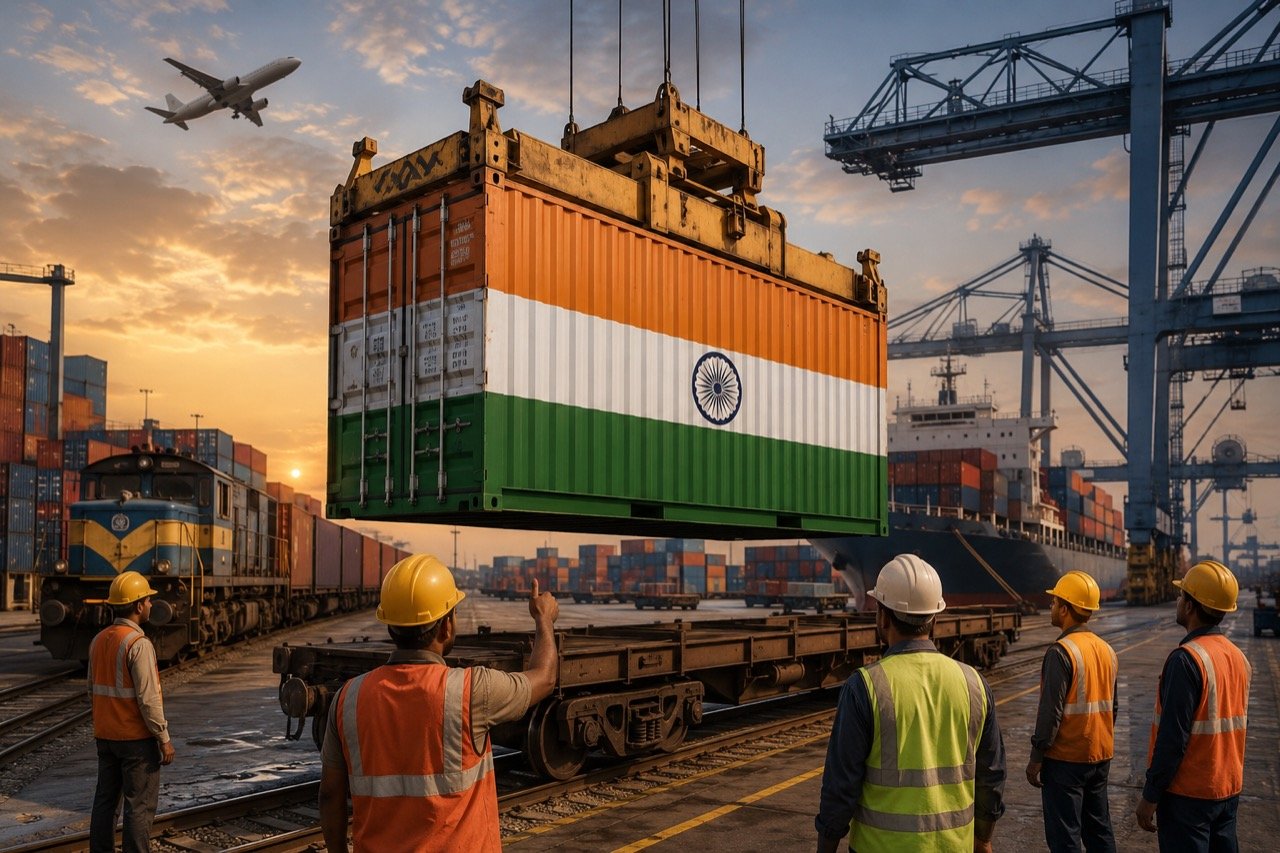
Global shipping giant Maersk has unveiled its first India-made EXIM shipping container and placed an order for 1,000 more from DCM Shriram, according to a report by ET Supply Chain. The milestone was marked at Dadri, and it is being presented as evidence that India can now build a piece of the physical infrastructure that underpins global trade, not merely operate within a system designed and supplied elsewhere.
From prototype to commercial order
According to the report, the container cleared international structural and safety standards after prototype testing. That technical validation is a necessary first step, since containers used in export-import shipping must meet exacting global norms for strength, corrosion resistance and stackability before any carrier will trust them on an ocean voyage. But the more consequential fact is what came after the testing phase. Maersk did not stop at a pilot or a symbolic unveiling. It moved to a firm order of 1,000 units, a commercial commitment that signals confidence extending well beyond ceremony. Global shipping lines are conservative buyers of equipment; a container failure at sea or at a port terminal is costly and reputationally damaging. A firm order at this scale therefore represents a considered judgement that the Dadri-made product is fit for purpose, not a courtesy gesture toward a domestic supplier.
Why a steel box carries strategic weight
On the surface, shipping containers are unglamorous: standardised steel boxes with no moving parts and little technological sophistication compared to, say, semiconductors or aircraft components. Yet they sit at the very centre of export-import logistics. Every consignment that leaves an Indian port packed for an overseas buyer, and every import that arrives for domestic consumption, depends on the availability of these boxes. Domestic manufacturing of containers can reduce India's dependence on overseas supply, a market that has long been dominated by China. It can also improve container availability for exporters, who have historically had to compete for boxes controlled by shipping lines and manufacturers based elsewhere. And it reinforces India's wider manufacturing ambitions, adding one more category of industrial goods to the list of things the country can produce at scale and to global specification.
The policy backdrop
This development also connects to broader industrial policy. Production-linked support and domestic capacity building are the kinds of interventions that can make container manufacturing commercially viable at scale, since the economics of steel fabrication are sensitive to volume, input costs and the ability to compete with established, often subsidised, overseas producers. A single order, however large, is not by itself proof that the economics work over the long run. What it does show is that there is now a demonstrated production line, tested to international standards, with at least one credible anchor customer. That is the kind of proof point that policy support is designed to help create, and it gives planners a concrete example to point to rather than an aspiration.
Who stands to benefit if the ecosystem grows
If container manufacturing in India expands beyond this initial order, the beneficiaries would extend well past DCM Shriram itself. Ports handling higher volumes of standardised, reliable equipment could see smoother turnaround. Rail freight operators, who move containers inland to and from gateway ports, would gain from more predictable equipment supply. Exporters, particularly smaller ones who often struggle most during container shortages, would benefit from more consistent access to boxes at more predictable cost. Logistics firms more broadly would gain from reduced exposure to the kind of global supply shocks that have periodically disrupted trade in recent years. None of these gains are guaranteed by one order, but they describe the shape of the upside if the initial success is replicated and scaled.
Lessons from the pandemic-era shortage
The context that gives this order its resonance is recent history. India's logistics sector has for years run on containers built elsewhere, a dependency that became painfully visible during the pandemic, when a global shortage of containers left exporters scrambling for equipment, paying inflated freight rates, and in some cases missing shipment windows altogether. That episode exposed how a seemingly mundane piece of equipment can become a chokepoint for an entire trading economy when supply is concentrated overseas. An order such as this one does not undo that history, but it offers a marker of a different trajectory, one in which a critical input to trade is increasingly produced within the country that depends on it most.
The NE Times View
A single container is a small object with a large message. For years, India's logistics sector has run on boxes built elsewhere, leaving exporters exposed to global container shortages like the one seen during the pandemic. Maersk's order gives Indian manufacturing something subsidies alone cannot: a demanding global customer whose standards force quality up. Meeting the requirements of a major international carrier is a discipline that domestic incentives alone rarely instil, because it requires consistent quality control, reliable delivery schedules and cost competitiveness against entrenched overseas producers, all judged by a buyer with no particular loyalty to a domestic supplier beyond performance. The task now is scale. One order of 1,000 units must become an industry, not a headline. That means DCM Shriram, and any others who follow, will need to prove they can sustain quality and cost discipline across repeat orders, not just a single validated batch. If DCM Shriram delivers on cost and consistency, others will follow, and India will own a little more of the plumbing of its own trade. The measure of success here will not be the unveiling at Dadri, but whether, a year or two from now, container manufacturing in India looks like a durable industry rather than a one-off achievement tied to a single customer.
Key takeaways
- Maersk has ordered 1,000 India-made EXIM containers from DCM Shriram after its first domestically produced container, unveiled at Dadri, cleared international structural and safety standards.
- The shift from prototype to a firm commercial order signals genuine confidence from a major global carrier, not merely a symbolic gesture.
- Domestic container manufacturing could reduce India's reliance on overseas supply, historically dominated by China, and help avoid repeats of pandemic-era shortages that hurt exporters.
- Production-linked support and capacity building remain central to making the industry commercially viable at scale, benefiting ports, rail freight operators, exporters and logistics firms.
- The real test ahead is whether DCM Shriram and potential competitors can sustain quality and cost consistency across repeat orders, turning one milestone into a lasting domestic industry.
You may also like to read
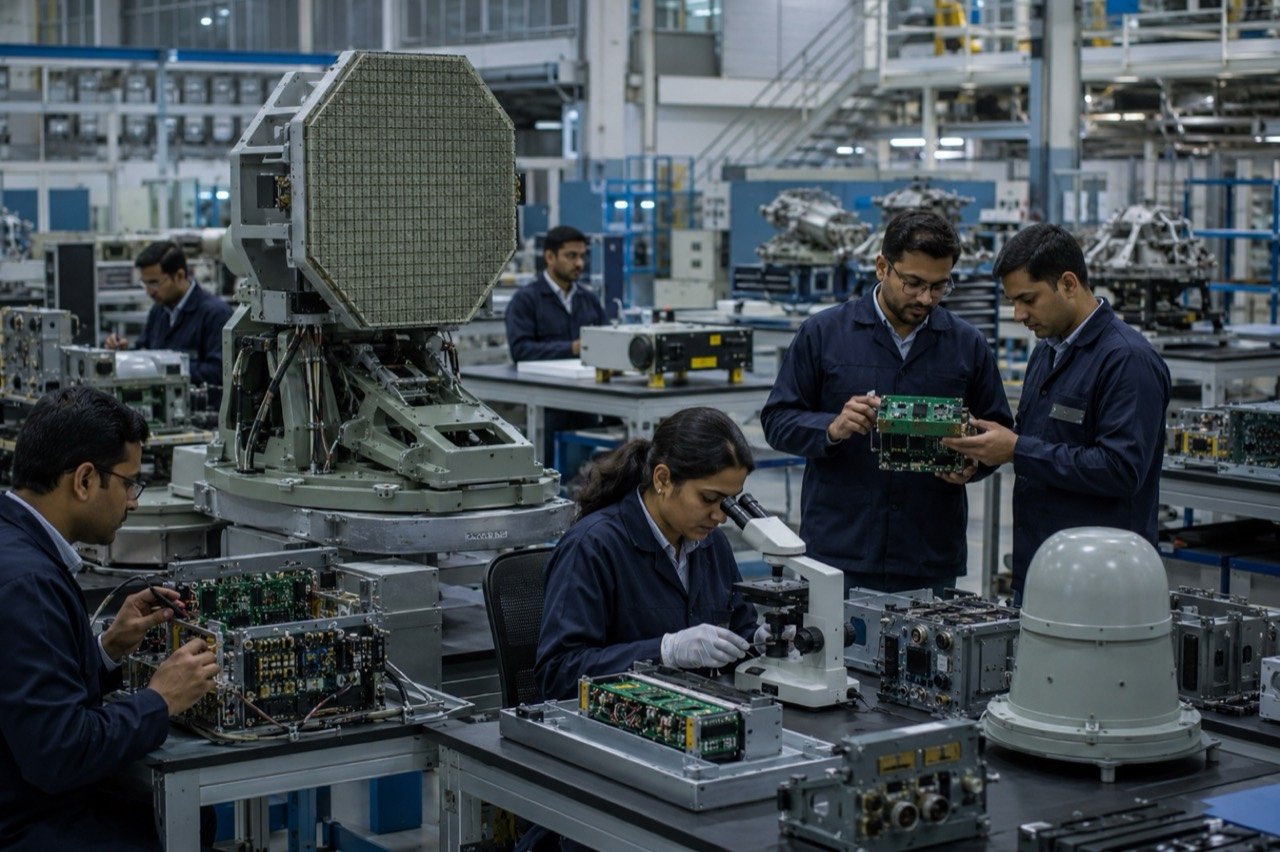
BEL Secures Rs 1,081 Crore in Fresh Defence Electronics Orders
Navratna PSU Bharat Electronics has booked Rs 1,081 crore in new orders since May, spanning radars, communication gear, CBRN protection and avionics, keeping its shares and order book firmly in focus.
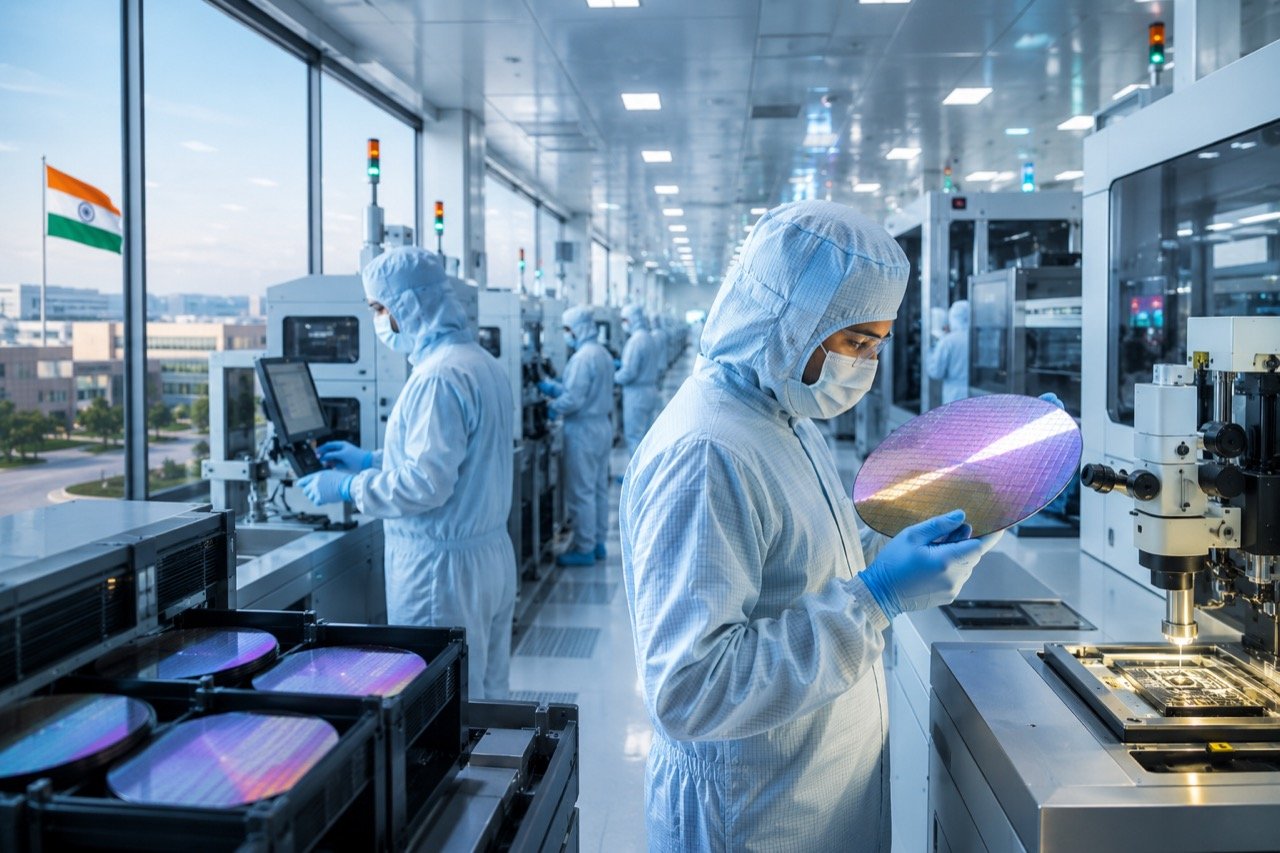
Sanand Semiconductor Plant: What CG Semi's Launch Means for India
Commercial production at CG Semi's chip assembly and test facility in Sanand, marked by remarks from Prime Minister Modi, has renewed focus on how far India's semiconductor manufacturing push has actually come.
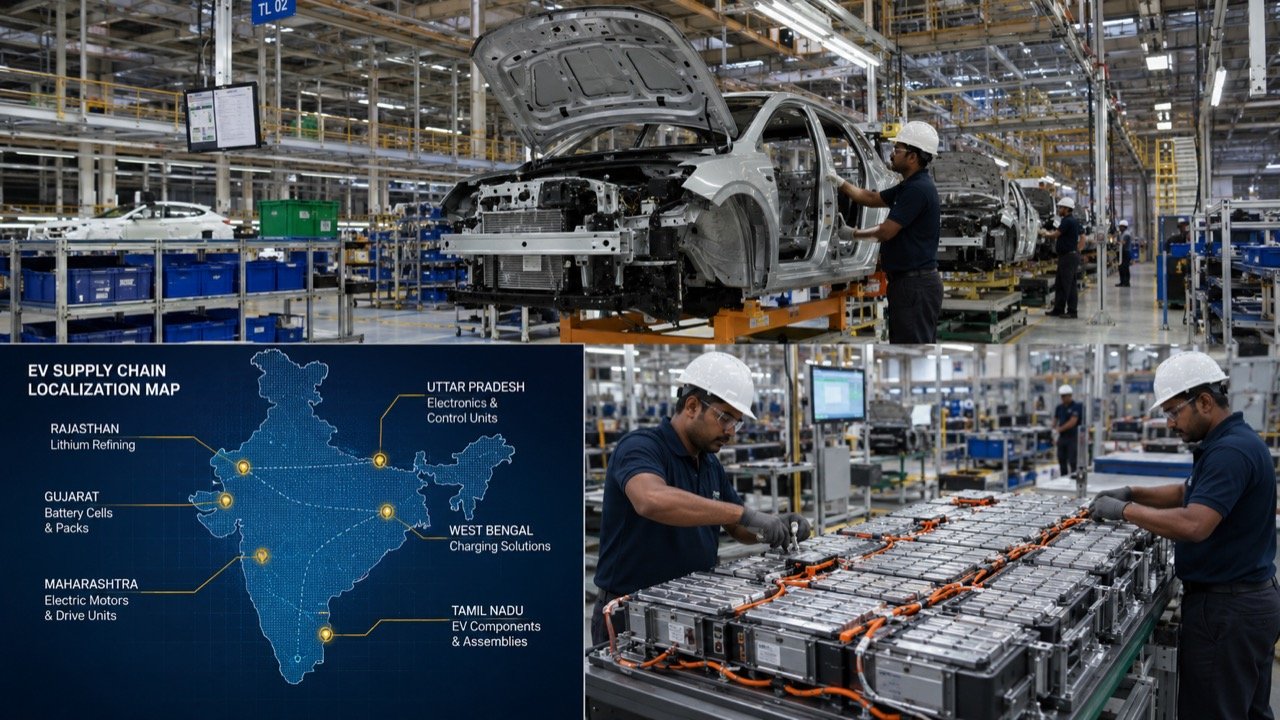
JSW MG Motor Targets 50% EV Parts Localisation in India
JSW MG Motor India's plan to source at least half of its electric-vehicle components domestically has turned a spotlight on the readiness of India's EV supply chain, from batteries to power electronics.
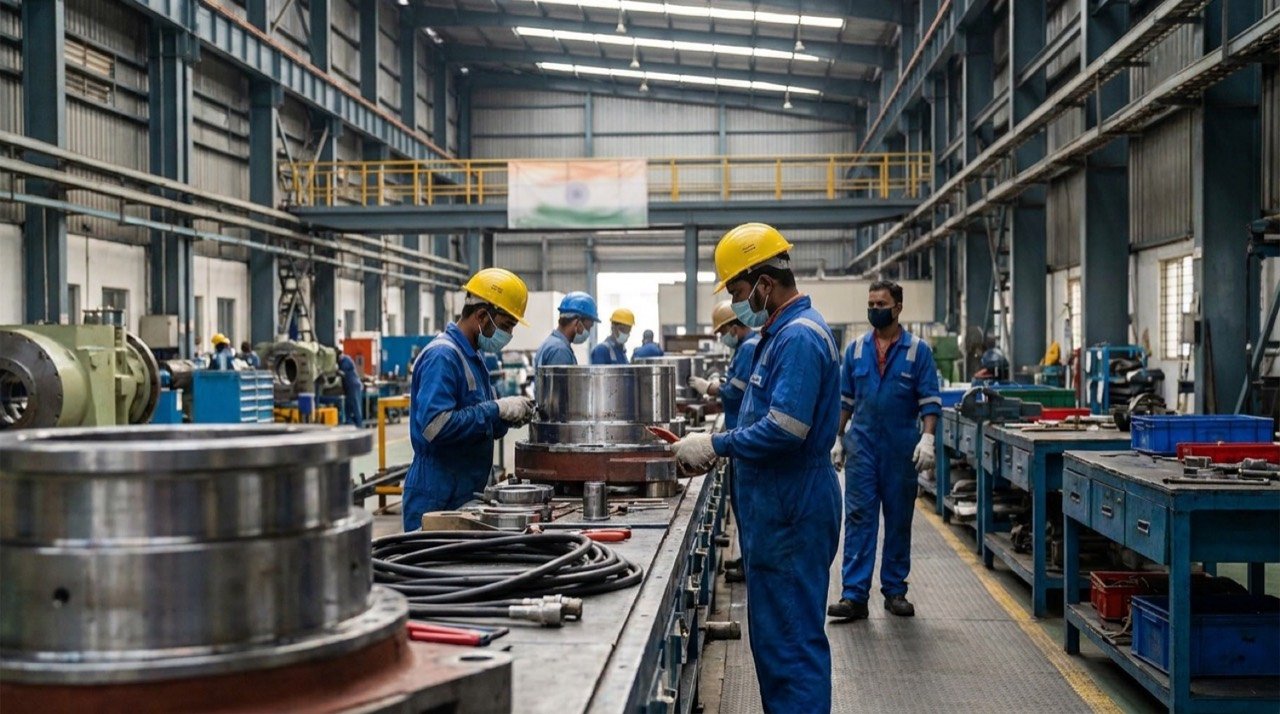
Defence Ministry Plans Seven Manufacturing Clusters to Boost Military Production
India's Ministry of Defence is reported to be planning seven manufacturing clusters to deepen supply chains, cut import dependence and draw private industry into higher-value military production.
More from this section
More
Adani Case: US DOJ Pushes for Permanent Dismissal of Charges
The US Department of Justice has urged a judge to permanently dismiss charges against Gautam Adani, calling the case legally flawed — a reversal with consequences for markets, diplomacy and cross-border enforcement.

Akasa Air Inducts 40th Aircraft in Indian Aviation Scale-Up
Akasa Air's 40th aircraft, ferried to Bengaluru via Seattle, Reykjavik and Cairo, marks a fleet milestone for the young carrier and a fresh signal that India's aviation market remains firmly in expansion mode.
BARC Ratings Suspension Leaves Indian TV Industry Flying Blind
BARC's pause on television ratings has put India's broadcast measurement system under fresh scrutiny, leaving broadcasters, advertisers and media planners without the weekly audience data that anchors the TV economy.