BEL Secures Rs 1,081 Crore in Fresh Defence Electronics Orders
Navratna PSU Bharat Electronics has booked Rs 1,081 crore in new orders since May, spanning radars, communication gear, CBRN protection and avionics, keeping its shares and order book firmly in focus.
Commentary & Analysis ·
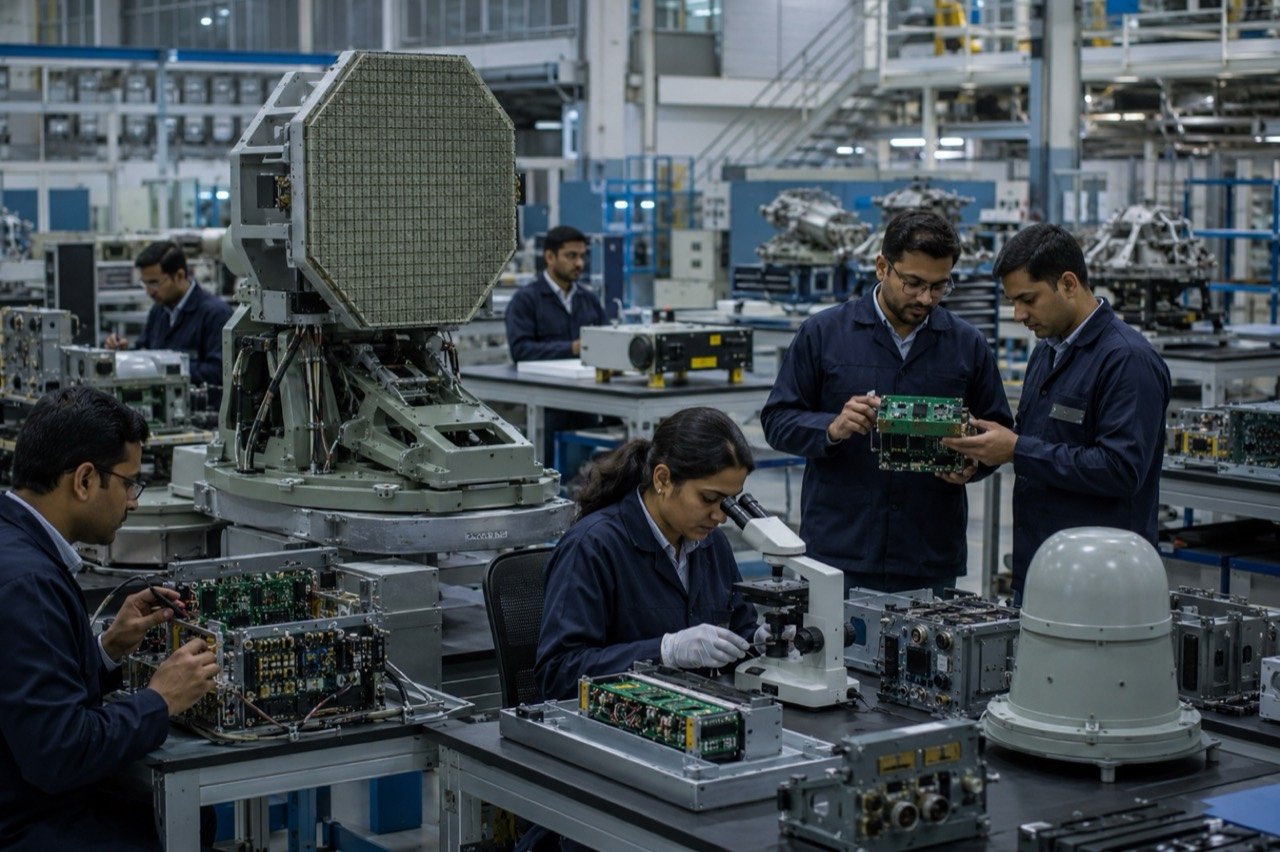
Bharat Electronics Limited (BEL) has announced fresh orders worth Rs 1,081 crore secured since its previous disclosure on May 25, 2026, reinforcing the steady inflow that has made the Navratna defence PSU a market favourite. The state-owned company said the new contracts span a broad mix of defence electronics and support services, and analysts expect the stock to stay in focus following the update. For a company whose story has, for several years now, been built almost entirely on the strength and visibility of its order book, this is precisely the kind of periodic disclosure that shapes investor sentiment quarter to quarter, even when the headline figure itself is not exceptionally large in isolation.
What the new orders actually cover
According to the company, the latest orders include communication equipment, radars, chemical-biological-radiological-nuclear (CBRN) protection systems, seekers, avionics, upgrades, spares and services. That breadth is significant: it shows demand is not concentrated in a single product line but spread across the platforms and subsystems that underpin India's armed forces and allied agencies. A single large radar contract, however impressive on paper, would leave BEL more exposed to the fortunes of one programme or one branch of the services. A spread across communications, radars, protective systems, seekers and avionics instead points to sustained, broad-based procurement activity across multiple arms of the defence establishment, which is a healthier signal for long-term revenue stability than a single marquee win.
Recurring revenue from upgrades, spares and services is particularly valuable to investors, because it tends to be higher-margin and more predictable than one-off equipment supply. Original equipment contracts are often won competitively and priced tightly, whereas the aftermarket business of keeping fielded systems operational, upgraded and spare-part-ready tends to carry better economics and a longer tail. A defence electronics company that can point to a growing share of orders coming from upgrades and services, rather than purely from fresh platform builds, is effectively building an annuity-like layer under its core business.
Why a diversified order mix matters
A diversified order mix also insulates the company from the lumpiness that can affect defence procurement cycles. Defence acquisition is notoriously uneven: budgetary cycles, procurement approvals, trials and geopolitical circumstance can all cause orders to bunch up in some quarters and thin out in others. When a company's book spans several distinct product categories rather than one, the probability that all of them slow simultaneously is lower, and the overall order flow becomes smoother and easier for both management and investors to plan around. This is one reason why the market tends to react calmly, rather than dismissively, to disclosures of this kind even when the sums involved are modest relative to BEL's total order backlog.
Tied to India's modernisation and self-reliance push
BEL's fortunes are closely linked to India's defence modernisation cycle and the government's drive to localise electronics manufacturing under self-reliance initiatives. As the military upgrades radars, communication networks and protective systems, indigenous suppliers like BEL stand to capture orders that might once have gone to foreign vendors. This is not a marginal policy backdrop; it is the central structural tailwind that has repeatedly been cited to explain why domestic defence electronics manufacturers have re-rated over recent years. Every fresh order of this kind, however incremental, is also a small proof point that the localisation push is translating into actual contracted business rather than remaining a stated ambition.
The fresh wins add to an already substantial order book, signalling continuing demand from defence and related customers. For a company whose valuation rests heavily on visibility of future revenue, a healthy and growing pipeline is the metric the market watches most closely. Analysts and institutional investors who track PSU defence names typically build their models around order-book size and the anticipated pace of execution, which makes each disclosure of new orders a data point that gets folded directly into revenue and earnings forecasts, rather than treated as a one-off announcement.
What investors will be watching next
Booking orders is only the first step; converting them into revenue at healthy margins is what ultimately drives returns. Investors will scrutinise execution timelines, the pace at which the order book translates into sales, and whether input costs or delivery delays squeeze profitability. This distinction between order intake and revenue conversion is one that seasoned observers of the defence sector rarely lose sight of: a large order book that takes years to execute, or that erodes in profitability because of cost overruns or supply-chain constraints, is a very different proposition from one that converts briskly and cleanly into cash flow. The key figures worth tracking are the total order intake since the May 25 disclosure of Rs 1,081 crore, the product spread across radars, communications, CBRN systems, seekers and avionics, and the high-value recurring streams arising from upgrades, spares and services. Beyond these, the watch points that matter most are margins, delivery timelines and the speed of revenue conversion, set against the strategic backdrop of India's defence modernisation and localisation push.
The announcement underlines BEL's position at the centre of India's effort to build a self-reliant defence electronics base. With a deepening order book and a diversified product mix, the company enters the next quarter on a firm footing, even as the market reserves final judgment for the numbers that show how quickly those orders become revenue. In that sense, this disclosure should be read less as a standalone event and more as another data point in a long-running narrative about whether India's largest defence electronics PSU can keep converting policy tailwinds into disciplined financial performance.
The NE Times View
BEL's steady order flow across radars, communications and avionics reflects the momentum behind India's defence indigenisation push, and the market is right to take notice. Order-book strength is encouraging, but the lasting test is whether a public-sector champion can keep pace on technology and delivery as private players enter the field. Self-reliance is judged on capability and timelines, not just contract values announced. As more private defence electronics firms mature and compete for the same category of contracts, BEL's advantage of scale and incumbency will need to be matched by demonstrable improvements in delivery discipline and technological currency, rather than resting on its historical position as the default state supplier.
Key takeaways
- BEL secured Rs 1,081 crore in fresh orders since its May 25, 2026 disclosure, spanning communication equipment, radars, CBRN protection systems, seekers, avionics, upgrades, spares and services.
- The diversified order mix reduces dependence on any single product line and cushions the company against the lumpiness typical of defence procurement cycles.
- Recurring revenue from upgrades, spares and services offers higher-margin, more predictable income compared with one-off equipment supply.
- The orders reinforce BEL's central role in India's defence modernisation and localisation drive, with indigenous suppliers increasingly winning business once reserved for foreign vendors.
- Investors will focus next on execution timelines, margin performance and the pace at which the order book converts into actual revenue, rather than on the headline order value alone.
You may also like to read
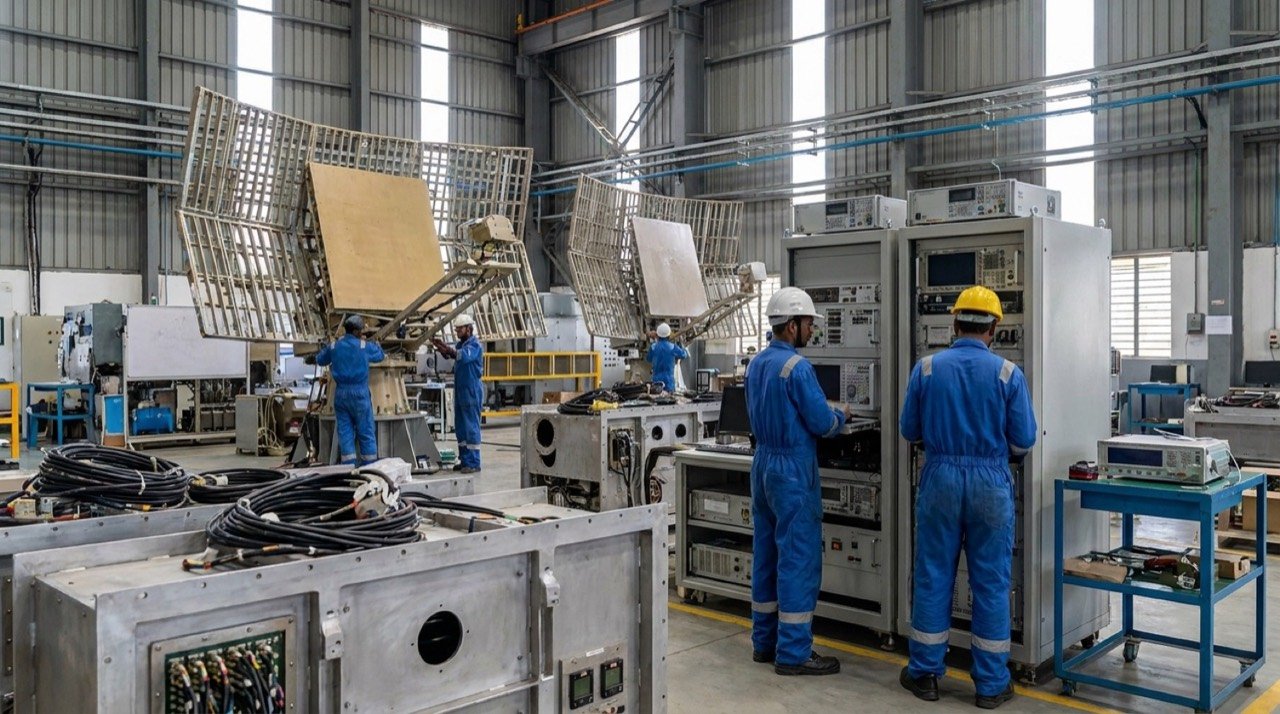
BEL Wins Rs 1,081 Crore in Fresh Defence Electronics Orders, Strengthening India's Indigenisation Push
Bharat Electronics Ltd has secured roughly Rs 1,081 crore in additional orders spanning radar, avionics, jammers and tank protection, reinforcing India's drive for self-reliant defence electronics.

Maersk Orders 1,000 India-Made Containers From DCM Shriram
Maersk has unveiled its first India-made EXIM shipping container and placed an order for 1,000 more with DCM Shriram, a commercial vote of confidence in India's push to manufacture the hardware of global trade.
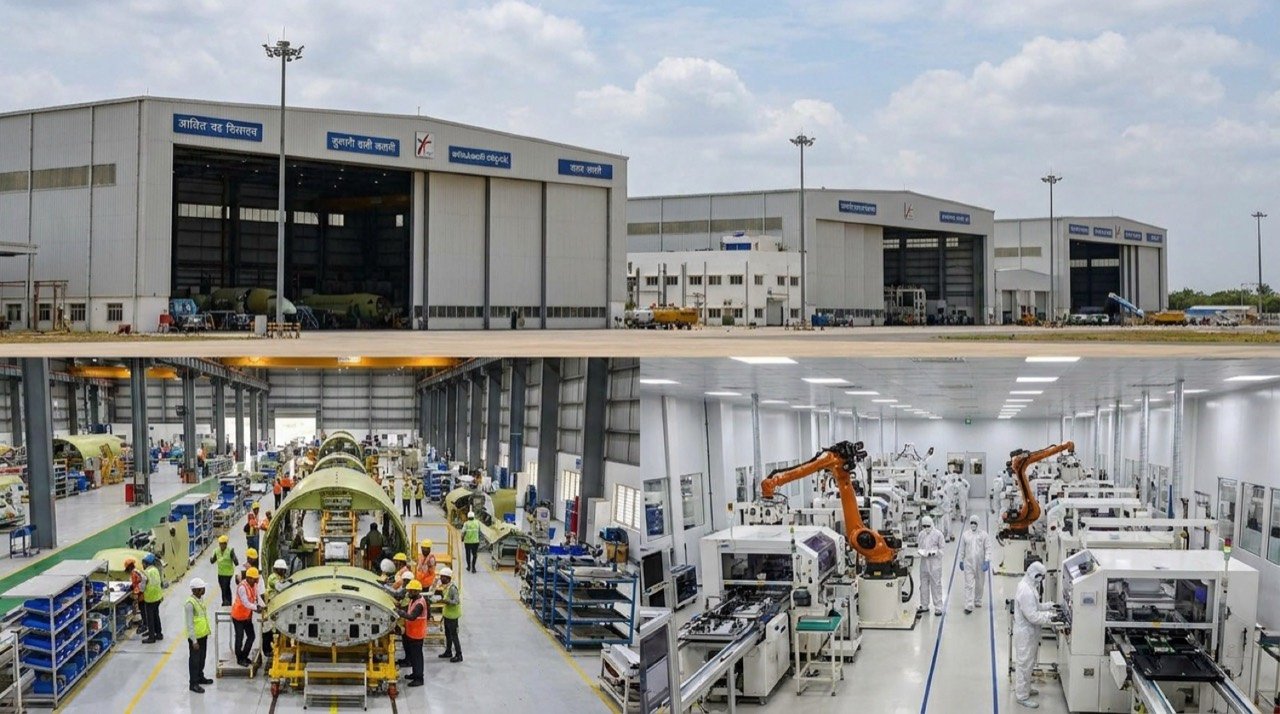
Seven Defence Manufacturing Clusters Put India's Self-Reliance Push in Focus
India is reportedly planning seven defence manufacturing clusters to deepen domestic capability, cut import dependence and strengthen supply chains across aerospace, electronics and land systems.
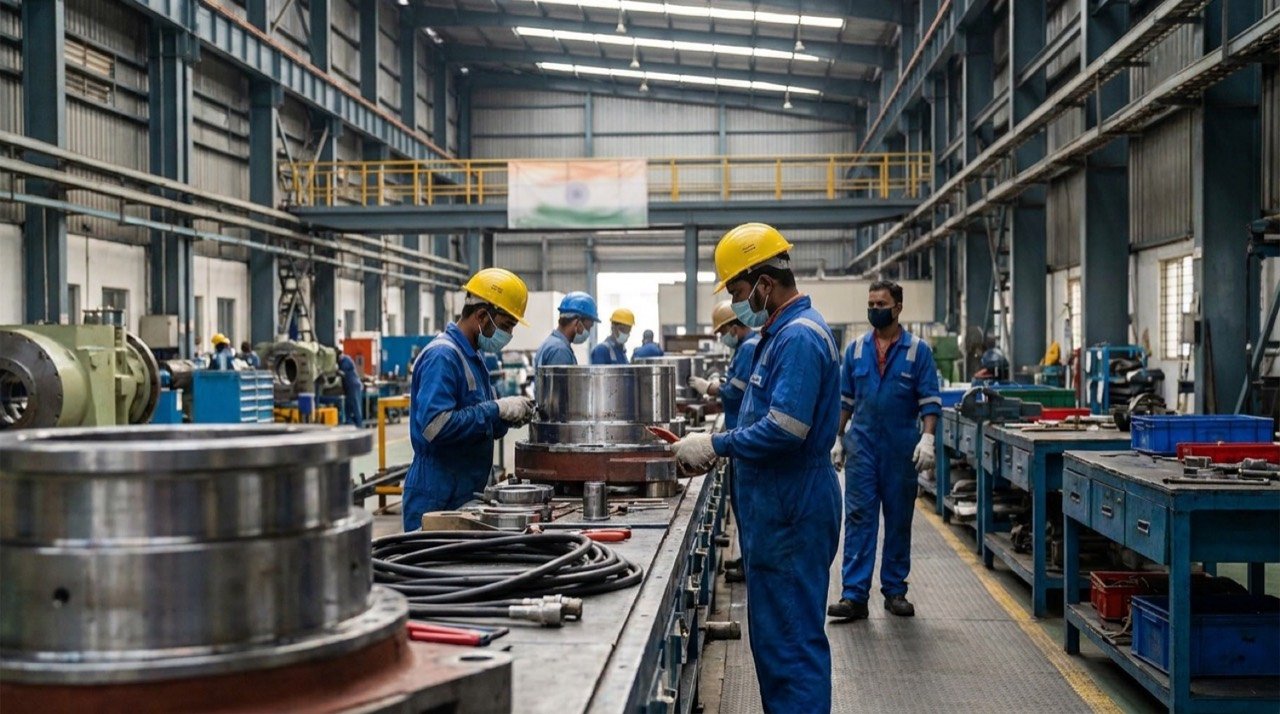
Defence Ministry Plans Seven Manufacturing Clusters to Boost Military Production
India's Ministry of Defence is reported to be planning seven manufacturing clusters to deepen supply chains, cut import dependence and draw private industry into higher-value military production.
More from this section
More
Adani Case: US DOJ Pushes for Permanent Dismissal of Charges
The US Department of Justice has urged a judge to permanently dismiss charges against Gautam Adani, calling the case legally flawed — a reversal with consequences for markets, diplomacy and cross-border enforcement.

Akasa Air Inducts 40th Aircraft in Indian Aviation Scale-Up
Akasa Air's 40th aircraft, ferried to Bengaluru via Seattle, Reykjavik and Cairo, marks a fleet milestone for the young carrier and a fresh signal that India's aviation market remains firmly in expansion mode.
BARC Ratings Suspension Leaves Indian TV Industry Flying Blind
BARC's pause on television ratings has put India's broadcast measurement system under fresh scrutiny, leaving broadcasters, advertisers and media planners without the weekly audience data that anchors the TV economy.