Chinese Herbicide Imports Face Tighter Scrutiny in India
India has stepped up checks on herbicide imports from China, signalling a more assertive trade-compliance posture that could reshape supply, pricing and competition across the country's agrochemical market.
Commentary & Analysis ·
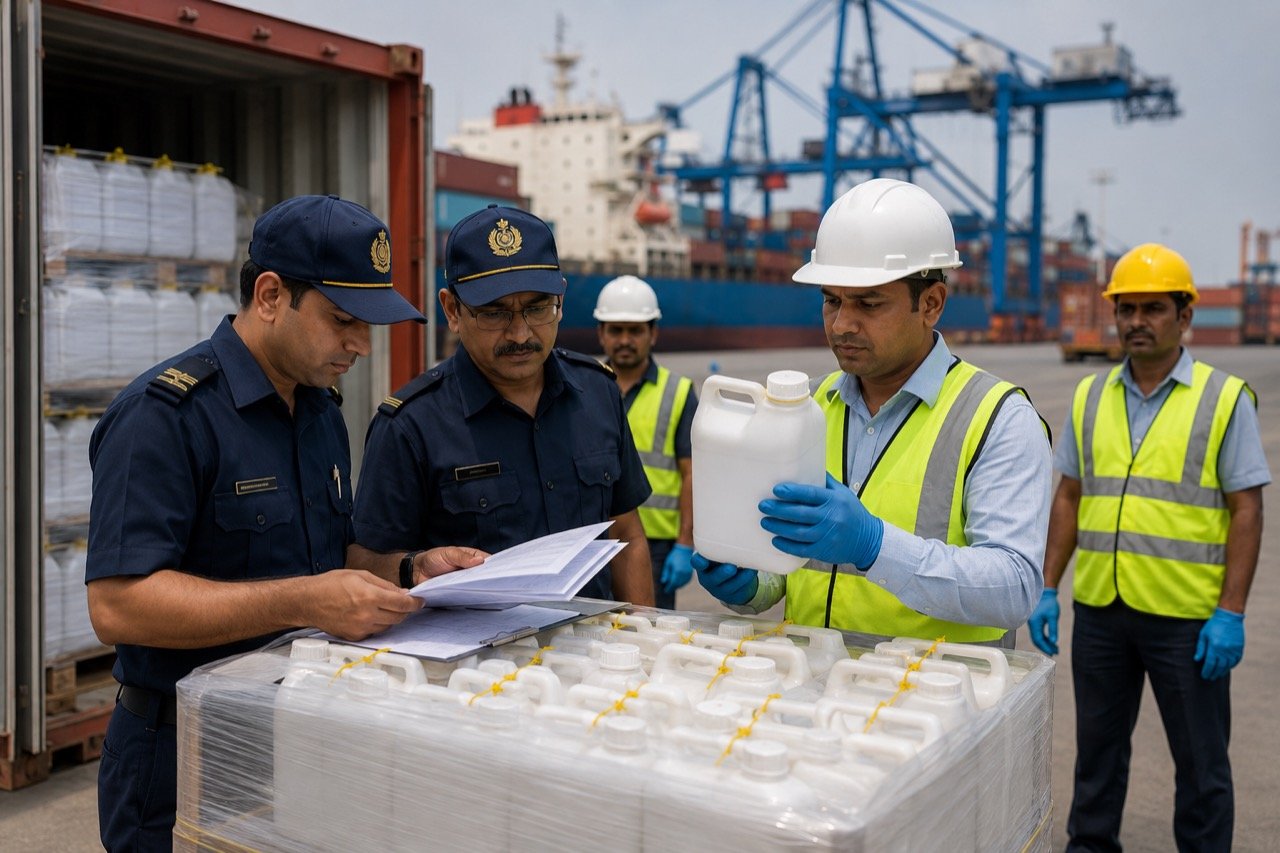
India has tightened scrutiny of herbicide imports from China, according to a report in The Economic Times, adding another product category to the growing list of goods facing closer compliance checks at the border. On its face, this is a narrow administrative development affecting a single class of agrochemical inputs. Read against the backdrop of India's evolving posture toward Chinese trade, however, it takes on a broader significance. The move puts a spotlight on how actively New Delhi is now using trade tools to police imports, and it invites a closer look at both the specific product involved and the pattern it fits into.
Why herbicides matter
Herbicides are a commercially sensitive input in India's agricultural economy: farmers, distributors and agrochemical companies all depend on predictable availability and consistent quality. Any disruption in this supply chain, whether through delay, cost inflation or a shift in sourcing, tends to ripple quickly through the farm sector, where margins are thin and planting schedules are unforgiving. Closer import scrutiny in this category can stem from a number of concerns: pricing and dumping allegations, product safety and formulation standards, documentation gaps at customs, or straightforward compliance with Indian regulatory norms governing agrochemicals. Each of these possible triggers carries a different implication for how the scrutiny should be read, and each will shape how quickly the situation normalises.
For farmers, the central question is a practical one: whether tighter checks affect the supply and affordability of crop-protection products in the coming sowing cycles. Herbicides are not a discretionary purchase for most cultivators; they are a recurring input tied directly to yield and labour costs, since reduced weeding effort is one of the main efficiency gains they offer. Any sustained tightening of the pipeline, even if well-intentioned from a regulatory standpoint, risks being felt first and most acutely by smallholders who have the least capacity to absorb price shocks or substitute alternative products at short notice.
The domestic industry's stake
Domestic manufacturers, meanwhile, have long sought a level playing field against low-priced imports, and this episode will be watched closely within that industry as a possible signal of intent. Indian agrochemical producers have repeatedly argued that certain categories of imported inputs, herbicides among them, arrive at price points that are difficult to match domestically, raising questions about underlying cost structures and trade practices. Tighter scrutiny, if genuinely aimed at verifying pricing and quality rather than simply slowing throughput, could validate some of these long-standing industry concerns. At the same time, regulators carry the responsibility of ensuring that whatever enters the Indian market, regardless of origin, meets Indian safety and efficacy norms; that obligation exists independent of any trade-policy considerations and should not be conflated with them.
This dual mandate, protecting domestic industry while safeguarding end users, is precisely where the difficulty lies. A regulatory system that is seen to move only when domestic producers lobby for protection risks losing credibility as an impartial gatekeeper. Conversely, a system that ignores legitimate industry concerns about unfair pricing risks ceding ground unnecessarily to imports that may not be competing on equal terms. The herbicide case will likely be judged, at least informally, by how closely the eventual justification for tighter checks lines up with one of these two narratives.
Part of a wider trade posture
This step sits within India's broader trade stance toward China. Even as overall bilateral trade remains substantial, specific product categories have periodically faced tighter checks when policy, industry or security concerns arise. Herbicides now join that growing list of goods drawing closer attention at the border. The pattern suggests less a single coordinated campaign than a series of category-by-category interventions, each responding to its own set of pressures, but collectively signalling that Indian authorities are comfortable using compliance and customs mechanisms as an active instrument of trade management rather than a purely procedural function.
The immediate impact of any such measure will hinge substantially on implementation. Targeted, transparent scrutiny, applied consistently and communicated clearly to importers, can lift compliance standards across an entire product category without meaningfully disrupting supply. Broad, opaque delays, by contrast, tend to squeeze downstream users disproportionately, since it is often the smaller distributors and end-purchasers who lack the resources to navigate prolonged uncertainty or seek alternative suppliers. The distinction between these two outcomes is not always visible from the outside in the early stages of a policy shift, which is why the coming weeks of on-the-ground implementation will matter more than the initial announcement itself.
What stakeholders will be watching for
Importers and distributors will be watching for clarity: specific documentation requirements, timelines for clearance, and whether the scrutiny applies uniformly across all herbicide shipments from China or is targeted at particular product formulations or suppliers. Farmer groups and agricultural input dealers will be tracking whether any of this translates into visible shortages or price movements in local markets during the current or upcoming cropping season. Domestic agrochemical manufacturers will be assessing whether this represents a durable shift in the competitive landscape or a temporary tightening that eases once initial compliance questions are resolved. And trade analysts will continue to place this development alongside other recent instances of category-specific scrutiny on Chinese goods, looking for evidence of a coordinated strategic approach versus a series of unrelated, agency-level responses to individual complaints or safety concerns.
The NE Times View
This is less about one chemical and more about the direction of travel in India's trade policy. New Delhi is increasingly willing to use compliance scrutiny as a calibrated lever, especially where Chinese imports dominate a supply chain, and herbicides are simply the latest illustration of that willingness. The test, as with every such measure, will be execution. If checks are predictable and rules-based, applied with clear criteria and reasonable timelines, they can strengthen domestic industry standards without meaningfully hurting farmers who depend on these inputs. If they instead turn into blanket bottlenecks, whether through under-resourced customs processing, ambiguous documentation demands or open-ended delays, input costs in agriculture will rise at exactly the wrong time in the crop cycle, and the burden will fall hardest on those least equipped to bear it.
Indian agrochemical firms should read this development as both an opportunity and a warning. It is an opportunity in that a more level playing field, if it materialises, could support fairer competition and sustained investment in domestic manufacturing capacity. It is a warning in that regulatory tightening of this kind tends to invite closer scrutiny of the entire sector's practices, including those of domestic players, and firms that fail to raise their own standards in step with tightened import norms may find that the advantage proves short-lived. The broader lesson for policymakers is that trade tools aimed at China, however justified in individual cases, work best for India's own economic interests when they are transparent, proportionate and consistently applied, rather than deployed as blunt instruments whose downstream costs are borne by farmers and consumers.
Key takeaways
- India has tightened import scrutiny on Chinese herbicides, per The Economic Times, adding to a growing list of product categories facing closer compliance checks.
- The move raises questions about pricing, dumping, product safety and documentation, with farmers' access to affordable crop-protection inputs as the central practical concern.
- Domestic agrochemical manufacturers have long sought a level playing field against low-priced imports, making this a potential test case for that argument.
- The measure fits a broader pattern of category-specific trade scrutiny toward China, even as overall bilateral trade remains substantial.
- Outcomes will depend heavily on implementation: predictable, rules-based checks can strengthen standards, while opaque delays risk raising agricultural input costs.
You may also like to read

Gameskraft PMLA Arrests Face Scrutiny After Karnataka HC Order
A Karnataka High Court order over arrests in the Gameskraft money-laundering case has reignited debate on enforcement standards in India's online gaming sector.

GST Collections Hit Rs 1.95 Lakh Crore in June as Imports Surge
India's gross GST revenue climbed 13.9 percent year on year in June 2026, but a 34.6 percent jump in import-linked collections did most of the heavy lifting while domestic growth stayed modest.
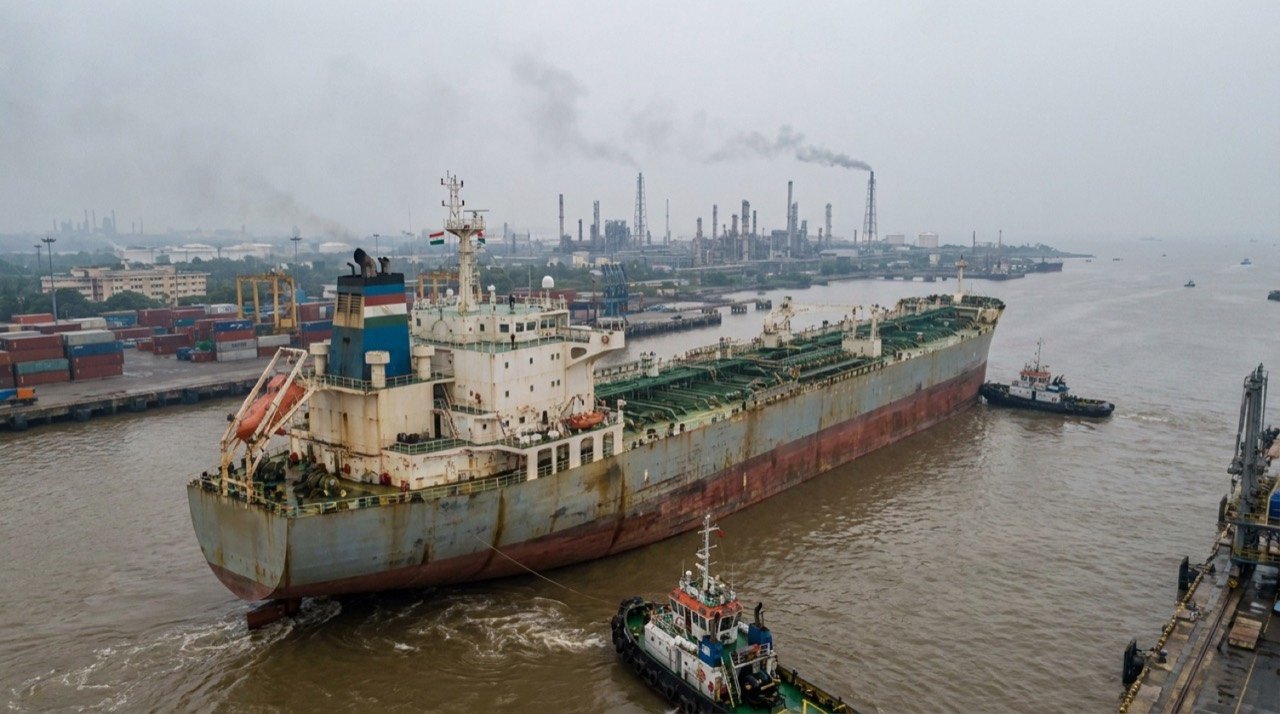
India's Russian Crude Imports May Hit Record June Share
India's Russian crude imports could touch a record high in June, with Moscow supplying nearly half of total purchases until June 20, as discounts and shifting supply reshape the energy basket.
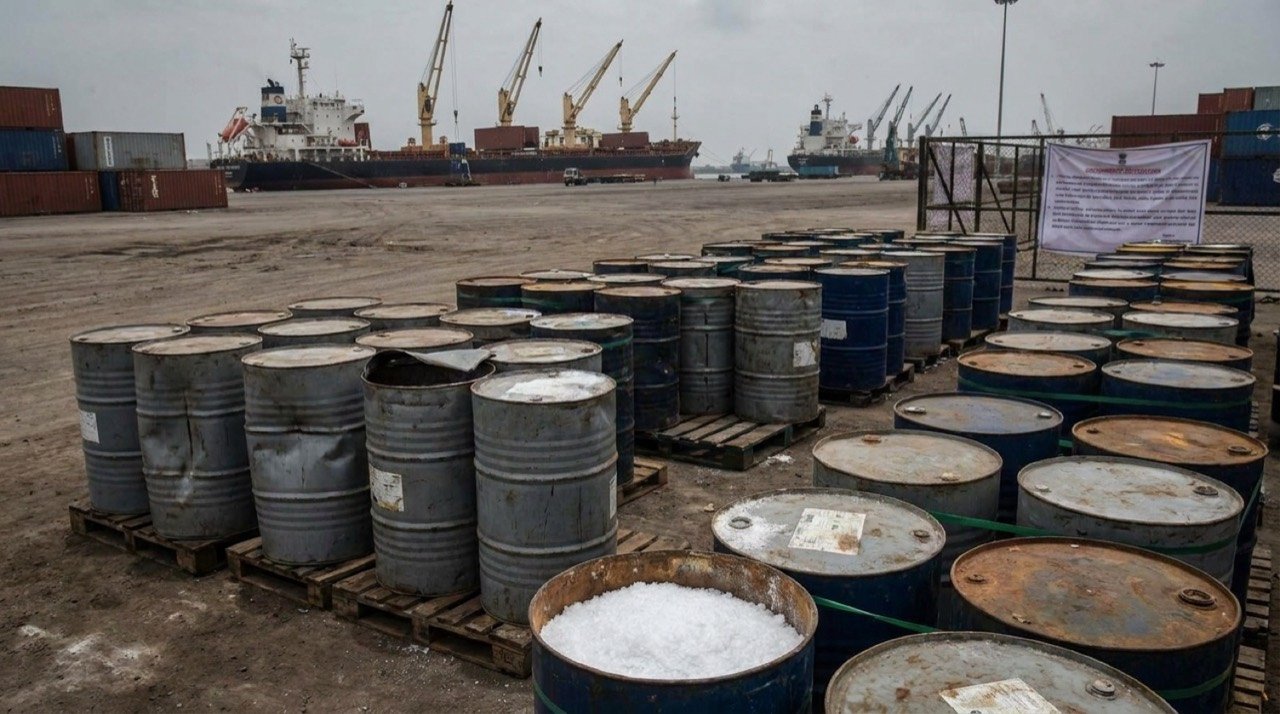
India's DGTR Opens Anti-Dumping Probe Into Sodium Nitrite Imports
India's Directorate General of Trade Remedies has launched an anti-dumping investigation into sodium nitrite imports after a domestic-industry complaint, a case set to draw close attention from manufacturers and importers.
More from this section
More
Adani Case: US DOJ Pushes for Permanent Dismissal of Charges
The US Department of Justice has urged a judge to permanently dismiss charges against Gautam Adani, calling the case legally flawed — a reversal with consequences for markets, diplomacy and cross-border enforcement.

Akasa Air Inducts 40th Aircraft in Indian Aviation Scale-Up
Akasa Air's 40th aircraft, ferried to Bengaluru via Seattle, Reykjavik and Cairo, marks a fleet milestone for the young carrier and a fresh signal that India's aviation market remains firmly in expansion mode.
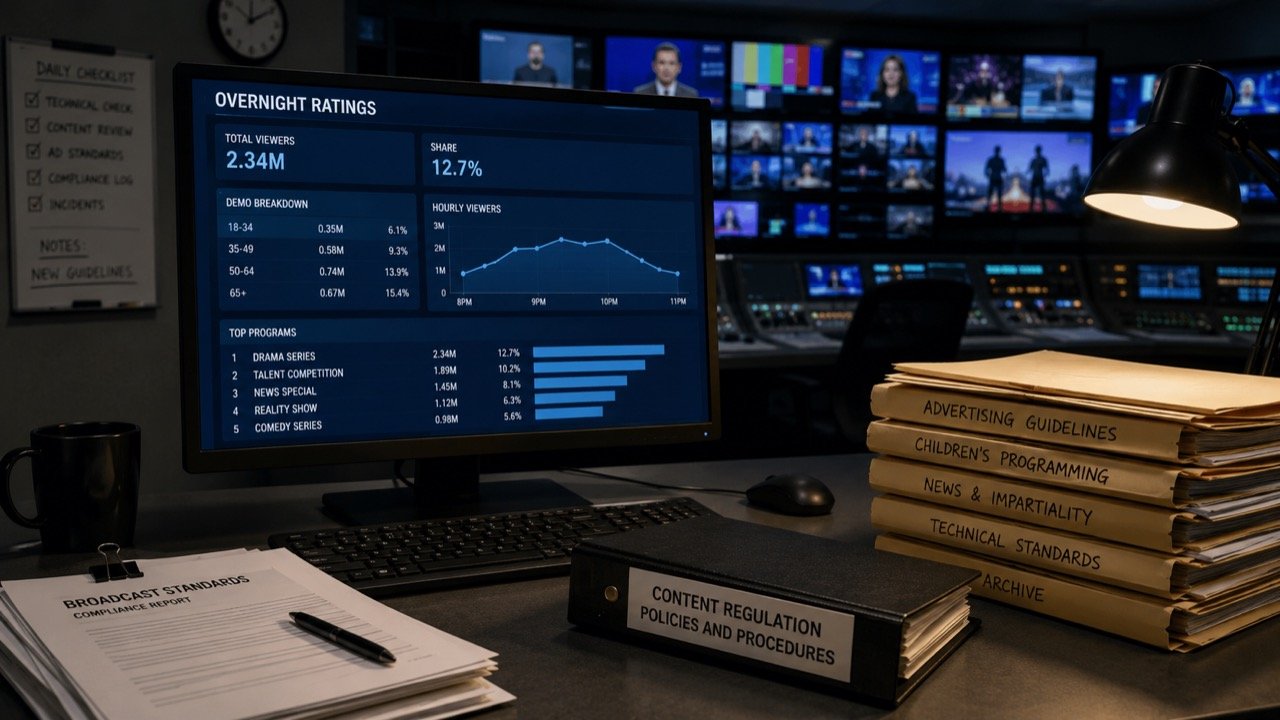
BARC Ratings Suspension Leaves Indian TV Industry Flying Blind
BARC's pause on television ratings has put India's broadcast measurement system under fresh scrutiny, leaving broadcasters, advertisers and media planners without the weekly audience data that anchors the TV economy.