Arjun Nair reports on technology, startups and digital India for The NE Times — covering everything from semiconductors and AI to UPI, data rules and the gadgets readers actually use.
India's I4C ordered a Bitchat GitHub takedown on 23 July 2026, giving three hours to disable Jack Dorsey's offline mesh app. Two days on, the repositories are still live.
The HCLTech-Sarvam Odisha AI data centre MoU, signed on 24 July 2026, plans Rs 14,257 crore for Bhubaneswar's Sovereign AI Park, plus a 5,000-seat HCLTech technology centre by 2028.
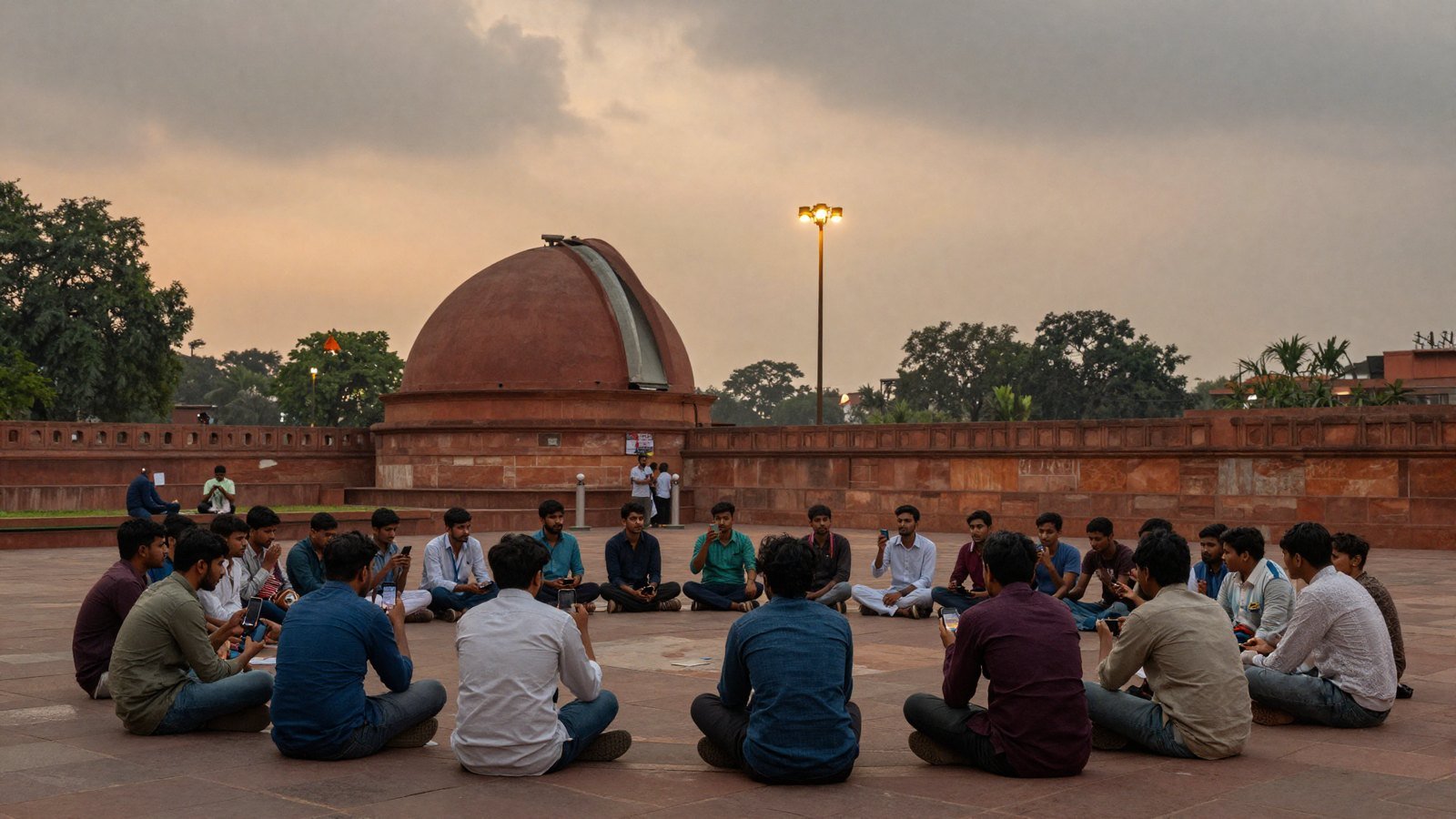
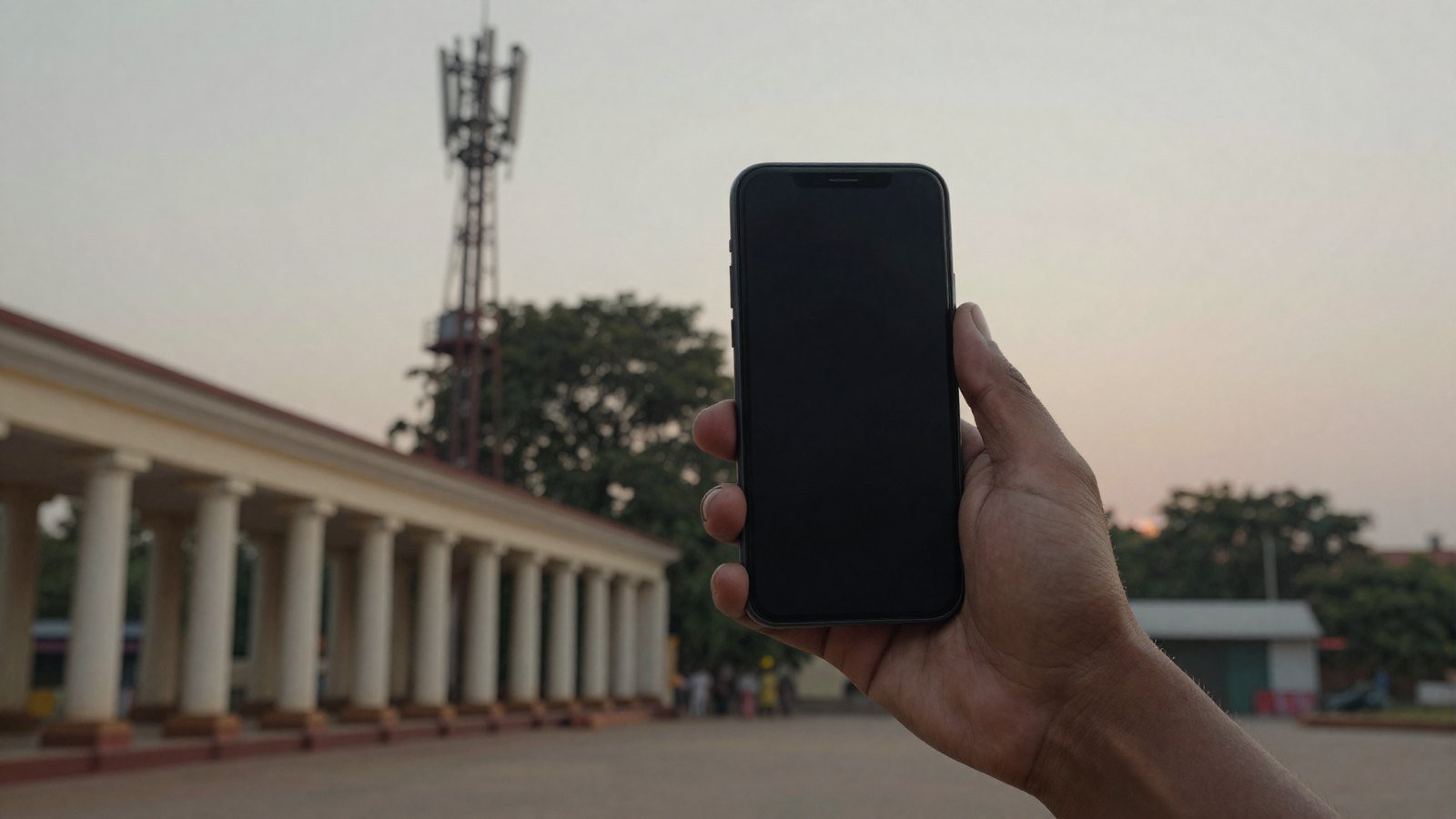
As authorities briefly cut mobile internet near Jantar Mantar during the NEET-UG protests, here is the law on proportionality, transparency and the costs of a shutdown.
As misinformation spreads around the NEET-UG 2026 leak protests and Sonam Wangchuk's fast, here are the recurring fake-post patterns and a practical verification toolkit for readers.
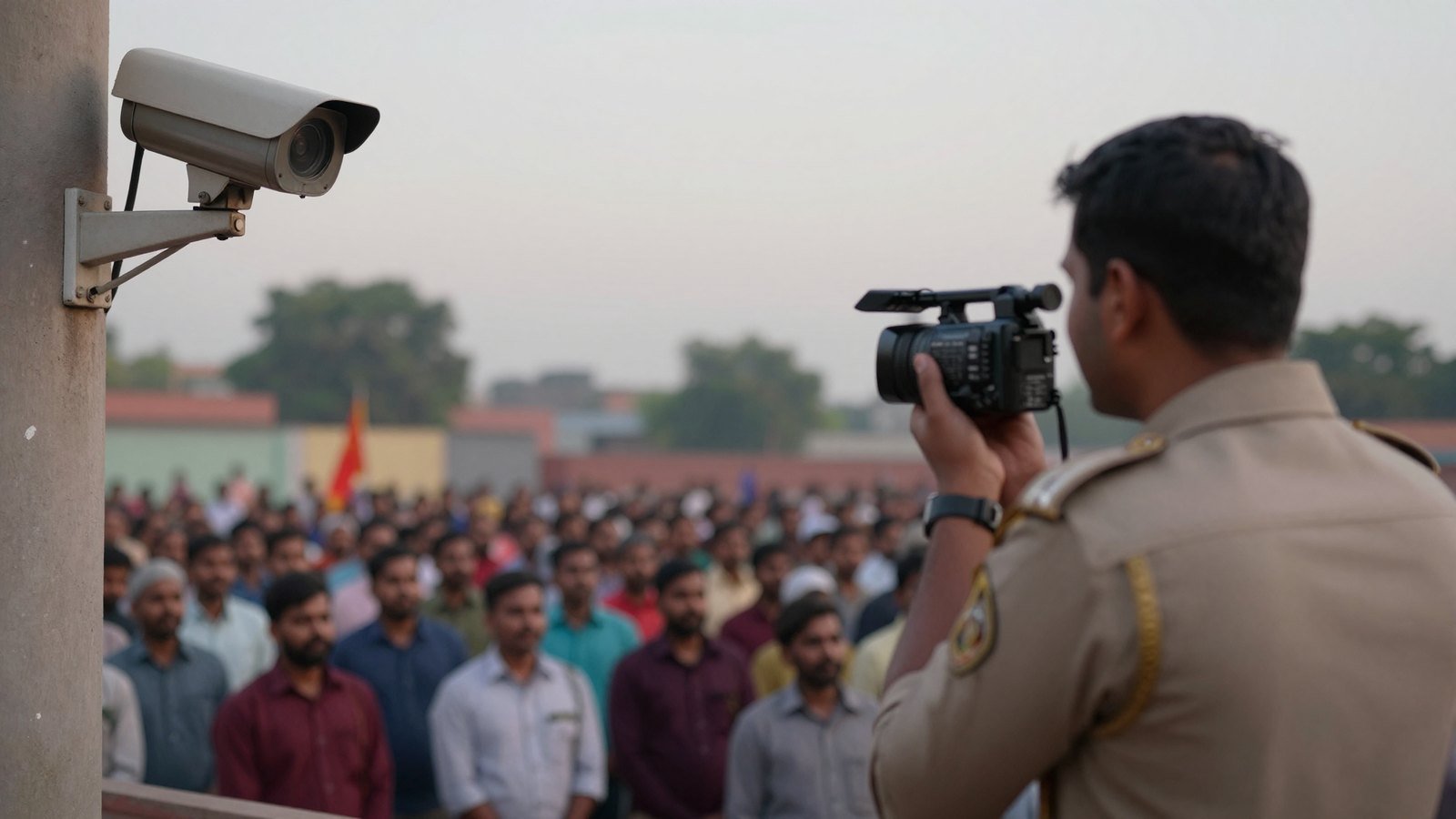
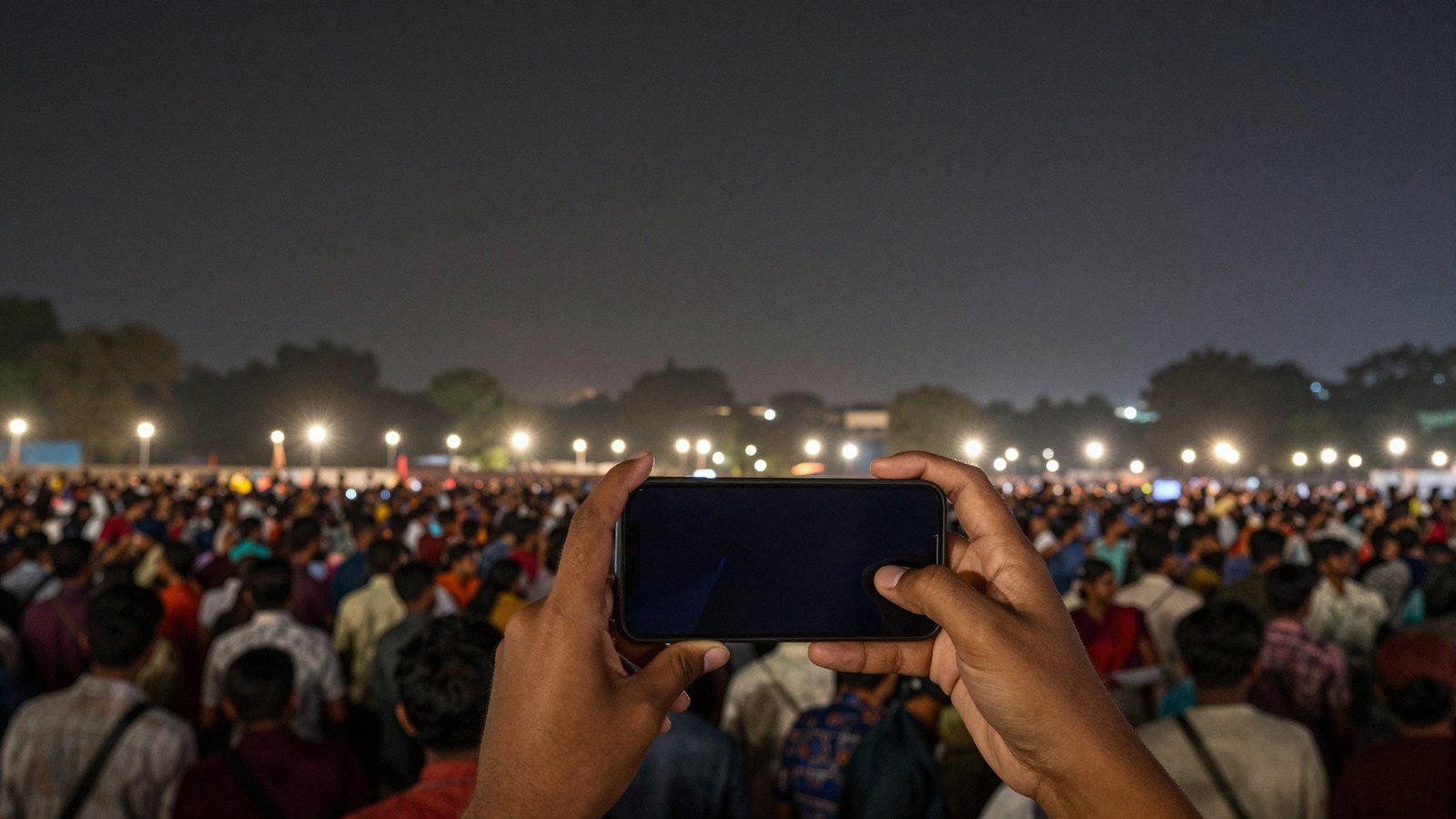
Police recording can preserve evidence and protect against false claims, but broad identification of peaceful participants can also chill lawful dissent
The volume of viral content made verification a central public-safety issue, but official claims about coordinated misinformation also require evidence
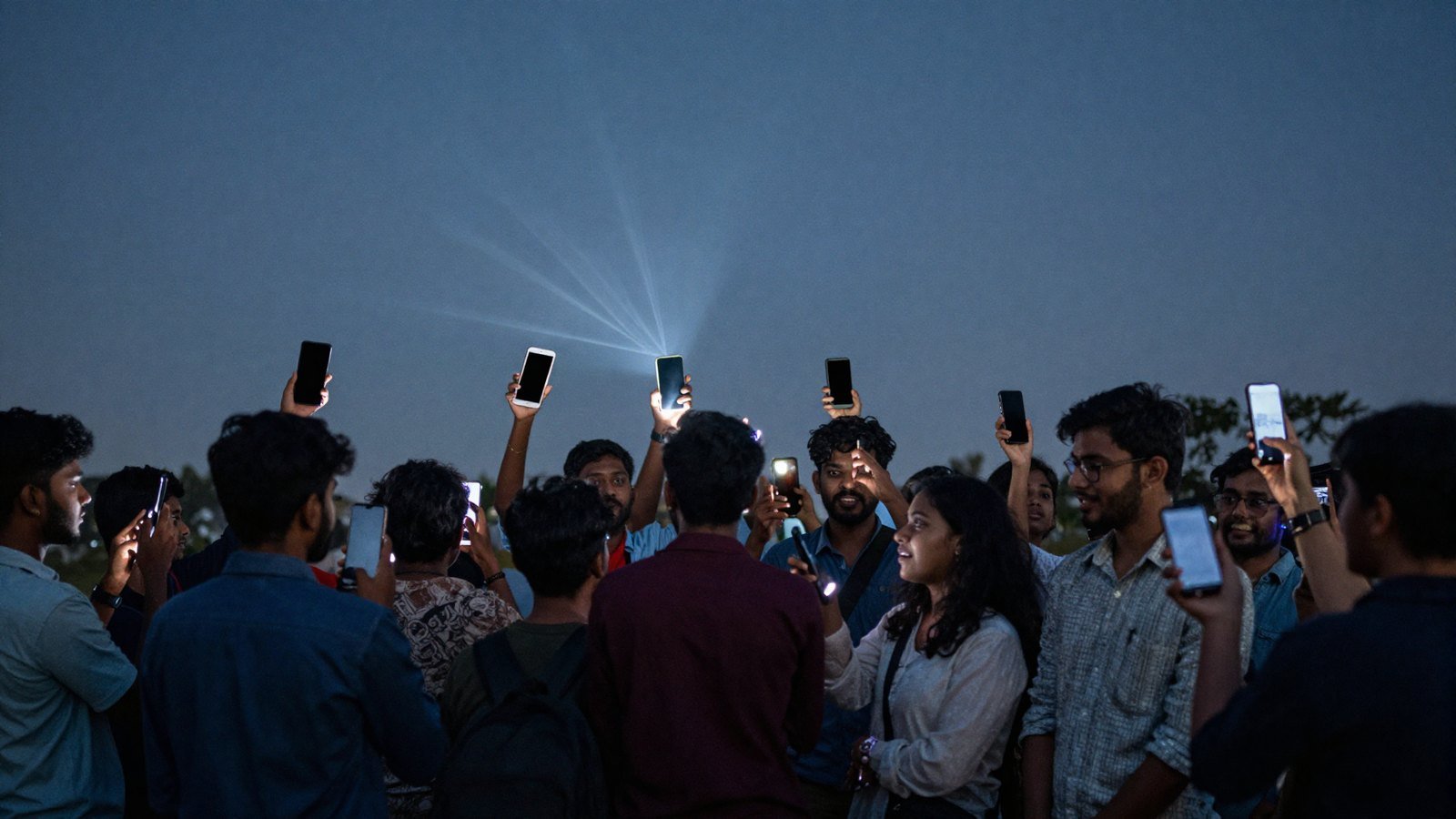
Social media turned the hunger strike into a national issue, but viral health claims, recycled images and personality-driven coverage can distort the movement’s demands
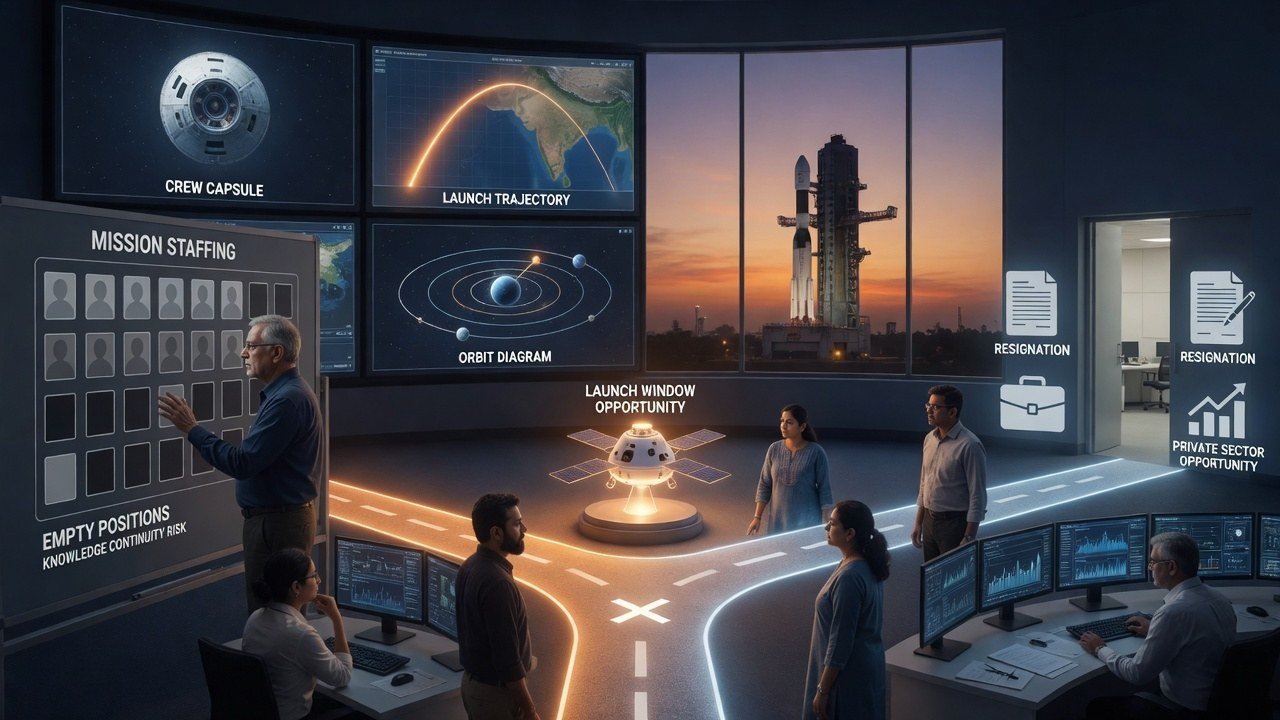
The Department of Space has tightened the process for accepting resignations and voluntary retirement requests from senior scientific and technical personnel working on critical programmes, including...
India's digital payments push is really an identity project in disguise, and the country is scaling it faster than it is building the privacy guardrails to match.
Thirty-one million Aadhaar downloads and a relaunched Aarogya Setu prove Indians want digital identity — but adoption is not proof that consent is being honoured.
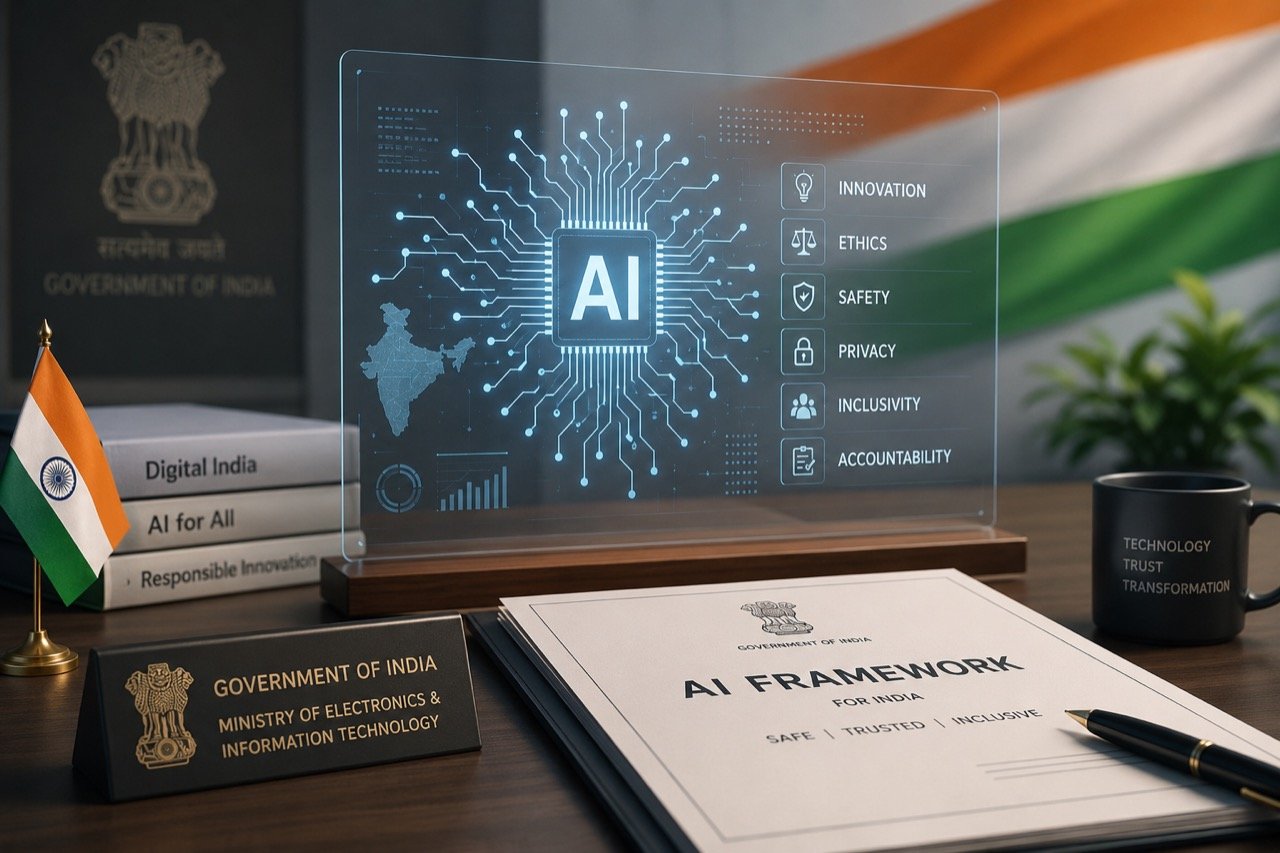
India's debate over artificial-intelligence regulation is shifting from broad principles to hard questions of liability, deepfake labelling and high-risk system obligations, as the government weighs how to protect users without stifling innovation.
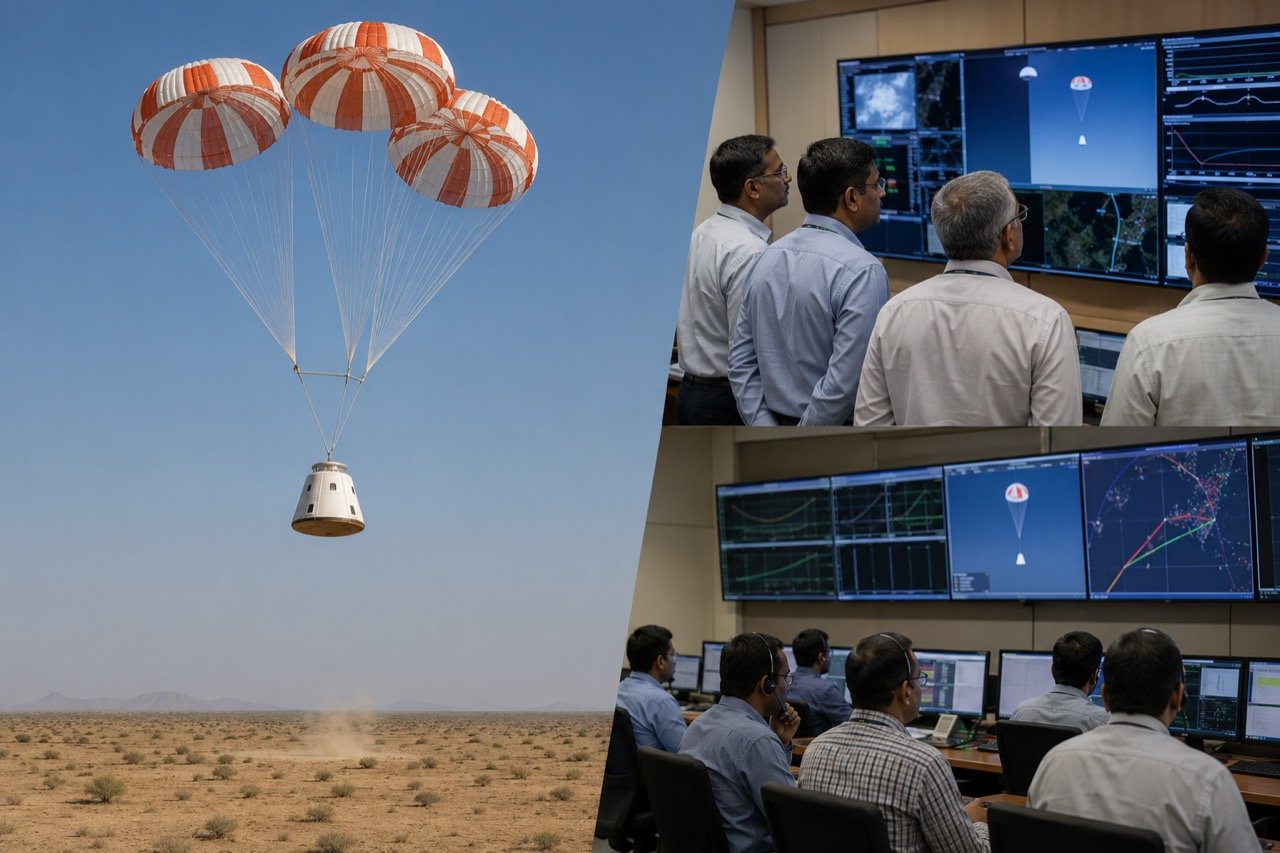
ISRO has completed successful integrated parachute tests for the Gaganyaan crew capsule, validating a critical part of the descent and recovery system as India's human spaceflight programme advances through key engineering milestones.
India's National Drone Summit has spotlighted a cooperative-led drone platform, signalling a shift in the country's drone economy from startups and defence towards rural and commercial applications.
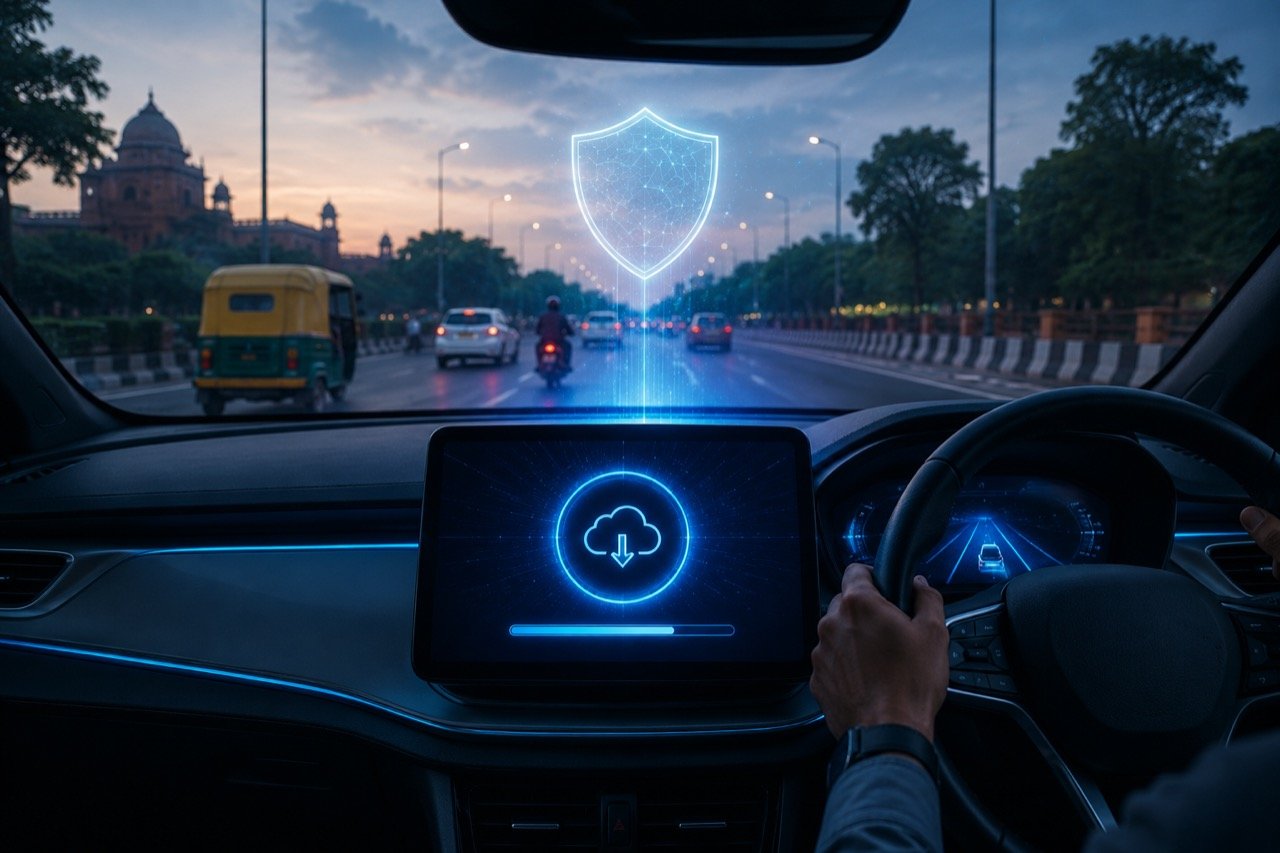
With cars increasingly run by software, the government is reportedly preparing update and security norms aimed at preventing vehicle hijacking and governing how connected cars in India are patched and protected.
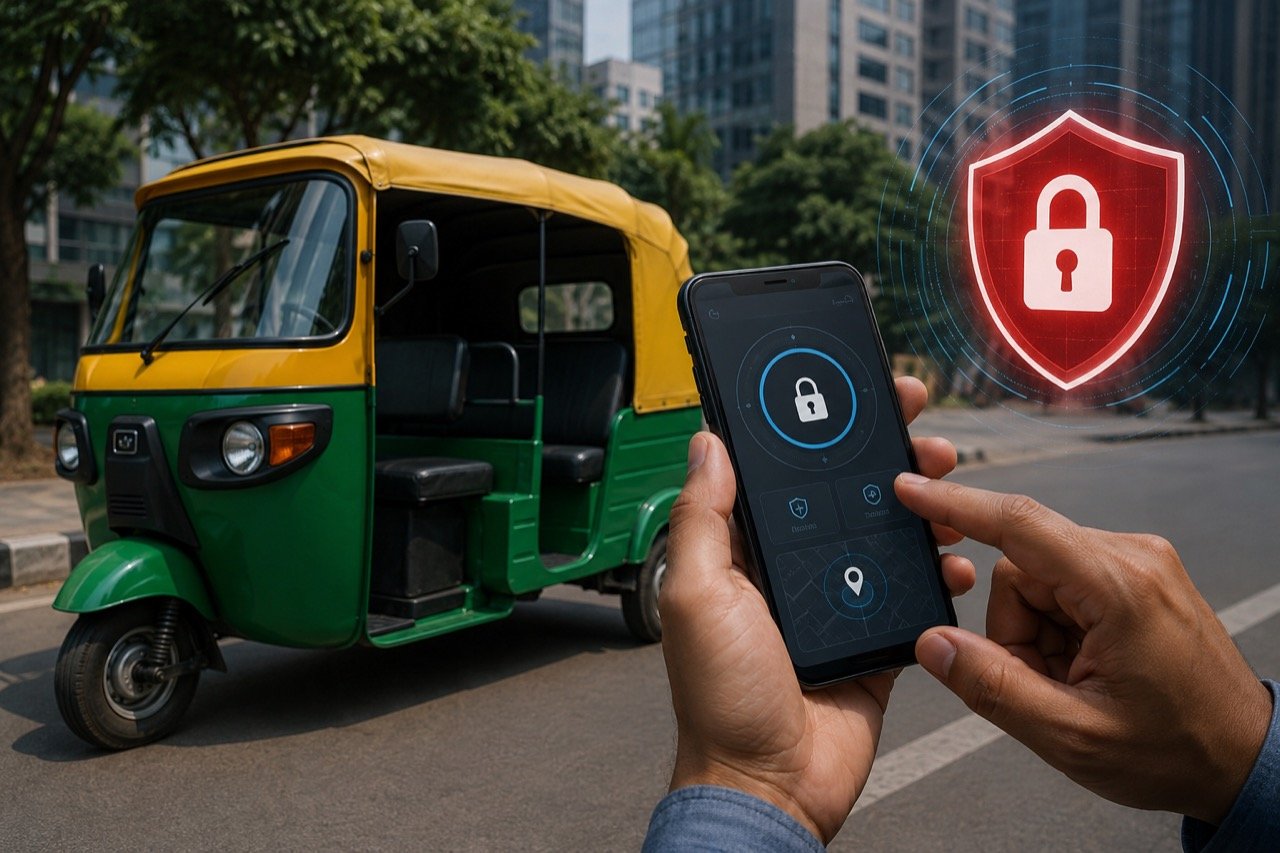
The Centre has ordered the removal of three Chinese apps — BAT-BMS, Lossigy and Epoch-i-ion — over fears they could remotely disable battery-run e-rickshaws, turning mobility software into a public safety concern.
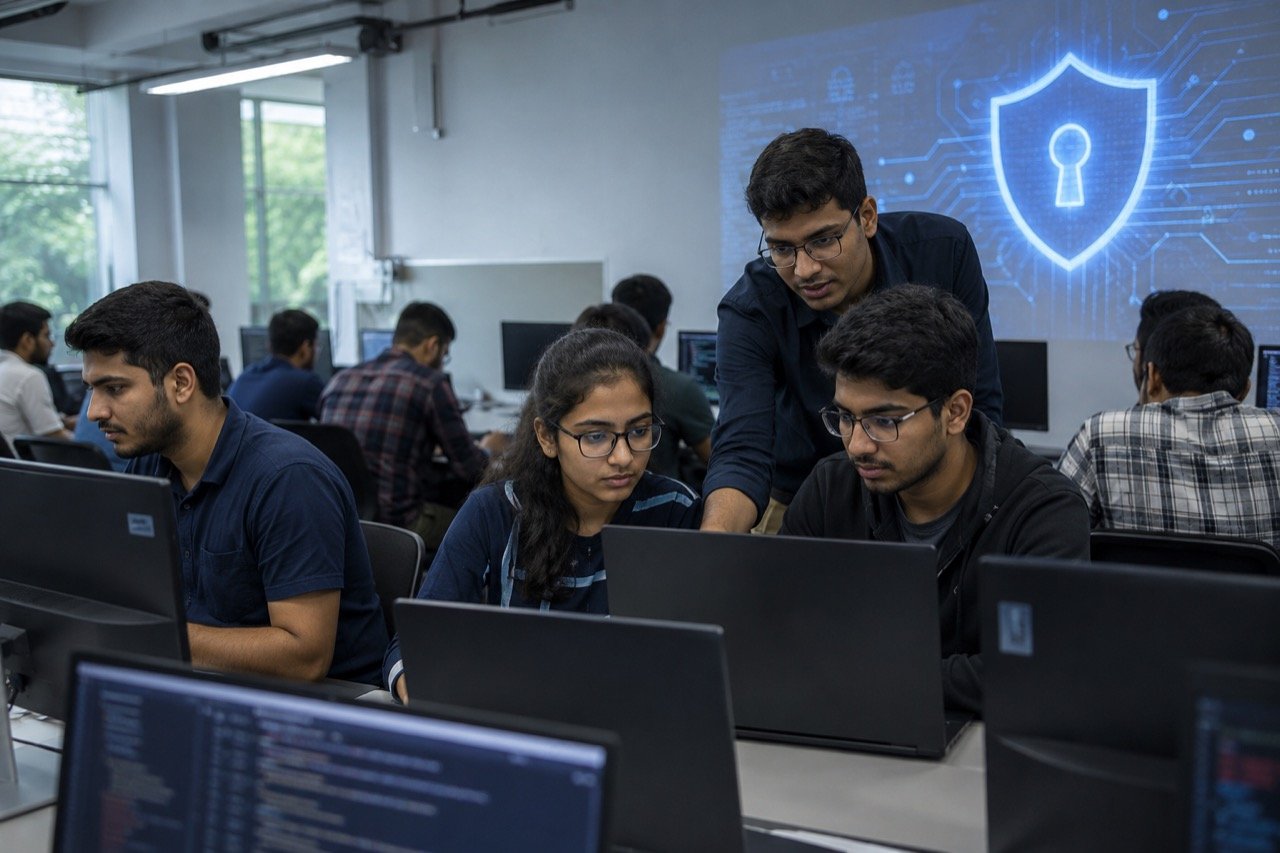
IIT Madras and IIT Kanpur have jointly launched a practice-oriented Bachelor of Cybersecurity featuring two years of field deployment, a direct response to India's widening shortage of trained cyber defence professionals.
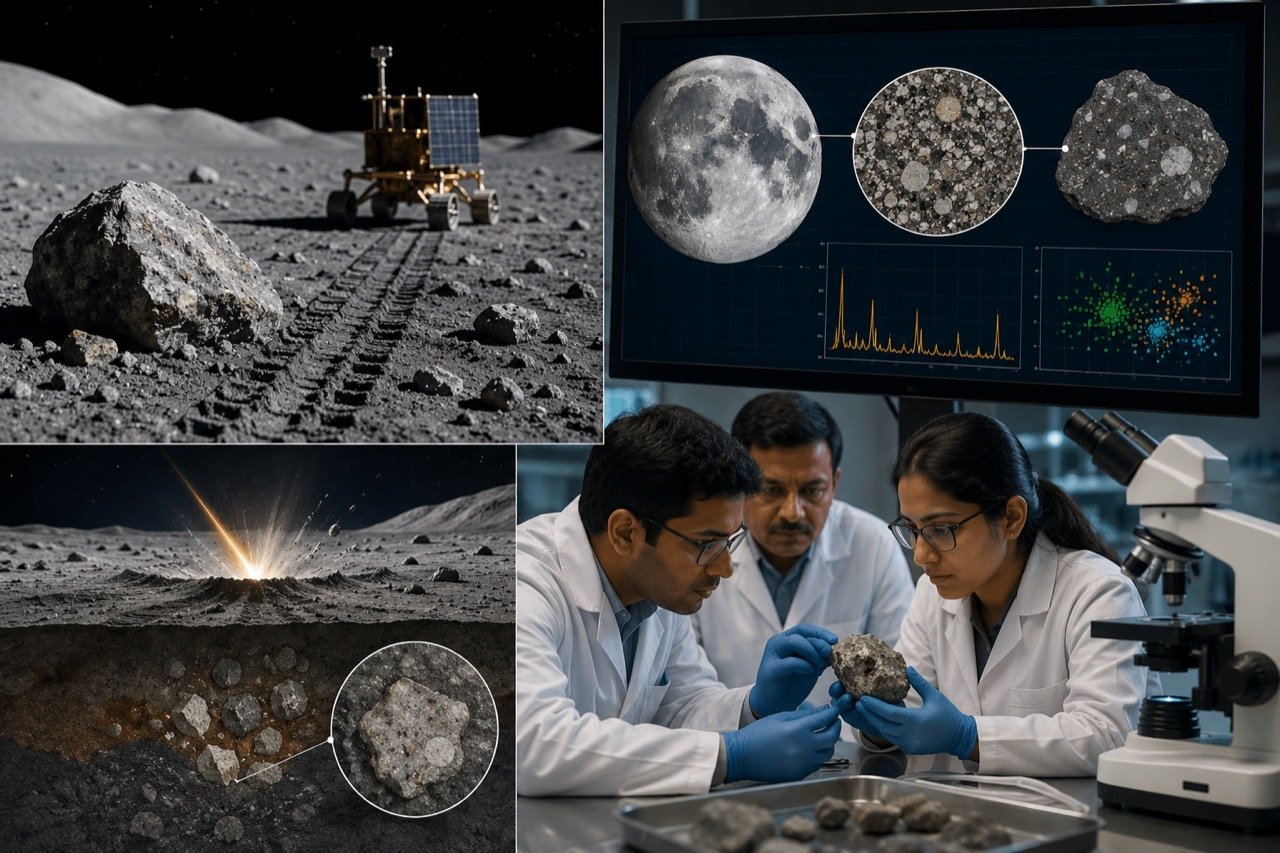
New science coverage says findings from ISRO's Chandrayaan-3 mission reveal a link to Earth's first lunar meteorite, showing the landmark landing is still generating research long after touchdown.
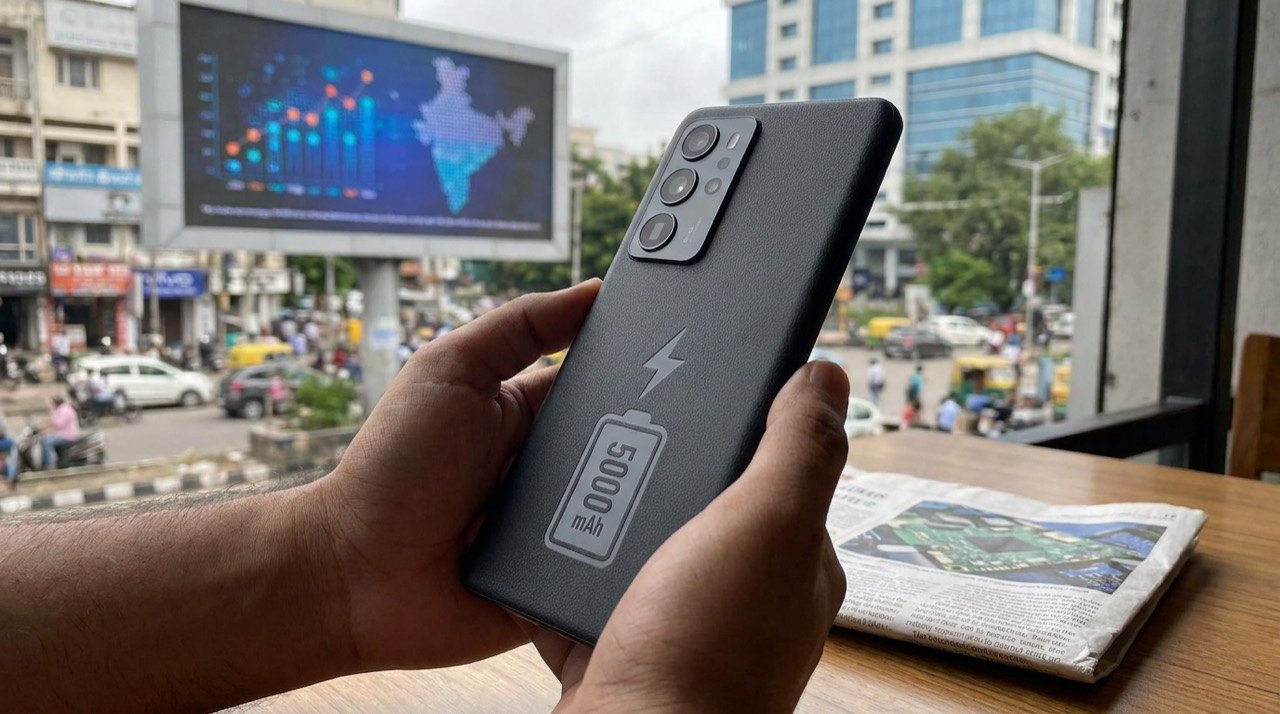
The OnePlus N6, with its 8,000mAh battery and sub-Rs 25,000 price tag, leads a busy late-June run of smartphone launches in India spanning OnePlus, Oppo and Samsung.
OnePlus is opening a new front in India's most fiercely contested price band, launching its N Series with a phone built around a three-day battery and a sub-₹25,000 sticker.
Tata Motors is set to unveil the Sierra EV on 30 June, reviving an iconic nameplate as an electric SUV at a moment when the company has just posted record monthly EV sales.
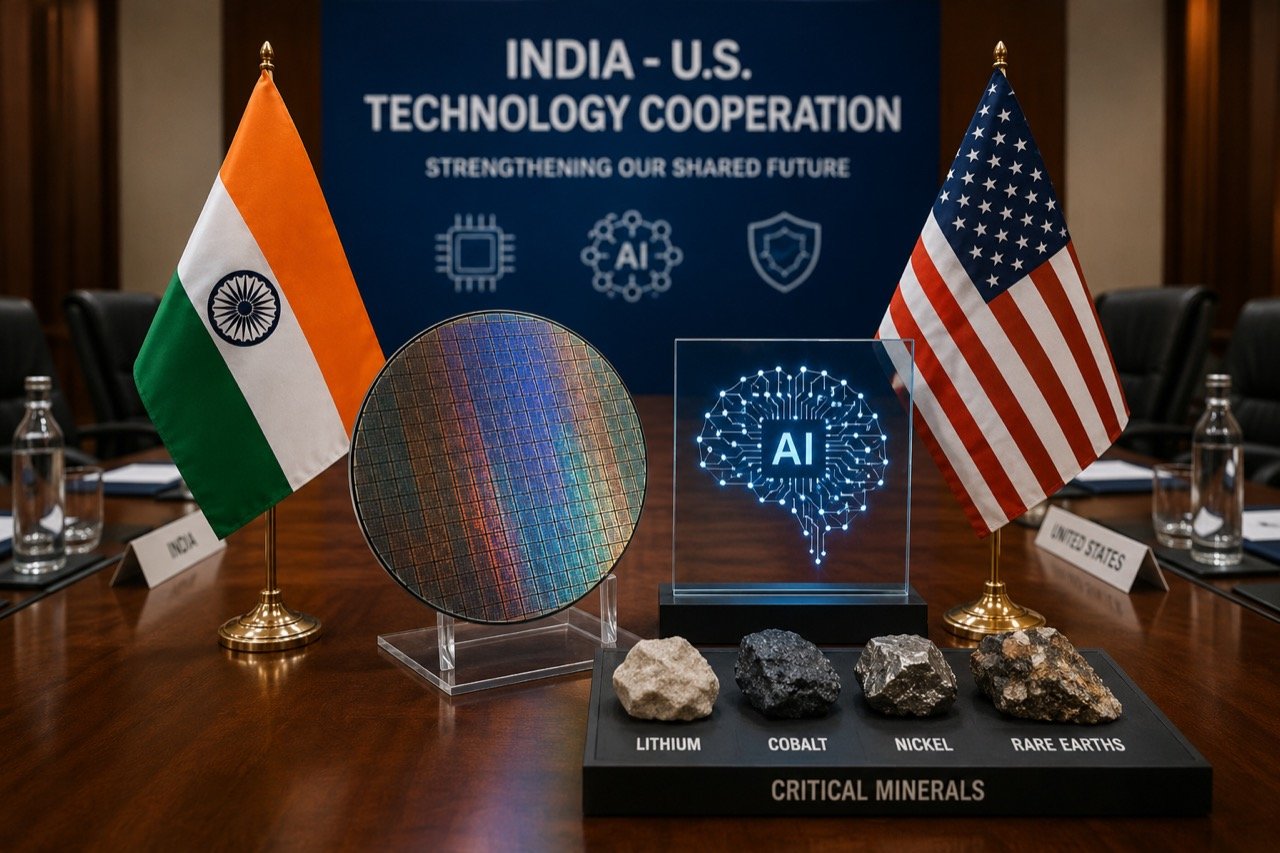
Discussions between India and the United States on AI, semiconductors and critical minerals underline how technology cooperation is fast becoming a supply-chain and resource-security story, not just a software one.
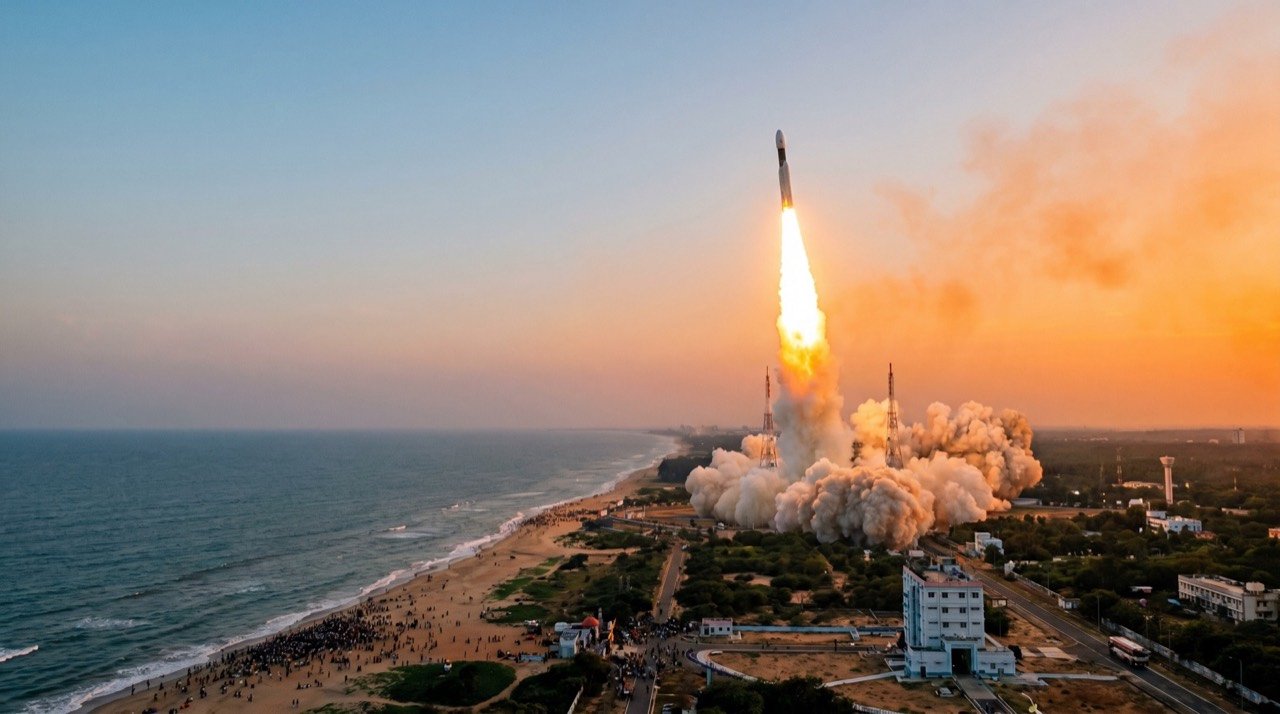
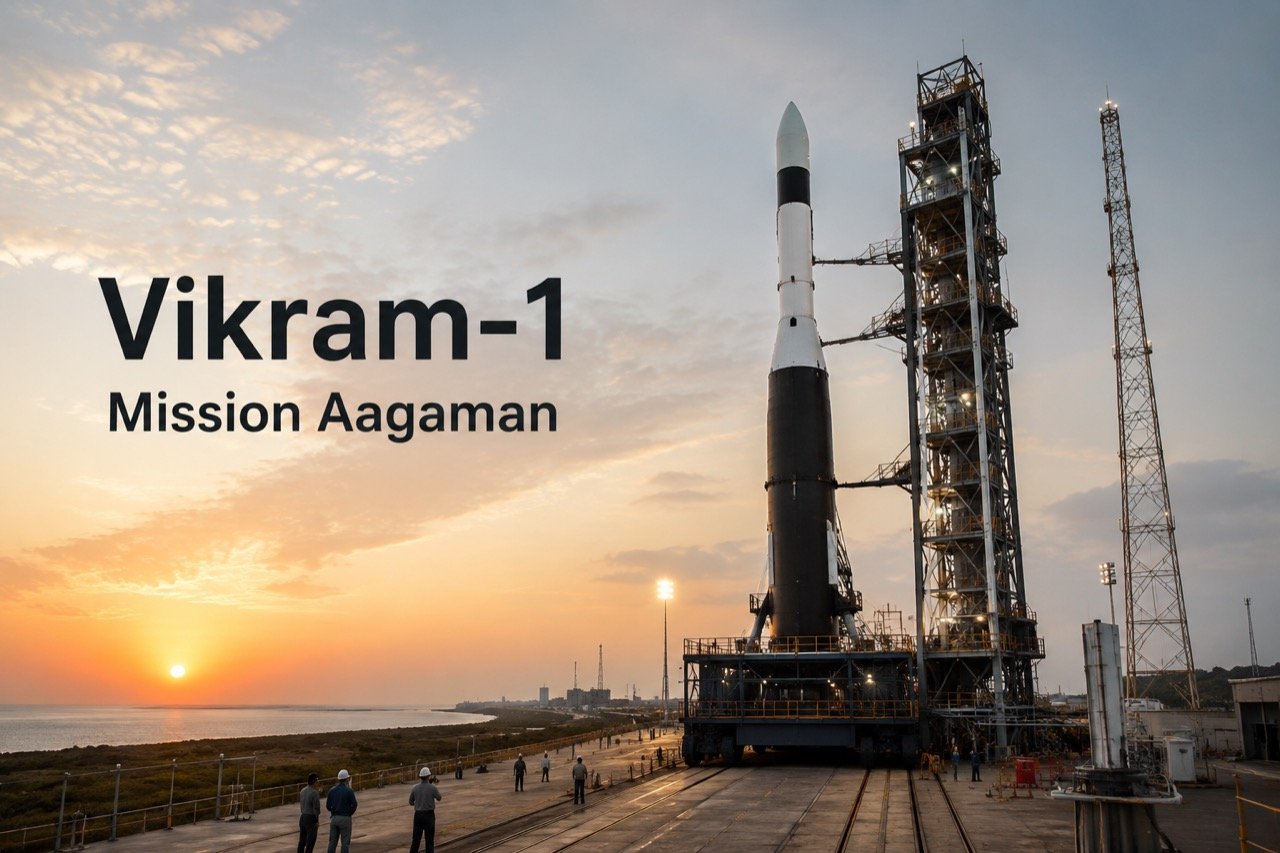
Fresh updates on Skyroot Aerospace's Vikram-1 rocket and Mission Aagaman have renewed attention on India's private space ecosystem and the wait for the country's first private orbital-class launch.
With access to some US frontier AI models growing harder, Indian companies are widening their supplier options toward Asian and Chinese alternatives, turning AI procurement into a strategic business decision.
The government has issued a stern warning to Telegram over pirated films, books and exam material circulating on the app, sharpening India's push to hold digital platforms accountable for unlawful content.
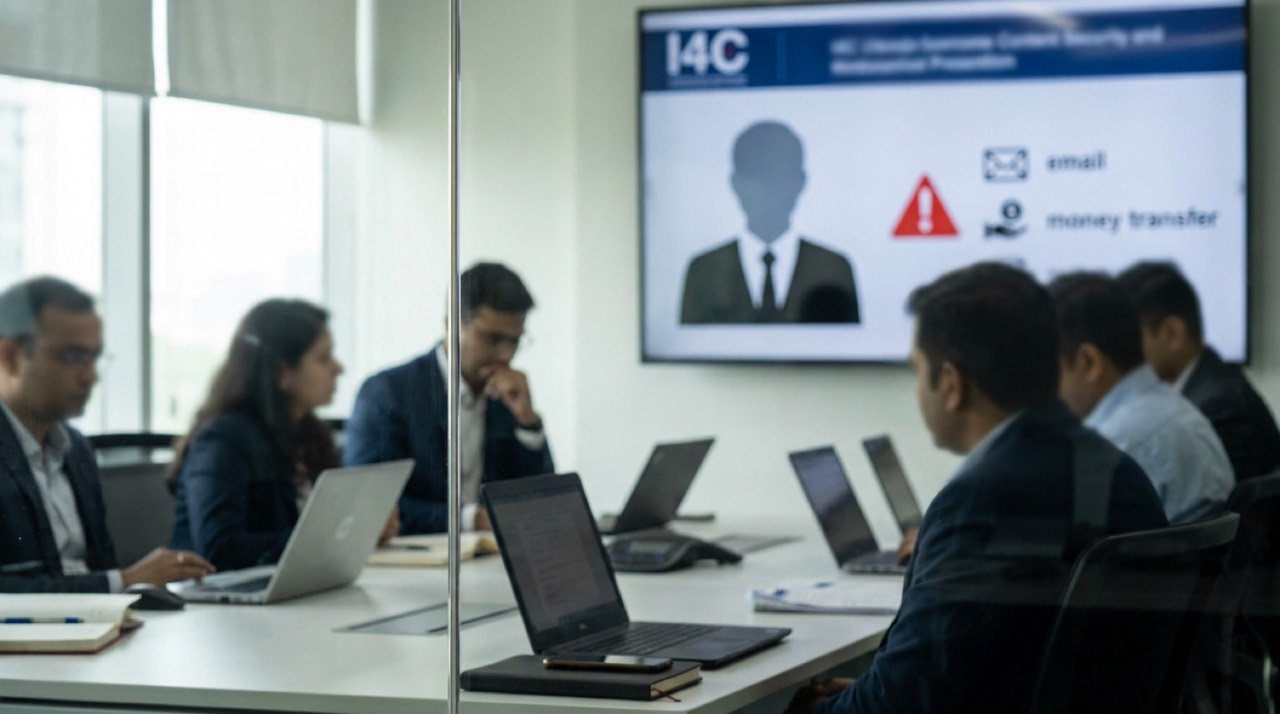
India's cybercrime coordination body has flagged a 'Boss Scam' in which fraudsters impersonate senior executives, hijack WhatsApp sessions and push finance teams into urgent money transfers.
The government is preparing to transfer proven rocket technology to local private space companies, a step that could deepen industry participation in launch vehicles, satellites and manufacturing while ISRO retains strategic oversight.
Meta is investing about $900 million in Indian fintech CRED and has chosen founder Kunal Shah to lead WhatsApp globally, a twin move that ties one of the world's biggest platforms ever closer to Indian consumer technology.
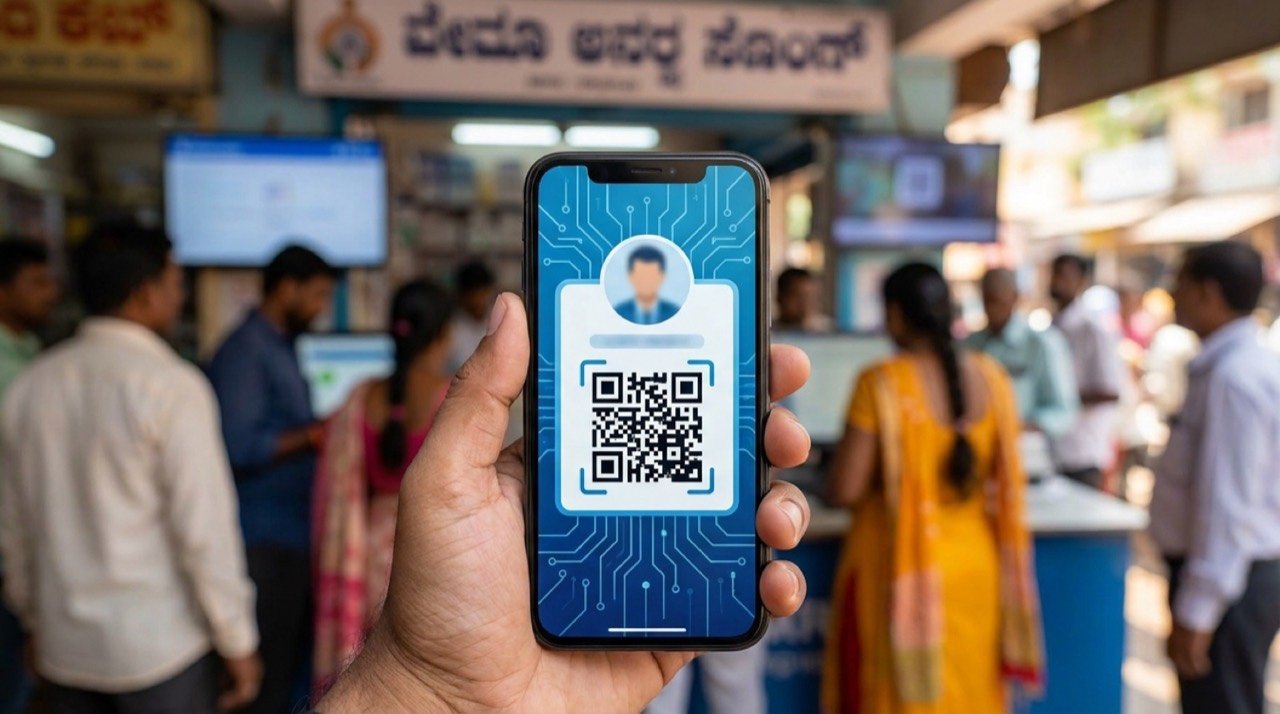
India's Aadhaar mobile app has passed 31 million downloads, underlining how QR-based digital identity is becoming part of everyday verification across welfare, banking, telecom and travel.
WhatsApp is letting users reserve unique usernames ahead of a wider rollout, giving Indians a way to be reachable on the app without handing out their personal phone number in every new interaction.
The government reportedly plans to summon Meta over Instagram advertisements alleged to promote child sexual abuse material, thrusting ad-review systems and platform accountability to the centre of India's tech-policy debate.
India's cybercrime coordination agency has flagged an emerging 'Boss Scam' in which fraudsters impersonate regulators and executives to push urgent, fraudulent money transfers at companies.
Indian tech startups raised $7.2 billion in the first half of 2026, up 12 per cent year-on-year, but the number of funding rounds fell sharply as capital concentrated in a handful of mega-deals.
Google has restored Telegram on India's Play Store after a short government-ordered block during the NEET-UG re-exam, reviving a charged debate over exam security versus digital rights.
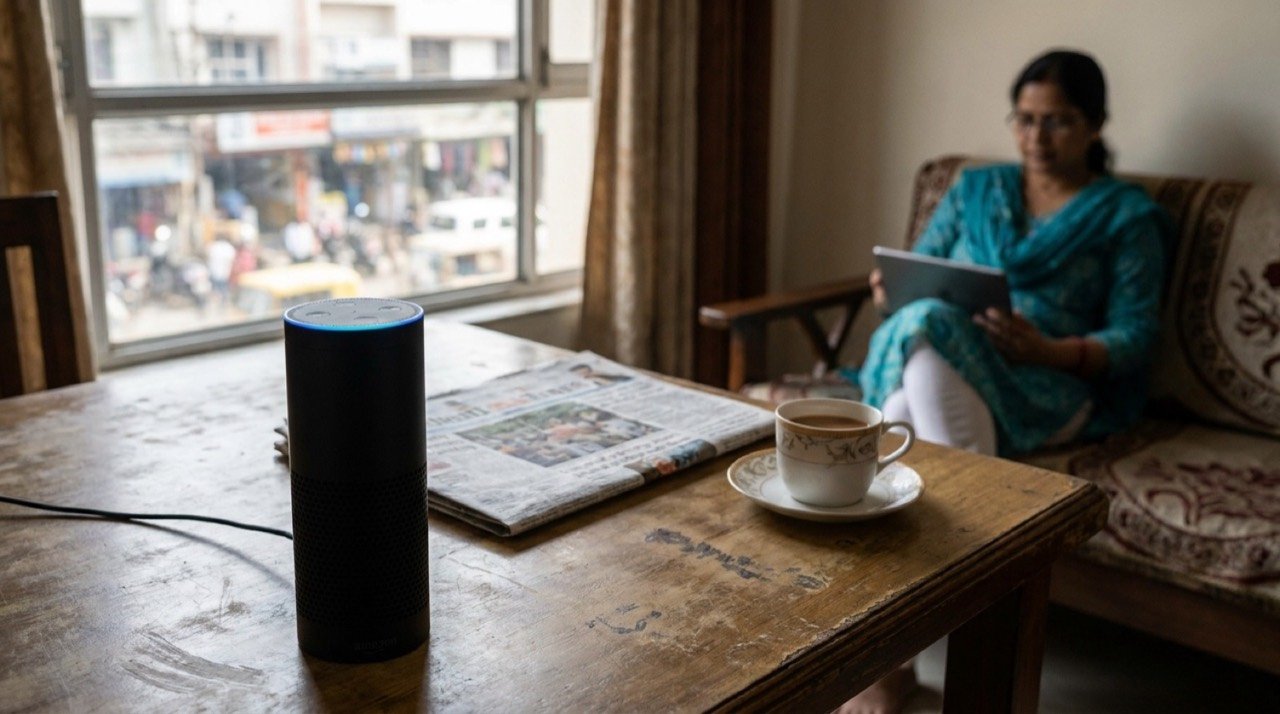
Amazon is trialling its upgraded Alexa+ assistant in India with Hindi language support and India-specific features, betting on multilingual households to defend its lead in the AI assistant race.
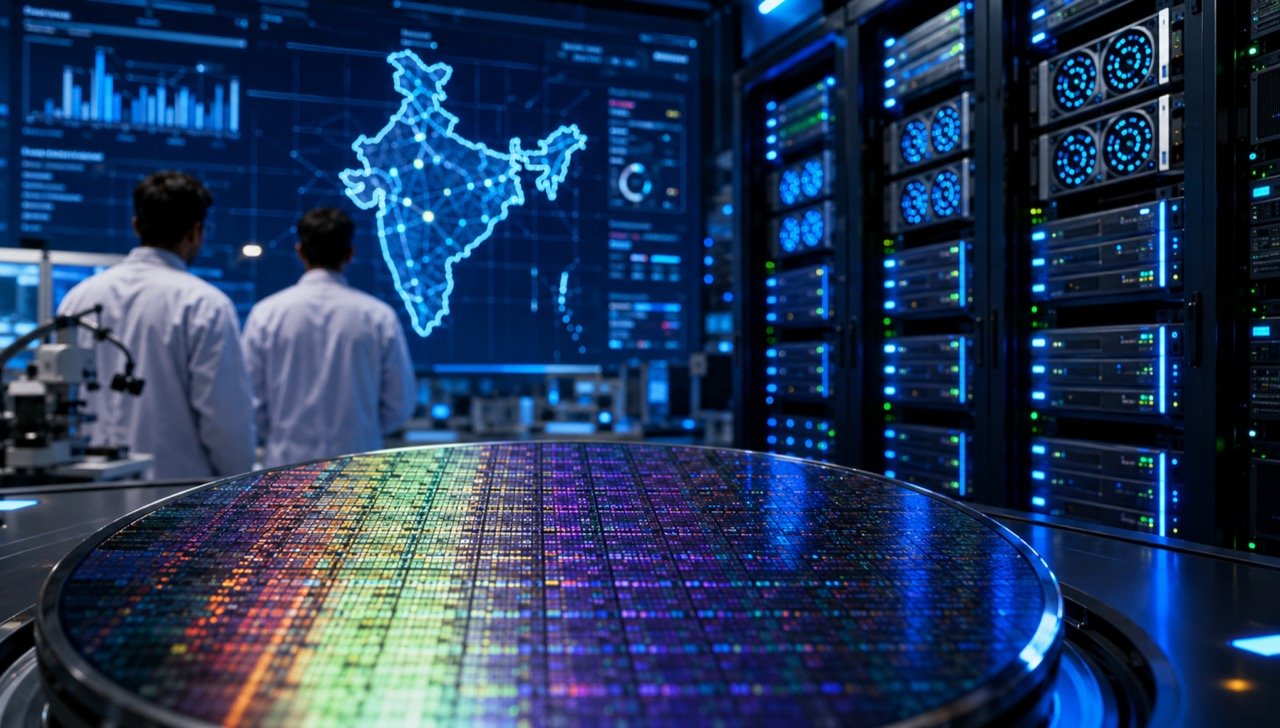
Eleven years in, Digital India is being judged less by its early public-service wins and more by whether it can deliver semiconductors, AI compute and resilient payments infrastructure at scale.
A new report places India second globally for tech job losses in 2026, with over 50,000 cuts worldwide and AI-driven restructuring forcing workers and companies to rethink roles, skills and career paths.
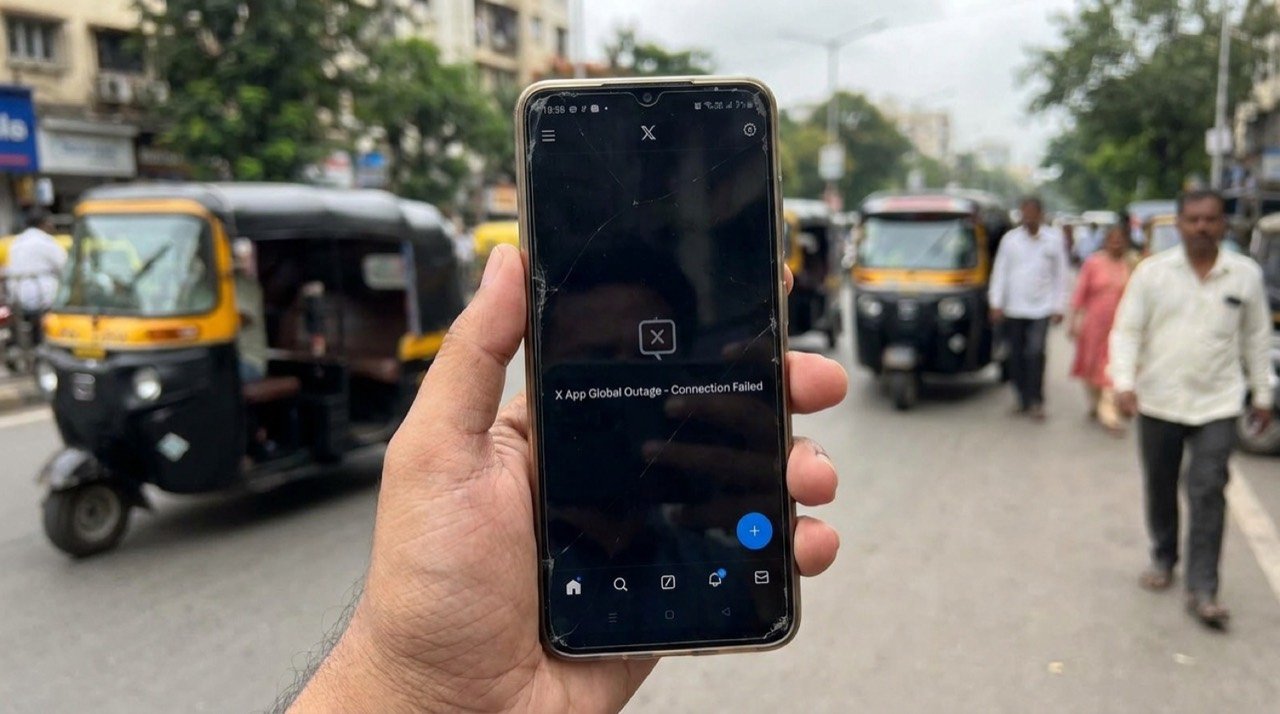
A major X (formerly Twitter) outage hit Indian users alongside several other countries, with thousands of complaints logged before service recovered, reviving questions over platform dependence.
· 7 min read
Showing the 30 most recent of 95 articles by Arjun Nair.