OnePlus N6 Headlines a Crowded End-June Gadget Calendar in India
The OnePlus N6, with its 8,000mAh battery and sub-Rs 25,000 price tag, leads a busy late-June run of smartphone launches in India spanning OnePlus, Oppo and Samsung.
Commentary & Analysis ·
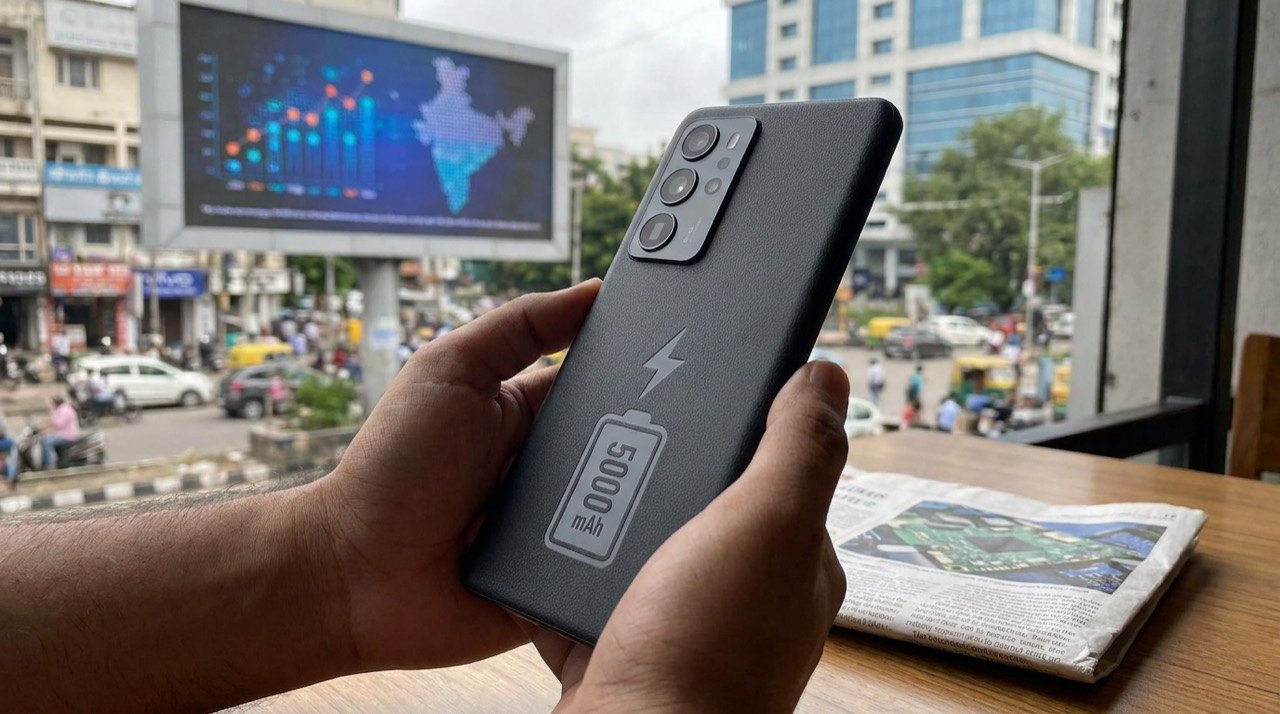
India's smartphone calendar is ending June on a busy note, with the OnePlus N6 confirmed for a 30 June launch at the head of a fresh wave of budget and mid-range devices. After a May dominated by flagships, the spotlight has shifted to value phones built around outsized batteries and fast charging, the features buyers increasingly prioritise over marginal camera upgrades or processor bragging rights. The timing is telling. Flagship season tends to dominate headlines but affects a relatively small slice of India's overall handset market, whereas the sub-Rs 25,000 segment is where volumes are won or lost, and where a manufacturer's real market share is decided.
OnePlus N6: battery first
OnePlus has confirmed the N6 will go on sale through Amazon India and its own store after a noon launch on 30 June. The company has positioned the phone around an 8,000mAh battery, one of the largest in its class, paired with 45W SuperVOOC fast charging and a vapour-chamber cooling system to keep thermals in check during gaming and heavy use. Other confirmed and tipped details include a 6.78-inch 1.5K OLED display with a 144Hz refresh rate, a MediaTek Dimensity chipset, OxygenOS 16 software and a 50MP primary camera. The company has signalled a price band of roughly Rs 18,000 to Rs 25,000, placing it squarely in India's most competitive segment.
The emphasis on battery size over headline camera specifications is itself a signal of how OnePlus reads the mid-range Indian buyer. An 8,000mAh cell is unusually large for a phone in this price bracket, and pairing it with 45W charging and vapour-chamber cooling suggests the company is trying to address the two most common complaints levelled at budget and mid-range phones: that they do not last a full day of heavy use, and that they throttle or heat up under sustained load such as gaming. A 144Hz OLED panel at 1.5K resolution, alongside a MediaTek Dimensity chipset and OxygenOS 16, rounds out a spec sheet built for everyday usability rather than showpiece numbers.
A packed launch window
The N6 is far from alone. Late June and early July bring a cluster of rivals, including Oppo's Reno 16 series, expected on 2 July with AI camera features and a telephoto lens, and new Samsung Galaxy M-series and Redmi devices targeting similar price points. That so many major brands are clustering their launches within days of one another is unlikely to be coincidence. It points to a shared read of the calendar, likely tied to festive-season inventory planning and back-to-school demand, and a shared conviction that this is the moment to capture mindshare in India's most price-sensitive and highest-volume segment.
The common thread across the season is endurance. Several upcoming phones advertise batteries of 7,000mAh and above with 90W to 100W charging, reflecting how manufacturers are competing on stamina and speed rather than chasing ever-higher megapixel counts. This marks a subtle but important shift in how phone-makers are choosing to differentiate their products. For several years the industry's default marketing lever was the camera, with megapixel counts and multi-lens arrays used as shorthand for value. That battery life and charging speed have now moved to the front of the pitch suggests brands believe Indian consumers have grown more sophisticated, or more fatigued, on camera marketing, and are instead voting with their wallets for phones that simply last through a working day without needing a midday top-up.
Why battery and charging speed matter more here
India's usage patterns help explain the shift. Long commutes, patchy access to charging points through the day, and heavy use of video streaming, navigation and social media all place sustained demand on a phone's battery. A device that can comfortably stretch through a full day, and recover quickly when it does need topping up, solves a more immediate daily frustration for most buyers than an extra camera lens ever could. Vapour-chamber cooling, once reserved for flagship or gaming-focused phones, filtering down into a sub-Rs 25,000 device also indicates that thermal management is no longer treated as a premium-only feature, but as a baseline expectation as phones are pushed harder for gaming and multitasking.
What buyers should weigh
For shoppers, the cluster of launches means more choice but also harder comparisons. Battery capacity and charging speed now sit alongside display quality, software support and camera performance as deciding factors, and several of the new devices are closely matched on paper. With a near-identical price ceiling across the lineup, the differentiators are likely to be everyday reliability and long-term software updates rather than any single standout spec. This is, in many ways, a healthier basis for competition than the spec-sheet arms races of the past, since it rewards manufacturers for build quality and after-sales support rather than for whichever number can be printed largest on a box.
The crowded window gives Indian buyers unusual leverage heading into the second half of the year. When OnePlus, Oppo, Samsung and Redmi are all pitching similarly specced devices within the same fortnight and the same price band, retailers and brands alike have every incentive to sweeten offers, extend exchange bonuses or hold prices steady rather than risk losing share to a rival launching just days later. Buyers who are willing to wait a week or two to compare final pricing and early reviews across this cluster of launches are likely to be better placed than those who commit to the very first device announced.
The NE Times View
A sub-Rs 25,000 phone with an 8,000mAh battery shows where the Indian market's real battle is being fought: on value for the price-sensitive mainstream, not flagship vanity. Such fierce competition among OnePlus, Oppo and Samsung is good for buyers, who get more endurance for less money. The catch worth watching is whether bigger batteries come with the durability and software support that justify the upgrade. A large battery and fast charging are meaningless if the phone's software update cycle is short, or if the battery itself degrades quickly under repeated fast-charging cycles over a year or two of ownership. The manufacturers that win this round of competition will likely be those that pair impressive day-one specifications with a credible, multi-year commitment to updates and support, rather than those that simply shout the loudest at launch.
Key takeaways
- The OnePlus N6 launches on 30 June via Amazon India and the OnePlus store, priced roughly between Rs 18,000 and Rs 25,000.
- Its 8,000mAh battery, 45W SuperVOOC charging and vapour-chamber cooling reflect an industry-wide pivot toward endurance over camera specifications.
- Rivals including Oppo's Reno 16 series and new Samsung and Redmi models are launching within days, intensifying competition in India's most price-sensitive segment.
- Buyers benefit from more choice and likely sharper pricing, but should weigh long-term software support and durability alongside headline battery figures.
- The real test for these devices will be how they perform months into ownership, not merely how they read on a spec sheet at launch.
You may also like to read

OnePlus N6 set for June 30 India debut as brand chases the budget crown with an 8,000mAh battery
OnePlus is opening a new front in India's most fiercely contested price band, launching its N Series with a phone built around a three-day battery and a sub-₹25,000 sticker.
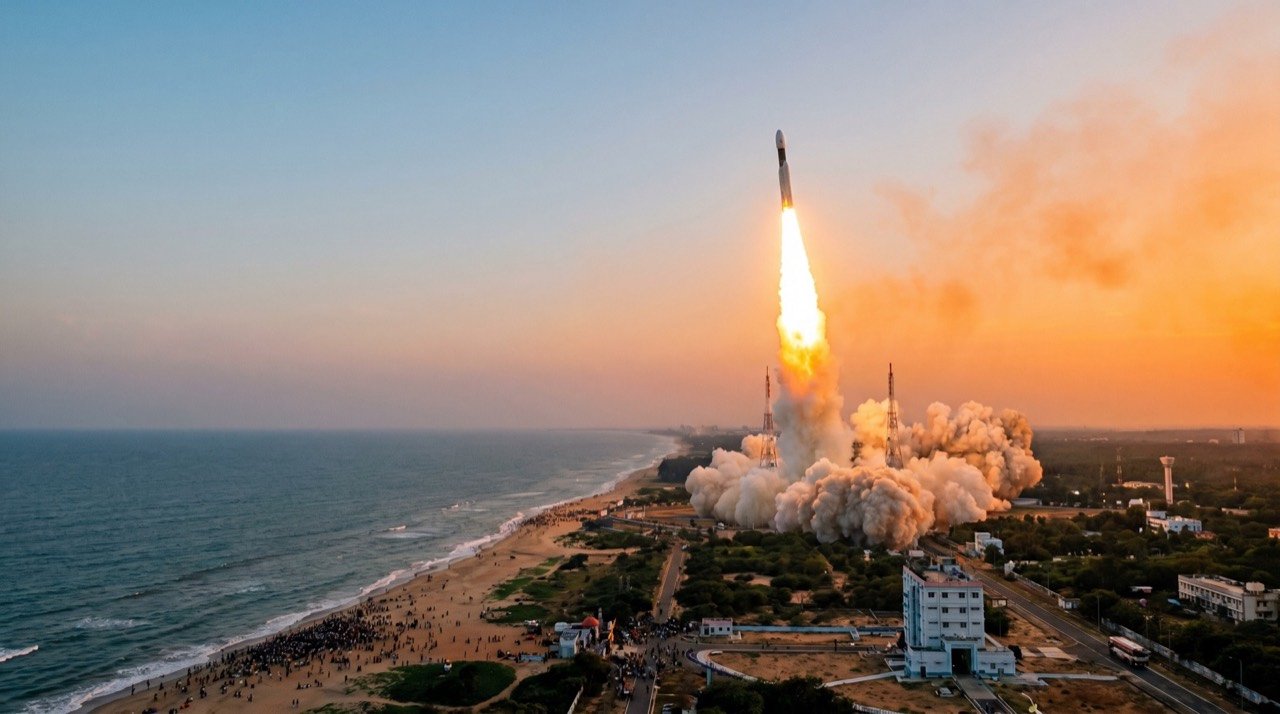
OnePlus Returns to Budget Phones With the N6, Landing in India on 30 June
The revived N series targets the crowded sub-Rs 25,000 segment, with OnePlus teasing a giant 8,000mAh battery and a seven-year battery-health promise.
iQOO Z11 Heads To India With A Massive 9,020mAh Battery As Brand Doubles Down On Mid-Range
iQOO is preparing to launch its Z11 in India this month with a battery reportedly crossing 9,000mAh, a striking pitch to power users in the budget-to-mid segment.
Xiaomi 17T Goes On Sale In India At Rs 59,999 With Triple Leica Cameras And 6,500mAh Battery
Xiaomi has put its 17T on shelves across India, betting that a Leica-tuned triple camera, a silicon-carbon battery and a sub-Rs 60,000 price can revive its premium ambitions after a four-year gap.
More from this section
More
CG Semi Sanand Plant Opens, Boosting India's Semiconductor Drive
Prime Minister Narendra Modi inaugurated CG Semi's chip assembly and test facility in Sanand, Gujarat, giving India's semiconductor mission a working manufacturing milestone rather than another policy promise.
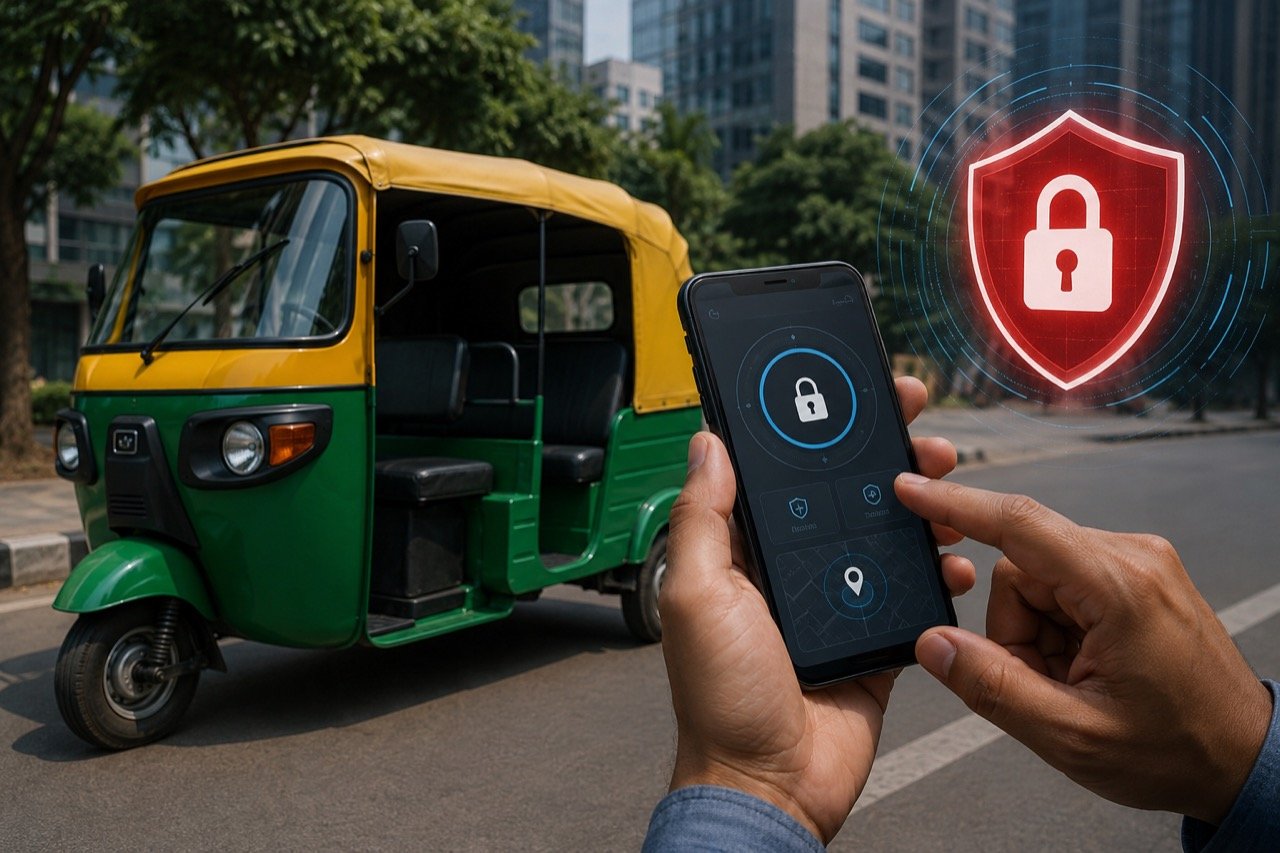
Chinese E-Rickshaw Apps Banned in India Over Remote Disable Risk
The Centre has ordered the removal of three Chinese apps — BAT-BMS, Lossigy and Epoch-i-ion — over fears they could remotely disable battery-run e-rickshaws, turning mobility software into a public safety concern.

Connected Car Rules: India Plans Vehicle Software Update Norms
With cars increasingly run by software, the government is reportedly preparing update and security norms aimed at preventing vehicle hijacking and governing how connected cars in India are patched and protected.