OnePlus Returns to Budget Phones With the N6, Landing in India on 30 June
The revived N series targets the crowded sub-Rs 25,000 segment, with OnePlus teasing a giant 8,000mAh battery and a seven-year battery-health promise.
Commentary & Analysis ·

OnePlus is heading back to the budget end of the market it largely abandoned years ago. The company has confirmed that the OnePlus N6, the first device in a relaunched N series built specifically for India, will go on sale on 30 June through Amazon India. The move marks a notable strategic reversal for a brand that spent the past several years steadily pushing its lineup upmarket, chasing flagship buyers with premium pricing and high-end hardware while ceding the value-conscious mainstream to rivals.
The pricing pitch is aggressive. OnePlus is aiming the N6 squarely at the Rs 18,000 to Rs 25,000 bracket, one of the most fiercely contested segments in the country, where Redmi, Realme and iQOO trade blows almost monthly. By re-entering this price band with an India-first device, OnePlus is signalling that it no longer wants to leave the highest-volume slice of the market entirely to its competitors, even if margins there are thin and the fight for attention is relentless.
Battery is the headline
While OnePlus has stayed quiet on the chipset and display, its own teaser site leans heavily on endurance: an 8,000mAh cell it claims can deliver three days of use, 45W SuperVOOC charging, and a seven-year battery-health guarantee that is unusual for the price. The brand is also flagging an AI-enhanced 50MP rear camera. An 8,000mAh battery is well above the 5,000mAh norm that has dominated the segment for years, and signals the kind of capacity made possible by newer high-density cell chemistries that pack more energy into the same physical space.
The seven-year battery-health promise is the more unusual commitment. Lithium cells degrade with each charge cycle, and in budget phones that decline is often what pushes owners toward an upgrade long before the rest of the hardware fails. A multi-year health guarantee, if it holds up in practice, reframes the value proposition around longevity rather than raw specifications, an angle that resonates with buyers who keep phones for several years.
Design and the unknowns
Teaser images show two finishes, a soft mint green and a darker grey, with a flat back and a centred punch-hole front camera. The clean, restrained styling fits the current industry preference for flat-edged designs that look more premium than the curved budget handsets of a few years ago. Beyond appearance, though, the device remains largely a mystery.
- Confirmed: 30 June on-sale date via Amazon India, targeting roughly Rs 18,000 to Rs 25,000
- Confirmed: 8,000mAh battery, 45W SuperVOOC charging, seven-year battery-health guarantee
- Confirmed: AI-enhanced 50MP rear camera, two finishes (mint green and grey)
- Still unknown: processor, display specifications, RAM and storage tiers, full camera setup
Why it matters
The sub-Rs 25,000 tier is where most of India's smartphone volume sits, and brand loyalty there is fragile, won and lost on a few hundred rupees and a single standout feature. By leading with battery endurance and a longevity guarantee rather than the spec-sheet arms race over chipsets and refresh rates, OnePlus appears to be carving out a distinct identity in a crowded field. It is a calculated gamble that everyday buyers care more about a phone that lasts, both through the day and over the years, than about benchmark numbers.
With specifications still under wraps until launch day, the N6 looks set to live or die on battery life and price. If OnePlus can pair its endurance story with a competitive sticker and a chipset that does not feel like a compromise, the N series could re-establish the brand as a serious contender in the mass market. The launch on 30 June will be the first real test of whether that revived strategy can translate teaser-site promises into sales against entrenched and aggressive rivals.
The NE Times View
OnePlus returning to budget phones is a tacit admission that India's value segment is where the volume lives. The NE Times View: an 8,000mAh battery and a seven-year health promise directly answer Indian buyers' real anxieties, longevity and uptime, rather than chasing spec-sheet vanity. The sub-25,000 segment is brutally competitive; durability claims will only matter if they survive contact with everyday use. A welcome refocus on substance over flagship theatre.
This article is original commentary and analysis by The NE Times. Background facts were referenced from 91mobiles, Republic World.
You may also like to read

OnePlus N6 set for June 30 India debut as brand chases the budget crown with an 8,000mAh battery
OnePlus is opening a new front in India's most fiercely contested price band, launching its N Series with a phone built around a three-day battery and a sub-₹25,000 sticker.
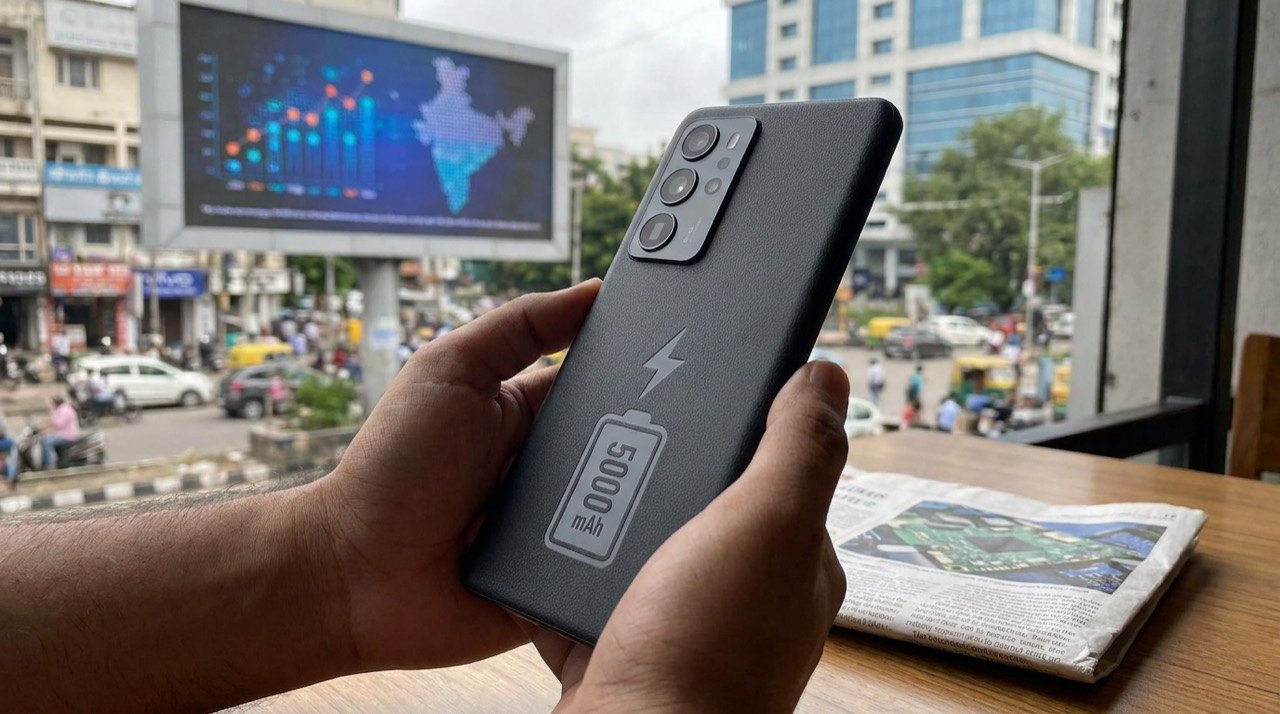
OnePlus N6 Headlines a Crowded End-June Gadget Calendar in India
The OnePlus N6, with its 8,000mAh battery and sub-Rs 25,000 price tag, leads a busy late-June run of smartphone launches in India spanning OnePlus, Oppo and Samsung.
Xiaomi Revives Its T-Series in India With the Leica-Tuned 17T
After a four-year gap, Xiaomi's T line returns with a 5x periscope telephoto camera, a 6,500mAh silicon-carbon battery and a Rs 59,999 starting price.
iQOO Z11 Heads To India With A Massive 9,020mAh Battery As Brand Doubles Down On Mid-Range
iQOO is preparing to launch its Z11 in India this month with a battery reportedly crossing 9,000mAh, a striking pitch to power users in the budget-to-mid segment.
More from this section
More
CG Semi Sanand Plant Opens, Boosting India's Semiconductor Drive
Prime Minister Narendra Modi inaugurated CG Semi's chip assembly and test facility in Sanand, Gujarat, giving India's semiconductor mission a working manufacturing milestone rather than another policy promise.
Chinese E-Rickshaw Apps Banned in India Over Remote Disable Risk
The Centre has ordered the removal of three Chinese apps — BAT-BMS, Lossigy and Epoch-i-ion — over fears they could remotely disable battery-run e-rickshaws, turning mobility software into a public safety concern.
Connected Car Rules: India Plans Vehicle Software Update Norms
With cars increasingly run by software, the government is reportedly preparing update and security norms aimed at preventing vehicle hijacking and governing how connected cars in India are patched and protected.