iQOO Z11 Heads To India With A Massive 9,020mAh Battery As Brand Doubles Down On Mid-Range
iQOO is preparing to launch its Z11 in India this month with a battery reportedly crossing 9,000mAh, a striking pitch to power users in the budget-to-mid segment.
Commentary & Analysis ·
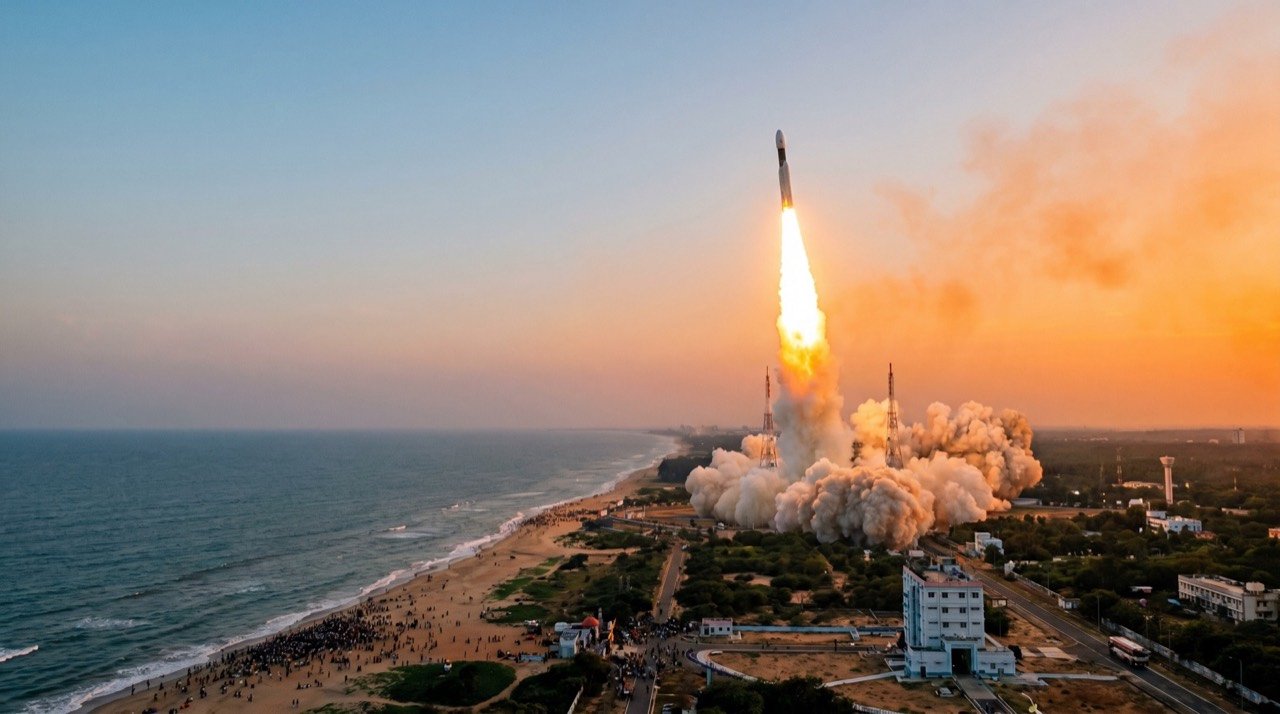
iQOO is set to expand its India line-up with the Z11, a mid-range device whose standout claim is a battery reportedly rated at around 9,020mAh, among the largest capacities yet seen in a mainstream phone in the country. The launch is tipped for the back half of June, though iQOO has not confirmed an exact date. The move comes as the brand recalibrates its strategy in India, reportedly trimming some series to sharpen focus on devices that sell in volume. On the surface this is a routine mid-range refresh. Read alongside the wider pattern of iQOO's recent decisions in India, however, it looks like a considered bet on what actually drives purchase decisions in the country's largest smartphone segment by volume.
The battery-first pitch
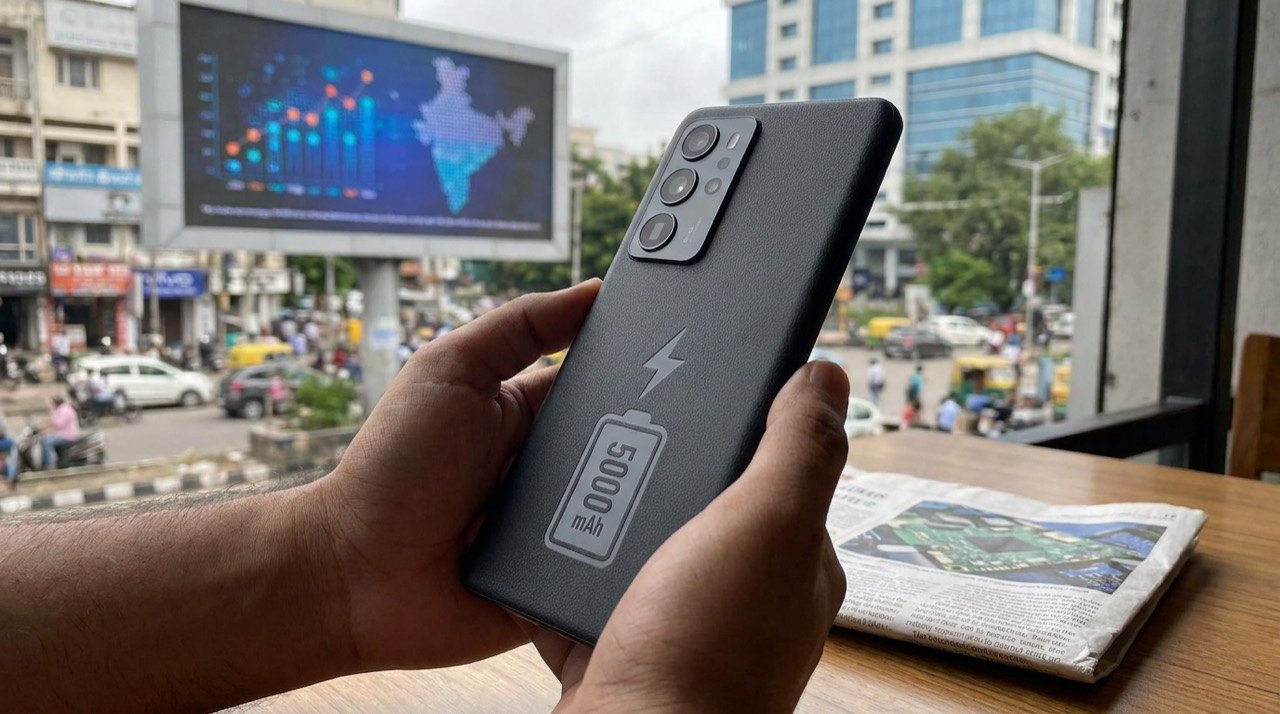
Battery capacity has become a defining battleground in India's value segment this year, with silicon-carbon chemistry letting manufacturers pack more energy into slimmer frames than older lithium-ion cells allowed. A 9,020mAh cell, if the reported figure holds up at launch, would give the Z11 multi-day endurance for heavy users and position it squarely at gamers, streamers and buyers in regions where charging access is inconsistent. This is not a marginal upgrade over the roughly 5,000mAh that has been standard in the segment for years; it is close to double, and it signals a technology transition rather than an incremental spec bump. For a market where a large share of buyers are purchasing their first or second smartphone and treat battery life as a proxy for reliability, that kind of leap is likely to register more immediately with shoppers than a camera sensor upgrade or a marginally faster chipset ever could.
It is worth pausing on why battery capacity resonates so strongly in India specifically. Power cuts remain a daily reality in parts of tier-two and tier-three India, and charging infrastructure away from major cities can be patchy. A phone that comfortably lasts two days, or one heavy day of gaming and streaming without anxiety, solves a real and frequently cited pain point rather than a theoretical one. iQOO's calculation appears to be that this practical anxiety outweighs the incremental appeal of, say, a slightly better zoom lens, particularly among the gaming-focused audience the Z-series has always chased.
A shifting India strategy
Reports this year suggest iQOO is refining its flagship and sub-brand approach in India, reportedly skipping some Neo-series launches to avoid cannibalising its own portfolio. This is a notable admission of sorts: when a brand runs multiple parallel series aimed at similar price bands, it risks buyers cross-shopping within its own range rather than against competitors, diluting margins and confusing positioning. Concentrating on the Z and other mass-market lines lets the company chase scale in the price bands where Indian volumes are largest, rather than spreading marketing spend and inventory across a wider but thinner set of models.
This kind of portfolio discipline is not unique to iQOO, but it does suggest a maturing approach to the Indian market from a brand that, alongside stablemates such as Vivo and iQOO's other siblings under the same parent group, has sometimes been criticised for launching too many similarly specced devices in quick succession. Trimming the line-up to sharpen focus on volume sellers is as much a statement about internal strategy as it is about any single handset's specifications.
What buyers and rivals should watch
Pricing will decide how disruptive the Z11 turns out to be. The Z-series has historically undercut rivals on raw specifications, and a sub-Rs 25,000 sticker paired with a 9,000mAh-class battery would make it hard to ignore for value-conscious buyers who prioritise longevity and gaming performance over brand prestige. If iQOO can hold pricing near that threshold while delivering the claimed capacity, it would set a new reference point that rivals would be forced to respond to, either by matching the battery size or by competing more aggressively on other fronts such as camera or display.
Buyers will also be watching charging speeds, display quality and the chipset, which together determine whether the big battery is a genuine advantage or merely a headline number designed to catch attention in a crowded launch season. A larger cell that charges slowly, or is paired with a display and processor that do not make efficient use of that stored energy, would undercut the practical benefit even if the marketing message remains compelling. Historically, the Z-series has paired ambitious battery or charging claims with competent, if not class-leading, chipsets, and the Z11 will likely be judged on whether that formula holds.
With June already crowded by launches from Xiaomi, Motorola and others, iQOO is wagering that endurance is the feature that still moves units in India's most price-sensitive tier. That is a reasonable bet given how saturated the mid-range has become on camera specifications and display refresh rates, areas where most devices in this price band already perform adequately. Battery life, by contrast, remains a point of genuine differentiation that ordinary users notice every single day, not just when reading a spec sheet.
Why this matters beyond one handset
The broader significance of the Z11 lies in what it signals about where mid-range competition in India is heading. If a 9,000mAh-class battery becomes a viable mainstream feature rather than a novelty confined to niche "endurance" phones, it could accelerate a wider shift across the industry, pushing competitors to adopt silicon-carbon battery technology more quickly than they might have otherwise planned. That, in turn, could benefit consumers broadly, even those who never buy an iQOO device, by speeding up the diffusion of battery technology that had previously been reserved for premium or niche models.
There is also a stakeholder angle worth considering. For iQOO's retail and online partners, a device with a clear, easily communicated headline feature is simpler to market than one relying on more technical differentiators. "Almost double the battery" is the kind of claim that travels well in word-of-mouth and short-form retail messaging, which matters enormously in India's high-volume, price-sensitive retail environment where much of the sales conversation happens in physical stores or over WhatsApp rather than through detailed spec comparisons.
The NE Times View
A 9,020mAh battery is a clever read of what India's mid-range buyer actually wants over marginal camera gains. iQOO is betting that endurance and gaming performance beat the megapixel race, and in tier-two markets with patchy charging that instinct is sound. The risk is bulk and weight; a battery of this size, unless engineering has kept pace with the cell chemistry, could make the Z11 noticeably heavier or thicker than rivals, which may put off buyers who prioritise in-hand feel. The reward, if iQOO gets the balance right, is a segment rivals have quietly neglected while chasing camera and display upgrades that Indian buyers, by and large, do not rank as highly as reliability and longevity. Whether the Z11 becomes a template other brands rush to copy, or simply a solid seller within iQOO's own range, will depend heavily on execution details that remain unconfirmed until the actual launch.
Key takeaways
- iQOO Z11 is expected to launch in India in late June 2026, with an exact date yet to be confirmed.
- The device is reported to carry a battery of around 9,020mAh, among the largest seen in a mainstream Indian phone.
- It is positioned toward gamers, streamers and heavy daily users rather than camera-focused buyers.
- The launch reflects a broader recalibration of iQOO's India portfolio, including reportedly skipping some Neo-series launches to avoid internal cannibalisation.
- Pricing, charging speed, display quality and chipset performance will determine whether the battery claim translates into a genuine market advantage.
You may also like to read
OnePlus N6 set for June 30 India debut as brand chases the budget crown with an 8,000mAh battery
OnePlus is opening a new front in India's most fiercely contested price band, launching its N Series with a phone built around a three-day battery and a sub-₹25,000 sticker.
OnePlus N6 Headlines a Crowded End-June Gadget Calendar in India
The OnePlus N6, with its 8,000mAh battery and sub-Rs 25,000 price tag, leads a busy late-June run of smartphone launches in India spanning OnePlus, Oppo and Samsung.
Xiaomi 17T Goes On Sale In India At Rs 59,999 With Triple Leica Cameras And 6,500mAh Battery
Xiaomi has put its 17T on shelves across India, betting that a Leica-tuned triple camera, a silicon-carbon battery and a sub-Rs 60,000 price can revive its premium ambitions after a four-year gap.
OnePlus Returns to Budget Phones With the N6, Landing in India on 30 June
The revived N series targets the crowded sub-Rs 25,000 segment, with OnePlus teasing a giant 8,000mAh battery and a seven-year battery-health promise.
More from this section
More
CG Semi Sanand Plant Opens, Boosting India's Semiconductor Drive
Prime Minister Narendra Modi inaugurated CG Semi's chip assembly and test facility in Sanand, Gujarat, giving India's semiconductor mission a working manufacturing milestone rather than another policy promise.
Chinese E-Rickshaw Apps Banned in India Over Remote Disable Risk
The Centre has ordered the removal of three Chinese apps — BAT-BMS, Lossigy and Epoch-i-ion — over fears they could remotely disable battery-run e-rickshaws, turning mobility software into a public safety concern.
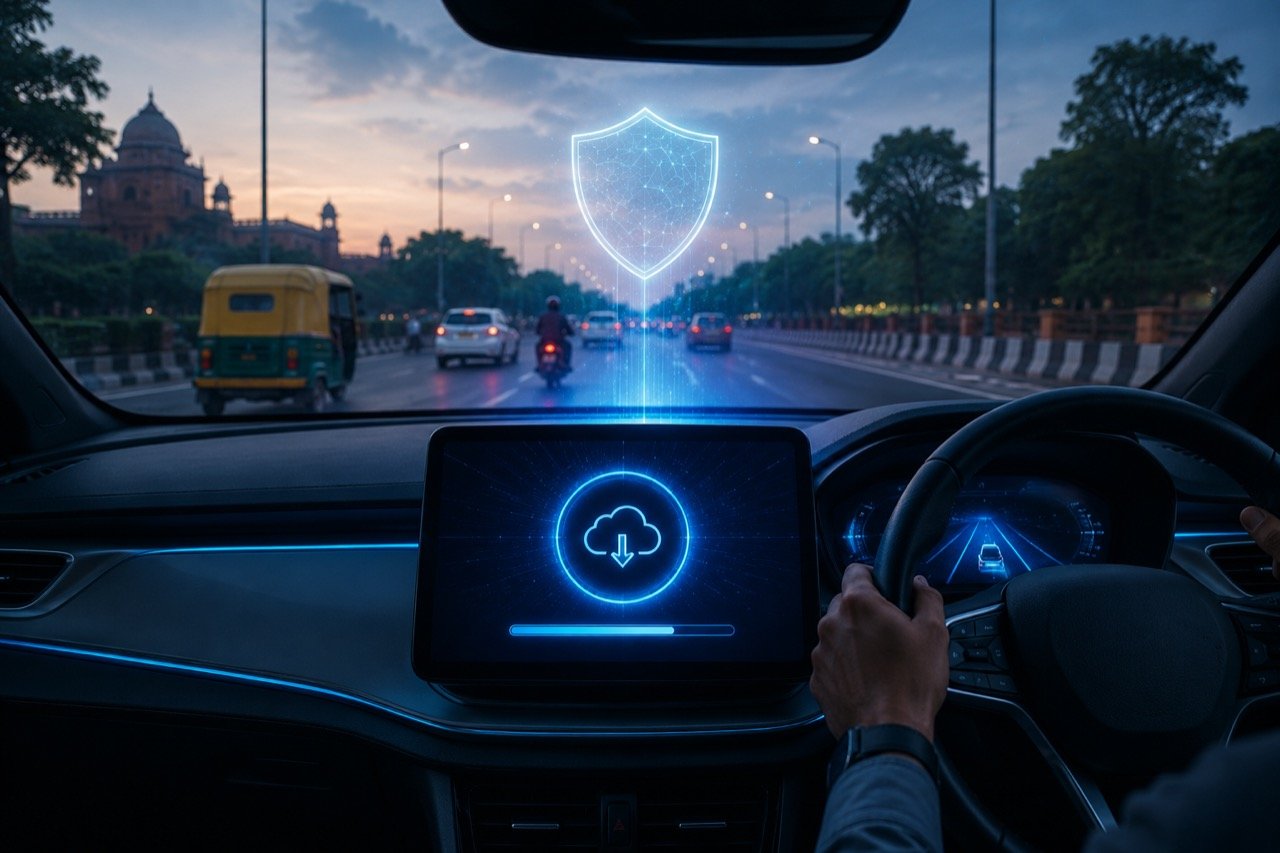
Connected Car Rules: India Plans Vehicle Software Update Norms
With cars increasingly run by software, the government is reportedly preparing update and security norms aimed at preventing vehicle hijacking and governing how connected cars in India are patched and protected.