Digital India Turns 11: AI GPUs, Chips and the Harder Next Phase
Eleven years in, Digital India is being judged less by its early public-service wins and more by whether it can deliver semiconductors, AI compute and resilient payments infrastructure at scale.
Commentary & Analysis ·
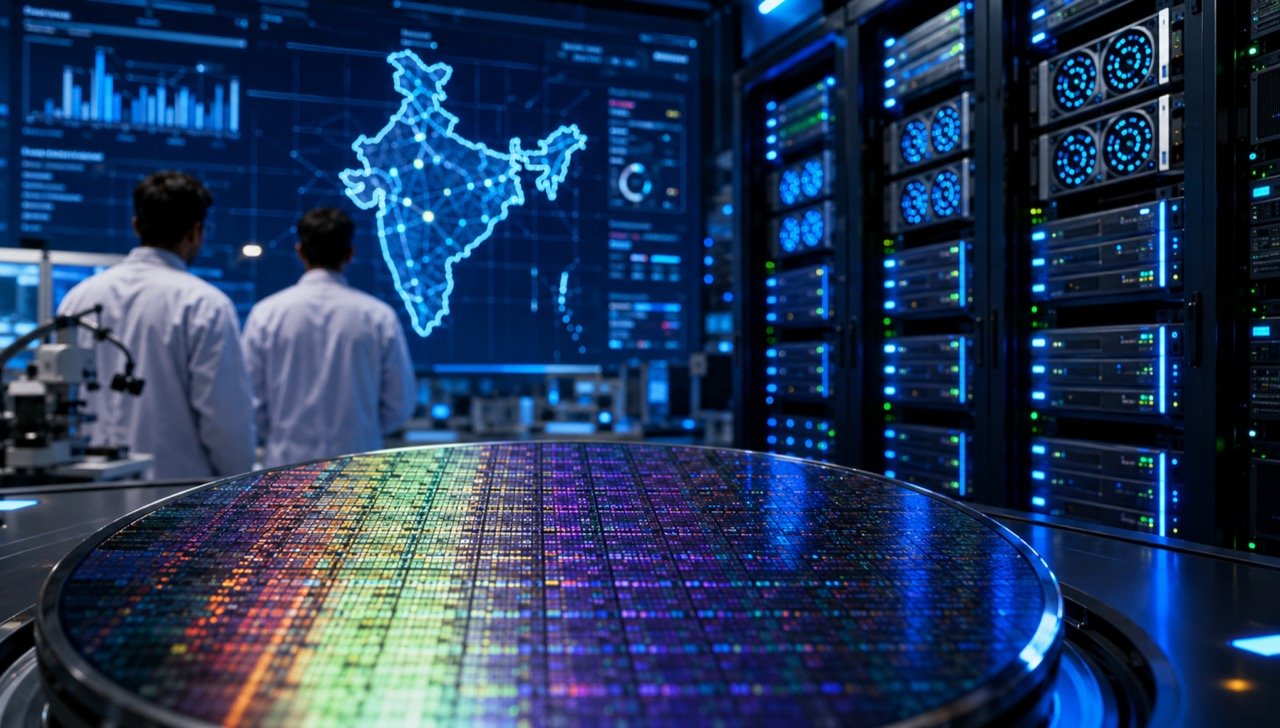
Digital India has crossed its 11-year mark, and the anniversary has become a genuine technology-policy story rather than a ceremonial one. For much of the programme's life, the annual milestone was an occasion to recite achievements in digitising public services — a useful but somewhat self-congratulatory exercise. This year is different. The programme is now being measured against a harder, less forgiving frontier: chips and AI compute, rather than only its early gains in digitising government-to-citizen interactions. TechObserver reported milestone figures spanning approved semiconductor investment, AI GPU deployment and record UPI transaction volumes in FY 2025-26, and taken together those numbers mark a shift in what the Digital India story is actually about.
From digital rails to deep tech
India has convincingly proven, over more than a decade, that it can build population-scale digital rails. Payments, identity-linked services and delivery platforms now handle transaction volumes that few countries attempt, let alone sustain. This was not a trivial achievement: it required standardised protocols, near-universal digital identity coverage, and enough trust in public digital infrastructure that ordinary citizens and small merchants were willing to route their daily economic lives through it. That first decade of Digital India succeeded on a fairly simple formula — the state built open, interoperable rails, and adoption followed at a scale that surprised even optimists.
The next stage of the programme is materially harder. It spans semiconductor fabrication, AI compute access, research infrastructure, data governance, cybersecurity, and the manufacturing ecosystems that sit underneath all of it. Each of these is a different kind of challenge from building a payments app or a digital identity database. They are capital-intensive, slow to mature, dependent on specialised global supply chains, and far less forgiving of partial or delayed execution. A payments interface can be iterated in software; a semiconductor fabrication plant cannot be patched after the fact if the underlying investment or technology transfer falls short.
What the headline numbers must become
Approved semiconductor projects are, by definition, a starting point rather than a result. They can reduce India's strategic dependence on imported chips — a dependence that has real economic and security implications given how central semiconductors are to everything from consumer electronics to defence systems — but only if those approvals move from paperwork to functioning production lines. An approval memo signals intent and unlocked capital; it says nothing yet about yield rates, timelines, or whether the plants will be internationally competitive once operational. The gap between "approved" and "producing at scale" is where many ambitious industrial projects, in India and elsewhere, have historically stalled.
The same logic applies to national AI GPU capacity. Announcing a headline number of GPUs procured or deployed is meaningful only if it translates into real access for the people who need it. That means allocation has to be transparent, pricing has to be affordable, and access cannot be concentrated among a handful of large, well-connected players while startups, independent researchers and public universities are left competing for scraps of leftover capacity. AI compute is increasingly a foundational input for research and innovation in the same way electricity or bandwidth once was; if it is hoarded or rationed inefficiently, the downstream effects on India's research and startup ecosystem could blunt the very ambitions the GPU push is meant to serve.
UPI's transaction volumes for FY 2025-26 demonstrate extraordinary adoption strength, and that is worth acknowledging plainly. But scale of this kind cuts both ways. The larger and more central a payments system becomes to daily economic life, the higher the stakes on resilience, uptime and fraud prevention. A system processing this volume of transactions is no longer just a convenience — it is critical national infrastructure in the same category as power grids or telecommunications networks. It has to be engineered against failure as a matter of course, not celebrated for growth alone while the harder engineering questions go unanswered.
Why the harder phase changes the stakes
There is an important structural difference between what Digital India has already achieved and what it is now attempting. Building payment rails and identity systems was, in large part, a problem of designing good protocols and getting adoption to follow — a challenge India solved through a combination of regulatory push, private-sector integration and genuine public demand. Semiconductor fabrication and AI compute are different: they require sustained capital deployment over many years, access to technology that is often geopolitically restricted, and execution discipline across long, complex supply chains involving specialised equipment, materials and skilled labour that India is still building up domestically.
This is also a geopolitically contested space. Semiconductor supply chains sit at the centre of strategic competition between major economies, and access to advanced fabrication technology and AI accelerators is shaped as much by export controls and international alliances as by domestic policy. India's approved investments and GPU deployments have to be read against that backdrop — as much a statement of strategic intent as an economic one.
Stakeholders with a direct stake in execution
Different groups will judge this next phase by very different yardsticks. Startups and researchers will care primarily about whether GPU access actually reaches them at usable cost, rather than remaining concentrated among established firms with existing government or industry ties. Manufacturing and industrial stakeholders will be watching whether approved semiconductor projects create genuine downstream ecosystems — component suppliers, skilled technicians, ancillary industries — rather than isolated flagship plants. Ordinary citizens, meanwhile, have the most immediate stake in UPI's reliability: for hundreds of millions of people, this is not an abstract infrastructure debate but the system they use to receive wages, pay for groceries, and run small businesses every day.
The NE Times View
Digital India's first decade succeeded because the state built open rails and let scale follow; its second decade cannot be won the same way. Chips and AI compute are capital-intensive, geopolitically contested and unforgiving of half-execution. There is no equivalent of viral adoption that can paper over a fabrication plant running below yield, or GPU capacity that never reaches the researchers who need it.
The honest framing for readers is progress plus execution risk: approvals and GPU counts are inputs, not outcomes. They tell us that capital and intent exist, not that the intended results will follow. The milestones genuinely worth watching from here are operational fab capacity — plants actually producing chips at scale, not merely approved on paper — actual GPU utilisation by startups and universities rather than headline procurement figures, and measurable public-service improvements from AI systems that citizens can point to. If those arrive, the 11-year celebration will have been a preview rather than a peak. If they do not, the anniversary numbers will be remembered as promises rather than progress.
Key takeaways
- Digital India's milestone figures for FY 2025-26 span approved semiconductor investment, AI GPU deployment and record UPI transaction volumes, shifting the programme's focus from digitising services to deep-tech capability.
- Approved semiconductor projects and GPU procurement are inputs, not outcomes — their value depends on translation into operational fabrication capacity and genuinely accessible compute.
- UPI's transaction scale demonstrates adoption strength but raises the stakes on resilience, uptime and fraud prevention, since it now functions as critical national infrastructure.
- The next phase of Digital India is more capital-intensive, geopolitically contested and execution-sensitive than the first decade's rails-and-adoption model.
- Readers should watch operational fab capacity, real GPU utilisation by startups and universities, and measurable AI-driven public-service improvements as the true markers of progress.
You may also like to read
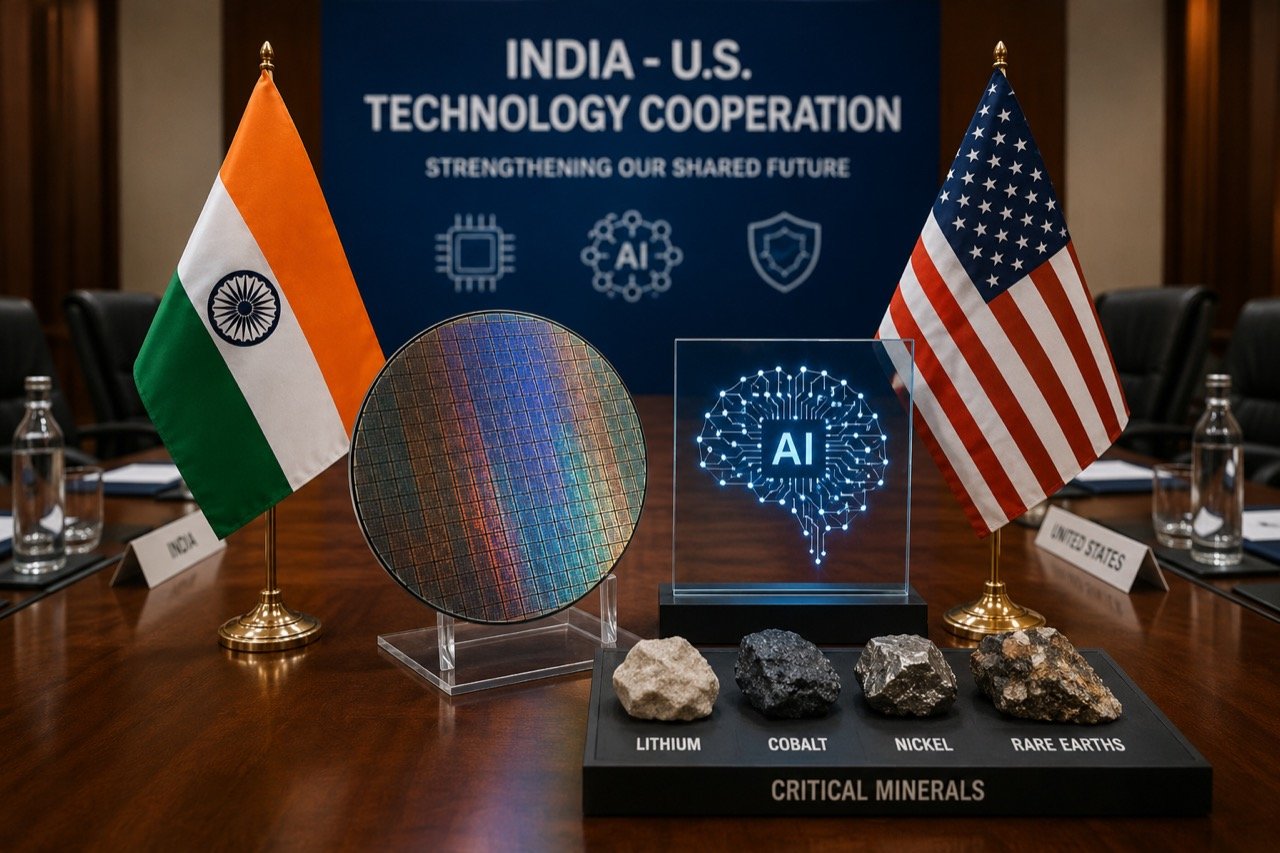
India-US AI Chips Roundtable Puts Critical Minerals in the Spotlight
Discussions between India and the United States on AI, semiconductors and critical minerals underline how technology cooperation is fast becoming a supply-chain and resource-security story, not just a software one.
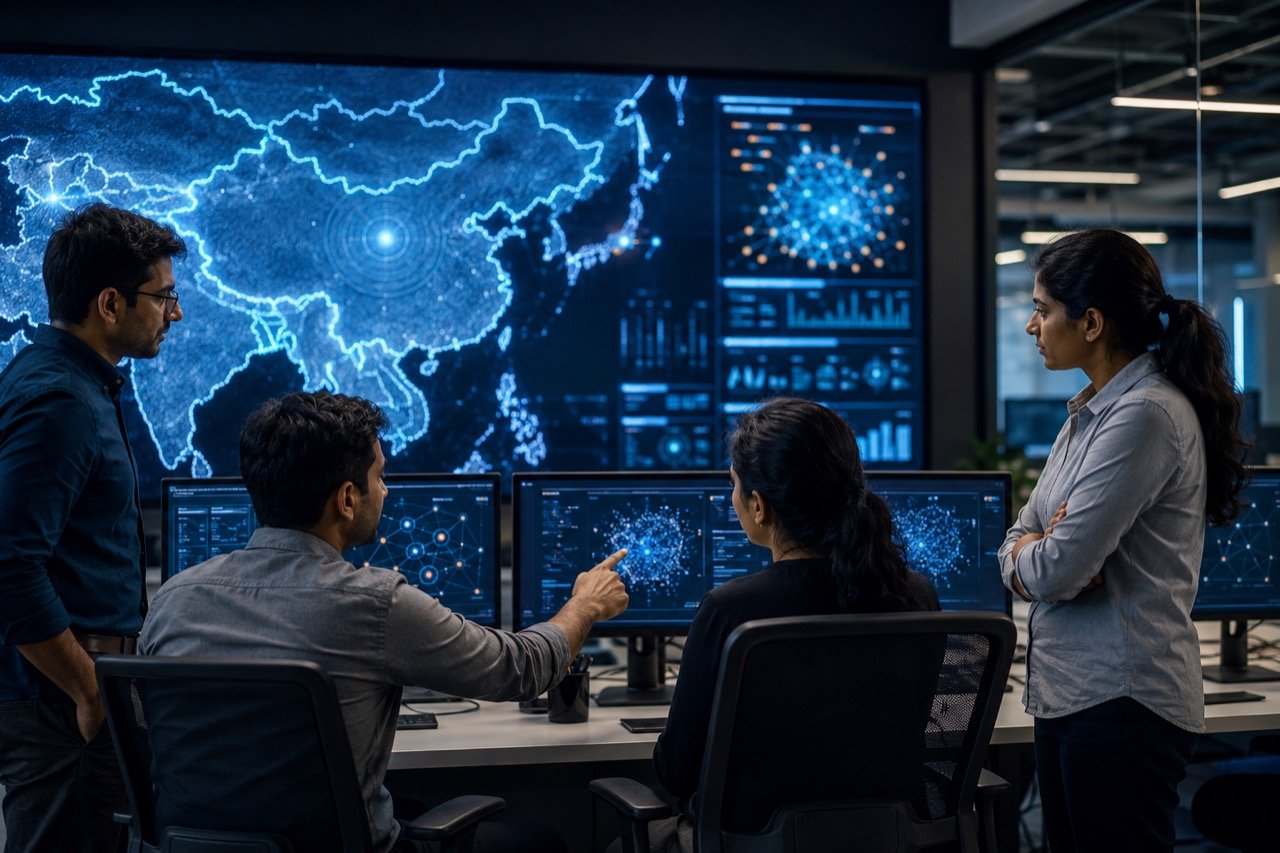
Indian Firms Eye Asian AI Models as US Frontier Access Narrows
With access to some US frontier AI models growing harder, Indian companies are widening their supplier options toward Asian and Chinese alternatives, turning AI procurement into a strategic business decision.

Amazon Tests Alexa+ in India With Hindi Support and Local Features
Amazon is trialling its upgraded Alexa+ assistant in India with Hindi language support and India-specific features, betting on multilingual households to defend its lead in the AI assistant race.
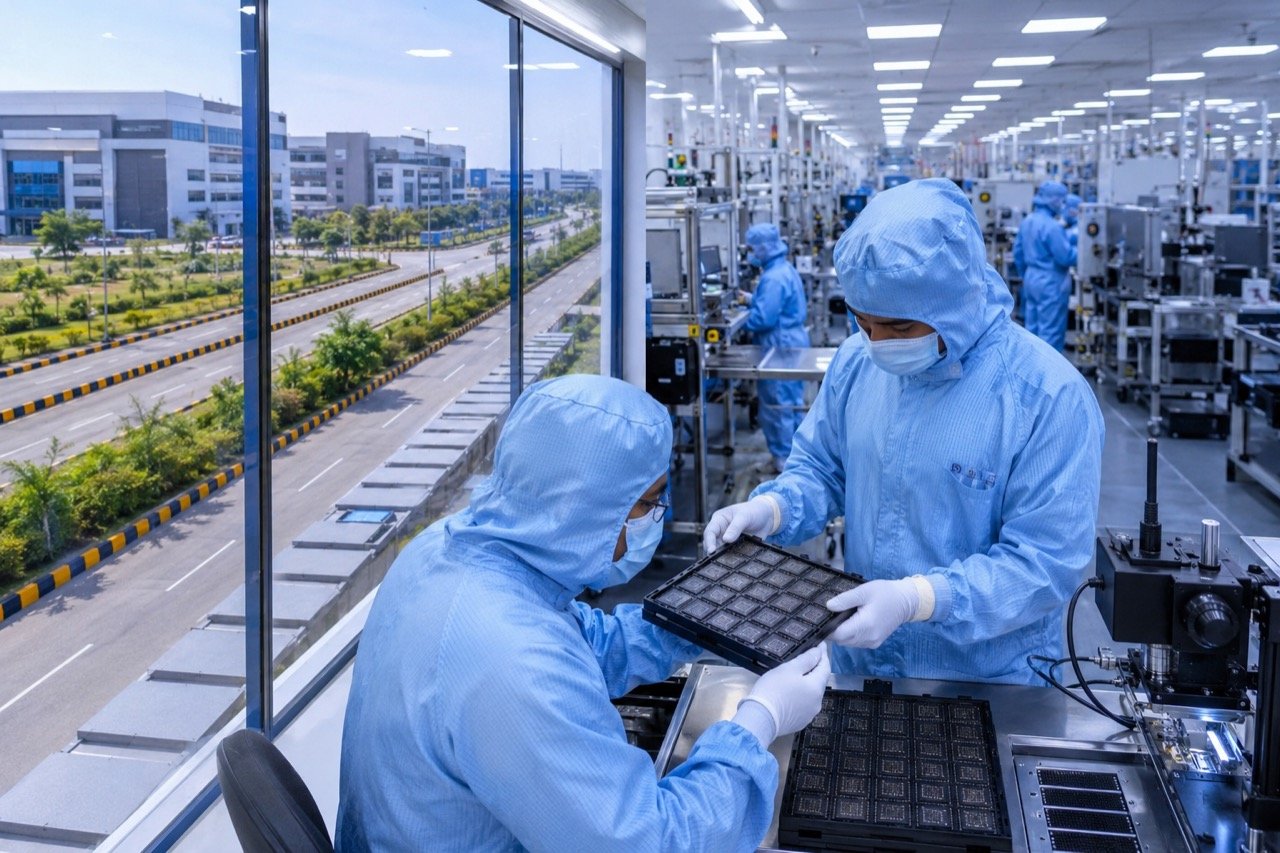
CG Semi Sanand Plant Opens, Boosting India's Semiconductor Drive
Prime Minister Narendra Modi inaugurated CG Semi's chip assembly and test facility in Sanand, Gujarat, giving India's semiconductor mission a working manufacturing milestone rather than another policy promise.
More from this section
MoreCG Semi Sanand Plant Opens, Boosting India's Semiconductor Drive
Prime Minister Narendra Modi inaugurated CG Semi's chip assembly and test facility in Sanand, Gujarat, giving India's semiconductor mission a working manufacturing milestone rather than another policy promise.

Chinese E-Rickshaw Apps Banned in India Over Remote Disable Risk
The Centre has ordered the removal of three Chinese apps — BAT-BMS, Lossigy and Epoch-i-ion — over fears they could remotely disable battery-run e-rickshaws, turning mobility software into a public safety concern.

Connected Car Rules: India Plans Vehicle Software Update Norms
With cars increasingly run by software, the government is reportedly preparing update and security norms aimed at preventing vehicle hijacking and governing how connected cars in India are patched and protected.