X Outage Disrupts Indian Users Amid Wider Global Service Failure
A major X (formerly Twitter) outage hit Indian users alongside several other countries, with thousands of complaints logged before service recovered, reviving questions over platform dependence.
Commentary & Analysis ·
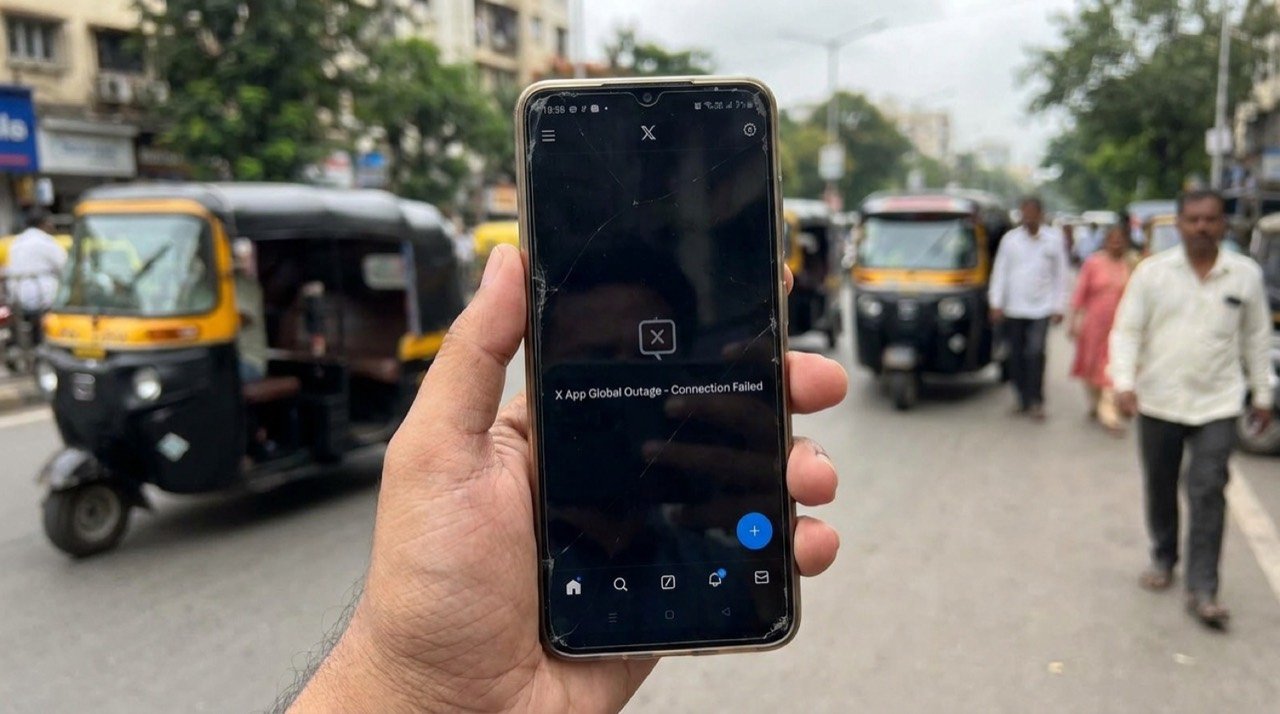
Users of X, the platform formerly known as Twitter, reported a major service disruption that affected India along with several other countries. Outage-tracking data cited by Indian outlets pointed to thousands of complaints, including a cluster of Indian reports around the evening peak, before the service appeared to recover for many users within a relatively short window. The episode, brief as it was, offers a useful window into how thoroughly digital public life now depends on the uninterrupted functioning of a small number of privately owned platforms.
What users experienced
During the disruption, users encountered failures loading timelines, posting and refreshing content. Reports drew on outage-tracking dashboards that recorded thousands of complaints across affected regions, with India among the countries hit. Some accounts linked the problem to broader cloud or network issues rather than a fault isolated to the app itself. There was no immediate, detailed public explanation from X in the initial reports, leaving users to rely on third-party trackers and news coverage for confirmation.
This pattern is by now familiar to anyone who follows outages at major technology platforms. A spike in user complaints appears on independent tracking services, mainstream outlets pick up the pattern and report it as a developing story, and the platform itself typically stays quiet until well after the disruption has already been felt by millions. The gap between when users first notice a problem and when the company confirms or explains it is often the most consequential part of the episode, because it is during that gap that dependent services, individuals and institutions are left guessing whether to wait it out or activate a backup plan.
The suggestion in early reports that the fault may have originated in broader cloud or network infrastructure, rather than in the application layer itself, is also worth sitting with. It points to a deeper layer of concentration risk that is easy to overlook: even when a platform's own code and servers are functioning correctly, an outage in the cloud infrastructure that underpins it can bring the service down anyway. That means resilience planning cannot stop at picking multiple social media platforms; it has to reckon with the fact that many ostensibly independent platforms and services may ultimately share upstream infrastructure providers, creating correlated failure risk that is invisible to the end user.
A reminder of platform dependence
Even a brief outage carries outsized consequences because so much of public life now flows through a handful of digital platforms. Breaking-news distribution, customer service, political communication and everyday public conversation increasingly run on these networks. For journalists, businesses, emergency communicators and creators who depend on real-time visibility, a short disruption can mean missed updates, stalled outreach and lost reach during a critical window.
Consider the range of actors who lean on a platform like X in the course of an ordinary day. Newsrooms use it to break stories, monitor developing events and gauge public reaction in real time. Government bodies and public agencies use it to issue advisories, respond to citizen queries and communicate during emergencies. Businesses, from small vendors to large brands, use it for customer service and marketing. Individual creators and commentators use it to build and sustain audiences. When the platform falters, all of these functions falter simultaneously and without warning, and none of the affected parties have any real recourse beyond waiting.
What makes this dependence more striking is how quietly it has built up. No single decision put so much civic and commercial infrastructure onto one platform; it happened incrementally, as each new user, business and institution followed the others onto the same network because that is where the audience already was. The result is a form of infrastructure that nobody explicitly designed to be critical, yet increasingly functions as if it were.
The Indian context and the lesson for newsrooms
For Indian users, the incident lands amid ongoing debates over platform governance, app availability, content moderation and infrastructure resilience. It reinforces a practical point that organisations have learned the hard way: no single social platform should be treated as guaranteed public infrastructure.
India's scale magnifies the stakes of any such outage. With one of the largest user bases of any country on platforms like X, even a short disruption translates into an enormous absolute number of affected accounts, businesses and institutions. The evening-peak timing of the reported complaint cluster is also significant, since that is typically when engagement, news consumption and commercial activity on the platform are at their highest, meaning the outage struck at a moment when the cost of disruption was close to its daily maximum.
This is not the first time an outage or platform disruption has prompted renewed discussion in India about digital resilience, and it is unlikely to be the last. Each such episode adds to a slowly accumulating case for organisations, particularly newsrooms and public-facing institutions, to treat any single social platform as a channel rather than as infrastructure. The distinction matters: a channel can go down without taking the underlying capability with it, provided the organisation has built redundancy elsewhere; genuine infrastructure dependence, by contrast, leaves an organisation with no fallback at all.
Outage-tracking data showed thousands of complaints, including Indian reports, and some accounts tied the disruption to broader cloud or network issues, with service recovering for many users within a short period. Taken together, these details point to an episode that was contained in duration but broad in reach, precisely the combination that tends to expose dependence without necessarily forcing anyone to change their habits once the service resumes.
Why resilience planning is becoming a public interest question
Technology analysts commenting on the X outage have noted that no single social platform should be treated as guaranteed public infrastructure. The likely takeaway for newsrooms and organisations is to maintain backup channels and diversify how they reach audiences, so that one platform's downtime does not silence them. As public discourse concentrates on fewer networks, resilience planning is becoming as important as the platforms themselves.
This is a shift in framing that deserves attention. Resilience against outages has traditionally been treated as an operational or technical matter, something for IT departments and platform engineers to worry about. But when a platform effectively functions as the public square for breaking news, government communication and civic debate, the question of whether that square can suddenly and unpredictably go dark stops being a technical footnote and becomes a matter of public interest, comparable in kind, if not yet in scale, to questions about the resilience of telecommunications or power infrastructure.
The practical response available to most organisations is modest but meaningful: maintaining active presences on more than one platform, keeping direct channels such as email lists, SMS alerts or dedicated apps in reserve, and building internal habits so that staff know what to do the moment a primary channel goes dark. None of this eliminates the risk of outages, which are an inherent feature of complex digital infrastructure, but it does reduce the extent to which any single company's technical failure can silence an entire organisation's public voice.
The NE Times View
A global outage that silenced X for thousands of Indian users is a sharp reminder of how much public conversation, news and even official communication now runs through a single private platform. The NE Times view is that the recovery is less interesting than the dependence it exposed; when one company's failure can mute a country's digital town square, resilience and competition in social infrastructure stop being abstract concerns and become a matter of public interest. The speed with which the service returned for most users should not be mistaken for the problem having been solved. The underlying concentration of public discourse onto a small number of platforms remains exactly as it was before the outage began, and will remain so until organisations and, in time, policymakers treat that concentration as a risk worth actively managing rather than a convenience worth passively accepting.
Key takeaways
- X suffered a major outage affecting India and several other countries, with outage-tracking data showing thousands of complaints, including a cluster of Indian reports around the evening peak.
- Some accounts linked the disruption to broader cloud or network issues rather than a fault isolated to the app itself, and service recovered for many users within a relatively short window.
- The episode underscores how deeply journalists, businesses, emergency communicators and creators depend on a small number of platforms for real-time reach.
- Analysts argue no single social platform should be treated as guaranteed public infrastructure, urging organisations to maintain backup channels and diversify audience reach.
- As public discourse concentrates on fewer networks, resilience planning is becoming as significant a concern as the platforms themselves.
You may also like to read

TikTok's '2026 Summer Anthem' Trend Turns a Madonna Remix Into Instant Virality
A seven-second lip-sync set to Josh Fawaz's remix of 'Like a Prayer' has become TikTok's easiest viral entry point of the season, with small creators racking up millions of views.

Kunal Shah Named WhatsApp Global CEO as Meta Leads $900 Million CRED Round
CRED founder Kunal Shah has been named global CEO of WhatsApp as Meta leads a $900 million round valuing the Indian fintech at about $4.5 billion, placing a homegrown founder atop one of the world's biggest apps.
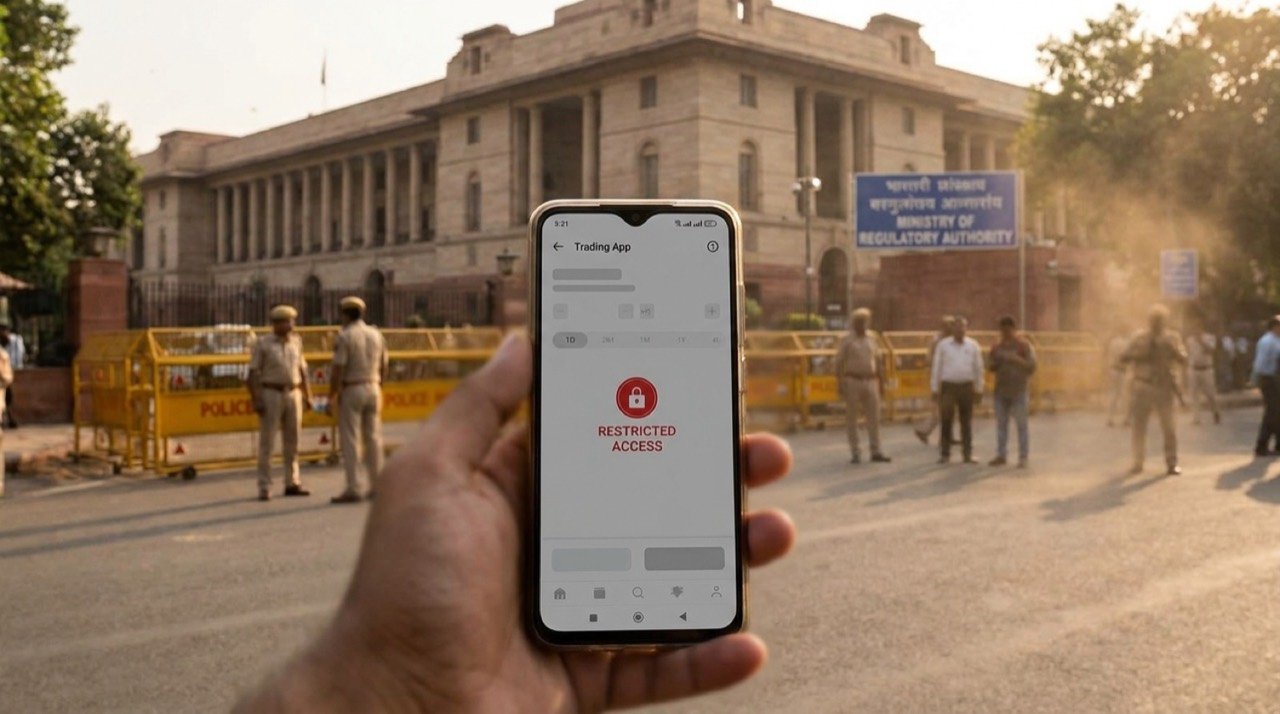
Kalshi Bars India Users as Prediction-Market Crackdown Widens
US event-contract platform Kalshi has added India to its restricted jurisdictions, barring Indian users from trading as MeitY tightens its squeeze on offshore betting and prediction-market platforms.
OpenAI Eyes Gigawatt-Scale India Data Centre As Local Users Cross 100 Million
With India now its second-largest market and weekly ChatGPT users past 100 million, OpenAI is scouting partners for a one-gigawatt facility under its Stargate infrastructure push.
More from this section
More
CG Semi Sanand Plant Opens, Boosting India's Semiconductor Drive
Prime Minister Narendra Modi inaugurated CG Semi's chip assembly and test facility in Sanand, Gujarat, giving India's semiconductor mission a working manufacturing milestone rather than another policy promise.
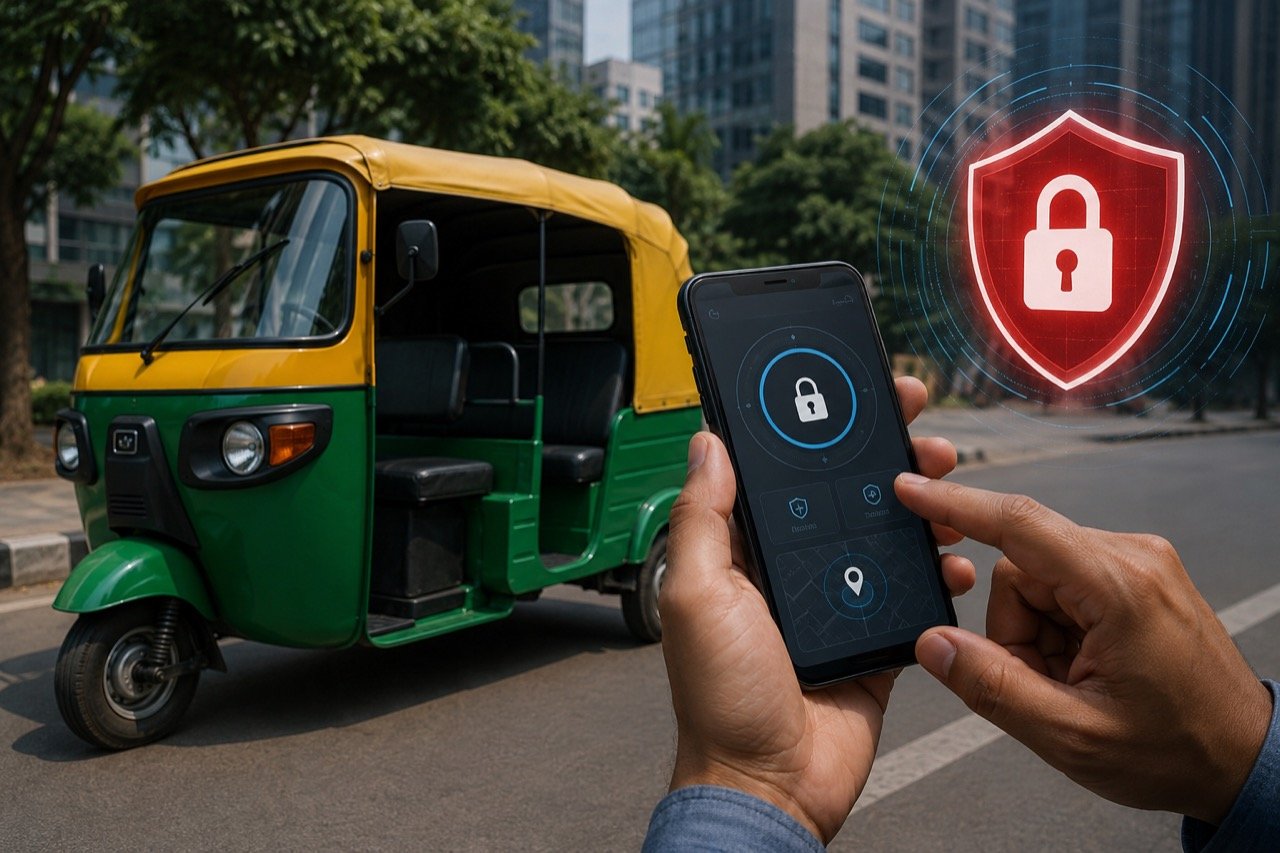
Chinese E-Rickshaw Apps Banned in India Over Remote Disable Risk
The Centre has ordered the removal of three Chinese apps — BAT-BMS, Lossigy and Epoch-i-ion — over fears they could remotely disable battery-run e-rickshaws, turning mobility software into a public safety concern.
Connected Car Rules: India Plans Vehicle Software Update Norms
With cars increasingly run by software, the government is reportedly preparing update and security norms aimed at preventing vehicle hijacking and governing how connected cars in India are patched and protected.