Tata Readies Sierra EV Launch As Electric SUV Race Heats Up
Tata Motors is set to unveil the Sierra EV on 30 June, reviving an iconic nameplate as an electric SUV at a moment when the company has just posted record monthly EV sales.
Commentary & Analysis ·
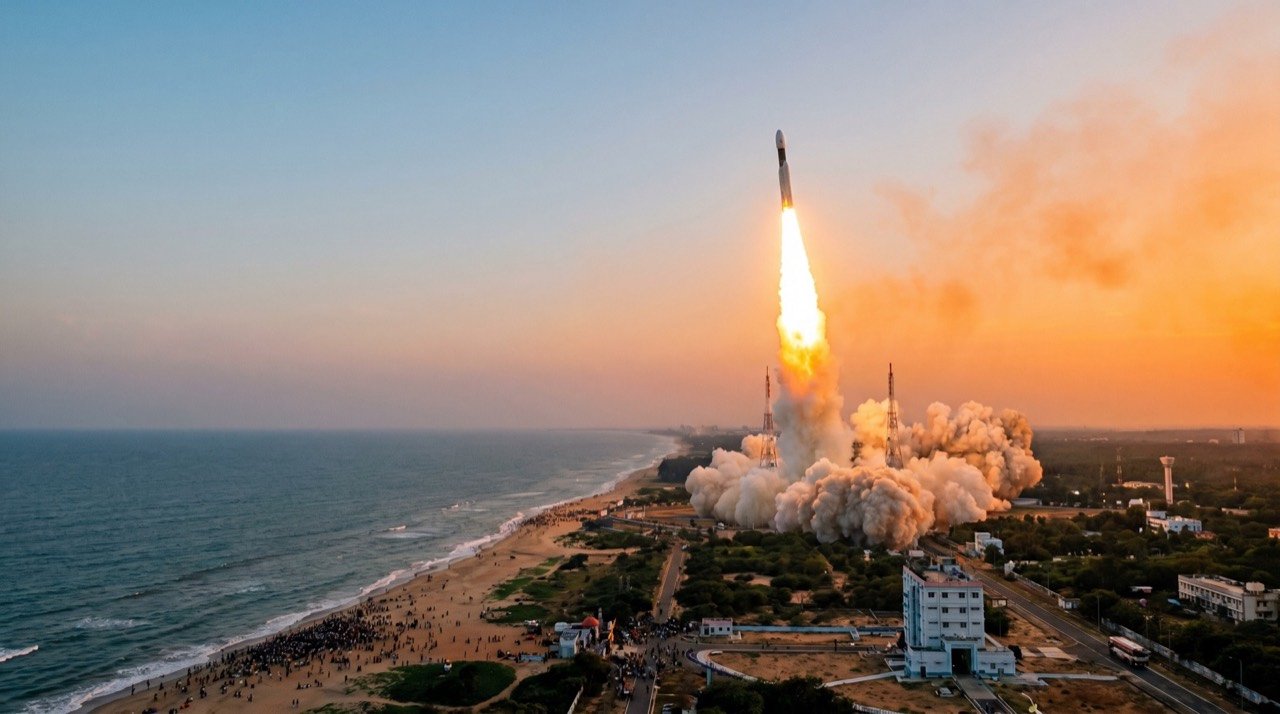
Tata Motors is preparing to expand its electric line-up on 30 June with the Sierra EV, reviving a nameplate long cherished by Indian enthusiasts and reimagining it as a modern electric SUV. The timing is pointed: Tata sold 59,790 passenger vehicles in May 2026 and notched a new monthly EV record of 10,517 units, underlining its determination to stay ahead in a market where rivals are closing the gap. For a company that has spent the better part of a decade building India's electric car category almost single-handedly, the Sierra EV arrives as both a celebration of that legacy and a test of whether the legacy can still carry weight against a fast-multiplying field of challengers.
The Sierra returns, electrified
The Sierra EV brings back a name with strong nostalgic pull and pairs it with Tata's latest electric architecture. The original Sierra, a boxy, characterful SUV from the 1990s, occupies an outsized place in the memory of a generation of Indian car buyers who grew up associating it with adventure and individuality rather than mere utility. Reviving that name for an electric vehicle is a calculated piece of brand storytelling: it allows Tata to sell not just a powertrain but a feeling, tapping emotional loyalty that no rival, however competent its engineering, can simply manufacture from scratch. The SUV is expected to reach showrooms over June and July, slotting into the heart of a segment where Indian buyers are increasingly willing to consider battery power for family vehicles. This is itself a meaningful shift. SUVs in India have traditionally been sold on the promise of long-distance capability and versatility, attributes that until recently sat uneasily with the range anxieties associated with electric drivetrains. That Tata is confident enough to position an electric SUV, rather than a hatchback or sedan, as a flagship nostalgia play suggests the company believes buyer psychology has moved on.
Tata is also reported to be readying a flagship Safari EV for the Diwali festive season, with a claimed range of around 600km and a realistic figure of roughly 450 to 500km on a charge. The pairing of these two launches within the same year is telling. The Sierra EV appears aimed at buyers newly entering the electric SUV market, while the Safari EV, arriving for the festive season when Indian car buying traditionally peaks, is clearly positioned as the range-topping, family-flagship statement. Launching a nostalgia-driven mid-tier SUV first and holding the range-topping model for Diwali allows Tata two distinct moments of market attention within a single calendar year, rather than a single launch competing for headlines.
A record-setting backdrop
EV sales in India grew sharply in the last financial year, with industry figures showing roughly 1,99,923 units in FY2026, an increase of about 83.6 percent over the previous year. Growth of that magnitude, nearly doubling in a single year, signals that electric vehicles in India have moved past the early-adopter phase and are becoming a mainstream consideration for a meaningfully larger slice of buyers. Tata has led that growth, though Mahindra, MG, Hyundai and newer entrant VinFast are intensifying competition with their own electric SUVs, eroding the lead Tata once enjoyed almost unchallenged. This is the crucial context against which the Sierra EV must be judged. A launch that would have been comfortably dominant two or three years ago now arrives into a market where established rivals such as Mahindra, MG and Hyundai have sharpened their electric SUV offerings, and where a newer entrant like VinFast is attempting to establish itself from scratch in India, presumably with aggressive pricing and ambition to match.
The scale of FY2026's growth also raises the stakes for infrastructure and supply chains that support the category. A market growing at over 80 percent year-on-year needs charging networks, battery supply and after-sales service capacity to expand at a comparable pace, or the growth risks stalling on practical rather than product grounds. Tata's own record May 2026 figures, an all-time monthly high of 10,517 EV units, suggest the company's production and distribution networks are currently keeping pace with demand, but a crowded launch season for the Sierra EV and, later, the Safari EV will test that capacity further.
What is at stake
The Sierra EV is more than a single model launch; it is a test of whether Tata can defend its dominant share as the field crowds. With charging infrastructure expanding and battery costs easing, the SUV segment is where India's EV story will be won or lost over the next two years. An auto sector analyst, paraphrased, put it plainly: the electric SUV battle is now the centre of India's EV market, and Tata is launching from a position of strength but no longer in isolation. That framing captures the essential tension of this moment. Tata is not launching into a vacuum, as it effectively did with its earliest EV models; it is launching into a market where informed, price-conscious buyers now have genuine cross-shopping options from rivals with their own manufacturing scale and brand credibility.
If the Sierra EV delivers on range and pricing, it could cement Tata's lead well into the festive season, carrying momentum through to the Safari EV's Diwali debut and giving Tata two consecutive quarters of headline-grabbing electric launches. If it stumbles, whether on pricing that fails to undercut or match rivals, or on real-world range that disappoints against the claimed figures common in this segment, rivals are ready to pounce, and Tata's first-mover advantage could erode faster than the FY2026 sales figures might suggest.
Why the nostalgia strategy carries real risk
Reviving a heritage nameplate is a double-edged strategy. Done well, it converts brand affection into showroom footfall without the marketing spend normally required to build desire from nothing. Done poorly, it invites unfavourable comparisons: buyers who remember the original Sierra's character may judge the EV against an idealised memory rather than against its actual electric SUV competitors, and any perceived compromise, whether in design boldness, price, or capability, risks disappointing precisely the audience the name was meant to win over. Tata will need the Sierra EV to feel authentically connected to its namesake while also standing on its own merits as a modern electric SUV judged on range, charging speed, interior quality and price. That is a considerably harder brief than simply building a competent EV, and it is one that rests as much on marketing execution as on engineering.
The NE Times View
Reviving the Sierra as an EV is shrewd nostalgia marketing married to genuine momentum, with Tata's record monthly electric sales giving the gamble real ballast. The bigger question is pricing and charging confidence beyond metros, where EV adoption still stalls. India's electric vehicle growth story so far has been substantially an urban and semi-urban phenomenon, concentrated where charging infrastructure is densest and where buyers have easier access to home or workplace charging. For the Sierra EV, and indeed for the wider FY2026 growth figures, to be sustained, that confidence needs to extend into smaller towns where range anxiety and charging access remain real, practical concerns rather than abstract ones. Tata's homegrown lead is real but narrowing fast as global rivals circle India's electric SUV space, and the company's response to that narrowing, through pricing discipline, dealer network strength and the credibility of its range claims, will matter more than the emotional pull of the Sierra name alone.
Key takeaways
- Tata Motors is launching the Sierra EV on 30 June, reviving a nostalgic 1990s nameplate as a modern electric SUV, with showroom availability expected through June and July.
- The launch follows a record May 2026 for Tata, with 59,790 total passenger vehicle sales and 10,517 EV units sold, its highest monthly electric tally to date.
- A flagship Safari EV is expected for Diwali 2026, claiming around 600km of range with a realistic 450 to 500km in everyday use, positioning Tata for a second major electric launch within the year.
- India's EV market grew roughly 83.6 percent year-on-year in FY2026 to about 1,99,923 units, but Mahindra, MG, Hyundai and newcomer VinFast are intensifying competition in the electric SUV segment.
- Tata's success will likely hinge less on nostalgia and more on pricing discipline and extending EV-charging confidence beyond metro markets into smaller towns.
You may also like to read
IndiaAI Mission Pushes Toward 100,000 GPUs As Foundational Model Race Heats Up
With more than 34,000 GPUs already onboarded at subsidised rates and over 500 model proposals received, the government is scaling its compute backbone to anchor a homegrown AI ecosystem.

IIT Madras, IIT Kanpur Launch Cybersecurity Degree With Field Training
IIT Madras and IIT Kanpur have jointly launched a practice-oriented Bachelor of Cybersecurity featuring two years of field deployment, a direct response to India's widening shortage of trained cyber defence professionals.
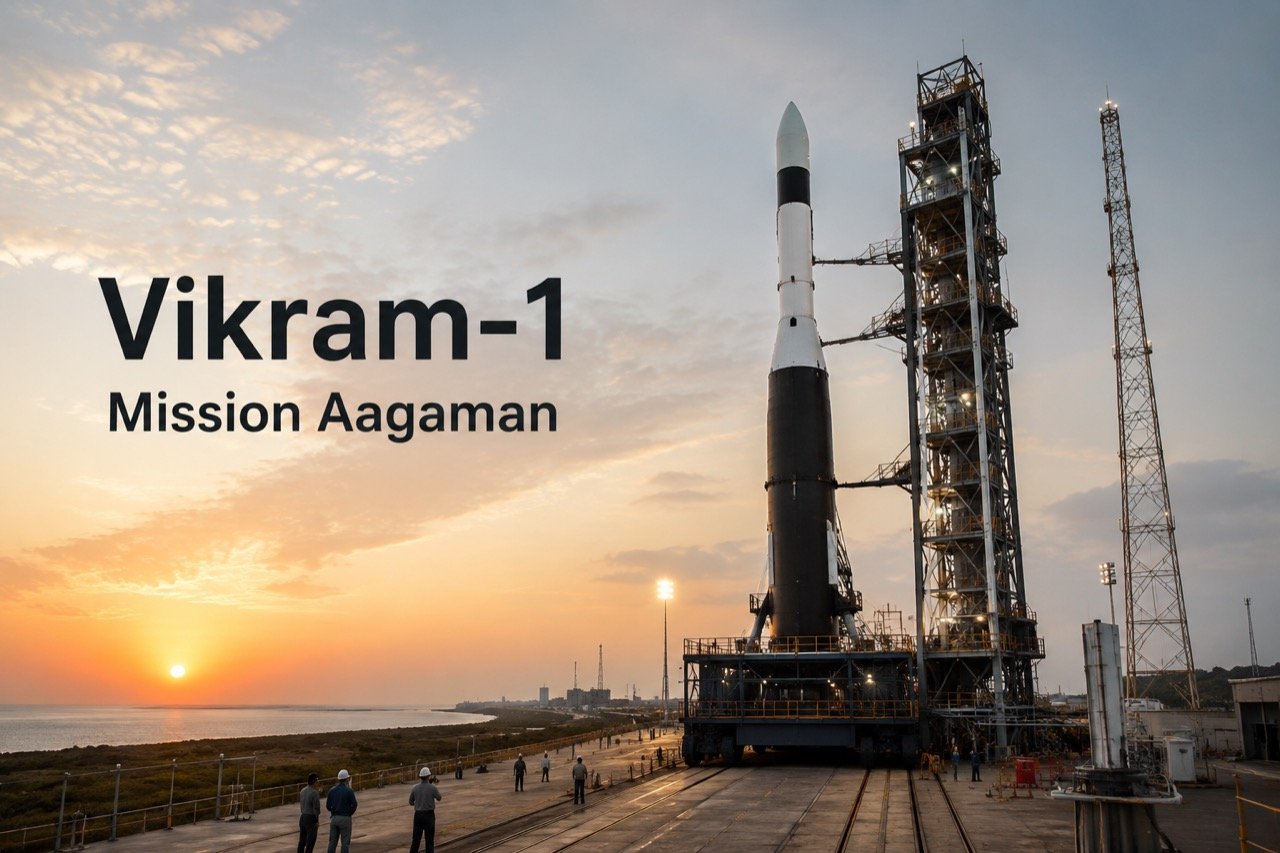
Skyroot Vikram-1: Mission Aagaman and India's Private Space Race
Fresh updates on Skyroot Aerospace's Vikram-1 rocket and Mission Aagaman have renewed attention on India's private space ecosystem and the wait for the country's first private orbital-class launch.
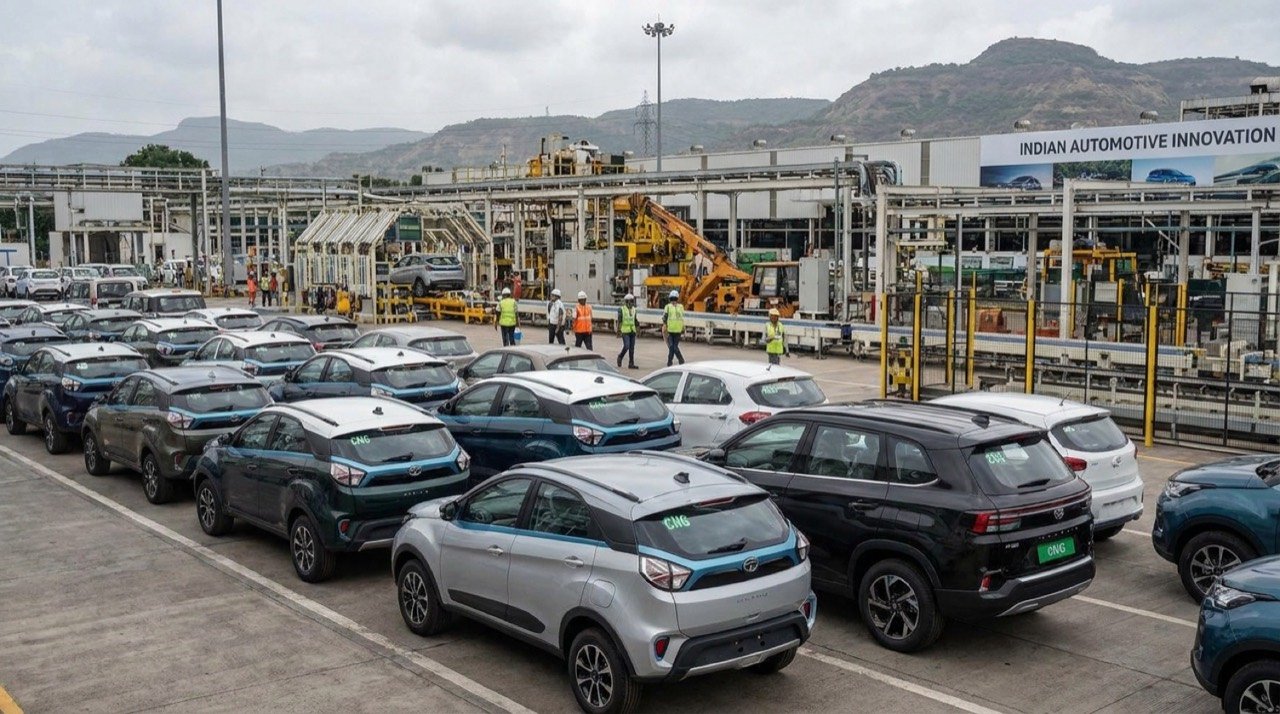
Tata Motors Targets Near-Doubling of Revenue and Sales by 2031
Tata Motors Passenger Vehicles has unveiled a 2031 plan to push revenue past Rs 6 trillion and sales beyond 1.2 million units, betting on electric and CNG models to drive India's cleaner-mobility shift.
More from this section
More
CG Semi Sanand Plant Opens, Boosting India's Semiconductor Drive
Prime Minister Narendra Modi inaugurated CG Semi's chip assembly and test facility in Sanand, Gujarat, giving India's semiconductor mission a working manufacturing milestone rather than another policy promise.
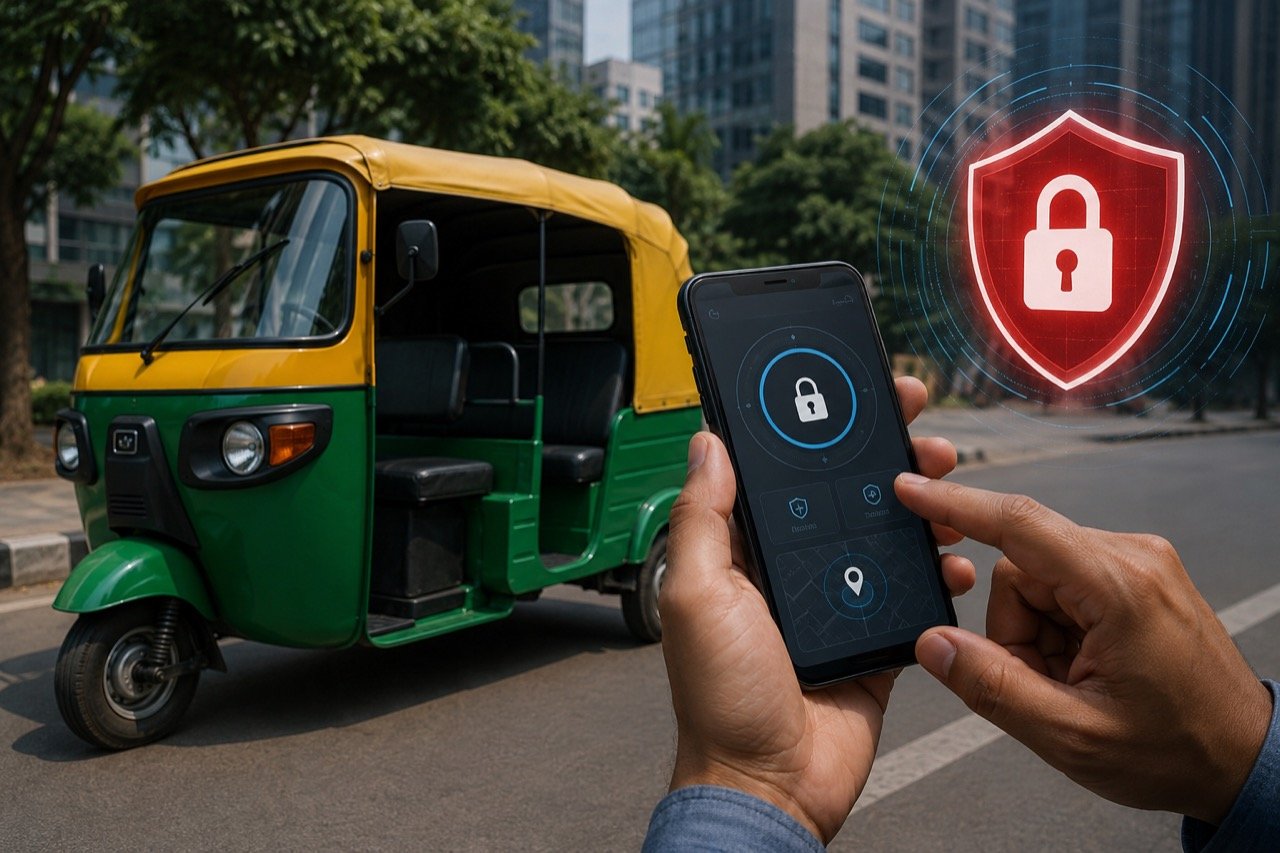
Chinese E-Rickshaw Apps Banned in India Over Remote Disable Risk
The Centre has ordered the removal of three Chinese apps — BAT-BMS, Lossigy and Epoch-i-ion — over fears they could remotely disable battery-run e-rickshaws, turning mobility software into a public safety concern.
Connected Car Rules: India Plans Vehicle Software Update Norms
With cars increasingly run by software, the government is reportedly preparing update and security norms aimed at preventing vehicle hijacking and governing how connected cars in India are patched and protected.