Telegram Returns to India's Play Store After NEET-UG Re-Exam Block
Google has restored Telegram on India's Play Store after a short government-ordered block during the NEET-UG re-exam, reviving a charged debate over exam security versus digital rights.
Commentary & Analysis ·
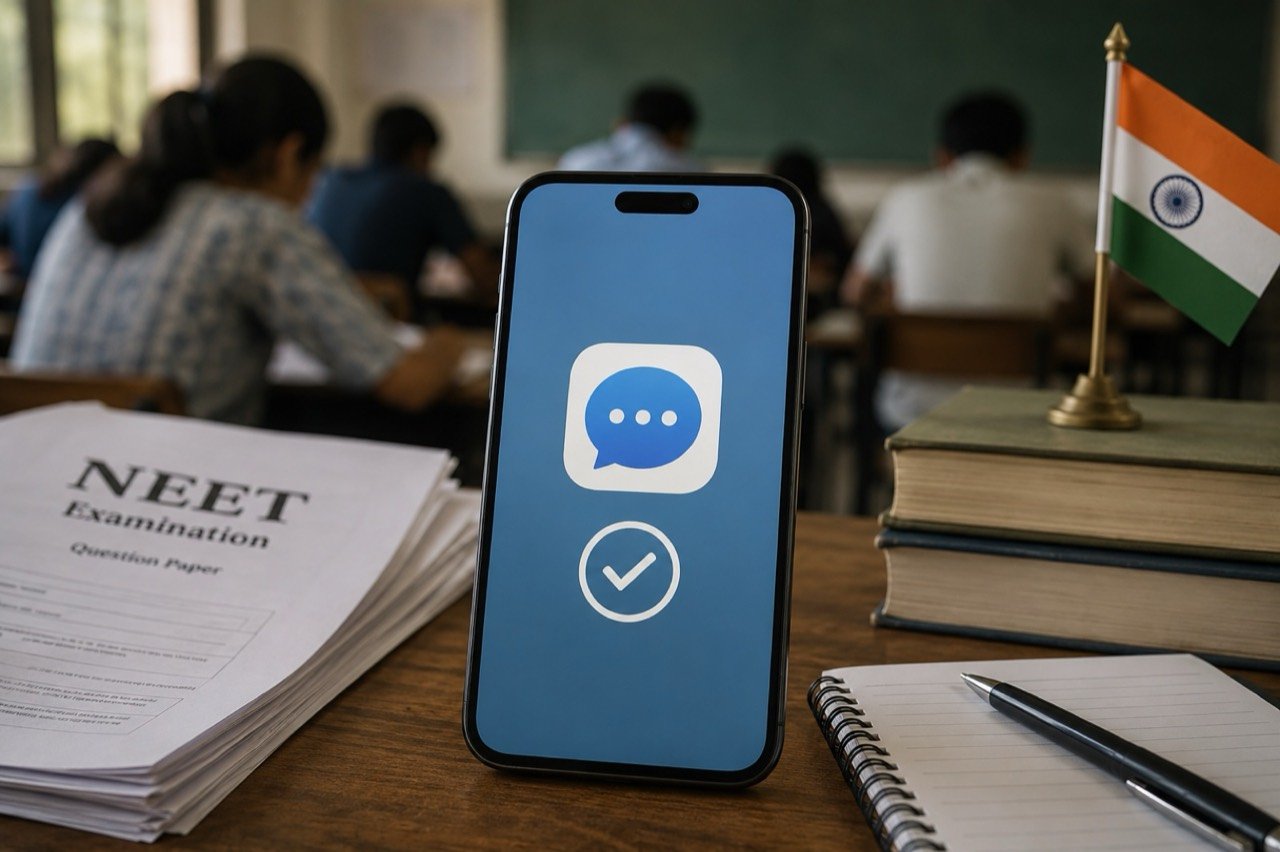
Telegram has reappeared on Google's Play Store in India, ending a brief and closely watched disappearance that coincided with the National Eligibility cum Entrance Test (NEET-UG) re-examination window. The messaging app's return has done little to quiet the larger argument it set off: how far the state should go in restricting communication tools to protect the integrity of high-stakes exams, and whether such interventions come with enough transparency.
Why the app went dark
The restriction was described in news reports as a precautionary measure taken during the sensitive re-exam period. Authorities were concerned that messaging channels, with their large broadcast groups and easy file-sharing, could be used to circulate leaked or fake question papers, misinformation, and material that might aid cheating.
NEET-UG is among India's most competitive examinations, with admission to medical seats hinging on the result. After earlier controversies around paper leaks, exam administrators and security agencies have grown wary of any platform that could enable organised fraud at scale, making a temporary block on a popular channel-based app an attractive, if blunt, instrument.
The proportionality question
Digital-rights advocates argue that pulling a widely used app, even briefly, is a heavy-handed response that affects millions of lawful users to address the conduct of a few. Critics point to the lack of public, written criteria explaining when an emergency block is triggered, how long it lasts, and who authorises it.
Reports said access was expected to resume after 22 June, though some users flagged confusion while the app remained missing from parts of the app-store ecosystem during the transition. That gap between the stated end of the block and what users actually experienced has fed calls for clearer communication from both the platform and the government.
What stakeholders want next
The episode has drawn in an unusually broad set of interested parties, each watching for different signals. The common thread is a demand for narrower, better-documented tools that target fraud without sweeping up ordinary communication.
- Students and parents want assurance that exam-related blocks will not cut off legitimate study groups and coaching channels.
- Educators and exam agencies are pressing for surgical anti-fraud measures rather than blanket app removals.
- Platform companies seek predictable, written rules on when and how takedowns are ordered.
- Digital-rights groups are calling for transparency on the legal basis, duration, and oversight of emergency blocks.
- Policymakers face the task of codifying proportionate emergency powers that survive legal scrutiny.
“Protecting an exam and protecting the right to communicate are not opposites, but India still lacks clear, published rules for when one should override the other.”
— Digital-rights analyst
Telegram's restoration closes one chapter but leaves the underlying tension intact. The bigger test is whether exam authorities and regulators can build precise, accountable safeguards, so that the next high-pressure exam season does not again pit security against the everyday digital life of millions of Indians.
The NE Times View
Blocking an entire messaging app to plug exam leaks is using a sledgehammer where a scalpel is needed. The leaks are real and damaging, but the cure cannot be cutting off millions of users for the duration of a test. The honest fix lies upstream, in securing question papers and the examination chain itself, not in periodic app shutdowns that punish everyone and deter no determined cheat.
This article is original commentary and analysis by The NE Times. Background facts were referenced from The Economic Times and NDTV.
You may also like to read
Telegram Restored in India After Temporary NEET-Linked Block
Telegram is available again for many Indian Android users after a temporary nationwide restriction tied to NEET-UG re-exam integrity, reopening debate on exam security and digital limits.
India Monitoring Telegram After Report Flags Illegal Content Risks
A government report cited by Reuters says authorities are proactively tracking Telegram groups over concerns about child abuse material and financial scams.
Telegram Faces Fresh India Scrutiny Over Illegal Content and Exam-Security Risks
Indian officials are again examining Telegram over exam-leak misinformation, channels sharing child sexual abuse material and piracy, reopening the debate on encryption, platform accountability and user safety.
Centre Warns Telegram on Piracy in Platform Accountability Drive
The government has issued a stern warning to Telegram over pirated films, books and exam material circulating on the app, sharpening India's push to hold digital platforms accountable for unlawful content.
More from this section
More
CG Semi Sanand Plant Opens, Boosting India's Semiconductor Drive
Prime Minister Narendra Modi inaugurated CG Semi's chip assembly and test facility in Sanand, Gujarat, giving India's semiconductor mission a working manufacturing milestone rather than another policy promise.
Chinese E-Rickshaw Apps Banned in India Over Remote Disable Risk
The Centre has ordered the removal of three Chinese apps — BAT-BMS, Lossigy and Epoch-i-ion — over fears they could remotely disable battery-run e-rickshaws, turning mobility software into a public safety concern.

Connected Car Rules: India Plans Vehicle Software Update Norms
With cars increasingly run by software, the government is reportedly preparing update and security norms aimed at preventing vehicle hijacking and governing how connected cars in India are patched and protected.