Neha Sharma writes about health, medicine and public health policy for The NE Times, turning research and official guidance into clear, practical reporting.
As the NEET-UG 2026 leak row and protests deepen aspirant anxiety, here is what India's mental-health helplines offer, the warning signs, and how families can help.
Sonam Wangchuk enters the twentieth day of his indefinite fast at Jantar Mantar as doctors, courts and supporters focus on his health and the July 20 march
A medically cautious guide to what doctors monitor during a prolonged hunger strike, why risk varies and why restarting food requires careful supervision
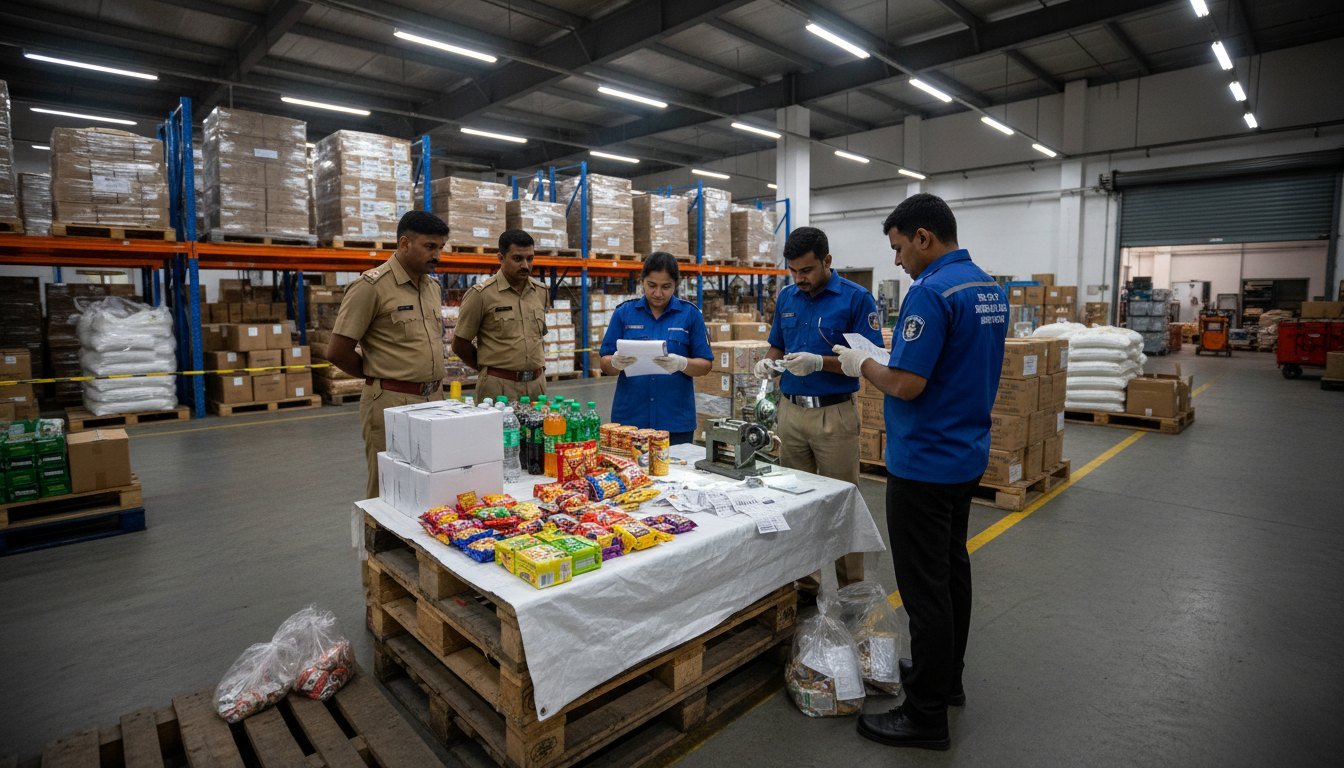
A 40,000-pack seizure in Okhla proves FSSAI can catch fraud after the fact — but without traceability reform, enforcement will always be one step behind.
The death of a Jharkhand teenager during treatment for a reported fracture has led to family allegations of medical negligence and an official probe ordered by the Chief Minister into what went wrong.
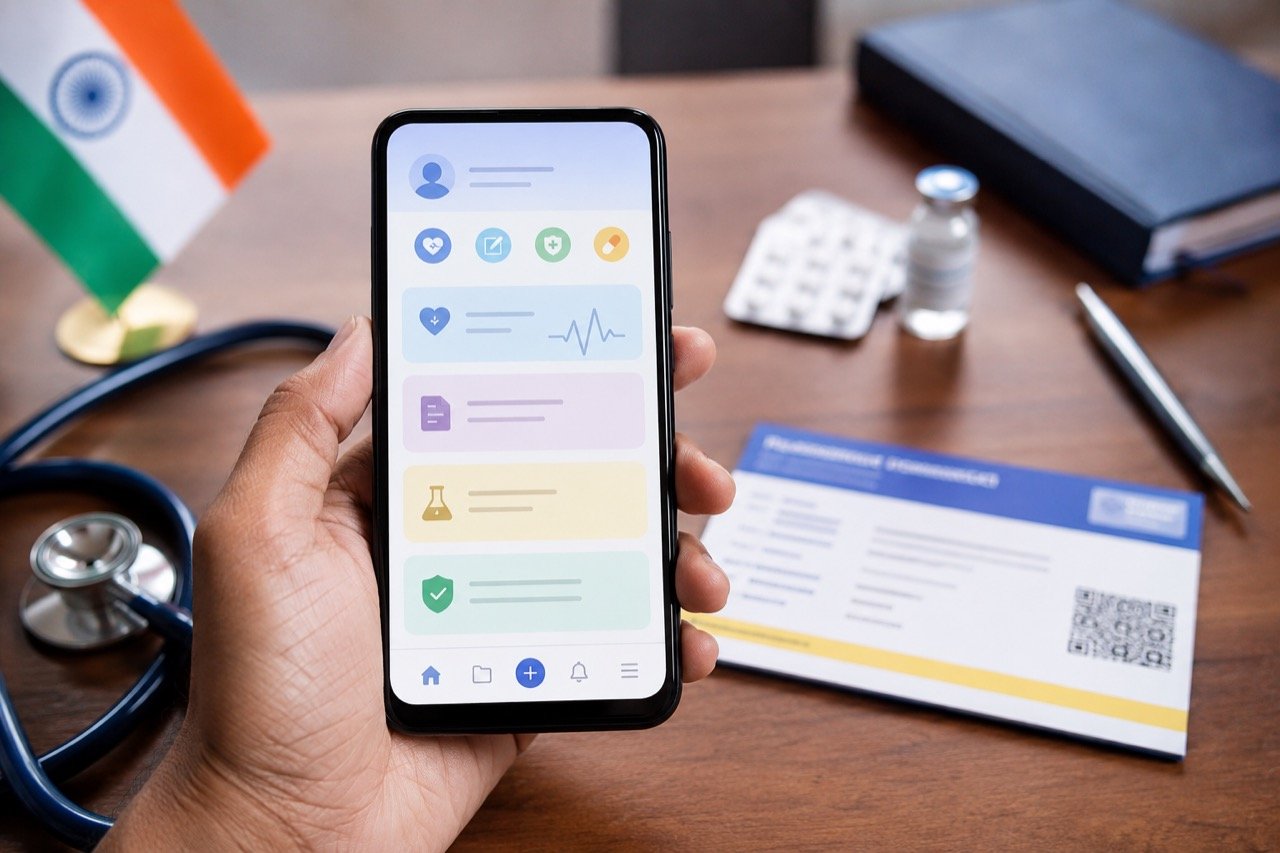
The pandemic-era contact tracing app has been relaunched as a personal health record platform, betting that portable medical data can find a place in India's growing digital health ecosystem.
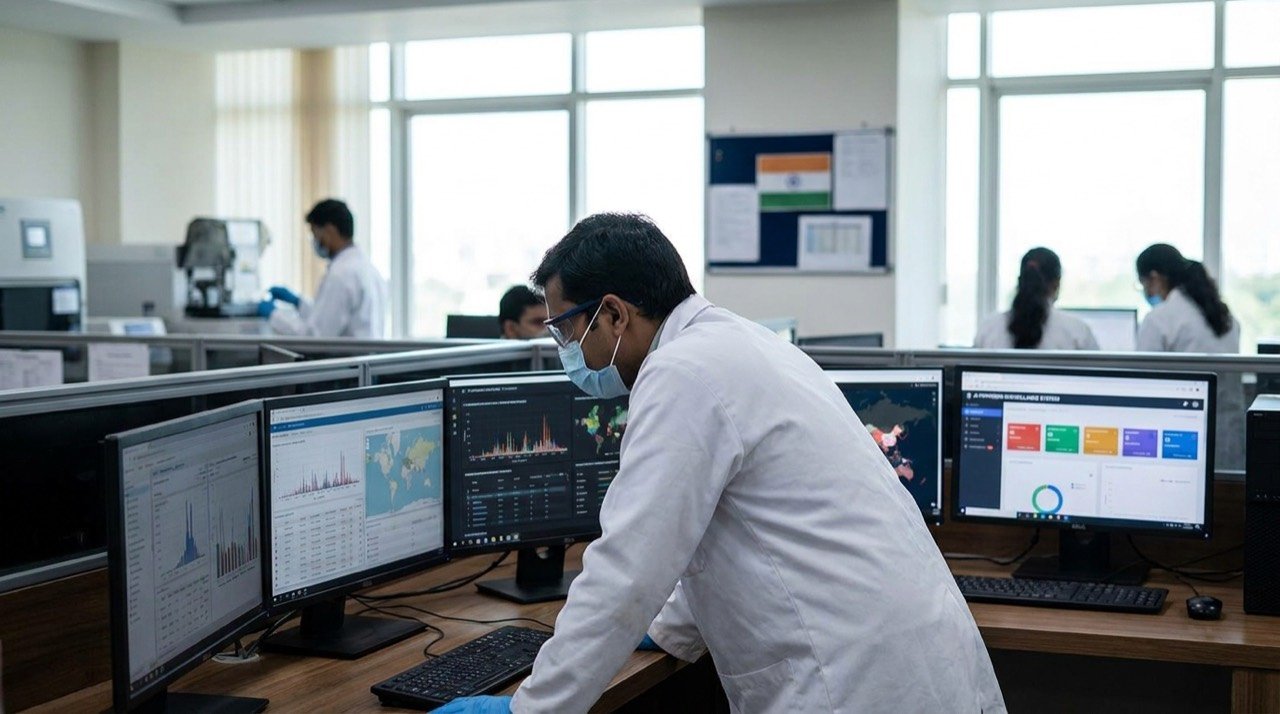
Drawing on the hard lessons of COVID-19, the ICMR is inviting proposals for AI systems to detect emerging pathogens across people, animals and the environment, in a bid to predict outbreaks rather than react to them.
After the Food and Drug Administration shut two blood centres, Maharashtra has ordered inspections of every facility in the state, putting blood-bank safety, licensing and public trust in health infrastructure under fresh scrutiny.
The National Medical Commission's reported plan to discontinue postgraduate medical diplomas and convert eligible seats into MD and MS programmes is stirring debate over India's specialist training and seat availability.
Whether a hospital sits inside an insurer's cashless network can decide if a family pays lakhs upfront during an emergency or walks in with paperwork alone, making it a first-order question for policy buyers.
A cobra bite that killed a toddler in Pune district has reopened questions about hospital reporting, fast anti-venom access and the deadly cost of delayed treatment in rural India.
India's drug regulator CDSCO has marked 159 medicine samples as not of standard quality for May 2026, with one declared spurious, renewing scrutiny of batch-level quality control across the pharmaceutical supply chain.
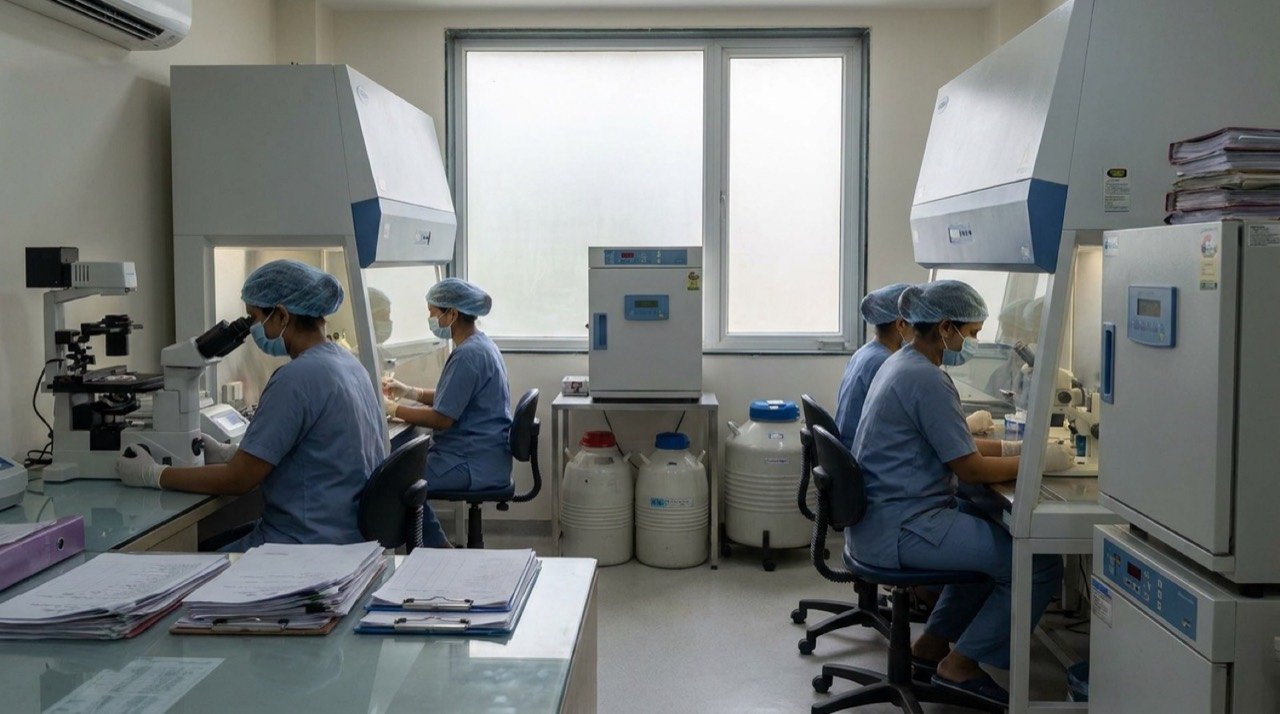
The Union government has mandated periodic registration renewal for ART and surrogacy clinics, tightening oversight of India's fast-growing fertility sector to protect patients, donors and surrogates.
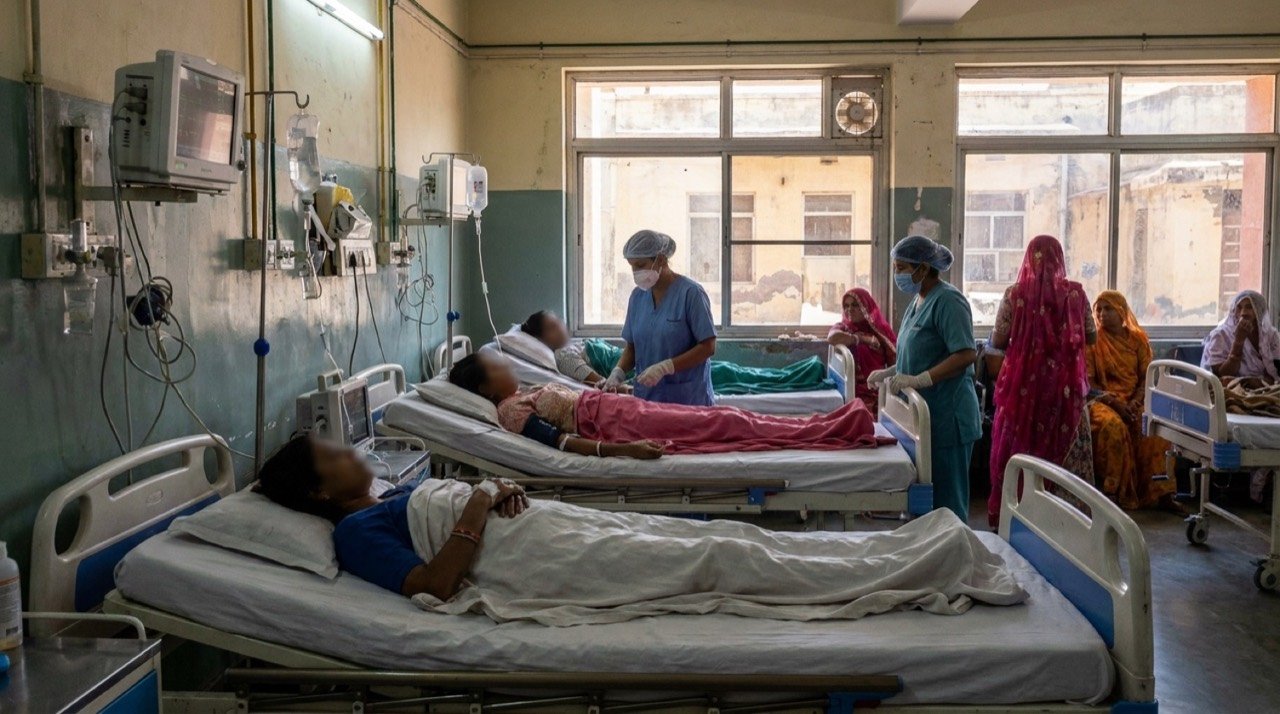
Eight women developed serious complications, including kidney failure, after Caesarean deliveries at a Jodhpur district hospital, prompting a high-level probe and the closure of its operation theatre.
New validation data and menstrual-blood research suggest a future where a condition that takes years to identify could be flagged from a simple sample rather than surgery.
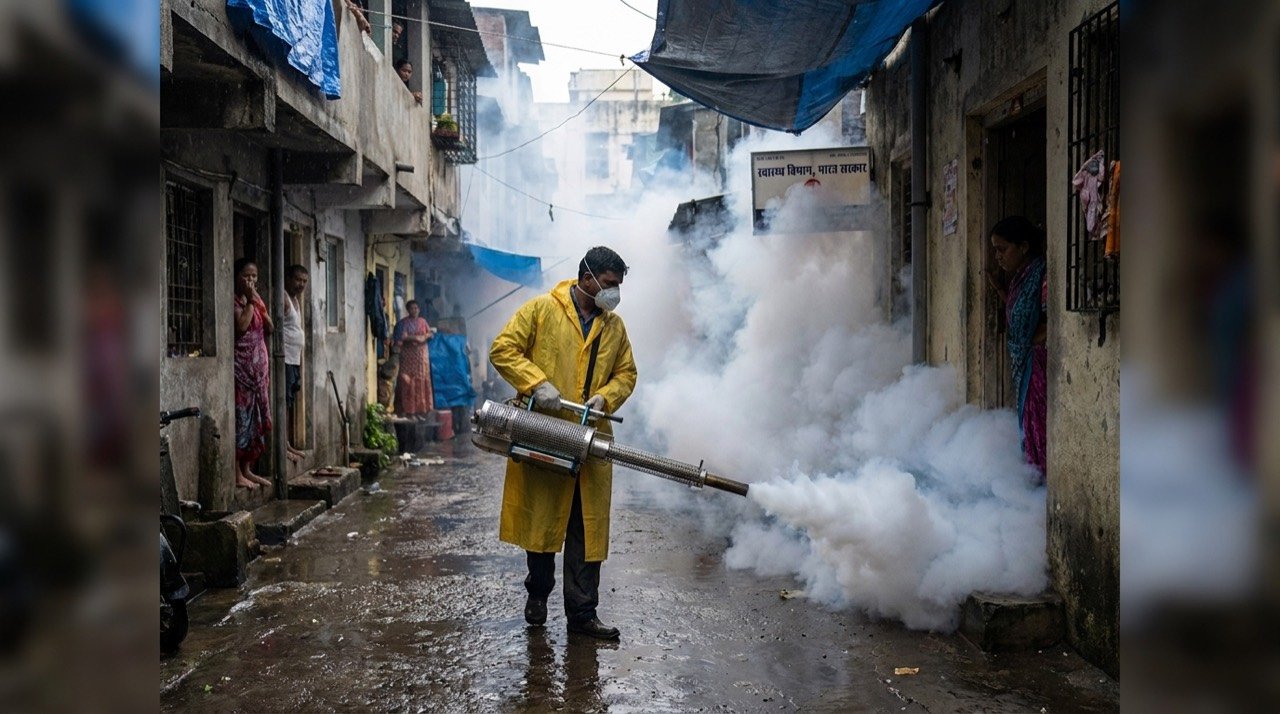
With dengue, malaria and chikungunya cases historically peaking after the rains, civic bodies led by Delhi are activating sentinel hospitals and stepping up mosquito control ahead of the dangerous monsoon months.
The National Medical Commission says 2026-27 will be the final admission cycle for postgraduate diploma medical courses, with seats set to convert into MD and MS degree programmes from 2027-28.
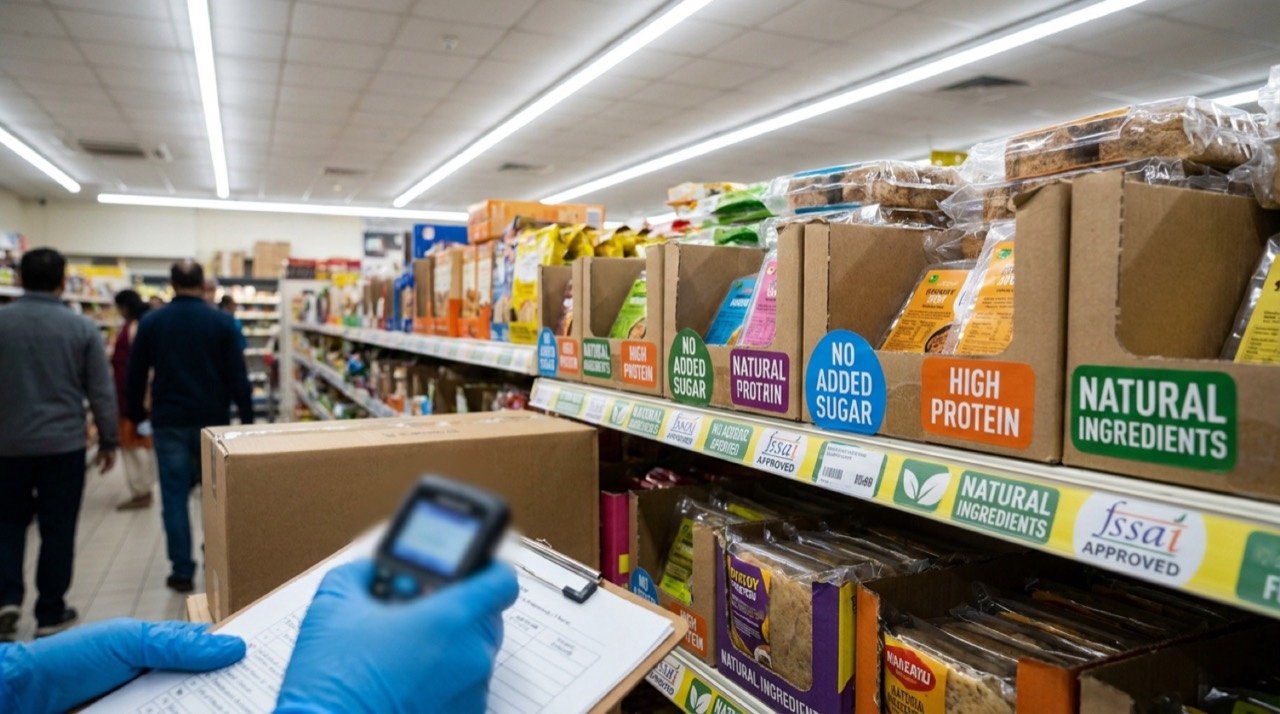
Food regulator FSSAI has reportedly issued notices over health and nutrition claims on packaged foods, sharpening scrutiny of labels like 'no added sugar', 'high protein' and 'immunity support'.
India has crossed five lakh organ donation pledges, a landmark for transplant awareness, but doctors warn the real test is converting promises into timely, ethical and well-coordinated donations.
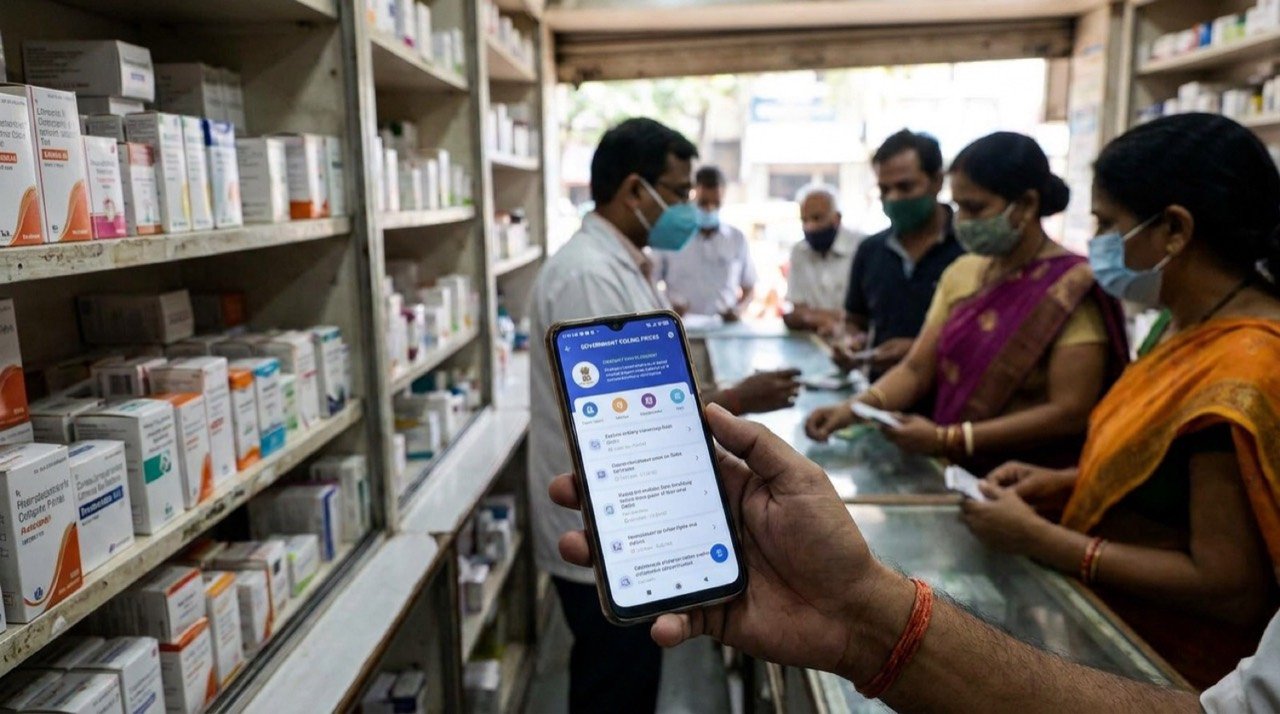
India's drug pricing regulator has merged its grievance portal with its price-checking tool, letting citizens verify medicine prices and file complaints from one place.
A new corporate mental health report finds counselling sessions rising sharply since 2023, with workers in their early twenties driving the change and finance emerging as an unexpected hotspot.
Real-world data presented at a major oncology meeting hints that GLP-1 medicines, already widely used for diabetes and obesity, may reduce the odds of certain cancers advancing.
With semaglutide patents beginning to expire, a wave of low-cost Indian generics is widening access to GLP-1 weight-loss and diabetes drugs, even as doctors urge caution against misuse.
Fresh data underscoring India's shortage of public hospital beds has reignited debate over whether the country's health infrastructure can keep pace with rising demand and a fast-growing private sector.
Health officials say the once-predictable rainy-season cycle of dengue is blurring, with infections surfacing earlier in the year and surveillance now stretching across almost all twelve months.
India's wellness conversation is maturing from quick fixes to prevention, with better sleep, longevity tracking, gut-friendly diets and sober-curious living emerging as the dominant health priorities of 2026.
With the southwest monsoon advancing, health departments across India are scrambling to contain dengue, malaria and chikungunya after an unusually early spike in cases reported before the rains even arrived.
As NIMHANS conducts India's second National Mental Health Survey, researchers are shifting the lens from illness to wellness, amid mounting evidence that young Indians are struggling more than ever.
Researchers at the ICMR-National Institute of Nutrition found that adults with poorer vitamin status carried a markedly higher predicted risk of dementia, pointing to diet as a lever for healthy ageing.
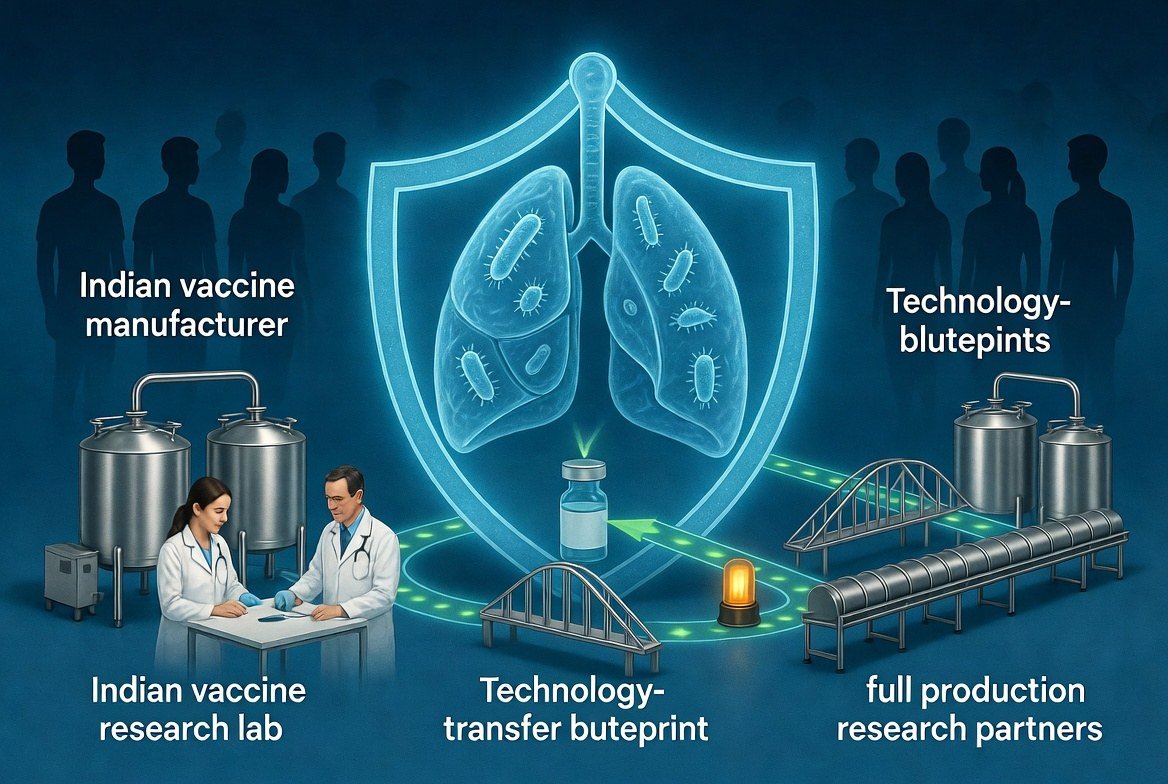
A needle-free, AI-designed vaccine aimed at an entire family of coronaviruses cleared an early-stage human trial, generating broad immune responses without serious side effects.
Months after the nationwide rollout began, India's free HPV vaccination campaign for adolescent girls is reaching deeper into states as authorities race to dent the country's heavy cervical cancer burden.
Indians are moving beyond aesthetics toward functional strength, mobility and recovery, as a maturing fitness culture blends gyms, apps and the outdoors in pursuit of long-term health.
· 6 min read
Showing the 30 most recent of 40 articles by Neha Sharma.