Strength and Longevity: How India's Fitness Culture Is Maturing in 2026
Indians are moving beyond aesthetics toward functional strength, mobility and recovery, as a maturing fitness culture blends gyms, apps and the outdoors in pursuit of long-term health.
Commentary & Analysis ·
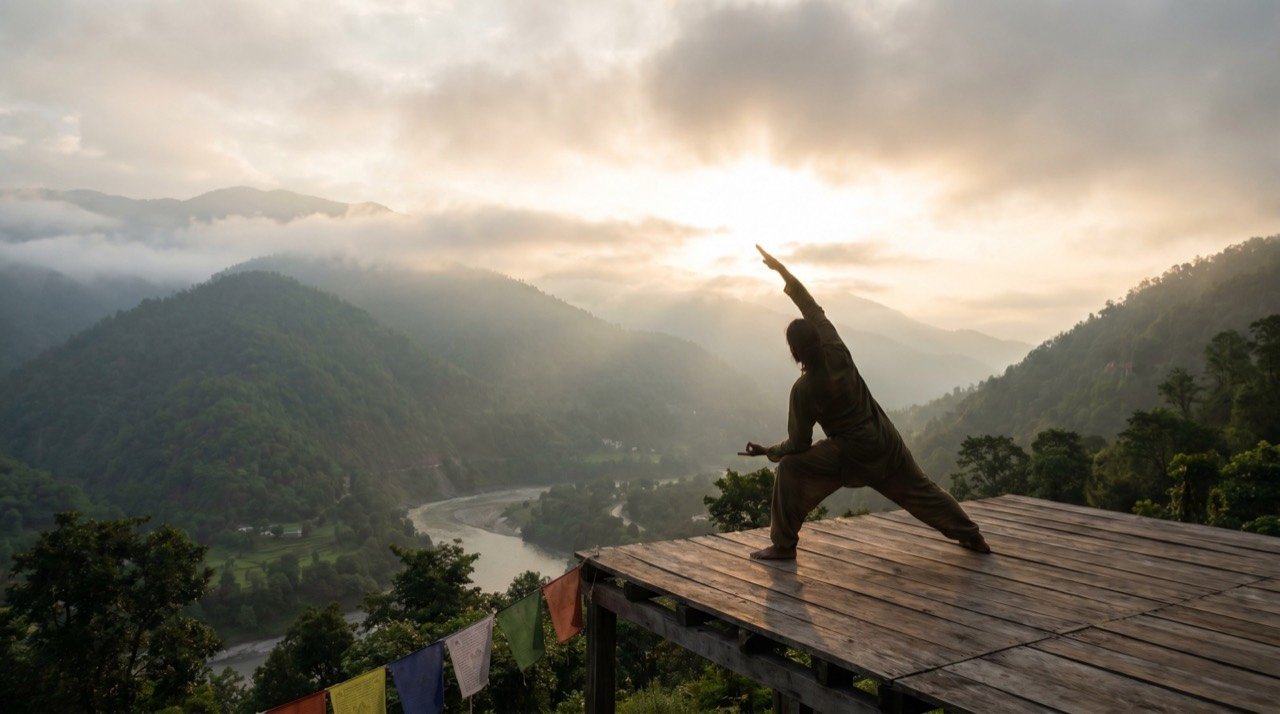
India's relationship with exercise is changing shape. Where the goal was once a quick transformation or a wedding-season six-pack, a growing cohort of urban Indians is now training for something less glamorous and more durable: functional strength, mobility and the ability to stay capable into old age. Fitness, in 2026, is increasingly framed as a long game, and that reframing says as much about the country's changing anxieties around health as it does about gym culture itself.
From aesthetics to function
Functional fitness, which trains the body for real-life movement rather than mirror muscles, has become a defining trend. Strength training in particular is shedding its niche image, with more women and older adults picking up weights for bone density, metabolic health and independence later in life. This is a notable departure from the aesthetics-first culture that dominated Indian gyms for much of the last two decades, when programming was built around visible transformation rather than long-term capability. Surveys suggest a clear majority of urban Indians now recognise the value of regular exercise, which points to a shift in mindset that goes beyond a passing trend and into something closer to a cultural recalibration of what fitness is actually for.
The move towards function over form also reflects a generational learning curve. Many Indians who grew up watching parents and grandparents cope with early-onset diabetes, joint problems and cardiac issues are now approaching their own fitness choices with those outcomes in mind. Training for the ability to squat, carry, climb stairs and get up off the floor without strain is, in effect, training against a family history that feels uncomfortably familiar to many urban professionals.
A booming, commercial wave
The boom is also commercial. The domestic fitness and gym-equipment market is expanding rapidly, fuelled by rising incomes, health awareness and a wave of home-gym investment that outlived the pandemic that sparked it. What began as a stopgap solution during lockdowns, when commercial gyms were shut and living rooms doubled as workout spaces, has evolved into a durable consumer category. Equipment makers, app developers and boutique studios are all competing for a slice of a market that shows no sign of plateauing, and this commercial momentum is itself reinforcing the cultural shift: as more capital flows into strength-focused products and services, the visibility and normalisation of functional training grows in tandem.
Hybrid, smart and outdoors
Three threads define the current wave. Hybrid models blend in-person gym sessions with app-based yoga and HIIT, giving people flexibility to train on their own schedule without abandoning the accountability and equipment access that a physical gym provides. Smart technology and wearables feed data-backed programming and recovery, allowing individuals to track heart-rate variability, sleep quality and training load in ways that were previously the preserve of professional athletes. And a renewed pull toward the outdoors is sending people to parks, trails and community runs for fresh-air workouts, a trend that also carries a social dimension, turning solitary exercise into a shared, community-driven activity.
Taken together, these three threads suggest an ecosystem that is diversifying rather than consolidating around a single model. Functional and strength training are eclipsing pure aesthetic goals as the primary motivation for many gym-goers. Hybrid fitness is blending gym time with app-based home workouts to suit busier, more fragmented urban schedules. Wearables and recovery tools are driving a more data-led approach to training that treats numbers as feedback rather than obsession. And outdoor and adventure-based activity is rising in popularity as people seek variety and a break from indoor, screen-mediated routines.
The wellness reframe
Crucially, recovery, sleep and stress management are now treated as part of fitness rather than afterthoughts. Trainers report clients asking less about how they look and more about how they feel and function, a subtle but significant shift toward a longevity mindset. As one strength and conditioning coach put it, people used to train to look a certain way; now more of them train so they can pick up their grandchildren at seventy. That single observation captures the essence of the shift: fitness is being reframed not as a short-term aesthetic project but as an investment against decades of future decline.
This reframing has implications well beyond the gym floor. It suggests a growing, if still nascent, public awareness that chronic disease and frailty in later life are not inevitable but can be meaningfully delayed through sustained physical capability. For a country grappling with a rising burden of lifestyle diseases, that awareness, however unevenly distributed, is a genuinely positive development.
Who gets left out
As the market matures, the challenge will be making this culture inclusive beyond affluent metros, so that functional fitness becomes a public health asset rather than a lifestyle reserved for the few. Much of the current wave, from wearables and hybrid app subscriptions to boutique strength studios, is priced and marketed for an urban, disposable-income audience. The infrastructure required, free weights, coaching expertise, recovery tools, safe outdoor spaces, is far more accessible in metro neighbourhoods than in smaller towns or lower-income urban pockets, let alone rural India. Without deliberate effort, there is a real risk that the benefits of this shift accrue narrowly, even as the health challenges it responds to, diabetes, cardiac disease, sedentary lifestyles, are shared far more broadly across income and geography.
What would broader diffusion look like in practice? It would likely require public health messaging that promotes low-cost functional movement, bodyweight strength work and walking or outdoor activity that does not depend on expensive equipment or subscriptions. It would also require government and employer-backed initiatives that treat physical capability as a workplace and community health issue rather than purely a private consumer choice. Until such efforts take hold, the maturing of India's fitness culture will remain, in large part, a story about the country's cities and its middle class.
The NE Times View
A shift from vanity to longevity, mobility and recovery is a healthy maturing of India's fitness culture, and a useful corrective in a country facing rising diabetes and cardiac disease. It reflects a more mature, evidence-informed relationship with the body, one less concerned with how a person looks in a mirror and more concerned with whether they can move, lift and function well for decades to come.
Yet the trend remains largely urban and middle-class, powered by gyms and apps few can reach. The bigger prize is normalising everyday movement and strength across age and income, not just selling premium memberships. Until functional fitness moves beyond metro studios and wearable-driven programming to reach the wider population that bears the heaviest burden of preventable chronic disease, this will remain a story of partial progress, encouraging in direction, but still narrow in reach.
Key takeaways
- India's fitness culture is shifting from aesthetic goals towards functional strength, mobility and longevity, with strength training gaining traction among women and older adults.
- The domestic fitness and gym-equipment market is expanding rapidly, driven by rising incomes and a home-gym boom that has outlasted the pandemic.
- Hybrid training models, wearable-driven data feedback and a renewed pull towards outdoor activity are defining the current wave.
- Recovery, sleep and stress management are increasingly treated as core components of fitness rather than secondary concerns.
- The trend remains concentrated among affluent, urban populations, and its long-term public health value will depend on becoming accessible across income and geography.
You may also like to read
Sleep, Longevity and Gut Health Define India's Wellness Reset in 2026
India's wellness conversation is maturing from quick fixes to prevention, with better sleep, longevity tracking, gut-friendly diets and sober-curious living emerging as the dominant health priorities of 2026.
Goodbye Six-Pack, Hello Mobility: India's Fitness Culture Grows Up in 2026
Pilates studios and functional-movement classes are outpacing traditional gyms as young Indians chase feeling good over looking good.

India's Second National Mental Health Survey Reframes Wellbeing as the Goal
As NIMHANS conducts India's second National Mental Health Survey, researchers are shifting the lens from illness to wellness, amid mounting evidence that young Indians are struggling more than ever.

Jharkhand Teen Dies During Fracture Treatment; CM Orders Probe
The death of a Jharkhand teenager during treatment for a reported fracture has led to family allegations of medical negligence and an official probe ordered by the Chief Minister into what went wrong.
More from this section
More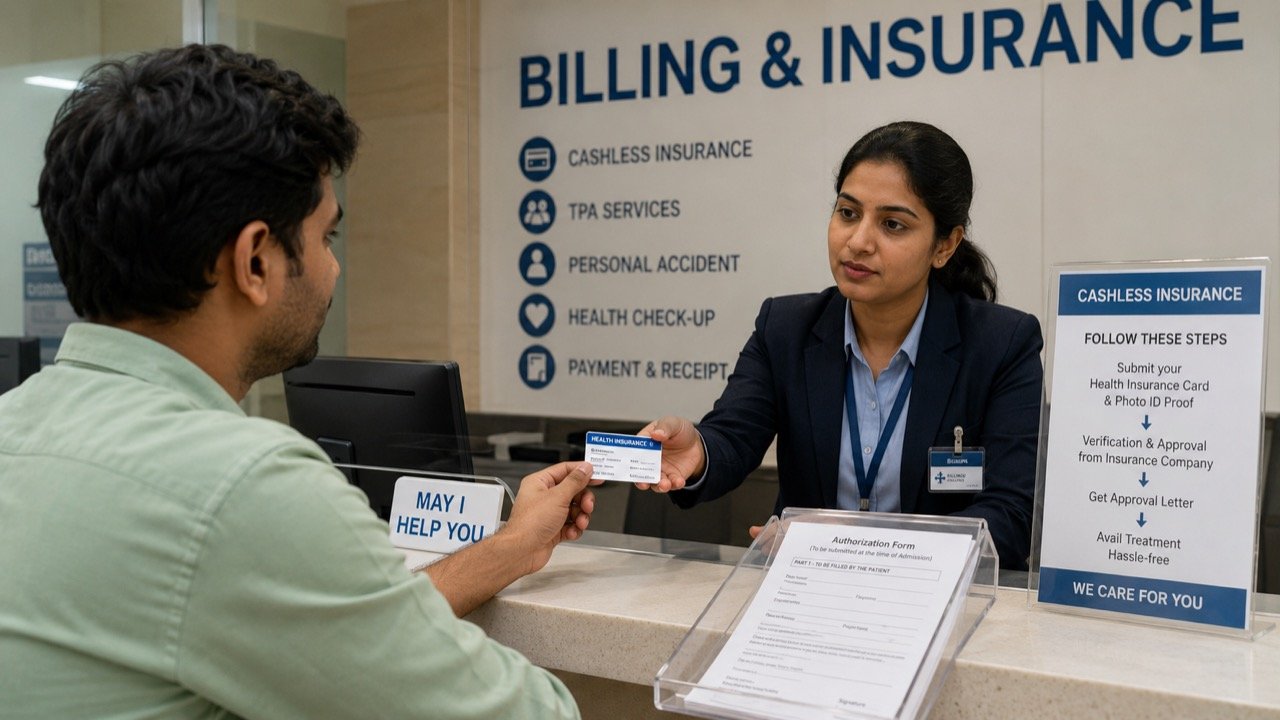
Health Insurance: Why Hospital Cashless Status Matters Before You Buy
Whether a hospital sits inside an insurer's cashless network can decide if a family pays lakhs upfront during an emergency or walks in with paperwork alone, making it a first-order question for policy buyers.
Jharkhand Teen Dies During Fracture Treatment; CM Orders Probe
The death of a Jharkhand teenager during treatment for a reported fracture has led to family allegations of medical negligence and an official probe ordered by the Chief Minister into what went wrong.
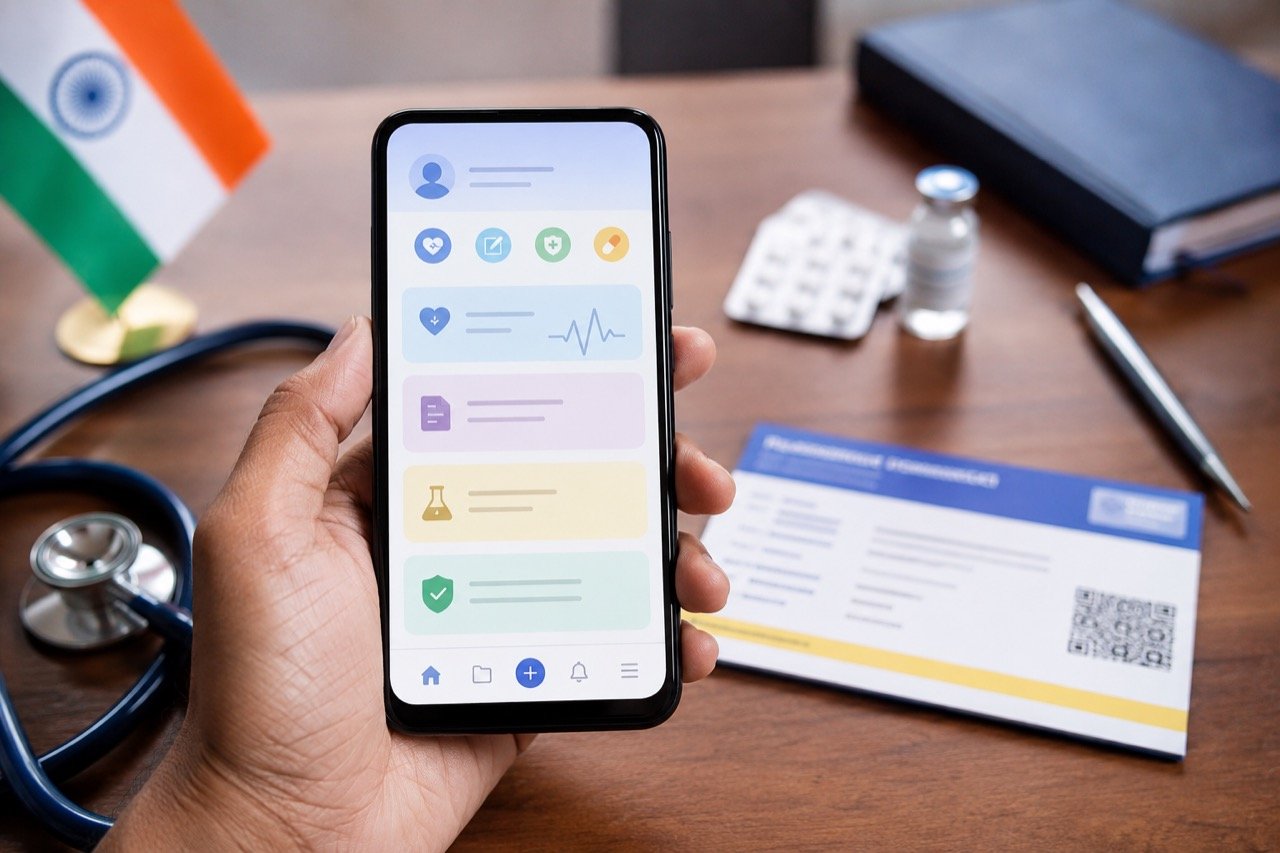
Aarogya Setu 2.0 Returns as India's Personal Health Record App
The pandemic-era contact tracing app has been relaunched as a personal health record platform, betting that portable medical data can find a place in India's growing digital health ecosystem.