Jharkhand Teen Dies During Fracture Treatment; CM Orders Probe
The death of a Jharkhand teenager during treatment for a reported fracture has led to family allegations of medical negligence and an official probe ordered by the Chief Minister into what went wrong.
Commentary & Analysis ·

A teenager in Jharkhand died during treatment for what the family described as a fracture, the Indian Express reported on July 5. Following allegations of negligence from the family, the Chief Minister has ordered a probe into the circumstances of the death. The case, still in its early stages, has already begun to raise uncomfortable questions about how routine medical procedures are handled in the state's healthcare facilities, and about what recourse grieving families have when treatment goes fatally wrong.
What is known so far
The confirmed facts remain limited but serious: a young patient died during what should have been a routine course of treatment, the family has alleged negligence, and the state's top office has stepped in to order an inquiry. Negligence has not been established, and it is the official findings that will ultimately determine what actually happened inside the facility. This distinction matters. In the early hours and days after such a death, public sentiment tends to move faster than the facts, and it is easy for a tragedy to harden into a narrative before any credible investigation has had the chance to examine records, procedures and testimony.
Cases like this are emotionally fraught precisely because they involve grief and broken trust. Families expect a fracture — one of the most common injuries treated in any hospital, whether in a metropolitan tertiary centre or a small district facility — to be managed safely, with well-understood protocols and a low margin for error. When a routine case turns fatal, the family is left not only with loss but with a sense that something in the system failed them. They are owed clear answers, delivered honestly and without institutional evasiveness. Equally, doctors and hospital staff are entitled to a fair, evidence-based investigation before conclusions are drawn about their conduct. Both obligations can be honoured simultaneously by a probe that is thorough, impartial and conducted with appropriate urgency.
Why a Chief Minister's intervention matters
The fact that the Chief Minister's office has ordered a probe signals that this case has been treated as more than a routine hospital matter. In India, health is largely a state subject, and the involvement of the state's highest political office in what would otherwise be handled at the level of a district health department or hospital administration suggests recognition of the case's sensitivity and the public disquiet it has generated. Such interventions can cut both ways. On one hand, they can accelerate a process that might otherwise stall in bureaucratic inertia, ensuring that records are secured, staff are questioned promptly, and the family is kept informed. On the other, high-profile political attention can create pressure for a quick resolution that satisfies public sentiment rather than one that painstakingly establishes the truth. The manner in which this probe proceeds, whether it takes the time necessary to examine clinical records and procedural compliance, or whether it moves swiftly toward a predetermined conclusion, will say much about which of these paths Jharkhand has chosen.
The accountability question
The probe is now the central development, and its findings should establish several things clearly: whether clinical negligence occurred, whether hospital systems and protocols failed at any stage, and what corrective or disciplinary action must follow if failures are confirmed. This is not simply a matter of assigning individual blame. A single tragic outcome can stem from many different points of failure, an individual clinician's error, a breakdown in supervision, inadequate staffing, poor equipment maintenance, or gaps in how emergency complications are escalated and managed. A credible inquiry needs to examine the full chain of events rather than settling on the most convenient explanation.
The episode also spotlights a broader need across public healthcare in India: transparent clinical records that can be independently reviewed, honest and timely communication with families when something goes wrong, and a functioning system of administrative review that does not wait for political intervention or media coverage to activate. In many parts of the country, families who lose a loved one during treatment describe similar experiences, difficulty obtaining medical records, vague or contradictory explanations from hospital staff, and a sense that internal reviews, when they happen at all, are neither independent nor conclusive. If this case follows that familiar pattern, the damage to public confidence will extend well beyond the specific facility involved.
What families and the public are owed
For the family at the centre of this case, the immediate need is information: a clear, documented account of what happened during treatment, access to medical records, and a genuine channel through which their allegations of negligence can be tested rather than dismissed. For the wider public, the need is reassurance that such incidents are not treated as isolated embarrassments to be managed quietly, but as signals that deserve serious institutional attention. Every family bringing a child or teenager in with a fracture, arguably one of the more mundane reasons for a hospital visit, should be able to trust that the system around them is competent and accountable. When that assumption is shaken, even a single case can have a disproportionate effect on public trust in local healthcare institutions, discouraging people from seeking timely treatment or pushing them toward facilities perceived as safer, often at greater cost or distance.
The NE Times View
Public confidence in healthcare rests not only on the quality of treatment but on how institutions respond when something goes tragically wrong. The Chief Minister's swift order for a probe is the right first step, but its value will depend entirely on whether the inquiry is independent, time-bound, and its findings made public. An investigation conducted behind closed doors, with no clear deadline and no obligation to share conclusions, risks becoming a formality rather than a genuine mechanism of accountability.
Too many such investigations in India fade without resolution, leaving families without closure and hospitals without lessons learned. The pattern is familiar: a death draws public attention, a probe is announced amid assurances of accountability, and then, absent sustained scrutiny, the matter quietly recedes from view. Jharkhand has an opportunity to break that pattern and show that accountability in public health can be more than a headline. Doing so would require the probe to produce a public report, name specific corrective measures if failures are found, and set out a timeline for implementation, rather than issuing a vague statement that the matter has been "looked into." Readers should watch closely whether this probe delivers findings, not just assurances, because it is in that gap, between promise and delivery, that public trust in healthcare institutions is either rebuilt or further eroded.
Key takeaways
- A teenager in Jharkhand died during treatment for a reported fracture, prompting the family to allege negligence and the Chief Minister to order a formal probe.
- No negligence has yet been established; the outcome depends on an inquiry that examines clinical records, staff conduct and hospital systems rather than a rush to judgement.
- The case highlights a wider gap in Indian public healthcare around transparent records, honest communication with grieving families, and timely administrative review.
- Political intervention at the Chief Minister's level can speed up scrutiny, but only sustained, independent follow-through will determine whether it produces real accountability.
- The credibility of this probe will be judged by whether its findings are made public and acted upon, not merely by the fact that it was ordered.
You may also like to read
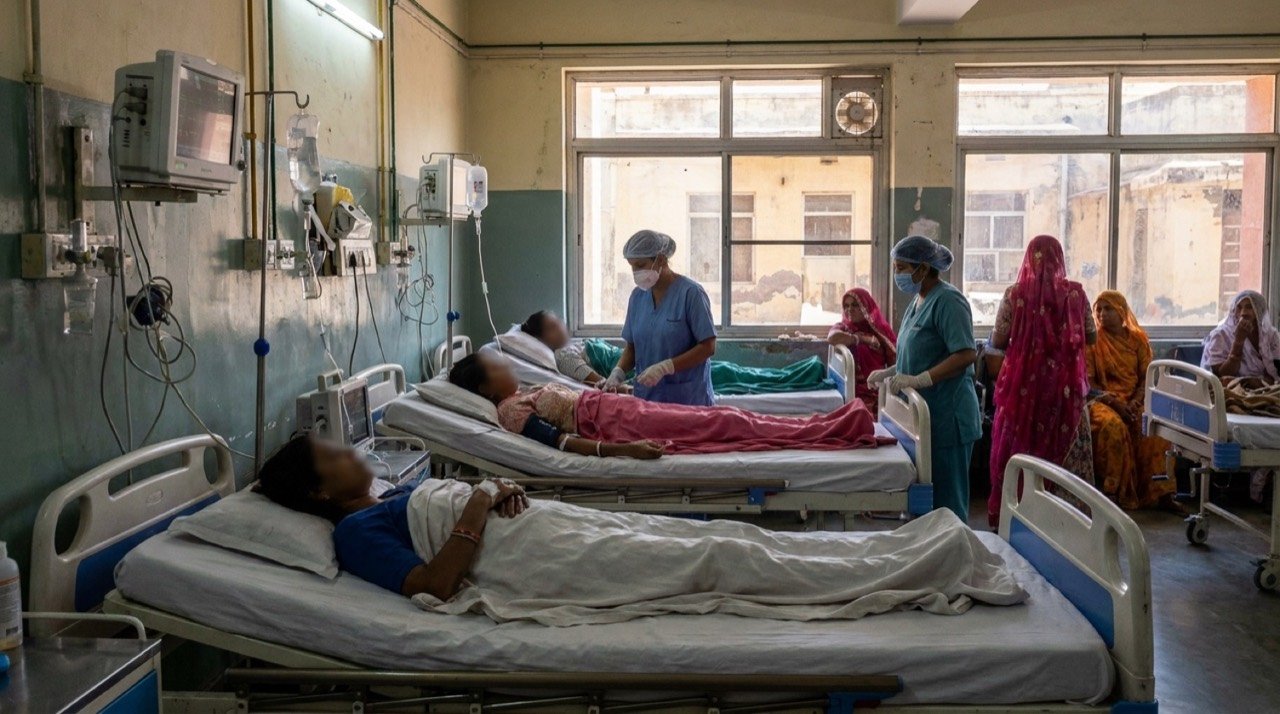
Jodhpur C-Section Complications Trigger Probe as Eight Women Fall Ill
Eight women developed serious complications, including kidney failure, after Caesarean deliveries at a Jodhpur district hospital, prompting a high-level probe and the closure of its operation theatre.
NMC Move to Phase Out PG Medical Diplomas Reshapes Specialist Training Debate
The National Medical Commission's reported plan to discontinue postgraduate medical diplomas and convert eligible seats into MD and MS programmes is stirring debate over India's specialist training and seat availability.
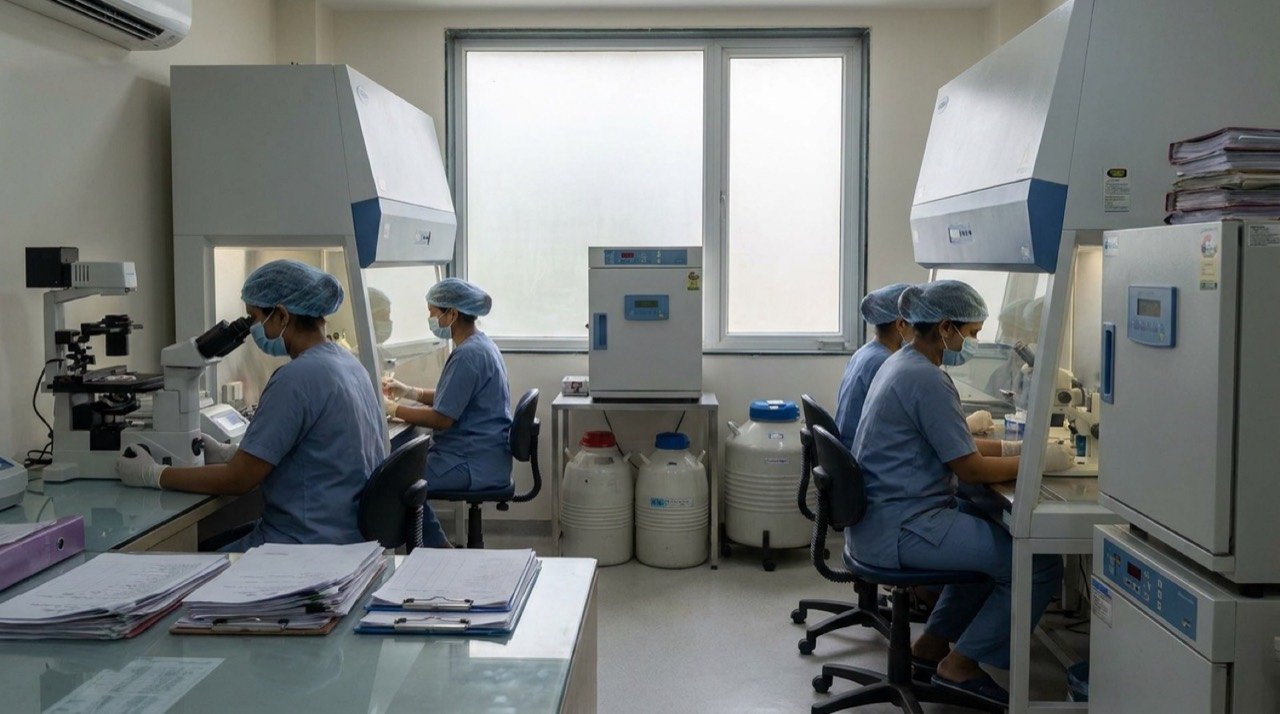
Centre Mandates Periodic Renewal for ART and Surrogacy Clinics
The Union government has mandated periodic registration renewal for ART and surrogacy clinics, tightening oversight of India's fast-growing fertility sector to protect patients, donors and surrogates.
India's Organ Donation Pledges Cross Five Lakh Milestone
India has crossed five lakh organ donation pledges, a landmark for transplant awareness, but doctors warn the real test is converting promises into timely, ethical and well-coordinated donations.
More from this section
More
Health Insurance: Why Hospital Cashless Status Matters Before You Buy
Whether a hospital sits inside an insurer's cashless network can decide if a family pays lakhs upfront during an emergency or walks in with paperwork alone, making it a first-order question for policy buyers.
Aarogya Setu 2.0 Returns as India's Personal Health Record App
The pandemic-era contact tracing app has been relaunched as a personal health record platform, betting that portable medical data can find a place in India's growing digital health ecosystem.

Maharashtra Orders Statewide Blood Centre Checks After FDA Shutdowns
After the Food and Drug Administration shut two blood centres, Maharashtra has ordered inspections of every facility in the state, putting blood-bank safety, licensing and public trust in health infrastructure under fresh scrutiny.