Aarogya Setu 2.0 Returns as India's Personal Health Record App
The pandemic-era contact tracing app has been relaunched as a personal health record platform, betting that portable medical data can find a place in India's growing digital health ecosystem.
Commentary & Analysis ·
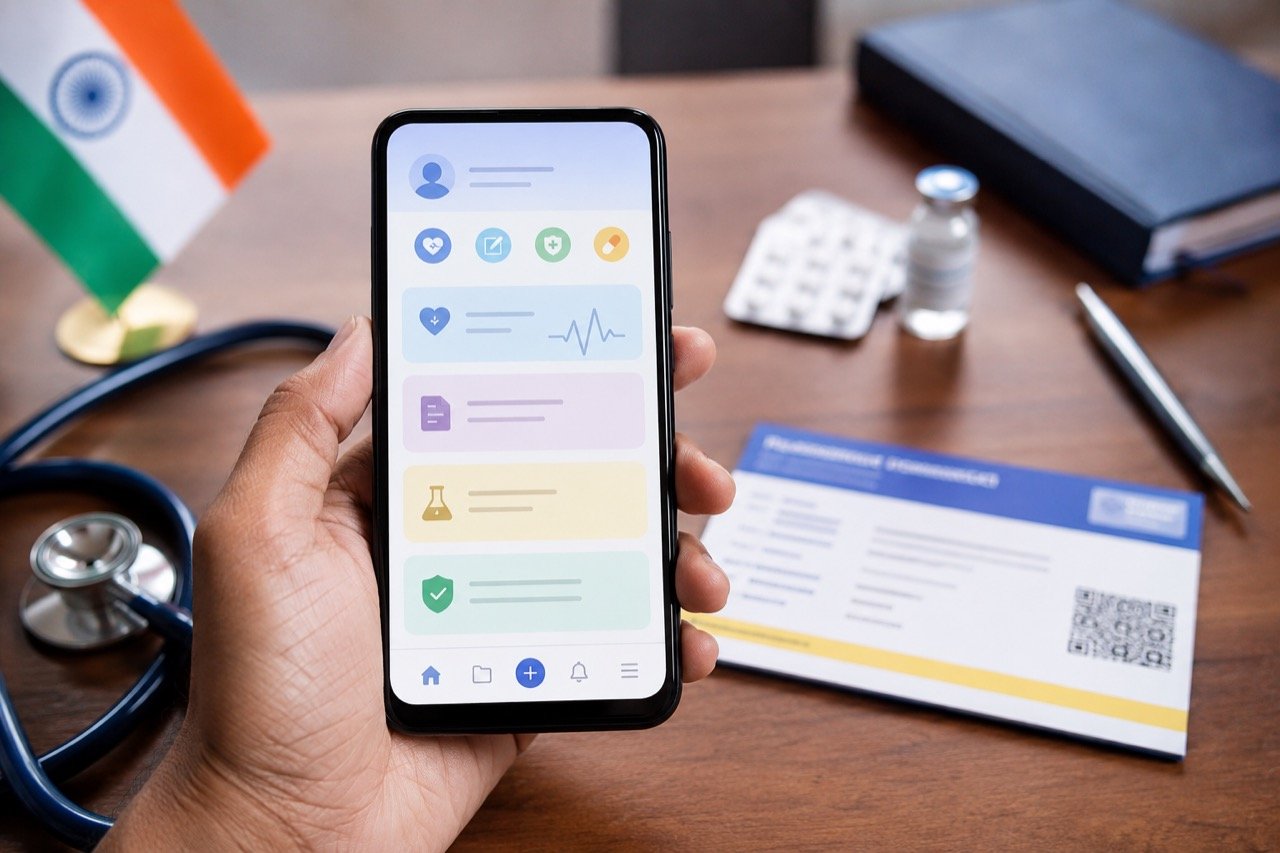
Aarogya Setu, the app most Indians remember as a pandemic-era contact tracing tool, has been relaunched in a new avatar. Aarogya Setu 2.0 is now positioned as a personal health record app, designed to let individuals store and manage their medical documents, prescriptions, vaccination records and health data in one place. The relaunch marks a deliberate shift in identity for a platform once synonymous with emergency public health messaging. Rather than tracking exposure risk, the app now aims to slot into India's broader digital health ecosystem as a tool for everyday healthcare management.
The transformation is notable precisely because of what the app used to be. During the pandemic, Aarogya Setu was downloaded onto hundreds of millions of phones as a Bluetooth and location-based tool to flag potential exposure to infection and, in many workplaces and public venues, as a de facto entry pass. That history gave the app an unusually large, if reluctant, user base almost overnight. Its second life as a health records platform seeks to convert that installed footprint into something citizens might actually choose to keep using once the original emergency purpose has faded from memory.
Why portable health records matter
In a country where patients routinely move between public clinics, private hospitals, diagnostic centres and pharmacies, medical records are often scattered across paper files and disconnected systems. A prescription written at one clinic rarely follows the patient to the next, a diagnostic report from one lab is not automatically visible to a specialist elsewhere, and vaccination records are frequently reduced to a photographed card or a scrap of paper tucked into a folder at home. This fragmentation is not a minor inconvenience; it shapes clinical outcomes. Doctors treating a new patient often have to start from scratch, relying on the patient's own recollection of past diagnoses, medications and allergies, which is inherently unreliable.
A portable digital record can reduce that friction, spare patients from repeating tests, and improve continuity of care as they move between providers. This matters especially for patients managing chronic conditions, for the elderly who see multiple specialists, and for families who relocate between cities for work and must rebuild their medical history with each new set of providers. In principle, a single, patient-controlled repository of health information could smooth many of these transitions, cut down on duplicate diagnostic testing, and give clinicians a fuller picture at the point of care.
The interoperability test
The app's usefulness for doctors and hospitals will hinge on interoperability. A personal record platform delivers real value only when it connects with verified providers, laboratories and government health systems; without those links, it risks becoming little more than a document locker. It is one thing to let a user manually upload a scanned prescription or a PDF lab report; it is quite another to have that report populate automatically the moment a recognised diagnostic chain processes a test, or to have a hospital's discharge summary flow directly into the patient's record without any manual intervention.
This is where many well-intentioned digital health initiatives, in India and elsewhere, have historically stumbled. Hospitals and laboratories often run on legacy software that was never designed to talk to a central platform, and persuading thousands of disparate providers, from large private hospital chains down to neighbourhood diagnostic centres, to adopt common data standards and share information in real time is a slow, resource-intensive undertaking. Aarogya Setu 2.0's actual utility will therefore not be determined by how the app looks or how easy it is to download, but by how many of these institutional connections get built, and how quickly.
The trust question
Health data is among the most sensitive information a person holds, and the platform's success will turn on trust. Users will need clarity on consent, data sharing, security, and how records can be corrected or deleted. Medical information reveals far more than a phone number or a shopping habit; it can expose chronic illnesses, mental health history, reproductive health decisions and other deeply personal matters. Any ambiguity about who can access this data, under what circumstances, and for how long it is retained will make users hesitant to store anything beyond the most routine documents.
The Aarogya Setu name cuts both ways: it carries wide recognition, but also lingering associations with pandemic-era surveillance functions that the relaunch must actively move past. Recognition can be an asset when it comes to awareness and initial downloads, since many Indians already have the app on their phones or at least know its name. But that same familiarity carries baggage. The original app's location-tracking and exposure-alert functions, however necessary they may have seemed during a public health emergency, left some users wary of government-run health apps more broadly. Overcoming that scepticism will require more than a redesigned interface; it will require visible, sustained commitments to data protection that go beyond the terms and conditions most users never read.
What stakeholders will be watching
For ordinary users, the test will be practical: does the app actually save time and effort compared with carrying paper files, or does it simply add another login and another place to remember to update? For hospitals and clinics, the calculation will be about integration cost and workflow disruption, and whether participating in the ecosystem genuinely reduces administrative burden rather than adding to it. For insurers, a verified, tamper-resistant health history could streamline claims processing, though this also raises questions about whether insurers might eventually seek access to records in ways that affect pricing or eligibility decisions, a concern users will want addressed explicitly.
For the government, the relaunch is also a test of India's broader digital public infrastructure ambitions, following the pattern set by other citizen-facing digital platforms. Digital health has long been flagged as a natural extension of this approach, but health data differs from financial or identity data in the intensity of scrutiny it invites, and the government will need to demonstrate that lessons from earlier privacy debates have been absorbed.
The NE Times View
Repurposing Aarogya Setu is a pragmatic move — the brand already sits on millions of phones, and India's digital health mission needs a citizen-facing front door. Building an entirely new app and asking users to download it afresh would have meant starting the awareness battle from zero; reviving a familiar name shortcuts that process considerably. But recognition is not the same as trust, and the government must earn the latter with transparent privacy safeguards and genuine user control over data. Simply reassigning a new function to an old app does not automatically erase the associations that came with its original purpose.
If the app integrates cleanly with hospitals, labs and insurers, it could quietly become one of the most useful pieces of India's digital public infrastructure, saving patients time, reducing duplicate testing, and giving doctors a fuller clinical picture at the moment it matters most. If it remains a standalone locker with unclear data practices, users will download it, glance at it once, and forget it, joining the long list of government apps that generate an initial wave of installs followed by steady abandonment. The difference will be decided in execution, not branding. Watch for the pace and depth of provider integrations, the clarity of the consent and deletion framework the government publishes, and whether independent scrutiny of the app's data practices is invited rather than resisted.
Key takeaways
- Aarogya Setu has been relaunched as a personal health record app, moving away from its pandemic-era contact tracing role.
- The app lets users store prescriptions, vaccination records and other medical documents in one place, aiming to reduce the fragmentation of health records across India's healthcare providers.
- Real value depends on interoperability with hospitals, laboratories and government health systems, not merely on manual document uploads.
- Trust is the central challenge, given the sensitivity of health data and the app's lingering association with pandemic-era surveillance.
- Success will be determined by execution, including transparent privacy safeguards and clean integration with the wider healthcare ecosystem, rather than by the app's name recognition alone.
You may also like to read
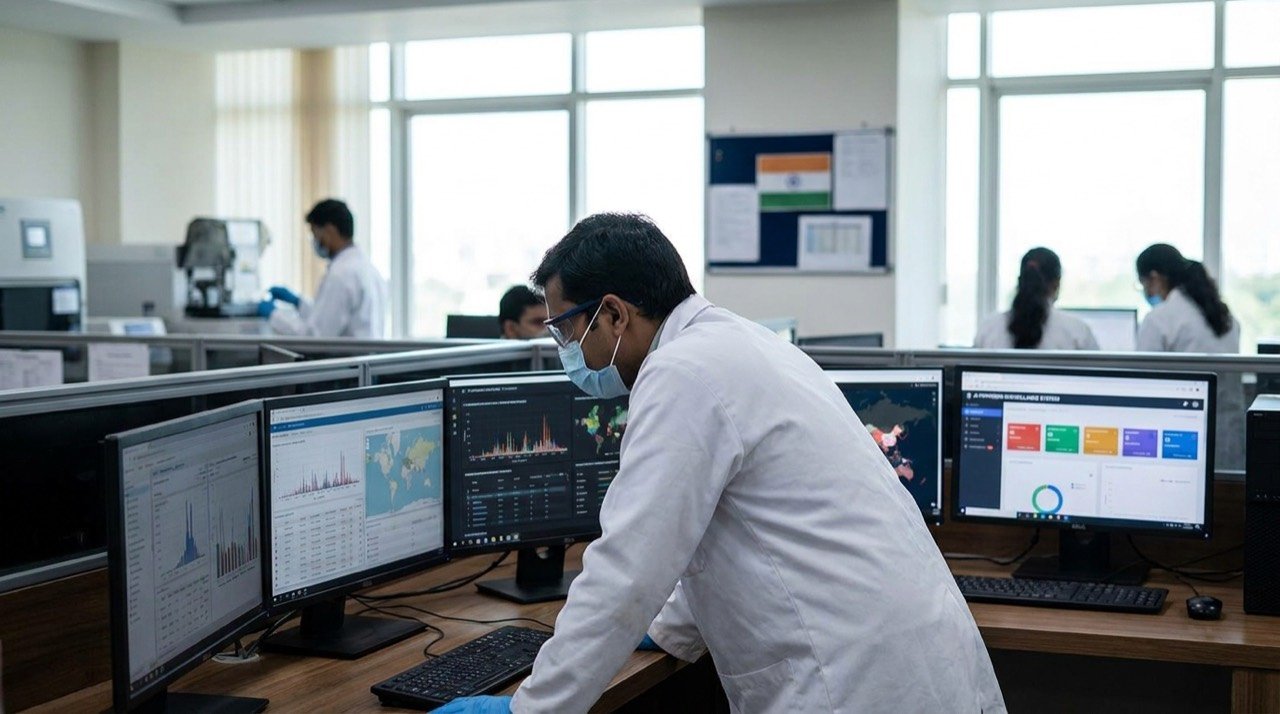
India Bets on AI to Catch the Next Outbreak Under One Health Mission in 2026
Drawing on the hard lessons of COVID-19, the ICMR is inviting proposals for AI systems to detect emerging pathogens across people, animals and the environment, in a bid to predict outbreaks rather than react to them.
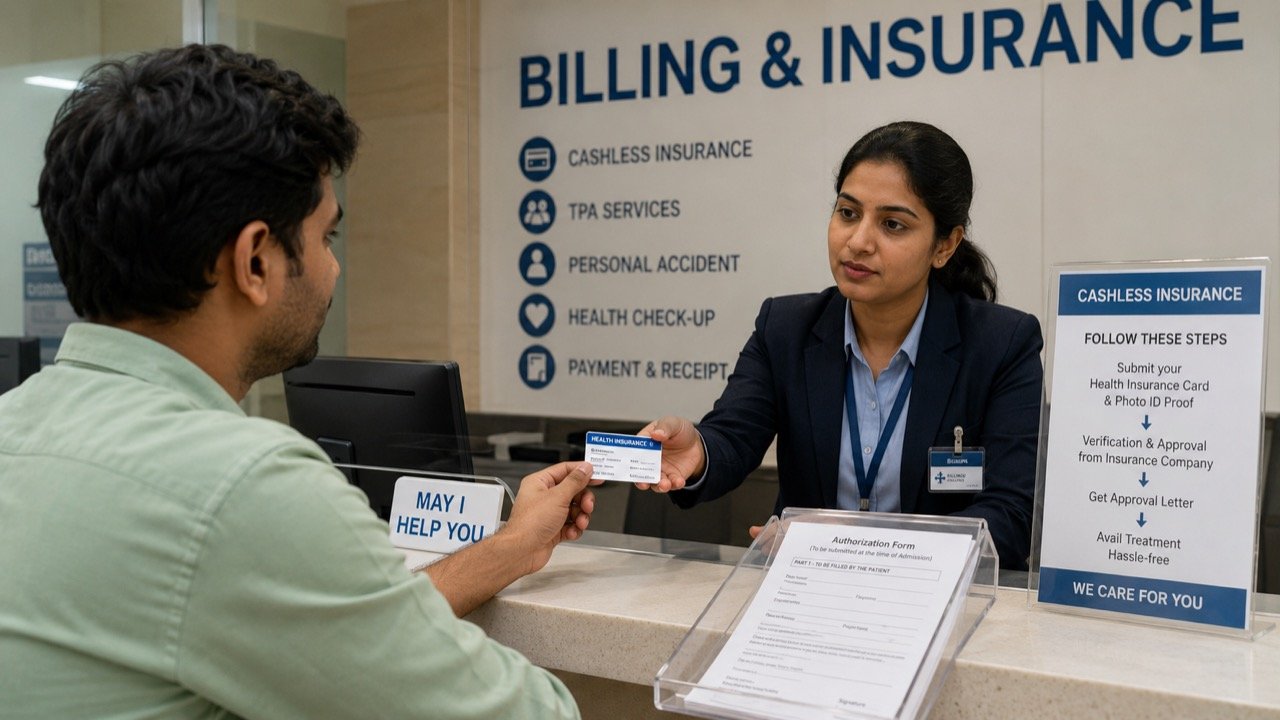
Health Insurance: Why Hospital Cashless Status Matters Before You Buy
Whether a hospital sits inside an insurer's cashless network can decide if a family pays lakhs upfront during an emergency or walks in with paperwork alone, making it a first-order question for policy buyers.
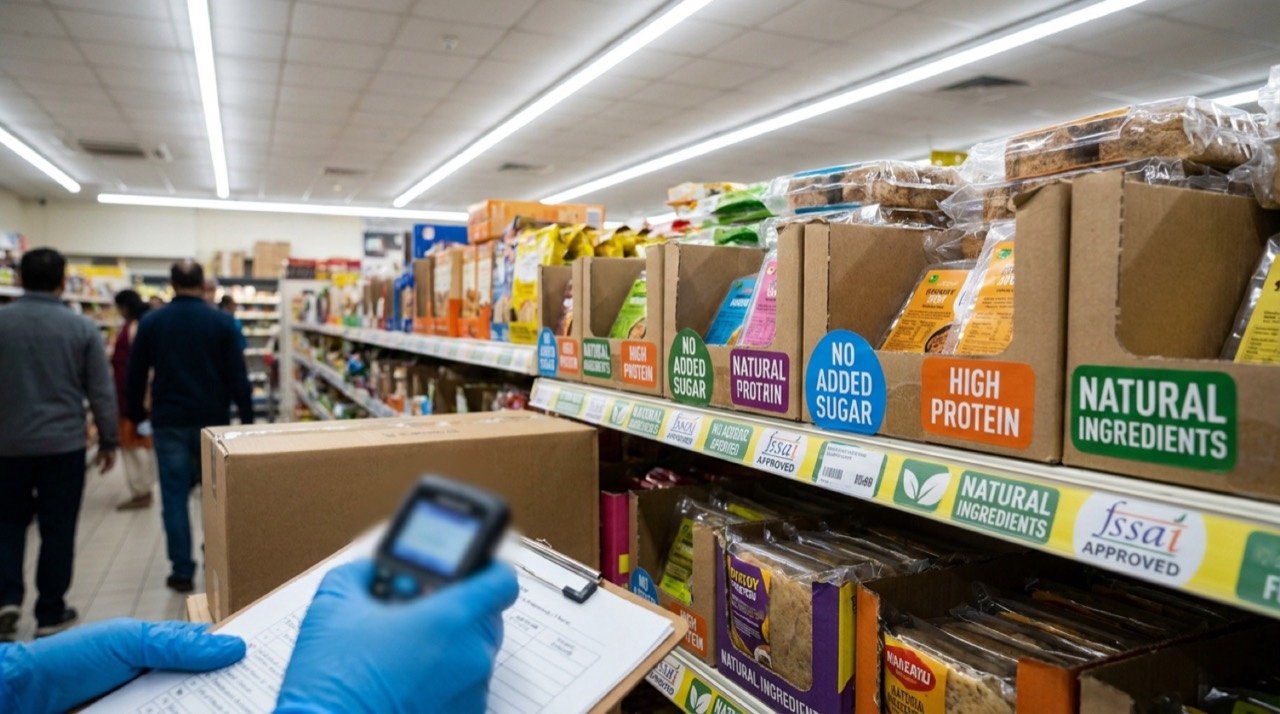
FSSAI Notices Put Packaged-Food Health Claims Under Sharper Scrutiny
Food regulator FSSAI has reportedly issued notices over health and nutrition claims on packaged foods, sharpening scrutiny of labels like 'no added sugar', 'high protein' and 'immunity support'.
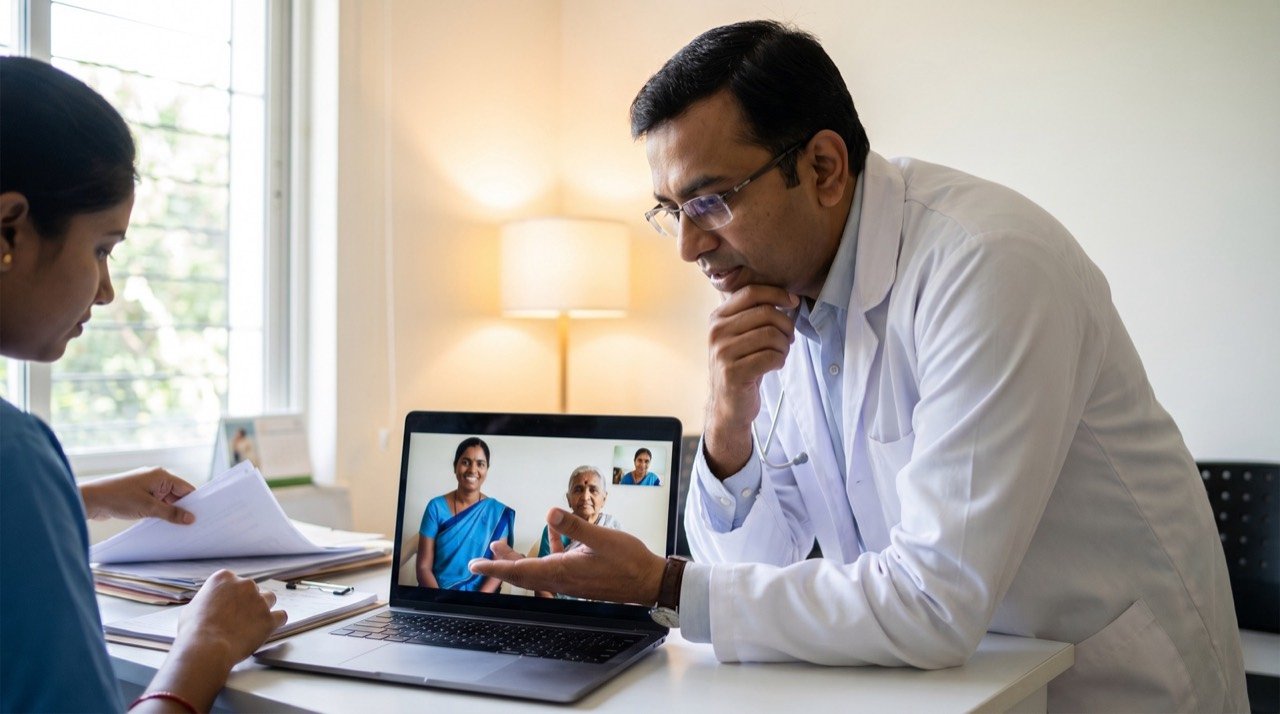
Digital Health Push Brings Telemedicine to More Towns and Villages
A nationwide effort to connect clinics digitally is widening access to doctors and diagnostics far beyond the big cities.
More from this section
MoreHealth Insurance: Why Hospital Cashless Status Matters Before You Buy
Whether a hospital sits inside an insurer's cashless network can decide if a family pays lakhs upfront during an emergency or walks in with paperwork alone, making it a first-order question for policy buyers.

Jharkhand Teen Dies During Fracture Treatment; CM Orders Probe
The death of a Jharkhand teenager during treatment for a reported fracture has led to family allegations of medical negligence and an official probe ordered by the Chief Minister into what went wrong.

Maharashtra Orders Statewide Blood Centre Checks After FDA Shutdowns
After the Food and Drug Administration shut two blood centres, Maharashtra has ordered inspections of every facility in the state, putting blood-bank safety, licensing and public trust in health infrastructure under fresh scrutiny.