Maharashtra Orders Statewide Blood Centre Checks After FDA Shutdowns
After the Food and Drug Administration shut two blood centres, Maharashtra has ordered inspections of every facility in the state, putting blood-bank safety, licensing and public trust in health infrastructure under fresh scrutiny.
Commentary & Analysis ·

Maharashtra has directed inspections of all blood centres across the state after its Food and Drug Administration shut down two facilities, according to public reports. The order puts blood-bank regulation back under the spotlight and raises pointed questions about licensing, safety standards and public confidence in health infrastructure. It is a rare instance of a state regulator moving from a specific enforcement action to a system-wide review, and the manner in which that review is conducted will say a good deal about how seriously Maharashtra takes the gap between its rules on paper and what actually happens inside blood banks day to day.
Why blood centres carry outsized risk
Blood centres sit at one of the most sensitive junctions in healthcare. They underpin emergency care, surgery, cancer treatment, complicated childbirth and accident response. Unlike many other points of failure in a hospital system, a lapse here is rarely visible to the patient until it is too late. A lapse in screening, storage, documentation or licensing at even one facility can ripple far beyond its walls, affecting every hospital and patient that draws on its supply. This is precisely why a statewide inspection order commands attention from hospitals, patients and regulators alike, rather than being treated as a routine administrative exercise. Blood, unlike most medical products, cannot be manufactured to a fixed industrial standard; it depends on donor screening, testing protocols, cold-chain storage and meticulous documentation at every stage, any one of which can fail quietly without immediate visible consequence.
Isolated lapses or a systemic problem?
The inspection drive is best read as a public-health governance move rather than paperwork housekeeping. Comprehensive checks can establish whether the failures found at the two shuttered facilities were one-off breaches or symptoms of wider weakness, particularly at smaller centres that may lack the staff, equipment and compliance culture needed to operate safely. This distinction matters enormously for how the state should respond. If the two closures reflect isolated negligence, the answer may simply be firmer enforcement against outliers. But if a statewide sweep uncovers a pattern, that points to something more structural: inadequate staffing norms, insufficient equipment investment, or a licensing and renewal process that has not kept pace with the number of centres it is meant to oversee. Smaller, resource-constrained centres are particularly exposed here, since they are the ones least likely to have the technical staff or capital to maintain testing and storage standards consistently over time.
The trust question
For patients, the core issue is trust. Few people ever see the chain of collection, testing, storage and distribution behind a unit of blood; they simply assume regulation makes it safe. This is an area where the ordinary mechanisms of consumer vigilance simply do not apply. A patient receiving a transfusion during surgery or after an accident has no ability to inspect what they are being given, no opportunity to ask questions, and no real choice in the matter. That total dependence on an invisible system is exactly why regulatory credibility matters so much here. When facilities are closed, authorities owe the public clear communication about what was found, what corrective action is required and whether blood supply will be affected in the meantime. Silence or vague reassurance in place of specifics tends to erode confidence further, even when the underlying situation is being handled competently.
What a genuine fix would look like
The broader lesson is that healthcare quality depends on constant supervision rather than crisis response. A one-time inspection sweep triggered by a shutdown is, by definition, reactive; the harder and more valuable work is building a system where such lapses are caught by routine oversight long before a facility has to be closed. A transparent inspection drive can genuinely strengthen the system, but only if it ends in corrective action, updated records and durable compliance, not merely a round of visits followed by silence. That means published findings, explicit remediation timelines for any centre found wanting, and a willingness to revisit and re-inspect rather than treating the current drive as a one-off box-ticking exercise. It also means examining whether existing licensing and renewal processes are adequate to catch problems before they escalate to the point of a shutdown, since the two closures that triggered this drive suggest the routine system may not have flagged issues early enough.
The NE Times View
Maharashtra has done the right thing by widening the net, but the real test starts now. Inspection orders in India too often produce headlines first and follow-through later, with findings buried in files while deficient facilities quietly resume operations. The state should publish what its inspectors find, set deadlines for remediation and be willing to keep unsafe centres closed even when that is inconvenient. Blood safety is one area where the public's tolerance for regulatory theatre should be zero; a single contaminated unit can destroy a life and, with it, faith in the entire system. The measure of success here will not be how many centres were inspected, but how many genuine deficiencies were found, corrected and verified, and whether the state is prepared to sustain this scrutiny well beyond the current news cycle.
Key takeaways
- Maharashtra's FDA has ordered statewide blood centre inspections after shutting down two facilities.
- Blood banks are uniquely sensitive because failures in screening, storage or documentation are invisible to patients until harm occurs.
- The inspection drive should determine whether the shutdowns reflect isolated lapses or systemic weaknesses, especially at smaller, under-resourced centres.
- Public trust depends on transparent communication about findings, corrective steps and any impact on blood supply.
- Lasting improvement requires published results, firm remediation deadlines and sustained follow-through rather than a one-time inspection sweep.
You may also like to read
Pune Toddler's Death Renews Focus on India's Snakebite Reporting and Treatment Rules
A cobra bite that killed a toddler in Pune district has reopened questions about hospital reporting, fast anti-venom access and the deadly cost of delayed treatment in rural India.
India Bets on AI to Catch the Next Outbreak Under One Health Mission in 2026
Drawing on the hard lessons of COVID-19, the ICMR is inviting proposals for AI systems to detect emerging pathogens across people, animals and the environment, in a bid to predict outbreaks rather than react to them.
India Braces for Monsoon Disease Season as Cities Ramp Up Vector Surveillance in 2026
With dengue, malaria and chikungunya cases historically peaking after the rains, civic bodies led by Delhi are activating sentinel hospitals and stepping up mosquito control ahead of the dangerous monsoon months.
India's Organ Donation Pledges Cross Five Lakh Milestone
India has crossed five lakh organ donation pledges, a landmark for transplant awareness, but doctors warn the real test is converting promises into timely, ethical and well-coordinated donations.
More from this section
More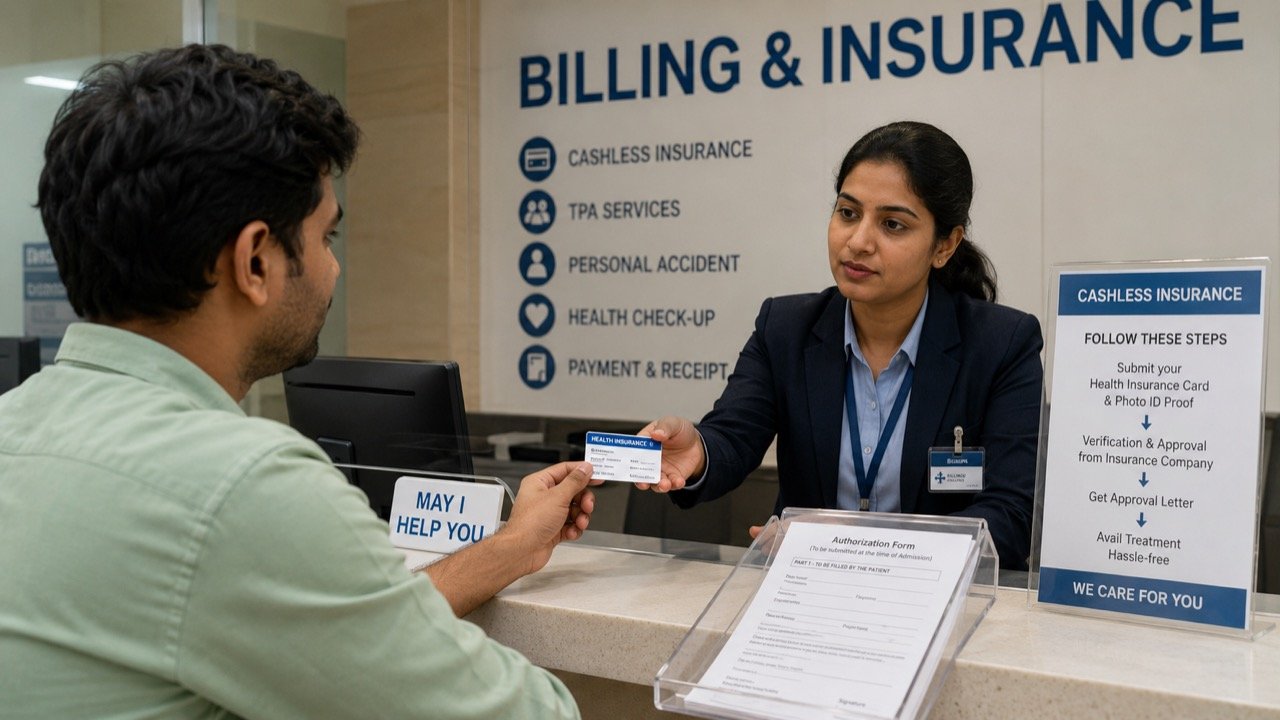
Health Insurance: Why Hospital Cashless Status Matters Before You Buy
Whether a hospital sits inside an insurer's cashless network can decide if a family pays lakhs upfront during an emergency or walks in with paperwork alone, making it a first-order question for policy buyers.

Jharkhand Teen Dies During Fracture Treatment; CM Orders Probe
The death of a Jharkhand teenager during treatment for a reported fracture has led to family allegations of medical negligence and an official probe ordered by the Chief Minister into what went wrong.

Aarogya Setu 2.0 Returns as India's Personal Health Record App
The pandemic-era contact tracing app has been relaunched as a personal health record platform, betting that portable medical data can find a place in India's growing digital health ecosystem.