Pune Toddler's Death Renews Focus on India's Snakebite Reporting and Treatment Rules
A cobra bite that killed a toddler in Pune district has reopened questions about hospital reporting, fast anti-venom access and the deadly cost of delayed treatment in rural India.
Commentary & Analysis ·
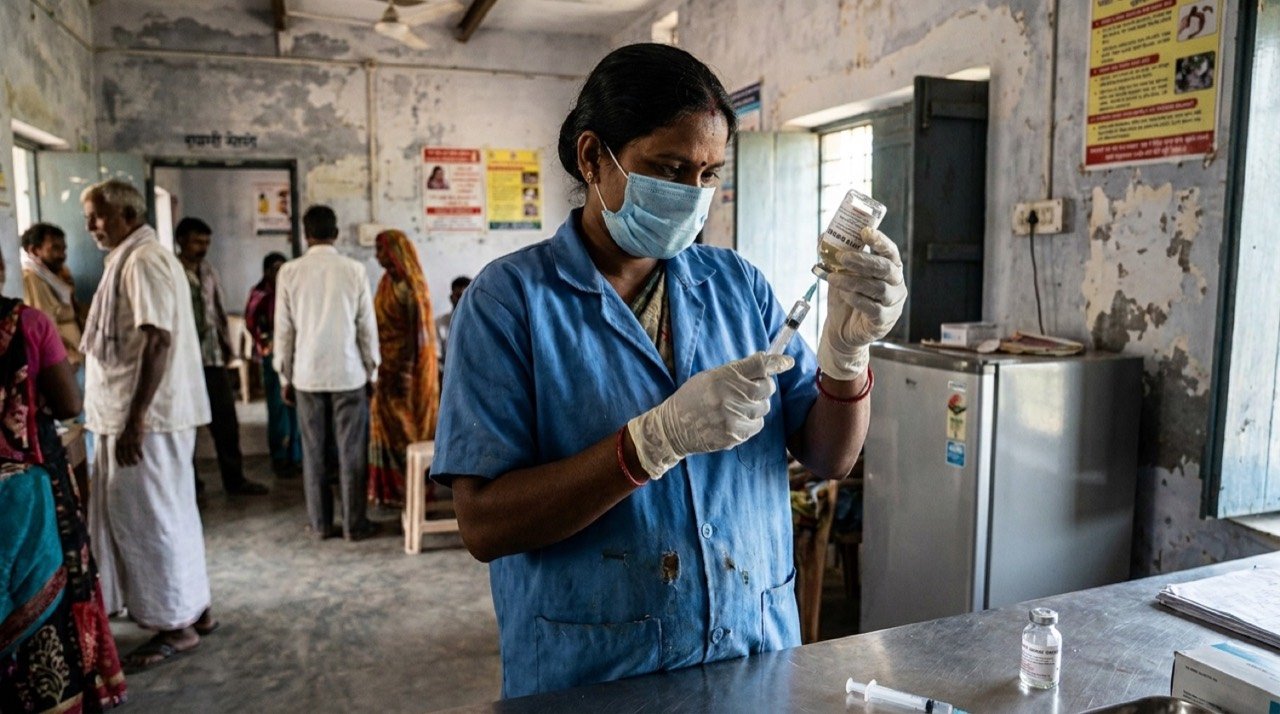
The death of a toddler after a cobra bite in Pune district has once again drawn attention to one of India's most persistent and preventable public-health failures: snakebite. The case has renewed debate over how quickly victims reach proper care, whether hospitals record cases correctly, and how reliably anti-venom is stocked where it is needed most.
A preventable tragedy
Officials and health workers have stressed that snakebite must be treated as a medical emergency, with every minute counting toward survival. Delays, whether in transport, diagnosis or access to anti-venom, can decide the outcome, and young children are especially vulnerable to a venomous bite.
India carries one of the world's heaviest snakebite burdens, with tens of thousands of deaths recorded annually, many in rural districts where the nearest equipped facility can be far away. Each case that ends in death is, in most instances, a failure of the system rather than the absence of a cure.
The danger of traditional remedies
The Pune case is also a sharp reminder that families should avoid traditional or home remedies, which waste the narrow window in which treatment is most effective. The World Health Organization's guidance is unambiguous: victims should be moved immediately to the nearest health facility equipped to administer anti-snake venom.
Folk beliefs, tourniquets and ritual healers remain common first responses in parts of rural India, yet they routinely delay the only proven intervention. Public awareness, especially during the monsoon months when bites peak, is as vital as the medicine itself.
What can save lives
Experts point to a familiar set of measures that, taken together, sharply improve survival in snakebite-prone regions such as rural Maharashtra.
- Stronger ambulance links to move victims fast to equipped facilities
- Reliably stocked anti-snake venom at primary and rural health centres
- Trained staff confident in administering and managing anti-venom
- Proper hospital reporting so cases are recorded and tracked
- Community education to reject traditional remedies and seek immediate care
Accurate reporting underpins all of this. Without dependable data on where and when bites occur, planners cannot position anti-venom stocks or target awareness drives effectively, leaving rural populations exposed year after year.
“Snakebite cases must be treated urgently and recorded properly, because delays can decide outcomes.”
— Health officials
The loss of a child in Pune is a single, devastating case, but it stands in for a far larger problem. Closing the gap between a snakebite and effective treatment, through faster transport, assured anti-venom supply and honest reporting, remains one of the most achievable ways to save lives across rural India.
The NE Times View
Snakebite kills tens of thousands of Indians yearly, overwhelmingly the rural poor, yet it remains a neglected emergency. A toddler's death exposes the chain that fails repeatedly: distant facilities, erratic anti-venom stocks and delayed treatment. Making snakebite a notifiable disease would force the data that drives planning. The fix is unglamorous but known: stock anti-venom at primary health centres, train staff, and cut the time between bite and treatment.
This article is original commentary and analysis by The NE Times. Background facts were referenced from The Indian Express and the World Health Organization.
You may also like to read

Maharashtra Orders Statewide Blood Centre Checks After FDA Shutdowns
After the Food and Drug Administration shut two blood centres, Maharashtra has ordered inspections of every facility in the state, putting blood-bank safety, licensing and public trust in health infrastructure under fresh scrutiny.
India's Hospital Bed Gap Back in Focus as Public System Strains
Fresh data underscoring India's shortage of public hospital beds has reignited debate over whether the country's health infrastructure can keep pace with rising demand and a fast-growing private sector.
Pune Lohagad Trek Death Turns Into Murder Probe As Fiancée, Friend Arrested
Police arrested a Pune businessman's fiancée and her friend after fresh evidence reframed his fatal fall at Lohagad Fort from an accident into a suspected murder investigation.
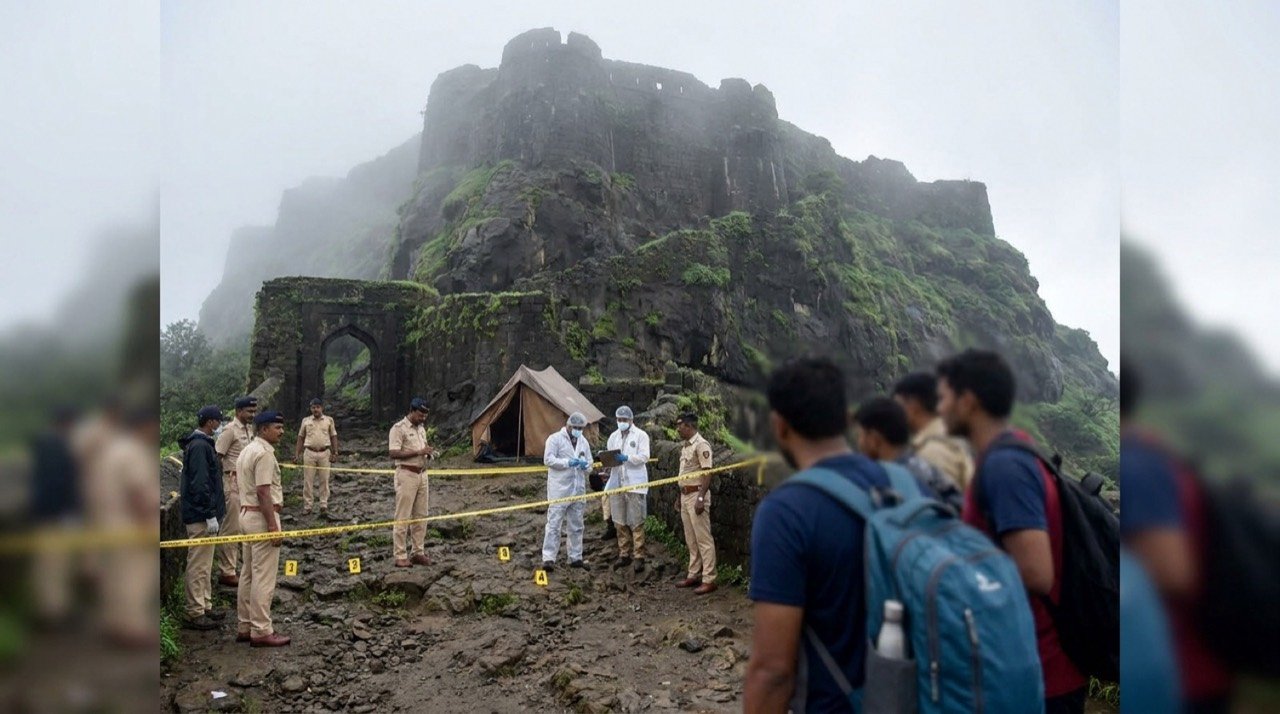
Lohagad Fort Death Near Pune Turns Into Murder Probe After Two Arrests
A fall at the popular Lohagad Fort trekking site, first treated as an accident, has become a murder investigation after Pune police arrested the victim's fiancee and an alleged associate.
More from this section
More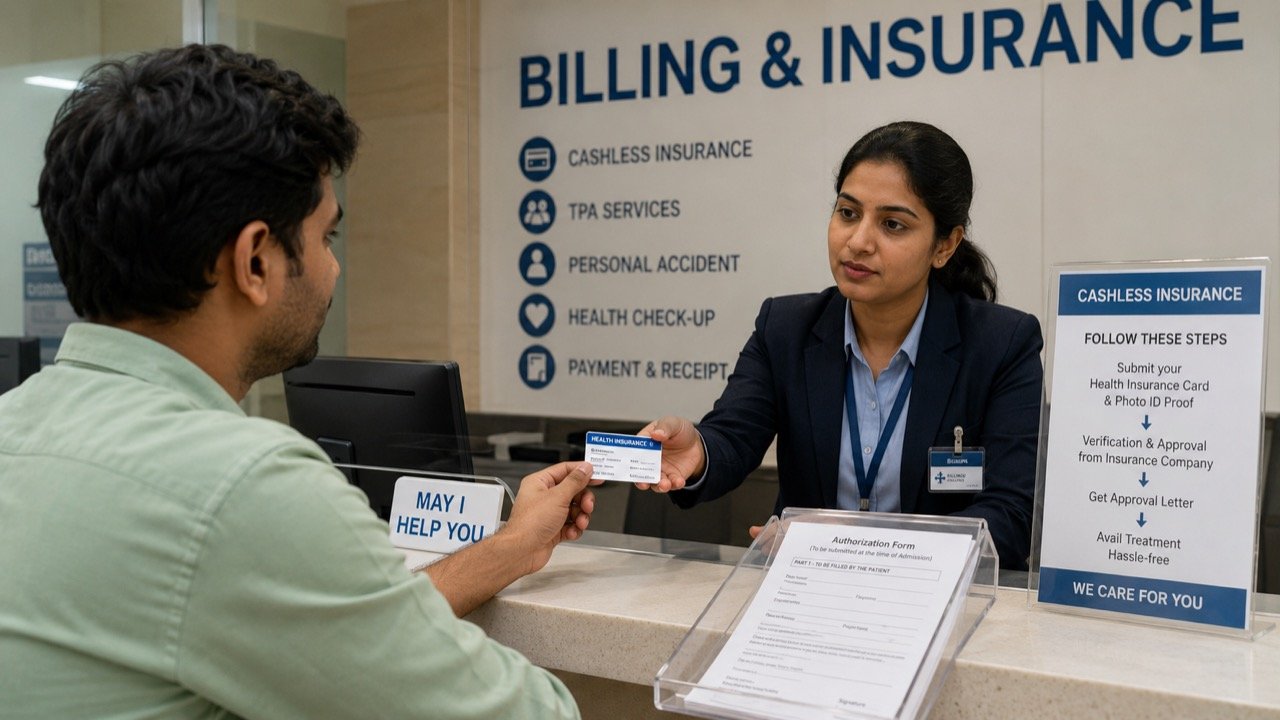
Health Insurance: Why Hospital Cashless Status Matters Before You Buy
Whether a hospital sits inside an insurer's cashless network can decide if a family pays lakhs upfront during an emergency or walks in with paperwork alone, making it a first-order question for policy buyers.

Jharkhand Teen Dies During Fracture Treatment; CM Orders Probe
The death of a Jharkhand teenager during treatment for a reported fracture has led to family allegations of medical negligence and an official probe ordered by the Chief Minister into what went wrong.
Aarogya Setu 2.0 Returns as India's Personal Health Record App
The pandemic-era contact tracing app has been relaunched as a personal health record platform, betting that portable medical data can find a place in India's growing digital health ecosystem.