Pune Lohagad Trek Death Turns Into Murder Probe As Fiancée, Friend Arrested
Police arrested a Pune businessman's fiancée and her friend after fresh evidence reframed his fatal fall at Lohagad Fort from an accident into a suspected murder investigation.
Commentary & Analysis ·
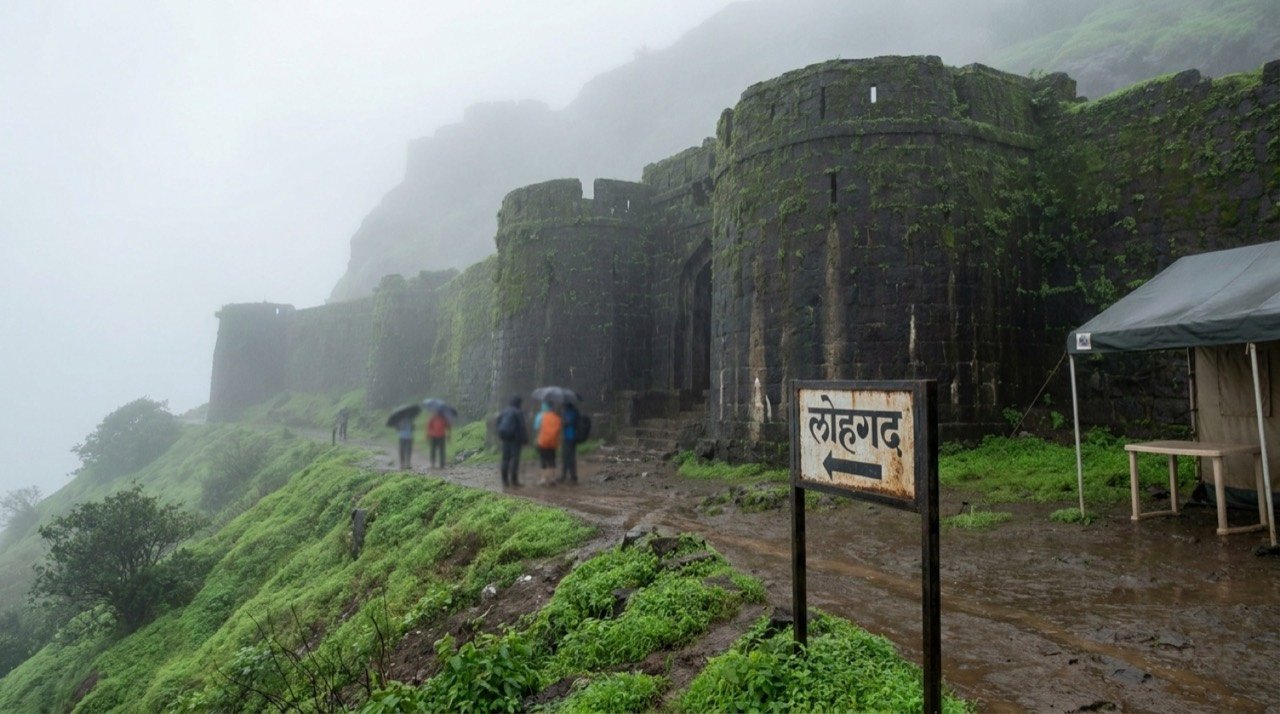
A trekking outing in the hills near Pune has hardened into a criminal investigation after police said fresh evidence prompted them to arrest the victim's fiancée and her friend. What was initially logged as a tragic fall during the monsoon season is now being examined as a suspected murder, a shift that has put the popular Lohagad Fort trail at the centre of an unexpected and unsettling crime story. The case is a study in how quickly an assumed accident can be recast once investigators look past the obvious explanation.
How the case changed course
The victim, identified in reports as 26-year-old businessman Ketan Vishal Agrawal, died after falling into a gorge at Lohagad Fort during an outing that came shortly before his planned wedding. That detail alone, a young man dying weeks before he was due to marry, would have made this a sombre local story even if it had remained classified as misadventure. Authorities first treated the death as an accident, consistent with the well-known hazards of monsoon-season trekking on slippery, moss-covered terrain in the Sahyadri ranges. Slips, falls and drownings during the rains are, unfortunately, a recurring feature of trekking near Pune, and an initial accident classification would not have raised eyebrows.
What changed the picture was not a single dramatic discovery but, as reports indicate, an accumulation of evidence that investigators found inconsistent with a simple fall. That shift led police to arrest the victim's fiancée and her friend, converting what had been a routine inquest-style inquiry into a full-fledged criminal investigation. The reclassification underscores a point that deserves emphasis: an initial assumption of misadventure is not a final verdict. It is a working hypothesis that can, and sometimes must, be overturned once forensic and circumstantial details are examined more closely.
What investigators are examining
Police are still working to establish the motive, the precise sequence of events on the trail, and the role of others who were present or allegedly linked to the incident. Reports indicate that several people are under the police scanner as the inquiry widens beyond the two who have already been arrested. This is a familiar pattern in cases where an accident is reclassified as a crime: the initial arrests often represent the clearest strands of evidence, while the broader circle of witnesses, companions and associates is examined to establish whether the incident was planned, spontaneous, or the product of some dispute that predated the trek itself.
Because the matter is under investigation, the accused must be treated as suspects unless and until guilt is proved in court. No conclusions about culpability can be drawn while evidence is still being tested, weighed and, where necessary, challenged. This is not a legal technicality inserted for form's sake; it is the operating principle that separates a functioning justice system from trial by rumour. In a case involving a fiancée and a personal relationship gone fatally wrong, the temptation to speculate about motive is considerable, but speculation is exactly what a careful investigation is meant to replace with evidence.
Why the case resonates
Lohagad is a favourite monsoon trekking destination near Pune, drawing large crowds when the rains turn the Sahyadri ranges green and the fort's approach becomes a popular weekend excursion for city residents. It is the kind of place associated with recreation, photography and small group outings rather than crime. The idea that a private outing to such a spot allegedly turned into a serious crime has unsettled the trekking community and drawn wide public attention, precisely because it disrupts the assumption that these popular, well-trodden trails are inherently safe so long as one is careful about the weather and the rocks.
There is also a human dimension that gives the story its particular resonance: a death on the cusp of a wedding, followed by the arrest of the very person who was to be the spouse. That juxtaposition, tragedy followed swiftly by suspicion directed at someone in an intimate relationship with the deceased, is part of why this case has moved beyond a local police blotter item into wider public conversation.
The evidentiary challenge ahead
Cases that begin as presumed accidents carry a particular evidentiary burden once they are reopened as suspected crimes. Physical evidence at a trekking site is exposed to weather, foot traffic and the passage of time between the initial death and any decision to treat it as suspicious. Investigators will need to reconstruct a timeline from witness accounts, any available forensic material, and whatever digital or circumstantial evidence, communications, movements, or prior disputes, that may point to premeditation or provocation. Establishing motive will likely be as important as establishing the physical sequence of events, since the case appears to hinge on the relationships among those present rather than on a stranger crime.
This also places a heavier burden on the courts and on public patience. Cases rebuilt from a reclassified accident scene often take longer to resolve than crimes investigated as such from the outset, precisely because investigators are working to close gaps left by an initial, less rigorous examination. That reality argues for measured expectations about how quickly this case will move toward trial, let alone verdict.
The wider lesson for how accidental deaths are investigated
Beyond the specifics of this case, the episode highlights the importance of careful evidence collection in deaths first reported as accidents, particularly in seasonal trekking contexts where genuine misadventure is common enough to make investigators' default assumption understandable. The Lohagad case is a reminder that first responders and investigating officers benefit from treating unexplained trekking deaths with a degree of forensic rigour from the outset, rather than allowing the plausibility of an accident to foreclose closer scrutiny. As police piece together the timeline and motive, the outcome will rest on what the investigation can establish, and on what eventually stands up to judicial scrutiny, not on the initial, understandable assumption that a fall in treacherous monsoon terrain was simply a fall.
The NE Times View
What looked like a tragic fall reframed as suspected murder is a reminder of how easily a hasty accident verdict can bury a crime. Credit the fresh evidence and the reopening of the case; that is investigation working as it should, and it is precisely the kind of course correction that a competent police force ought to be capable of when circumstances warrant it. The wider caution cuts both ways, however: arrests are not convictions, and a sensational narrative, particularly one involving a fiancée and a wedding that never happened, must not outrun proof. It would be easy for public sentiment to convict the accused in the court of opinion long before any court of law has examined the evidence. Let the forensics, not the headlines, decide this one.
Key takeaways
- Ketan Vishal Agrawal, a 26-year-old businessman, died after falling into a gorge at Lohagad Fort near Pune shortly before his planned wedding.
- The death was initially treated as an accident tied to monsoon trekking hazards but has been reclassified as a suspected murder after fresh evidence emerged.
- The victim's fiancée and her friend have been arrested; several others reportedly remain under the police scanner as the investigation widens.
- Motive, timeline and the roles of others involved are still being established, and the accused must be treated as suspects unless guilt is proved in court.
- The case underscores the importance of rigorous evidence collection in trekking deaths initially assumed to be accidental.
You may also like to read
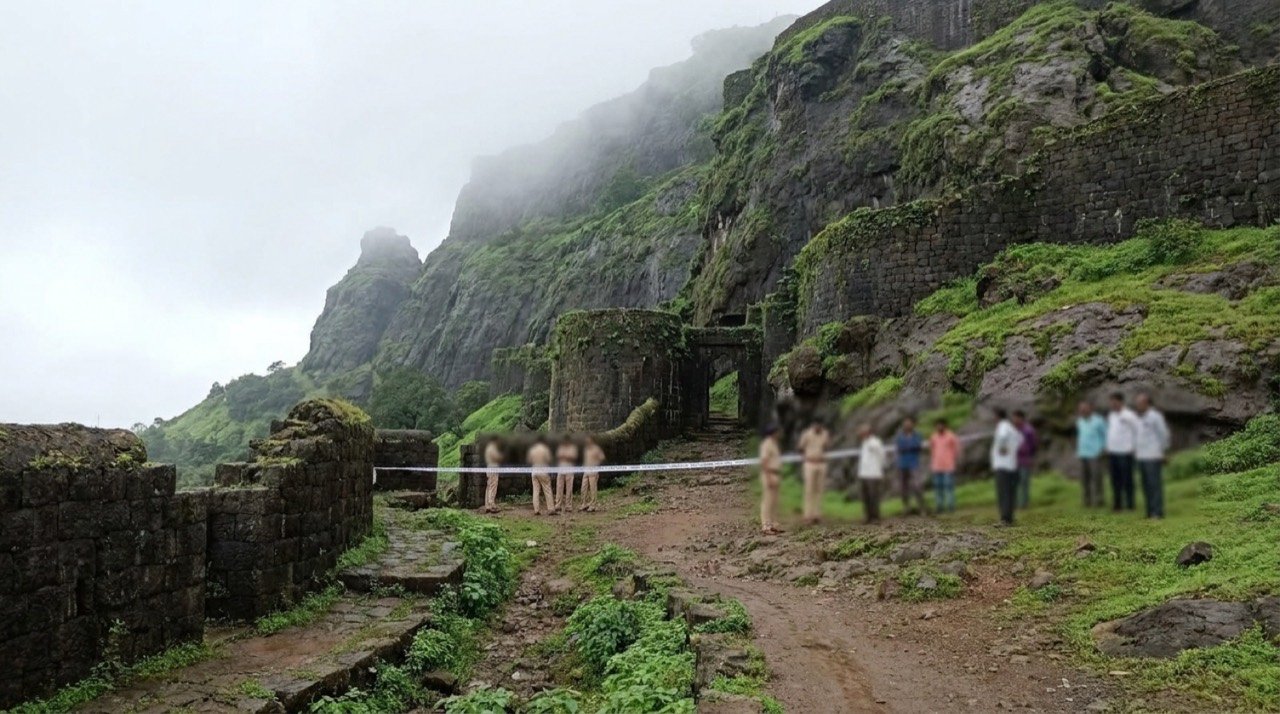
Pune Lohagad Fort Death Turns Into a Murder Investigation
Maharashtra police have reclassified businessman Ketan Agrawal's fall at Lohagad Fort as a murder probe, alleging his fiancee and her partner staged the trek as an accident.
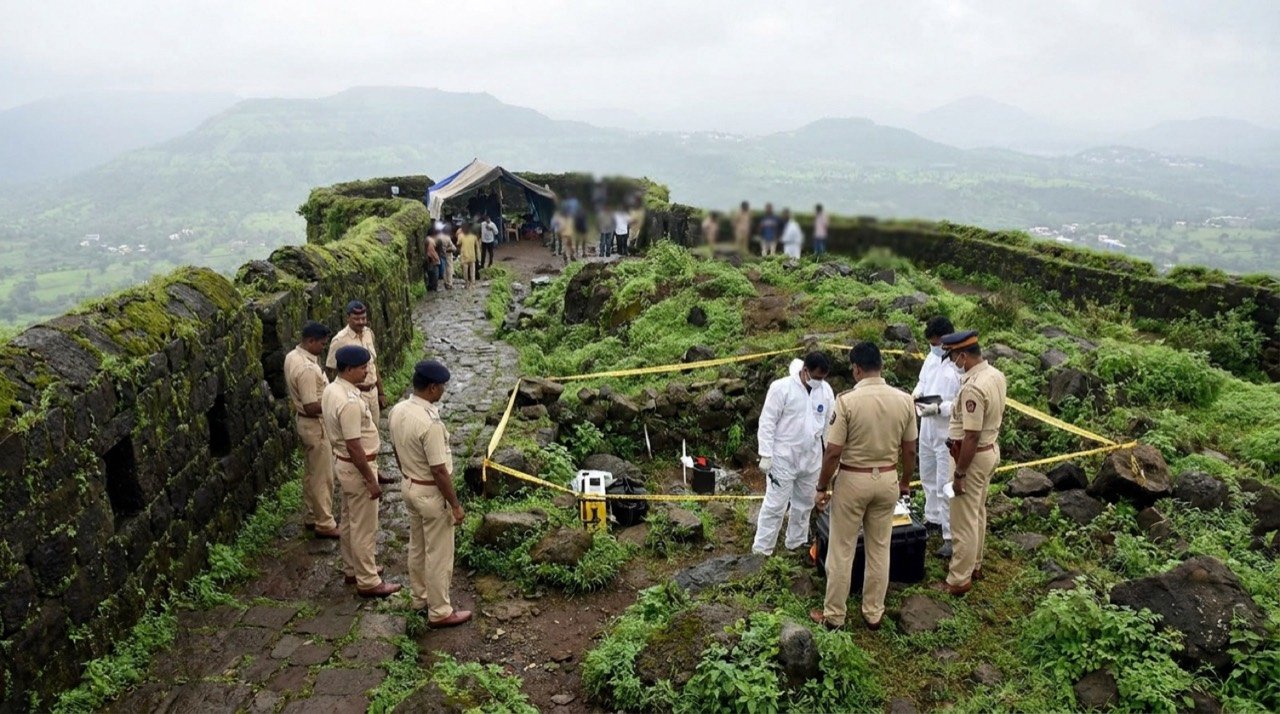
Lohagad Fort Death Probe Widens as Police Examine Conspiracy Angle
The investigation into a death near Maharashtra's Lohagad Fort has widened, with police tracing phone records and suspect movements to determine whether the case was a planned conspiracy rather than a sudden dispute.
Bengaluru Triple Murder Probe Focuses On Daughter And Her Live-In Partner
Police investigating the killing of an elderly couple and their 19-year-old daughter in Bengaluru are examining whether family opposition to a relationship escalated into extreme violence.
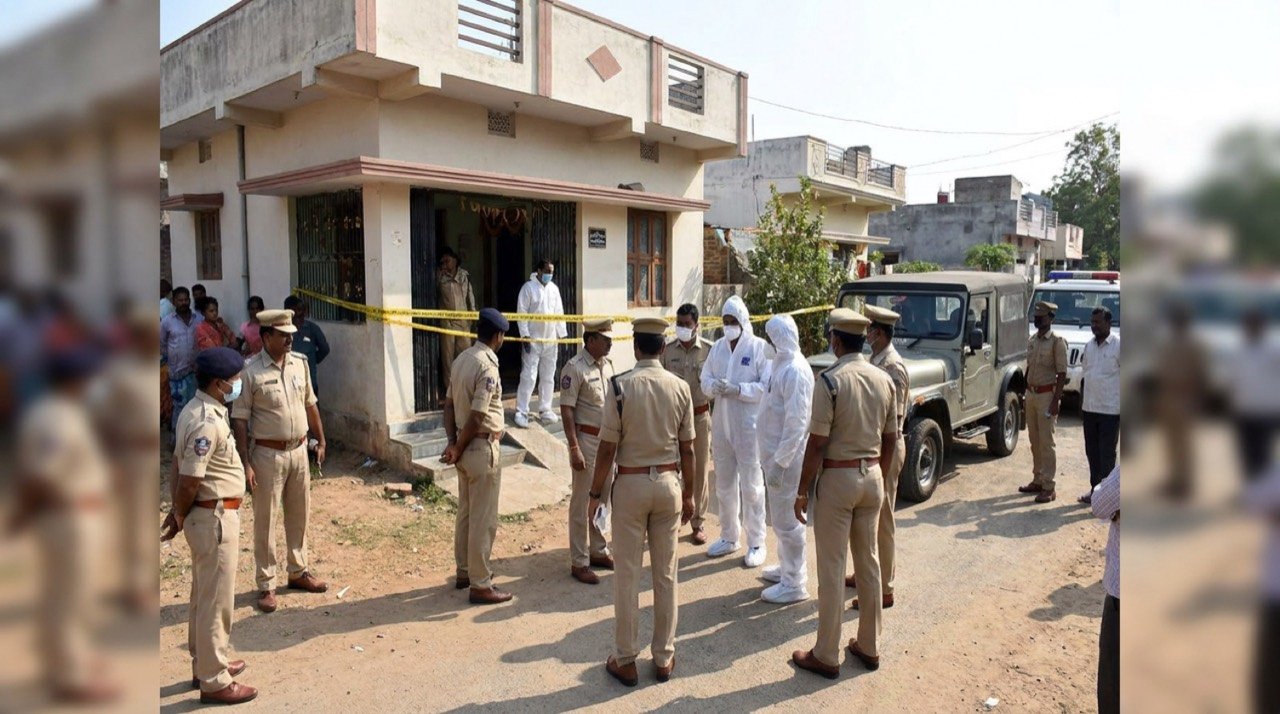
Nalgonda Businessman's Family of Four Found Dead at Home; Police Launch Careful Probe
Four members of a businessman's family were found dead inside their home in Nalgonda, Telangana, leaving the neighbourhood in shock as police begin a methodical investigation into the unexplained deaths.
More from this section
More
AICTE Industry Fellowship 2026: Rs 1.5 Lakh Scheme Closes July 5
The AICTE Industry Fellowship Programme 2026, which places technical-education faculty inside leading companies on a Rs 1.5 lakh monthly stipend, reached its application deadline on July 5.
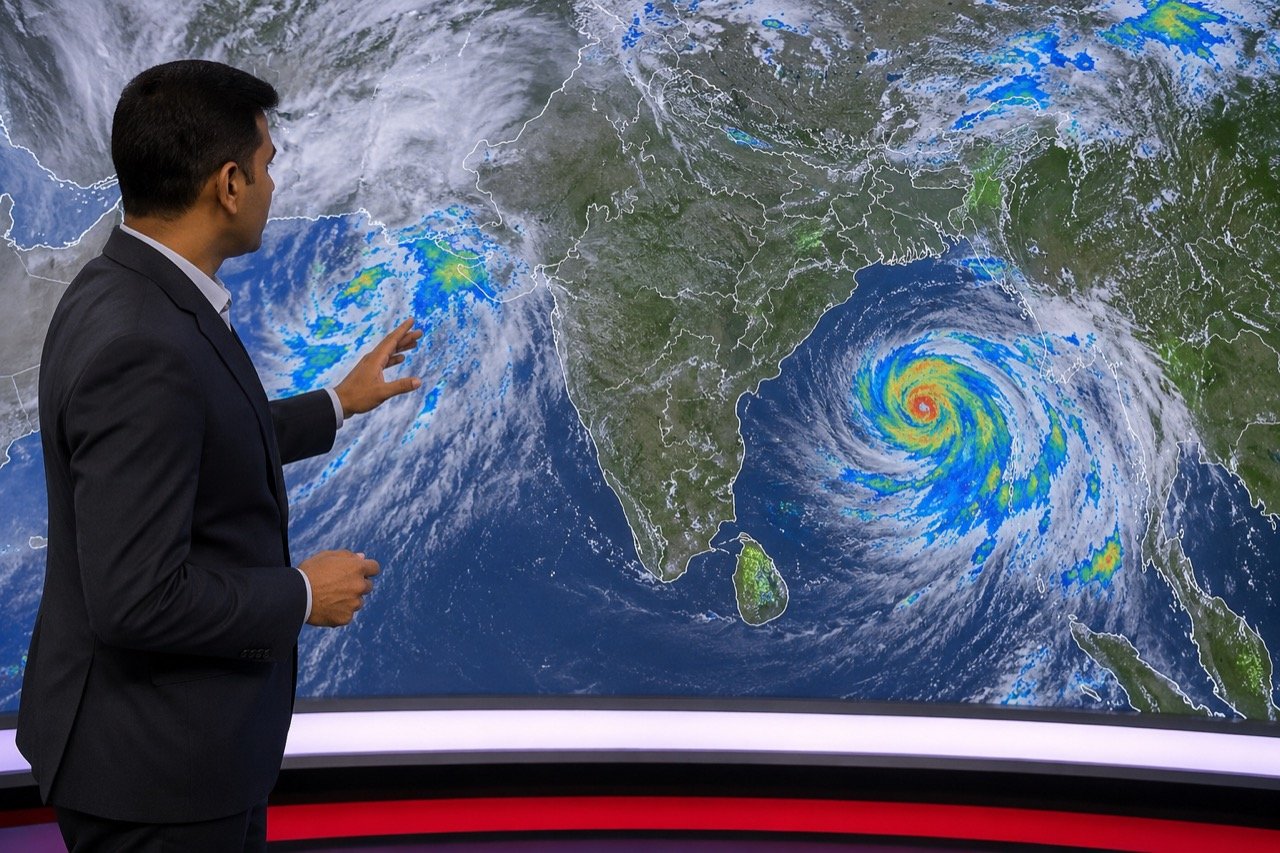
Bay of Bengal Low Pressure System Revives Monsoon Over Western India
A low-pressure system over the Bay of Bengal has pushed the monsoon back into an active phase, bringing steady heavy rain to Kerala, coastal Karnataka and Maharashtra, and putting Mumbai and Pune on preparedness watch.
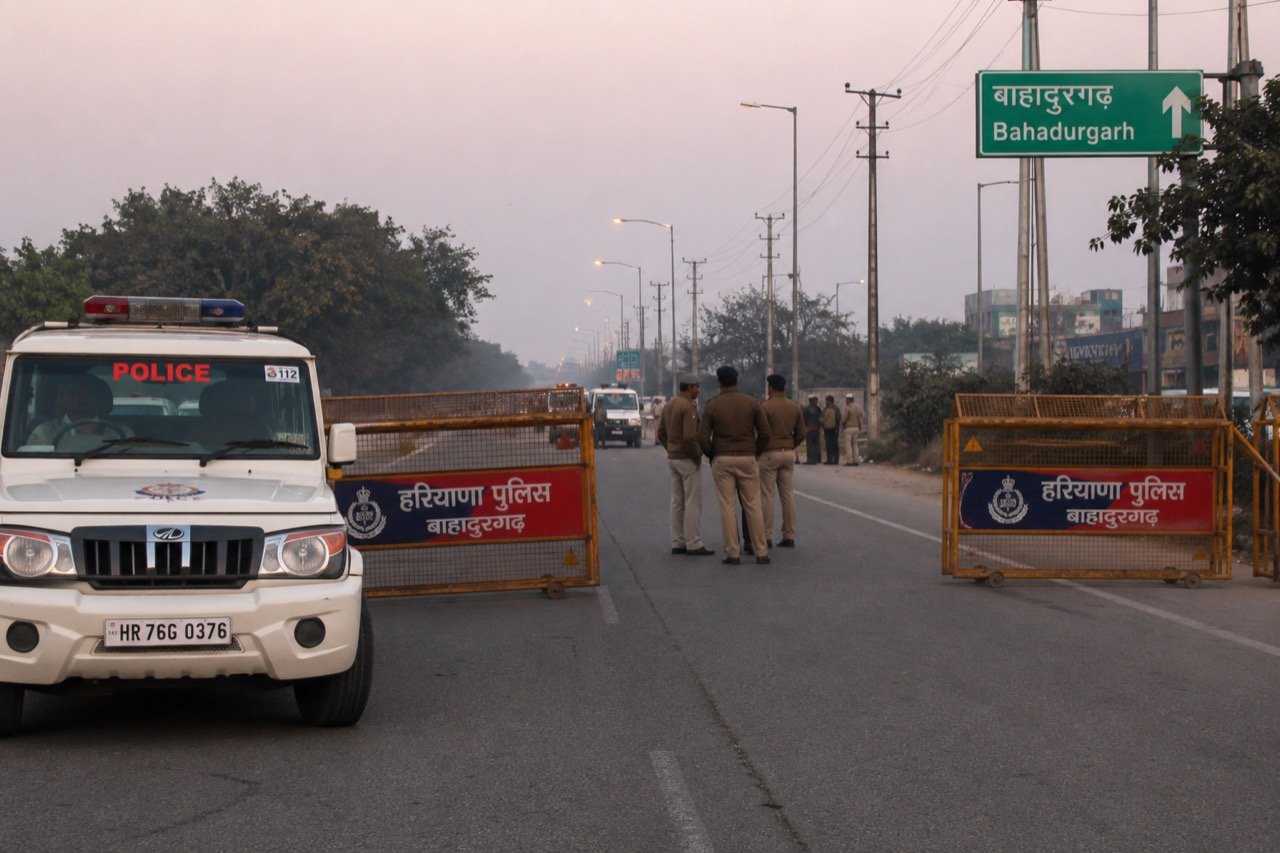
Bishnoi Gang Suspects Injured in Haryana Encounter as Police Tighten Net
A joint Haryana-Delhi Police operation in Bahadurgarh left two suspected Lawrence Bishnoi gang members injured, spotlighting the multi-state coordination now central to India's fight against organised crime networks.