Bishnoi Gang Suspects Injured in Haryana Encounter as Police Tighten Net
A joint Haryana-Delhi Police operation in Bahadurgarh left two suspected Lawrence Bishnoi gang members injured, spotlighting the multi-state coordination now central to India's fight against organised crime networks.
Commentary & Analysis ·
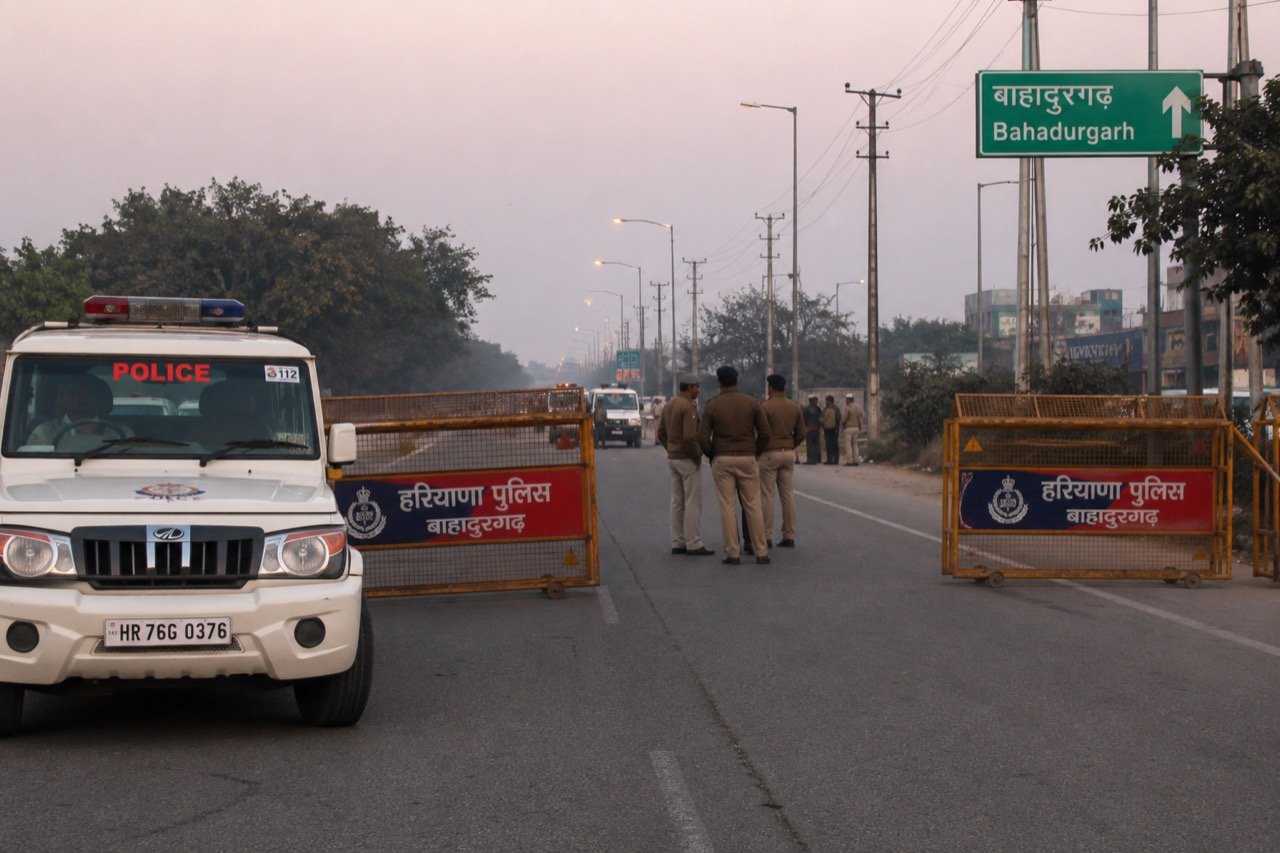
Two men suspected of belonging to the Lawrence Bishnoi gang were injured in a police encounter in Bahadurgarh, Haryana, during a joint operation mounted by the Haryana and Delhi Police. Both suspects were wanted men carrying rewards of Rs 1 lakh each, and a police officer was also hurt in the exchange of fire. On the surface, this reads as a routine crime brief from the National Capital Region. Looked at more carefully, it is a small but telling data point in a much larger story about how organised crime networks operate across state lines in north India, and how law enforcement is being forced to adapt.
What happened in Bahadurgarh
The encounter took place as part of a joint operation, meaning officers from two separate state police forces, Haryana and Delhi, worked together to track and confront the suspects. Both men are alleged to have links to the network associated with Lawrence Bishnoi, a name that has become shorthand in Indian public discourse for a sprawling and much-discussed criminal syndicate. Each of the two suspects carried a bounty of Rs 1 lakh, an official marker of how seriously investigating agencies had been treating their case even before this encounter took place. A police officer was injured in the exchange of fire, a reminder that these operations carry real risk for the personnel involved, not just for the suspects being pursued.
Why a joint operation matters
The decision to run this as a joint Haryana-Delhi operation is itself significant. Gang-related policing in north India has increasingly become a multi-jurisdictional exercise, simply because the networks being pursued do not confine themselves to a single district or state. Investigations into alleged extortion rackets, shootings, safe houses and digital coordination among gang members routinely trace connections across Delhi, Haryana, Punjab and Rajasthan. A suspect wanted in one state may take shelter in another, coordinate logistics from a third, and communicate with associates scattered across all of them. This is the operational reality that has pushed state police forces toward closer coordination, with joint teams becoming the norm rather than the exception when tracking wanted individuals who move fluidly across the NCR and its neighbouring states.
For ordinary citizens, this kind of coordination can be reassuring in principle: it suggests that state bureaucracies which might otherwise be siloed by jurisdiction, budget and turf considerations are finding ways to pool intelligence and manpower. But it also underscores how entrenched and adaptable these networks have become. If a single-state police force could reliably contain them, joint operations of this kind would not be necessary in the first place.
Allegation is not proof
A careful, public-interest reading of this incident must separate accusation from conviction. The two injured men remain suspects at this stage, nothing more. Any prosecution that follows will turn on evidence presented through lawful process, tested in open court, and subject to the ordinary safeguards of the criminal justice system. It is worth stating this plainly, because encounters of this kind can generate a narrative momentum of their own, one in which the dramatic circumstances of a shootout are mistaken for a verdict on guilt. They are not. The rewards attached to the suspects' names, the joint nature of the operation and the injuries sustained on both sides are all facts about the operation itself; they are not, by themselves, a finding of criminal responsibility.
That caution does not diminish the broader significance of the event. Even treated strictly as an allegation still working its way through the system, the encounter reflects sustained police pressure on networks that have entered India's national security and public-safety conversation in a serious way. The Bishnoi name has, over recent years, become attached to a wide range of alleged criminal activity, extortion demands directed at public figures, contract violence, and a media profile that occasionally rivals that of the authorities pursuing it. Whatever the eventual judicial outcome for these two individuals, the fact that police forces are willing to mount joint, armed operations against suspected members of this network tells its own story about how seriously the threat is being taken at an institutional level.
What this means for residents and the wider region
For residents of Bahadurgarh and the surrounding region, the most immediate concern is straightforward: personal and community safety. An armed encounter on a town's doorstep, even one framed as a successful law enforcement action, is unsettling. It signals that individuals associated with serious organised crime networks were operating, or at least moving through, the local area. Encounters and arrests can disrupt specific criminal modules, cutting off a cell's access to weapons, safe houses or local collaborators, but they are, by their nature, tactical rather than strategic victories. Durable crime control depends on less visible and less dramatic work: sustained intelligence gathering, protection for witnesses willing to testify, financial tracking that follows the money behind extortion rackets, and prosecutions robust enough to survive appellate scrutiny.
This is where the harder, longer-term test lies. It is one thing to corner and injure two wanted suspects in a single operation. It is another to build the kind of case, and the kind of institutional follow-through, that leads to convictions standing up years later in higher courts. Indian criminal prosecutions involving organised crime figures have historically struggled with witness intimidation, delayed trials and evidentiary gaps, challenges that no single encounter, however well executed, can resolve on its own.
The NE Times View
This encounter is more than a crime brief; it is a window into the operational challenge of dismantling organised crime in a region where local disputes, extortion economies and transnational gang branding overlap in complicated and often opaque ways. Joint operations of the kind seen in Bahadurgarh show welcome coordination between state forces that might otherwise work at cross purposes, and that coordination deserves recognition. But headline-grabbing encounters cannot substitute for the slower, less photogenic work of investigation, evidence-building and conviction. India's answer to the Bishnoi phenomenon, and to the broader organised crime ecosystem it has come to symbolise, will ultimately be measured in courtrooms, not in crossfire on a Haryana street.
Readers, and indeed policymakers, should watch closely whether arrests and encounters of this kind translate into prosecutions that actually hold. The rewards, the joint task forces and the exchanges of fire generate headlines. What will determine whether India's law enforcement apparatus is genuinely gaining ground against these networks, rather than simply managing their symptoms in the short term, is the far less visible record of cases that reach trial, survive cross-examination, and end in convictions that withstand appeal.
Key takeaways
- Two suspected Bishnoi gang members, each carrying a Rs 1 lakh bounty, were injured in a joint Haryana-Delhi Police encounter in Bahadurgarh; a police officer was also hurt.
- The joint nature of the operation reflects how organised crime networks in north India routinely span Delhi, Haryana, Punjab and Rajasthan, forcing closer inter-state police coordination.
- The suspects remain accused, not convicted; any prosecution will depend on evidence tested through lawful judicial process.
- Encounters can disrupt individual criminal modules but do not substitute for intelligence work, witness protection, financial tracking and durable prosecutions.
- The real measure of progress against networks like the one associated with Lawrence Bishnoi will be convictions that hold in court, not the drama of armed confrontations.
You may also like to read
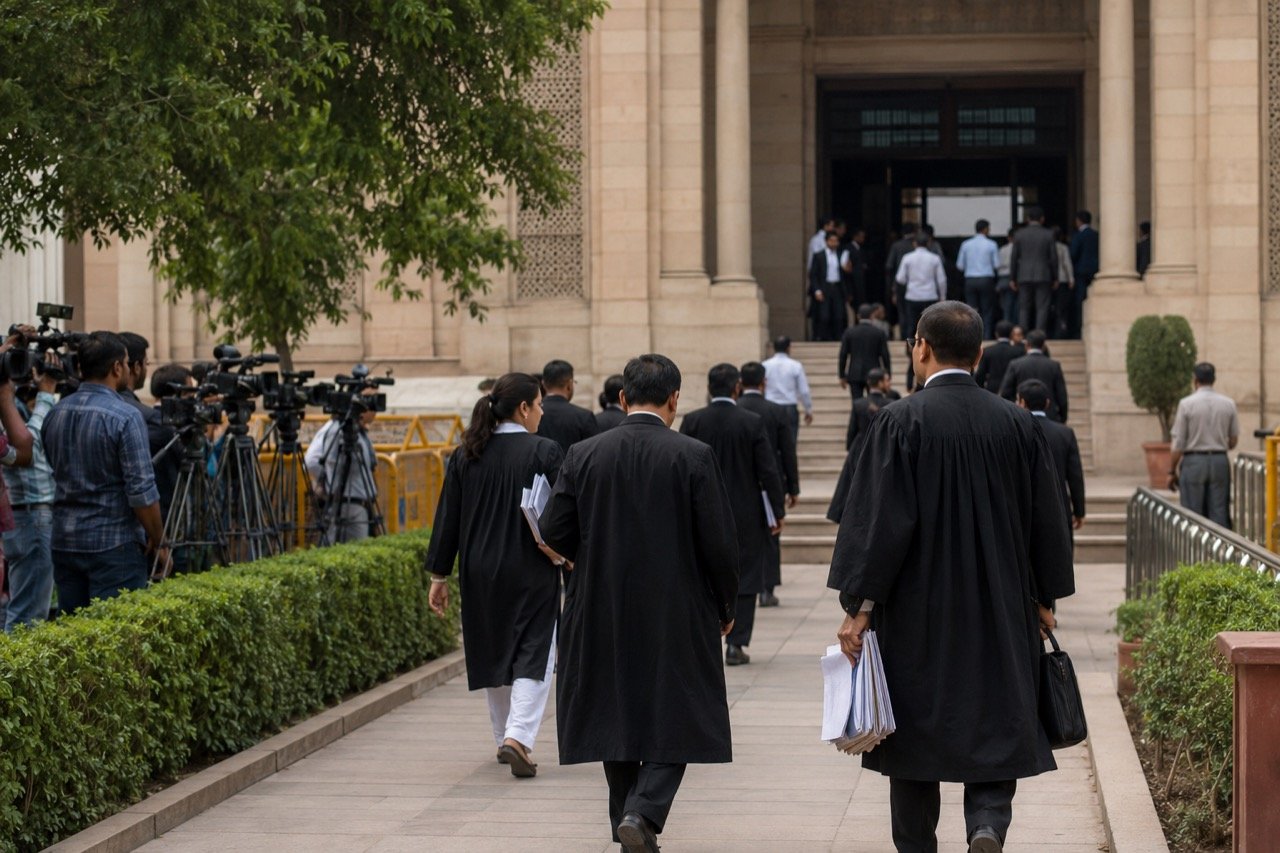
Court Reserves Order on Umar Khalid Bail as Delhi Police Object
A Delhi court has reserved its order on Umar Khalid's bail plea in the 2020 riots case after the Delhi Police formally opposed his release, returning one of India's most watched legal proceedings to the national spotlight.
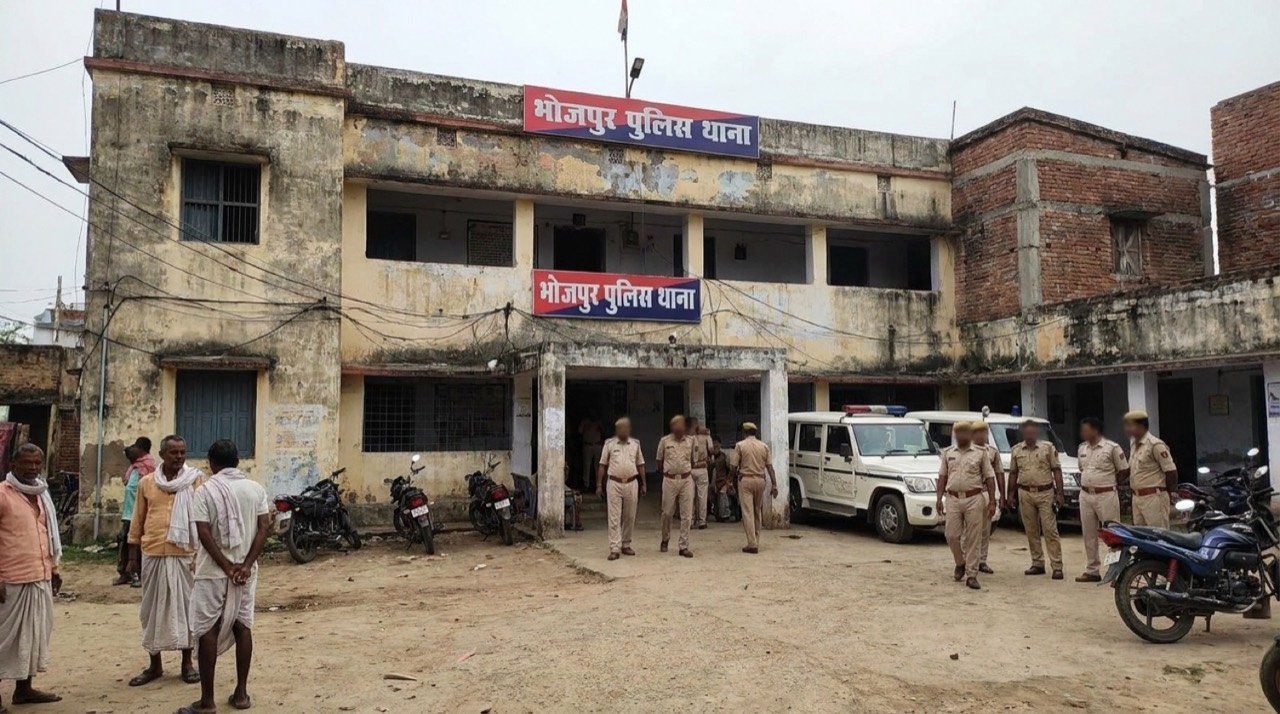
FIR Names Bihar Police Officers in Bharat Tiwari Encounter Death
An FIR filed by Bharat Bhushan Tiwari's mother names Bhojpur police personnel over his June 17 encounter death, as Bihar orders a judicial inquiry and the family disputes the self-defence account.
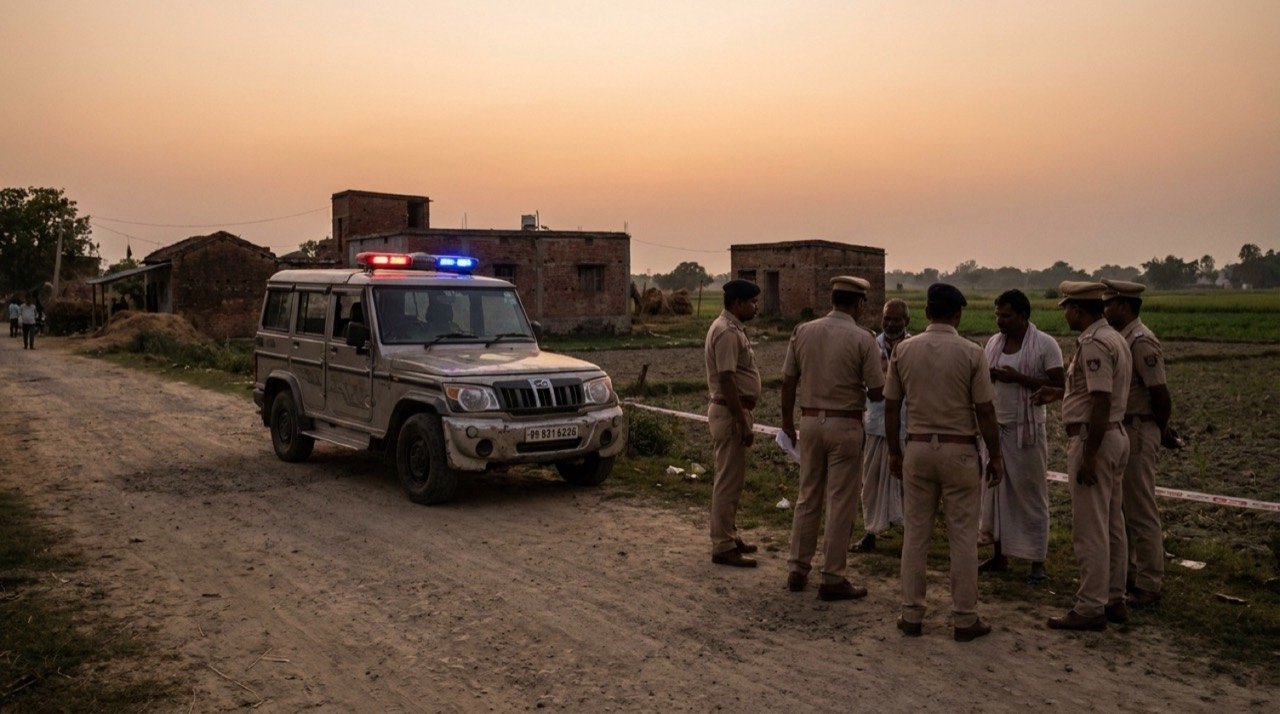
Pankaj Tripathi's Brother Injured in Bihar Attack as Police Launch Raids
Bijendra Nath Tiwari, brother of actor Pankaj Tripathi, was injured in an attack with sharp weapons in Bihar and taken to Patna for treatment as police teams hunt for the accused.
Bihar Court Orders FIR Against Police Officers in Disputed Encounter Case
A Bihar court has directed that a case be registered against police officers over the death of Bharat Tiwari, reviving scrutiny of encounter killings, evidence preservation and police accountability.
More from this section
More
AICTE Industry Fellowship 2026: Rs 1.5 Lakh Scheme Closes July 5
The AICTE Industry Fellowship Programme 2026, which places technical-education faculty inside leading companies on a Rs 1.5 lakh monthly stipend, reached its application deadline on July 5.

Bay of Bengal Low Pressure System Revives Monsoon Over Western India
A low-pressure system over the Bay of Bengal has pushed the monsoon back into an active phase, bringing steady heavy rain to Kerala, coastal Karnataka and Maharashtra, and putting Mumbai and Pune on preparedness watch.

Brahmapur-Udhna Amrit Bharat Express Goes Daily, Boosting Odisha Link
The Brahmapur-Udhna Amrit Bharat Express is set to run every day, giving passengers travelling between Odisha and Gujarat a more dependable and affordable long-distance rail option for work, study and family journeys.