Court Reserves Order on Umar Khalid Bail as Delhi Police Object
A Delhi court has reserved its order on Umar Khalid's bail plea in the 2020 riots case after the Delhi Police formally opposed his release, returning one of India's most watched legal proceedings to the national spotlight.
Commentary & Analysis ·
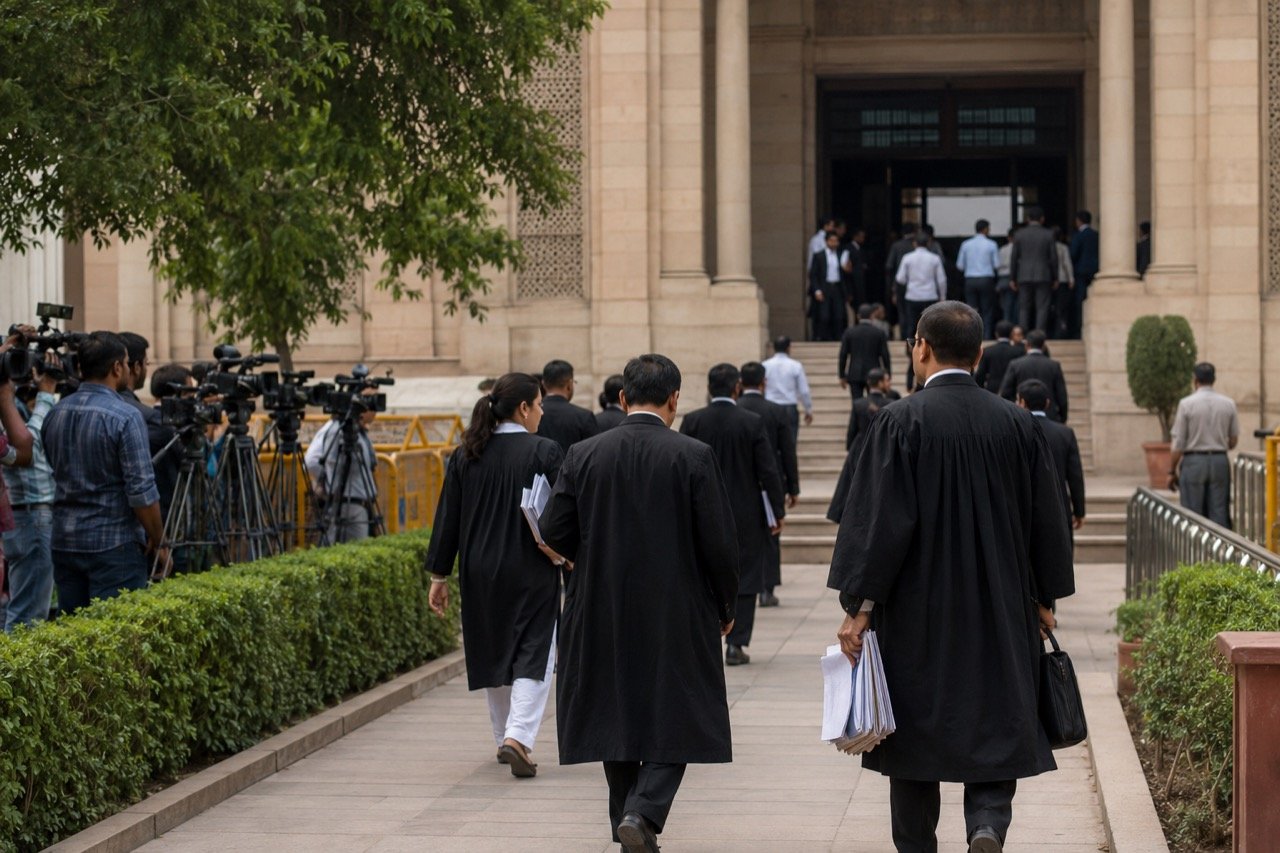
The long-running prosecution arising from the 2020 Delhi riots returned to the headlines as the Delhi Police opposed Umar Khalid's bail plea and the court, after hearing arguments from both sides, reserved its order. The decision on whether Khalid will be released while proceedings continue is now awaited. In a case that has already run for years without a concluded trial, even a procedural update of this kind carries weight, both for the individual concerned and for the wider conversation about how Indian courts handle prolonged pre-trial custody in politically sensitive matters.
What a bail hearing decides
A bail hearing is not a trial. It does not determine guilt or innocence; it weighs whether an accused person should remain in custody while the case proceeds. Courts apply legal tests that consider the nature of the allegations, the material on record, the period already spent in custody and the statutory provisions invoked — considerations that become especially stringent in cases charged under special laws. This distinction is not a technicality. It is the foundation on which the entire exercise rests, and it is precisely the distinction that tends to get lost once a case enters the public domain and acquires a life of its own outside the courtroom.
In this instance, the procedural position is clear: arguments have been heard, the prosecution's opposition is on record, and the order is reserved. Nothing further can responsibly be inferred until the court pronounces its decision. That may seem an unsatisfying place to leave a story, but it is the only honest one. Speculating about the likely outcome, or reading motive into the fact that an order has been reserved rather than delivered immediately, would substitute guesswork for reporting.
Why the special-law framework matters here
Cases built around special statutes typically carry a higher threshold for bail than ordinary criminal matters, reflecting a legislative judgment that certain categories of alleged offence warrant greater caution before an accused is released. That higher threshold is by design, not an oversight, and it is one reason bail applications in such cases can take longer to argue and to decide than in routine matters. At the same time, the existence of a stricter test does not remove the underlying constitutional presumption that liberty is the default and incarceration the exception requiring justification. Judges weighing such applications must hold both propositions together: the seriousness that the legislature has attached to the alleged conduct, and the ordinary expectation that a person not yet convicted should not be treated as though conviction were a formality.
This is also why the length of time an undertrial has already spent in custody becomes a material fact in itself, independent of the strength of the prosecution's case. Courts have long recognised that prolonged incarceration without trial completion can itself become a form of punishment, even where no finding of guilt has been reached. That principle does not decide any particular case, but it is part of the backdrop against which any reserved order in a long-pending matter will be read.
A case watched beyond the courtroom
The 2020 riots cases carry political and public sensitivity, and coverage of them demands precision. Allegations must not be reported as findings, and a bail outcome — whichever way it goes — settles only the immediate question of custody, not the merits of the case. This matters because public discourse around high-profile prosecutions tends to compress complex legal questions into simple narratives of vindication or condemnation. A grant of bail is frequently, and wrongly, read as an acquittal in miniature; a denial is just as frequently read as a finding of guilt. Neither reading is accurate, and responsible commentary has an obligation to resist both.
The stakes of getting this right extend beyond any single case. When cases of this profile are covered loosely, the imprecision does not stay contained to one story — it shapes public expectations of what courts are actually doing every time a bail matter makes the news. Readers who come to associate bail decisions with verdicts on guilt are less equipped to understand the legal system as it actually functions, and more likely to view any outcome, favourable or unfavourable to their existing views, as confirmation of a predetermined conclusion rather than the product of a specific legal test applied to a specific record.
What happens next
With the order reserved, there is no fixed public timeline for when the court will rule, and it would be speculative to predict one. What can be said is that the eventual order, when it comes, will need to be read on its own terms: the reasoning the court gives, the weight it assigns to the custody period already served, and how it applies the statutory tests to the material before it. Any of these elements could shape not only the immediate outcome for Khalid but also how similar bail applications are argued and assessed in comparable prosecutions going forward.
It is also worth noting what will not change regardless of the bail outcome: the underlying prosecution continues either way. A grant of bail would alter Khalid's custodial status without concluding the case against him; a denial would maintain the status quo of custody without advancing the trial toward resolution. Either way, the substantive questions raised by the 2020 riots prosecution remain to be tried on their merits, and that trial process is the appropriate forum for them, not the reserved bail order or the commentary surrounding it.
The NE Times View
Whatever one's view of the underlying case, the length of pre-trial detention in matters like this should trouble anyone invested in Indian justice. Bail jurisprudence exists because liberty is the constitutional default, yet prolonged custody without a concluded trial risks making the process itself the punishment. The courts must, of course, weigh the state's arguments seriously — but they must also decide swiftly. Delay does not serve the prosecution's interest in establishing guilt through trial, nor does it serve the accused's interest in a timely determination of the charges; it serves neither justice nor efficiency, and it erodes public confidence in the system's ability to move at a reasonable pace even in complex, sensitive matters.
For readers, the discipline is the same as the court's: wait for the order, judge the reasoning, and resist treating a custody decision as a verdict on guilt. That discipline is not merely an editorial nicety. It reflects a proper respect for the separation between what a bail hearing is designed to decide and what a trial is designed to decide, a separation that protects both the integrity of the judicial process and the rights of the individual whose liberty is at stake while that process runs its course.
Key takeaways
- The Delhi Police opposed Umar Khalid's bail plea in the 2020 Delhi riots case, and the court has reserved its order after hearing both sides.
- A bail hearing decides only whether an accused remains in custody during proceedings; it does not determine guilt or innocence.
- Special-law provisions impose a stricter bail threshold, but the constitutional presumption favouring liberty over prolonged pre-trial custody still applies.
- Responsible coverage must treat the eventual bail order as a custody decision, not a verdict on the merits of the underlying prosecution.
- The NE Times View: courts must weigh the state's case seriously but also decide swiftly, since prolonged undertrial detention risks becoming punishment without conviction.
You may also like to read
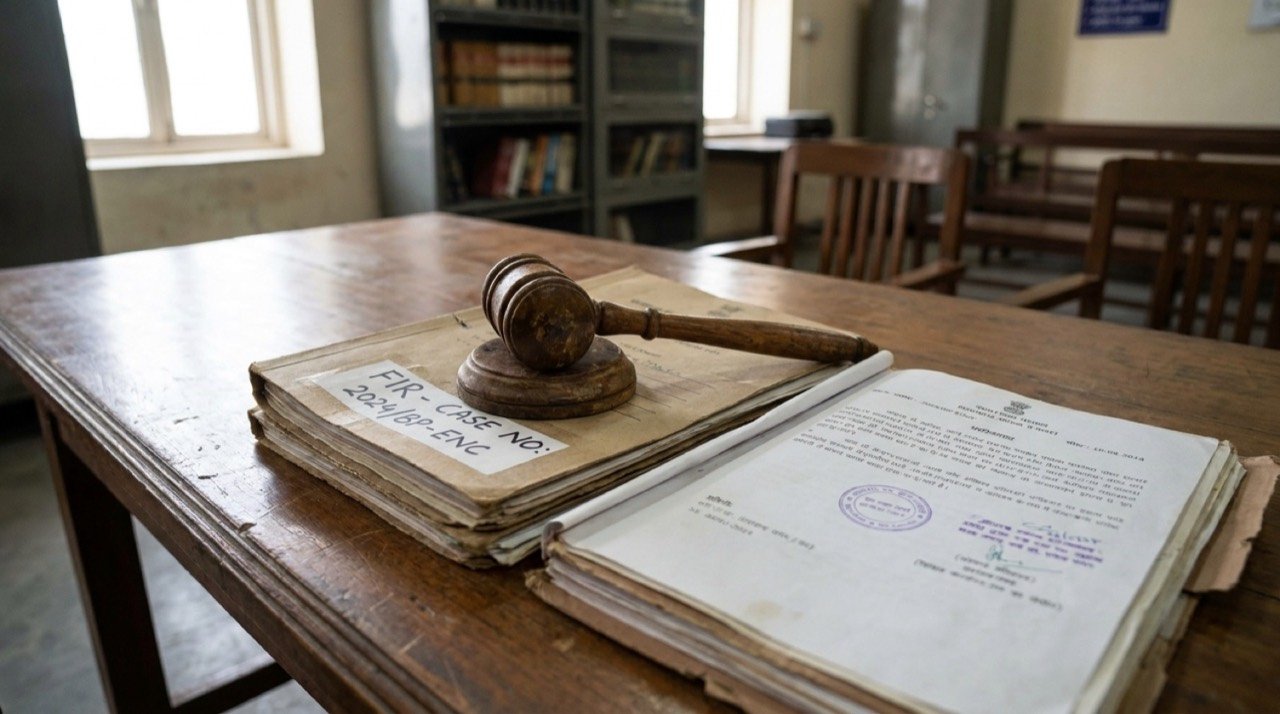
Bihar Court Orders FIR Against Police Officers in Disputed Encounter Case
A Bihar court has directed that a case be registered against police officers over the death of Bharat Tiwari, reviving scrutiny of encounter killings, evidence preservation and police accountability.
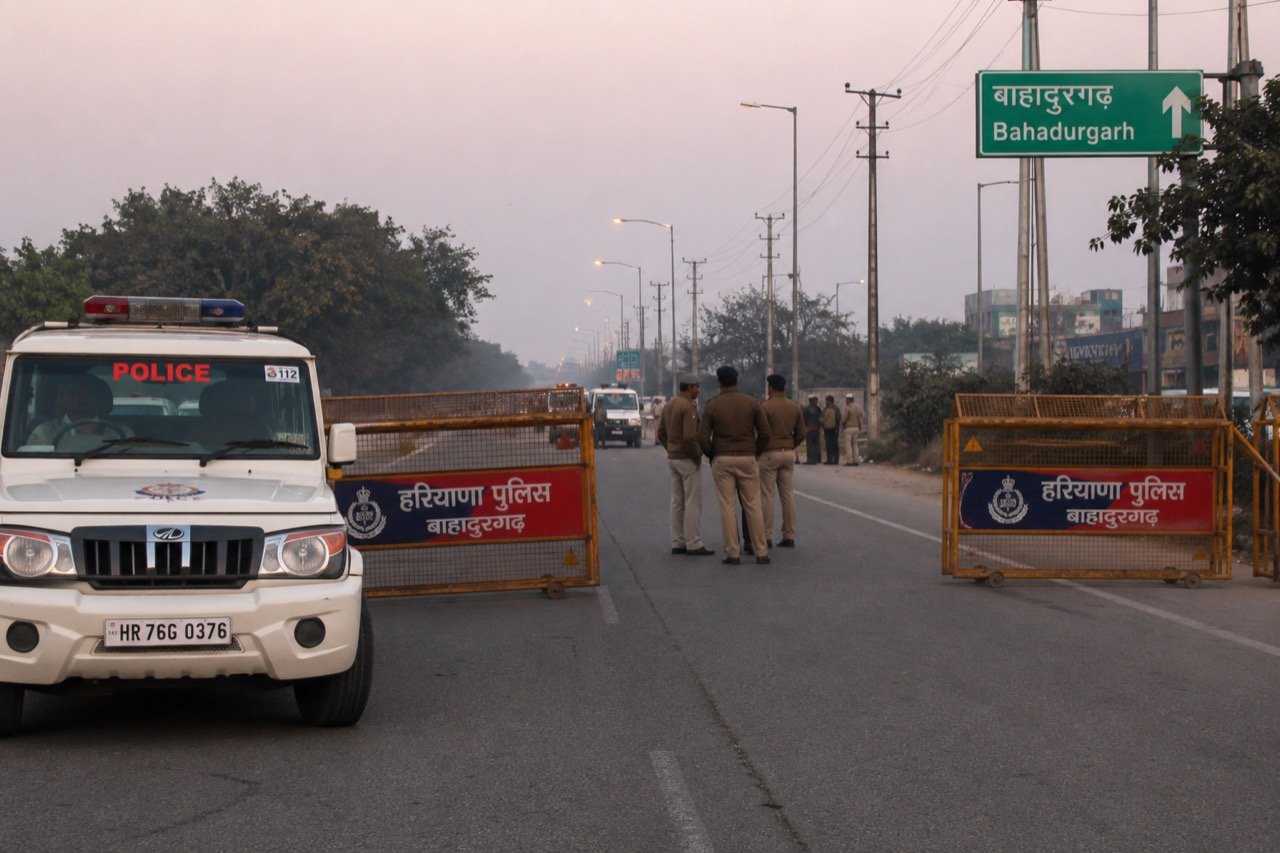
Bishnoi Gang Suspects Injured in Haryana Encounter as Police Tighten Net
A joint Haryana-Delhi Police operation in Bahadurgarh left two suspected Lawrence Bishnoi gang members injured, spotlighting the multi-state coordination now central to India's fight against organised crime networks.
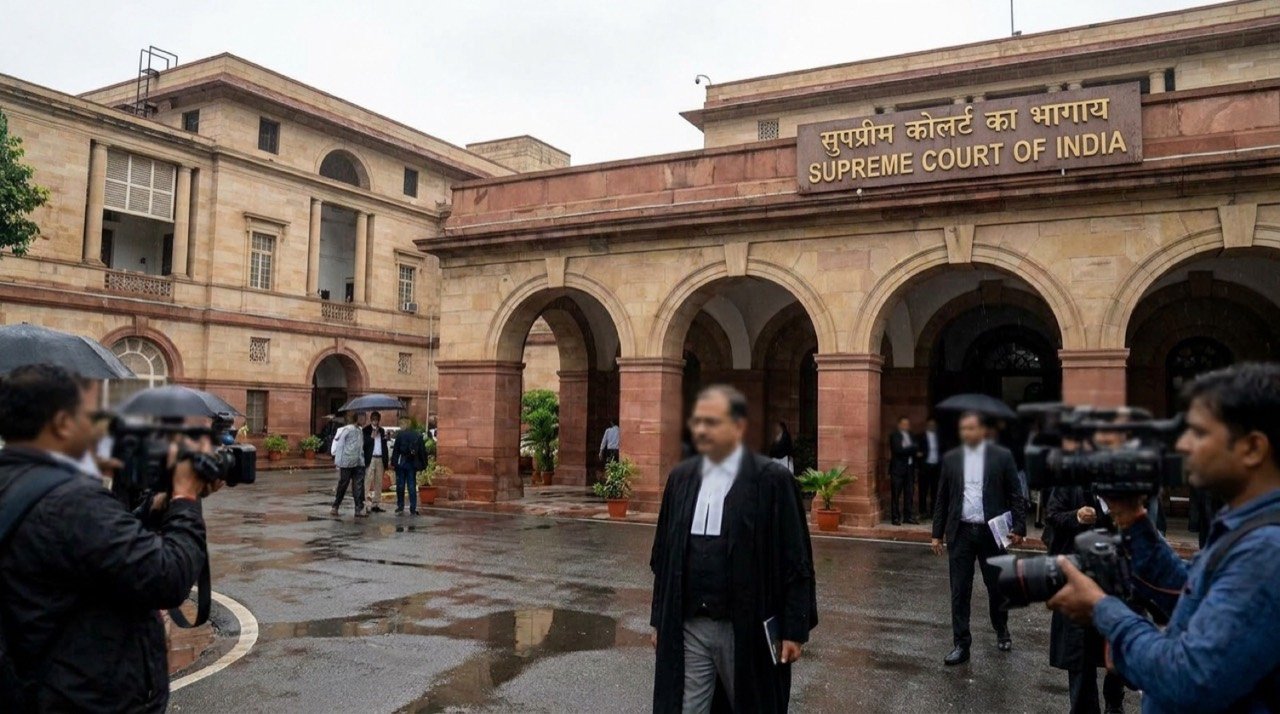
Supreme Court Fines Chhattisgarh Rs 2 Lakh in Decades-Old Land Compensation Case
The Supreme Court has fined the Chhattisgarh government Rs 2 lakh and upheld compensation with interest for landowners whose plot was taken for a road in 1986 without payment.
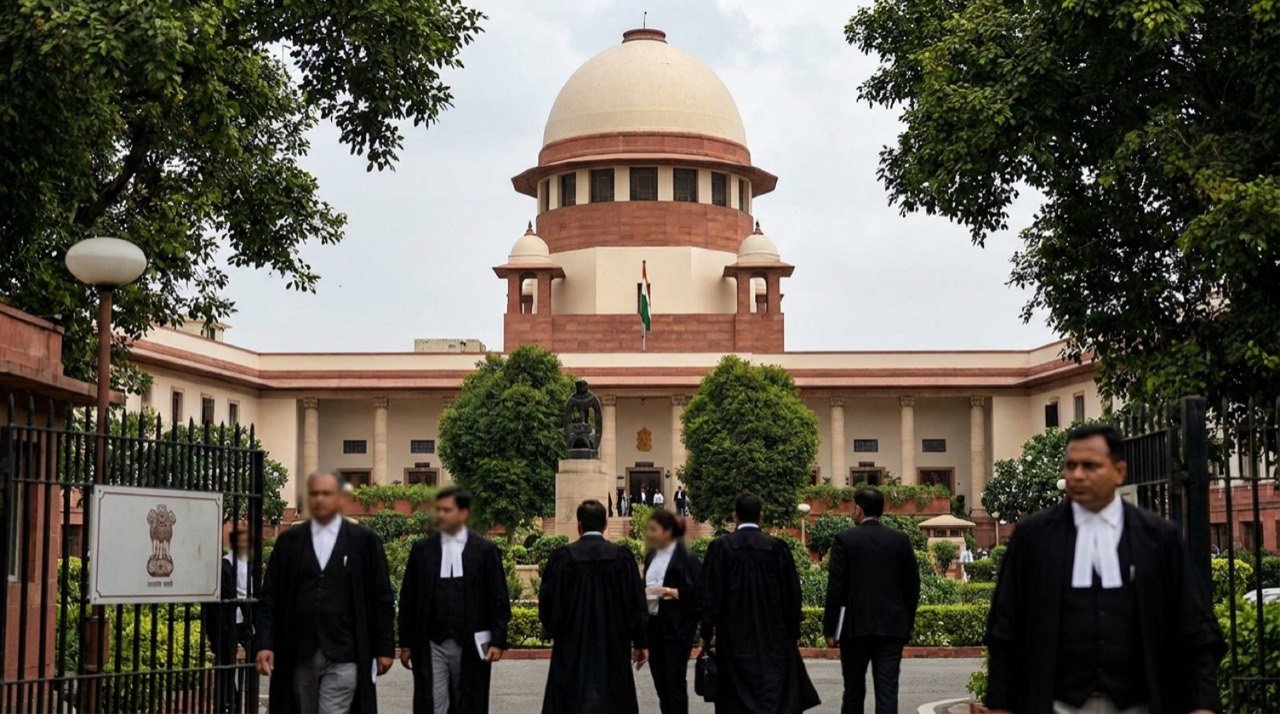
Supreme Court Pulls Up CARA Over Adoption Delays For Waiting Families
The Supreme Court has questioned an alleged obstructionist approach by the Central Adoption Resource Authority, spotlighting the long delays faced by children and prospective parents seeking permanent families.
More from this section
More
AICTE Industry Fellowship 2026: Rs 1.5 Lakh Scheme Closes July 5
The AICTE Industry Fellowship Programme 2026, which places technical-education faculty inside leading companies on a Rs 1.5 lakh monthly stipend, reached its application deadline on July 5.
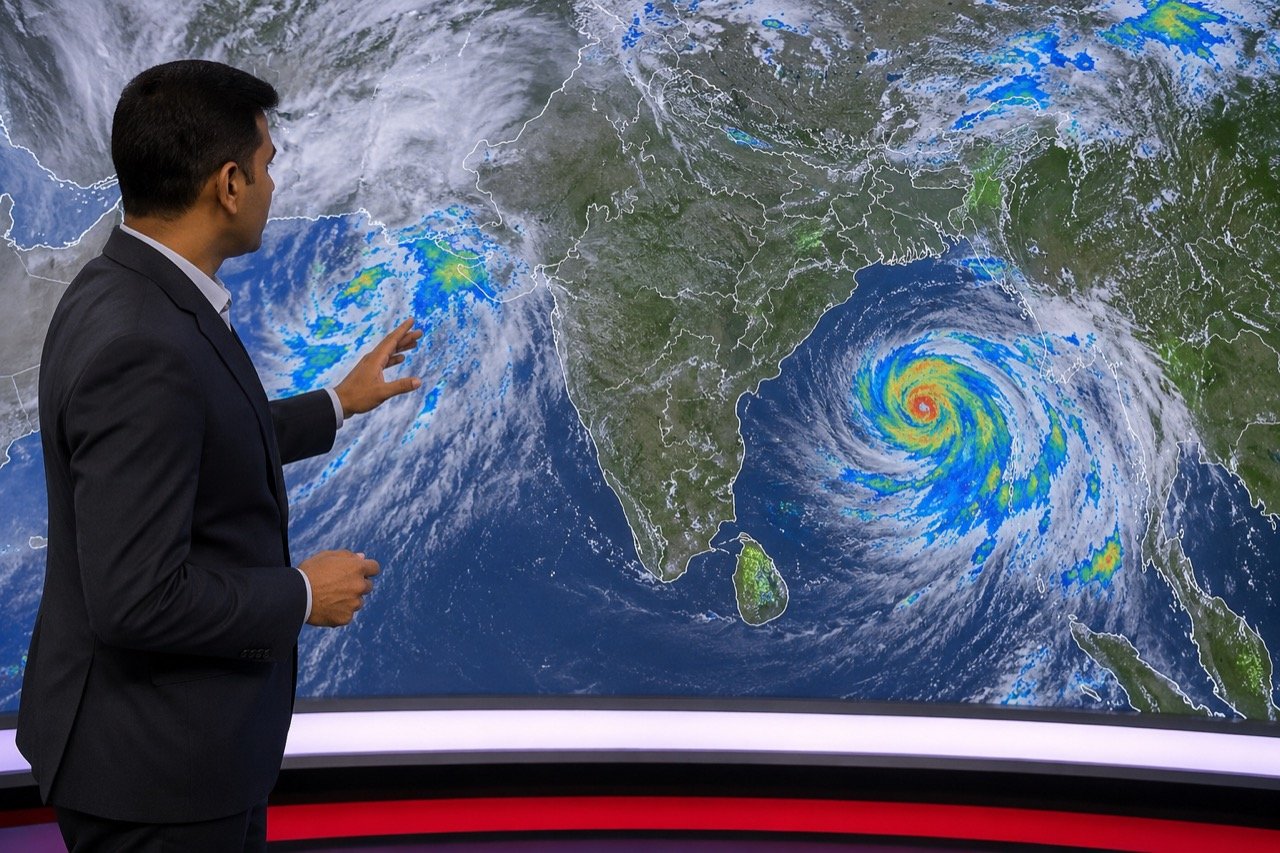
Bay of Bengal Low Pressure System Revives Monsoon Over Western India
A low-pressure system over the Bay of Bengal has pushed the monsoon back into an active phase, bringing steady heavy rain to Kerala, coastal Karnataka and Maharashtra, and putting Mumbai and Pune on preparedness watch.
Bishnoi Gang Suspects Injured in Haryana Encounter as Police Tighten Net
A joint Haryana-Delhi Police operation in Bahadurgarh left two suspected Lawrence Bishnoi gang members injured, spotlighting the multi-state coordination now central to India's fight against organised crime networks.