Brahmapur-Udhna Amrit Bharat Express Goes Daily, Boosting Odisha Link
The Brahmapur-Udhna Amrit Bharat Express is set to run every day, giving passengers travelling between Odisha and Gujarat a more dependable and affordable long-distance rail option for work, study and family journeys.
Commentary & Analysis ·
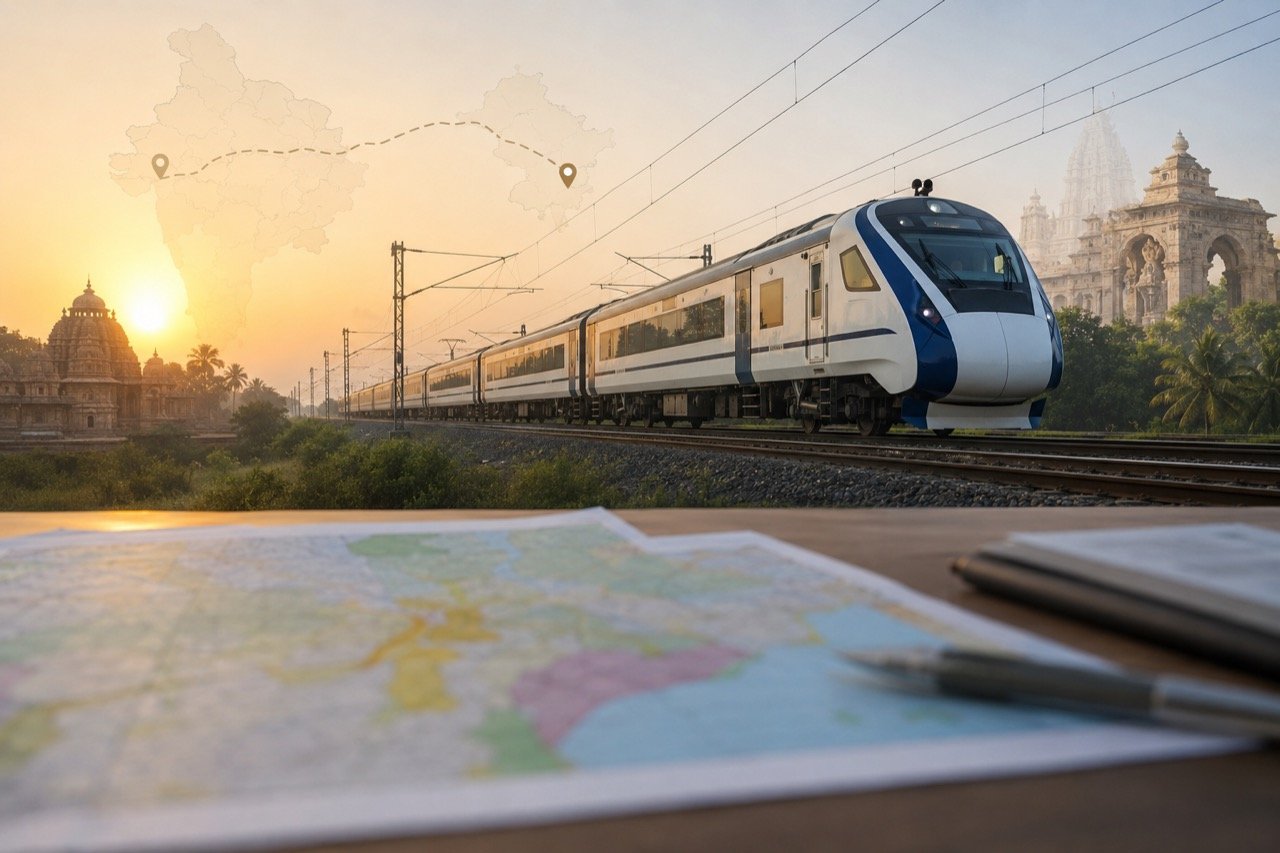
The Brahmapur-Udhna Amrit Bharat Express is being upgraded to a daily service, according to a July 5 report, strengthening one of the key rail corridors connecting Odisha with Gujarat. Route, stops and timetable details have been published for passengers planning journeys on the line. On the surface, this reads as a routine operational update, the sort of announcement that railway watchers might file away without much comment. But for the hundreds of thousands of people who move between eastern India and the industrial west every year, the shift from limited-day running to a daily schedule is the kind of change that reshapes how a journey is planned, budgeted for and trusted.
Why frequency is the real headline
A train that runs weekly or on a handful of days a week forces travellers to build their entire plan around the timetable rather than the other way round. Leave dates, festival visits, medical appointments, job interviews and family emergencies all have to be reverse-engineered to fit whichever day the train happens to run. Daily operation flips that equation. The service becomes something passengers can rely on at short notice, reducing dependence on costlier flights or long, indirect rail connections that involve multiple changes and extended waiting periods at junction stations. For a route of this length, spanning the width of the country from Odisha's coast to Gujarat's industrial belt, that shift in flexibility is often more consequential than the launch of a brand-new train altogether. A new train generates a headline for a day. A daily upgrade quietly changes behaviour for years.
It is worth pausing on why frequency, rather than novelty, deserves this much attention. Indian Railways' public conversation tends to focus on inaugurations: a new Vande Bharat here, a new Amrit Bharat there, ribbon-cuttings and flagged-off first runs. Those moments are photogenic and easy to cover. But the everyday reliability of a corridor, whether a traveller can simply walk to the station on a Tuesday and expect a train to be running, is a quieter and arguably more important measure of how well the railway network is serving working people. This announcement belongs to that quieter category.
A corridor shaped by migration
The Odisha-Gujarat link carries more than tourists and occasional leisure travellers. Gujarat's industrial centres draw workers from several states, including Odisha, and predictable rail connectivity supports safer, more affordable movement for migrant workers and their families. For a labourer working in a textile unit, a ceramics factory or a construction site in Gujarat, the ability to travel home on short notice, whether for a family wedding, a harvest season, an illness back home or simply an annual visit, is not a convenience but a basic condition of the job being sustainable at all. When trains run infrequently, workers either lose wages waiting for the right travel day or are pushed towards unreliable, unsafe, or more expensive alternatives.
Students, small traders and people travelling for medical care also stand to benefit from a dependable daily schedule. A student in Odisha admitted to an institution in Gujarat, or a small trader moving goods and sample orders between the two states, benefits just as much from predictability as a factory worker does. Medical travel is perhaps the starkest case: families seeking specialist treatment unavailable locally cannot always wait for a train that runs only twice a week, and a daily service removes one layer of uncertainty from what is already a stressful situation.
What has actually been confirmed
The confirmed development is the move to daily operation along with published route and timetable information. That much is clear and worth taking at face value. What is not yet detailed, at least not in the information available so far, are matters such as capacity, coach composition and onboard comfort. Those specifics should be read from official railway notifications rather than assumed. It would be a mistake to extrapolate from a frequency announcement into claims about additional coaches, upgraded amenities or expanded seating tiers unless the railway confirms them separately. Even so, the frequency change alone marks a meaningful upgrade for regular travellers on the corridor, and it is the kind of change that does not need embellishment to matter.
Reading the announcement in a wider context
Amrit Bharat trains were conceived as a more affordable, non-air-conditioned alternative for long-distance travel, aimed squarely at the demographic that this corridor serves: working-class passengers moving long distances for economic reasons rather than leisure. Seen in that light, converting a route like Brahmapur-Udhna to daily service is consistent with the stated purpose of the Amrit Bharat category itself. It is one thing to introduce a new class of train with a particular passenger base in mind; it is another to actually adjust its frequency so that the promise of affordable, accessible long-distance travel is matched by day-to-day availability. This update suggests the latter is happening, at least on this route.
There is also a regional equity dimension worth naming. Eastern India, and Odisha in particular, has long supplied labour to the industrial economies of western and southern India without always receiving commensurate investment in the connective infrastructure that would make that labour migration less punishing. A daily train is a modest but concrete counterweight to that imbalance. It does not address the structural reasons why workers must migrate in the first place, but it does reduce the toll that migration takes on those who have little choice but to undertake it.
The NE Times View
India's railway debate is often dominated by flagship launches, but this update is a reminder that frequency is infrastructure too. When a long-distance train becomes daily, it stops being an event and becomes part of everyday life for working families moving between Odisha and Gujarat. That matters most for migrant workers, who bear the highest costs when travel is unpredictable, whether in lost wages, inflated fares on alternative transport, or the sheer stress of planning around scarcity. We would like to see this frequency-first approach applied more widely across corridors that link eastern India to the country's industrial west, where demand consistently outstrips supply. Announcements of new trains will always draw more attention than upgrades to existing ones, but for the passengers who actually depend on these routes week after week, it is precisely this sort of unglamorous, incremental change that makes the difference between a railway that serves them and one that merely passes through their region.
Key takeaways
- The Brahmapur-Udhna Amrit Bharat Express is moving to daily operation, according to a July 5 report, with route and timetable details published for passengers.
- Daily frequency reduces dependence on costlier flights and indirect connections, giving passengers the ability to travel at short notice rather than planning around a limited timetable.
- The corridor is heavily used by migrant workers travelling to Gujarat's industrial centres, as well as students, small traders and medical travellers, all of whom benefit from predictable scheduling.
- Details on capacity, coach composition and comfort have not been confirmed and should be sourced from official railway notifications rather than assumed.
- The NE Times View calls for a frequency-first approach to be extended to other corridors linking eastern India with the industrial west, where demand continues to outstrip supply.
You may also like to read
Puri-Koraput Express: New Train to Link Coastal and South Odisha
Indian Railways is introducing the Puri-Koraput Express to give Odisha a more direct passenger link between its coastal pilgrimage hub and the southern hill districts, with route and timetable details now published.
Railway Board Clears New Terminal for Ahmedabad-Okha Vande Bharat Express
The Railway Board has approved a dedicated terminal station for the Ahmedabad-Okha Vande Bharat Express, a move expected to ease platform pressure and reshape travel across coastal and pilgrimage Gujarat.
Odisha Railway Reorganisation Demand Grows as East Coast Railway Shrinks
With the new South Coast Railway carving territory away from East Coast Railway, Odisha is reviving long-standing calls to merge its South Eastern Railway sections into ECoR for unified planning.
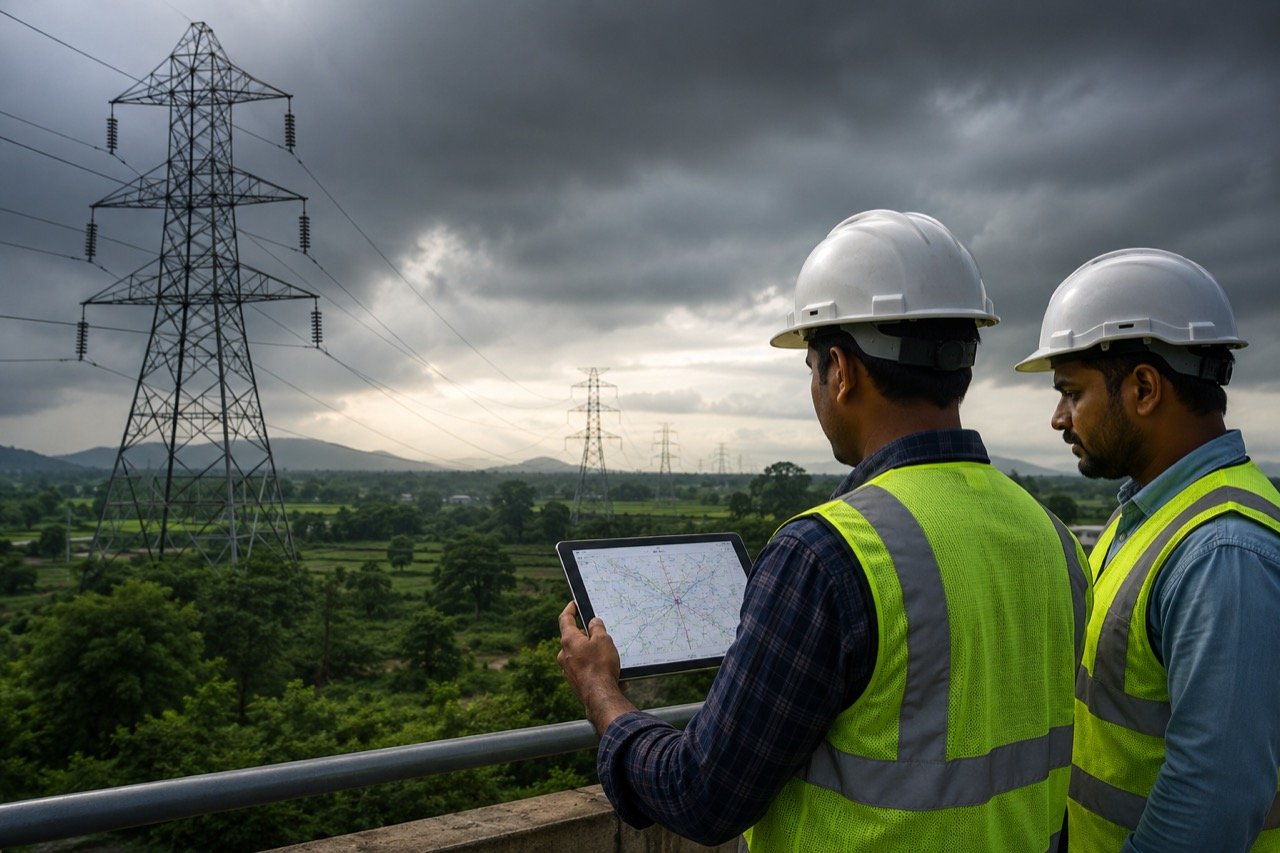
Odisha Seeks Rs 9,000 Crore to Build a Disaster-Proof Power Grid
Odisha has asked the Centre for more than Rs 9,000 crore to storm-harden its electricity network, putting a visible price tag on climate resilience for India's cyclone-prone coastal states.
More from this section
More
AICTE Industry Fellowship 2026: Rs 1.5 Lakh Scheme Closes July 5
The AICTE Industry Fellowship Programme 2026, which places technical-education faculty inside leading companies on a Rs 1.5 lakh monthly stipend, reached its application deadline on July 5.

Bay of Bengal Low Pressure System Revives Monsoon Over Western India
A low-pressure system over the Bay of Bengal has pushed the monsoon back into an active phase, bringing steady heavy rain to Kerala, coastal Karnataka and Maharashtra, and putting Mumbai and Pune on preparedness watch.
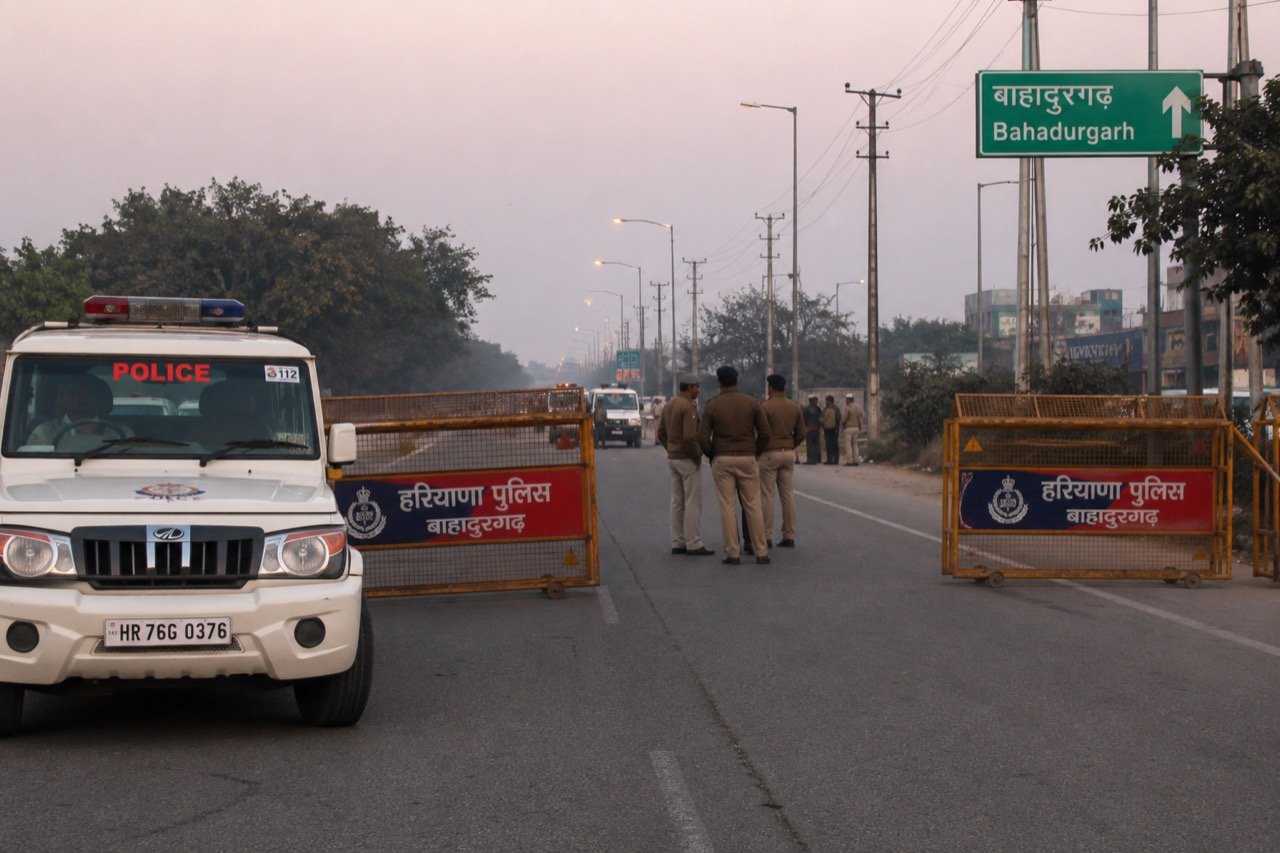
Bishnoi Gang Suspects Injured in Haryana Encounter as Police Tighten Net
A joint Haryana-Delhi Police operation in Bahadurgarh left two suspected Lawrence Bishnoi gang members injured, spotlighting the multi-state coordination now central to India's fight against organised crime networks.