Railway Board Clears New Terminal for Ahmedabad-Okha Vande Bharat Express
The Railway Board has approved a dedicated terminal station for the Ahmedabad-Okha Vande Bharat Express, a move expected to ease platform pressure and reshape travel across coastal and pilgrimage Gujarat.
Commentary & Analysis ·
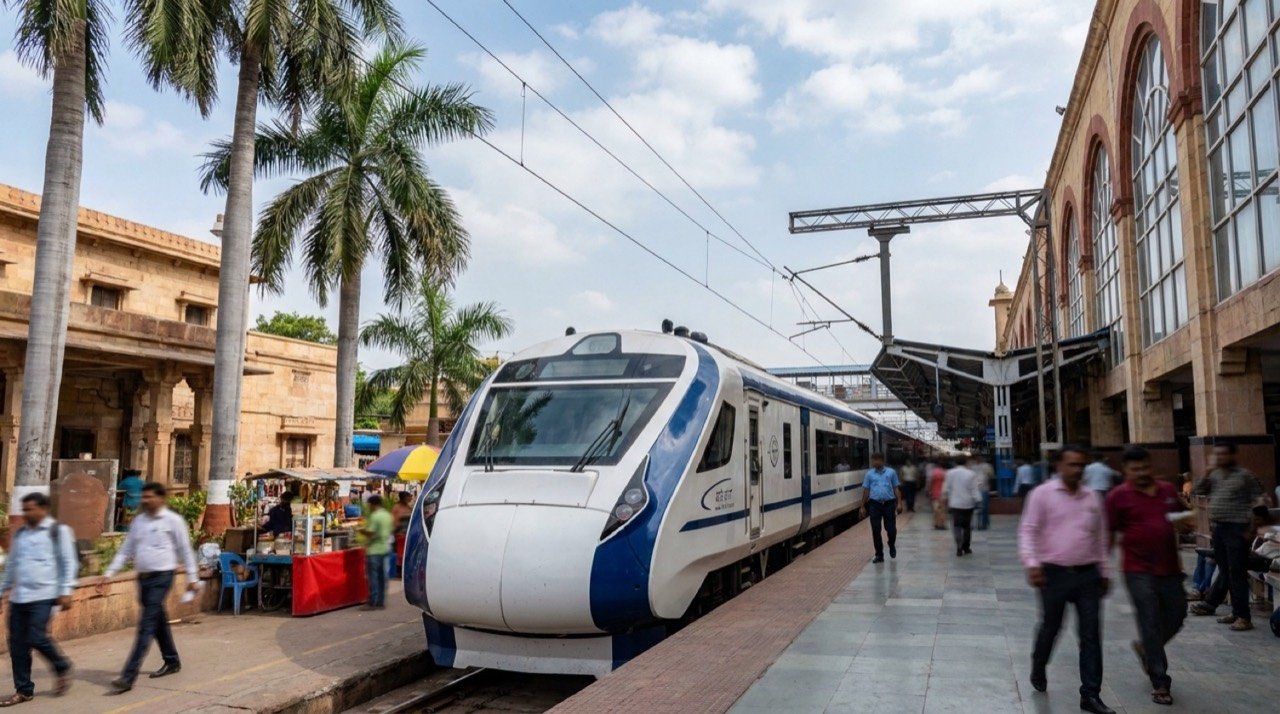
The Railway Board has approved a new terminal station for the Ahmedabad-Okha Vande Bharat Express, a decision that signals a shift in how India manages its growing fleet of premium semi-high-speed trains. Rather than simply adding routes, the railways are now fine-tuning where those trains begin and end their journeys, weighing passenger convenience against the practical limits of station capacity.
Why a terminal decision matters
Terminal stations are far more than the point where a journey starts. They determine platform availability, the time a rake can be cleaned and serviced between trips, and how easily passengers reach the train from across a city or region. For a flagship service like the Vande Bharat, a poorly placed terminal can mean overcrowded platforms, tight turnaround windows and timetable bottlenecks.
By approving a dedicated terminal for the Ahmedabad-Okha service, the Railway Board appears to be addressing exactly these pressures, freeing up congested platforms at busier junctions and giving the train a more predictable operational base.
What it means for Gujarat
The Ahmedabad-Okha corridor is significant for Gujarat because it threads together major urban centres, the state's western coastline and pilgrimage-linked destinations near Dwarka. Improved terminal arrangements can widen access for travellers who currently find the route inconvenient, while also supporting tourism and regional commerce along the way.
A terminal change, however, is rarely seamless. Timetables must be recalibrated, connecting services aligned and station staff redeployed, all without disrupting the existing rhythm of one of the region's most-watched train services.
From launch announcements to route-level refinement
The approval reflects a broader maturing of the Vande Bharat programme. The first phase was defined by high-profile launches and flag-offs; the current phase is increasingly about operational detail, where decisions on station capacity, maintenance depots and passenger demand shape the network's next stage of expansion.
- Eases platform congestion at busier junction stations along the route
- Improves turnaround time for cleaning and maintenance of the rake
- Widens access for coastal and pilgrimage-linked travellers in Gujarat
- Requires fresh timetable coordination and connecting-service alignment
- Signals a shift from launch announcements to route-level network refinement
For passengers, the immediate question will be how quickly the new terminal becomes operational and whether scheduling adjustments are communicated clearly in advance. For Indian Railways, the decision is a small but telling example of how the semi-high-speed network is being optimised station by station, rather than expanded in name alone. As the Vande Bharat footprint grows, such terminal-level choices are likely to become routine tools for managing demand and reliability.
The NE Times View
A dedicated terminal is a quietly significant upgrade, easing platform congestion is exactly the unglamorous capacity work India's strained railways need. Routing a premium service toward coastal and pilgrimage Gujarat also signals smart demand-led planning rather than prestige for its own sake. The payoff depends on connectivity to the terminal and honest scheduling, a fast train stranded by poor last-mile access helps no one. If executed well, it is a template for relieving pressure elsewhere.
This article is original commentary and analysis by The NE Times. Background facts were referenced from The Indian Express and Indian Railways.
You may also like to read
Brahmapur-Udhna Amrit Bharat Express Goes Daily, Boosting Odisha Link
The Brahmapur-Udhna Amrit Bharat Express is set to run every day, giving passengers travelling between Odisha and Gujarat a more dependable and affordable long-distance rail option for work, study and family journeys.
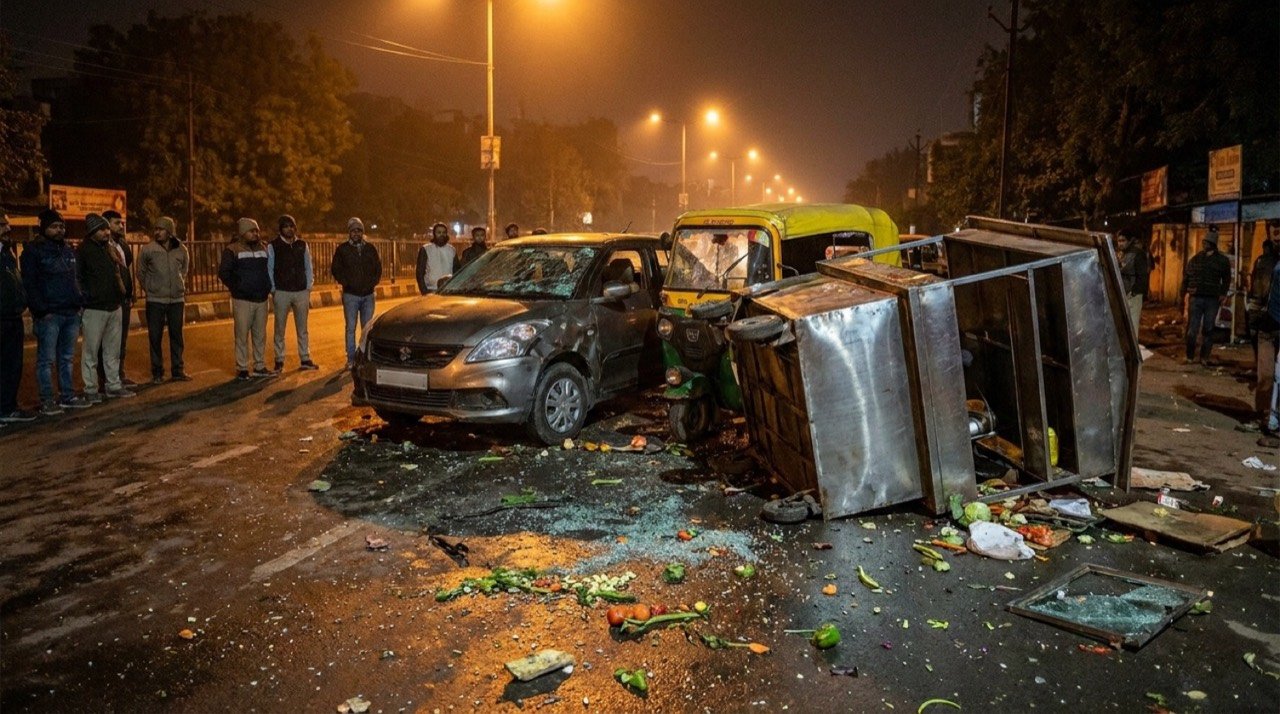
Ahmedabad Car Crash Renews Focus on Road Safety and Medical Emergencies at the Wheel
A late-night crash in Ahmedabad that killed one woman and injured six has revived debate over urban road safety, after the driver may have suffered a seizure behind the wheel.
Puri-Koraput Express: New Train to Link Coastal and South Odisha
Indian Railways is introducing the Puri-Koraput Express to give Odisha a more direct passenger link between its coastal pilgrimage hub and the southern hill districts, with route and timetable details now published.
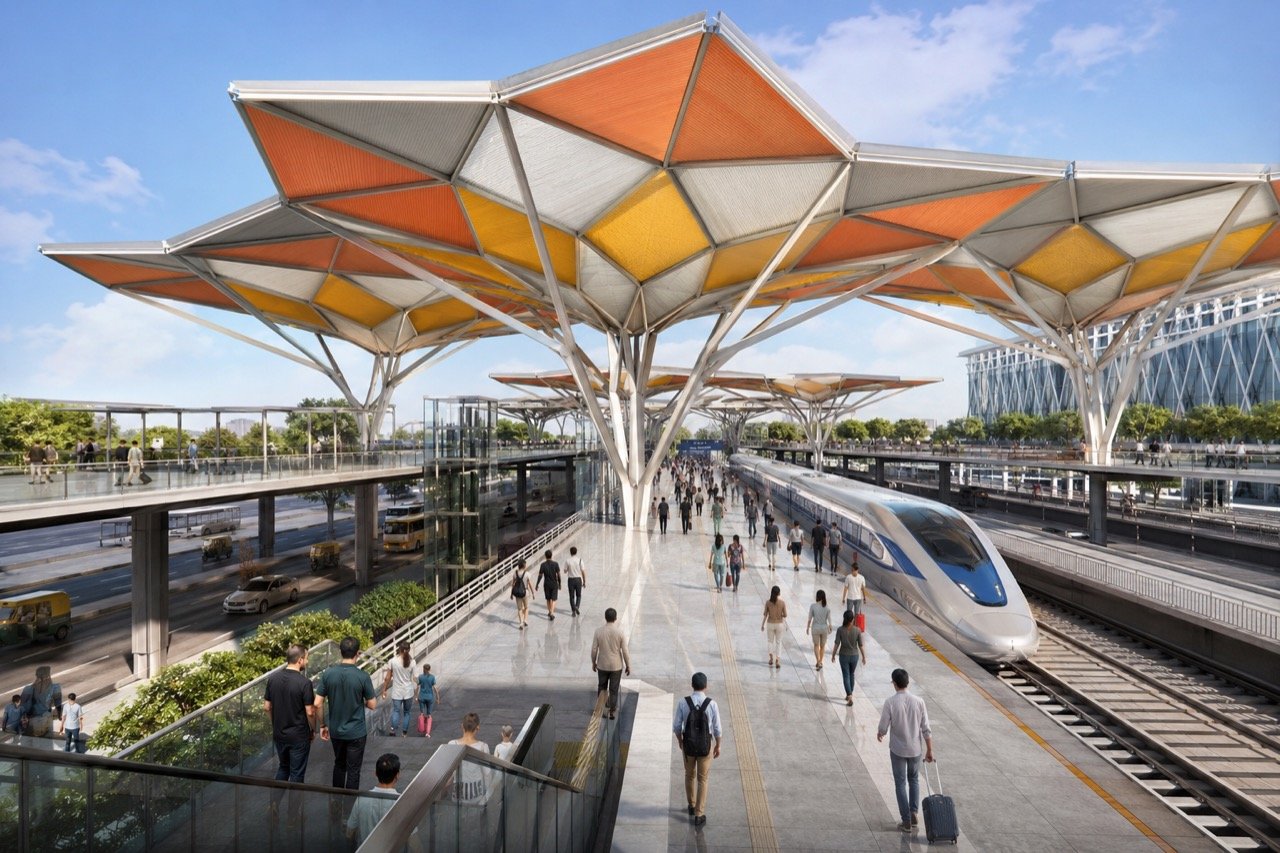
Ahmedabad Bullet Train Station Gets Kite-Inspired Multimodal Hub Plan
Ahmedabad's bullet train station is set to be developed as a multimodal transport hub with a kite-inspired design, giving India's high-speed rail project a distinctive urban landmark rooted in local identity.
More from this section
More
AICTE Industry Fellowship 2026: Rs 1.5 Lakh Scheme Closes July 5
The AICTE Industry Fellowship Programme 2026, which places technical-education faculty inside leading companies on a Rs 1.5 lakh monthly stipend, reached its application deadline on July 5.
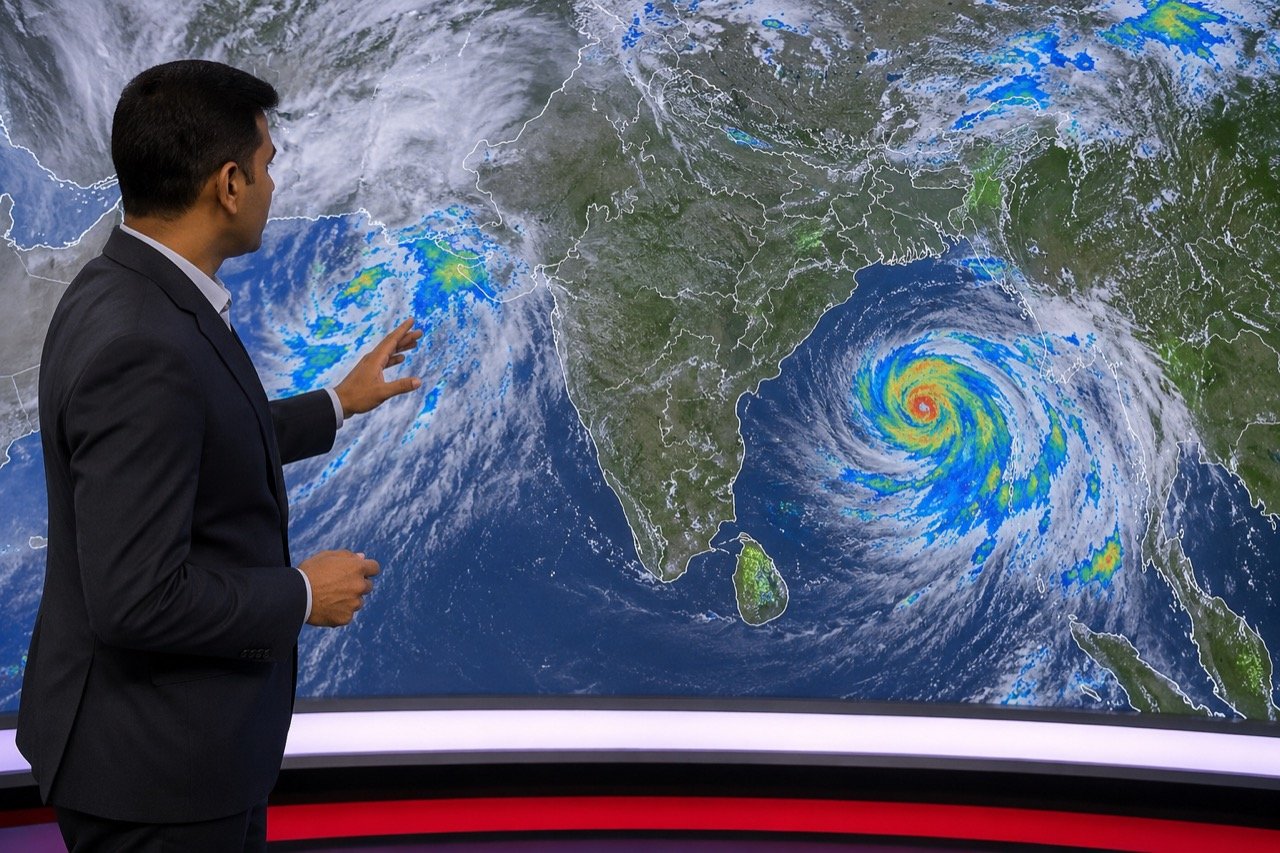
Bay of Bengal Low Pressure System Revives Monsoon Over Western India
A low-pressure system over the Bay of Bengal has pushed the monsoon back into an active phase, bringing steady heavy rain to Kerala, coastal Karnataka and Maharashtra, and putting Mumbai and Pune on preparedness watch.
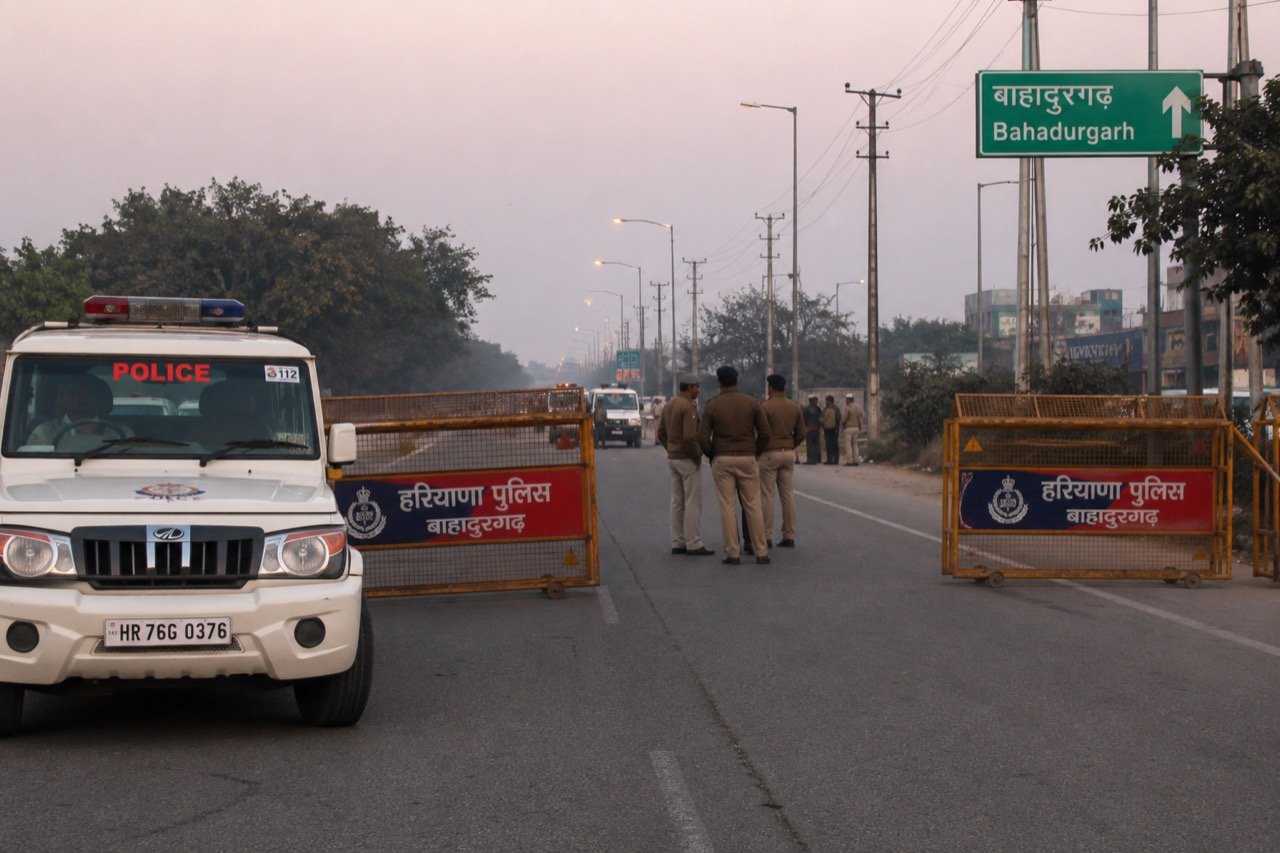
Bishnoi Gang Suspects Injured in Haryana Encounter as Police Tighten Net
A joint Haryana-Delhi Police operation in Bahadurgarh left two suspected Lawrence Bishnoi gang members injured, spotlighting the multi-state coordination now central to India's fight against organised crime networks.