Puri-Koraput Express: New Train to Link Coastal and South Odisha
Indian Railways is introducing the Puri-Koraput Express to give Odisha a more direct passenger link between its coastal pilgrimage hub and the southern hill districts, with route and timetable details now published.
Commentary & Analysis ·
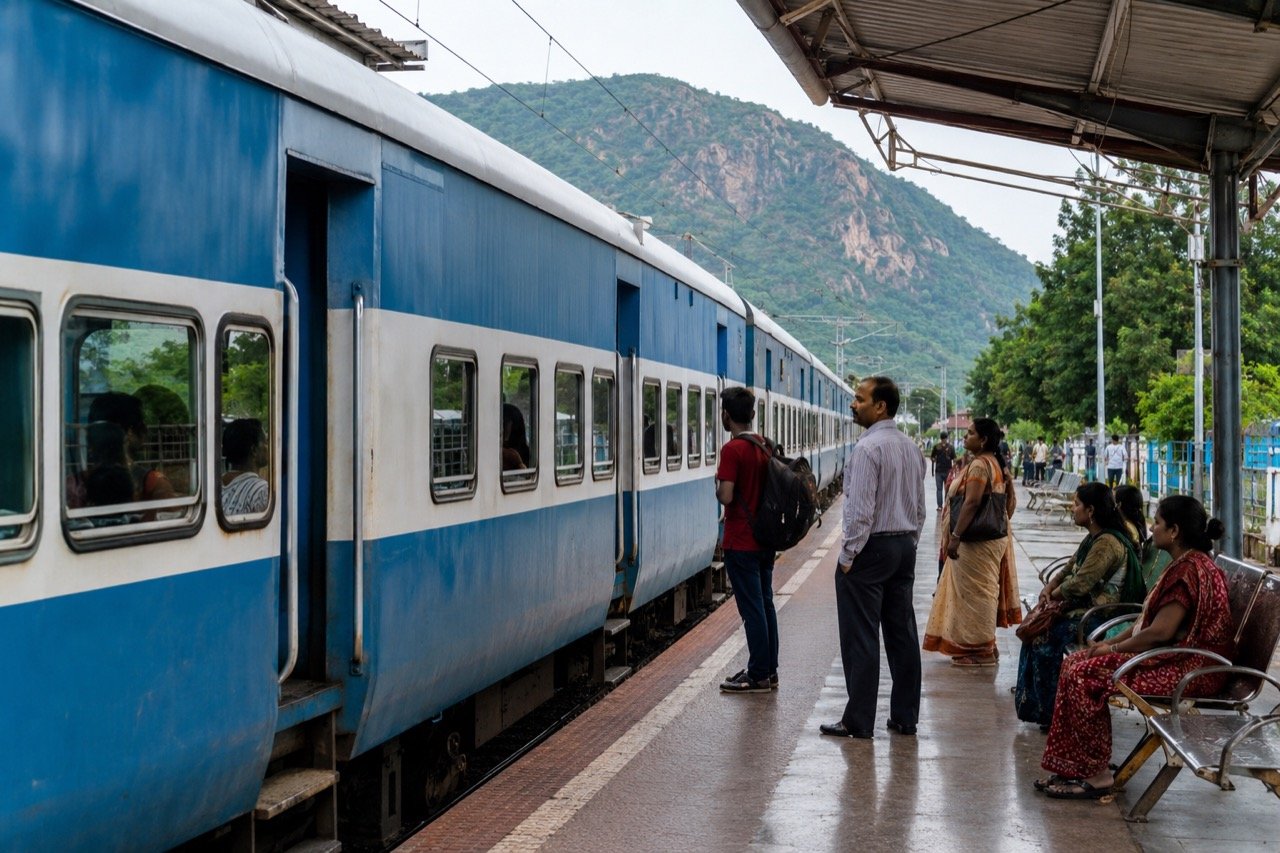
Indian Railways is set to launch the Puri-Koraput Express, a new service aimed at improving passenger connectivity within Odisha, according to a July 5 report. The train's number, route, stops and timetable have been detailed, making the announcement immediately useful for travellers planning journeys between the coast and the state's southern districts. On the surface, this is a routine railway notification of the kind issued every month across the country. Looked at more closely, however, it says something about how India's transport planners are beginning to think about connectivity that does not run through a metro.
Connecting two very different Odishas
Puri is one of India's busiest pilgrimage and tourism destinations, drawing a steady flow of devotees and visitors through the year. Koraput, by contrast, sits in the tribal-majority hill belt of southern Odisha, a region long regarded as under-connected by both road and rail. The two places represent almost opposite faces of the same state: one defined by religious tourism and coastal commerce, the other by tribal agriculture, forested terrain and a comparative absence of large-scale infrastructure investment. A direct express service linking them is therefore not simply a new line on a timetable. It is a physical thread drawn between Odisha's most visited town and one of its least visited interiors.
For the people who actually use this train, the significance is practical rather than symbolic. Students travelling to colleges outside their home district, workers seeking employment in coastal towns, traders moving goods between markets, and families making medical trips to better-equipped hospitals in Puri or along the route will all find a scheduled, single journey now possible where previously they may have needed slower passenger trains, road transport, or multi-leg connections. Reducing that friction matters more to daily life than most infrastructure headlines suggest.
Why a train launch is more than a timetable update
Rail launches rarely command the attention given to new airports or expressways, yet their everyday impact is often more immediate and more evenly distributed across income groups. An airport serves a narrow slice of travellers; a new express train, priced within reach of ordinary households, serves a far wider cross-section of the population. A scheduled, affordable train changes how households plan medical visits, education travel and seasonal movement for work or family occasions. These are unglamorous but essential functions, and they accumulate into real shifts in how a region interacts with the rest of the state and country.
There is also a tourism dimension worth noting. Southern Odisha's hill country, its waterfalls and its coffee-growing landscapes are not widely known outside specialist travel circles, partly because reaching them has been inconvenient. A direct link from Puri, already a magnet for domestic and international visitors, could expose some of that footfall to destinations further south, provided onward local transport and hospitality infrastructure in Koraput and its neighbouring districts are able to absorb the interest.
What a single train can and cannot do
The measured reading is that one express service will not transform a regional economy on its own. Rail connectivity is a necessary but insufficient condition for development; it needs to be matched by local infrastructure, employment opportunities and continued investment for its benefits to compound. What the Puri-Koraput Express does provide is another reliable, low-cost option in a region where transport choices have historically been limited. Ridership over the coming months will be the real test of the corridor's value, and will help determine whether frequency or capacity should be expanded in future.
This is an important caveat for how such announcements should be read. It is tempting to treat a new train as an endpoint, a problem solved. In practice it is closer to a starting point: an opportunity that will only be realised if the service proves dependable enough for people to build their routines around it. Railways in remote or under-served regions have sometimes struggled with irregular scheduling, capacity shortfalls during peak season, or gradual neglect once the initial launch attention fades. Whether the Puri-Koraput Express avoids that pattern will depend on operational follow-through rather than on the inaugural announcement itself.
Stakeholders with a direct interest in the outcome
Several groups have a stake in how this corridor performs. Passengers in Koraput and the surrounding tribal-majority districts gain a new option for reaching the coast, but they will judge the service on punctuality and comfort, not on the fact of its existence. Traders and small businesses along the route may find new opportunities to move goods or attract custom from travellers passing through. Tourism operators in southern Odisha have a chance to pitch the hill country, waterfalls and coffee estates to visitors already in Puri, but will need marketing and local transport links to convert rail passengers into overnight guests. State and railway authorities, for their part, will be watching ridership data as the basis for any future decisions on frequency, additional coaches, or extensions of the route.
The wider pattern this launch fits into
Seen in isolation, one express train is a modest development. Seen as part of a broader pattern, it fits into a slow but real widening of India's rail map beyond its most obvious corridors. Regions like southern Odisha, with significant tribal populations and historically limited connectivity, have often been treated as afterthoughts in transport planning, receiving attention only when politically convenient. A direct, named express service between a major pilgrimage hub and a hill district is a small but concrete counterexample to that tendency, and it invites comparison with how other under-connected regions across India are or are not being served.
The NE Times View
This launch deserves attention precisely because it points away from the metros. Koraput and its neighbouring districts have historically sat at the margins of India's transport map, and every direct link to a major hub like Puri chips away at that isolation. In our view, connectivity for tribal and hill regions should be judged not by ribbon-cuttings but by whether services stay reliable, affordable and well-timed for ordinary passengers. Announcements are easy; sustained, well-run operations are harder, and it is the latter that will determine whether this corridor becomes a genuine asset for the districts it serves. If this express is backed by consistent operations, it could become a quiet template for linking India's overlooked interiors to its busiest destinations, offering a model worth watching for other under-served regions of the country.
Key takeaways
- The Puri-Koraput Express directly links one of India's busiest pilgrimage destinations with a tribal-majority hill district in southern Odisha that has long been under-connected.
- The service is expected to ease travel for students, workers, traders and families who previously relied on slower or multi-leg journeys across the state.
- Beyond passenger convenience, the route could open southern Odisha's hill country, waterfalls and coffee-growing landscapes to tourists arriving through Puri.
- A single train cannot transform a regional economy alone; ridership over coming months will determine whether frequency or capacity should grow.
- The long-term value of the corridor will depend on reliable, affordable and well-timed service rather than on the initial launch announcement.
You may also like to read
Brahmapur-Udhna Amrit Bharat Express Goes Daily, Boosting Odisha Link
The Brahmapur-Udhna Amrit Bharat Express is set to run every day, giving passengers travelling between Odisha and Gujarat a more dependable and affordable long-distance rail option for work, study and family journeys.
Odisha Railway Reorganisation Demand Grows as East Coast Railway Shrinks
With the new South Coast Railway carving territory away from East Coast Railway, Odisha is reviving long-standing calls to merge its South Eastern Railway sections into ECoR for unified planning.

Railways Rolls Out Real-Time App to Flag Train Delays Past 15 Minutes
Indian Railways has launched its first internal app to monitor train punctuality in real time, flagging delays beyond fifteen minutes so officials can spot bottlenecks and coordinate faster responses across the network.
Odisha Seeks Rs 9,000 Crore to Build a Disaster-Proof Power Grid
Odisha has asked the Centre for more than Rs 9,000 crore to storm-harden its electricity network, putting a visible price tag on climate resilience for India's cyclone-prone coastal states.
More from this section
More
AICTE Industry Fellowship 2026: Rs 1.5 Lakh Scheme Closes July 5
The AICTE Industry Fellowship Programme 2026, which places technical-education faculty inside leading companies on a Rs 1.5 lakh monthly stipend, reached its application deadline on July 5.

Bay of Bengal Low Pressure System Revives Monsoon Over Western India
A low-pressure system over the Bay of Bengal has pushed the monsoon back into an active phase, bringing steady heavy rain to Kerala, coastal Karnataka and Maharashtra, and putting Mumbai and Pune on preparedness watch.
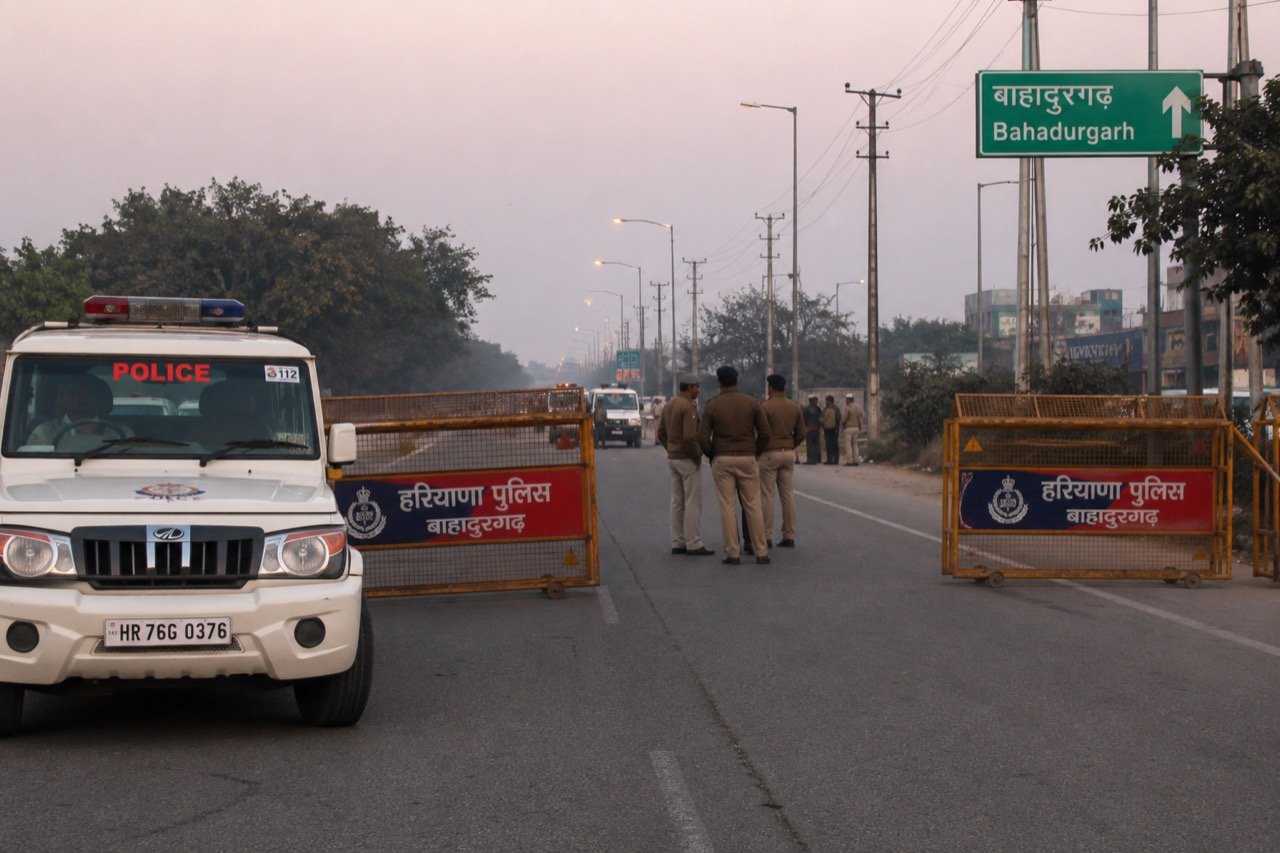
Bishnoi Gang Suspects Injured in Haryana Encounter as Police Tighten Net
A joint Haryana-Delhi Police operation in Bahadurgarh left two suspected Lawrence Bishnoi gang members injured, spotlighting the multi-state coordination now central to India's fight against organised crime networks.