Odisha Seeks Rs 9,000 Crore to Build a Disaster-Proof Power Grid
Odisha has asked the Centre for more than Rs 9,000 crore to storm-harden its electricity network, putting a visible price tag on climate resilience for India's cyclone-prone coastal states.
Commentary & Analysis ·

Odisha has drawn up a plan to make its power grid disaster-proof and is seeking more than Rs 9,000 crore from the Centre to fund it. For a state battered repeatedly by cyclones and extreme weather, the proposal turns a familiar vulnerability — electricity networks that collapse when storms hit — into a concrete infrastructure demand. It is a significant sum, and the fact that it has been quantified at all marks a shift in how the state is approaching disaster preparedness: not as a matter of emergency response after the fact, but as a capital planning exercise undertaken well in advance.
The stakes go well beyond blackouts. When a grid fails during a storm, hospitals, water supply, communications, transport and relief operations all falter with it. In a cyclone-prone state, power resilience is effectively a public safety system. A hospital running on diesel backup for days, a water treatment plant unable to pump supply, mobile networks going dark just when residents most need to coordinate evacuation or relief — these are the downstream consequences of a grid that cannot withstand a storm. Framing electricity infrastructure this way elevates it from a utility concern to a matter of life and safety, which is precisely the argument Odisha appears to be making to the Centre.
Why the grid keeps failing
Odisha's coastline has made it one of the most cyclone-exposed states in India, and its power infrastructure has borne the brunt of that exposure for decades. Overhead lines, wooden or weak poles, and substations built without adequate protection against high winds and flooding are especially vulnerable. Each major storm tends to knock out large sections of the grid, triggering weeks of restoration work, temporary repairs, and the eventual replacement of damaged assets — only for the cycle to repeat with the next cyclone. This pattern of repeated, reactive rebuilding is expensive, disruptive and, crucially, avoidable to a significant degree if the underlying infrastructure is hardened in advance.
What disaster-proofing actually involves
Hardening a grid means investment before disaster strikes, not just restoration money afterwards. The elements under consideration include underground cabling in high-risk corridors, so that lines are no longer exposed to wind and falling debris; stronger poles and towers engineered to withstand cyclonic wind speeds; smarter substations equipped to handle flooding and power surges; and improved backup systems that can keep critical services running even when the primary grid is compromised. These upgrades are expensive up front, but they are designed to break the costly cycle of rebuilding the same infrastructure after every major storm. In effect, the logic is similar to flood-proofing a building rather than repeatedly repainting water-damaged walls: the initial outlay is higher, but the long-run cost of ownership falls sharply.
This is also a shift in mindset for disaster management more broadly. Historically, disaster funding in India has been weighted heavily towards relief and restoration — money that flows after the damage is done. A proposal that asks for capital before the disaster, specifically to reduce the scale of damage when it eventually comes, represents a different category of spending, one that is harder to justify politically in the moment but cheaper and more effective over time.
The funding question and the federal debate
The proposal also lands in the middle of a live federal debate. Disaster management responsibilities are shared across levels of government, and the state wants central support for a bill it argues serves national resilience goals. This is not a trivial ask: Rs 9,000 crore is a substantial claim on central resources, and any negotiation will likely involve questions about cost-sharing formulas, the pace of disbursement, and how the money is tied to measurable outcomes. The real test is not only who pays, but how quickly such projects can be approved and executed before the next cyclone season. Infrastructure funding that gets tied up in inter-governmental correspondence for years loses much of its value, because the risk it is meant to address does not wait for bureaucratic timelines.
There is also a practical execution dimension. Undergrounding cables and rebuilding substations at scale requires contractors, materials and sustained project management across a large and geographically dispersed state. Even if funds are approved, the speed of physical execution will determine how much protection is actually in place before the next major storm season arrives. This makes timelines nearly as important as the funding decision itself.
Why this has national resonance
Odisha's request has implications well beyond its own borders. As extreme weather risks intensify, other coastal and climate-exposed states are likely to bring similar demands, making grid resilience a recurring line item in India's infrastructure planning rather than a one-off emergency response. States such as Andhra Pradesh, West Bengal, Tamil Nadu and Gujarat all face comparable exposure to cyclones and coastal weather extremes, and each has its own ageing power infrastructure that would benefit from the same kind of hardening. If Odisha's proposal is approved and shown to work, it could become a template — a reference point that other states point to when making their own case to the Centre. If it stalls, it may instead serve as a cautionary example of how slow inter-governmental processes can undercut good intentions.
This dynamic also raises a broader planning question for the Centre. Handling each state's request individually, as it comes, risks a piecemeal and inconsistent approach to coastal resilience. A more coherent alternative would be a national framework that anticipates these requests and sets out shared standards, cost-sharing principles and funding timelines in advance, rather than reacting to each state's proposal separately as extreme weather events force the issue.
The NE Times View
Odisha is doing what climate adaptation actually requires: putting a number on it. The state's disaster-management record since the 1999 super cyclone has been widely praised, and this proposal extends that logic from evacuation to infrastructure. Odisha has, over the past two decades, built a reputation for effective early-warning systems and mass evacuation drills that have saved thousands of lives during subsequent cyclones. Applying that same discipline to physical infrastructure — treating grid resilience as seriously as evacuation planning — is a logical and overdue next step.
The Centre should treat it less as one state's wishlist and more as a pilot for a national coastal-resilience framework — because Andhra Pradesh, West Bengal, Tamil Nadu and Gujarat will not be far behind. Paying Rs 9,000 crore before a disaster is almost always cheaper than paying it, repeatedly, after one. The arithmetic of disaster economics tends to favour prevention: the cost of hardening infrastructure once is generally lower than the cumulative cost of repairing it after every storm, not to mention the indirect economic losses from extended blackouts, disrupted businesses and stalled relief operations. The worst outcome would be for the plan to languish in inter-governmental correspondence until the next cyclone makes the case at far higher cost.
Key takeaways
- Odisha is seeking over Rs 9,000 crore from the Centre to build a disaster-proof power grid, including underground cabling, stronger poles and towers, and hardened substations.
- The proposal reframes grid resilience as a public safety issue, since power failures during cyclones disrupt hospitals, water supply, communications and relief operations.
- The plan sits within a live federal funding debate, and its success will depend as much on speed of approval and execution as on the funding decision itself.
- Other cyclone-exposed states, including Andhra Pradesh, West Bengal, Tamil Nadu and Gujarat, are likely to pursue similar proposals, making this a potential template for national policy.
- Investing before a disaster is generally far cheaper than repeatedly rebuilding after one, making the proposal a test case for how India approaches climate adaptation funding.
You may also like to read

Brahmapur-Udhna Amrit Bharat Express Goes Daily, Boosting Odisha Link
The Brahmapur-Udhna Amrit Bharat Express is set to run every day, giving passengers travelling between Odisha and Gujarat a more dependable and affordable long-distance rail option for work, study and family journeys.
Puri-Koraput Express: New Train to Link Coastal and South Odisha
Indian Railways is introducing the Puri-Koraput Express to give Odisha a more direct passenger link between its coastal pilgrimage hub and the southern hill districts, with route and timetable details now published.
Odisha Railway Reorganisation Demand Grows as East Coast Railway Shrinks
With the new South Coast Railway carving territory away from East Coast Railway, Odisha is reviving long-standing calls to merge its South Eastern Railway sections into ECoR for unified planning.
Odisha Migrant Worker's Death in Thrissur Exposes Hidden Exploitation Risks for India's Internal Migrants
The death of 27-year-old Danpat Naik after an alleged assault in Kerala's Thrissur district has spotlighted migrant vulnerability, informal lodging networks and the dangers facing workers far from home.
More from this section
More
AICTE Industry Fellowship 2026: Rs 1.5 Lakh Scheme Closes July 5
The AICTE Industry Fellowship Programme 2026, which places technical-education faculty inside leading companies on a Rs 1.5 lakh monthly stipend, reached its application deadline on July 5.
Bay of Bengal Low Pressure System Revives Monsoon Over Western India
A low-pressure system over the Bay of Bengal has pushed the monsoon back into an active phase, bringing steady heavy rain to Kerala, coastal Karnataka and Maharashtra, and putting Mumbai and Pune on preparedness watch.
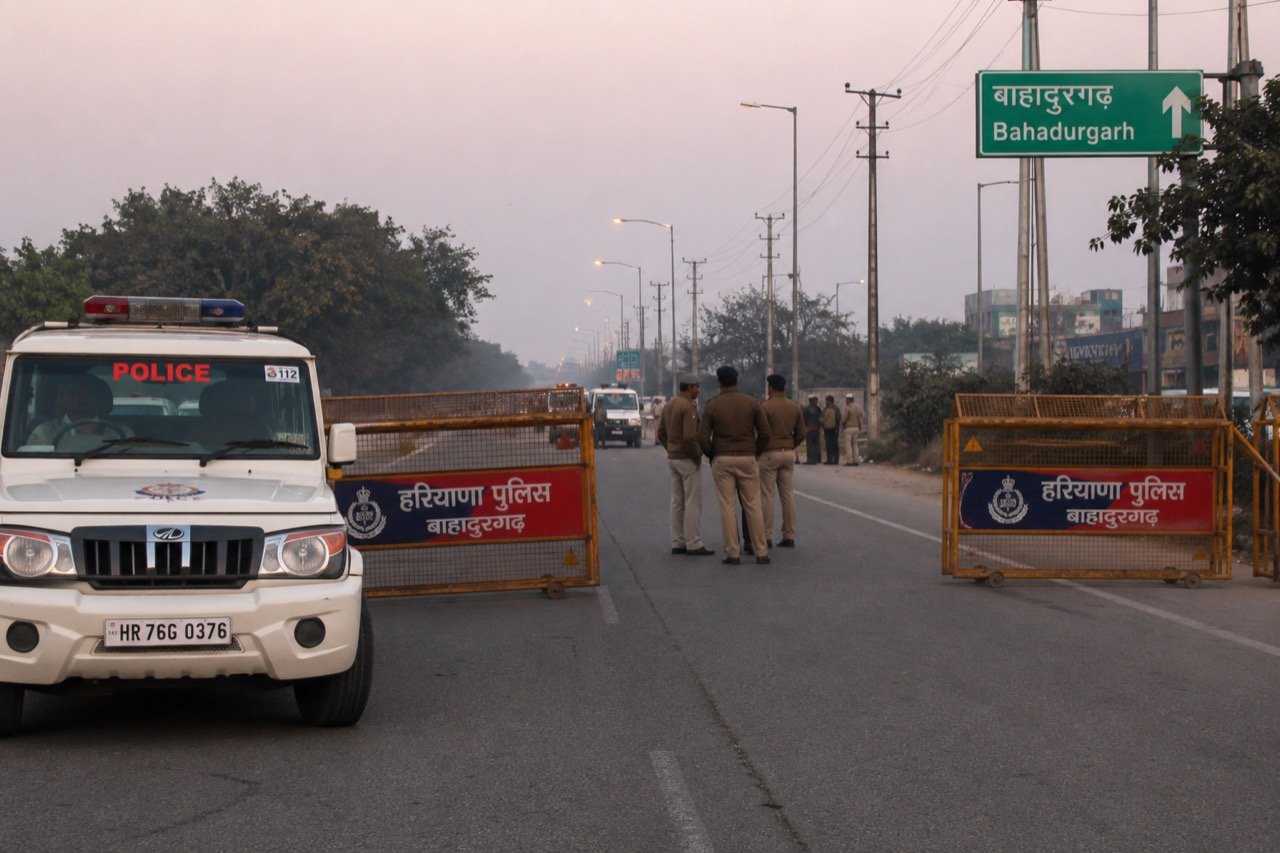
Bishnoi Gang Suspects Injured in Haryana Encounter as Police Tighten Net
A joint Haryana-Delhi Police operation in Bahadurgarh left two suspected Lawrence Bishnoi gang members injured, spotlighting the multi-state coordination now central to India's fight against organised crime networks.