Odisha Migrant Worker's Death in Thrissur Exposes Hidden Exploitation Risks for India's Internal Migrants
The death of 27-year-old Danpat Naik after an alleged assault in Kerala's Thrissur district has spotlighted migrant vulnerability, informal lodging networks and the dangers facing workers far from home.
Commentary & Analysis ·
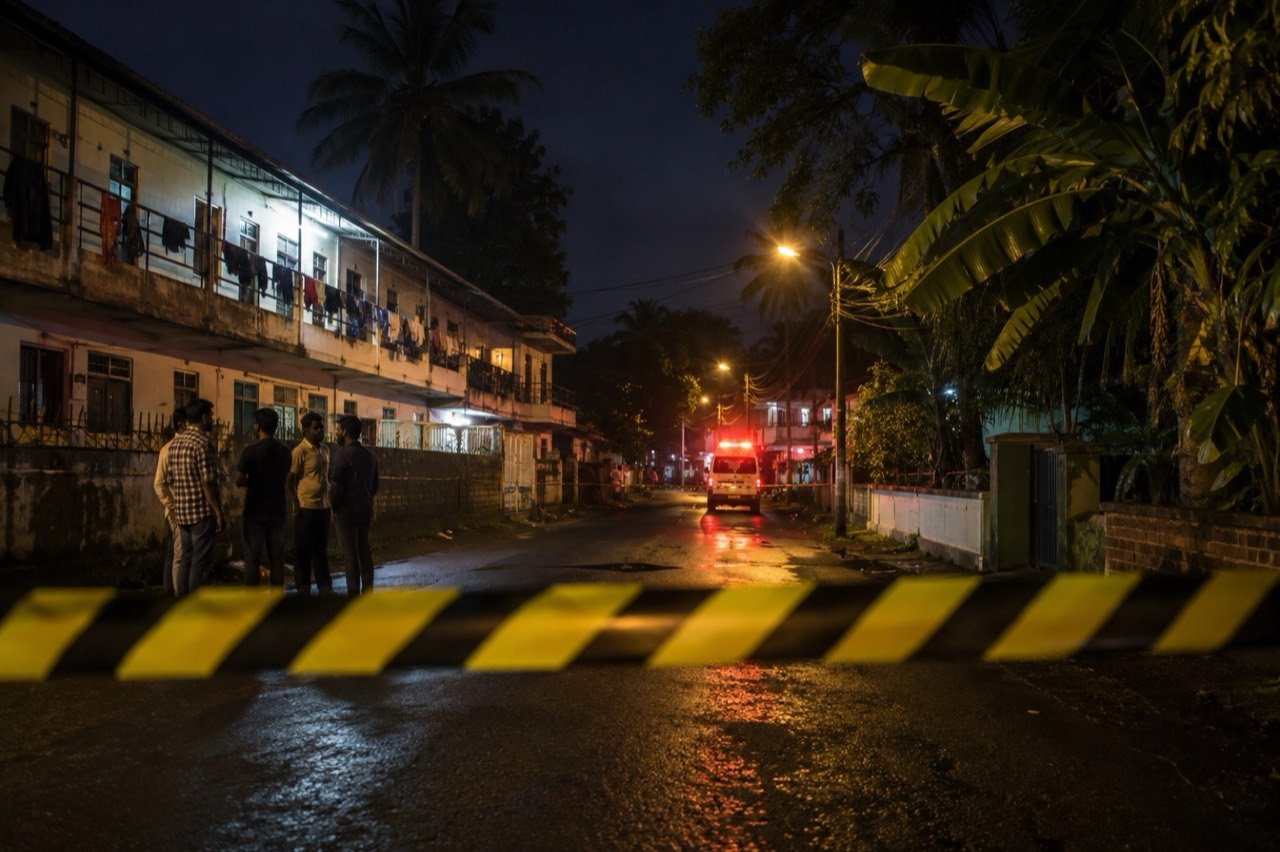
The death of a young migrant worker from Odisha in Kerala's Thrissur district has reopened uncomfortable questions about the safety of India's vast internal migrant workforce. Danpat Naik, 27, died at Thrissur Medical College Hospital after he was allegedly assaulted following a payment dispute at premises in the Korappath area on June 18, according to police accounts and local reporting. What began as a single tragedy has rapidly become a window into the precarious lives many migrants lead far from their home states.
What police say happened
Investigators are treating the case as a fatal assault, with attention focused on the people who ran or frequented the location where the dispute occurred. Reports indicate the confrontation arose over a payment disagreement at a brothel allegedly operating in the neighbourhood. Naik was taken to hospital with serious injuries and later died, prompting police to open a detailed inquiry into the chain of events.
Officers will need to establish the precise sequence of the altercation, identify all those present and determine the nature of the operation running at the premises. The case is sensitive because it sits at the intersection of crime, informal commerce and labour exploitation, and any prosecution will hinge on forensic evidence, witness statements and medical findings.
A migrant economy built on informality
Kerala is among India's largest receivers of inter-state migrant labour, drawing workers from Odisha, West Bengal, Bihar and Assam into construction, plantations, fisheries and services. Many arrive through informal networks of contractors and middlemen, often living in shared, unregistered accommodation with little documentation of where they stay or who they answer to.
That informality cuts both ways. It gives workers quick entry into a labour market that pays better than their home regions, but it also leaves them exposed to debt, wage withholding and unsafe living conditions. When disputes arise, workers frequently lack the local contacts, language fluency or legal awareness to seek timely help before tensions escalate into violence.
The broader policy questions
The case underlines a recurring policy gap: how to extend basic protection and oversight to a workforce that is constantly on the move. Kerala has run registration and welfare schemes for migrant workers in the past, yet large numbers remain outside any formal record, making them difficult to trace and easy to exploit.
- Strengthening registration so migrant workers and their accommodation are documented and reachable.
- Ensuring workers know how to approach police and labour authorities without fear of reprisal.
- Cracking down on hidden commercial operations functioning within residential neighbourhoods.
- Providing language support and grievance redress channels at the district level.
- Coordinating between source states like Odisha and destination states like Kerala on worker welfare.
“Migrant workers contribute enormously to local economies, yet too many live beyond the reach of the protections meant to keep them safe.”
— Labour rights observer
For now, Naik's family in Odisha awaits answers, and investigators must piece together how an ordinary worker's life ended in a payment dispute hundreds of kilometres from home. The outcome of the inquiry will be watched not only for accountability in this single case, but for what it reveals about whether India's migrant workers can safely seek help before a dispute turns deadly.
The NE Times View
One worker's death over an alleged payment dispute lays bare a national blind spot: India's internal migrants build the prosperous states yet remain invisible to their protections. The informal lodging and labour networks that move millions across state lines operate with almost no safety net. This is not a Kerala problem or an Odisha problem; it is a federal failure of portable rights. Inter-state worker registration and grievance mechanisms are overdue.
This article is original commentary and analysis by The NE Times. Background facts were referenced from Onmanorama and NDTV.
You may also like to read
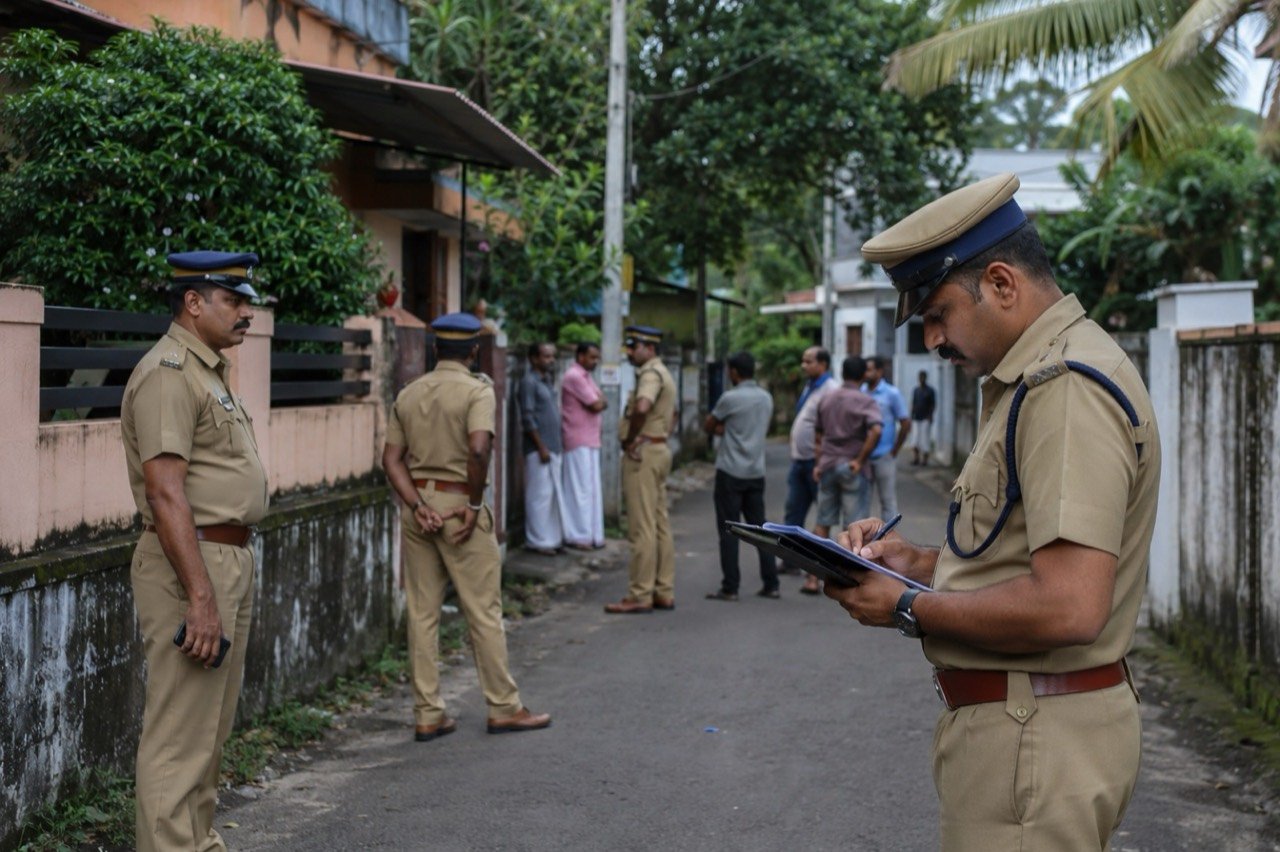
Thrissur Fatal Assault Exposes Alleged Brothel Probe in Kerala
The death of a 27-year-old Odisha migrant in Thrissur after a payment dispute has uncovered an alleged prostitution centre run from a rented house, raising hard questions about migrant safety and local policing.
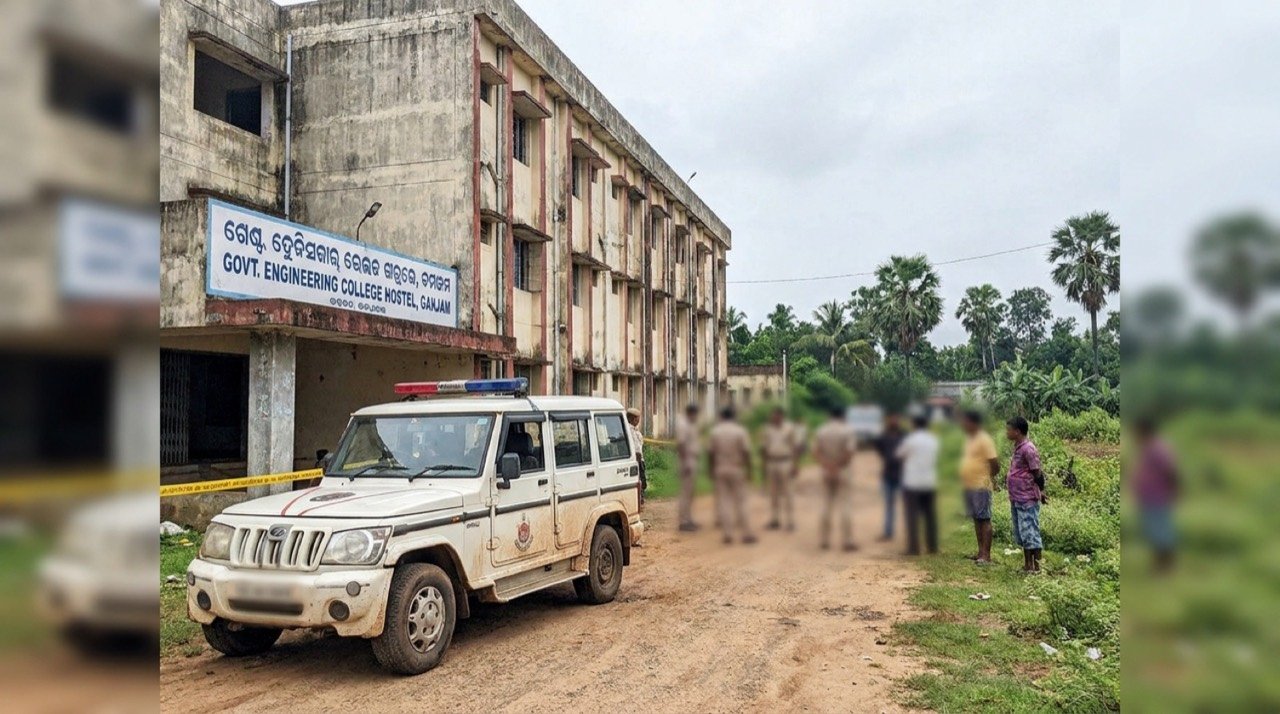
Odisha Minister's Nephew Arrested in Ganjam Student Death Case
Police in Ganjam have arrested the nephew of a serving Odisha minister over the alleged abetment of a young woman student's suicide, igniting a political storm and forensic probe.

Brahmapur-Udhna Amrit Bharat Express Goes Daily, Boosting Odisha Link
The Brahmapur-Udhna Amrit Bharat Express is set to run every day, giving passengers travelling between Odisha and Gujarat a more dependable and affordable long-distance rail option for work, study and family journeys.
Puri-Koraput Express: New Train to Link Coastal and South Odisha
Indian Railways is introducing the Puri-Koraput Express to give Odisha a more direct passenger link between its coastal pilgrimage hub and the southern hill districts, with route and timetable details now published.
More from this section
More
AICTE Industry Fellowship 2026: Rs 1.5 Lakh Scheme Closes July 5
The AICTE Industry Fellowship Programme 2026, which places technical-education faculty inside leading companies on a Rs 1.5 lakh monthly stipend, reached its application deadline on July 5.

Bay of Bengal Low Pressure System Revives Monsoon Over Western India
A low-pressure system over the Bay of Bengal has pushed the monsoon back into an active phase, bringing steady heavy rain to Kerala, coastal Karnataka and Maharashtra, and putting Mumbai and Pune on preparedness watch.
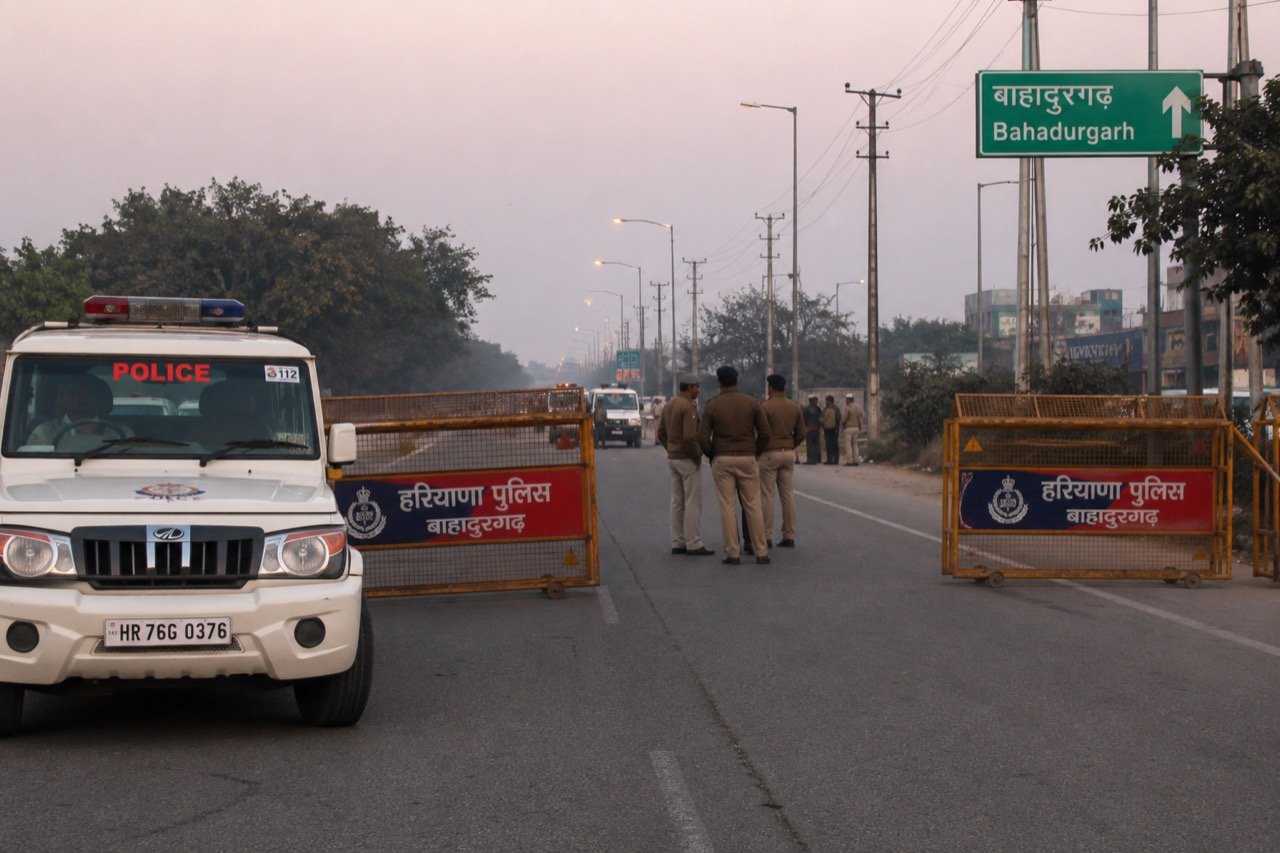
Bishnoi Gang Suspects Injured in Haryana Encounter as Police Tighten Net
A joint Haryana-Delhi Police operation in Bahadurgarh left two suspected Lawrence Bishnoi gang members injured, spotlighting the multi-state coordination now central to India's fight against organised crime networks.