Odisha Railway Reorganisation Demand Grows as East Coast Railway Shrinks
With the new South Coast Railway carving territory away from East Coast Railway, Odisha is reviving long-standing calls to merge its South Eastern Railway sections into ECoR for unified planning.
Commentary & Analysis ·
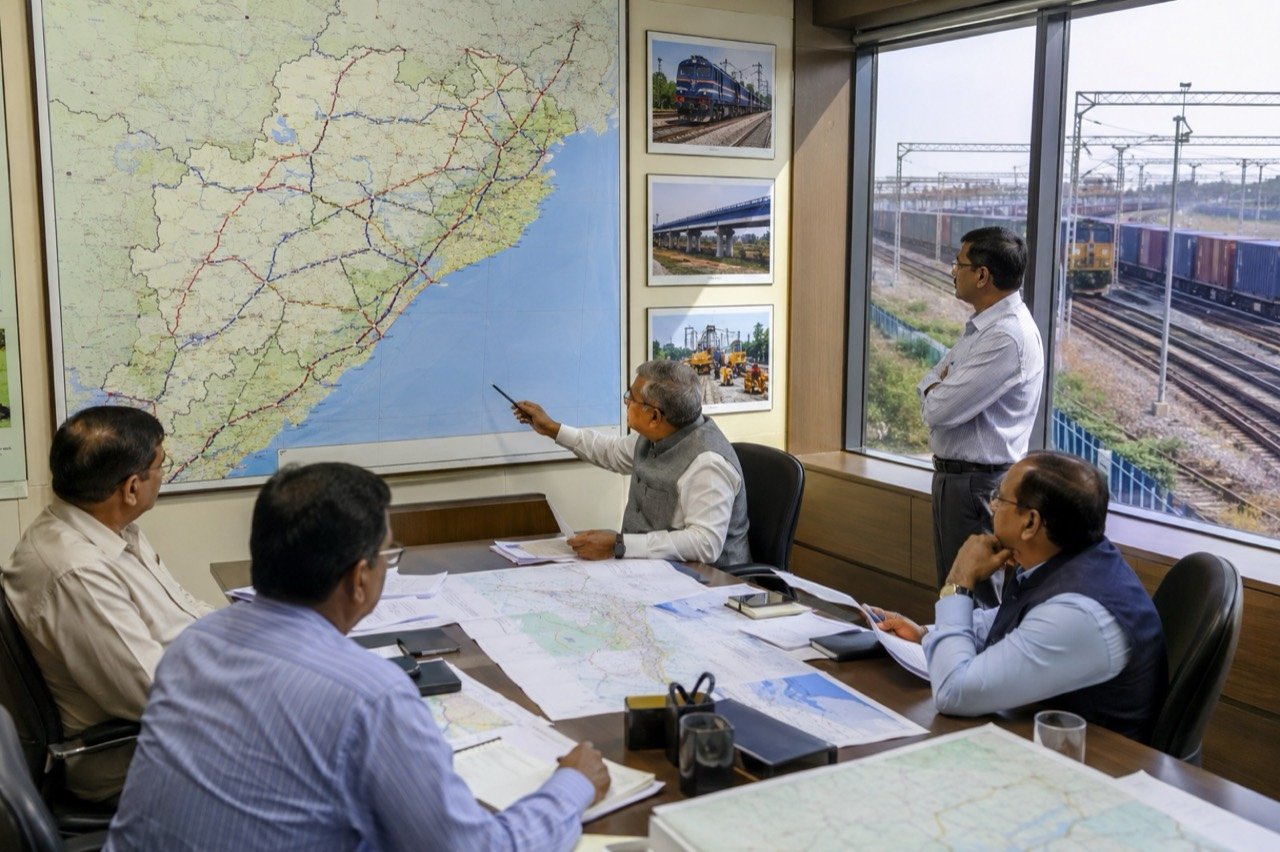
Odisha's long-running debate over railway-zone boundaries has flared again, this time driven by the practical fallout of redrawing the national railway map. With the creation of the new South Coast Railway zone trimming the footprint of the East Coast Railway, voices in the state are renewing demands that Odisha-based sections of the South Eastern Railway be folded into ECoR to give the state a more coherent, single-window railway administration.
How the map is changing
Reporting by Business Standard noted that as the South Coast Railway expands, the East Coast Railway's territorial reach has correspondingly shrunk. That shift has reopened a question Odisha has raised for years: why parts of the state's rail network remain administered from outside its principal zone, and whether consolidation under ECoR would streamline operations.
Earlier updates from the East Coast Railway and regional reports had already aired related concerns, including discussion around the Rayagada division and anxieties over the transfer of stations between zones. Indian Railways has previously sought to reassure stakeholders that the South Coast Railway's formation and associated station transfers would not adversely affect the East Coast Railway.
Why it matters beyond geography
For Odisha, the issue is far more than administrative cartography. The state sits at the heart of India's mineral economy, and the boundaries of railway zones shape freight planning, the routing of mining corridors and the prioritisation of capital projects. A fragmented administrative structure can complicate coordination on coastal connectivity and the movement of bulk cargo that underpins the regional economy.
There is a political layer too. Railway investment is a perennial subject of regional claims, and the demand for a consolidated ECoR feeds into a wider argument that Odisha should have greater say over network planning within its own territory. Any reorganisation, however, would need to weigh those development aspirations against the operational logic that guided the new zone in the first place.
The balancing act ahead
Railway zone reorganisation is never purely technical. It involves staffing, headquarters, divisional control and the allocation of revenue-generating freight routes, all of which carry consequences for efficiency and for local stakeholders. The challenge for decision-makers is to reconcile the case for streamlined operations with the regional development concerns that make the issue politically sensitive.
- The new South Coast Railway zone has reduced the East Coast Railway's territorial footprint.
- Odisha is renewing demands to merge South Eastern Railway sections into ECoR.
- The Rayagada division and station transfers have featured in earlier regional concerns.
- Zone boundaries affect freight planning, mining corridors and coastal connectivity.
- Indian Railways has said the changes would not adversely affect ECoR.
The renewed push suggests the question of who administers Odisha's railways will remain live in the months ahead. Whether the Centre revisits the boundaries or holds the current structure, the outcome will be measured not by lines on a map but by how efficiently freight moves, how quickly projects advance and how fairly investment is distributed across the state.
The NE Times View
Railway zone boundaries rarely make headlines, yet they shape investment, jobs and how efficiently a state's freight moves. Odisha's case for consolidating its sections under East Coast Railway is administratively reasonable, but such demands are also where regional politics meets railway bureaucracy. The Centre's challenge is to weigh genuine operational logic against the precedent every reorganisation sets, since each state watches the next for its own claim.
This article is original commentary and analysis by The NE Times. Background facts were referenced from Business Standard and India Whispers.
You may also like to read

Brahmapur-Udhna Amrit Bharat Express Goes Daily, Boosting Odisha Link
The Brahmapur-Udhna Amrit Bharat Express is set to run every day, giving passengers travelling between Odisha and Gujarat a more dependable and affordable long-distance rail option for work, study and family journeys.
Puri-Koraput Express: New Train to Link Coastal and South Odisha
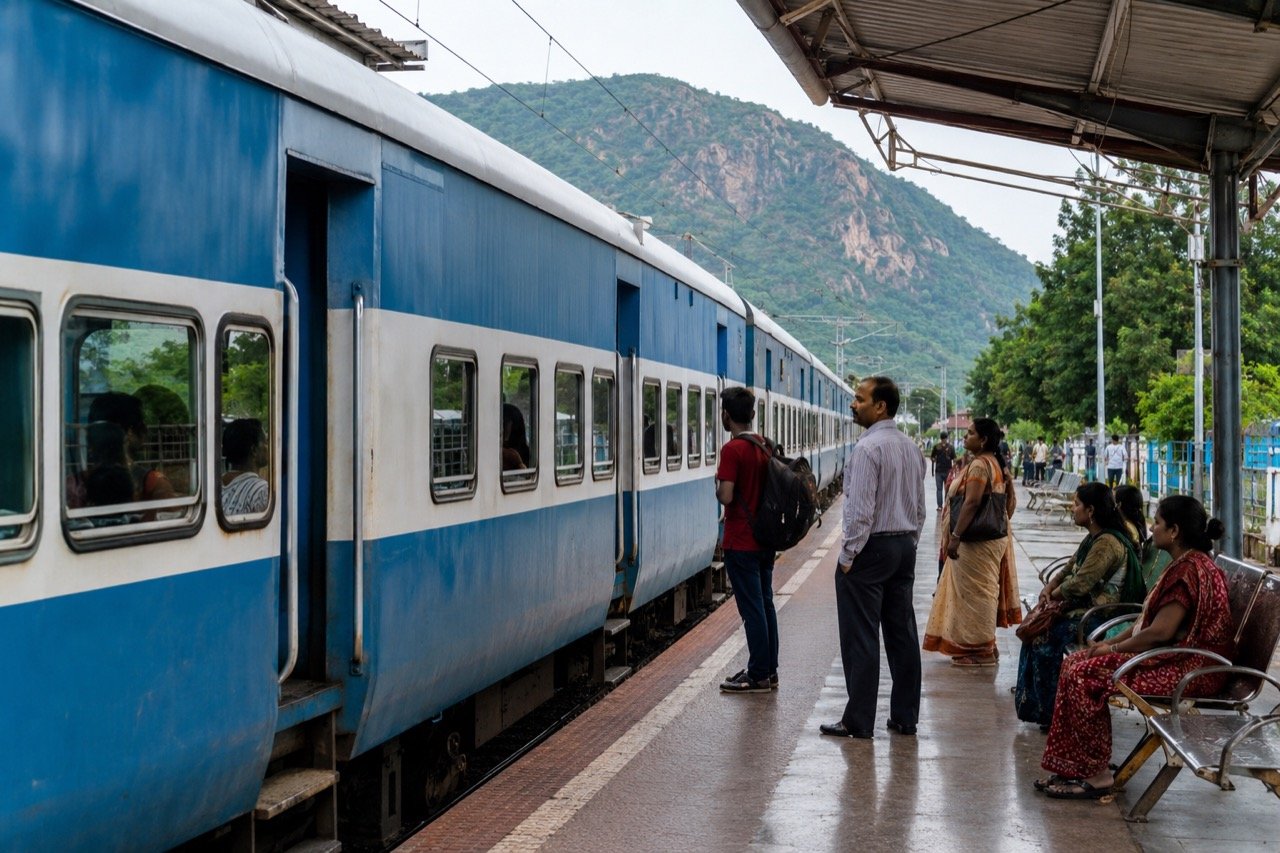
Indian Railways is introducing the Puri-Koraput Express to give Odisha a more direct passenger link between its coastal pilgrimage hub and the southern hill districts, with route and timetable details now published.

Bullet Train Push: NHSRCL Invites Design Bids for Two New Corridors
NHSRCL has invited design consultancy bids for the proposed Bengaluru-Chennai and Delhi-Varanasi high-speed rail corridors, signalling that India's next bullet train routes are moving from announcement to technical planning.

Odisha Seeks Rs 9,000 Crore to Build a Disaster-Proof Power Grid
Odisha has asked the Centre for more than Rs 9,000 crore to storm-harden its electricity network, putting a visible price tag on climate resilience for India's cyclone-prone coastal states.
More from this section
More
AICTE Industry Fellowship 2026: Rs 1.5 Lakh Scheme Closes July 5
The AICTE Industry Fellowship Programme 2026, which places technical-education faculty inside leading companies on a Rs 1.5 lakh monthly stipend, reached its application deadline on July 5.
Bay of Bengal Low Pressure System Revives Monsoon Over Western India
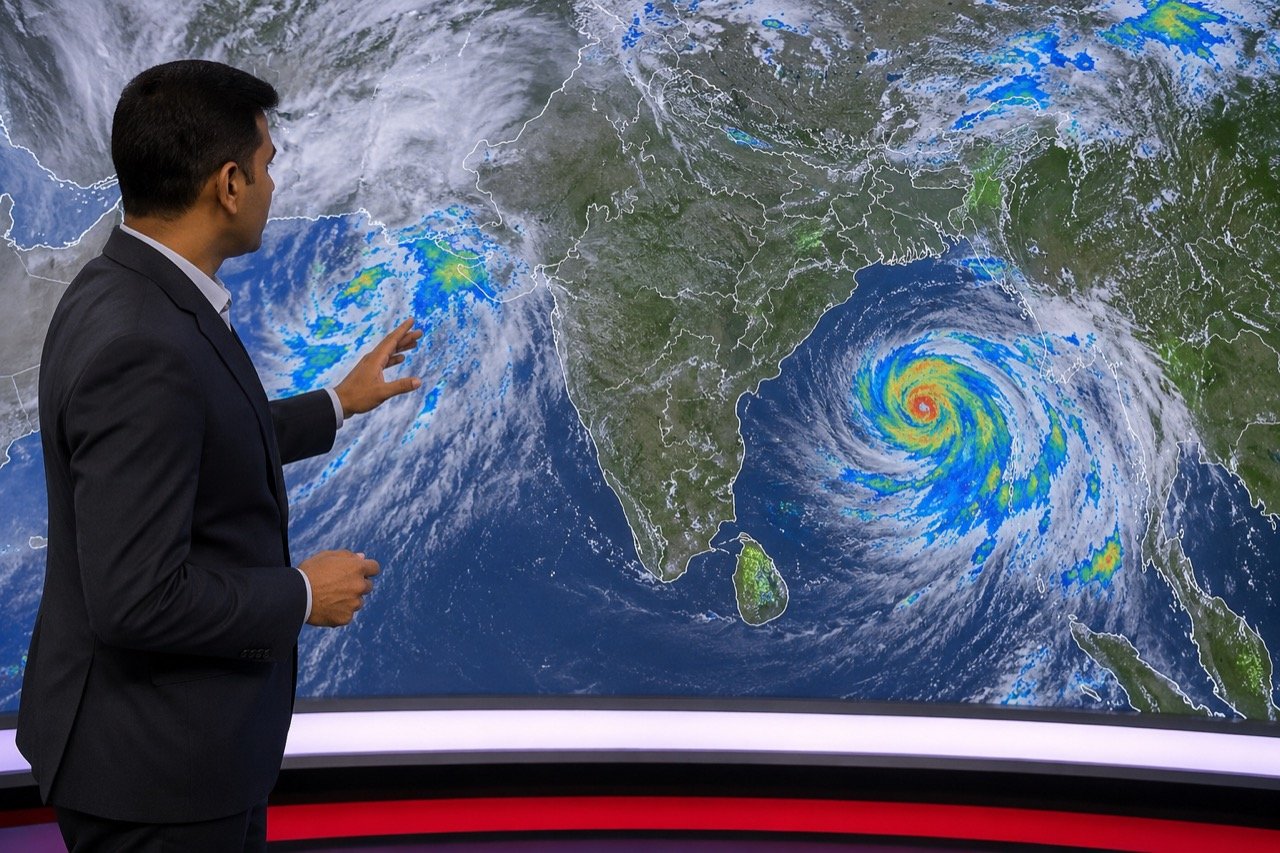
A low-pressure system over the Bay of Bengal has pushed the monsoon back into an active phase, bringing steady heavy rain to Kerala, coastal Karnataka and Maharashtra, and putting Mumbai and Pune on preparedness watch.
Bishnoi Gang Suspects Injured in Haryana Encounter as Police Tighten Net
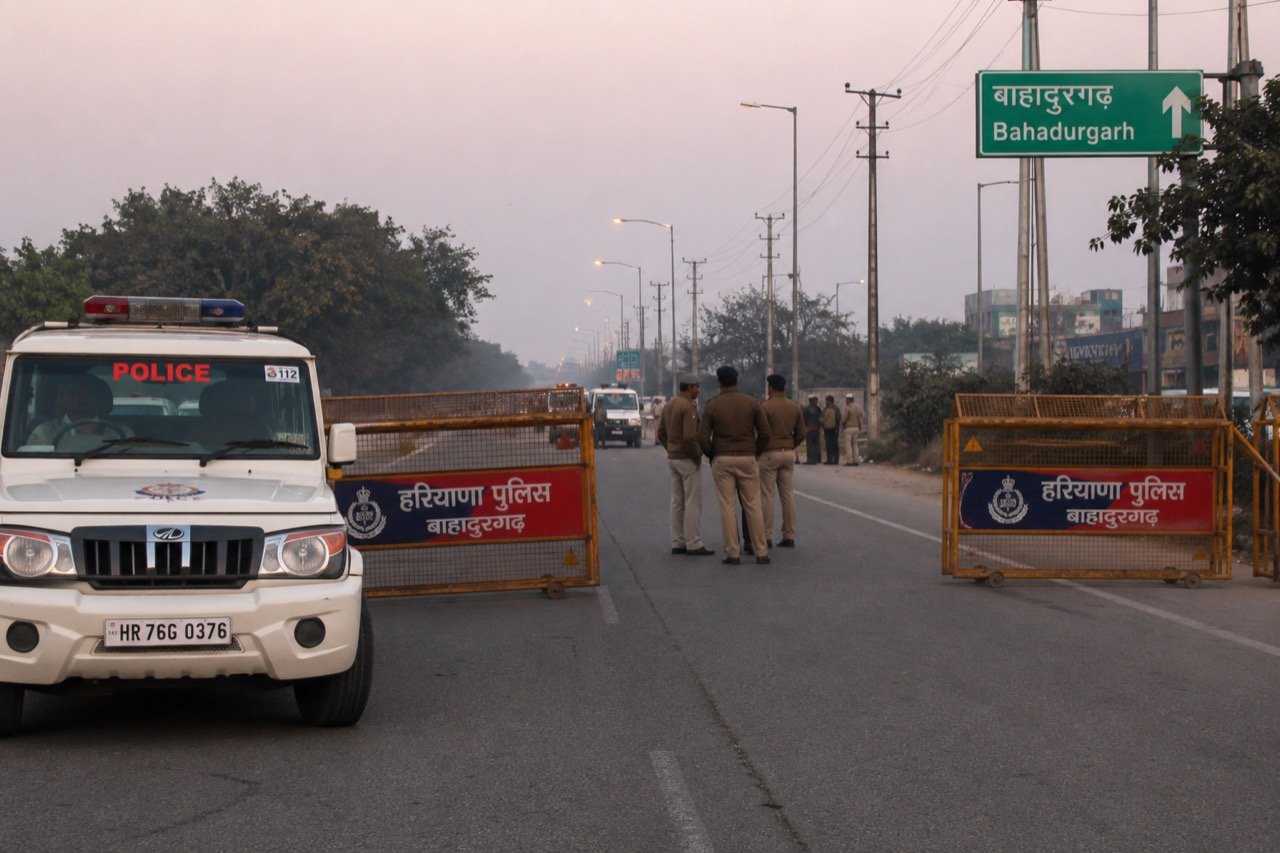
A joint Haryana-Delhi Police operation in Bahadurgarh left two suspected Lawrence Bishnoi gang members injured, spotlighting the multi-state coordination now central to India's fight against organised crime networks.