Railways Rolls Out Real-Time App to Flag Train Delays Past 15 Minutes
Indian Railways has launched its first internal app to monitor train punctuality in real time, flagging delays beyond fifteen minutes so officials can spot bottlenecks and coordinate faster responses across the network.
Commentary & Analysis ·
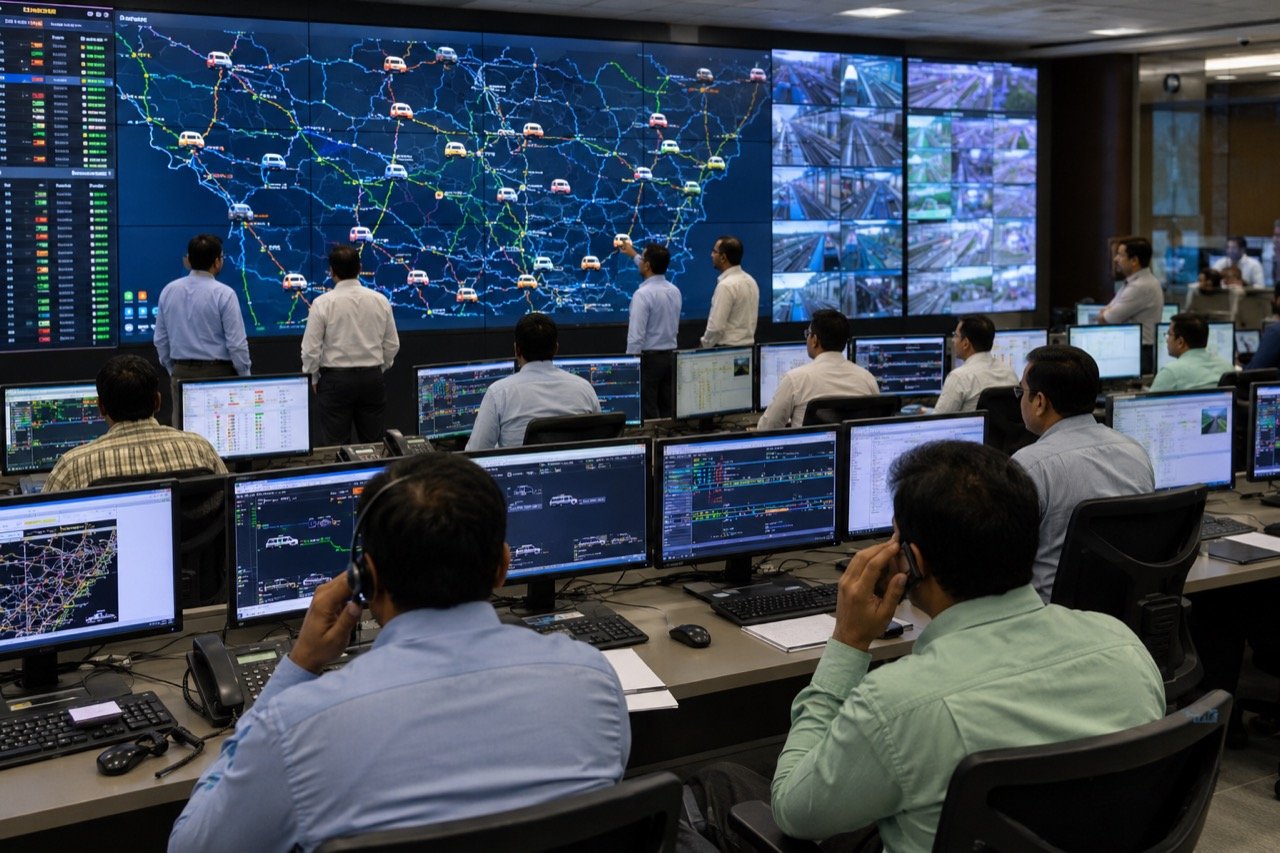
Indian Railways has switched on its first internal application designed to track train punctuality in real time, with a specific alert triggered whenever a service runs more than fifteen minutes late. The tool is aimed squarely at officials rather than passengers, giving the operations hierarchy a live view of where the network is slipping at any given moment. On a system that moves tens of millions of passengers and vast tonnages of freight every day, the arrival of a single, real-time dashboard for punctuality marks a quiet but meaningful shift in how the organisation watches itself.
Why fifteen minutes was chosen as the trigger
The choice of a fifteen-minute threshold is deliberate, and it says something about how Indian Railways understands its own operating reality. Minor slippages are routine on a network as vast and congested as India's, and not every late departure warrants escalation up the chain of command. A five- or ten-minute delay might reflect nothing more than a longer-than-usual halt at a busy platform, or a few minutes lost to boarding at a station with heavy footfall. But delays that repeatedly cross the fifteen-minute mark tend to point to something more structural — a congested corridor operating beyond its practical capacity, a signalling fault that has not been fully resolved, or a maintenance block eating into the working timetable. By setting the alert at this level, the system is designed to filter out noise and surface the delays that are actually diagnostic of deeper problems, rather than flooding officials with alerts for every trivial deviation from schedule.
Why punctuality has long been so difficult to manage
Punctuality on Indian Railways is shaped by an unusually tangled set of variables, and this complexity is precisely why a real-time tool matters. Weather disruptions, ageing rolling stock that is more prone to breakdowns and speed restrictions, and the dense mixed traffic of freight and passenger services sharing the same corridors all combine to make delays difficult to predict and even harder to contain once they begin. Perhaps most consequential of all is the cascading effect: a single late-running train can hold up several services behind it on the same line, so that one localised problem propagates outward across a division or even a zone over the course of a day. Until now, much of this monitoring has relied on periodic reporting rather than a single live dashboard, meaning that by the time officials at headquarters had a clear picture of where things had gone wrong, the disruption had often already rippled through the network and affected passengers many hours down the line.
What the new visibility could allow officials to do
With real-time data in hand, officials can in principle identify the specific routes, divisions and times of day where on-time performance consistently breaks down. That is a meaningfully different starting point from reactive, after-the-fact reporting. Instead of discovering weeks or months later, through aggregated statistics, that a particular corridor has a chronic punctuality problem, a divisional manager could now see the pattern emerging in near real time — for instance, a specific evening commuter corridor that reliably loses fifteen minutes or more during peak hours. Armed with that granularity, the system opens the door to more targeted interventions: adjusting scheduling to build in realistic buffers where they are needed, timing maintenance windows to avoid the busiest traffic periods, and managing platform allocation more proactively at stations where congestion is a recurring bottleneck. None of this is revolutionary technology by the standards of modern logistics, but for a network of Indian Railways' scale, moving from periodic reporting to continuous visibility is a genuine operational upgrade.
What it could mean for passengers
For travellers, the immediate change is invisible, since this is explicitly an internal tool rather than a passenger-facing app. Nobody waiting on a platform will see a different number appear on a departure board because of this rollout. The real test lies further downstream: whether better internal visibility eventually translates into more accurate public train status information, more reliable connections for passengers making onward journeys, and fewer of the unexplained waits on platforms that have long been a familiar frustration for Indian rail travellers. Dashboards, however sophisticated, only matter if the data they generate actually drives decisions. A tool that shows officials precisely which corridor is failing every evening is only useful if someone is empowered, and expected, to act on that information. Otherwise it becomes another layer of visibility without a corresponding layer of responsibility.
The accountability question that will determine success
This is where the deeper challenge for Indian Railways lies, and it is a challenge that no piece of software can solve on its own. The organisation has rarely suffered from a shortage of data; various reporting mechanisms have existed for years to track delays, cancellations and operational performance. What has often been missing is the accountability loop that converts data into corrective action within a reasonable timeframe. A real-time app can tell a divisional manager, with precision, that a particular corridor is bleeding fifteen-minute delays every evening. But visibility alone does not fix a signalling fault, replace ageing rolling stock, or resolve a capacity crunch on a congested line. Those require budget decisions, maintenance scheduling, and sustained managerial follow-through. The question this tool ultimately raises is who becomes answerable for a persistent delay pattern once it is visible on a screen, and within what timeframe they are expected to address it. If those lines of responsibility are not clearly drawn, even the best real-time dashboard risks becoming a passive monitoring exercise rather than an active management tool.
The NE Times View
This is a sensible, overdue step, but technology is the easy part. Indian Railways has never lacked data; it has lacked the accountability loops that turn data into action. If a divisional manager can now see a corridor bleeding fifteen-minute delays every evening, the question becomes who is answerable for fixing it and by when. The app should be judged not by its interface but by whether India's on-time performance figures actually move over the next year. If they do, this quiet internal tool will have done more for passengers than any flashy booking feature. The coming months, as officials at various levels begin actually working with the live data rather than simply having access to it, will show whether this initiative marks a genuine turning point or simply a more elegant way of recording the same old problems.
Key takeaways
- Indian Railways has launched its first real-time internal app to track punctuality, flagging delays that exceed fifteen minutes as signals of deeper structural issues.
- The fifteen-minute threshold is designed to filter out routine minor delays and highlight patterns linked to congestion, signalling faults or maintenance blocks.
- Persistent problems such as ageing rolling stock, mixed freight-passenger traffic, weather and cascading delays have long made punctuality difficult to manage through periodic reporting alone.
- The tool is internal and will not immediately change what passengers see, though it could eventually improve scheduling, maintenance timing and platform management.
- Its ultimate value will depend on accountability — whether officials act decisively on the real-time data to genuinely improve on-time performance over the coming year.
You may also like to read

Railways To Flag Off Five New Vande Bharat Trains As Fleet Crosses 160 Services
Indian Railways is set to add five Vande Bharat Express services on June 26, extending semi-high-speed connectivity to more districts as the fleet pushes past 160 services nationwide.
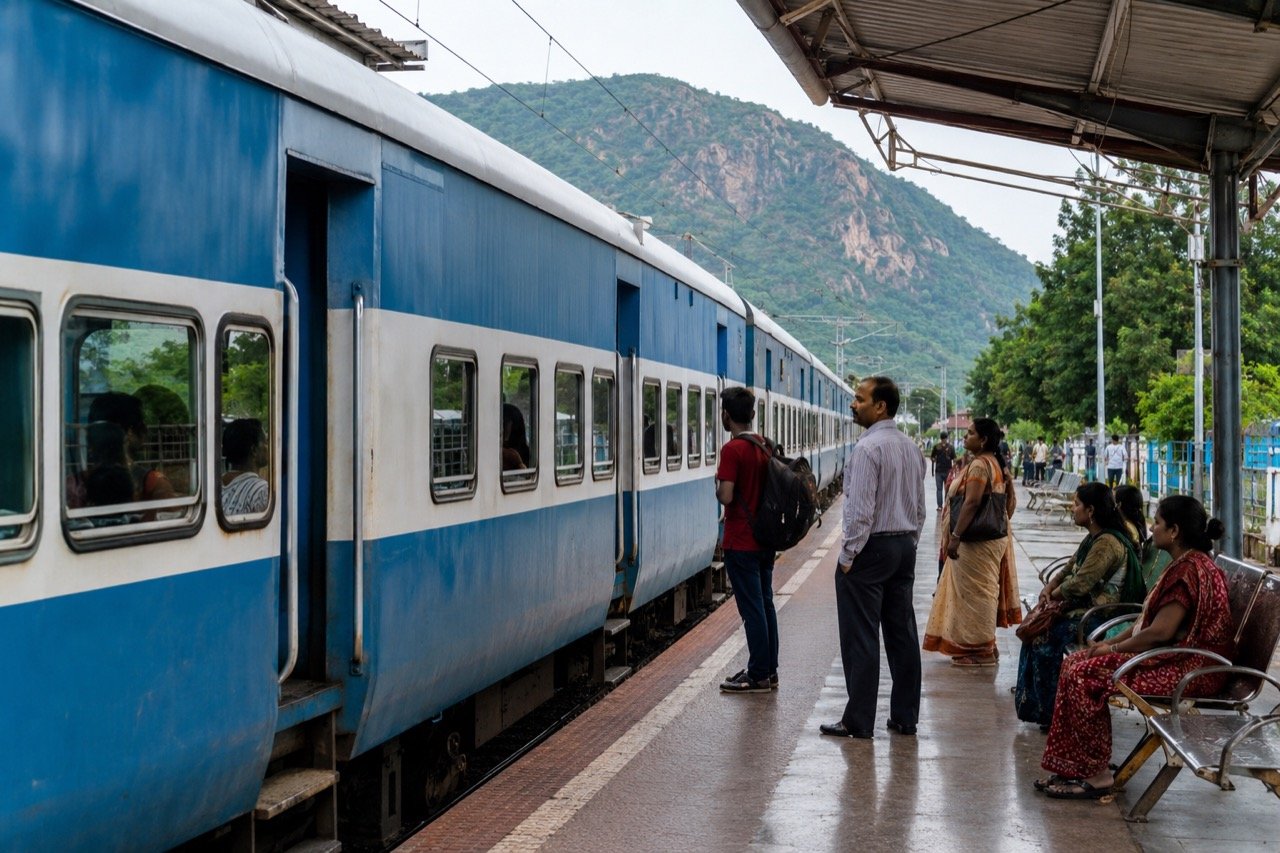
Puri-Koraput Express: New Train to Link Coastal and South Odisha
Indian Railways is introducing the Puri-Koraput Express to give Odisha a more direct passenger link between its coastal pilgrimage hub and the southern hill districts, with route and timetable details now published.
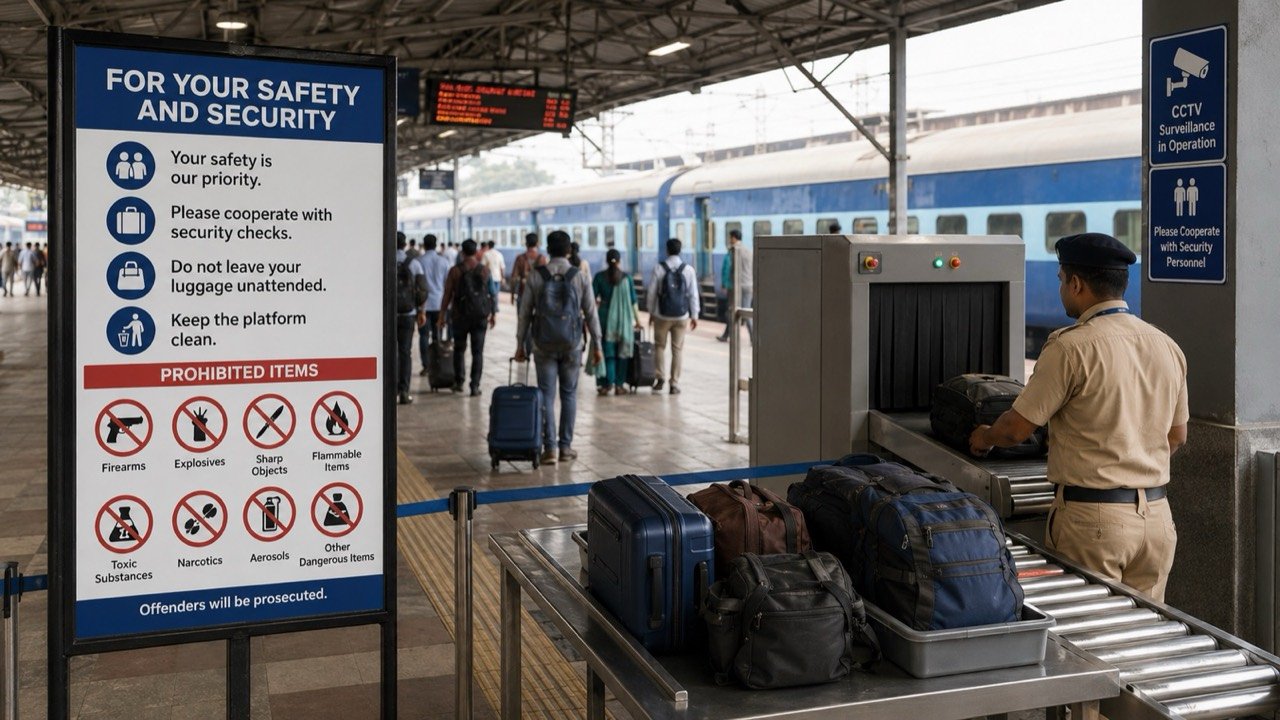
Indian Railways Raises Penalty to Rs 10,000 for Carrying Prohibited Goods on Trains
Indian Railways has sharply increased fines for carrying inflammable, explosive or dangerous items in trains, with penalties reportedly rising to Rs 10,000 as the network tightens passenger-safety enforcement.
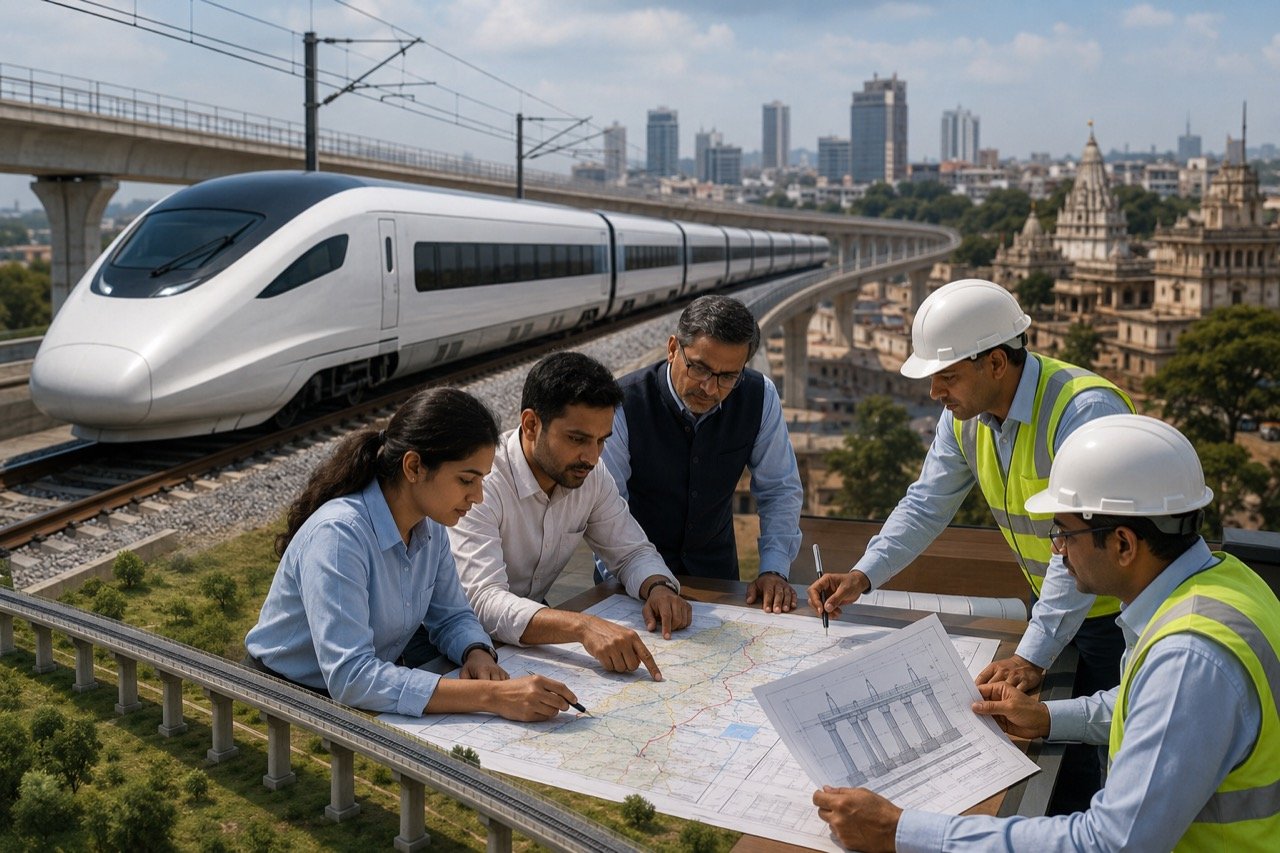
Bullet Train Push: NHSRCL Invites Design Bids for Two New Corridors
NHSRCL has invited design consultancy bids for the proposed Bengaluru-Chennai and Delhi-Varanasi high-speed rail corridors, signalling that India's next bullet train routes are moving from announcement to technical planning.
More from this section
More
AICTE Industry Fellowship 2026: Rs 1.5 Lakh Scheme Closes July 5
The AICTE Industry Fellowship Programme 2026, which places technical-education faculty inside leading companies on a Rs 1.5 lakh monthly stipend, reached its application deadline on July 5.
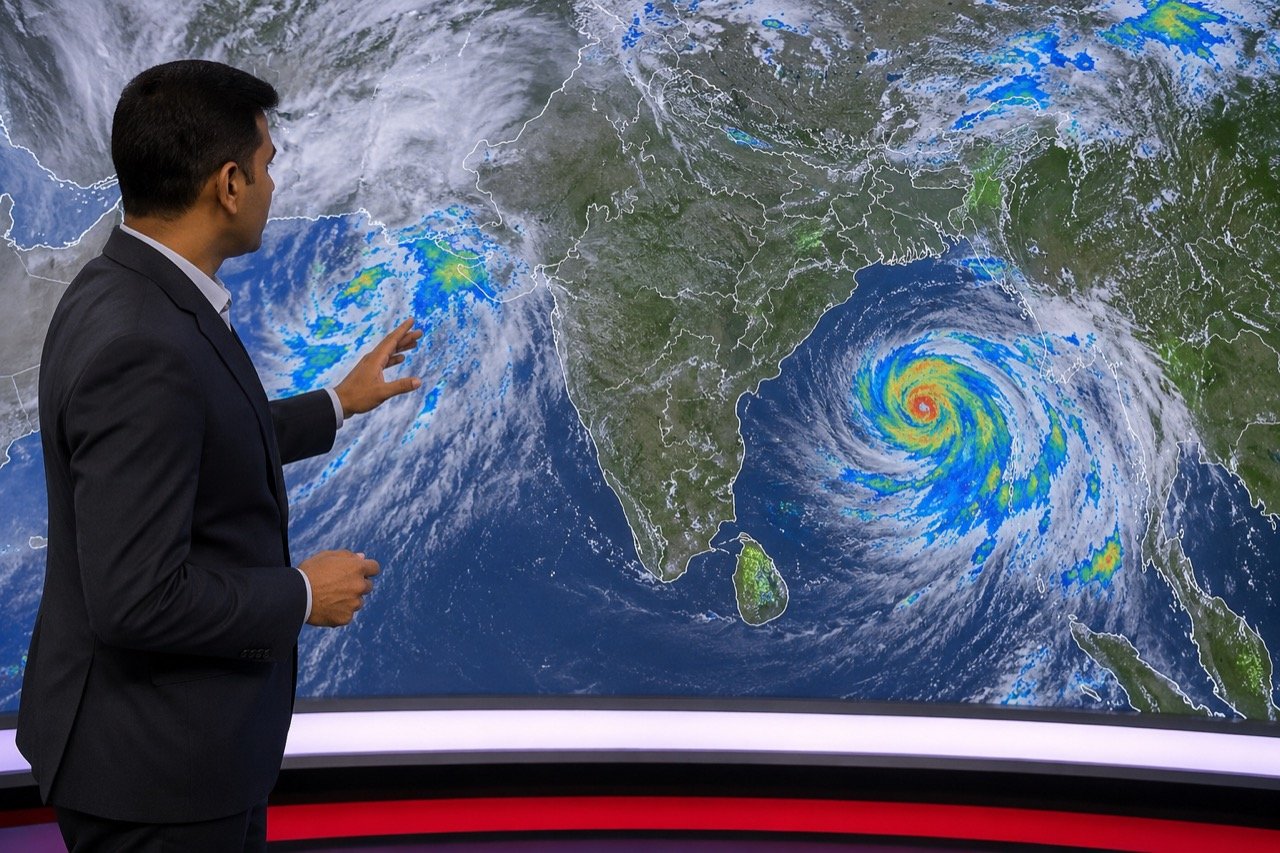
Bay of Bengal Low Pressure System Revives Monsoon Over Western India
A low-pressure system over the Bay of Bengal has pushed the monsoon back into an active phase, bringing steady heavy rain to Kerala, coastal Karnataka and Maharashtra, and putting Mumbai and Pune on preparedness watch.
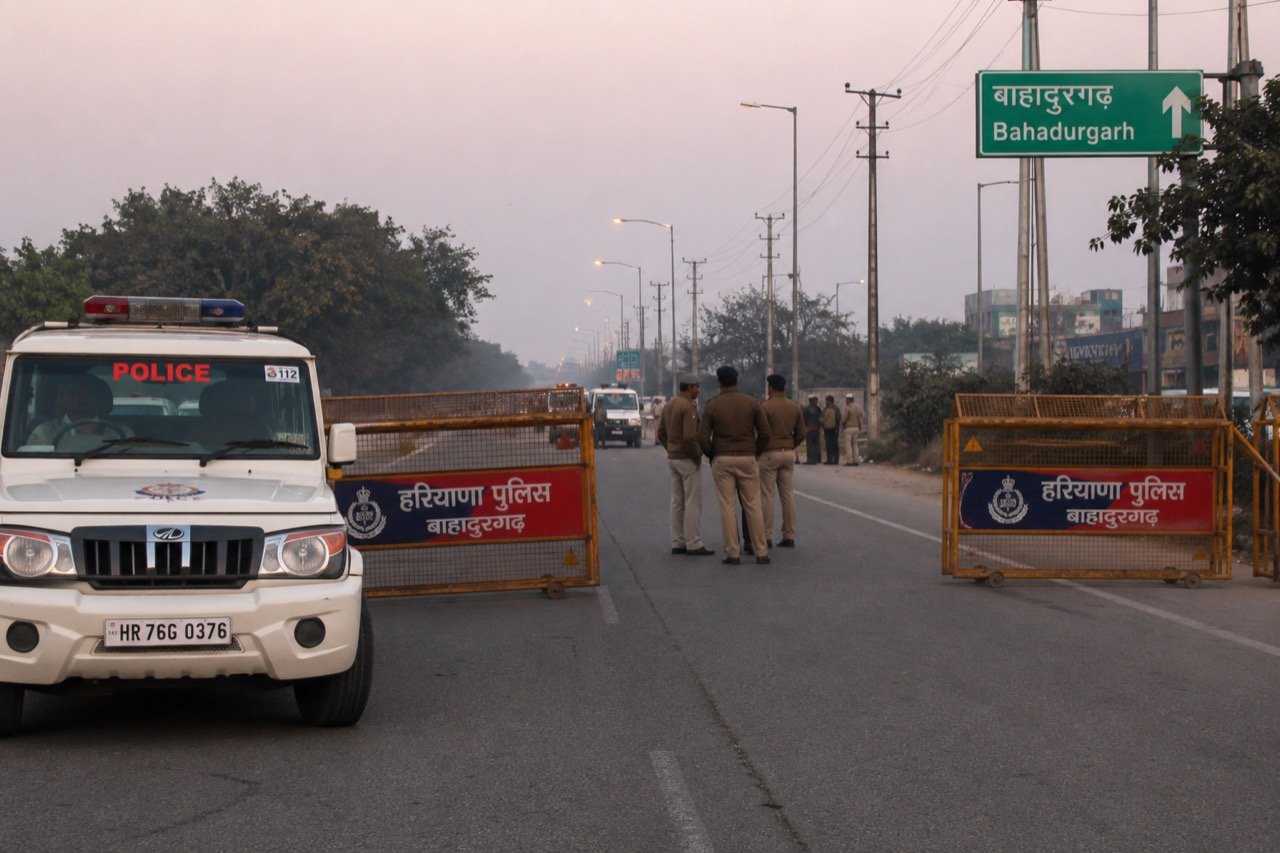
Bishnoi Gang Suspects Injured in Haryana Encounter as Police Tighten Net
A joint Haryana-Delhi Police operation in Bahadurgarh left two suspected Lawrence Bishnoi gang members injured, spotlighting the multi-state coordination now central to India's fight against organised crime networks.