Indian Railways Raises Penalty to Rs 10,000 for Carrying Prohibited Goods on Trains
Indian Railways has sharply increased fines for carrying inflammable, explosive or dangerous items in trains, with penalties reportedly rising to Rs 10,000 as the network tightens passenger-safety enforcement.
Commentary & Analysis ·
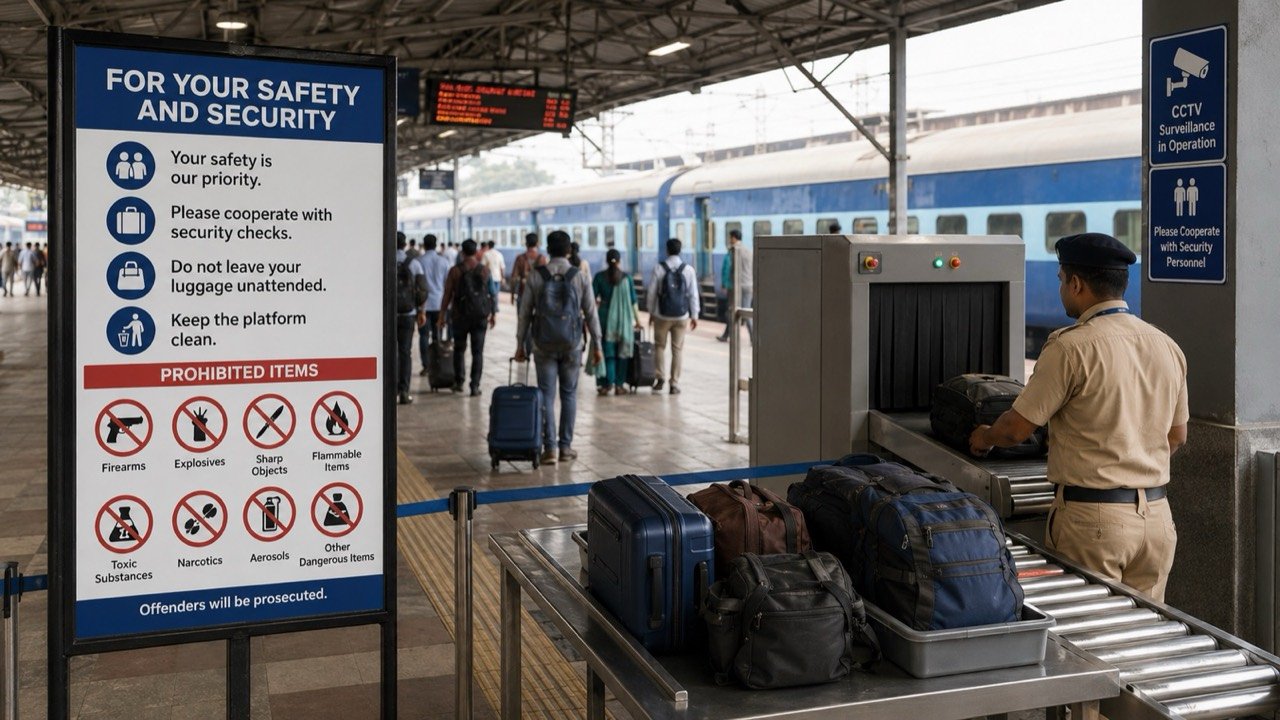
Indian Railways has stepped up its enforcement against unsafe luggage, increasing the penalty for carrying prohibited goods inside trains to as much as Rs 10,000, according to reports. The move marks one of the most visible recent attempts to deter passengers from bringing inflammable, explosive or otherwise dangerous materials into coaches and luggage areas, where the consequences of a single careless act can be catastrophic.
What has changed
Rules barring hazardous items on trains are not new, but the financial deterrent attached to them has long been considered too modest to influence behaviour. By raising the maximum fine to the Rs 10,000 level, the railways is signalling that the carriage of banned goods will be treated as a serious safety violation rather than a minor infraction.
The prohibited list typically covers items such as cooking gas cylinders, kerosene, petrol, firecrackers, acids, and other combustible or explosive substances. Officials have repeatedly warned that even small quantities of such materials, stored alongside passengers in confined compartments, can turn a routine journey into a tragedy.
Why safety is the driving concern
Train compartments are among the most crowded public spaces in the country, carrying millions of commuters and long-distance travellers every single day. In such conditions, one unsafe item is not a private risk but a collective one, capable of endangering an entire coach. Fires linked to inflammable goods and faulty equipment have featured in some of the railways' most painful incidents over the years, sharpening the focus on prevention.
The higher penalty is therefore framed less as a revenue measure and more as a behavioural tool, intended to make passengers think twice before stowing risky cargo in overhead racks or under seats.
Will a bigger fine work
Deterrence depends on awareness and consistency. A steep fine printed in a rulebook means little if travellers do not know it exists or if checks are sporadic. Railway authorities will need to pair the penalty with visible notices at stations, repeated public-address announcements, and fair, uniform enforcement across zones.
- Maximum penalty reportedly raised to Rs 10,000 for carrying prohibited goods.
- Aimed at keeping inflammable, explosive and dangerous materials out of coaches.
- Prohibited items typically include gas cylinders, fuels, acids and firecrackers.
- Success hinges on clear signage, announcements and consistent checking.
- Enforcement must be applied fairly to commuters and long-distance passengers alike.
“A crowded coach is no place for a fuel can or a gas cylinder, and the penalty must reflect just how high the stakes are for every passenger on board.”
— Railway safety guidance
If implemented with clear communication and even-handed checks, the revised penalty could nudge passenger habits in a safer direction. The harder task for the railways will be sustaining vigilance long after the headlines fade, so that the safety message reaches every platform and every coach, not just the busiest ones.
The NE Times View
Steeper fines are a reasonable lever, given how routinely passengers smuggle cooking gas, fireworks and fuel aboard crowded coaches. But a Rs 10,000 penalty deters only if it is actually enforced and visibly applied. Without trained staff, detection equipment and consistent checks, the number is symbolism. Railways should pair the higher fine with better screening, or risk another rule that exists mostly on paper.
This article is original commentary and analysis by The NE Times. Background facts were referenced from Hindustan Times and Indian Railways.
You may also like to read
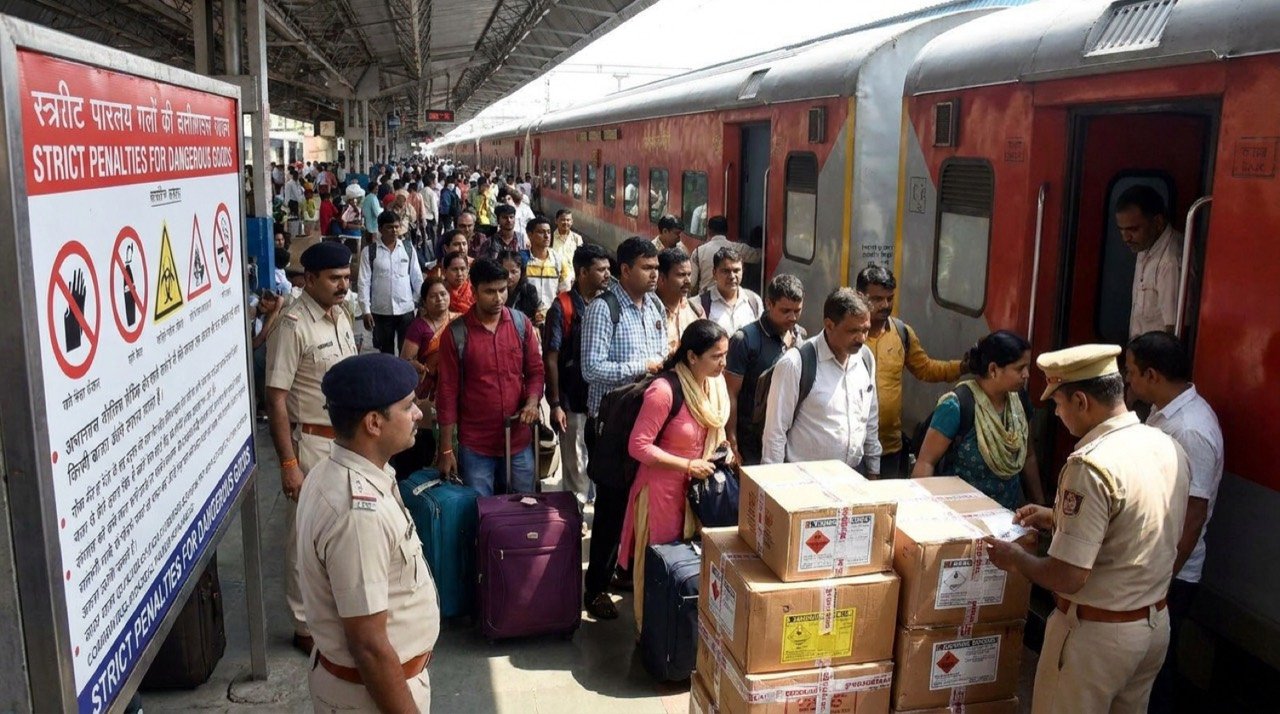
Indian Railways Tightens Penalty Rules to Boost Passenger Safety
Indian Railways is preparing stiffer penalties for carrying prohibited and dangerous goods on trains, tying tougher enforcement to the Jan Vishwas push for clearer, easier-to-apply safety rules.
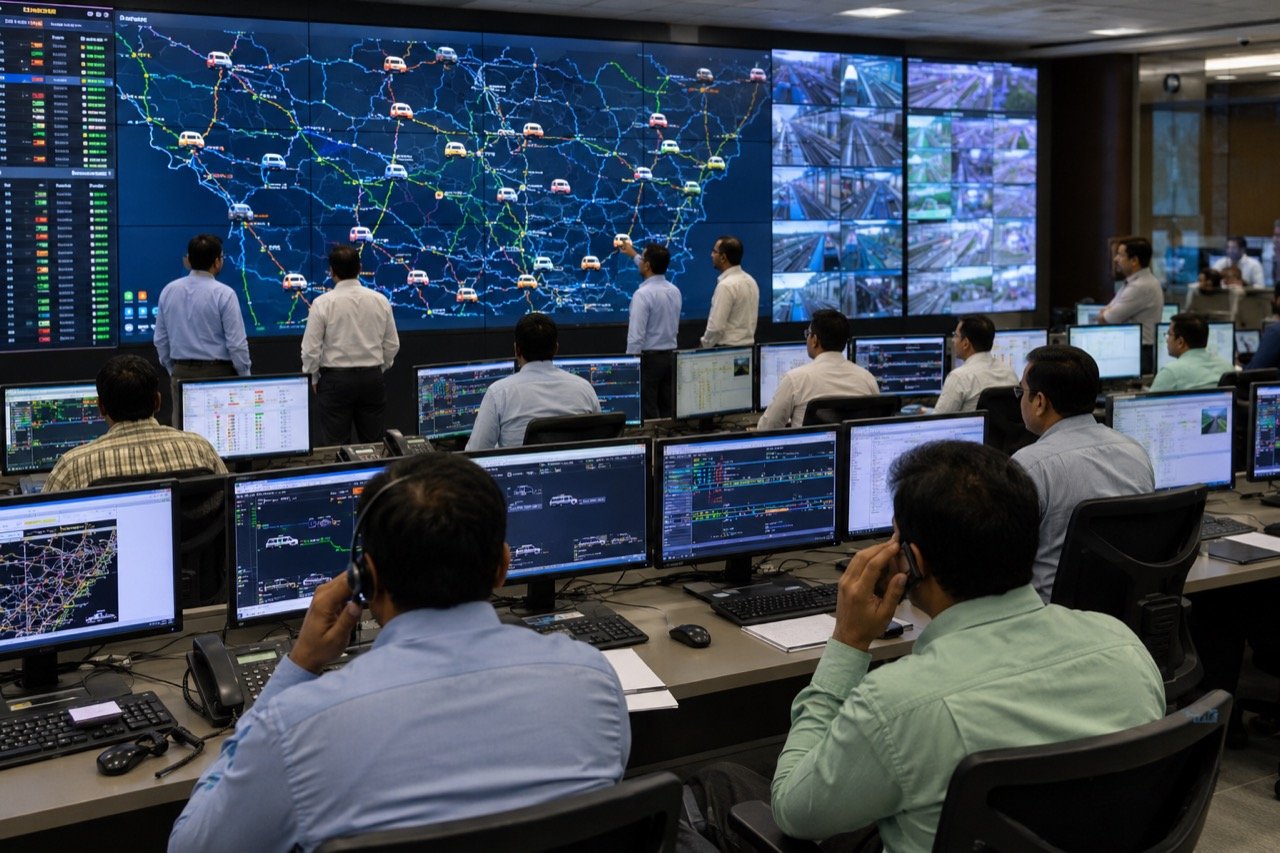
Railways Rolls Out Real-Time App to Flag Train Delays Past 15 Minutes
Indian Railways has launched its first internal app to monitor train punctuality in real time, flagging delays beyond fifteen minutes so officials can spot bottlenecks and coordinate faster responses across the network.
Railways To Flag Off Five New Vande Bharat Trains As Fleet Crosses 160 Services
Indian Railways is set to add five Vande Bharat Express services on June 26, extending semi-high-speed connectivity to more districts as the fleet pushes past 160 services nationwide.
Brahmapur-Udhna Amrit Bharat Express Goes Daily, Boosting Odisha Link
The Brahmapur-Udhna Amrit Bharat Express is set to run every day, giving passengers travelling between Odisha and Gujarat a more dependable and affordable long-distance rail option for work, study and family journeys.
More from this section
More
AICTE Industry Fellowship 2026: Rs 1.5 Lakh Scheme Closes July 5
The AICTE Industry Fellowship Programme 2026, which places technical-education faculty inside leading companies on a Rs 1.5 lakh monthly stipend, reached its application deadline on July 5.
Bay of Bengal Low Pressure System Revives Monsoon Over Western India
A low-pressure system over the Bay of Bengal has pushed the monsoon back into an active phase, bringing steady heavy rain to Kerala, coastal Karnataka and Maharashtra, and putting Mumbai and Pune on preparedness watch.
Bishnoi Gang Suspects Injured in Haryana Encounter as Police Tighten Net
A joint Haryana-Delhi Police operation in Bahadurgarh left two suspected Lawrence Bishnoi gang members injured, spotlighting the multi-state coordination now central to India's fight against organised crime networks.