Ahmedabad Bullet Train Station Gets Kite-Inspired Multimodal Hub Plan
Ahmedabad's bullet train station is set to be developed as a multimodal transport hub with a kite-inspired design, giving India's high-speed rail project a distinctive urban landmark rooted in local identity.
Commentary & Analysis ·
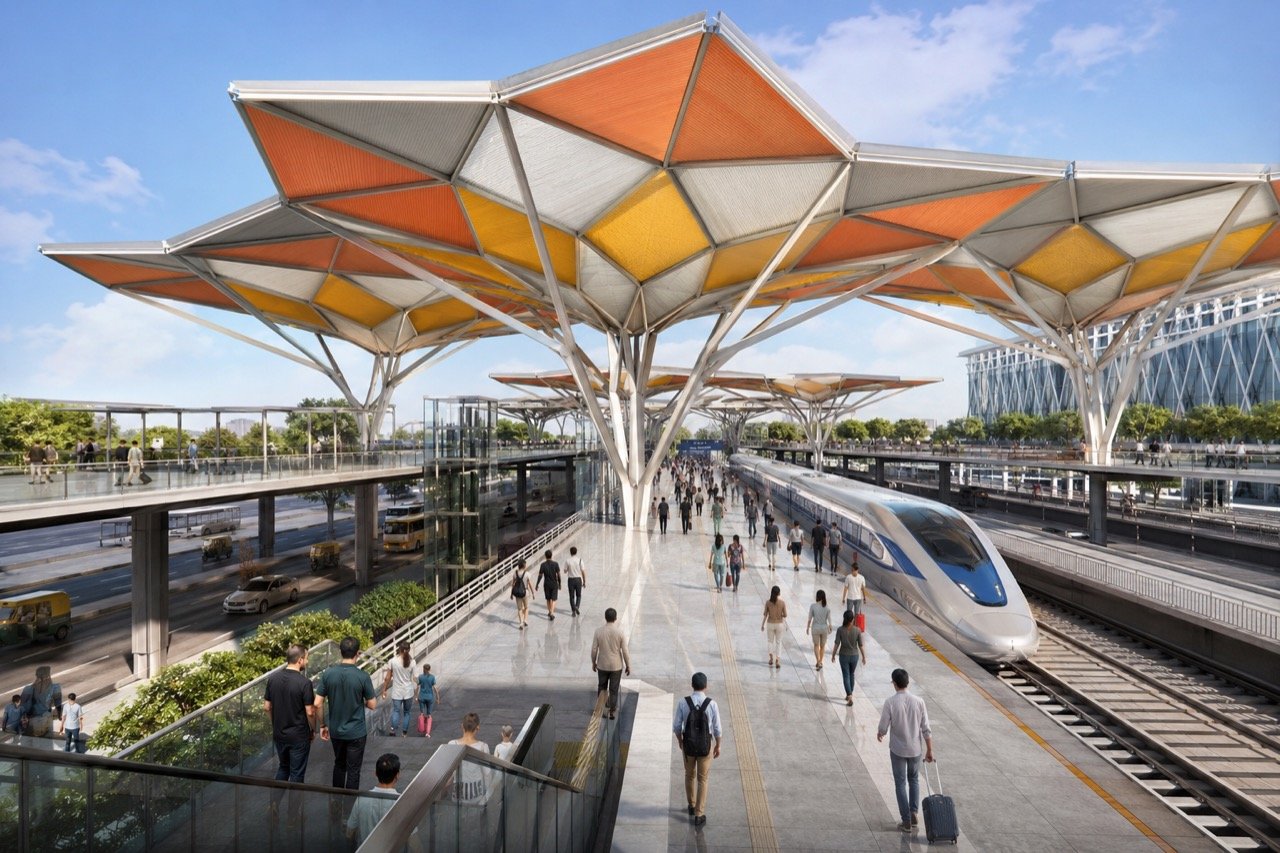
Ahmedabad's bullet train station is moving from engineering drawings towards a statement of intent. According to reporting by the Indian Express, the station on the Mumbai–Ahmedabad high-speed rail corridor will be developed as a multimodal transport hub, crowned with a design inspired by the kite — a motif deeply woven into the city's cultural fabric. On the surface this is an architectural detail. Underneath it, the plan speaks to a larger question that has dogged Indian infrastructure for decades: whether big-ticket transport projects are conceived as isolated feats of engineering or as pieces of a functioning city.
More than a boarding point
The multimodal ambition is the substantive part of the plan. In mature high-speed rail systems, stations function as urban connectors rather than mere platforms: they knit together metro lines, bus networks, taxis, pedestrian routes and commercial spaces. Ahmedabad's station is being planned along these lines, positioning it as a hinge between the bullet train and the city's everyday transport. This distinction matters more than it might appear at first glance. A station that simply lets passengers off a train achieves little if those passengers then face a chaotic scramble for onward transport. A station conceived as a hub, by contrast, treats the last mile as part of the core design brief rather than an afterthought bolted on once construction is complete.
If the integration works, the payoff extends beyond one station. India's high-speed rail programme will eventually need a template for how its nodes plug into existing cities, and Ahmedabad could become the reference case for future corridors. Given that the Mumbai–Ahmedabad line is the country's first high-speed rail project, whatever precedent it sets — good or bad — is likely to shape expectations for the corridors that follow, including any future extensions or parallel projects mooted for other regions. Planners, contractors and state governments elsewhere will be watching not just the trains themselves but how well this station manages the unglamorous business of getting people from platform to street and back again.
Why the kite design matters
Large infrastructure projects often default to generic glass-and-steel forms that could sit in any city in the world. Anchoring the station's architecture in Ahmedabad's kite-flying tradition gives the project a recognisable local identity, while the design still has to serve the practical business of moving large volumes of passengers efficiently. This is not a trivial balancing act. Symbolic architecture can easily tip into vanity if it compromises circulation, signage clarity or crowd flow, and it can just as easily fall flat if executed without real engineering discipline. The kite motif works only if it survives contact with the practicalities of concourse design, ticketing zones, security screening and platform access for what is expected to be a high-frequency, high-volume service.
There is also a softer, civic dimension to the choice. Ahmedabad's kite culture, most visible during festivals when the sky over the city fills with colour, is a genuinely local reference point rather than an imported or generic symbol. A station that visibly reflects that identity gives residents and visitors alike a building they can recognise as belonging to their city, rather than a transplant that could just as easily have been dropped into any metropolis undergoing rapid modernisation. Done well, this kind of design choice builds a sense of ownership and pride around a project that has, at various stages, drawn scrutiny over its cost, timelines and land acquisition process.
The gap between design and delivery
The open questions now are about execution: construction progress, last-mile connectivity, passenger capacity and how smoothly the hub links to the metro and bus systems already serving the city. The design is the headline; delivery will determine whether it becomes a genuine mobility upgrade. This is where the real work lies, and where past Indian infrastructure projects have most often stumbled. Announcing an ambitious, culturally resonant design is the easy part. Coordinating construction schedules across multiple agencies — the rail corridor authority, the metro operator, municipal bus services and local traffic planning bodies — so that all the pieces are ready simultaneously is considerably harder.
Passenger capacity planning deserves particular attention. A high-speed rail station serving a city the size of Ahmedabad needs to anticipate not just current demand but the growth in ridership that a well-integrated, well-designed hub is likely to generate. Underestimating capacity at the design stage tends to produce stations that feel outdated within a few years of opening, forcing costly retrofits. Conversely, overbuilding without matching demand wastes public money. Getting this calibration right requires close, ongoing coordination between the rail authority and city planners, rather than a design handed down and then left to municipal bodies to accommodate as best they can.
Stakeholders with a shared interest
Several groups have a direct stake in how this plays out. Commuters and daily travellers care primarily about whether the promised integration actually reduces their travel time and hassle, rather than simply relocating the inconvenience from the train journey to the station forecourt. Local businesses around the station site have an interest in the commercial spaces that multimodal hubs typically include, which can become valuable retail and service locations if footfall materialises as planned. City planners and the municipal government have an interest in the hub reducing congestion on surrounding roads rather than adding to it, particularly if the station draws significant new traffic from outside the immediate area. And the broader Indian rail establishment has an interest in Ahmedabad succeeding as a proof of concept, since the credibility of the entire high-speed rail programme rests partly on whether its flagship corridor delivers on its promises.
Given the scale of public investment and political attention the Mumbai–Ahmedabad corridor has already attracted, there is little room for the station to underperform quietly. Any shortfall in connectivity or capacity is likely to draw public and media scrutiny quickly, particularly given how closely the project's timelines and costs have already been tracked.
The NE Times View
The kite-inspired station is a welcome sign that India's flagship rail project is thinking about cities, not just trains. Too many Indian transport projects treat the terminal as an afterthought, leaving passengers stranded at the last mile. Ahmedabad's plan gets the priorities right on paper — identity plus integration — but the country has seen striking renders outlast their promises before. The real test will be whether metro, bus and pedestrian links are ready on day one of bullet train services, because a hub that opens half-connected is just an expensive building. Symbolism can win public goodwill in the short term, but only functioning connectivity earns it in the long run. Ahmedabad now carries the burden of proving that a signature design and genuine multimodal integration can arrive together, rather than one substituting for the other.
Key takeaways
- The Ahmedabad station on the Mumbai–Ahmedabad high-speed rail corridor is planned as a multimodal hub linking the bullet train with metro, bus, taxi and pedestrian networks, not just a standalone platform.
- Its architecture draws on Ahmedabad's kite-flying tradition, giving the project a distinct local identity rather than a generic international design.
- Success will depend on execution — construction progress, passenger capacity planning and how well the hub links to existing city transport — rather than the design alone.
- Because this is India's first high-speed rail project, Ahmedabad's outcome is likely to set the template for how future corridors integrate with their host cities.
- The Indian Express reporting frames this as a design update; whether it becomes a genuine mobility upgrade hinges on connections being ready when bullet train services begin.
You may also like to read
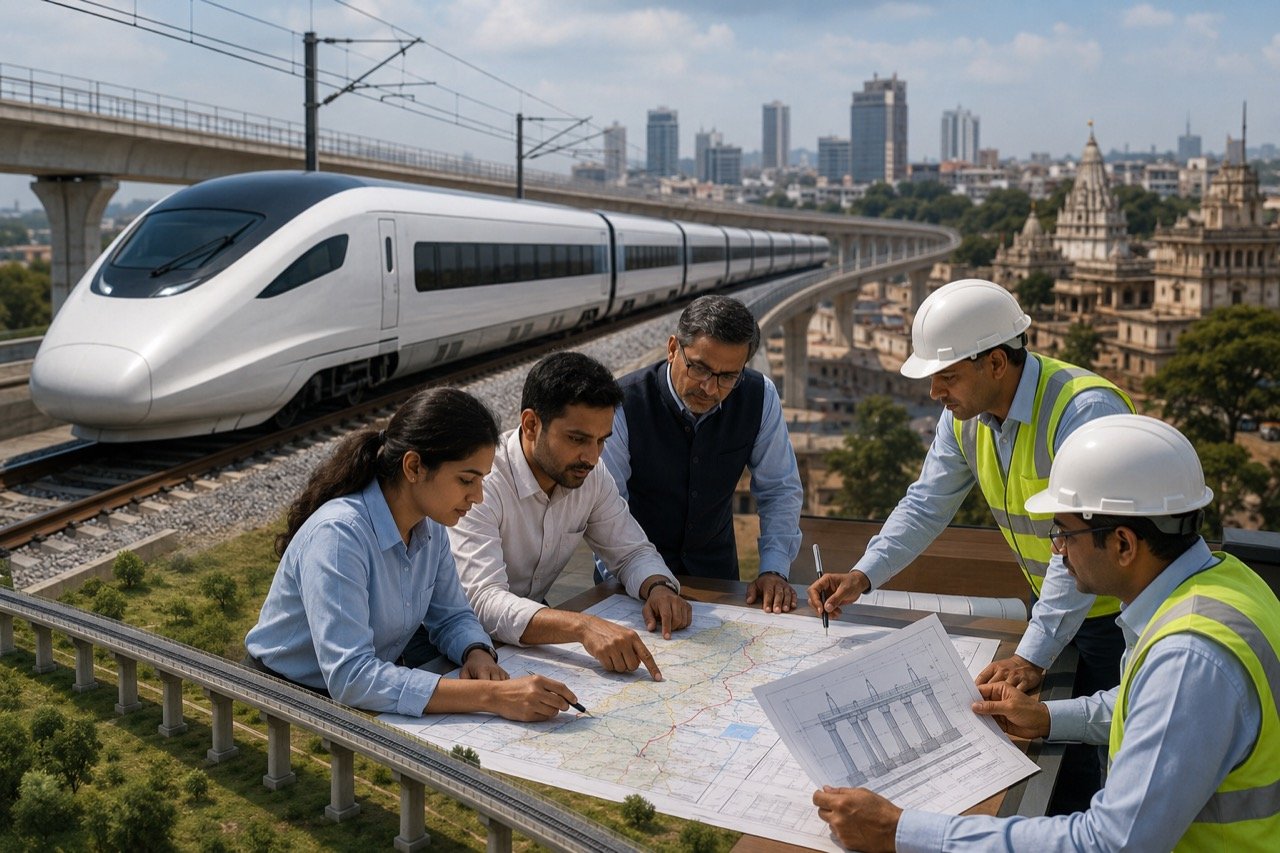
Bullet Train Push: NHSRCL Invites Design Bids for Two New Corridors
NHSRCL has invited design consultancy bids for the proposed Bengaluru-Chennai and Delhi-Varanasi high-speed rail corridors, signalling that India's next bullet train routes are moving from announcement to technical planning.
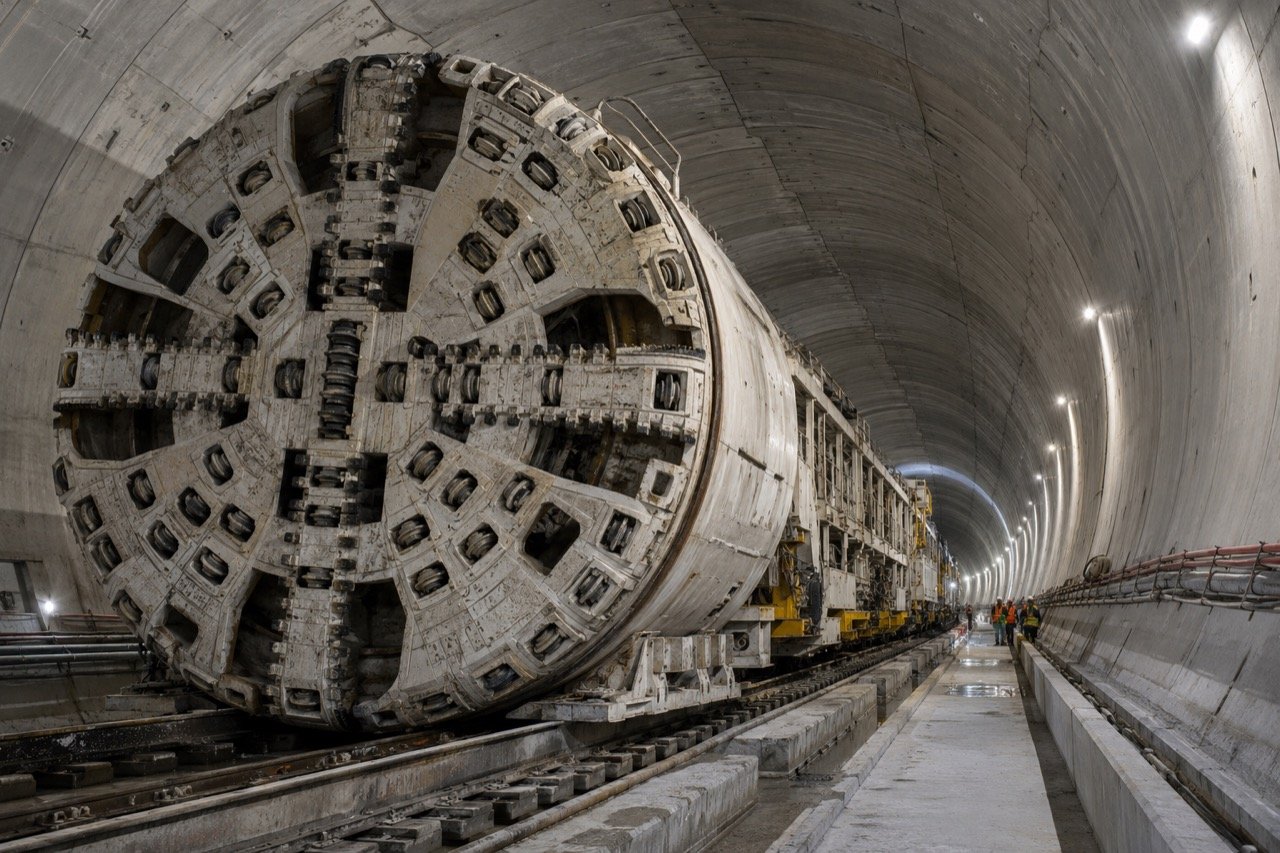
Mumbai-Ahmedabad Bullet Train: India's Largest TBM Starts Digging
India's largest rail tunnel boring machine has begun excavation on the Mumbai-Ahmedabad bullet train corridor, moving the country's flagship high-speed rail project into a visible and technically demanding underground phase.
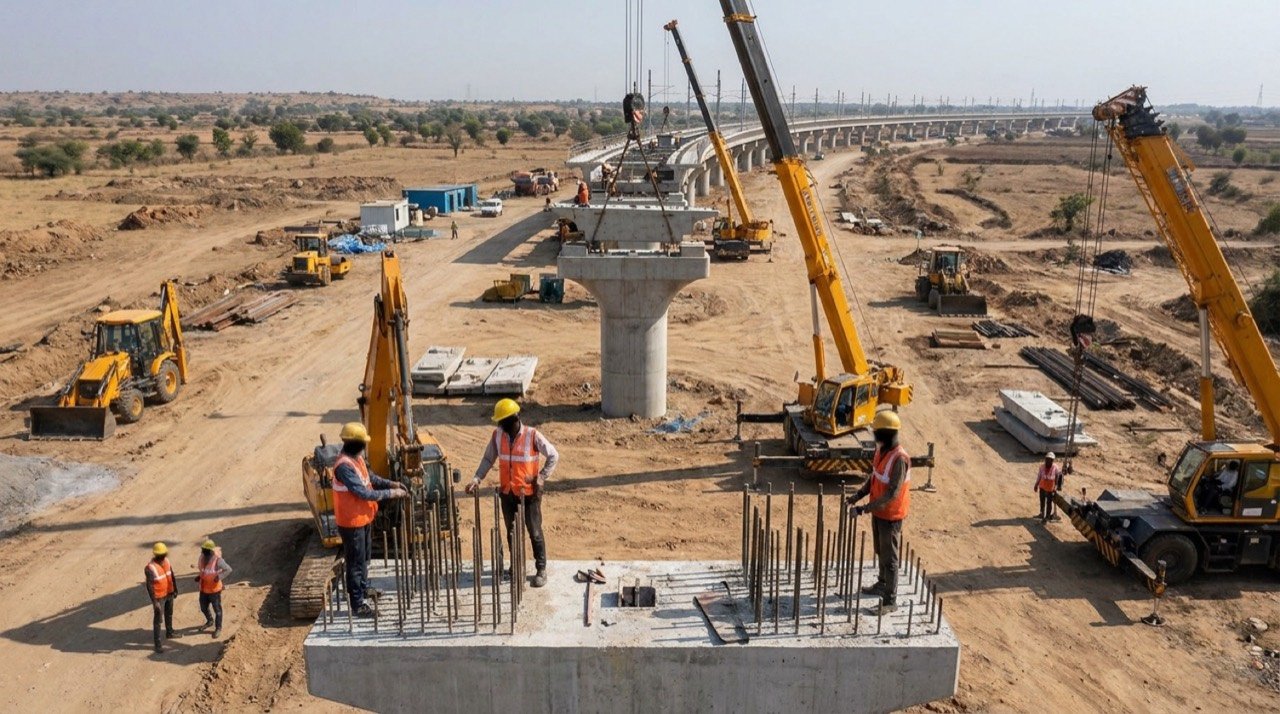
Mumbai-Ahmedabad Bullet Train Project Opens Over 200 Jobs
The Mumbai-Ahmedabad bullet train project has opened applications for more than 200 posts, offering engineers, technicians and operations specialists a new hiring window in India's flagship high-speed rail programme.
Ahmedabad Car Crash Renews Focus on Road Safety and Medical Emergencies at the Wheel
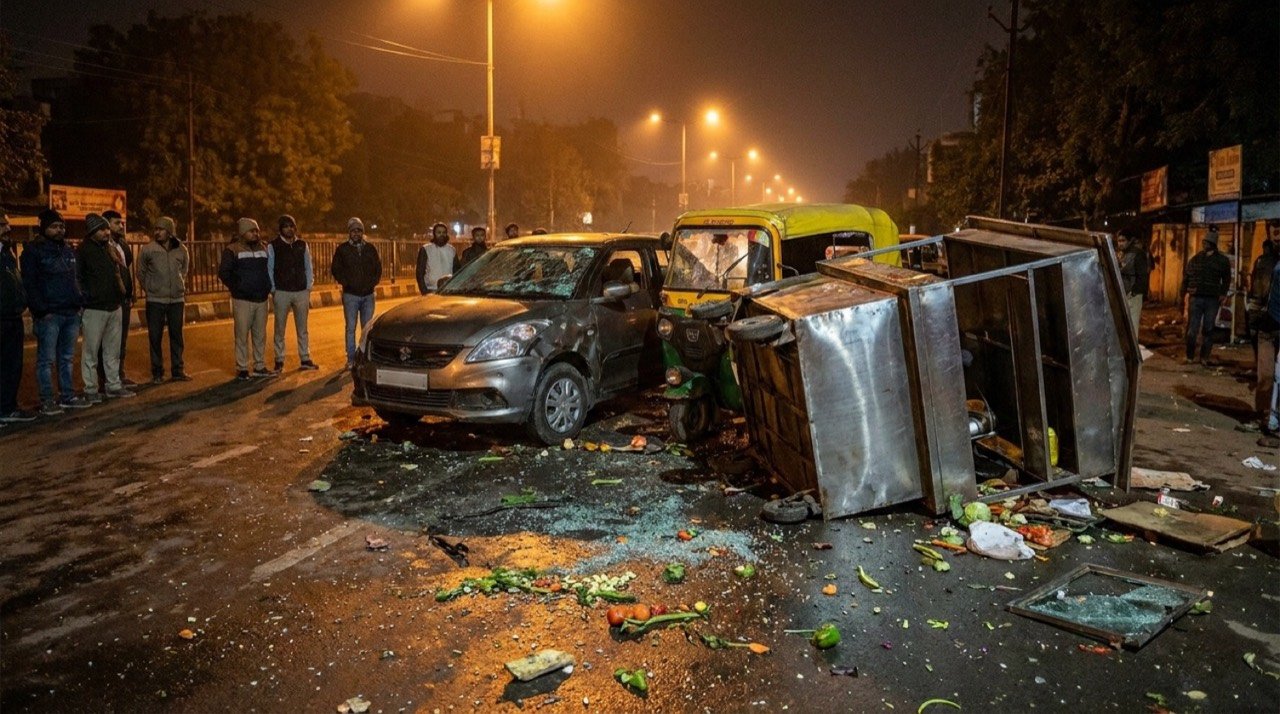
A late-night crash in Ahmedabad that killed one woman and injured six has revived debate over urban road safety, after the driver may have suffered a seizure behind the wheel.
More from this section
More
AICTE Industry Fellowship 2026: Rs 1.5 Lakh Scheme Closes July 5
The AICTE Industry Fellowship Programme 2026, which places technical-education faculty inside leading companies on a Rs 1.5 lakh monthly stipend, reached its application deadline on July 5.

Bay of Bengal Low Pressure System Revives Monsoon Over Western India
A low-pressure system over the Bay of Bengal has pushed the monsoon back into an active phase, bringing steady heavy rain to Kerala, coastal Karnataka and Maharashtra, and putting Mumbai and Pune on preparedness watch.
Bishnoi Gang Suspects Injured in Haryana Encounter as Police Tighten Net
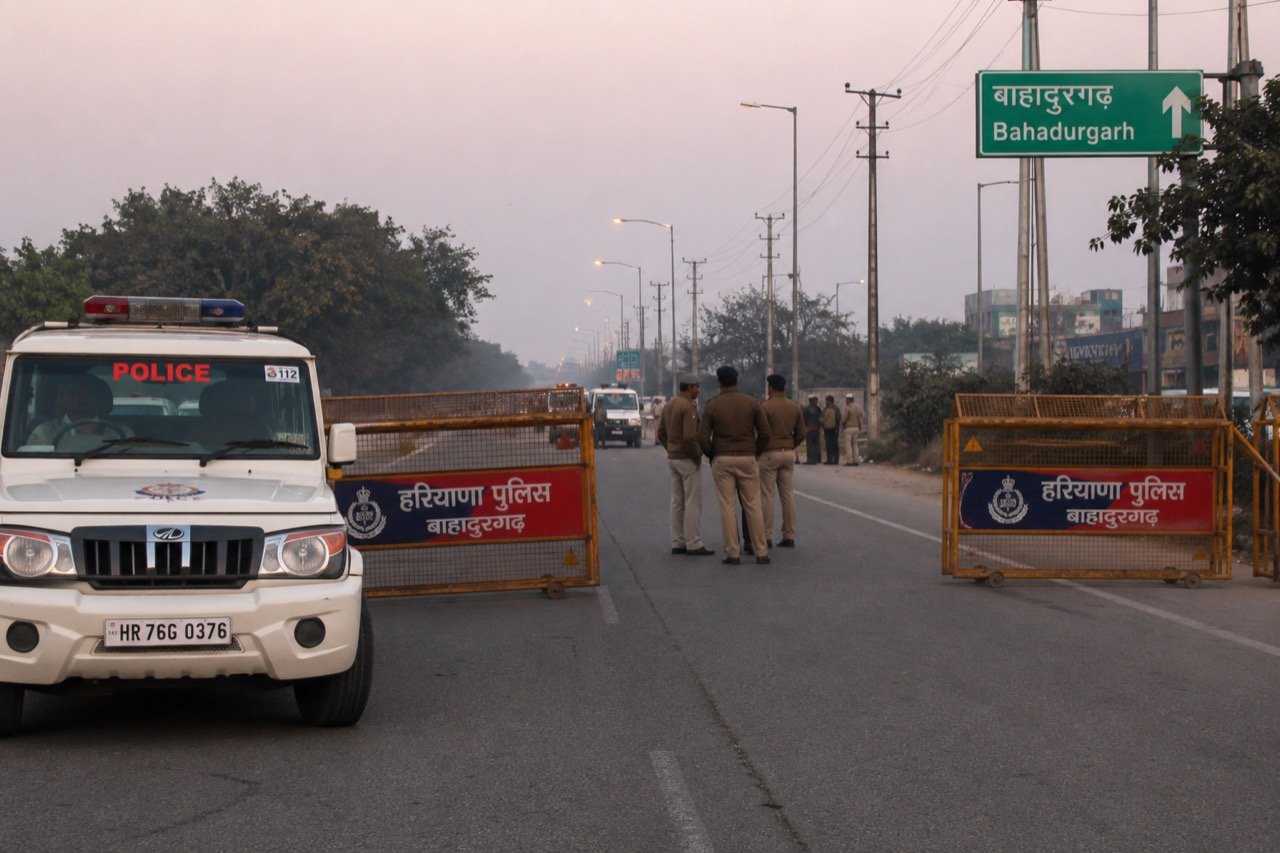
A joint Haryana-Delhi Police operation in Bahadurgarh left two suspected Lawrence Bishnoi gang members injured, spotlighting the multi-state coordination now central to India's fight against organised crime networks.