Pankaj Tripathi's Brother Injured in Bihar Attack as Police Launch Raids
Bijendra Nath Tiwari, brother of actor Pankaj Tripathi, was injured in an attack with sharp weapons in Bihar and taken to Patna for treatment as police teams hunt for the accused.
Commentary & Analysis ·
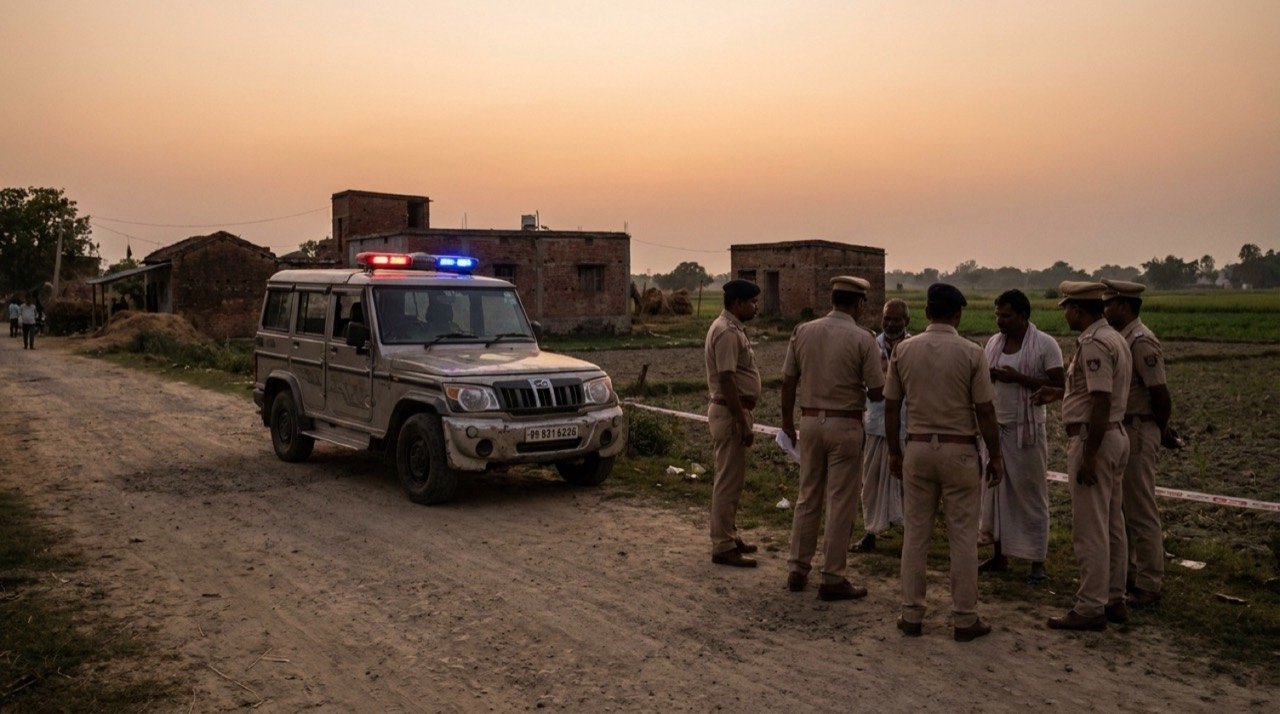
The brother of actor Pankaj Tripathi was injured in an attack with sharp weapons in Bihar, according to entertainment and local reports. The victim, identified as Bijendra Nath Tiwari, was taken to Patna for medical treatment, while police teams launched raids to track down those responsible. The episode has, within a short span, moved from a local law-and-order matter into a story followed well beyond the district where it occurred, simply because of the family name attached to it.
What is confirmed so far
The central facts established in the reporting are narrow but significant: the attack itself, the victim's transfer for treatment in Patna, and the ongoing police search for the perpetrators. Investigators are working to apprehend the accused, with special teams conducting raids in the area. Reports have linked the attack to a long-running local dispute, but the precise motive and the sequence of events remain for investigators to determine. At this stage, that connection should be treated as a line of inquiry rather than an established conclusion, and readers would do well to resist filling in the gaps with speculation until police complete their work.
This distinction matters more than it might appear. In cases involving public figures or their relatives, there is often pressure, from media and public alike, to arrive at a tidy explanation quickly. But an unverified motive reported as fact can shape public perception long before the investigation catches up, and can even complicate the legal process itself if it colours how witnesses or suspects are approached.
Why the case drew wide attention
The incident gained prominence chiefly because of the family's link to one of Hindi cinema's most respected actors. Pankaj Tripathi, who hails from Bihar, has built a large and devoted following through a body of work that spans mainstream cinema and acclaimed streaming series, and news involving his family travels quickly across entertainment and regional media alike. That reach is precisely why the story has found an audience far beyond the district in which the attack took place.
Yet beneath the celebrity angle lies a more ordinary and serious story about rural conflict, the reach of policing and the adequacy of emergency medical response in such areas. Had the same attack befallen someone without a well-known relative, it is worth asking whether it would have received anything like the same scrutiny, or the same urgency from investigators. That asymmetry is itself a useful lens through which to view how crime reporting and, by extension, policing priorities, tend to function in practice.
The wider public-safety picture
Cases like this often reflect tensions that are common in parts of rural India, where disputes, whether over land, property, family, or older unresolved grievances, can turn violent, and where the speed of investigation matters greatly to victims and their families. The use of sharp weapons in such confrontations is not unusual in these settings, and the fact that the victim required transfer to Patna for treatment also points to a familiar limitation: local medical facilities in many parts of Bihar remain unable to handle serious trauma cases, forcing patients to travel considerable distances for adequate care at exactly the moment when time is most critical.
This pattern, an assault, transfer to a larger city for treatment, and a subsequent police search, is a template that repeats across the state, largely unnoticed except when a recognisable name is attached to it. The infrastructure gaps and enforcement delays that ordinary victims face day to day are the same ones now visible in this case, simply made legible to a wider audience because of who the victim's brother is.
The mechanics of the investigation
With special police teams already conducting raids, the immediate priorities for investigators are straightforward in principle: identify and arrest the accused, establish the sequence of events leading to the attack, and determine whether the reported local dispute is in fact the underlying cause. Each of these steps carries its own difficulties. Raids conducted in the immediate aftermath of an attack can lead to swift arrests if suspects have not fled the area, but they can just as easily produce delays if the accused have gone into hiding or if local sympathies complicate the gathering of evidence.
The involvement of a well-known figure's family can, in some instances, accelerate police response, simply because of the additional public and media attention the case attracts. Whether that acceleration reflects a genuine uplift in institutional seriousness, or merely a temporary and visible exception to how such cases are ordinarily handled, is a question that outlives the immediate news cycle. It is also the question at the heart of the matter for anyone concerned with equal treatment under the law.
What happens next
As the investigation proceeds, attention will turn to the victim's recovery and to whether police can quickly identify and arrest those involved. For now, the family and the public await clearer answers on how a local dispute, if that is indeed what it proves to be, escalated into a violent assault with sharp weapons. The coming days should bring clarity on the identity of the accused, if arrests are made, and on whether the initial reports of a dispute-driven motive hold up under formal investigation.
There is also a quieter but important thread to follow: the victim's medical recovery in Patna, and whether the case, once the immediate media attention fades, receives the same follow-through in the courts that it has received in the raids. Bihar has no shortage of cases that begin with urgent police activity and public attention, only to stall later in prosecution. Whether this one follows that pattern will say a good deal about the durability of the response.
The NE Times View
A celebrity connection has put this assault in the headlines, but the underlying story is Bihar's stubborn problem of armed crime and slow policing. The test is whether the raids reflect genuine law-and-order seriousness or merely the reflex of a famous name. Justice here should be measured the same way it is for the unknown victims who never trend. If the state's police machinery can move with speed and diligence when a well-connected family is involved, the question the public is entitled to ask is why that same speed is not the baseline for every case of armed assault in rural Bihar. Attention borrowed from celebrity should, at minimum, be put to good use in exposing where the system's ordinary response falls short.
Key takeaways
- Bijendra Nath Tiwari, brother of actor Pankaj Tripathi, was injured in an attack with sharp weapons in Bihar and transferred to Patna for treatment.
- Police have launched raids and are working to identify and arrest the accused, while a possible link to a long-running local dispute remains an unconfirmed line of inquiry.
- The case has drawn wide attention largely because of the Tripathi family connection, even though the underlying issues, rural violence, thin emergency care access, and policing speed, are common across Bihar.
- Key open questions include the accused's identity, the confirmed motive, and whether the case receives sustained follow-through once media attention subsides.
- The episode invites scrutiny of whether celebrity-linked cases receive a level of police responsiveness that ordinary victims in similar circumstances do not.
You may also like to read
Pankaj Tripathi's Brother Seriously Injured in Bihar Axe Attack Linked to Land Dispute
The elder brother of actor Pankaj Tripathi was hospitalised after an alleged axe attack in Gopalganj, Bihar, with police citing a local land dispute and one accused already in custody.
Nalgonda Businessman's Family of Four Found Dead at Home; Police Launch Careful Probe
Four members of a businessman's family were found dead inside their home in Nalgonda, Telangana, leaving the neighbourhood in shock as police begin a methodical investigation into the unexplained deaths.
FIR Names Bihar Police Officers in Bharat Tiwari Encounter Death
An FIR filed by Bharat Bhushan Tiwari's mother names Bhojpur police personnel over his June 17 encounter death, as Bihar orders a judicial inquiry and the family disputes the self-defence account.
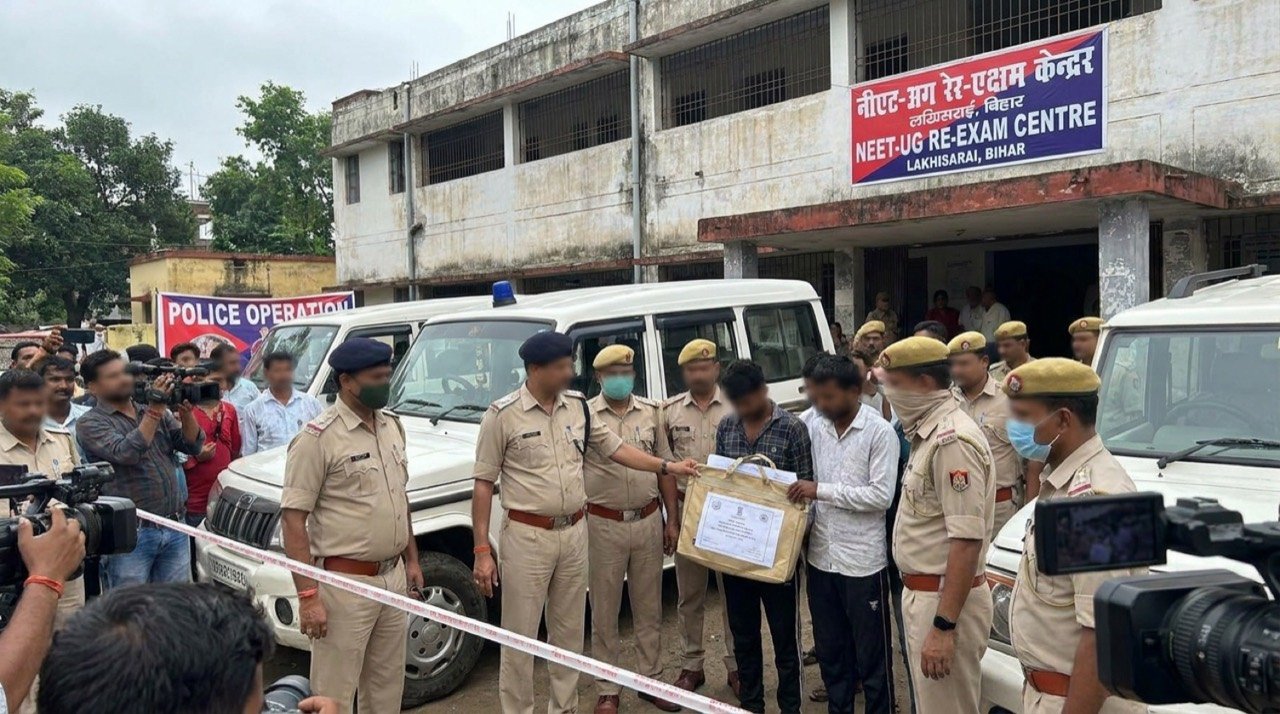
Bihar Police Arrest 30 in NEET-UG Re-Exam Cheating Racket at Lakhisarai
Bihar Police say they busted a NEET-UG re-exam cheating racket in Lakhisarai, arresting 30 people including nine impersonators, with deals of up to Rs 12 lakh allegedly struck.
More from this section
More
AICTE Industry Fellowship 2026: Rs 1.5 Lakh Scheme Closes July 5
The AICTE Industry Fellowship Programme 2026, which places technical-education faculty inside leading companies on a Rs 1.5 lakh monthly stipend, reached its application deadline on July 5.

Bay of Bengal Low Pressure System Revives Monsoon Over Western India
A low-pressure system over the Bay of Bengal has pushed the monsoon back into an active phase, bringing steady heavy rain to Kerala, coastal Karnataka and Maharashtra, and putting Mumbai and Pune on preparedness watch.
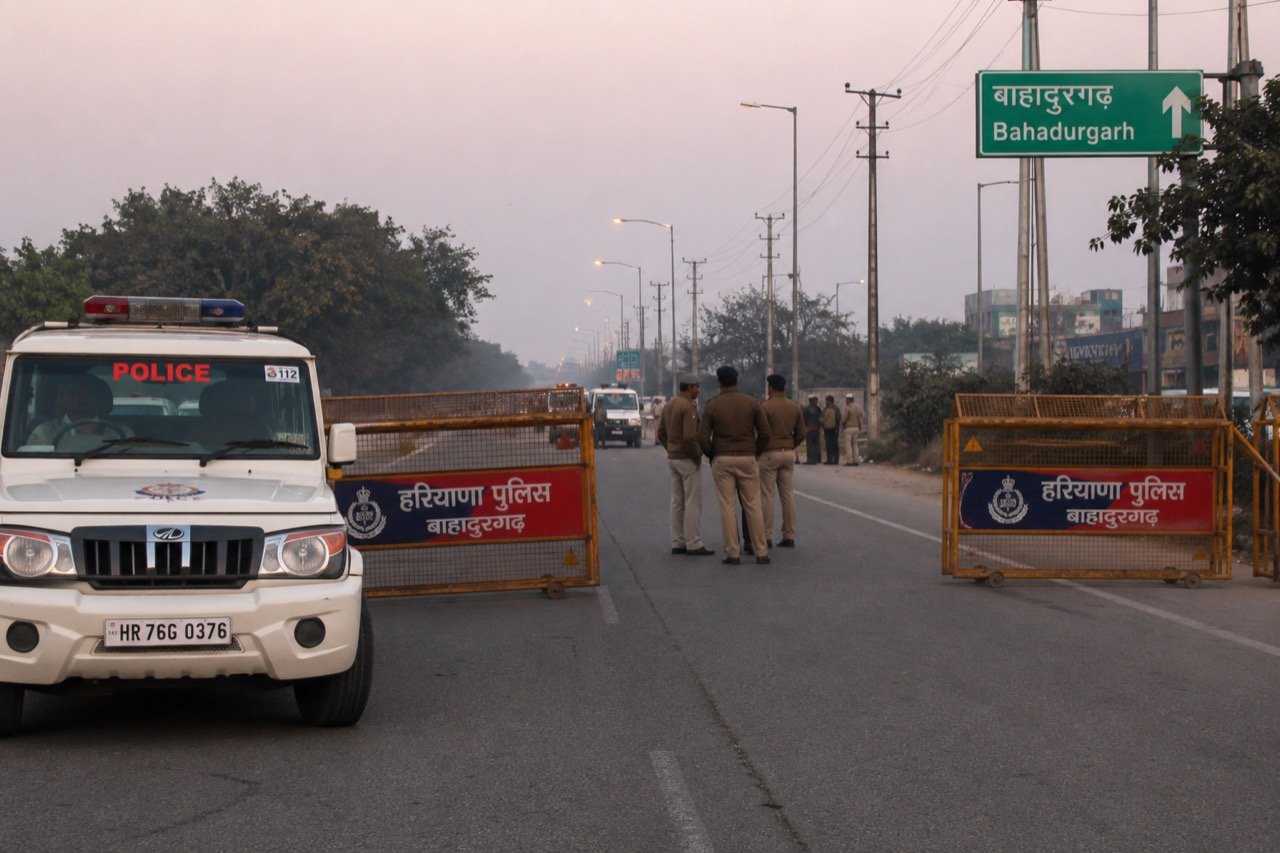
Bishnoi Gang Suspects Injured in Haryana Encounter as Police Tighten Net
A joint Haryana-Delhi Police operation in Bahadurgarh left two suspected Lawrence Bishnoi gang members injured, spotlighting the multi-state coordination now central to India's fight against organised crime networks.