Bihar Police Arrest 30 in NEET-UG Re-Exam Cheating Racket at Lakhisarai
Bihar Police say they busted a NEET-UG re-exam cheating racket in Lakhisarai, arresting 30 people including nine impersonators, with deals of up to Rs 12 lakh allegedly struck.
Commentary & Analysis ·
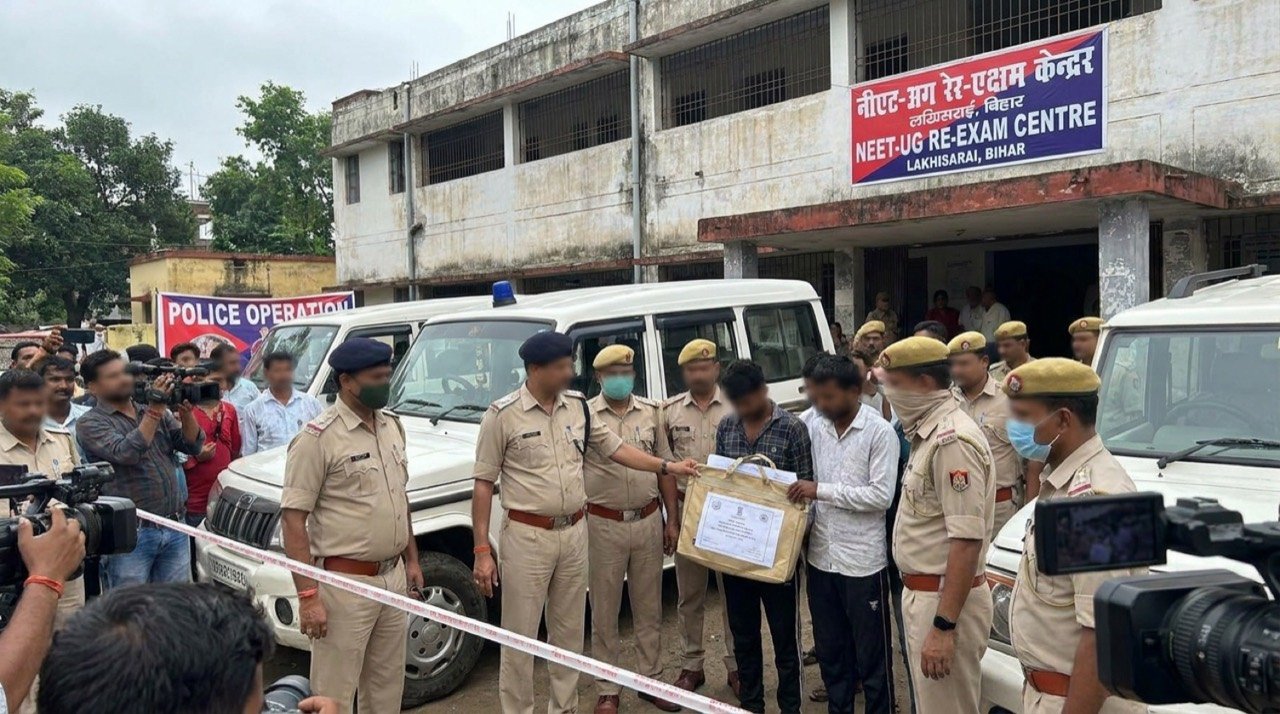
Bihar Police said they dismantled a cheating racket during the NEET-UG re-examination in Lakhisarai, arresting 30 people including nine alleged impersonators. The case has once again turned a harsh spotlight on the vulnerability of India's high-stakes entrance tests, where a single tampered seat can undercut the effort of lakhs of honest candidates. That a re-examination, held presumably to restore confidence after some prior irregularity, could itself become the target of an organised fraud says a great deal about how deeply entrenched the incentives for cheating have become around NEET-UG.
Who was arrested
According to police, those detained included medical, Ayurveda and nursing students drawn from Bihar, Delhi and Odisha, alongside a candidate, a network of helpers and members of the biometric staff at examination centres. The spread of accused across states and roles suggests an organised operation rather than an opportunistic attempt. This is a point worth dwelling on: a purely local or improvised scam would not typically draw participants from three different states, nor would it require the complicity of the very staff entrusted with verifying candidates' identities. The presence of biometric personnel among the accused is particularly troubling, because it indicates the racket did not merely try to slip past the system's safeguards but had, in effect, captured a part of the safeguard mechanism itself from the inside.
Investigators recovered mobile phones and documents after raids at three examination centres, material that police expect to help map the full chain of facilitators and beneficiaries. The involvement of students already enrolled in medical, Ayurveda and nursing courses as alleged impersonators is a striking detail. It suggests the racket drew on people who already understood the subject matter and the examination environment well enough to convincingly stand in for paying candidates, a level of sophistication that separates this case from a simple case of smuggled devices or leaked papers.
The alleged money trail
The preliminary probe pointed to deals ranging from Rs 10 lakh to Rs 12 lakh per candidate. Police said advance payments of Rs 1 lakh to Rs 2 lakh were allegedly made, with the balance to be settled only after a candidate cleared the test, an arrangement designed to keep both sides committed to the fraud. This payment structure is itself instructive. By deferring the bulk of the payment until after results were declared, the racket's organisers built in a performance guarantee of sorts, a way of aligning the impersonator's incentives with the paying candidate's desired outcome while limiting the client's upfront exposure. It is the kind of contractual sophistication one associates with commercial services, not petty crime, and it points to a network confident enough in its methods to operate on a results-based fee.
Three FIRs have been registered, invoking provisions on cheating, forgery, criminal conspiracy and the Public Examination Act. The legal framework signals an intent to prosecute the racket as organised crime rather than as isolated misconduct. Invoking the Public Examination Act alongside conspiracy charges gives investigators wider latitude to pursue not just the impersonators caught on the day, but the financiers, recruiters and middlemen who structured the deals in the first place.
Why it matters
NEET-UG is the gateway to medical education in India, and its credibility rests on the integrity of identity checks, biometric verification and physical centre security. When impersonation breaches those layers, it erodes confidence among students who compete fairly and raises uncomfortable questions about the weakest links in the system. For the lakhs of aspirants who spend years preparing for this single examination, often at considerable financial and emotional cost to their families, the knowledge that seats can be effectively purchased through a well-financed impersonation scheme is corrosive. It does not merely affect the handful of candidates displaced by cheats; it undermines the perceived fairness of the entire selection process, feeding a wider public cynicism about whether merit alone can secure a medical seat in India.
There is also a public health dimension worth considering. NEET-UG determines who eventually becomes a doctor, and a compromised admissions process risks allowing candidates into medical training who did not actually demonstrate the competence the examination is meant to certify. While the immediate story concerns the impersonators rather than the candidates who paid for their services necessarily practising medicine themselves, the very existence of a market for admission by proxy suggests that academic merit is being treated by some as a purchasable formality rather than a genuine qualification threshold.
Systemic gaps exposed
The fact that this fraud was uncovered during a re-examination is significant. A re-test is typically convened specifically to address concerns about the integrity of an earlier sitting, whether due to leaks, technical faults or other irregularities. That the very mechanism meant to restore trust was itself infiltrated points to a deeper structural problem than any single scandal: the safeguards around NEET-UG, including biometric verification, are not self-enforcing and depend heavily on the integrity of the individuals administering them at the local level. Recruiting or bribing biometric staff at examination centres effectively neutralises a technological safeguard through an old-fashioned human vulnerability, a reminder that no verification system is stronger than the people responsible for operating it.
This also raises questions about oversight capacity. With examination centres spread across the country and re-examinations adding further logistical strain, the National Testing Agency and state police forces face the challenge of maintaining vigilance across a vast and dispersed testing infrastructure. The Lakhisarai case, uncovered through raids at three centres, suggests that detection is possible when investigators are alert to unusual patterns, but it also implies that similar arrangements could plausibly exist undetected elsewhere.
What happens next
The road ahead will test whether prosecution is firm and whether examination audits are transparent enough to reassure aspirants. With repeated cheating scandals dogging national tests, authorities face pressure to strengthen biometric systems and tighten centre oversight before confidence is dented further. The involvement of biometric staff in this case will likely prompt scrutiny of how such personnel are recruited, vetted and monitored at examination centres nationwide, not just in Lakhisarai. Whether the three FIRs lead to convictions, and whether the investigation successfully traces the money back to financiers and organisers rather than stopping at the impersonators and helpers already in custody, will determine whether this becomes a genuine deterrent or another headline that fades without lasting consequence.
For now, the Lakhisarai arrests stand as both a warning to organised cheating networks and a reminder of how much work remains. Aspirants and their families, having already endured the anxiety of a re-examination, will be watching closely to see whether the promised integrity of the retest is upheld through decisive legal action.
The NE Times View
A racket charging up to Rs 12 lakh, complete with paid impersonators, shows how organised and lucrative exam fraud has become in Bihar, and how badly the NEET system's integrity has frayed. Thirty arrests treat the symptom; the disease is biometric and invigilation gaps that make impersonation feasible at scale. Until the NTA hardens the exam itself, every high-stakes test will keep funding a parallel economy of cheating. The involvement of centre staff in facilitating impersonation is the single most damning detail here, because it shows that even the layers of security specifically designed to prevent this kind of fraud can be bought. Prosecuting the thirty individuals currently in custody is necessary but insufficient; without structural reform to how biometric staff are recruited and monitored, and without a credible audit trail that follows the money to its source, this case risks becoming one more entry in a long and dispiriting list of examination scandals rather than a turning point.
Key takeaways
- Bihar Police arrested 30 people, including nine alleged impersonators, in a cheating racket targeting the NEET-UG re-examination in Lakhisarai.
- Those detained spanned Bihar, Delhi and Odisha and included medical, Ayurveda and nursing students, a candidate, helpers and biometric staff at examination centres.
- Investigators allege deals of Rs 10-12 lakh per candidate, with advance payments of Rs 1-2 lakh and the balance due only after clearing the test.
- Three FIRs have been filed under cheating, forgery, criminal conspiracy and the Public Examination Act, signalling an organised-crime approach to prosecution.
- The case underscores persistent gaps in biometric verification and centre oversight that will need structural fixes to restore confidence in NEET-UG.
You may also like to read
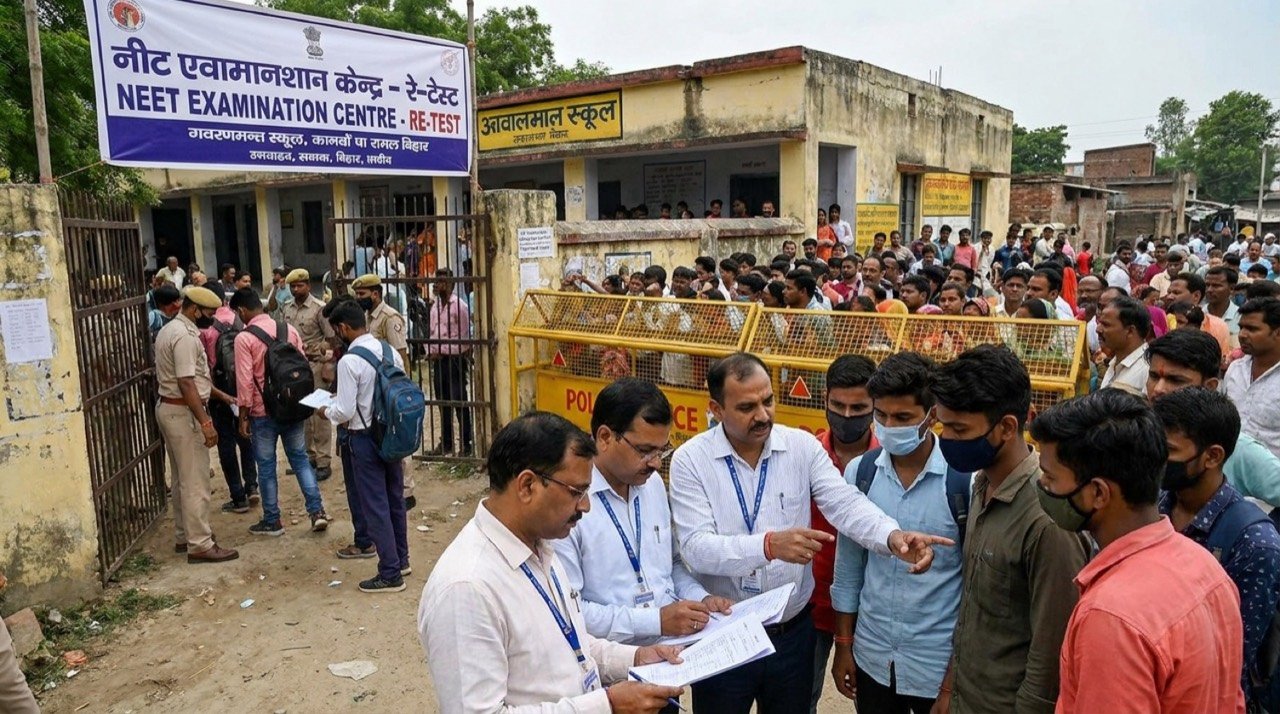
Bihar NEET Re-Test Arrests Expose Alleged Dummy Candidate Racket
Police in Bihar's Lakhisarai district have arrested 30 people over alleged impersonation during the NEET-UG 2026 re-test, citing fake Aadhaar cards and the involvement of biometric verification staff.
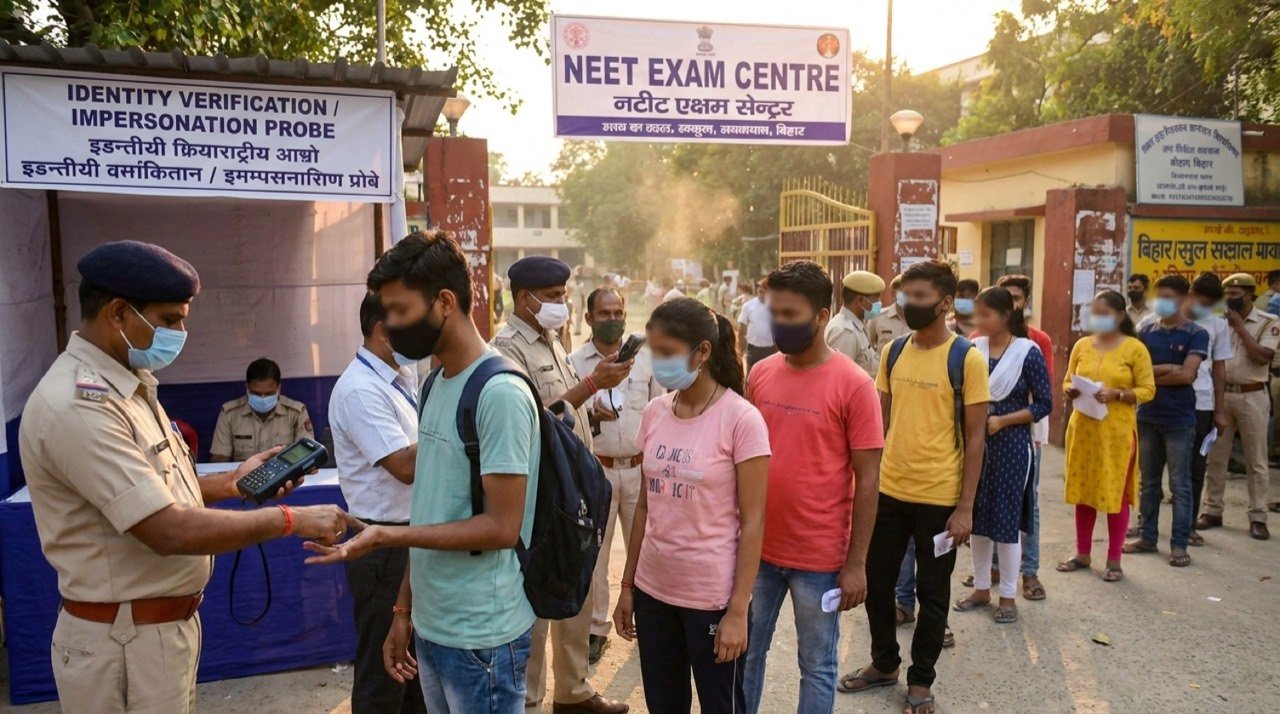
Bihar NEET Re-Test Arrests Expose Alleged Impersonation Network
Police in Bihar have arrested around 30 people over alleged irregularities at the NEET-UG re-test, with dummy candidates and exam staff among those held, reigniting concern over entrance-exam security.
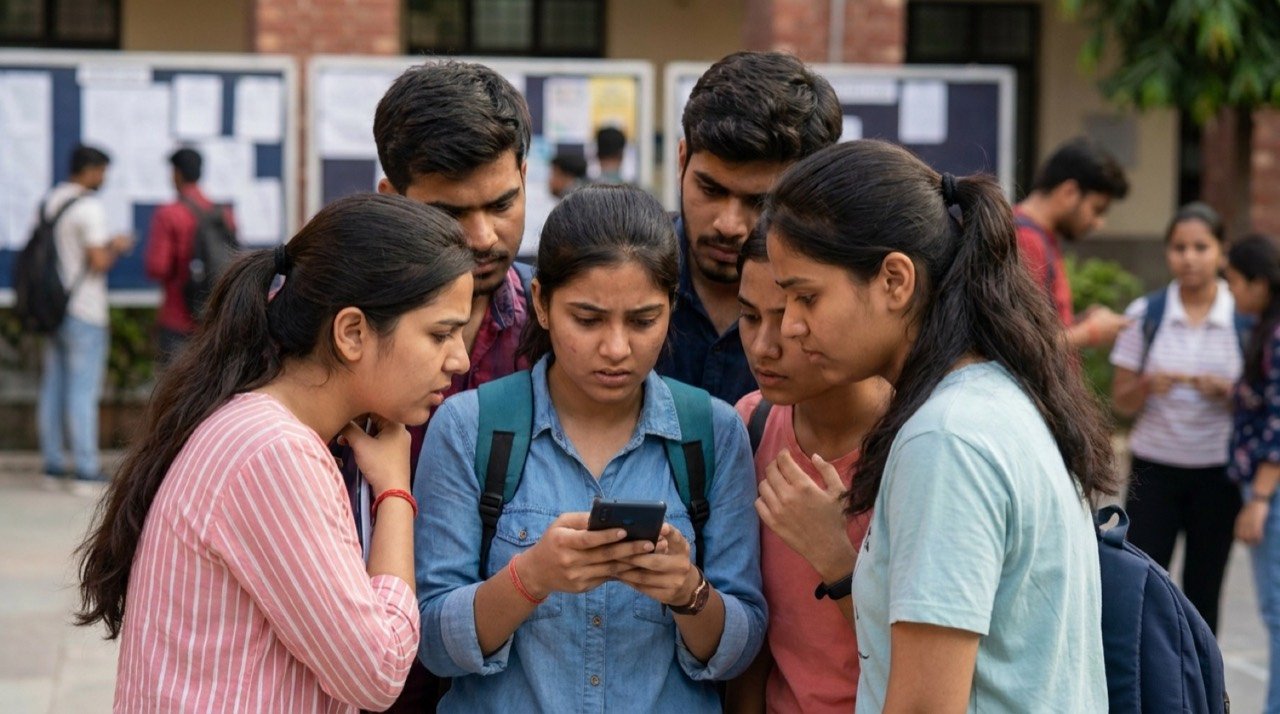
NEET-UG Fake Leak Video Sparks Probe as Exam Misinformation Comes Under Scrutiny
Police and exam authorities are hunting the creators of a fake NEET-UG paper-leak video that spread online around the retest, stoking panic among students and exposing how fast misinformation can erode trust.
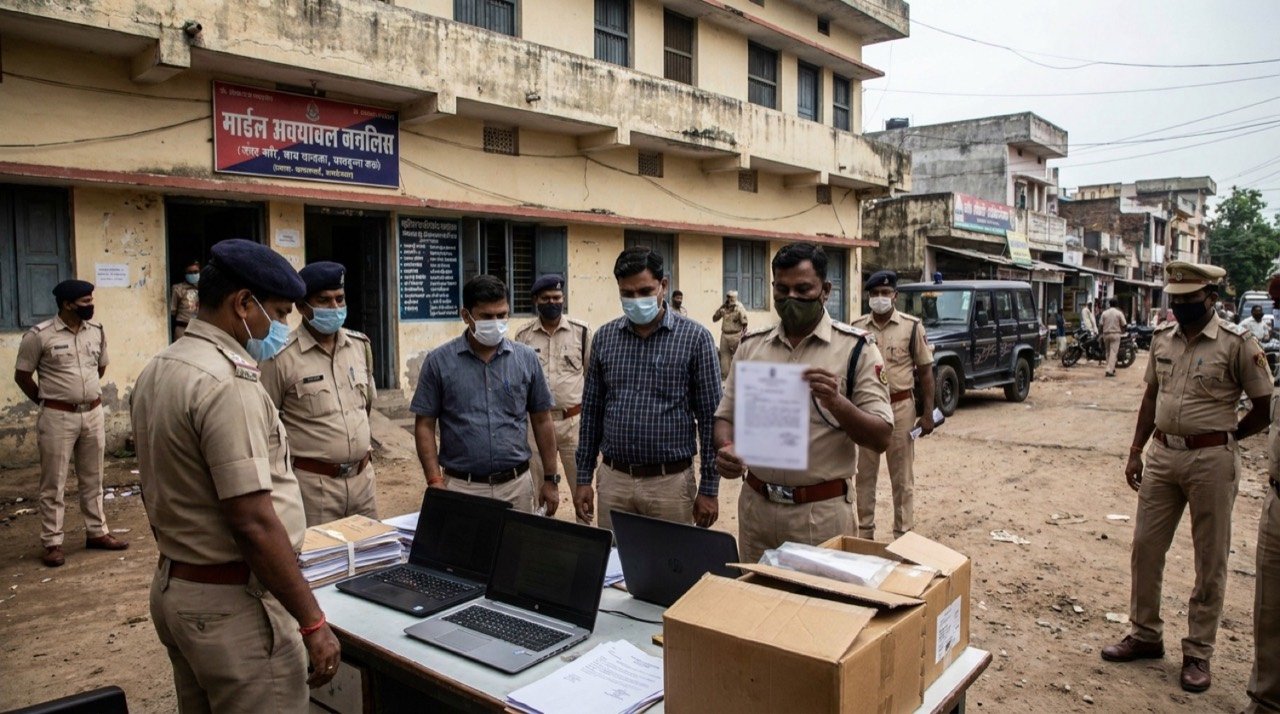
Anand IELTS-TOEFL Proxy-Test Racket Exposes India's Exam-Integrity Challenge
Gujarat Police have arrested a man over a suspected IELTS and TOEFL proxy-test racket in Anand, reviving concerns about impersonation, forged documents and fraud in India's overseas-education pipeline.
More from this section
More
AICTE Industry Fellowship 2026: Rs 1.5 Lakh Scheme Closes July 5
The AICTE Industry Fellowship Programme 2026, which places technical-education faculty inside leading companies on a Rs 1.5 lakh monthly stipend, reached its application deadline on July 5.
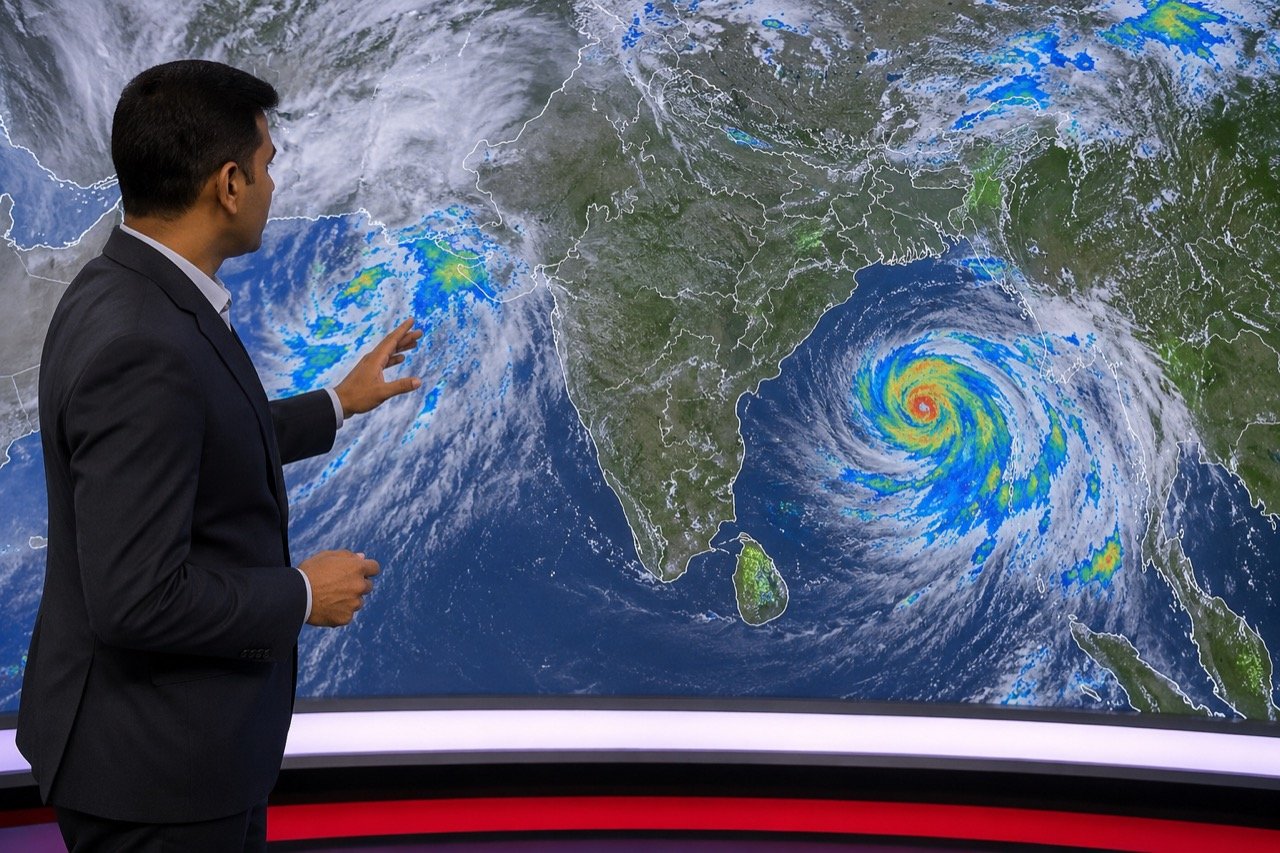
Bay of Bengal Low Pressure System Revives Monsoon Over Western India
A low-pressure system over the Bay of Bengal has pushed the monsoon back into an active phase, bringing steady heavy rain to Kerala, coastal Karnataka and Maharashtra, and putting Mumbai and Pune on preparedness watch.
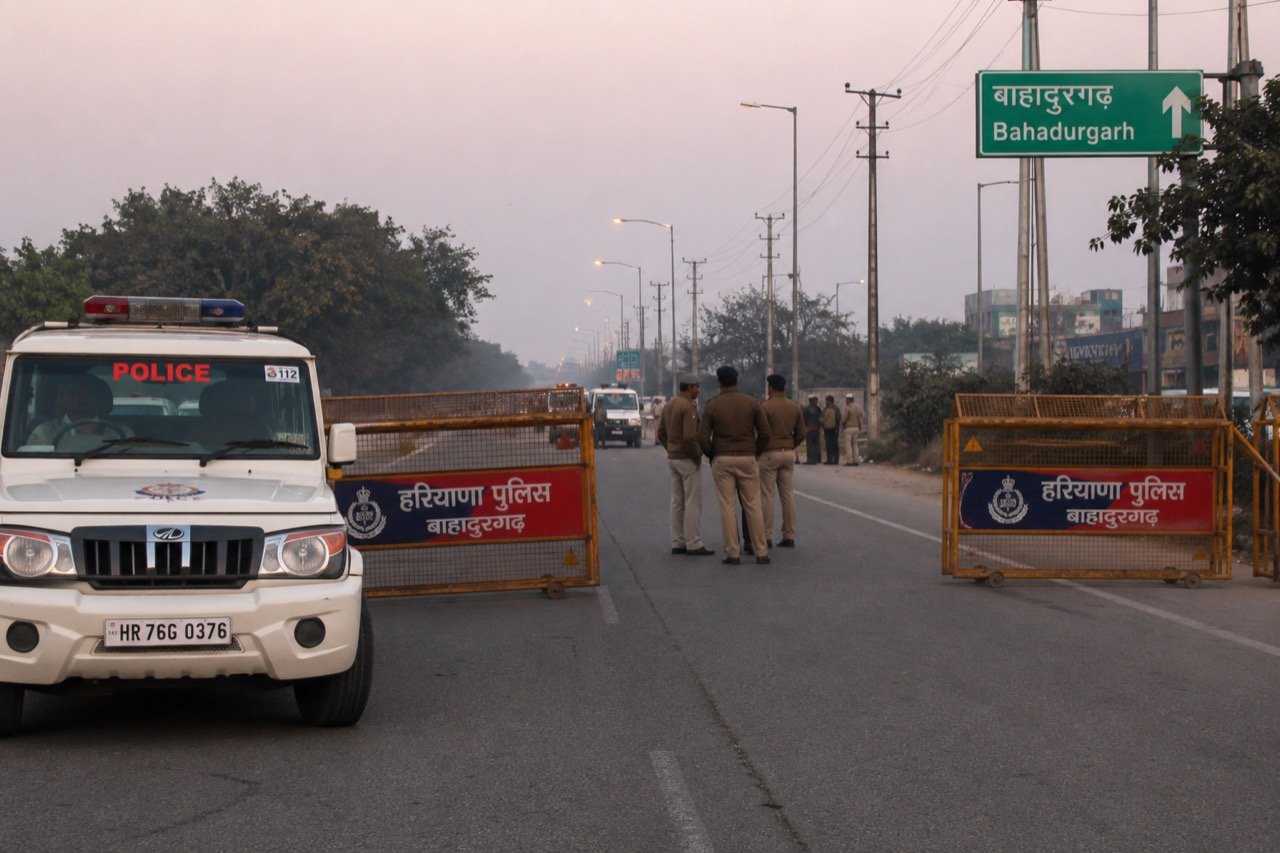
Bishnoi Gang Suspects Injured in Haryana Encounter as Police Tighten Net
A joint Haryana-Delhi Police operation in Bahadurgarh left two suspected Lawrence Bishnoi gang members injured, spotlighting the multi-state coordination now central to India's fight against organised crime networks.