NEET-UG Fake Leak Video Sparks Probe as Exam Misinformation Comes Under Scrutiny
Police and exam authorities are hunting the creators of a fake NEET-UG paper-leak video that spread online around the retest, stoking panic among students and exposing how fast misinformation can erode trust.
Commentary & Analysis ·
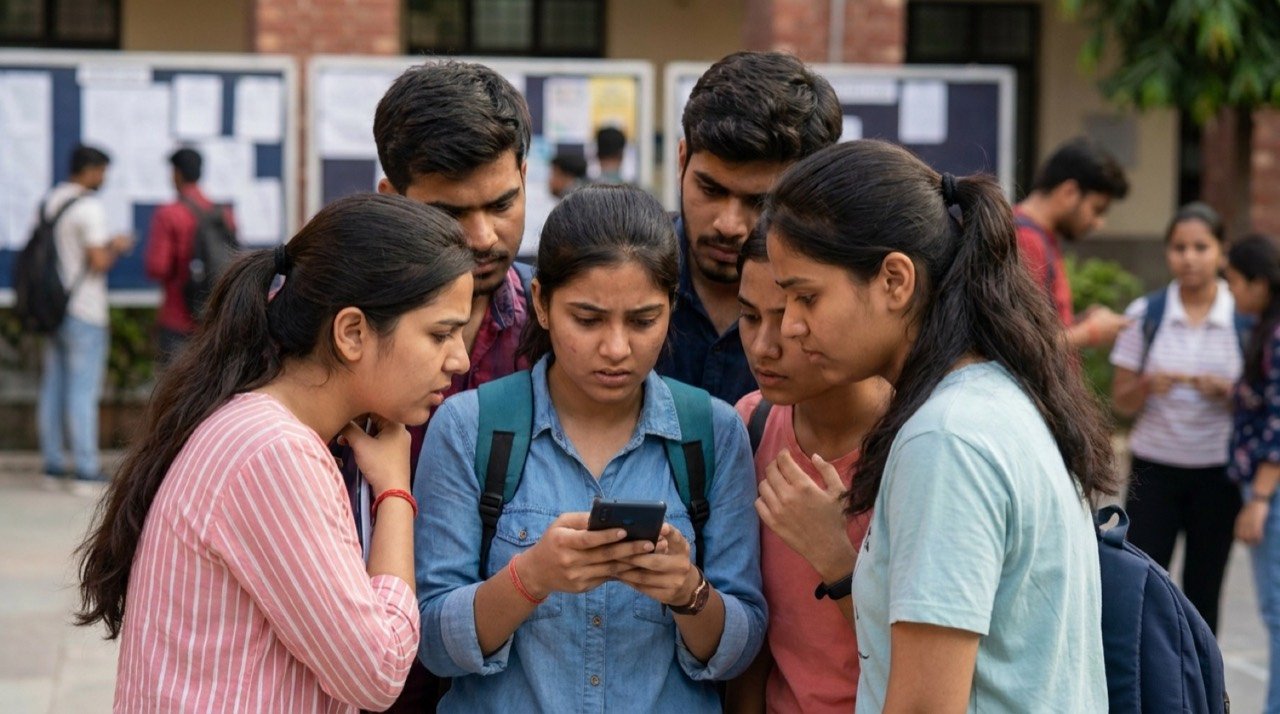
A fake video claiming to show a NEET-UG paper leak has triggered a police and examination-authority investigation, after the clip spread online around the time of the retest and rattled students already navigating a fraught exam cycle. Officials say the footage was fabricated and that it created unnecessary panic among candidates under enormous pressure. On the surface, this looks like a straightforward hoax that was quickly debunked. Looked at more closely, it is a symptom of a much larger problem: India's high-stakes examination ecosystem has become as vulnerable to digital manipulation as it once was to physical malpractice, and the institutional response has not yet caught up with that shift.
What investigators are chasing
The probe is focused on three questions: who made the video, how it circulated so widely, and whether it was deliberately designed to undermine confidence in the examination process. Investigators are treating the case as a cyber matter, tracing the content's origin and the networks that amplified it. This is a meaningfully different kind of investigation from the ones NEET-UG has generated in the past, which typically centred on physical evidence: a leaked question paper, a solver gang, a compromised printing press or exam centre. Here, the evidence trail runs through servers, forwarding chains, and anonymous accounts, which makes both attribution and prosecution considerably harder.
Establishing intent is central to how this case will ultimately be treated. A hoax made carelessly, perhaps by someone seeking views or notoriety, is one thing. A coordinated attempt to disrupt a national medical-entrance exam, on which hundreds of thousands of students stake their futures, is another, with far more serious implications. The distinction matters legally and practically. If it emerges that the video was engineered specifically to coincide with the retest window, that would suggest a level of planning that goes beyond opportunistic mischief and edges toward a deliberate attack on public confidence in a state-run process. Investigators will need to establish not just who pressed record and upload, but whether there was a motive to sow distrust at the precise moment students were most exposed to it.
The cost of a single clip
The episode is a stark illustration of how quickly misinformation can damage high-stakes competitive exams. NEET-UG already operates under intense scrutiny, given its scale and the sheer weight of expectation riding on it each year. A viral clip alleging a leak can spread faster than any official clarification, leaving anxious students unsure of what to believe in the crucial hours before or after they sit a retest. Unlike a rumour about a minor local matter, this is a rumour that lands directly on people in a uniquely fragile state of mind.
For candidates who have prepared for years, sacrificing time, money and often years of their adolescence to a single competitive examination, the psychological toll of such rumours is real and should not be understated. Panic at the wrong moment can affect performance in ways that are difficult to reverse once the exam has begun. A student who spends the morning of a retest doubting the fairness of the process, wondering whether others have an unfair advantage from a supposed leak, is a student whose concentration and composure have already been compromised before they have answered a single question. That is damage no subsequent clarification can fully undo, even once the video is proven false.
Why trust, once dented, is hard to repair
Beyond the immediate cohort of test-takers, episodes like this erode faith in a system that is supposed to guarantee a level playing field. NEET-UG's legitimacy rests almost entirely on the perception that it is conducted fairly and uniformly across the country, irrespective of a candidate's background, location or resources. Every controversy, whether a genuine leak or a fabricated one, chips away at that perception a little further. Parents, coaching institutes and the wider public absorb these stories too, and the cumulative effect over successive exam cycles is a citizenry that treats every claim of irregularity, true or false, as plausible by default. That is a corrosive outcome for an examination system that needs the opposite: a public willing to give the process the benefit of the doubt until proven otherwise.
Exam security in the misinformation age
For authorities, the case signals that rapid fact-checking and cyber investigation are now an integral part of exam security, no longer confined to guarding question papers and examination centres. Containing a false narrative quickly is becoming as important as preventing an actual leak. This is a significant shift in what exam security must mean in practice. Traditionally, the machinery around an exam like NEET-UG has been built to prevent physical breaches: sealed question papers, tamper-evident packaging, surveillance at centres, and biometric checks on candidates. Those measures address the threat of a real leak. They do nothing to stop a fabricated video from circulating on social media and doing comparable reputational and psychological damage without any actual breach having occurred at all.
The video was confirmed fake and spread online around the retest. Police are tracing who created and circulated the clip. Investigators are examining whether it aimed to disrupt trust in the exam. Officials say it caused needless panic among students. Verified notices from official portals remain the safest source for candidates, and officials have urged students to rely only on such notices rather than unverified social-media clips. That guidance is sound as far as it goes, but it also places the burden of discernment on stressed teenagers and young adults scrolling their phones at odd hours, rather than on a system equipped to pre-empt and neutralise false claims before they spread widely.
As exam systems grow more digital, and as smartphones and social media become the default channel through which students receive and share information about their exams, the NEET-UG case is likely to push authorities toward faster public communication and stronger monitoring of online misinformation around future tests. That could mean designated rapid-response channels during exam windows, closer coordination between examination bodies and law enforcement's cyber units, and public awareness campaigns that pre-emptively tell students where to look for verified information, rather than only reacting after a hoax has already gone viral.
What this means for students, institutions and platforms
Each stakeholder in this episode has a different vantage point. Students want certainty and a level playing field, and are the ones who bear the immediate psychological cost of rumours they have no means of verifying themselves. Examination authorities want their process to be trusted and are now confronting a threat that operates outside their traditional security perimeter. Investigators want to establish culpability and intent, a task complicated by the anonymity and reach of online platforms. And the platforms themselves, though not named as parties under scrutiny here, are the medium through which such a clip can reach hundreds of thousands of anxious young people within hours. Any durable fix will need to account for all of these actors, not merely punish whoever is eventually found to have made the video.
The NE Times View
The damage here is real even though the leak was fake, because panic and eroded trust spread faster than any retest can reassure. A fabricated video can derail lakhs of aspirants' nerves overnight, regardless of how quickly it is ultimately debunked. Chasing the creators matters, and holding them accountable sends a necessary signal that manufacturing panic around a national exam carries consequences. But the deeper fix is restoring confidence in exam integrity so rumours find no fertile ground to begin with. A testing system that students already distrust, whether that distrust is fair or not, is the true vulnerability that misinformation exploits. Until that underlying trust deficit is addressed, NEET-UG and exams like it will remain soft targets for anyone, malicious or merely careless, looking to unsettle hundreds of thousands of young people at the worst possible moment.
Key takeaways
- A confirmed fake video alleging a NEET-UG paper leak spread online around the retest, prompting a police and cyber investigation into its creators and how it circulated.
- Investigators are focused on establishing intent, distinguishing a careless hoax from a deliberate attempt to undermine confidence in a national medical-entrance exam.
- The episode caused real psychological harm to students regardless of the video's falsity, underscoring how misinformation can affect performance even without any actual security breach.
- Officials are urging candidates to rely solely on verified notices from official portals, but this places significant responsibility on students rather than on systemic safeguards.
- The case is likely to push exam authorities toward faster public communication and stronger monitoring of online misinformation as digital exam security becomes as important as physical security.
You may also like to read
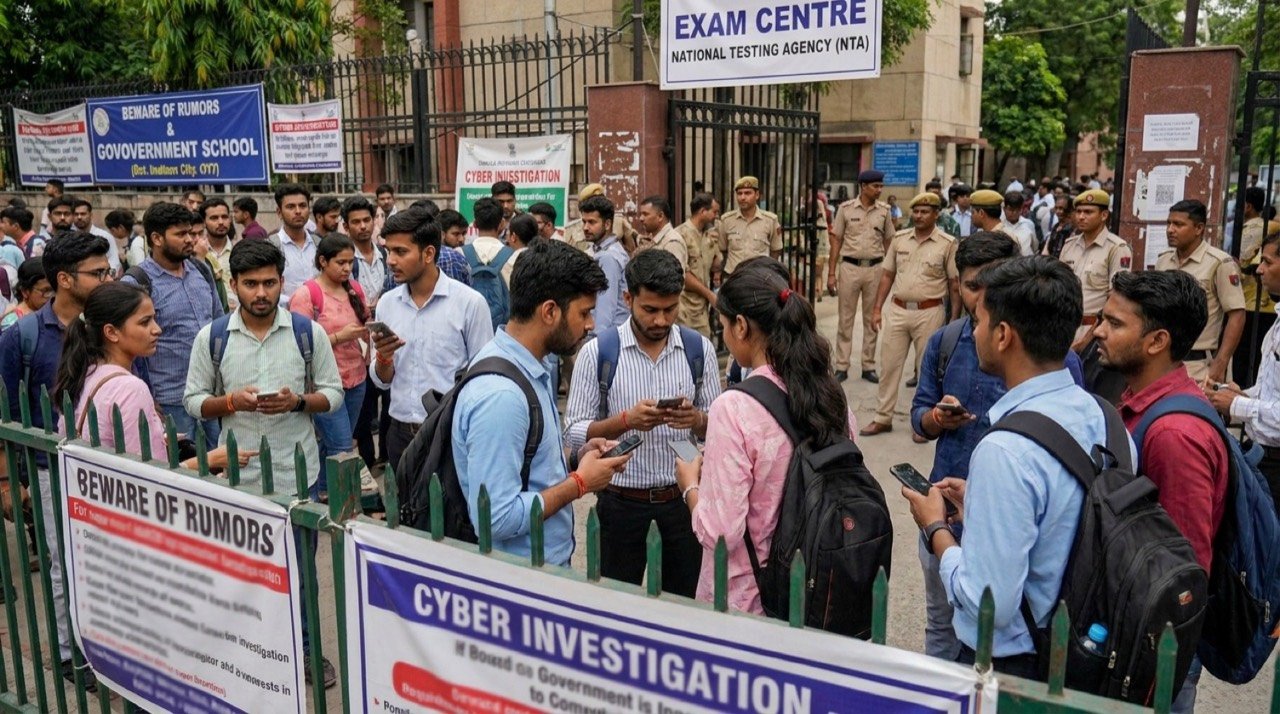
NEET-UG Retest 'Leak' Video Found Fake; NTA Launches Cyber Probe
The Centre and NTA have rejected a viral video claiming the June 21 NEET-UG retest paper was leaked on Telegram, with a cyber probe now under way to trace those behind the misleading content.
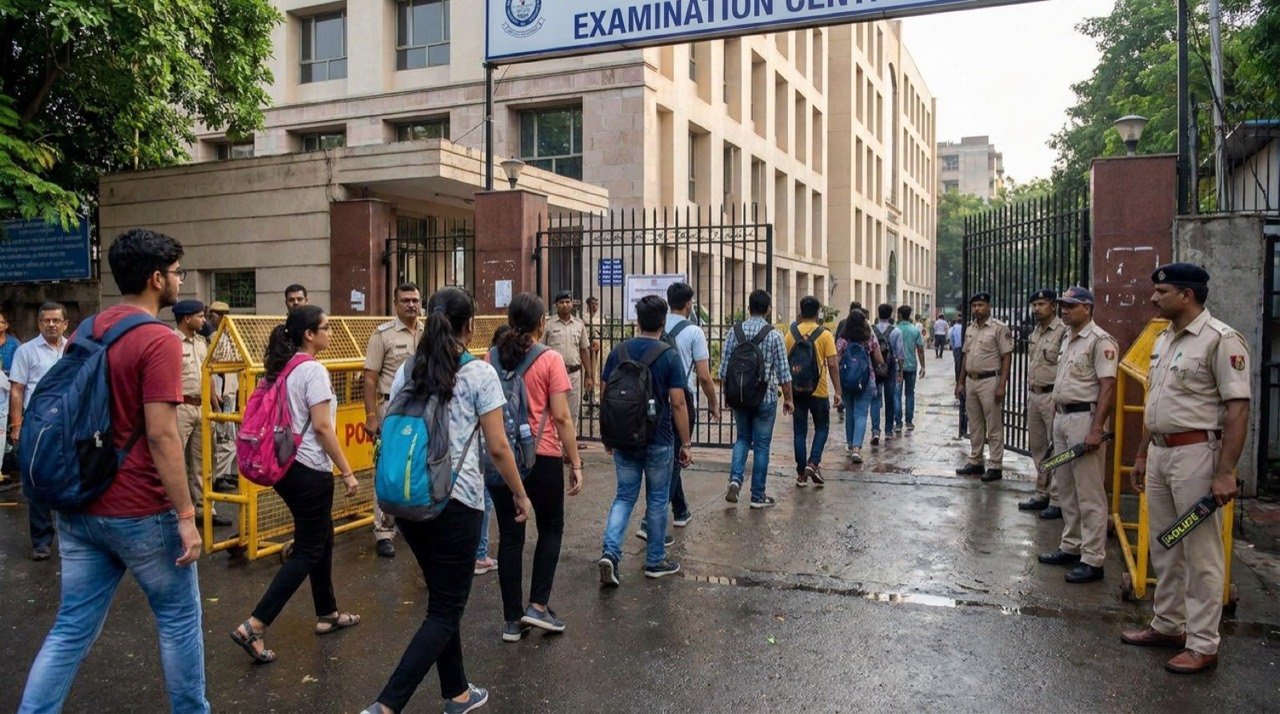
NTA Says NEET-UG 2026 Re-Exam Was Error-Free After Tight Security Checks
The National Testing Agency has declared the NEET-UG 2026 re-examination flawless, citing biometric and facial authentication, as it works to rebuild trust among lakhs of medical aspirants.
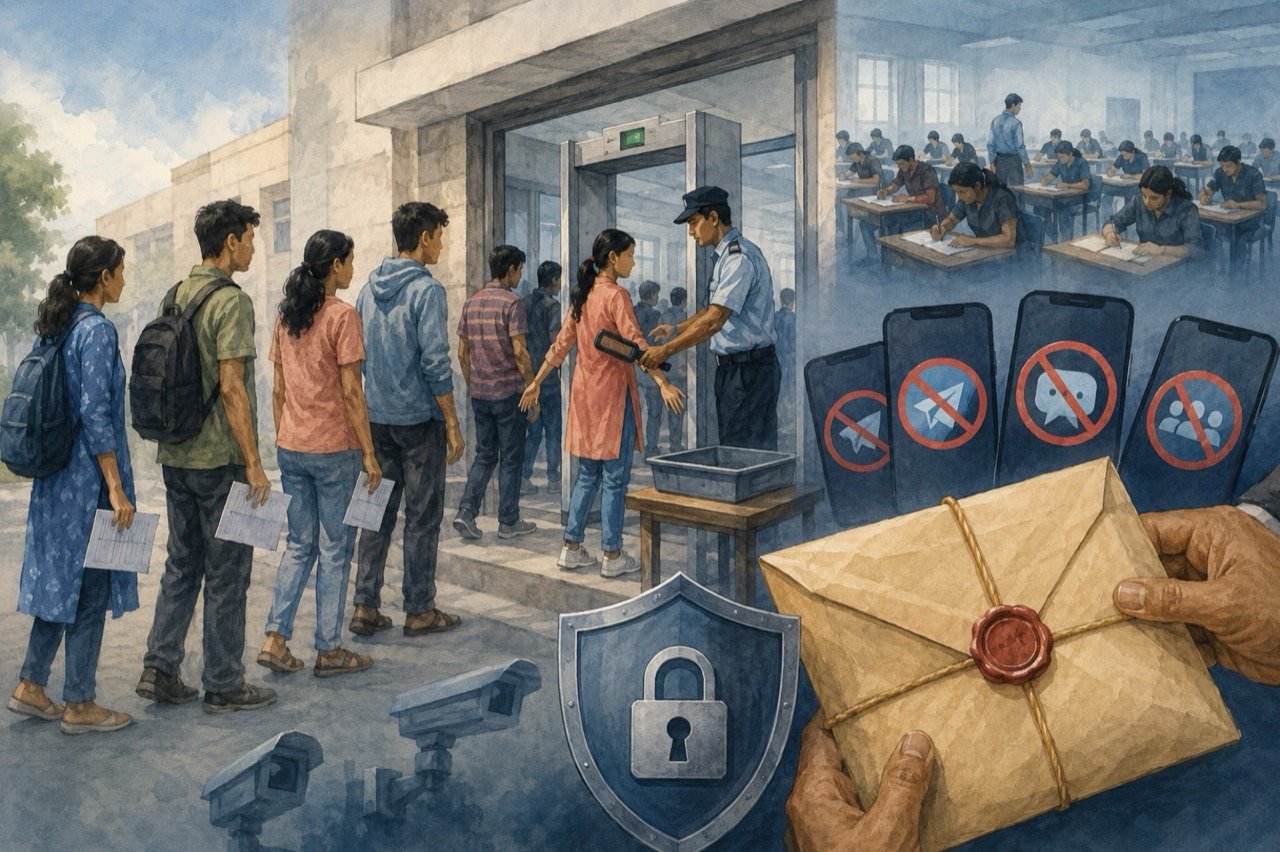
NEET UG Retest Puts Exam Security, Telegram Ban and Misinformation Under Scrutiny
More than two million students resat NEET UG 2026 under tight security after the May paper was scrapped, as the NTA probed a fake video and a temporary Telegram block drew debate.
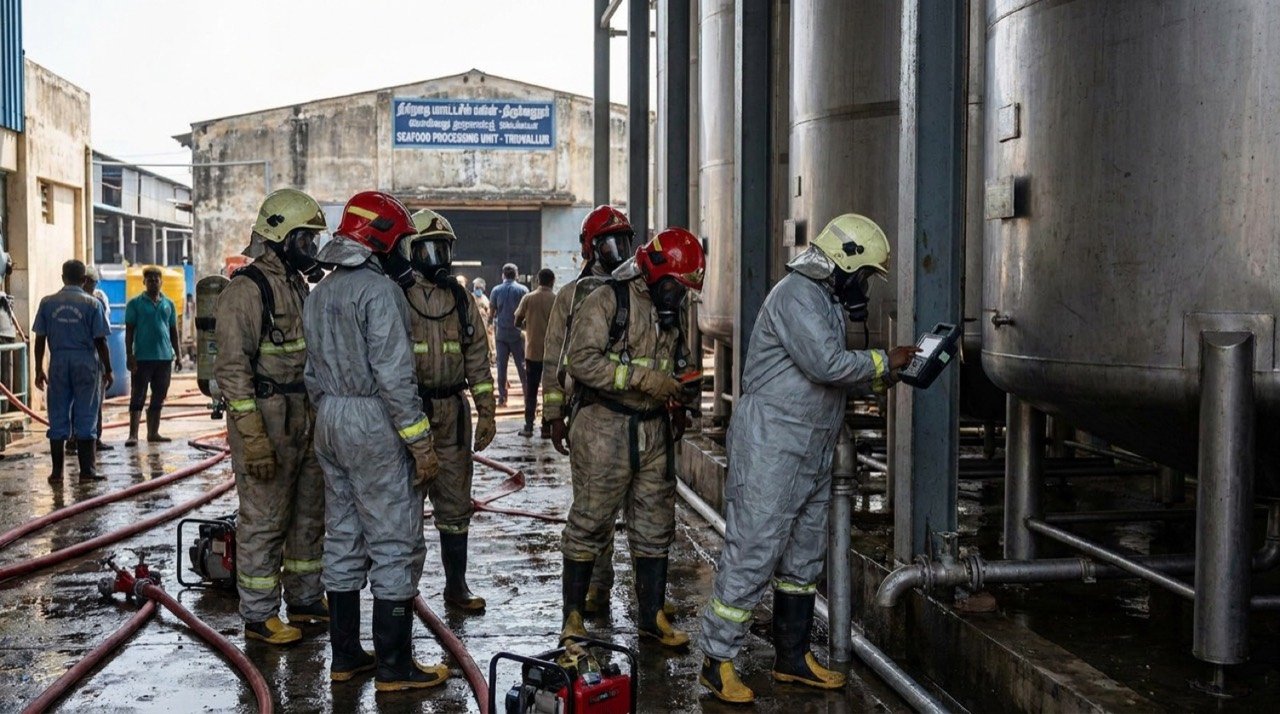
Tamil Nadu Ammonia Leak Toll Rises to Nine, All Women, as Worker Safety Comes Under Scrutiny
Nine women have died in an ammonia gas leak at a Tiruvallur seafood unit in Tamil Nadu, with dozens still in treatment and the NHRC seeking a report, putting industrial safety in sharp focus.
More from this section
More
AICTE Industry Fellowship 2026: Rs 1.5 Lakh Scheme Closes July 5
The AICTE Industry Fellowship Programme 2026, which places technical-education faculty inside leading companies on a Rs 1.5 lakh monthly stipend, reached its application deadline on July 5.
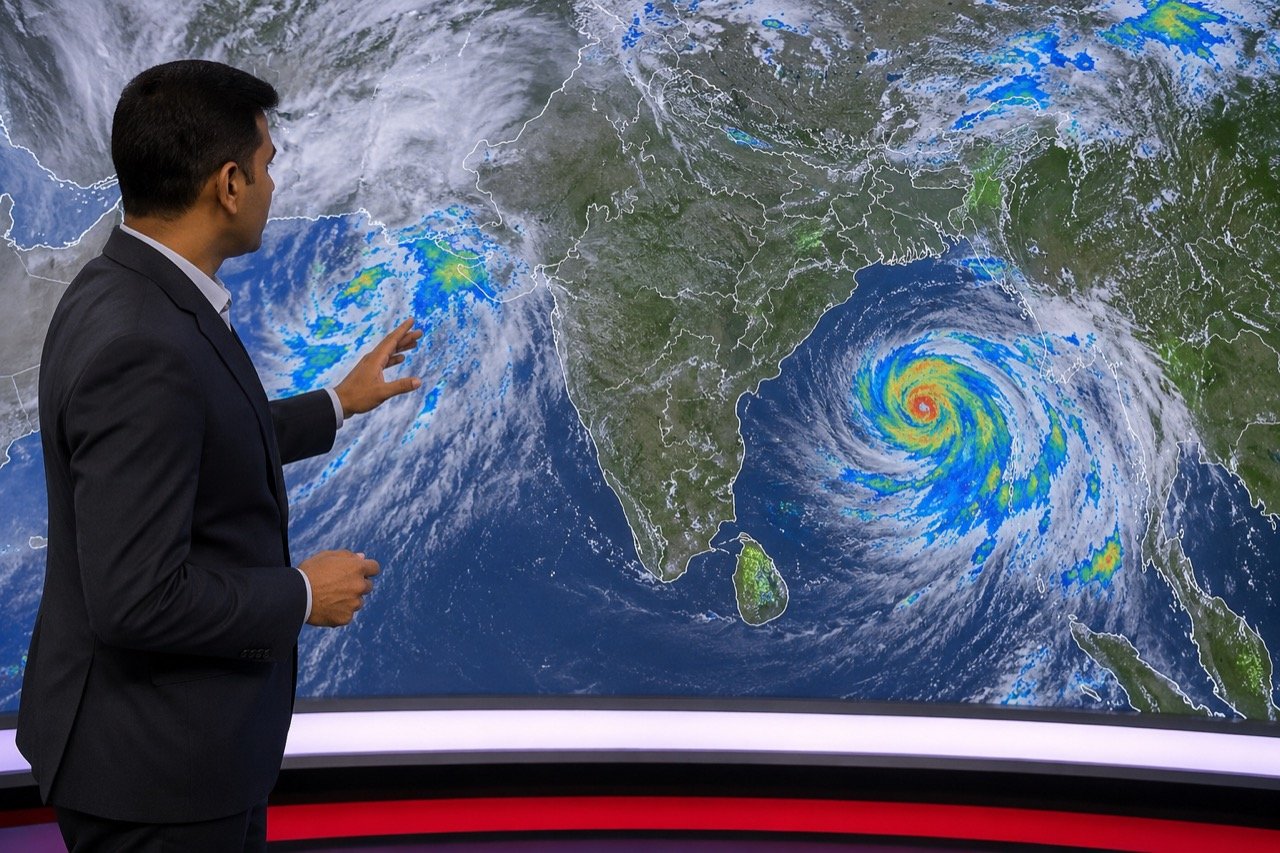
Bay of Bengal Low Pressure System Revives Monsoon Over Western India
A low-pressure system over the Bay of Bengal has pushed the monsoon back into an active phase, bringing steady heavy rain to Kerala, coastal Karnataka and Maharashtra, and putting Mumbai and Pune on preparedness watch.
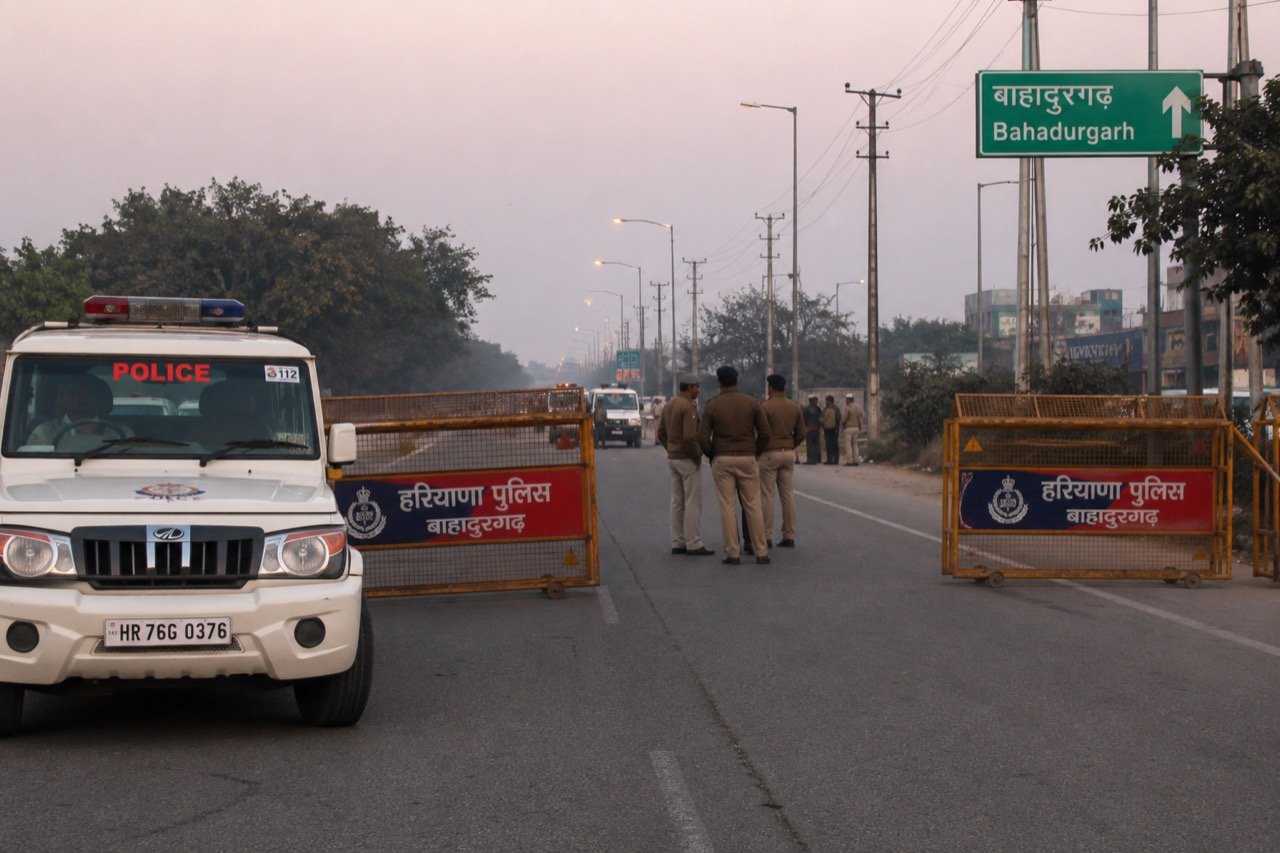
Bishnoi Gang Suspects Injured in Haryana Encounter as Police Tighten Net
A joint Haryana-Delhi Police operation in Bahadurgarh left two suspected Lawrence Bishnoi gang members injured, spotlighting the multi-state coordination now central to India's fight against organised crime networks.