NTA Says NEET-UG 2026 Re-Exam Was Error-Free After Tight Security Checks
The National Testing Agency has declared the NEET-UG 2026 re-examination flawless, citing biometric and facial authentication, as it works to rebuild trust among lakhs of medical aspirants.
Commentary & Analysis ·
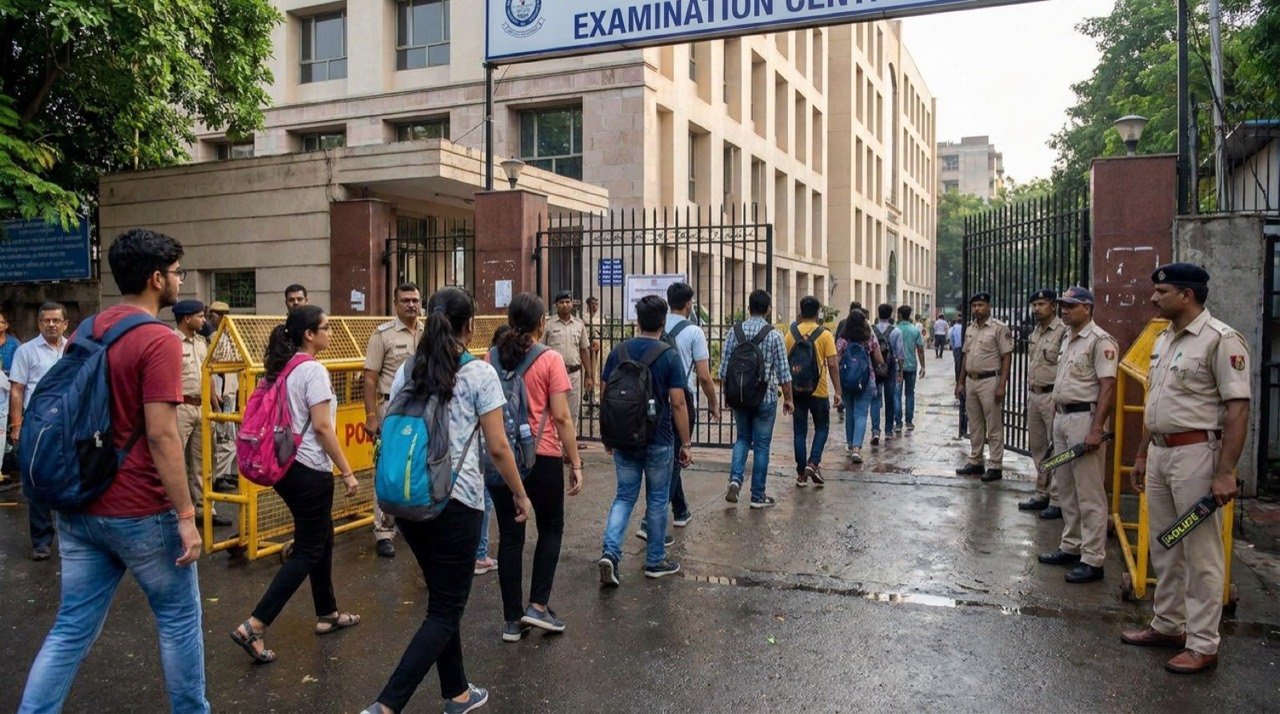
The National Testing Agency (NTA) has said the NEET-UG 2026 re-examination was conducted in an error-free and flawless manner, an assertion aimed at restoring confidence in one of India's highest-stakes entrance tests. According to NDTV, the Hindustan Times, The Statesman and the Deccan Herald, NTA Director General Abhishek Singh said the exam was held under extensive security measures following earlier controversy and concerns about misinformation. The choice of words matters here. "Error-free" and "flawless" are not modest claims for an examination of this scale, and they are being made by the very agency whose earlier conduct of the original NEET-UG 2026 exercise necessitated a re-test in the first place. That context should frame how the statement is read.
How the re-exam was secured
The agency said the re-test relied on layered safeguards, including biometric and facial authentication of candidates, to prevent impersonation and leaks. Reports said the examination was conducted across thousands of centres in India, with additional centres abroad to accommodate eligible candidates outside the country. Biometric and facial verification systems are designed primarily to stop one specific category of malpractice, impersonation by proxy candidates, and to make it harder for a compromised paper to be attributed to a legitimate test-taker. These are sensible, overdue measures for an examination that determines entry into undergraduate medical education for the country. But it is worth being precise about what such systems can and cannot guarantee. They can reduce the odds of certain kinds of fraud at the point of entry into the exam hall. They cannot, on their own, certify that a question paper was not compromised before candidates ever sat down, nor that evaluation and result-generation downstream will be handled without error.
The Telegram angle and the information war around exams
The DG also defended steps taken to curb the spread of fake leak rumours, including a reported block on certain Telegram channels, framing digital misinformation management as now integral to exam security rather than an afterthought. This is a notable admission in itself. It suggests that the NTA now regards the online information environment around an exam, rumours of leaks, screenshots of alleged question papers, panic messaging in candidate group chats, as a battlefield as consequential as the physical exam hall. That is not a new phenomenon in India's exam ecosystem, but it is unusual for an agency to say so this openly. The move to block channels also raises a harder question that the NTA's statement does not resolve: were the rumours purely fabricated, or did some contain a kernel of truth about genuine security lapses that got mixed in with noise? Without an independent accounting of what those channels were actually circulating, candidates and the public are being asked to take the agency's word that the response was proportionate and accurate.
Why the stakes are so high
NEET-UG is the single gateway to undergraduate medical education in India, and any disruption sends shockwaves through students, parents, coaching centres, universities and the courts. There is no parallel pathway; a student who wants to study medicine in India sits this one exam, and any doubt about its integrity does not stay confined to a news cycle, it follows successful candidates into medical college admissions, and follows unsuccessful ones into appeals, litigation and repeat attempts that can cost a year or more of a young person's life. The pressure on the NTA to demonstrate a clean process is therefore intense, with millions of aspirants and their families watching closely. This is also why the agency's language carries so much weight and so much risk. A declaration of a flawless exam, if later contradicted by any irregularity, however small, does more reputational damage than a more cautious, conditional statement would have. The agency's claim of a smooth re-exam is designed to reassure this audience, but officials acknowledge that the statement is not the end of the story.
What will determine public trust
Transparency around answer keys, result timelines, grievance redressal and candidate communication will ultimately decide whether confidence holds. This is the stage at which past NEET controversies have typically resurfaced, disputes over ambiguous questions, delays in publishing provisional answer keys, inconsistent handling of objections raised by candidates, and opacity in how grievances are adjudicated before final results are released. The DG was reported to have suggested results could come sooner than expected, but aspirants will judge the process by how cleanly the post-exam stages are handled, not by reassurances alone. Speed of results is not, by itself, evidence of quality; a fast but disputed result would arguably be worse for trust than a slower but demonstrably fair one. For families who have already lived through the disruption of a re-exam, the coming weeks represent a second test of the system, one that plays out in administrative offices and review committees rather than exam halls, but that matters just as much to the eventual outcome.
A wider shift in how exam integrity is understood
The episode has reshaped how India approaches exam integrity, expanding it from question-paper logistics to active management of the online information environment, a shift likely to outlast this single examination cycle. If biometric checks and misinformation monitoring become standard features of future NEET cycles and other large-scale competitive exams, that would represent a meaningful institutional response to years of leaks and litigation. But institutionalising these measures also raises questions about oversight, who verifies that biometric data is used only for its stated purpose, who decides which channels are blocked and on what evidentiary basis, and whether these powers could be misapplied in future cycles under less scrutiny than this one is currently receiving. For medical aspirants, the coming weeks of answer-key release and results will be decisive, and for the wider system, this cycle may end up serving as the template, for better or worse, for how exam security is handled going forward.
The NE Times View
Biometrics and facial scans are necessary, but declaring an exam flawless is a claim the NTA has not earned the right to make easily after years of leaks and litigation. Trust is rebuilt through independent audits and transparency, not self-certification. An agency asserting its own success, however well-intentioned the security measures behind it, is not the same as an outside body verifying that success. The fact that a re-exam was needed at all is the real story, and it should not be allowed to recede into the background simply because the second attempt appears, by the NTA's own account, to have gone smoothly. For medical aspirants who staked a year on this, process integrity matters as much as the result. Confidence in NEET-UG will be earned in the answer-key and results phase, not in the press briefing that preceded it.
Key takeaways
- NTA Director General Abhishek Singh said the NEET-UG 2026 re-exam was conducted in an error-free and flawless manner, held across thousands of centres in India and additional centres abroad.
- Security relied on biometric and facial authentication of candidates to curb impersonation, alongside a reported block on certain Telegram channels to counter fake leak rumours.
- NEET-UG remains India's sole gateway to undergraduate medical education, which is why any disruption, and any claim of a smooth fix, draws intense scrutiny from students, parents and courts alike.
- Public trust will hinge on the transparency of answer keys, result timelines and grievance redressal, not on the agency's own assurances.
- The need for a re-exam in the first place remains the central story, underscoring that self-certification of a flawless process is no substitute for independent verification.
You may also like to read
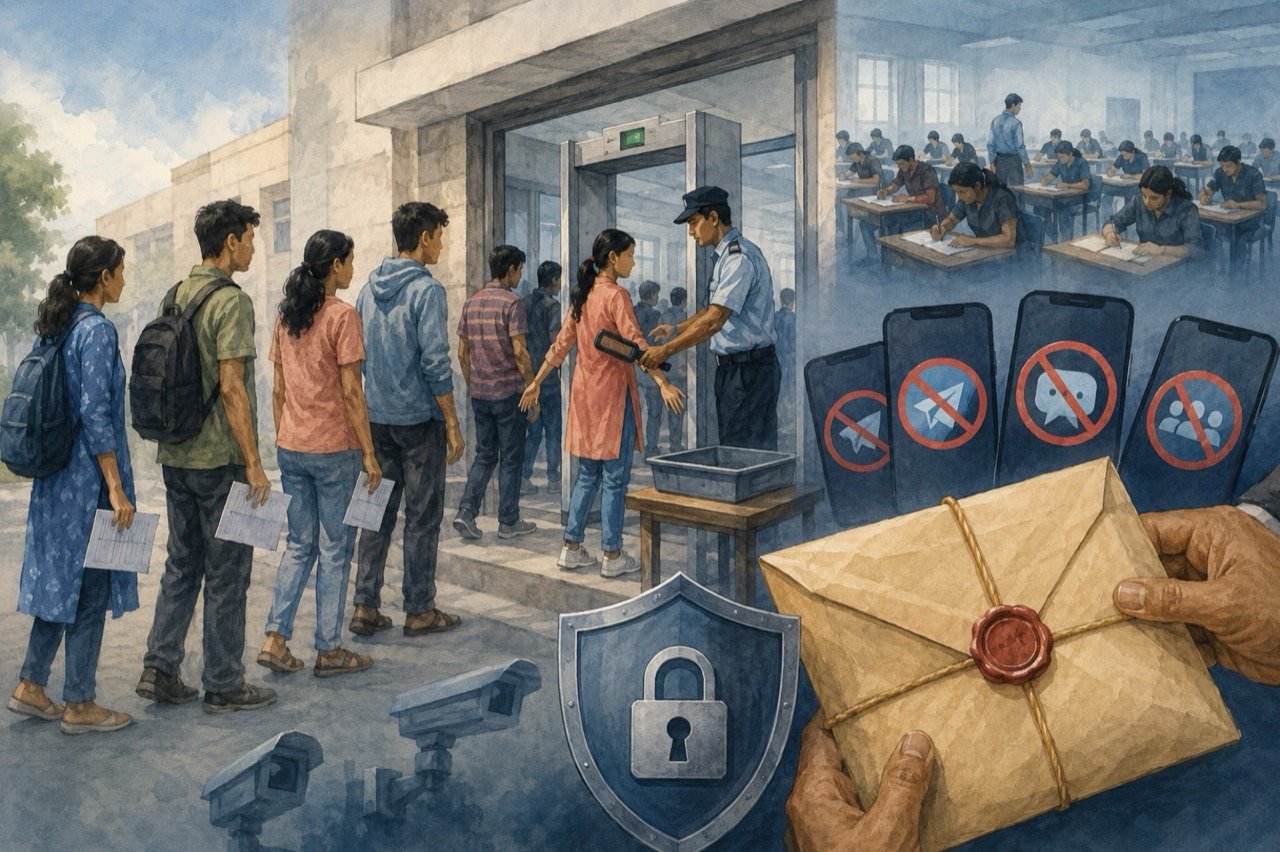
NEET UG Retest Puts Exam Security, Telegram Ban and Misinformation Under Scrutiny
More than two million students resat NEET UG 2026 under tight security after the May paper was scrapped, as the NTA probed a fake video and a temporary Telegram block drew debate.
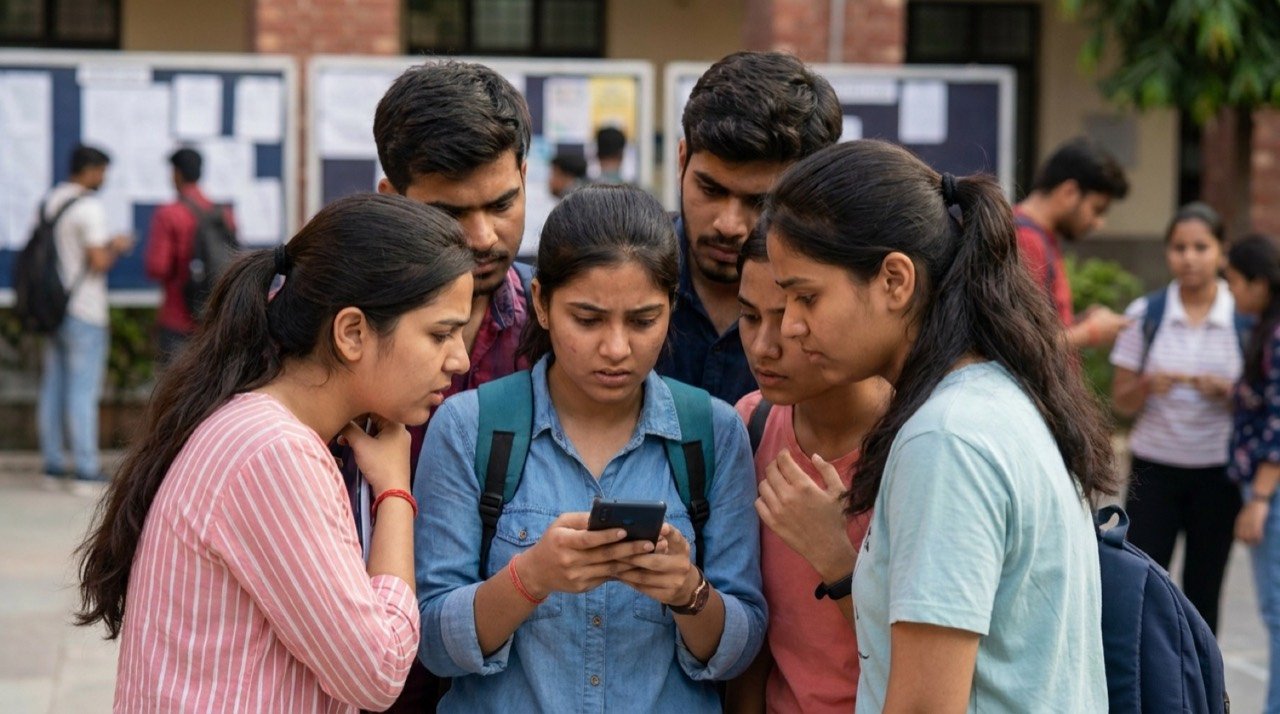
NEET-UG Fake Leak Video Sparks Probe as Exam Misinformation Comes Under Scrutiny
Police and exam authorities are hunting the creators of a fake NEET-UG paper-leak video that spread online around the retest, stoking panic among students and exposing how fast misinformation can erode trust.
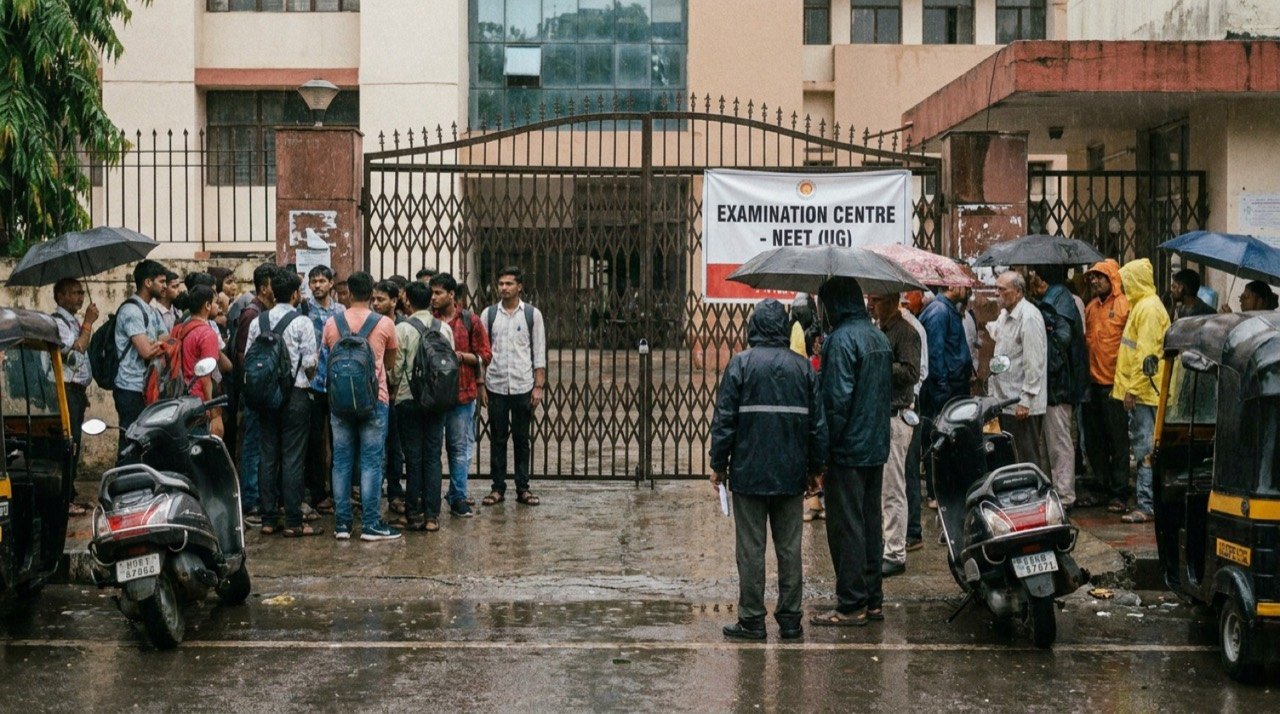
NEET Re-Test Gate Closures Revive Debate Over Exam Fairness
Students turned away minutes late at the NEET re-test have reignited a hard question for India's high-stakes exams: how should rigid rules and uniform deadlines accommodate real-life disruption?
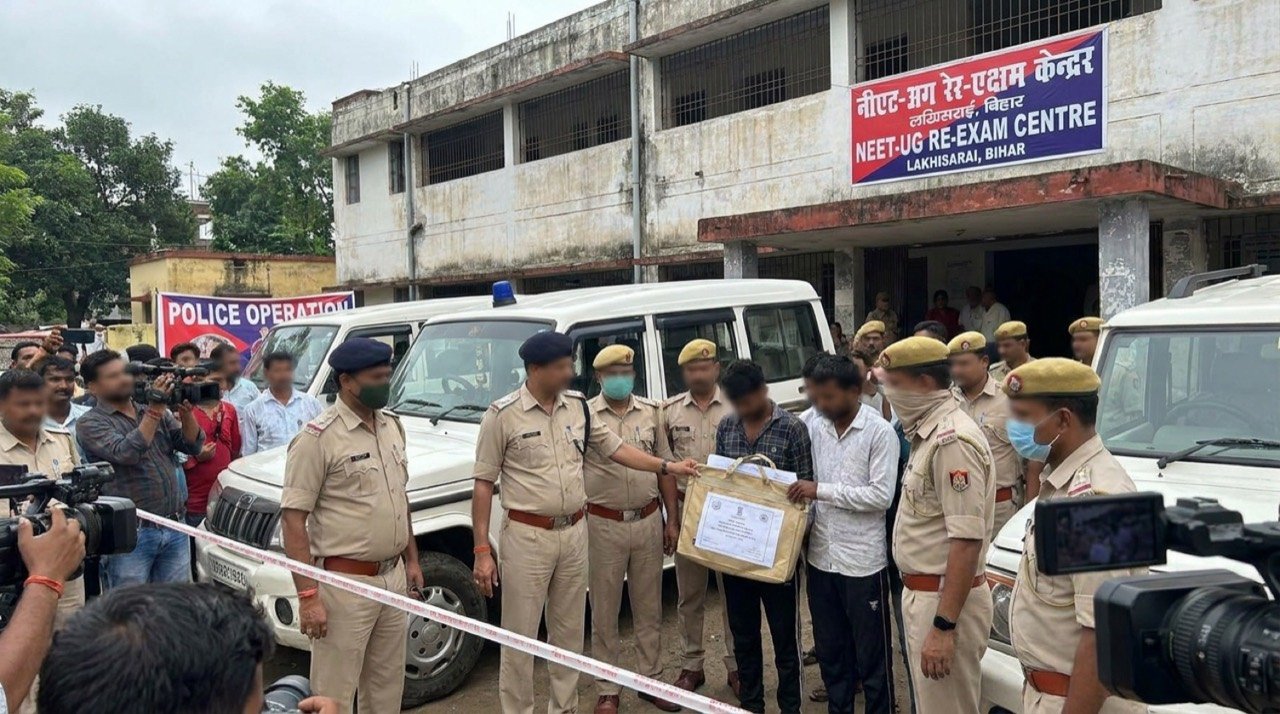
Bihar Police Arrest 30 in NEET-UG Re-Exam Cheating Racket at Lakhisarai
Bihar Police say they busted a NEET-UG re-exam cheating racket in Lakhisarai, arresting 30 people including nine impersonators, with deals of up to Rs 12 lakh allegedly struck.
More from this section
More
AICTE Industry Fellowship 2026: Rs 1.5 Lakh Scheme Closes July 5
The AICTE Industry Fellowship Programme 2026, which places technical-education faculty inside leading companies on a Rs 1.5 lakh monthly stipend, reached its application deadline on July 5.
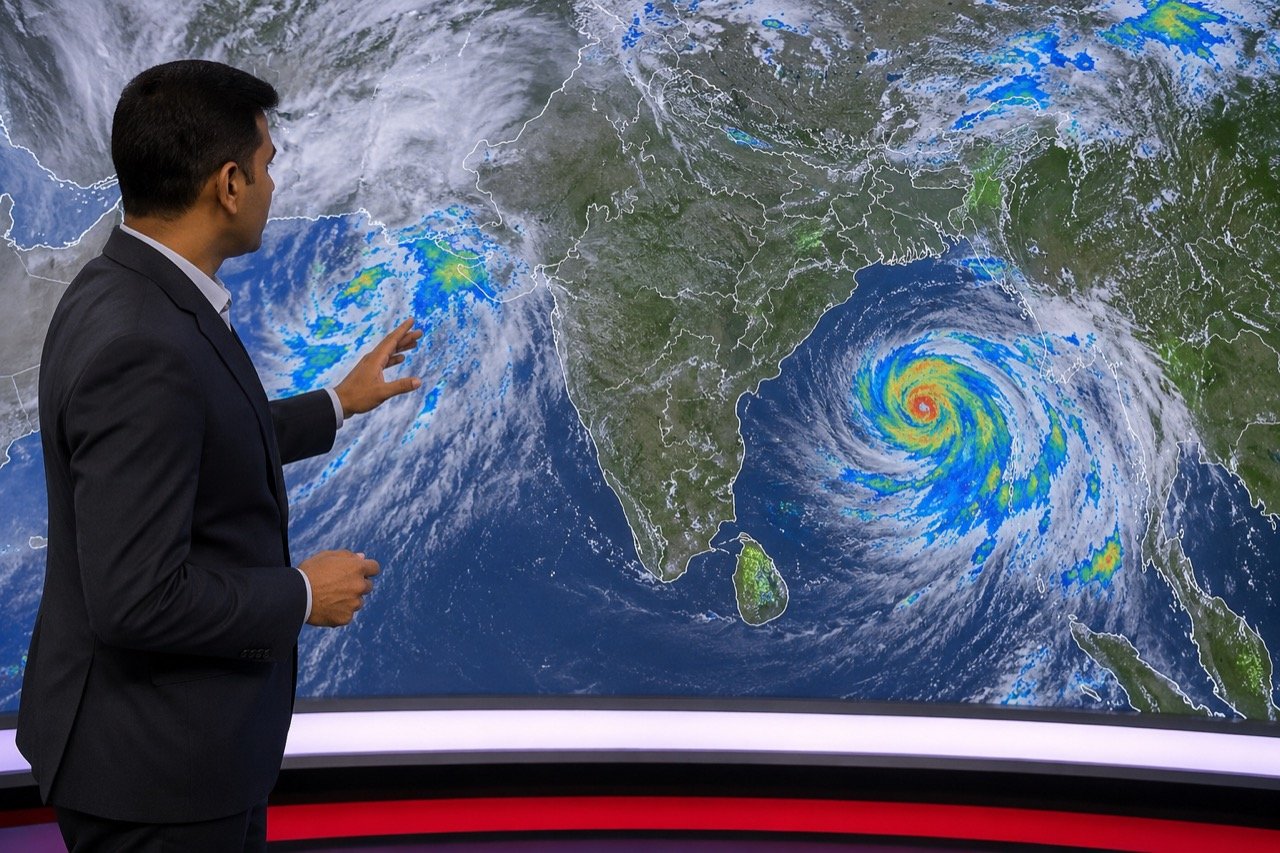
Bay of Bengal Low Pressure System Revives Monsoon Over Western India
A low-pressure system over the Bay of Bengal has pushed the monsoon back into an active phase, bringing steady heavy rain to Kerala, coastal Karnataka and Maharashtra, and putting Mumbai and Pune on preparedness watch.
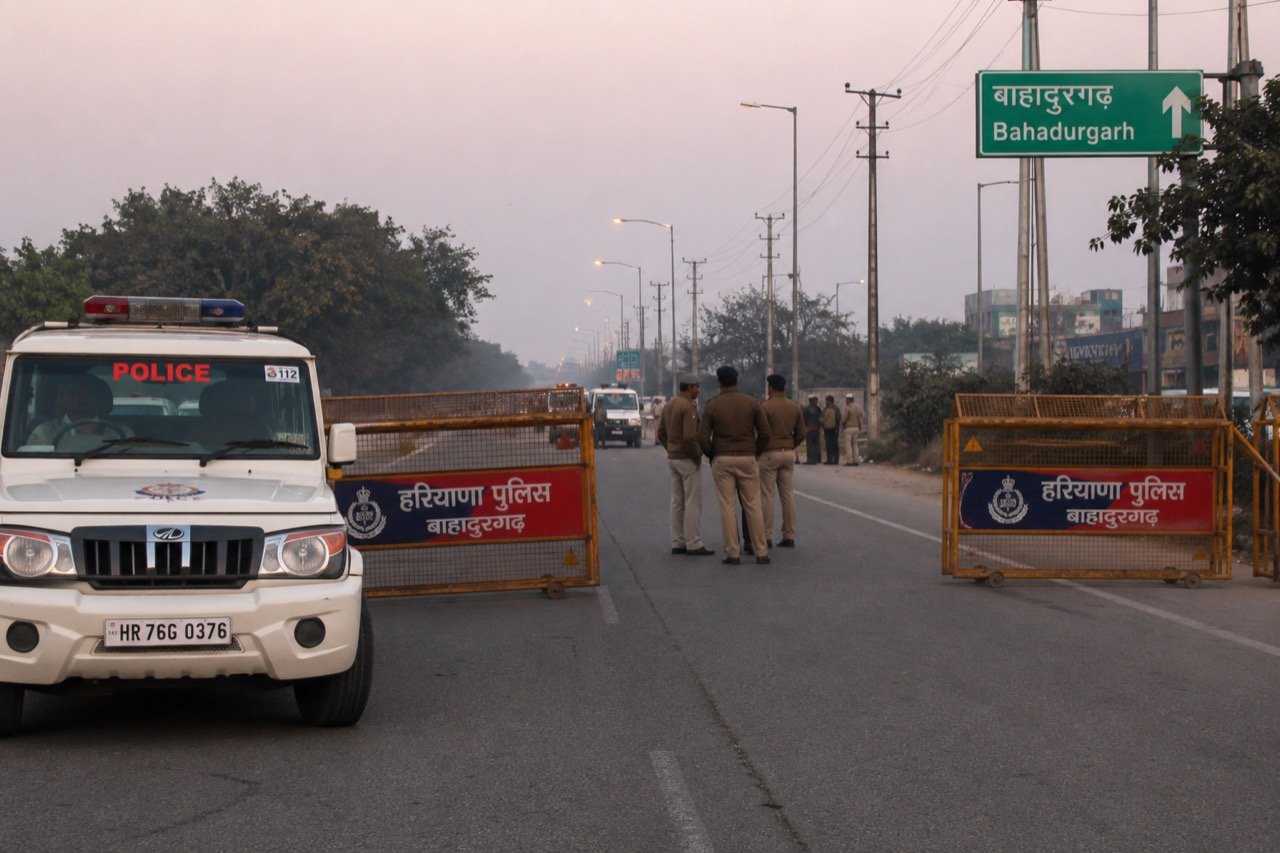
Bishnoi Gang Suspects Injured in Haryana Encounter as Police Tighten Net
A joint Haryana-Delhi Police operation in Bahadurgarh left two suspected Lawrence Bishnoi gang members injured, spotlighting the multi-state coordination now central to India's fight against organised crime networks.