Tamil Nadu Ammonia Leak Toll Rises to Nine, All Women, as Worker Safety Comes Under Scrutiny
Nine women have died in an ammonia gas leak at a Tiruvallur seafood unit in Tamil Nadu, with dozens still in treatment and the NHRC seeking a report, putting industrial safety in sharp focus.
Commentary & Analysis ·
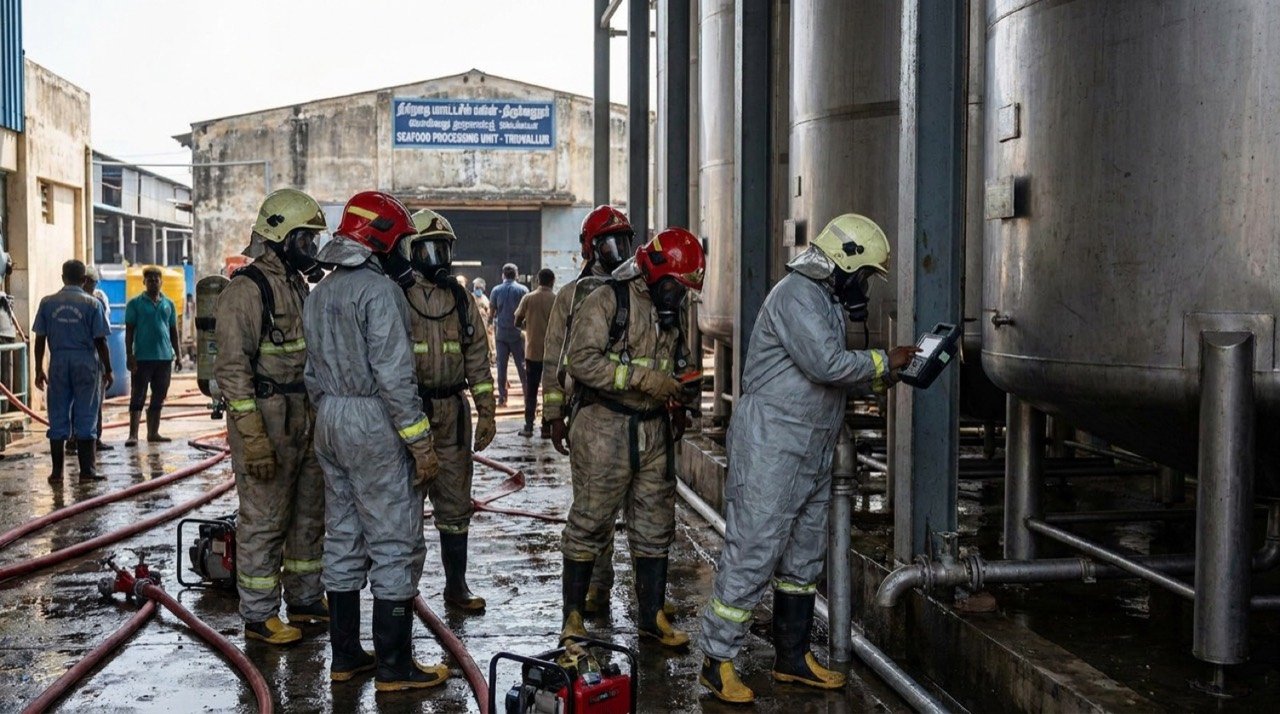
The death toll from an ammonia gas leak at a seafood processing and export unit in Tamil Nadu's Tiruvallur district has risen to nine, with all the deceased reported to be women. The tragedy has thrown a harsh light on industrial safety, emergency preparedness and the protection of workers in the state's food-processing sector. What began as a single incident report has, over successive days, hardened into a grim tally that now demands sustained scrutiny rather than a fleeting news cycle.
The scale of the tragedy
Officials said dozens of people remained under treatment after inhaling ammonia, a pungent and hazardous gas widely used in refrigeration and cold-storage facilities. Ammonia is prized in such settings precisely because it is an efficient refrigerant, but that same chemical property makes it acutely dangerous when it escapes containment in an enclosed workspace. Even brief exposure at high concentrations can cause severe respiratory damage, and the rising toll over successive days underscores how dangerous the exposure proved for those caught inside the unit. That the number of fatalities climbed after the initial incident, rather than stabilising quickly, suggests that either the concentration of gas was unusually high, the exposure period was prolonged, or medical response and evacuation were delayed. Each of these possibilities points to a different failure point, and each deserves independent examination rather than being folded into a single generic explanation of "industrial accident."
Reports noted that several of the victims were migrant workers who had travelled from Odisha and Assam in search of work, a detail that has added a painful dimension to the loss and raised questions about the conditions in which such workers are employed. Migrant labour of this kind typically arrives through informal or semi-formal recruitment networks, often with limited knowledge of local safety protocols, limited bargaining power over working conditions, and limited recourse if something goes wrong. Workers who travel hundreds of kilometres from home for employment in a seafood processing unit are rarely in a position to question safety arrangements or refuse hazardous duties without risking their livelihood. Their presence among the dead is not incidental; it reflects a broader pattern in India's informal industrial economy, where the workforce most exposed to risk is often the workforce least equipped to demand protection.
Calls for accountability
The National Human Rights Commission has sought a report from the Tamil Nadu government, signalling that the incident will face scrutiny beyond the immediate emergency response. This intervention matters because it formally elevates the episode from a localised industrial mishap to a matter of human rights concern, with the weight of a national institution behind the demand for answers. The NHRC's involvement also creates a paper trail and a timeline against which the state government's response can later be measured, which is significant given how often industrial accidents in India fade from public attention once the immediate crisis passes.
The central questions now concern how the leak happened, whether emergency and safety mechanisms worked as intended, and what evacuation and first-response arrangements existed for the workers on site. Any credible investigation will need to establish whether the unit had functioning ammonia detectors, whether workers had received training in recognising a leak and responding to it, whether emergency exits were accessible and unobstructed, and whether on-site first aid and coordination with local hospitals was adequate to the scale of the emergency. The fact that the toll rose over several days, with dozens still under treatment, suggests that the answers to at least some of these questions may not be reassuring.
A wider safety reckoning
Ammonia leaks at cold-storage and food-processing units have repeatedly exposed gaps in industrial safety enforcement, and this is not the first such episode to draw public attention to the risks embedded in India's cold-chain infrastructure. Seafood processing and export is a significant economic activity along India's coastal states, including Tamil Nadu, and its cold-storage backbone depends heavily on ammonia refrigeration systems. The economic importance of the sector should not, however, translate into lighter scrutiny of the safety standards that govern it. The Tiruvallur disaster is likely to renew pressure for stricter inspections, better hazard training and clearer accountability across such facilities, precisely because the underlying vulnerabilities are not unique to this one unit but are structural features of an industry that relies on a hazardous chemical at scale, often in facilities that may not receive frequent or rigorous safety audits.
It is also worth situating this incident within the larger conversation about occupational safety for India's migrant and informal workforce. Workers who cross state lines for employment frequently fall into regulatory gaps: they may not be registered as local employees in ways that trigger full labour protections, they may lack local support networks to advocate on their behalf, and language or literacy barriers can further limit their ability to understand or object to unsafe conditions. When such workers are injured or killed in industrial accidents, the burden of pursuing compensation and accountability often falls on grieving families who are themselves far from the seat of decision-making, compounding the injustice of the original harm.
What compensation and reform must look like
Attention will turn to the investigation into the cause of the leak, the question of compensation for the families, and the safety reforms that follow. A labour rights advocate quoted in coverage of the incident put the matter starkly: these were workers far from home, and the priority now must be accountability, compensation and ensuring this never recurs. That framing captures the three obligations that now fall on the Tamil Nadu government and the unit's operators. Accountability requires identifying not just the immediate technical cause of the leak but also who bears responsibility for any lapses in maintenance, training or oversight. Compensation must be adequate and delivered without the bureaucratic delay that so often compounds the suffering of victims' families, particularly when those families live in another state and may struggle to navigate an unfamiliar administrative system. And prevention requires that the lessons of this tragedy be applied not only to the unit in question but across the thousands of similar cold-storage and food-processing facilities that rely on ammonia refrigeration throughout the state and the country.
For Tamil Nadu's food-processing industry, the disaster is a grim reminder that worker safety cannot be an afterthought. An industry that exports seafood internationally and contributes meaningfully to the state's economy carries a corresponding obligation to ensure that the workers who make that economic activity possible are not exposed to entirely preventable risks. The credibility of the sector, both domestically and with international buyers who increasingly scrutinise labour and safety standards in their supply chains, may itself depend on how seriously this episode is treated.
The NE Times View
That all nine dead are women, packed into a seafood unit with no apparent escape from a known toxic hazard, exposes how India's informal industrial workforce is treated as expendable. The NHRC notice is welcome, but reports rarely outlive the news cycle. The real test is whether Tamil Nadu enforces ammonia-handling and evacuation norms in thousands of similar units, or files this away until the next leak. A single inquiry report, however thorough, changes nothing if it is not followed by inspection regimes with teeth, meaningful penalties for non-compliance, and a genuine commitment to protecting workers who have travelled far from home in search of a livelihood. The measure of whether this tragedy produced real change will not be found in the report the NHRC receives, but in whether the next ammonia leak, wherever it occurs, finds a workforce better protected than the nine women who did not survive this one.
Key takeaways
- The death toll from the Tiruvallur ammonia leak has risen to nine, with all the deceased reported to be women, while dozens remain under treatment for gas inhalation.
- Several victims were migrant workers from Odisha and Assam, highlighting the particular vulnerability of out-of-state labour in India's informal industrial workforce.
- The National Human Rights Commission has sought a report from the Tamil Nadu government, placing the incident under formal scrutiny beyond the immediate emergency response.
- Central unresolved questions include how the leak occurred, whether safety and evacuation systems functioned as intended, and what accountability and compensation will follow.
- The episode renews pressure for stricter inspection, hazard training and enforcement across Tamil Nadu's cold-storage and food-processing units that rely on ammonia refrigeration.
You may also like to read
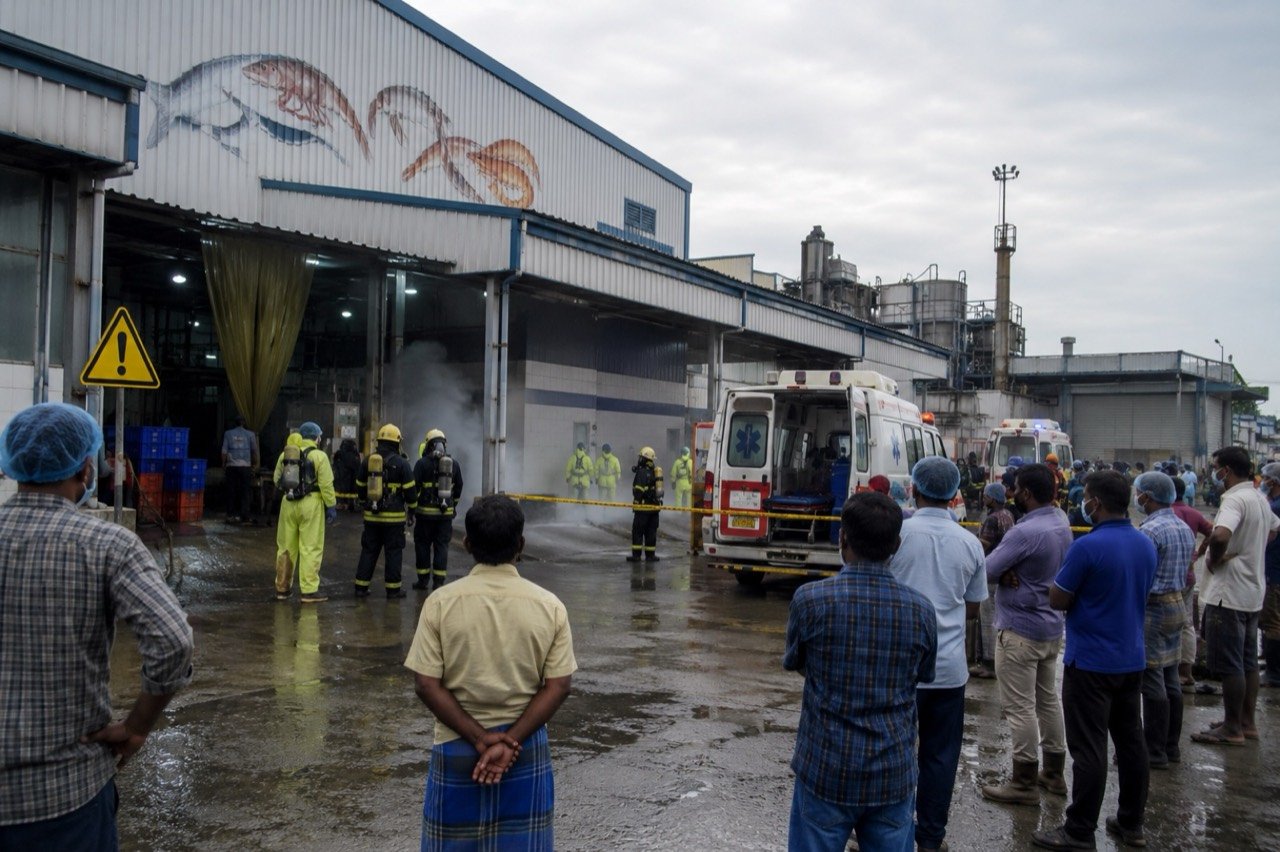
Tiruvallur Ammonia Leak Puts Tamil Nadu Seafood Factory Safety Under Scrutiny
A deadly ammonia leak at a Tiruvallur seafood unit has killed seven and hospitalised dozens, forcing a hard look at industrial safety, migrant housing and chemical emergency preparedness across Tamil Nadu.
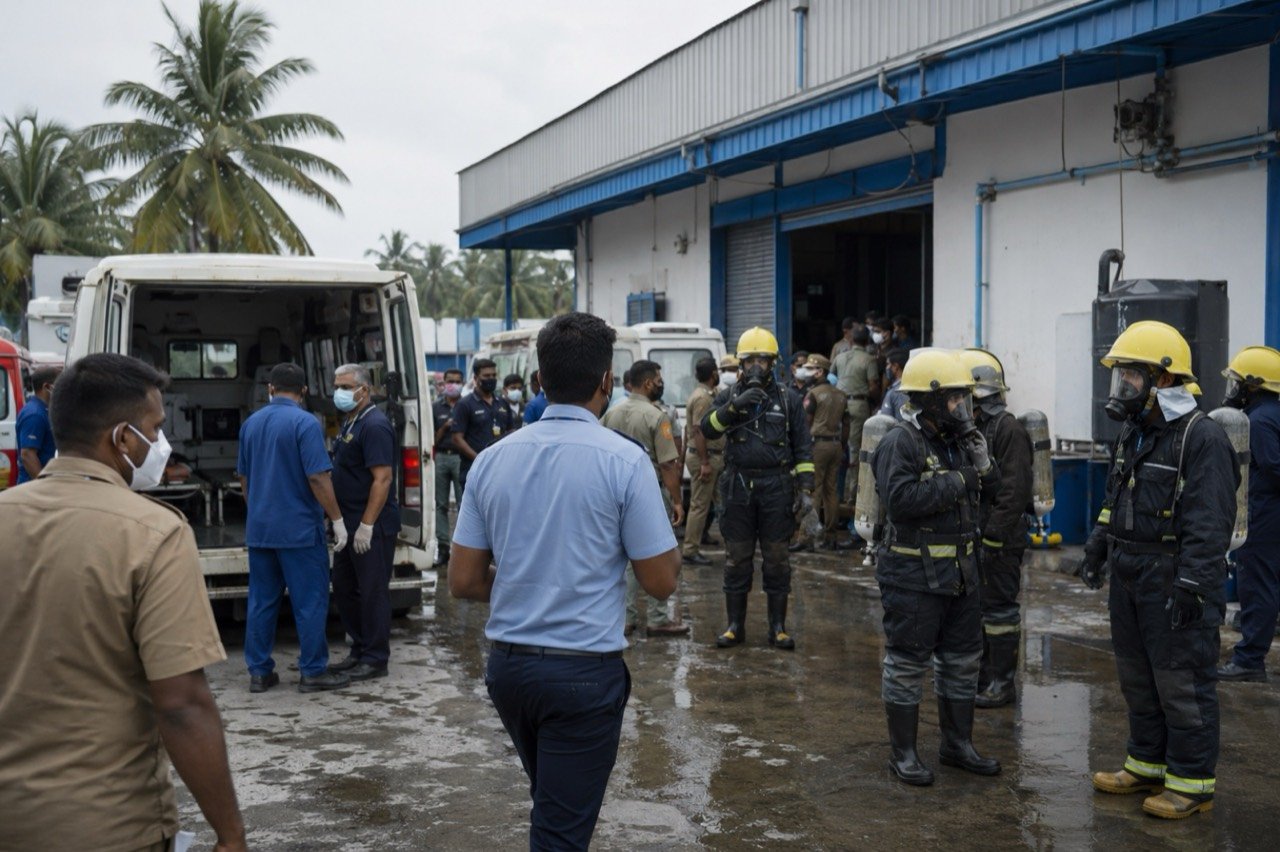
Tamil Nadu Ammonia Leak Death Toll Rises to Nine as Safety Questions Mount
Nine workers have now died after an ammonia gas leak at a Tamil Nadu seafood processing unit, reviving urgent scrutiny of industrial safety, refrigeration norms and emergency response in India's cold-chain sector.
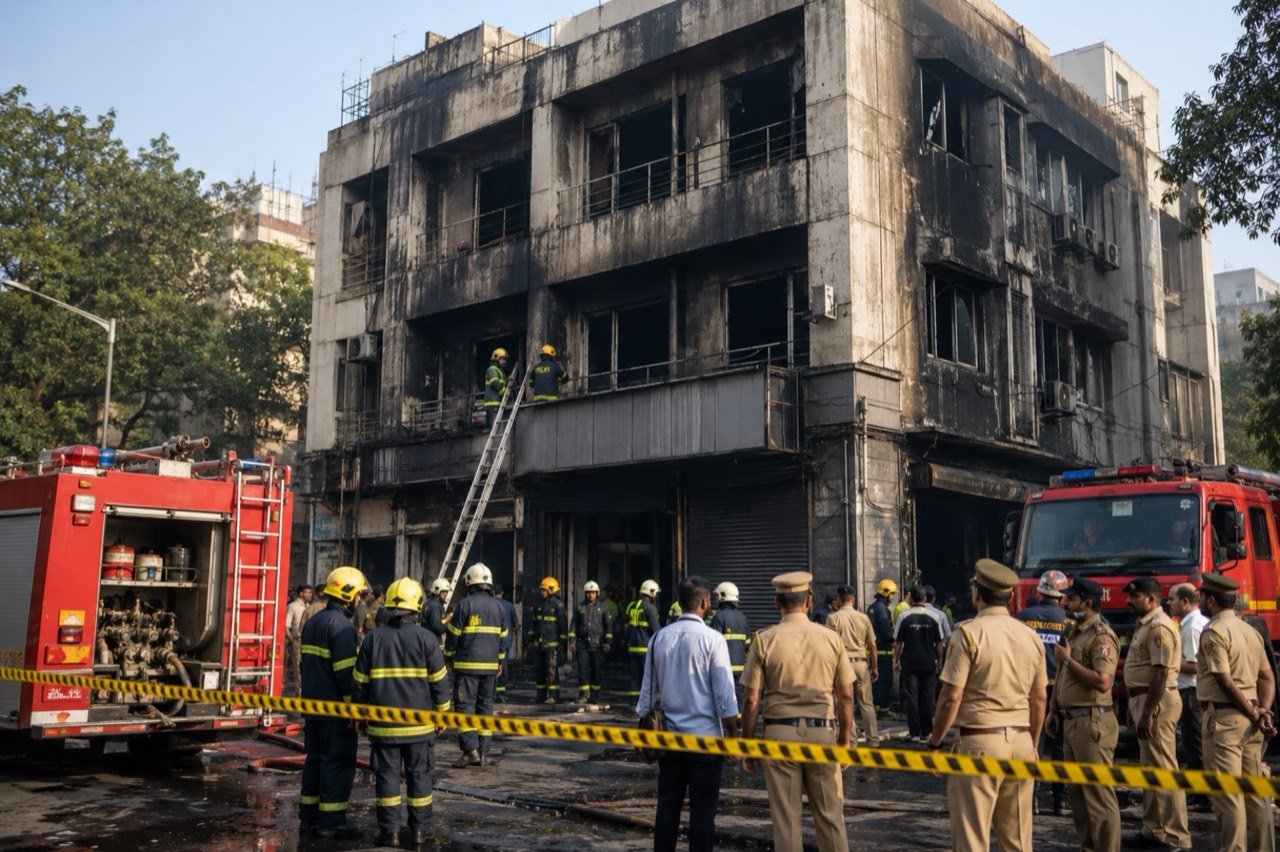
Lucknow Aliganj Fire Toll Rises As Coaching-Centre Safety Comes Under Scrutiny
A deadly fire in a commercial building in Lucknow's Aliganj, with reported deaths climbing to around 14 to 15, has reignited urgent questions over fire safety in coaching centres and mixed-use buildings across Indian cities.

NEET-UG Fake Leak Video Sparks Probe as Exam Misinformation Comes Under Scrutiny
Police and exam authorities are hunting the creators of a fake NEET-UG paper-leak video that spread online around the retest, stoking panic among students and exposing how fast misinformation can erode trust.
More from this section
More
AICTE Industry Fellowship 2026: Rs 1.5 Lakh Scheme Closes July 5
The AICTE Industry Fellowship Programme 2026, which places technical-education faculty inside leading companies on a Rs 1.5 lakh monthly stipend, reached its application deadline on July 5.
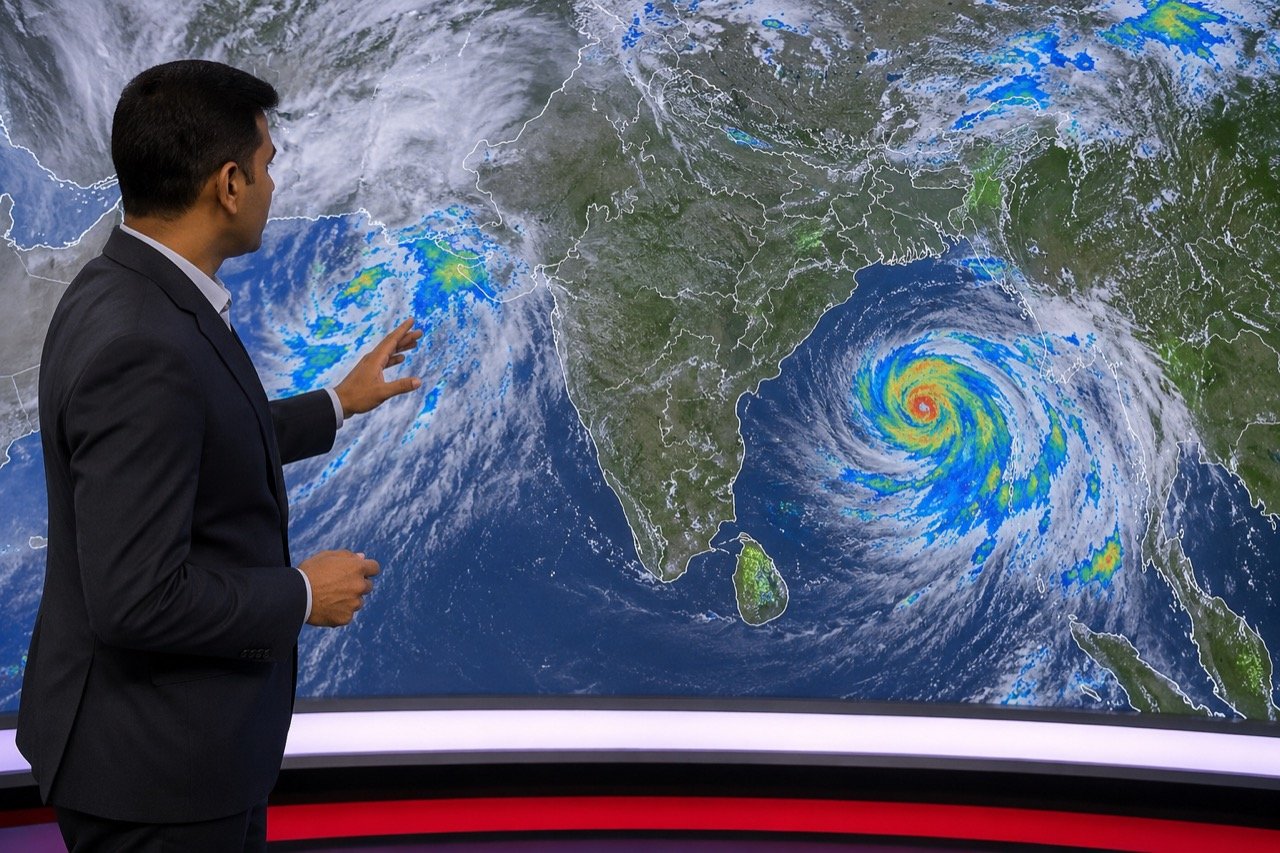
Bay of Bengal Low Pressure System Revives Monsoon Over Western India
A low-pressure system over the Bay of Bengal has pushed the monsoon back into an active phase, bringing steady heavy rain to Kerala, coastal Karnataka and Maharashtra, and putting Mumbai and Pune on preparedness watch.
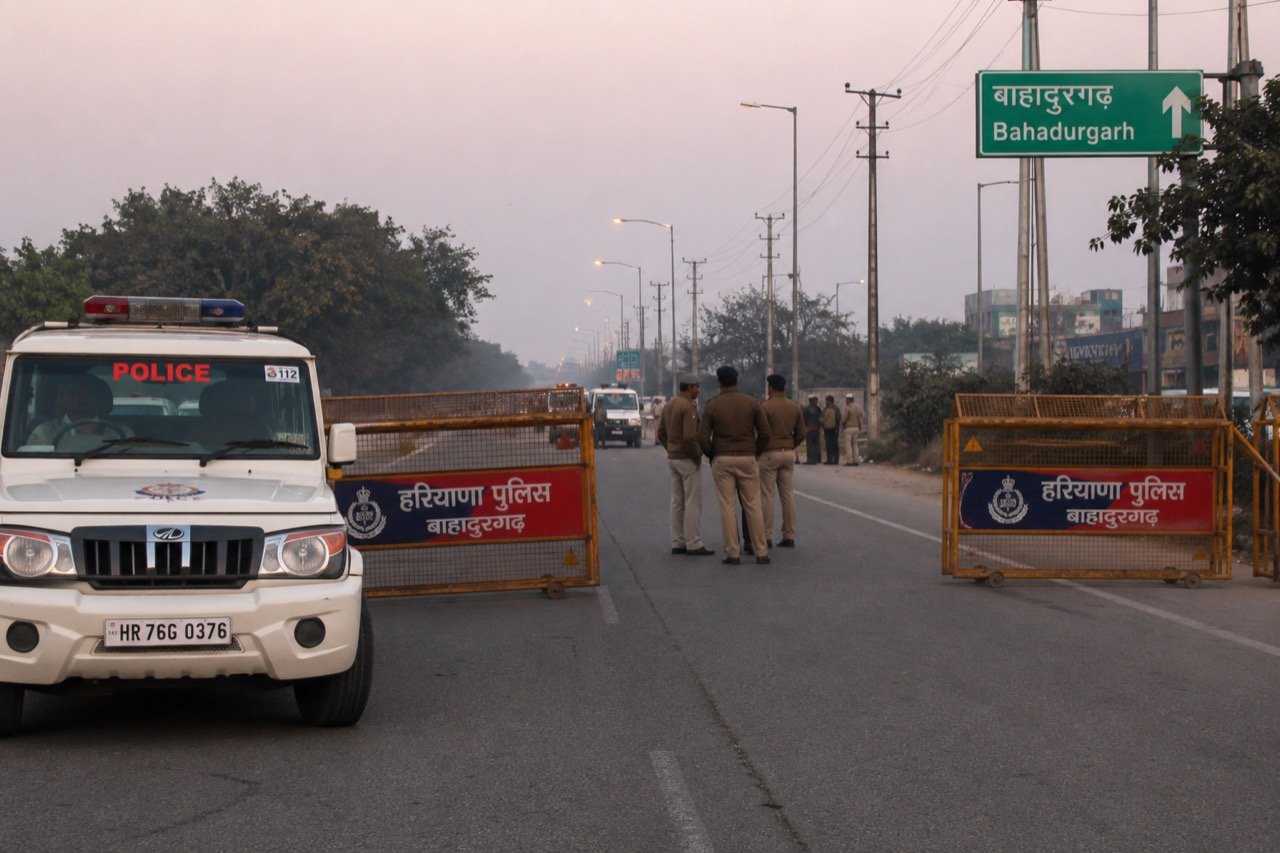
Bishnoi Gang Suspects Injured in Haryana Encounter as Police Tighten Net
A joint Haryana-Delhi Police operation in Bahadurgarh left two suspected Lawrence Bishnoi gang members injured, spotlighting the multi-state coordination now central to India's fight against organised crime networks.