NEET-UG Retest 'Leak' Video Found Fake; NTA Launches Cyber Probe
The Centre and NTA have rejected a viral video claiming the June 21 NEET-UG retest paper was leaked on Telegram, with a cyber probe now under way to trace those behind the misleading content.
Commentary & Analysis ·
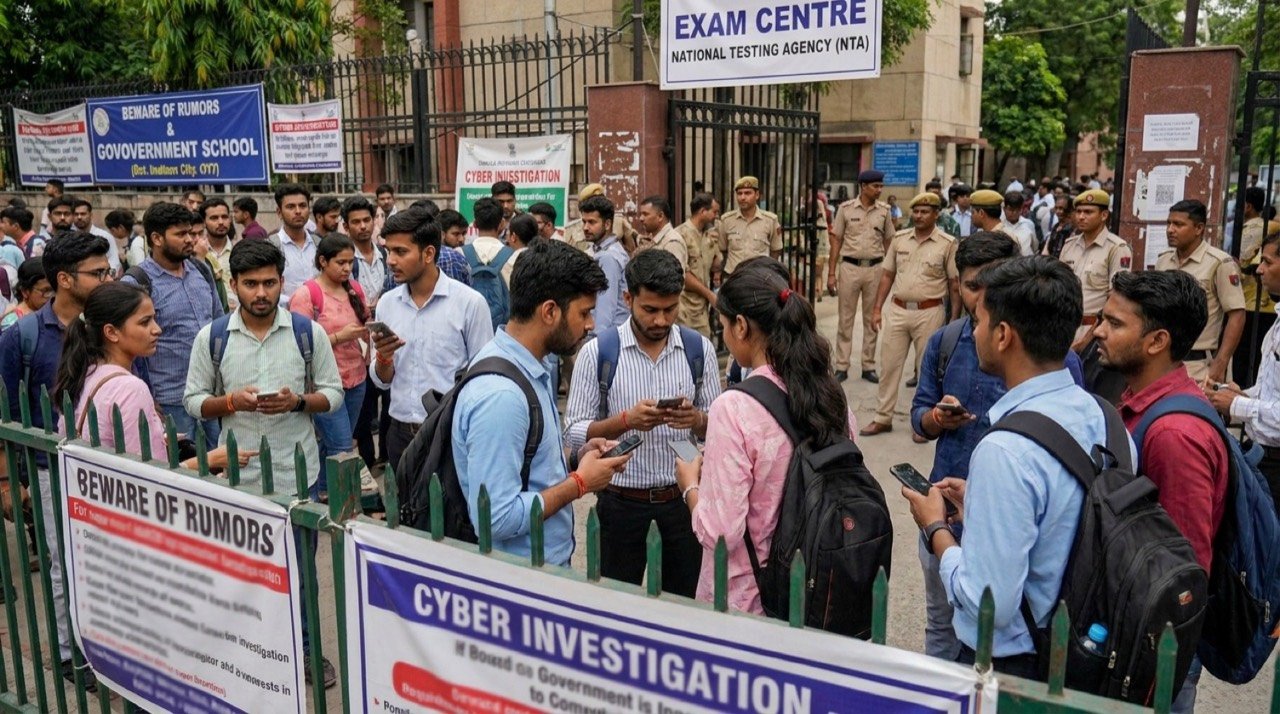
A viral video claiming that the June 21 NEET-UG retest paper had been leaked on Telegram has been firmly rejected by the Centre and the National Testing Agency (NTA), which described the allegation as unfounded and false. The episode has now triggered a cyber investigation aimed at identifying those who created and circulated the misleading clip. On the surface, this looks like a straightforward case of misinformation being debunked. But the speed and intensity of the official response, and the fact that a fabricated video could gain traction at all, say a great deal about the fragile state of public trust in India's premier medical entrance examination.
What the video claimed and how it was countered
The clip in question alleged that the retest paper, administered on June 21, had already found its way onto Telegram before the examination was conducted, a claim that would, if true, have been catastrophic for the credibility of the retest itself. The NTA moved to reject this outright, and the Press Information Bureau's Fact Check Unit also weighed in, dismissing the claim and reinforcing the agency's position that no leak had occurred. This coordinated rebuttal, involving both the examination body and a central government fact-checking mechanism, was clearly intended to halt the spread of panic among students and parents who rely on the integrity of the examination process to make life-altering decisions about their futures.
The National Testing Agency was direct in its language, stating that "the allegation of a paper leak is unfounded and false." Such a categorical denial, issued jointly with a fact-check unit under the PIB, suggests the authorities recognised that half-measures would not suffice. In an environment where a single viral clip can reach millions of anxious households within hours, an ambiguous or delayed response risks being read as an admission of guilt, regardless of the underlying facts.
Why the response had to be swift
The swift official response reflects a recognition that, in the age of instant messaging, an unverified rumour can travel far faster than a correction. This is not a new phenomenon, but it is one that examination authorities in India have historically struggled to manage. A rumour that a leak has occurred does not need to be true to cause damage; it only needs to be believed long enough by a critical mass of students, coaching institutes, and parents for confidence in the process to erode. Once that erosion begins, it is exceptionally difficult to reverse, because doubt, once planted, tends to persist even after the specific claim that generated it has been disproven.
For millions of NEET-UG aspirants and their families, the stakes could scarcely be higher. A rumoured leak calls into question not just the fairness of a single test but the very possibility of a level playing field, something that matters enormously in a country where medical seats are scarce and competition is fierce. It is precisely this vulnerability that makes fabricated leak videos such an effective, and dangerous, tool for causing disruption, whether the motive is mischief, malice, or something more calculated.
The cyber investigation and its objectives
In response, the NTA has begun working with the Indian Cyber Crime Coordination Centre (I4C) and law-enforcement agencies to trace the origin of the video and the network behind its circulation. Investigators will look at how the content was produced and shared across platforms, in an effort to hold the perpetrators accountable. This is a meaningful step, since tracing the provenance of a viral clip, identifying who created it, who first posted it, and how it spread across messaging apps and social media, requires technical capability that goes well beyond the traditional remit of an examination-conducting body.
The involvement of I4C signals that this is being treated as a matter of cybercrime rather than merely an academic or administrative dispute. That framing carries its own implications: it suggests the authorities view the deliberate fabrication and circulation of fake leak content as a punishable offence, not simply a rumour to be corrected through a press statement. Whether this investigation results in identifiable culprits and consequences will be an important test of whether such deterrence is credible or merely symbolic.
Exam security beyond the examination hall
The case underscores how fake leak claims can be weaponised to undermine confidence in high-stakes testing, even when no breach has taken place. NEET-UG remains one of India's most sensitive entrance examinations, with millions of aspirants competing for a limited number of medical seats each year. The incident shows that exam security is no longer confined to physical centres, invigilators, and question papers; it now extends to platform monitoring, misinformation response, and rapid official communication. In other words, protecting the integrity of an examination today means protecting it not only from actual leaks but from the perception of leaks, which can be manufactured and spread with minimal effort by anyone with a smartphone and an internet connection.
This expanded definition of exam security has real resource implications. It means testing agencies must now invest not just in secure printing, transport, and invigilation protocols, but in digital monitoring capacity, rapid-response communication teams, and working relationships with cyber-crime units. As the probe proceeds, authorities are likely to lean more heavily on real-time digital surveillance and faster public communication to protect both the credibility of the examination and the peace of mind of the students who sit it.
The NE Times View
A fake leak video spreads precisely because the real NEET scandal of 2024 destroyed trust in the NTA. That is the crucial context here: this is not an isolated incident occurring in a vacuum, but the latest tremor from a credibility deficit that the agency has yet to fully repair. Debunking misinformation is necessary, and the NTA's coordination with the PIB Fact Check Unit and cyber-crime investigators is a reasonable, even commendable, operational response. But the agency cannot probe its way back to credibility; only a clean, transparent retest will. Investigations into who made a fake video do nothing to address the underlying reason such a video was believable to so many people in the first place.
The lesson is that institutions which once failed students will be presumed guilty until they earn confidence back, video or no video. This is, in many ways, an uncomfortable but fair standard. Trust, once lost through a genuine failure, cannot be restored by press releases and denials alone; it must be rebuilt through sustained, visible, and verifiable integrity over time. Until that happens, the NTA should expect that every rumour, true or false, will find a ready audience.
Key takeaways
- The Centre and NTA have rejected as fake a viral video alleging that the June 21 NEET-UG retest paper was leaked on Telegram, with the PIB Fact Check Unit also dismissing the claim.
- The NTA is working with the Indian Cyber Crime Coordination Centre (I4C) and law-enforcement agencies to trace the video's creators and the network behind its circulation.
- The episode illustrates how fabricated leak claims can undermine confidence in high-stakes examinations even in the absence of any actual breach.
- Exam security now extends beyond physical test centres to include platform monitoring and rapid misinformation response.
- Lasting credibility for the NTA will depend on transparent conduct of the retest itself, not merely on debunking rumours after the fact.
You may also like to read
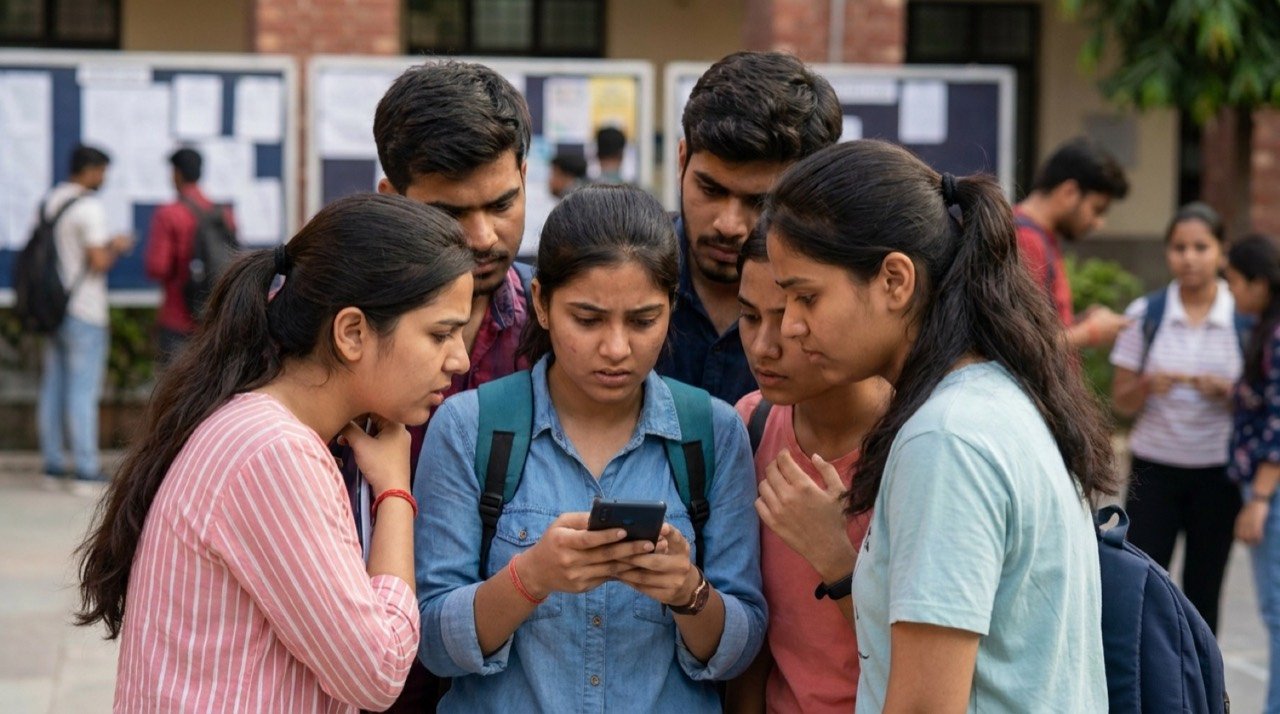
NEET-UG Fake Leak Video Sparks Probe as Exam Misinformation Comes Under Scrutiny
Police and exam authorities are hunting the creators of a fake NEET-UG paper-leak video that spread online around the retest, stoking panic among students and exposing how fast misinformation can erode trust.
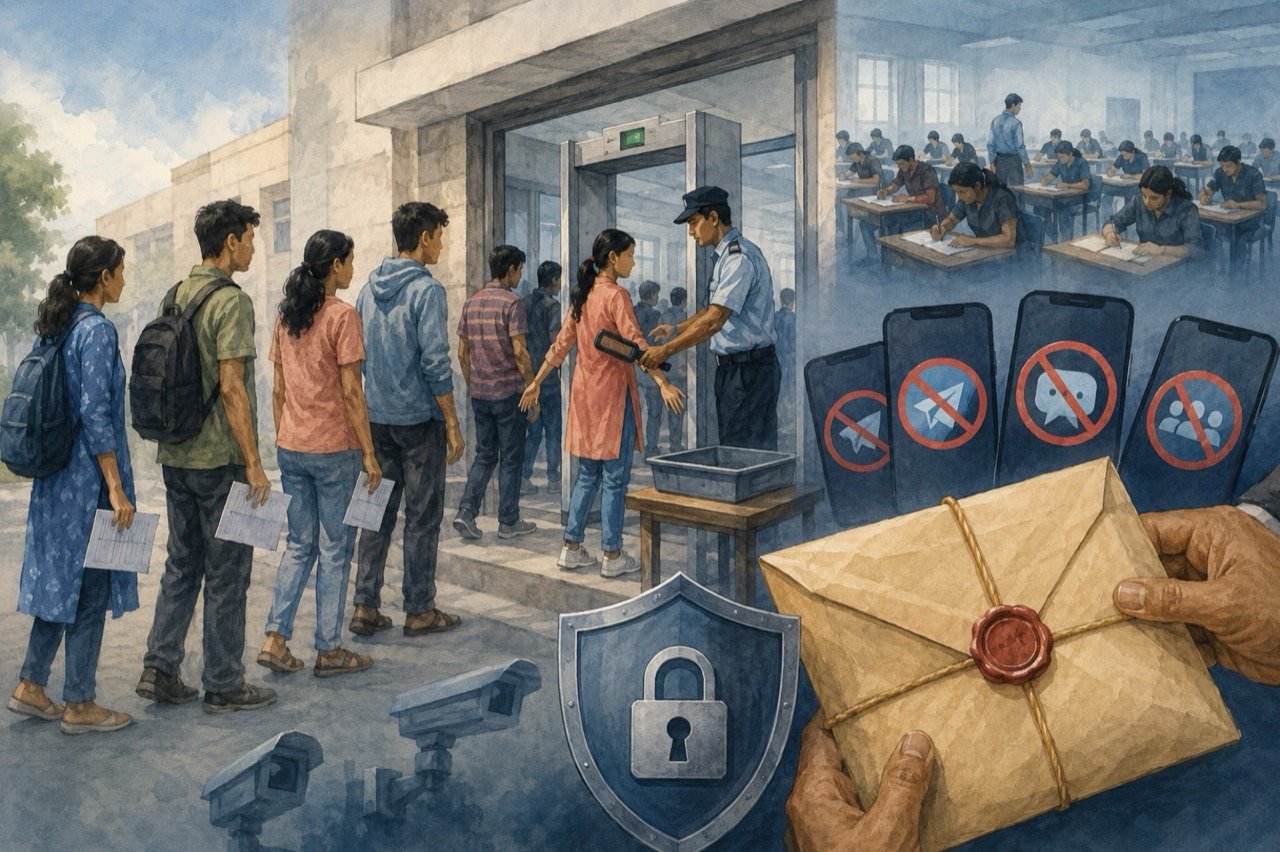
NEET UG Retest Puts Exam Security, Telegram Ban and Misinformation Under Scrutiny
More than two million students resat NEET UG 2026 under tight security after the May paper was scrapped, as the NTA probed a fake video and a temporary Telegram block drew debate.
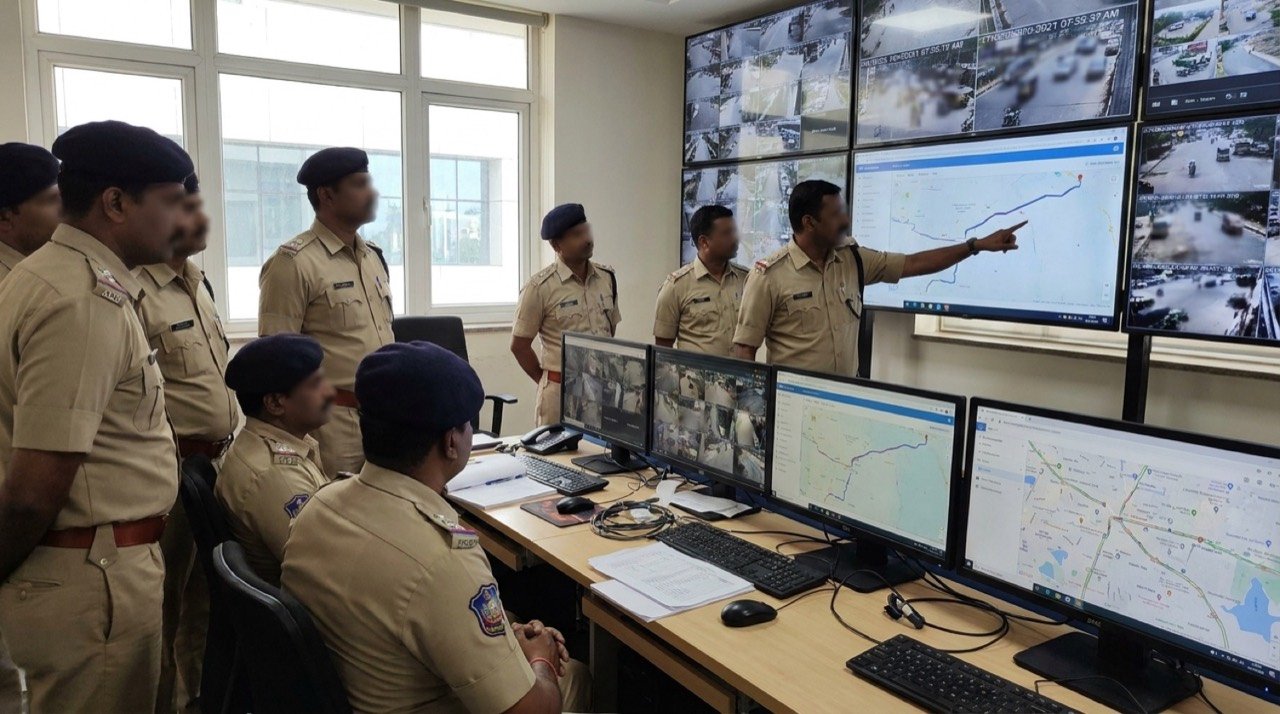
Bengaluru Police Fact-Check: NEET Aspirant's Delay Not Caused by Rally Traffic
Bengaluru police say CCTV footage and route analysis show a NEET candidate left home just 33 minutes before the cut-off, contradicting claims that a Congress rally blocked the route.
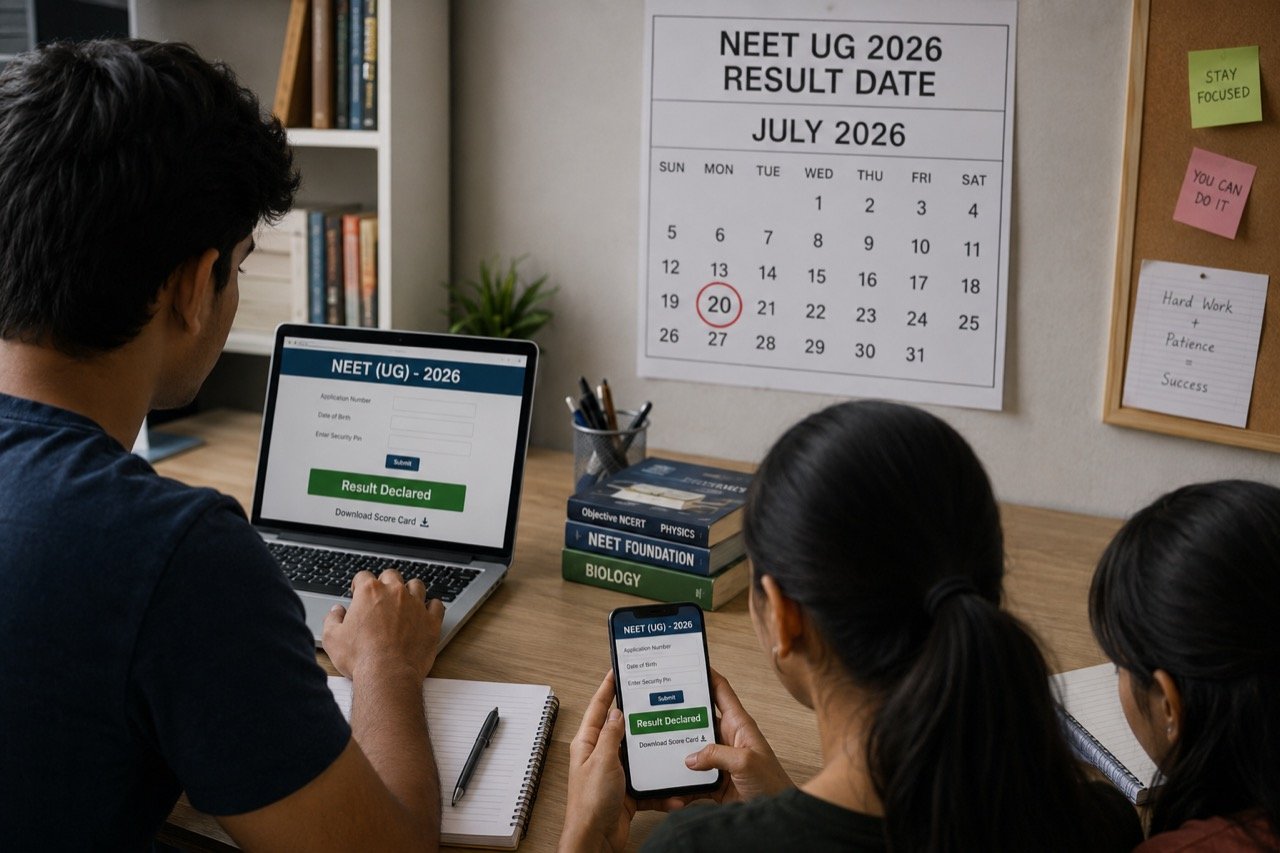
Re-NEET UG 2026 Result: July Timeline and Counselling Steps
As Re-NEET UG 2026 candidates await the NTA result expected in July, attention turns to official timelines, counselling registration and the document checklist that follows the scores.
More from this section
More
AICTE Industry Fellowship 2026: Rs 1.5 Lakh Scheme Closes July 5
The AICTE Industry Fellowship Programme 2026, which places technical-education faculty inside leading companies on a Rs 1.5 lakh monthly stipend, reached its application deadline on July 5.
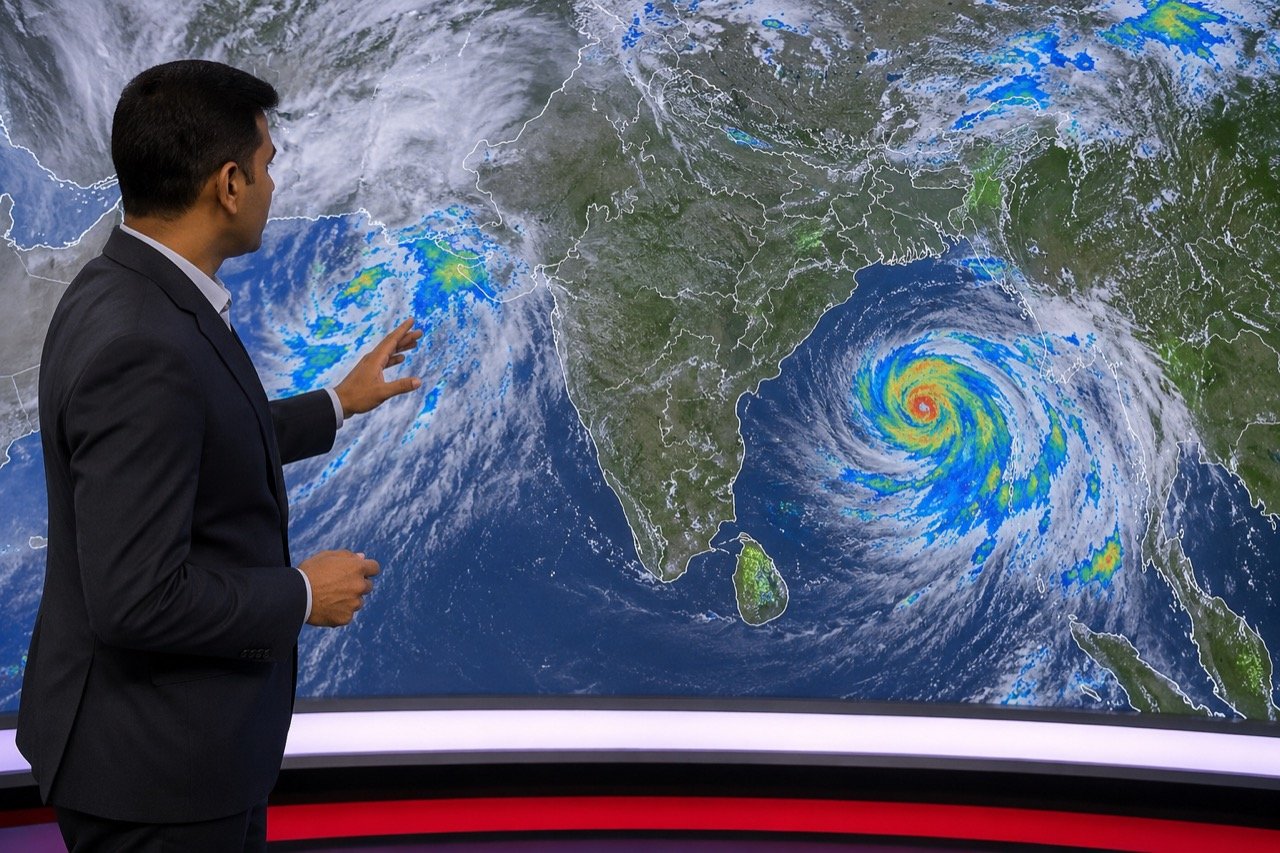
Bay of Bengal Low Pressure System Revives Monsoon Over Western India
A low-pressure system over the Bay of Bengal has pushed the monsoon back into an active phase, bringing steady heavy rain to Kerala, coastal Karnataka and Maharashtra, and putting Mumbai and Pune on preparedness watch.
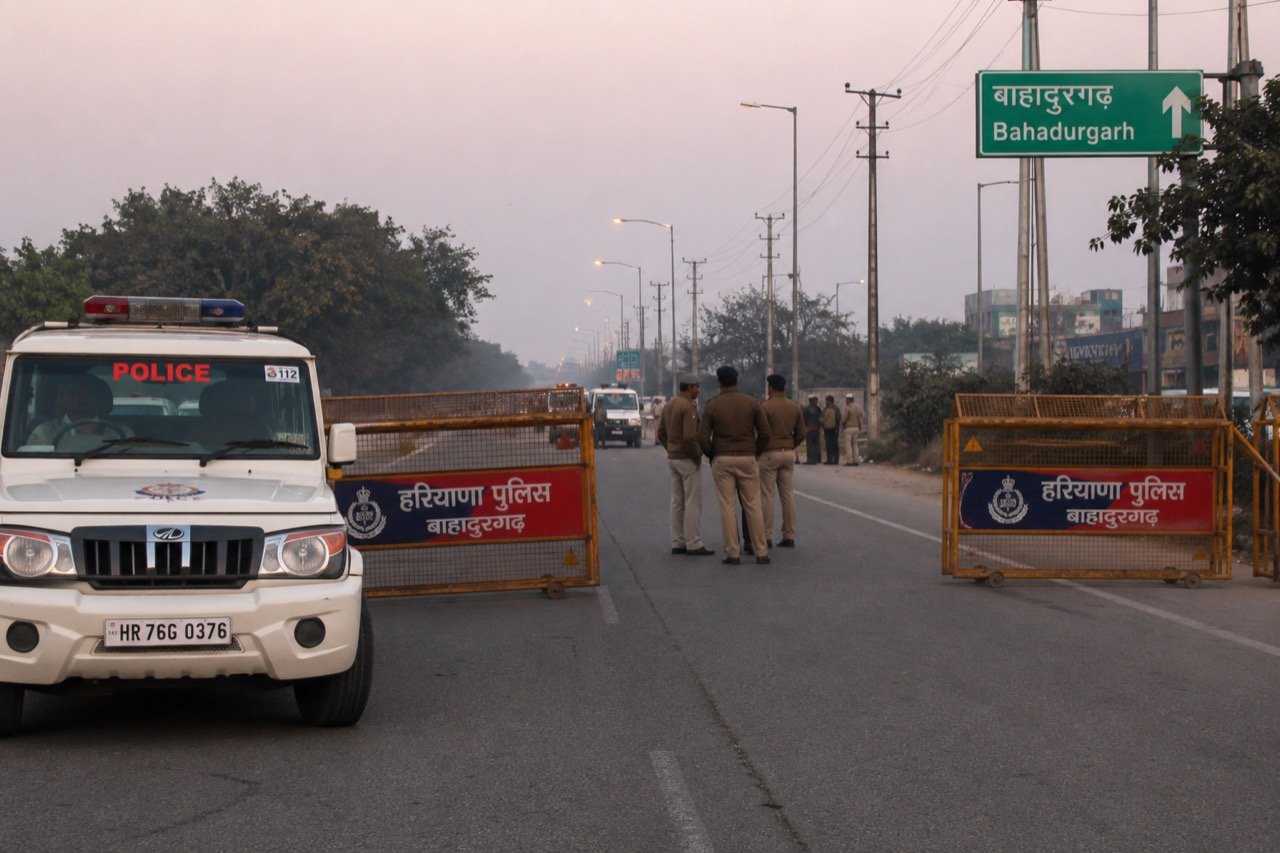
Bishnoi Gang Suspects Injured in Haryana Encounter as Police Tighten Net
A joint Haryana-Delhi Police operation in Bahadurgarh left two suspected Lawrence Bishnoi gang members injured, spotlighting the multi-state coordination now central to India's fight against organised crime networks.