Re-NEET UG 2026 Result: July Timeline and Counselling Steps
As Re-NEET UG 2026 candidates await the NTA result expected in July, attention turns to official timelines, counselling registration and the document checklist that follows the scores.
Commentary & Analysis ·

The Re-NEET UG 2026 result watch has become one of the most closely followed education stories of the season, with students and families tracking the July timeline for the National Testing Agency's announcement. The stakes are direct and personal: the result shapes admission planning, counselling choices and household decisions for lakhs of medical aspirants. For families who have already been through one round of anxiety around the original NEET UG examination, the re-test process adds a second wave of uncertainty, and that compounding effect is worth understanding before the numbers even arrive.
Why the July timeline matters
Medical admissions move through multiple stages, and the result is only the first. Once scores are released, candidates must track merit details, counselling registration windows, category documentation, seat matrices and separate state-level processes. Treating the result as the start of a decision chain, rather than the finish line, is the practical way to prepare. It is tempting, especially for anxious first-time applicants, to view the score as the end of the ordeal. In practice, it is closer to a starting gun. Counselling bodies at the central and state level operate on their own schedules, often overlapping, and a delay in understanding one stage can cascade into missed windows at the next.
This is particularly true for Re-NEET UG 2026 candidates, who by definition are working against a compressed calendar compared with students who sat the exam on the originally scheduled date. Every additional day spent waiting for confirmation, rather than preparing documentation in parallel, is a day that cannot be recovered once counselling opens. The practical implication for families is that the waiting period before the result should not be treated as dead time.
Sticking to official sources
Result seasons reliably produce a flood of unofficial links and viral date claims, and this cycle is no different. The safest course for candidates is to rely on the NTA portal and the Medical Counselling Committee website for score access and counselling notices, and to ignore forwarded messages promising early results or leaked merit lists. Such messages tend to spread fastest on messaging platforms precisely because they exploit the emotional intensity of the moment: a family checking a phone every few minutes is primed to click on anything that promises certainty sooner than the official channel can provide it.
The pattern is familiar from previous examination cycles, and it rarely benefits the candidate. Unverified date claims create false peaks of hope and disappointment that add stress without adding information. The only channels worth trusting are the NTA's own portal and the Medical Counselling Committee's website, both of which will carry the authoritative score release and subsequent counselling notices.
Using the waiting period productively
In the meantime, aspirants can use the waiting period productively: assembling category certificates and identity documents, understanding the counselling registration flow, and mapping preferred colleges against last year's seat matrices so decisions can be made quickly once scores arrive. This kind of preparation is unglamorous but decisive. Counselling rounds move fast once they open, and candidates who have already organised their category certificates, identity documents and college preference lists are far better placed to act within tight registration windows than those who begin gathering paperwork only after the result is out.
Mapping preferred colleges against the previous year's seat matrices is a particularly useful exercise, since it gives families a realistic sense of where a given score band is likely to translate into an offer, even though matrices shift year to year and are not a guarantee. This kind of scenario planning does not remove uncertainty, but it converts an open-ended wait into a structured checklist, which tends to reduce the psychological burden considerably.
The human cost behind the process
It is worth pausing on what this waiting period actually represents for the households living through it. Medical entrance in India carries an outsized social and economic weight: for many families, a seat in a medical college represents years of coaching investment, deferred alternatives, and hope concentrated into a single examination cycle. When that cycle is disrupted enough to require a re-test, the emotional toll compounds. Students who have already sat one version of the exam are asked to hold their composure through a second wait, often with less certainty about timelines than their peers who followed the original schedule.
This is not merely an administrative footnote. It is a lived experience for lakhs of teenagers and their parents, many of whom will spend the coming weeks refreshing browser tabs and fielding rumours from relatives and coaching centre WhatsApp groups. Recognising this human dimension is essential to understanding why calm, verified information matters so much in this period.
The NE Times View
The anxiety surrounding Re-NEET UG 2026 is a reminder that India's high-stakes examination system places enormous psychological weight on teenagers and their families. Media coverage that speculates on result dates without official confirmation adds to that stress rather than easing it. The responsible posture — for publishers and parents alike — is to amplify only verified NTA announcements and to treat the counselling process, not the headline score, as the real determinant of where a student lands. Structural reform of exam administration remains overdue, but until it comes, calm and official information is the best protection students have.
This principle extends beyond any single result date. Every examination cycle that requires a re-test or an administrative correction exposes the same fault lines: a public hungry for certainty, a rumour ecosystem eager to fill the gap, and an official process that, however methodical, cannot always move as fast as anxious families would like. The responsibility of a publication covering this space is not to manufacture urgency but to dampen it where it is unwarranted, pointing readers back to primary sources rather than amplifying speculation.
Key takeaways
- The Re-NEET UG 2026 result is the first step in a longer process, not the final outcome, and should be followed by prompt attention to counselling registration, category documentation and seat matrices.
- Candidates and families should rely exclusively on the NTA portal and the Medical Counselling Committee website for score access and counselling notices, disregarding forwarded messages claiming early or leaked results.
- The waiting period can be used constructively by organising certificates, identity documents and a preference list of colleges benchmarked against last year's seat matrices.
- The psychological burden on students and families is real and significant, and coverage that speculates on unconfirmed dates only adds to it.
- Lasting relief will come only from structural reform of exam administration; until then, verified official information remains the best safeguard for aspirants.
You may also like to read
CUET UG 2026 Results Out: Admissions Race Begins Across 250+ Universities
The NTA has declared CUET UG 2026 results, with 3,214 candidates scoring a 100 percentile in at least one subject, kicking off cut-offs and counselling at more than 250 universities nationwide.
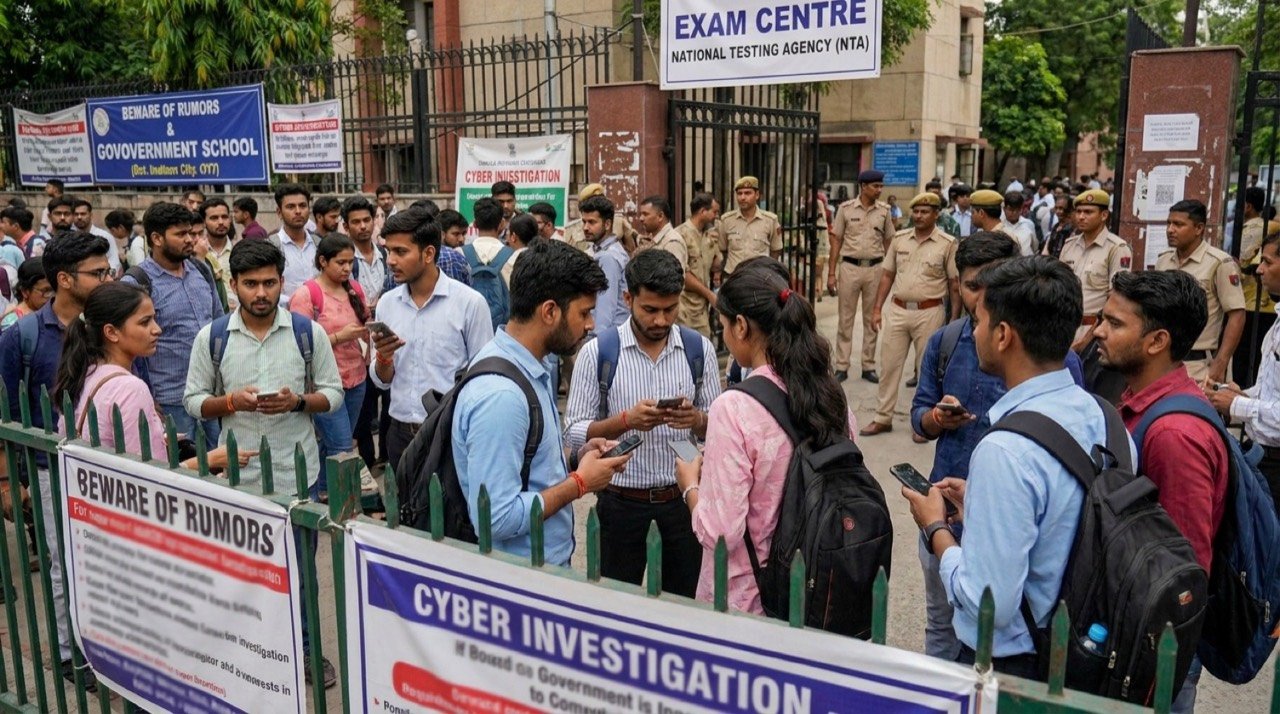
NEET-UG Retest 'Leak' Video Found Fake; NTA Launches Cyber Probe
The Centre and NTA have rejected a viral video claiming the June 21 NEET-UG retest paper was leaked on Telegram, with a cyber probe now under way to trace those behind the misleading content.
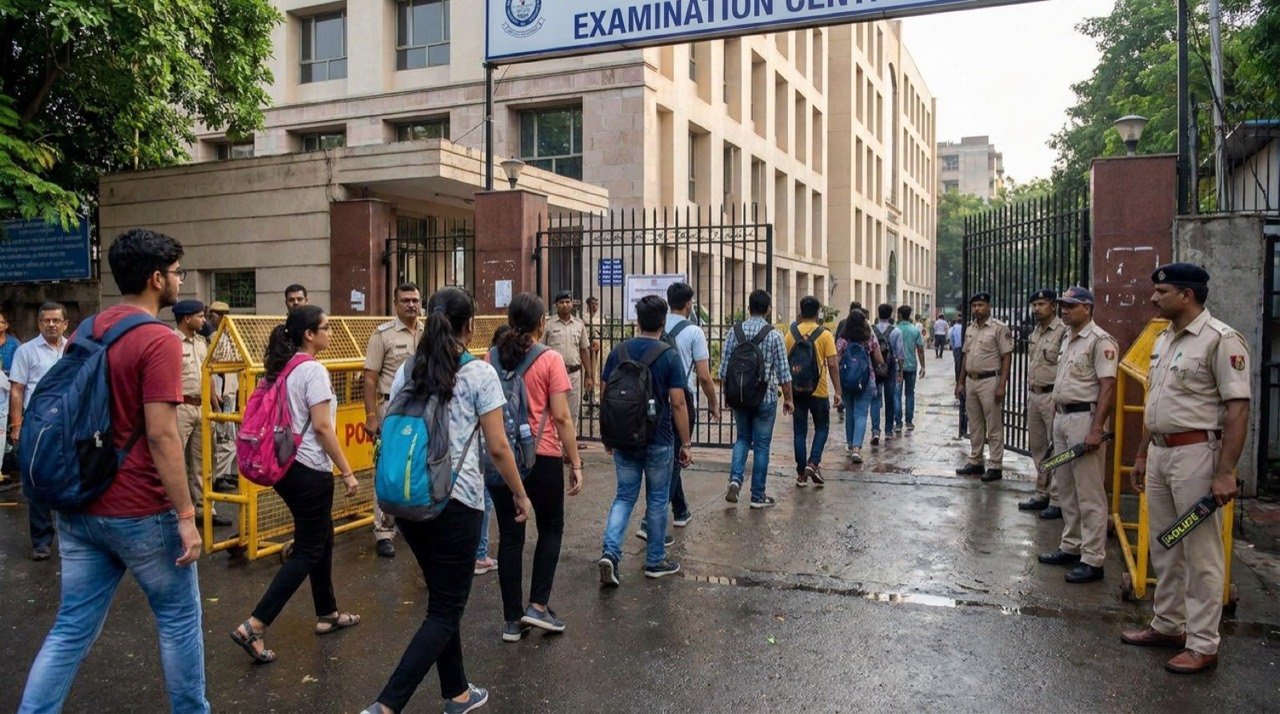
NTA Says NEET-UG 2026 Re-Exam Was Error-Free After Tight Security Checks
The National Testing Agency has declared the NEET-UG 2026 re-examination flawless, citing biometric and facial authentication, as it works to rebuild trust among lakhs of medical aspirants.
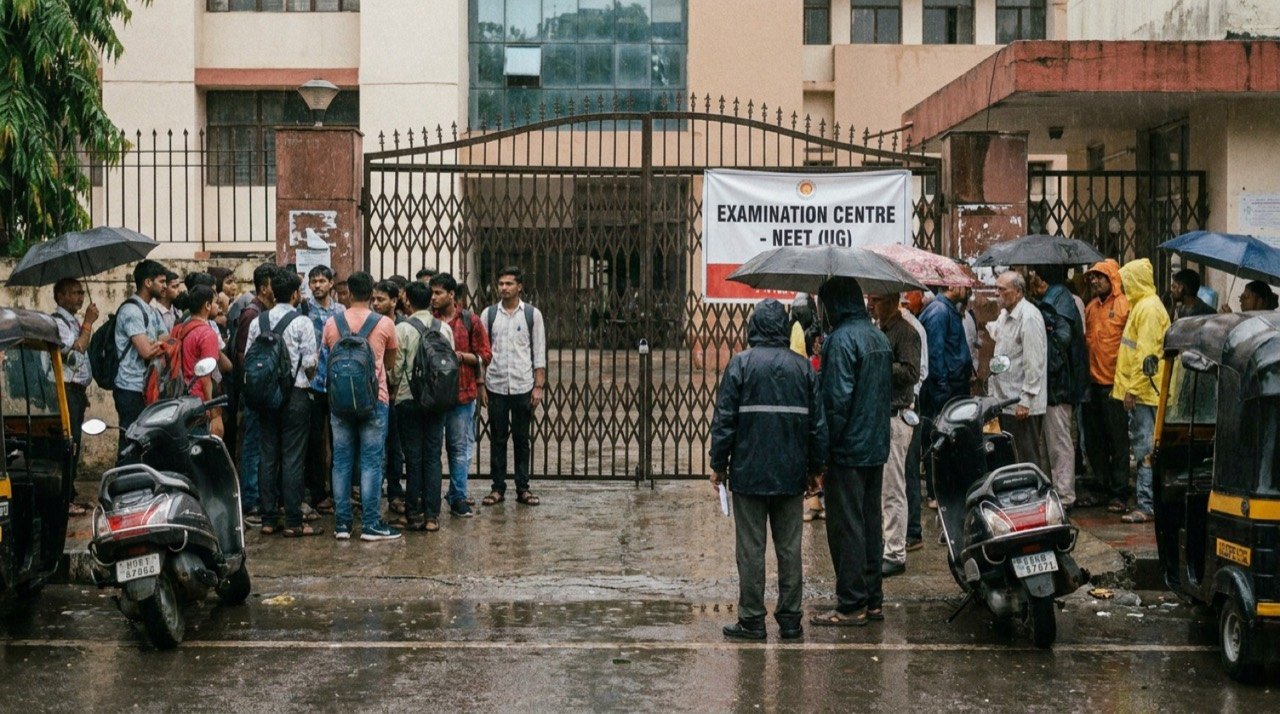
NEET Re-Test Gate Closures Revive Debate Over Exam Fairness
Students turned away minutes late at the NEET re-test have reignited a hard question for India's high-stakes exams: how should rigid rules and uniform deadlines accommodate real-life disruption?
More from this section
More
AICTE Industry Fellowship 2026: Rs 1.5 Lakh Scheme Closes July 5
The AICTE Industry Fellowship Programme 2026, which places technical-education faculty inside leading companies on a Rs 1.5 lakh monthly stipend, reached its application deadline on July 5.
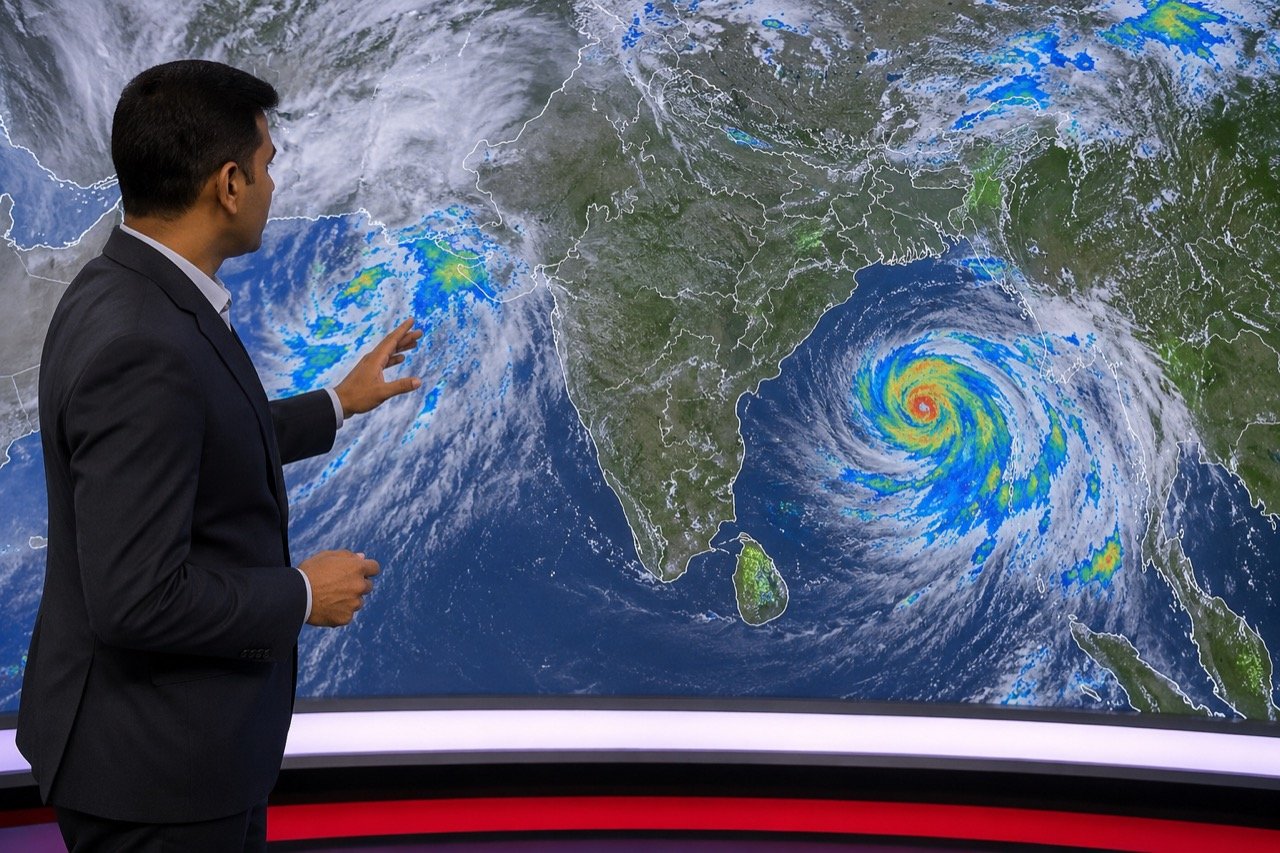
Bay of Bengal Low Pressure System Revives Monsoon Over Western India
A low-pressure system over the Bay of Bengal has pushed the monsoon back into an active phase, bringing steady heavy rain to Kerala, coastal Karnataka and Maharashtra, and putting Mumbai and Pune on preparedness watch.
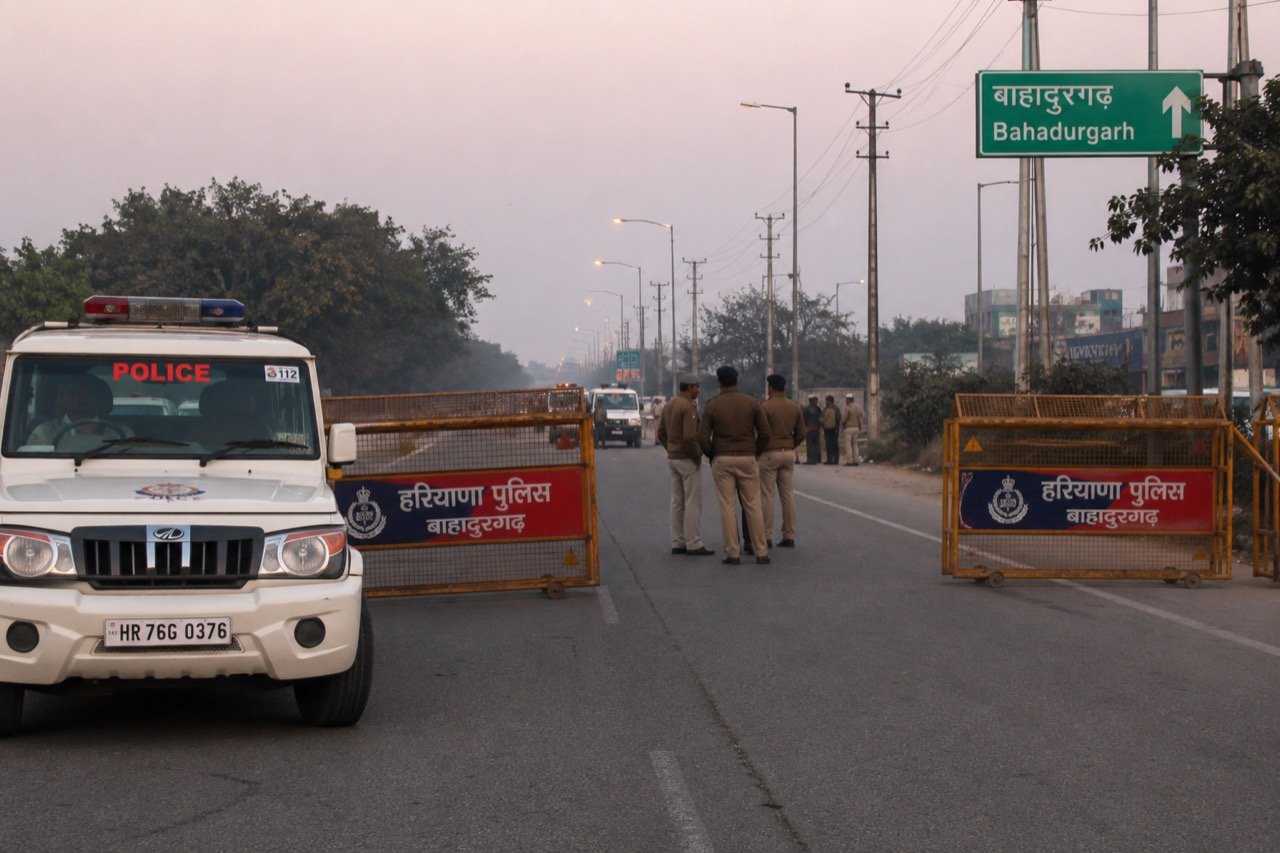
Bishnoi Gang Suspects Injured in Haryana Encounter as Police Tighten Net
A joint Haryana-Delhi Police operation in Bahadurgarh left two suspected Lawrence Bishnoi gang members injured, spotlighting the multi-state coordination now central to India's fight against organised crime networks.