CUET UG 2026 Results Out: Admissions Race Begins Across 250+ Universities
The NTA has declared CUET UG 2026 results, with 3,214 candidates scoring a 100 percentile in at least one subject, kicking off cut-offs and counselling at more than 250 universities nationwide.
Commentary & Analysis ·

The National Testing Agency has announced the CUET UG 2026 results, setting off the next stage of undergraduate admissions across the universities that rely on the common entrance test. With scorecards now live, the focus shifts from the exam itself to the intricate process of cut-offs, merit formulas and counselling that determines where students will actually study. For a test that was designed to simplify India's fragmented admissions landscape, the days immediately after results are, paradoxically, when the process grows most complicated for individual applicants.
What the toppers' numbers show
Reports indicate that 3,214 candidates scored a 100 percentile in at least one subject, while a single candidate achieved a 100 percentile across four subjects, a standout result in a fiercely competitive field. The clustering of top scores underlines how tight margins have become at the upper end, where fractions of a percentile can separate applicants who, in absolute terms, may have answered nearly identical questions with near-identical accuracy. Such numbers matter because percentile normalisation, used to compare performance across multiple exam sessions, can make small differences decisive when seats are limited. When an exam is conducted over several shifts, as CUET UG is, raw scores cannot be compared directly because question difficulty inevitably varies between sittings. Normalisation is the statistical tool that tries to correct for this, converting raw marks into percentiles that are, in theory, comparable across sessions. In practice, though, when thousands of candidates cluster at the very top of the scale, the mechanism starts to strain: a single mark's difference in a shift with a particular difficulty profile can translate into a percentile gap that decides whether a student enters a Delhi University college of their choice or is pushed into a less preferred option. The sheer scale of perfect scorers this year is likely to intensify scrutiny of how well that normalisation process is actually working.
A test, then 250 different rulebooks
CUET UG is now used by more than 250 universities, spanning central, state and private institutions. Crucially, the result is only the starting point: each university applies its own programme rules, merit formula and cut-off process, meaning the same score can open very different doors depending on the campus and course. That decentralised structure places the onus on students to understand how each institution weighs subjects and computes merit before locking in their choices. This is arguably the most important, and most underappreciated, feature of the CUET system. A single national test creates the impression of a level playing field, but the admissions outcome is still determined locally. One university may weight a candidate's best three subject scores; another may use a different combination, or apply additional criteria such as domicile quotas, reservation categories or programme-specific eligibility conditions. For a student comparing options across, say, a central university, a state university and a private institution, the practical task is less about the percentile itself and more about decoding how each institution will translate that percentile into an admission offer. This is where confusion tends to creep in, especially for first-generation applicants or those without access to structured guidance, and it is a structural feature of the system that a single centralised result cannot, by itself, resolve.
What students should do now
For applicants, the immediate task is practical: verify scorecards, track counselling calendars and compare course options carefully across institutions. High-demand programmes at Delhi University, Banaras Hindu University and other major campuses are expected to draw especially intense competition. In a system where each university runs its own timeline, missing a counselling deadline can matter as much as the percentile itself. Students weighing multiple options will need to keep parallel tracks open, registering interest across institutions while the picture on cut-offs becomes clearer over the following weeks. This is also the point at which families and school counsellors typically step in to help interpret the fine print of each university's admission brochure, since the formulas involved are often specific enough that a small misreading can cost a student a seat they were otherwise eligible for. The practical reality is that a strong percentile is necessary but not sufficient; navigating the counselling process with discipline and attention to detail is just as consequential.
The counselling test ahead
As counselling rounds open, the coming weeks will test how smoothly the centralised result feeds into hundreds of separate admission processes. For lakhs of students, the priority now is staying alert to deadlines and weighing options realistically against the cut-offs that high-demand courses are likely to command. This is the phase where the CUET system's design is put under the most pressure. A single result date is easy to communicate and administer; what follows is genuinely complex, with staggered counselling schedules, seat allocation rounds and withdrawal windows differing from one university to the next. Any friction in this stage, whether from portal glitches, unclear communication or inconsistent cut-off publication, tends to fall disproportionately on students with the least support navigating bureaucratic processes. How well NTA and the participating universities manage this handoff, from a single national result to a mosaic of local admission decisions, will shape how the exam cycle is remembered well after the headline percentile numbers fade from discussion.
The NE Times View
A common entrance test was meant to level the field across 250-plus universities, and on access that promise has merit. Before CUET, students often had to sit multiple, overlapping entrance exams to be considered by different institutions; consolidating that into a single test has genuine value, particularly for candidates from smaller towns without the resources to prepare for and travel to a string of separate examinations. But 3,214 perfect-percentile scores expose the normalisation puzzle: when raw marks are statistically scaled across shifts, cut-offs can reward test-cracking over learning. A system meant to widen access can, at its margins, become a game of percentile arithmetic rather than a straightforward measure of subject mastery. The NTA's credibility, bruised by recent exam controversies, now rests on transparent counselling. Having a fair, well-designed test is only half the task; the agency must also demonstrate, visibly and consistently, that the process converting those scores into seats is free of the irregularities that have dogged other national examinations in recent years. For lakhs of families, the real test begins after the result, and it is a test of institutional follow-through as much as of student preparation.
Key takeaways
- The NTA's CUET UG 2026 results have opened admissions season for more than 250 universities, with 3,214 candidates scoring 100 percentile in at least one subject and one candidate achieving it across four subjects.
- Percentile normalisation across multiple exam shifts means fine margins at the top of the scale can carry outsized consequences for individual applicants.
- Each participating university sets its own cut-offs, merit formulas and counselling calendar, so the same score can lead to very different outcomes depending on the institution and course.
- Students should focus now on verifying scorecards, tracking counselling schedules closely, and comparing course-specific requirements across universities such as Delhi University and Banaras Hindu University.
- The credibility of the CUET system will ultimately be judged on the transparency of the counselling process, not just the fairness of the test itself.
You may also like to read

CUET UG 2026 Results Declared After Final Answer Key Drops Seven Questions
The NTA has declared CUET UG 2026 results, letting lakhs of candidates download scorecards as central and participating universities prepare to run their own admission and cut-off processes.

CUET UG 2026 Results: 3,214 Candidates Score Perfect 100 Percentile in a Subject
The NTA has declared CUET UG 2026 results, with 3,214 candidates hitting a 100 percentile in one subject as the exam's reach across cities, languages and universities continues to widen.

CUET-UG Results Awaited As Delhi University Admissions Wait On The Clock
Lakhs of students are awaiting their CUET-UG 2026 scorecards, expected late in June, with a re-evaluation backlog pushing Delhi University's admission registrations toward the month's end.

CUET UG 2026 Final Answer Key Nears as Students Begin Scorecard Watch
With the NTA's CUET UG 2026 process entering its final answer-key and result phase, lakhs of candidates are tracking the official portal for scorecards that will shape undergraduate admissions nationwide.
More from this section
More
AICTE Industry Fellowship 2026: Rs 1.5 Lakh Scheme Closes July 5
The AICTE Industry Fellowship Programme 2026, which places technical-education faculty inside leading companies on a Rs 1.5 lakh monthly stipend, reached its application deadline on July 5.
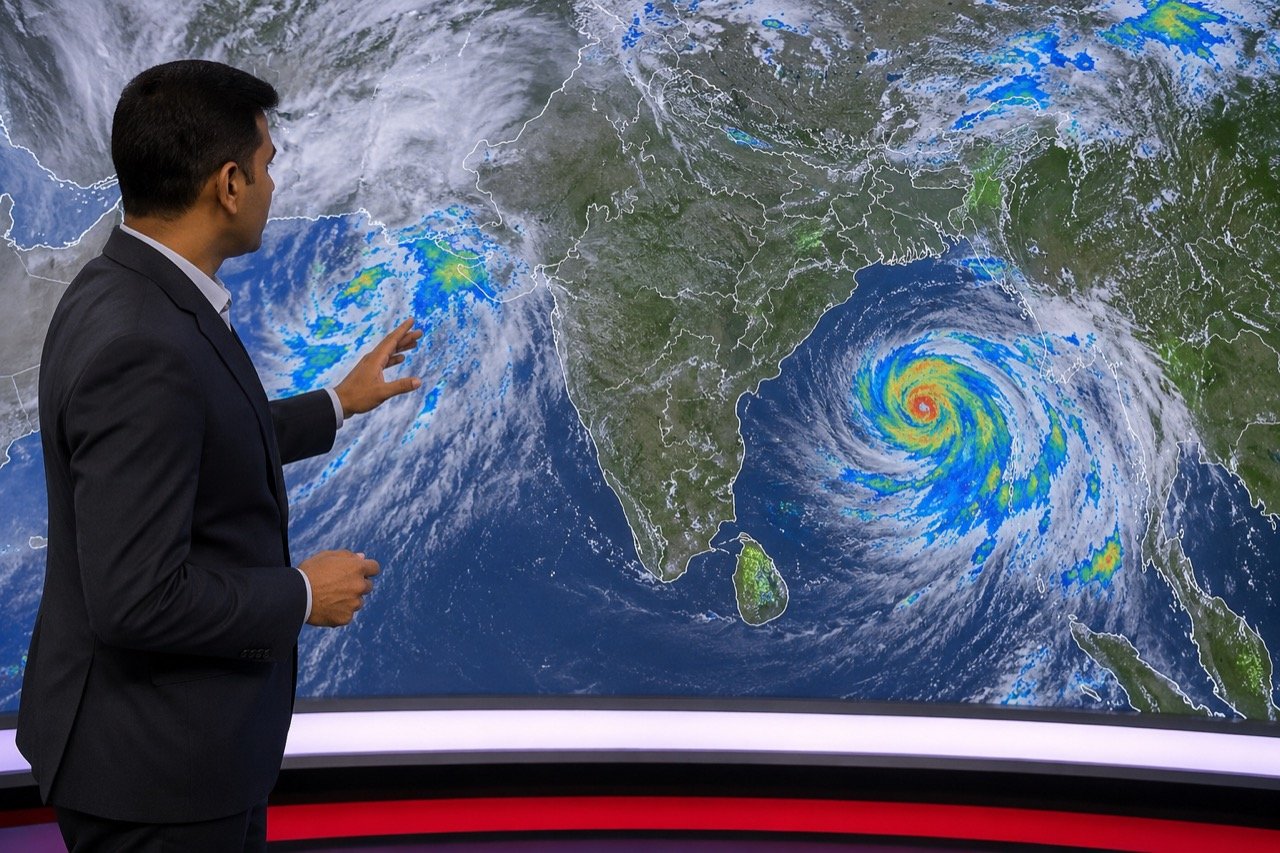
Bay of Bengal Low Pressure System Revives Monsoon Over Western India
A low-pressure system over the Bay of Bengal has pushed the monsoon back into an active phase, bringing steady heavy rain to Kerala, coastal Karnataka and Maharashtra, and putting Mumbai and Pune on preparedness watch.
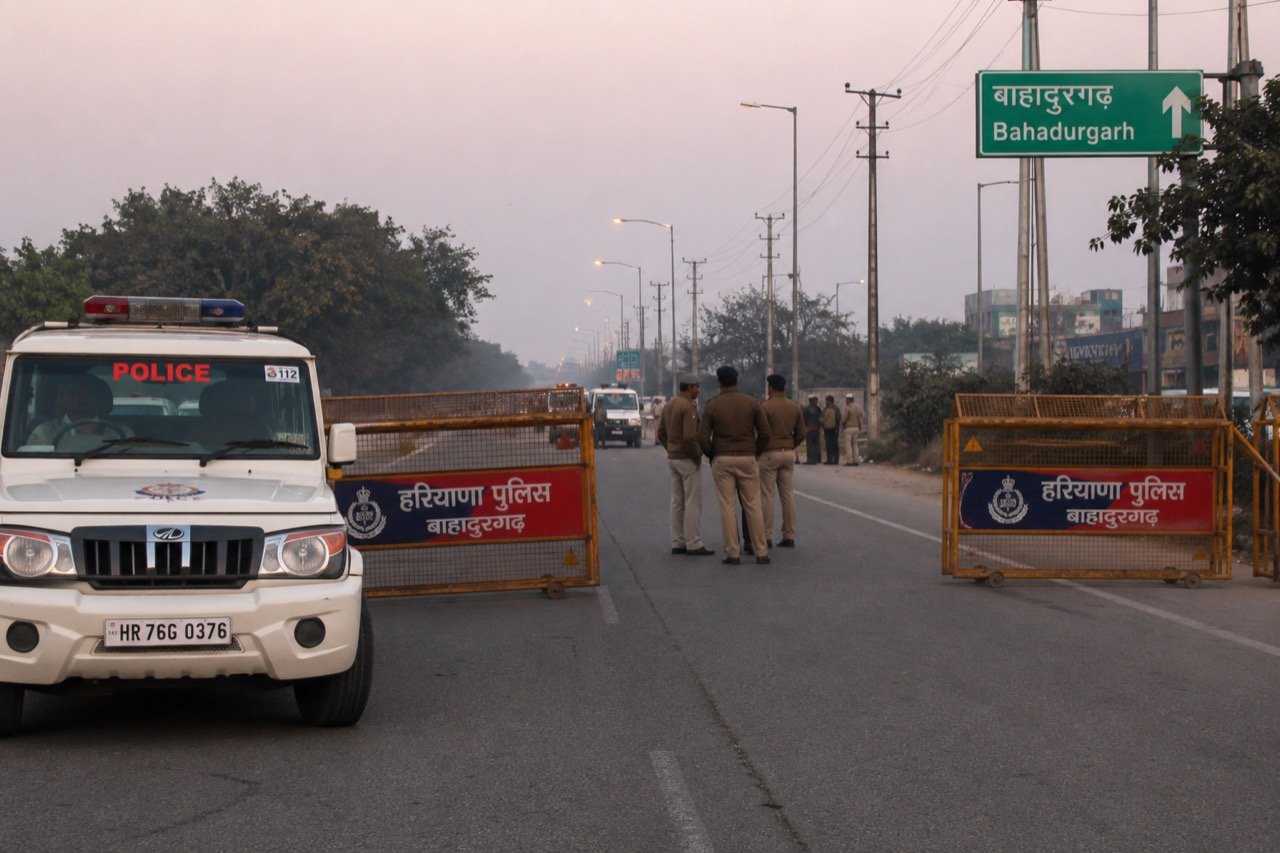
Bishnoi Gang Suspects Injured in Haryana Encounter as Police Tighten Net
A joint Haryana-Delhi Police operation in Bahadurgarh left two suspected Lawrence Bishnoi gang members injured, spotlighting the multi-state coordination now central to India's fight against organised crime networks.