CUET-UG Results Awaited As Delhi University Admissions Wait On The Clock
Lakhs of students are awaiting their CUET-UG 2026 scorecards, expected late in June, with a re-evaluation backlog pushing Delhi University's admission registrations toward the month's end.
Commentary & Analysis ·
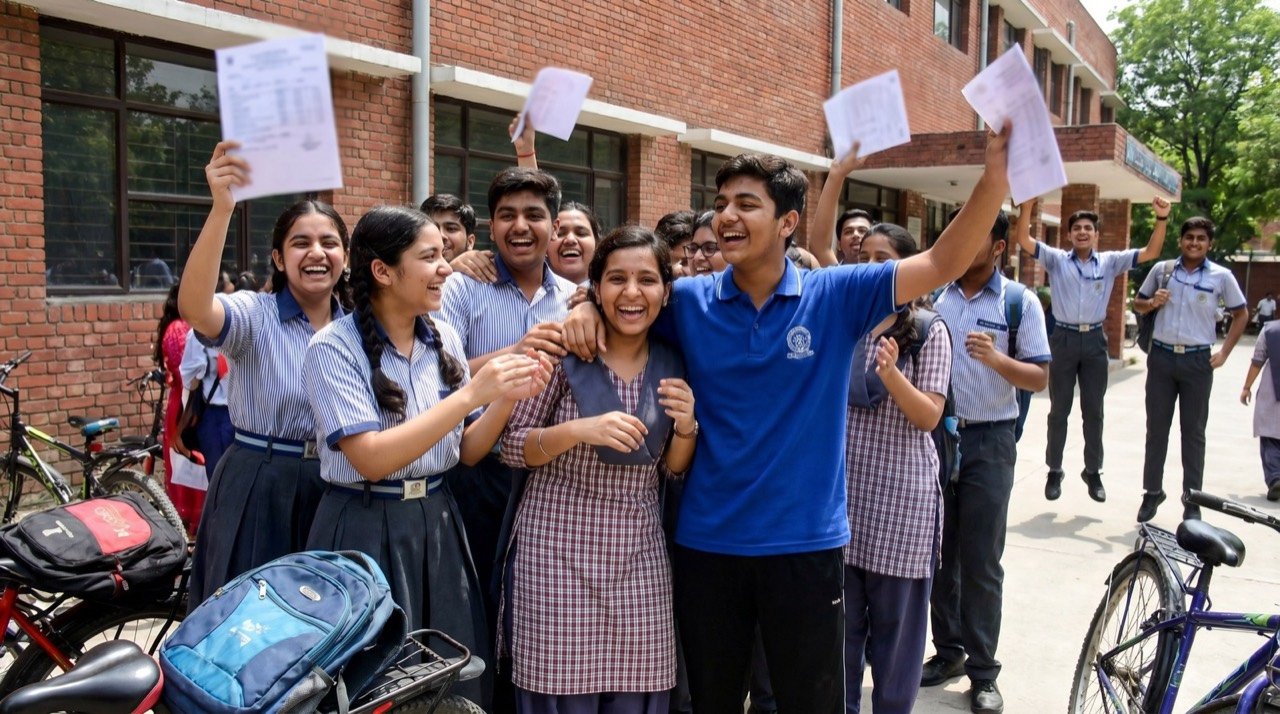
For lakhs of school-leavers, the most anxious wait of the year is the one that decides where they will spend the next three years. The CUET-UG 2026 scorecards, the gateway to undergraduate admission at central and other participating universities, are now expected toward the end of June, with the timeline knotted together with re-evaluation delays and the start of Delhi University's admission process. What ought to be a routine transition from school to college has instead become an exercise in waiting, refreshing portals and hoping the calendar holds.
A results calendar under pressure
The National Testing Agency is expected to release CUET-UG scorecards in the last week of June, after the final answer key is published. That sequencing matters: the answer key must be finalised, objections presumably processed, and only then can scores be computed and released. Each of those steps is a potential point of slippage, and in a system already operating close to the edge of its calendar, there is little slack to absorb further delay.
Compounding the pressure is the fact that this window overlaps closely with NEET, the medical entrance test. Two of India's largest and most consequential entrance examinations effectively converge on the same stretch of the calendar, keeping the examination season tightly packed. This is not merely an administrative coincidence; it means the same testing agency, and much of the same public and media attention, is trained on two enormous logistical operations at once. The NTA has been under scrutiny for a clean, on-time process after years of close attention to its conduct, and a congested calendar of this kind leaves less room for error at precisely the moment when scrutiny is highest.
How the Class 12 re-evaluation delay compounds the problem
Adding to the squeeze, a delay in the re-evaluation of Class 12 results has pushed back the start of registrations for Delhi University's Common Seat Allocation System, or CSAS, with the process now expected only in the last week of June. This is a telling illustration of how interconnected India's education administration has become. A hold-up in one process, the re-checking of school-leaving marks, cascades directly into another, the opening of university admission registrations, because CSAS requires finalised Class 12 results before it can proceed with certainty. The compression leaves students and families racing against a narrow calendar, with little visibility into exactly when each stage will begin and even less room to plan around it.
For families, this is not an abstract bureaucratic concern. Decisions about coaching, relocation, hostel bookings and even the choice between a central university and a private or state institution often hinge on knowing dates well in advance. When those dates keep sliding toward the end of June, students lose valuable weeks in which they might otherwise have been preparing for the next stage of their academic lives, whether that is orientation, travel arrangements, or simply mental preparation for a new city and a new institution.
Why the timing matters beyond Delhi University
CUET has become the single largest determinant of undergraduate admission to a swathe of central universities, and every slippage in its calendar ripples outward into counselling, seat allocation and the start of the academic session. Universities including Delhi University, Banaras Hindu University and Allahabad University are gearing up for counselling once scores are out. This means the consequences of a delayed result are not confined to Delhi alone; they are distributed across some of the country's most sought-after institutions, each of which must compress its own counselling and seat-allocation timetable to compensate for lost time upstream.
It is worth recalling why CUET was introduced in the first place: to replace a patchwork of university-specific entrance tests and cut-off-list scrambles with a single, standardised, and ostensibly more predictable national process. The promise was less chaos, not a new and more centralised source of it. When the very mechanism designed to bring order to admissions itself becomes a bottleneck, that promise is called into question, even if the underlying intent behind the reform remains sound.
What students should watch
Candidates have been advised to keep checking the official portal for the answer key and scorecard links, and to be ready to register on university admission systems as soon as they open. With the calendar this tight, even a few days' delay can compress the entire counselling and seat-allocation cycle. Students who wait until scores are announced to begin thinking about their university preferences, required documents, or category and reservation paperwork risk losing precious days in a process that has already been shortened by circumstances beyond their control.
For a generation of students whose schooling was already buffeted by disruption, a smooth and timely results process this year would be a small but meaningful reassurance that the system can deliver on its promises. Many of this cohort have already navigated years of altered academic calendars, and a dependable, on-schedule admissions cycle would count as a modest but genuine restoration of normalcy rather than a bureaucratic formality.
The wider stakes for India's admissions architecture
Beyond the immediate anxiety of individual students, there is a broader institutional question at play. CUET was conceived as a scalable solution for a country with an enormous and growing pool of undergraduate applicants. Its ability to handle that scale without generating fresh delays is, in effect, a test of whether India's centralised examination infrastructure can keep pace with the size of the population it serves. A compressed and uncertain calendar, arriving in the same season as NEET, suggests that the agency responsible for both examinations is operating at or near capacity, with limited buffer for unexpected hold-ups such as re-evaluation backlogs.
This also has knock-on implications for the universities themselves. Institutions such as Delhi University, Banaras Hindu University and Allahabad University must design counselling and seat-allocation schedules that can absorb a late start without compromising the quality or fairness of the process. A shortened window increases the risk of rushed decisions, whether in verifying documents, allocating seats, or resolving disputes, precisely the kind of friction a standardised national test was meant to eliminate.
The NE Times View
Every delayed result is a quiet tax on students' anxiety, and the CUET regime was sold as a fix for chaos, not a fresh source of it. A re-evaluation backlog squeezing Delhi University's calendar suggests the testing agency still cannot match scale with reliability. Lakhs of young people are planning their futures around a date that keeps slipping. India's premier admissions process must run like clockwork, or it forfeits its rationale. If the National Testing Agency and the universities it serves cannot deliver predictability at the one moment students need it most, the case for a centralised entrance system, however sound in principle, will keep being made on trust rather than on demonstrated performance.
Key takeaways
- CUET-UG 2026 scorecards are expected in the last week of June, after the final answer key is published, with the window overlapping closely with the NEET examination schedule.
- A delay in Class 12 re-evaluation has pushed back the start of Delhi University's Common Seat Allocation System registrations to the last week of June, compressing the admissions calendar.
- Major central universities, including Delhi University, Banaras Hindu University and Allahabad University, are preparing for counselling once CUET-UG scores are released.
- Students have been advised to monitor the official portal closely and be ready to register the moment university admission systems open, given how little slack remains in the schedule.
- The episode raises broader questions about whether the National Testing Agency's capacity has kept pace with the scale of India's undergraduate admissions process.
You may also like to read
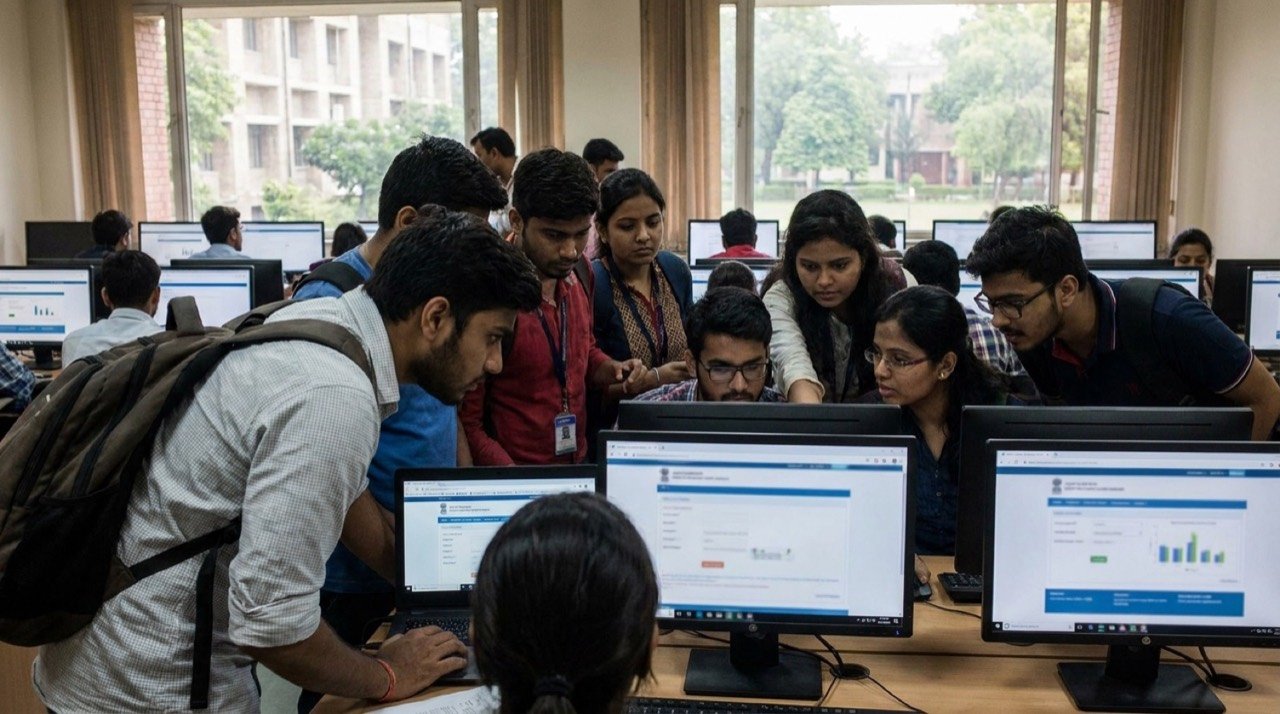
CUET UG 2026 Results Declared After Final Answer Key Drops Seven Questions
The NTA has declared CUET UG 2026 results, letting lakhs of candidates download scorecards as central and participating universities prepare to run their own admission and cut-off processes.
Exam Season Peaks as CBSE and CUET Results Near, NEET Looms
June marks a high point in India's academic calendar, with CBSE preparing to declare Class 10 second-board results, CUET-UG scores due shortly and the NEET undergraduate exam scheduled for later in the month.
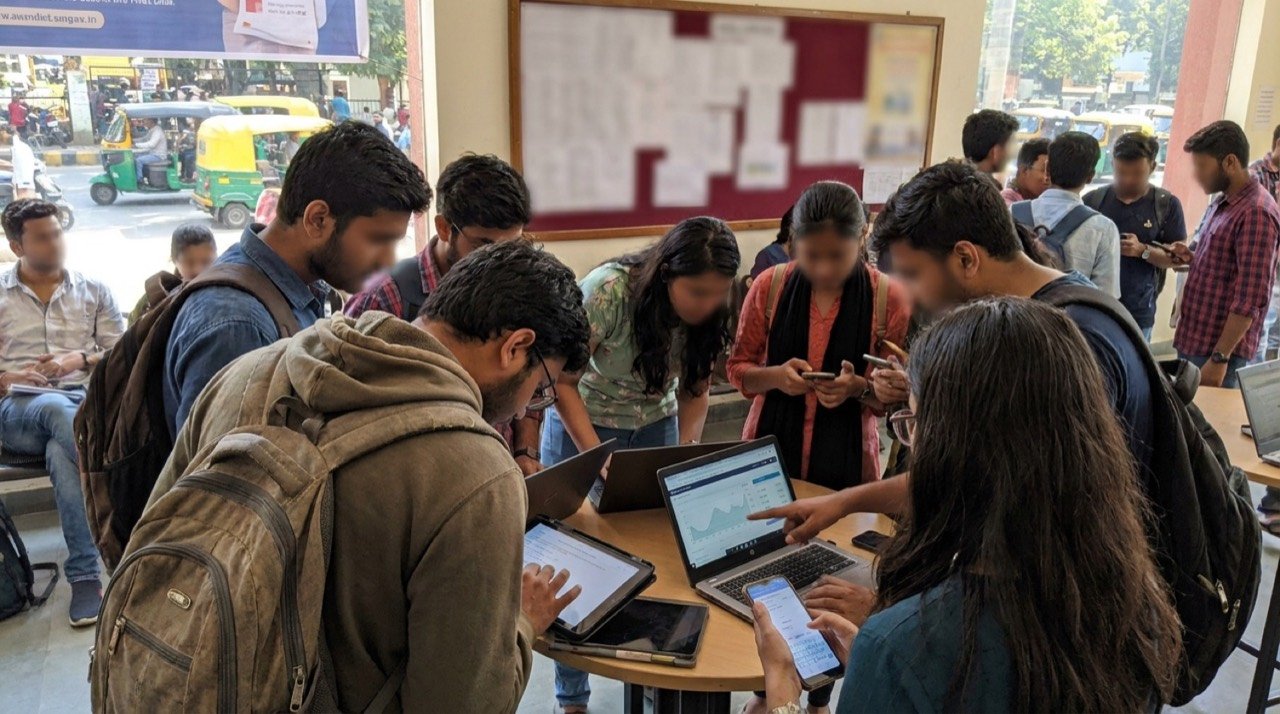
CUET UG 2026 Results: 3,214 Candidates Score Perfect 100 Percentile in a Subject
The NTA has declared CUET UG 2026 results, with 3,214 candidates hitting a 100 percentile in one subject as the exam's reach across cities, languages and universities continues to widen.
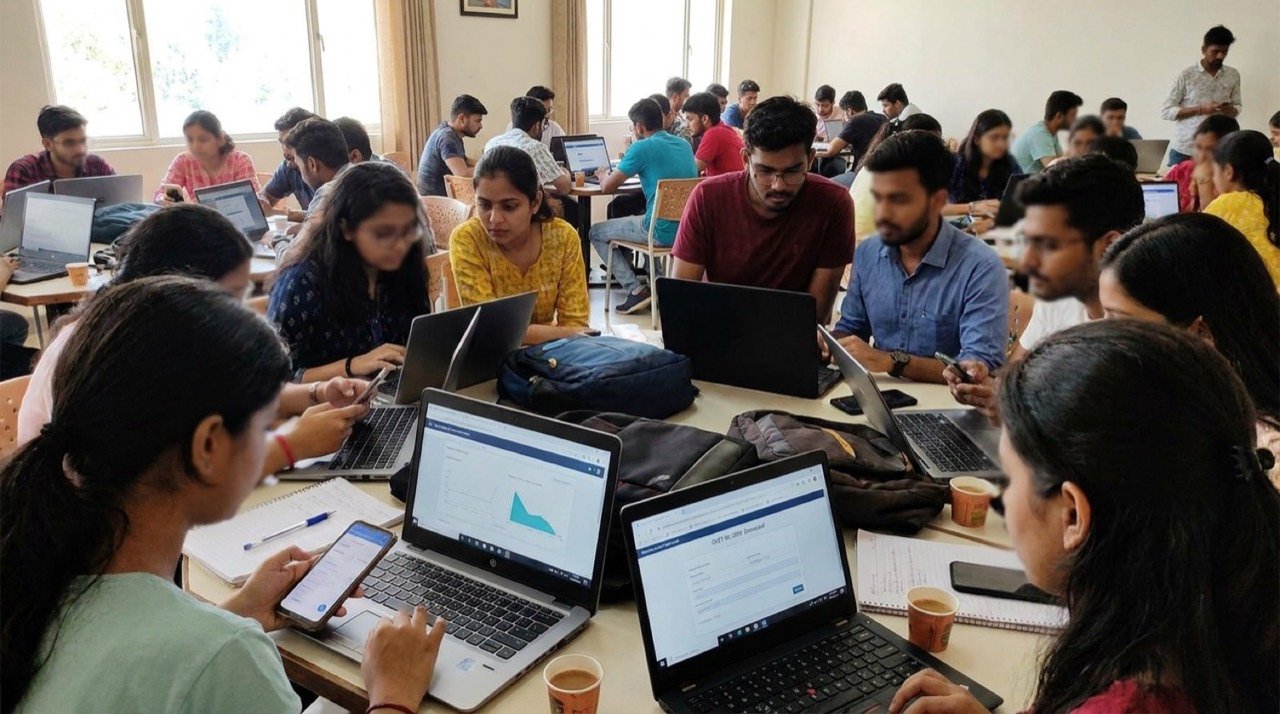
CUET UG 2026 Results Out: Admissions Race Begins Across 250+ Universities
The NTA has declared CUET UG 2026 results, with 3,214 candidates scoring a 100 percentile in at least one subject, kicking off cut-offs and counselling at more than 250 universities nationwide.
More from this section
More
AICTE Industry Fellowship 2026: Rs 1.5 Lakh Scheme Closes July 5
The AICTE Industry Fellowship Programme 2026, which places technical-education faculty inside leading companies on a Rs 1.5 lakh monthly stipend, reached its application deadline on July 5.
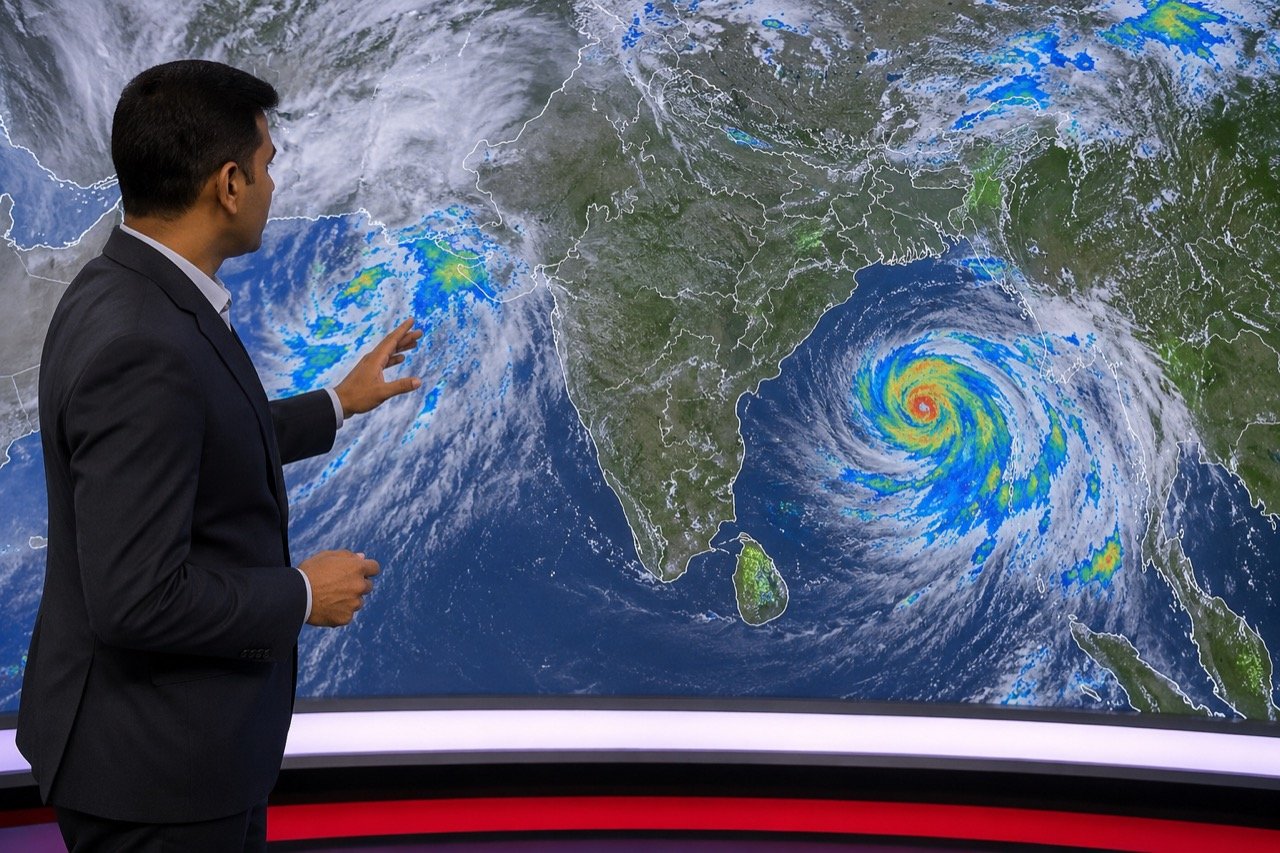
Bay of Bengal Low Pressure System Revives Monsoon Over Western India
A low-pressure system over the Bay of Bengal has pushed the monsoon back into an active phase, bringing steady heavy rain to Kerala, coastal Karnataka and Maharashtra, and putting Mumbai and Pune on preparedness watch.
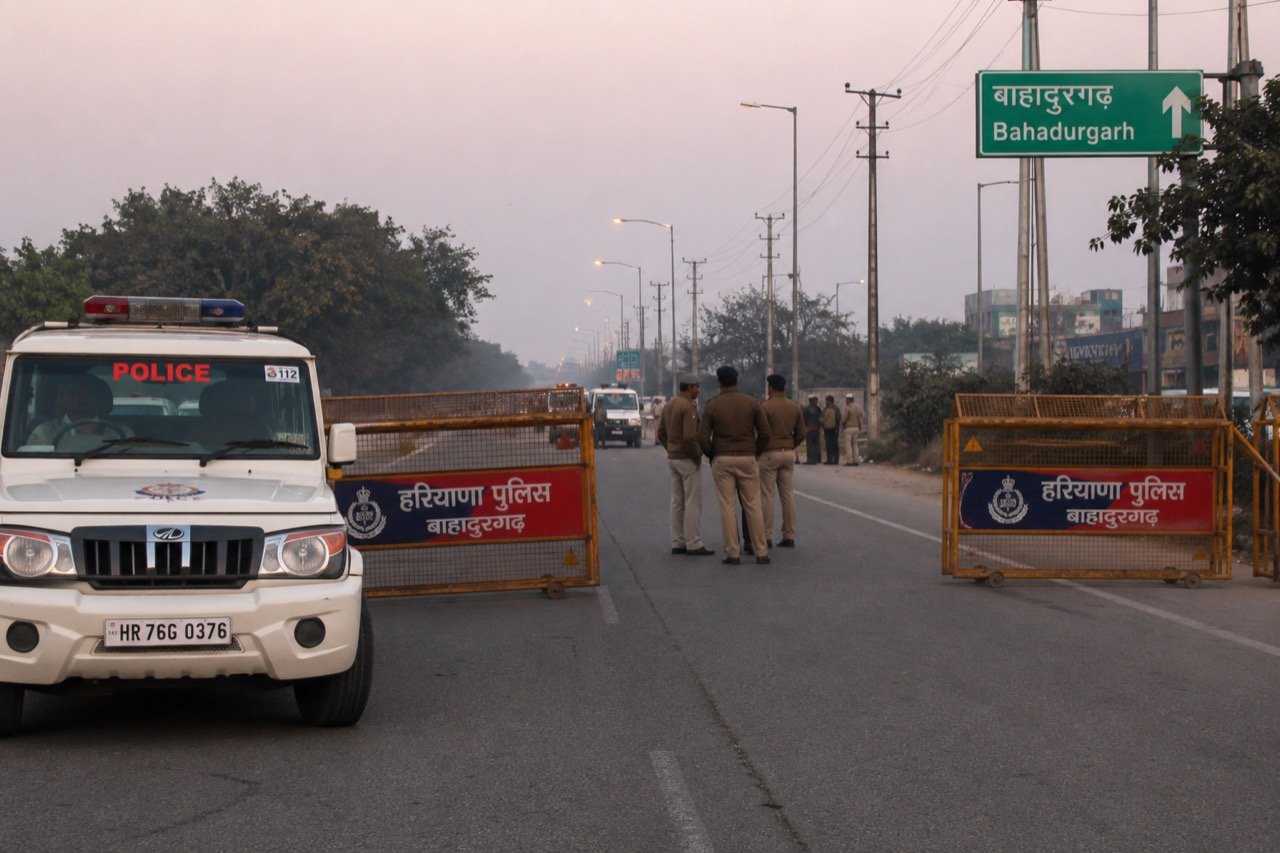
Bishnoi Gang Suspects Injured in Haryana Encounter as Police Tighten Net
A joint Haryana-Delhi Police operation in Bahadurgarh left two suspected Lawrence Bishnoi gang members injured, spotlighting the multi-state coordination now central to India's fight against organised crime networks.