CUET UG 2026 Final Answer Key Nears as Students Begin Scorecard Watch
With the NTA's CUET UG 2026 process entering its final answer-key and result phase, lakhs of candidates are tracking the official portal for scorecards that will shape undergraduate admissions nationwide.
Commentary & Analysis ·

The National Testing Agency's CUET UG 2026 process has entered its decisive phase, with the final answer key and result release now in sight. Candidates across the country are refreshing the official portal, aware that the documents about to be published will directly shape where, and whether, they secure undergraduate seats this year. For an examination cycle that touches lakhs of aspirants and their families, this narrow window between provisional scrutiny and final publication is where months of preparation meet the cold arithmetic of percentiles and cut-offs.
Why the answer key carries such weight
CUET UG is the common gateway to undergraduate admissions across central universities and a long list of participating institutions. It was designed precisely to replace a patchwork of separate entrance processes with a single, standardised test, which means that a very large number of admission decisions across the country now hinge on one shared set of answer keys and one shared scoring methodology. Because scores feed into normalised percentiles, even small revisions in the final answer key can shift a candidate's subject scores and overall standing. A change to a single contested question can move a percentile, and a moved percentile can alter which programmes and universities remain within reach. That is why the final key, rather than the provisional one, is the document that truly counts.
This is not a minor technical distinction. In a normalised, percentile-based system, the effect of any correction to the answer key is rarely confined to the students who attempted that particular question. Because percentiles are relative rankings, a shift in the score of even a modest number of candidates can ripple outward and marginally adjust the relative standing of everyone else in that shift or subject group. This is precisely why the provisional key exists as a checkpoint rather than a final word: it gives the testing agency room to examine objections, consult subject experts, and correct genuine errors before the number that actually decides admissions is locked in.
The objection window and its quiet importance
Between the provisional and final keys lies the objection or challenge window, a stage that receives far less public attention than the results themselves but that materially shapes them. It is during this period that candidates who believe a particular answer is incorrect, ambiguous, or open to more than one valid interpretation can formally flag it. The agency's response to these challenges, whether questions are dropped, alternative answers accepted, or objections rejected, is what ultimately produces the final key. For candidates, this makes the challenge window itself a moment worth taking seriously rather than treating as a formality, since it is one of the few points in the process where a legitimate grievance can still be corrected before scores are finalised.
Rely on the official portal, not viral claims
In the gap between the exam and the scorecard, unverified claims and screenshots tend to circulate widely on social media. This is a familiar pattern around any large, high-stakes examination: rumours about leaked keys, unofficial cut-off predictions, and forwarded messages purporting to reveal results early spread quickly precisely because anxious candidates are primed to seek any scrap of information ahead of the official timeline. The risk is not merely wasted attention. Acting on a false claim, whether by prematurely making counselling choices or by being misled about one's likely score, can have real consequences for decisions that are difficult to reverse. Students are best served by treating the official NTA portal as the only authoritative source for the answer key, scorecard and any objection or challenge window. Every other channel, however credible it may appear, should be treated as secondary at best until confirmed through the official source.
What comes after the scorecard
Releasing the scorecard is not the end of the journey. Each participating university runs its own counselling and admission process, with its own cut-offs and eligibility rules. This second layer of the process is often where confusion sets in for first-time applicants, who may assume that a CUET score automatically translates into a seat. In reality, the score is simply an input that each institution weighs according to its own criteria, which can vary considerably in terms of minimum eligibility thresholds, category-based reservations, and programme-specific requirements. Candidates should keep their application details ready and read each institution's criteria carefully before locking in choices. The practical burden this places on students and families is real: rather than a single unified admission moment, they face a sequence of institution-specific processes, each with its own portal, timeline and documentation requirements, all to be navigated in the weeks following the scorecard release.
The immediate next step is the scorecard release, followed by the separate admission processes that participating institutions will run on their own timelines. For students, calm and careful tracking of official notifications, rather than reaction to rumour, will be the most reliable guide through the weeks ahead. Given how much rides on precise details, such as application numbers, category certificates and identity documents, keeping this paperwork organised in advance is a small but meaningful way for candidates to reduce the risk of avoidable errors during counselling.
The stakes for the agency, not just the students
While the candidate experience is the most immediate concern, the agency running the process has its own stake in how smoothly this phase unfolds. A centralised, common entrance test consolidates enormous responsibility into a single body's hands: it is not simply administering one examination but effectively gatekeeping admission pathways for a very large share of the country's undergraduate central university seats. That concentration of responsibility means that any glitch, delay or perceived unfairness in the answer-key or scorecard process does not stay contained to a small pocket of candidates; it becomes a matter of national scrutiny, given how many families are simultaneously watching the same portal for the same set of documents.
The NE Times View
For lakhs of families, the answer-key and result phase is the anxious end of a year of preparation, and the NTA's credibility rides on a clean, glitch-free finish after past examination controversies. Smooth delivery here is not a courtesy but the minimum. A centralised admissions test concentrates risk, so transparency on answer-key objections and grievance redressal matters as much as the scores themselves; trust, once dented, is slow to rebuild. Every examination cycle that passes without major controversy adds to that trust; every cycle marked by disputes over keys, delays, or opaque grievance handling erodes it further, and the cumulative effect of that erosion is a public that approaches each new CUET cycle with more scepticism than the last. The agency's task in the coming weeks, then, is not only to publish the correct numbers but to be seen doing so through a process that candidates and their families can trust without needing to double-check it against rumour.
Key takeaways
- The final answer key, not the provisional one, determines actual scores, so candidates should wait for it before drawing firm conclusions about their prospects.
- Because CUET UG scores are normalised into percentiles, even limited corrections to the answer key can shift standings more broadly than they might first appear to.
- The official NTA portal remains the only reliable source for the answer key, scorecard and objection window; social media claims should not be trusted.
- A scorecard is only the midpoint of the admissions journey, since each participating university applies its own separate cut-offs and counselling procedures.
- Given the NTA's history of examination controversies, transparency in handling objections and grievances is essential to maintaining public trust in the process.
You may also like to read

CUET UG 2026 Results Declared After Final Answer Key Drops Seven Questions
The NTA has declared CUET UG 2026 results, letting lakhs of candidates download scorecards as central and participating universities prepare to run their own admission and cut-off processes.
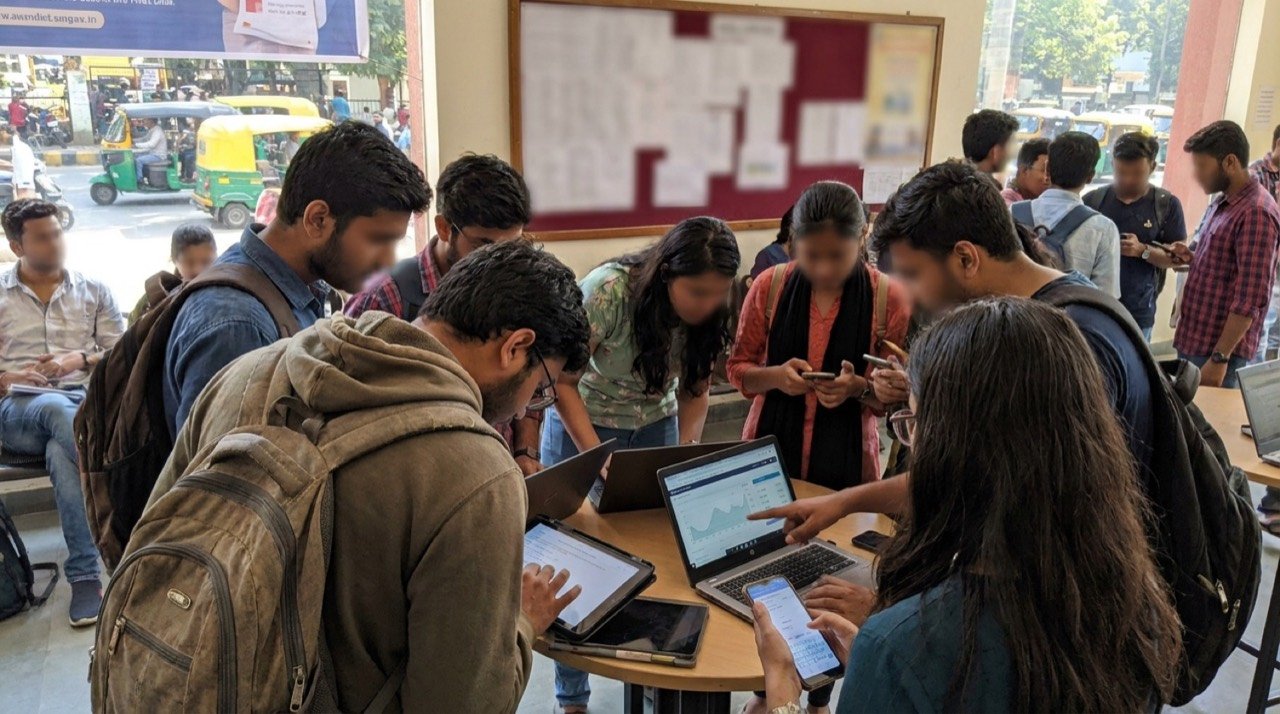
CUET UG 2026 Results: 3,214 Candidates Score Perfect 100 Percentile in a Subject
The NTA has declared CUET UG 2026 results, with 3,214 candidates hitting a 100 percentile in one subject as the exam's reach across cities, languages and universities continues to widen.

CUET UG 2026 Results Out: Admissions Race Begins Across 250+ Universities
The NTA has declared CUET UG 2026 results, with 3,214 candidates scoring a 100 percentile in at least one subject, kicking off cut-offs and counselling at more than 250 universities nationwide.
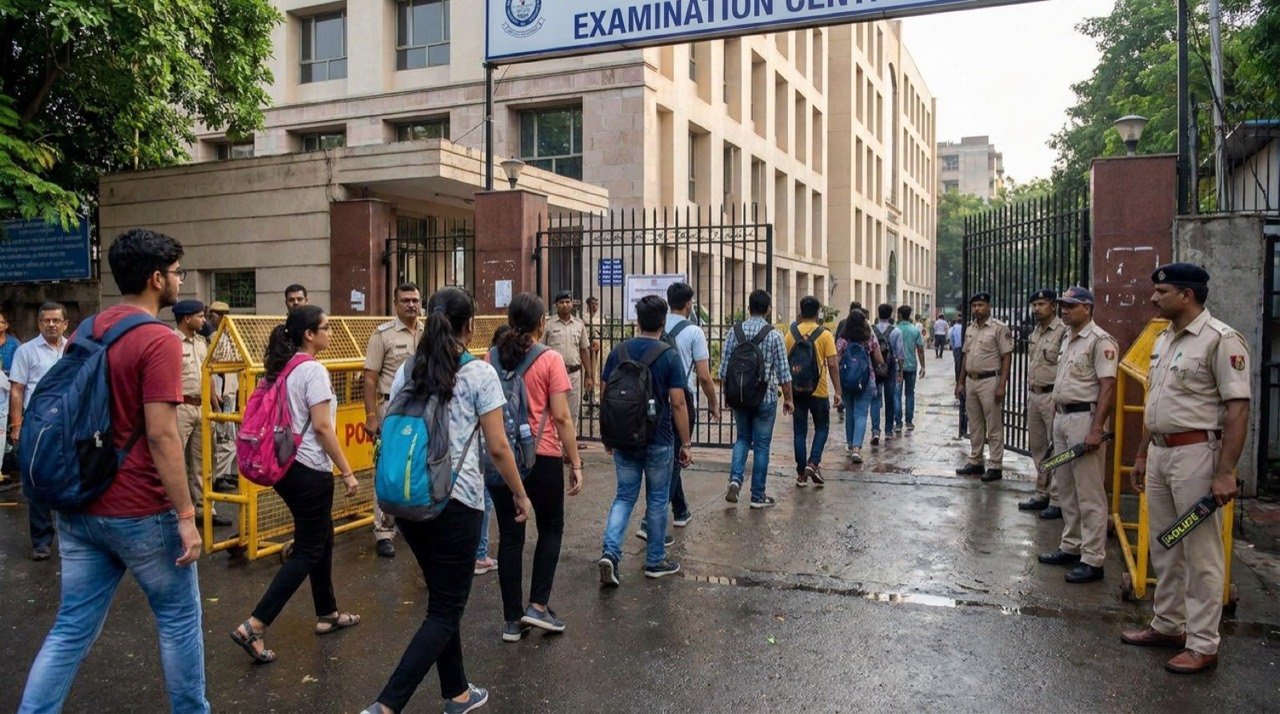
NTA Says NEET-UG 2026 Re-Exam Was Error-Free After Tight Security Checks
The National Testing Agency has declared the NEET-UG 2026 re-examination flawless, citing biometric and facial authentication, as it works to rebuild trust among lakhs of medical aspirants.
More from this section
More
AICTE Industry Fellowship 2026: Rs 1.5 Lakh Scheme Closes July 5
The AICTE Industry Fellowship Programme 2026, which places technical-education faculty inside leading companies on a Rs 1.5 lakh monthly stipend, reached its application deadline on July 5.
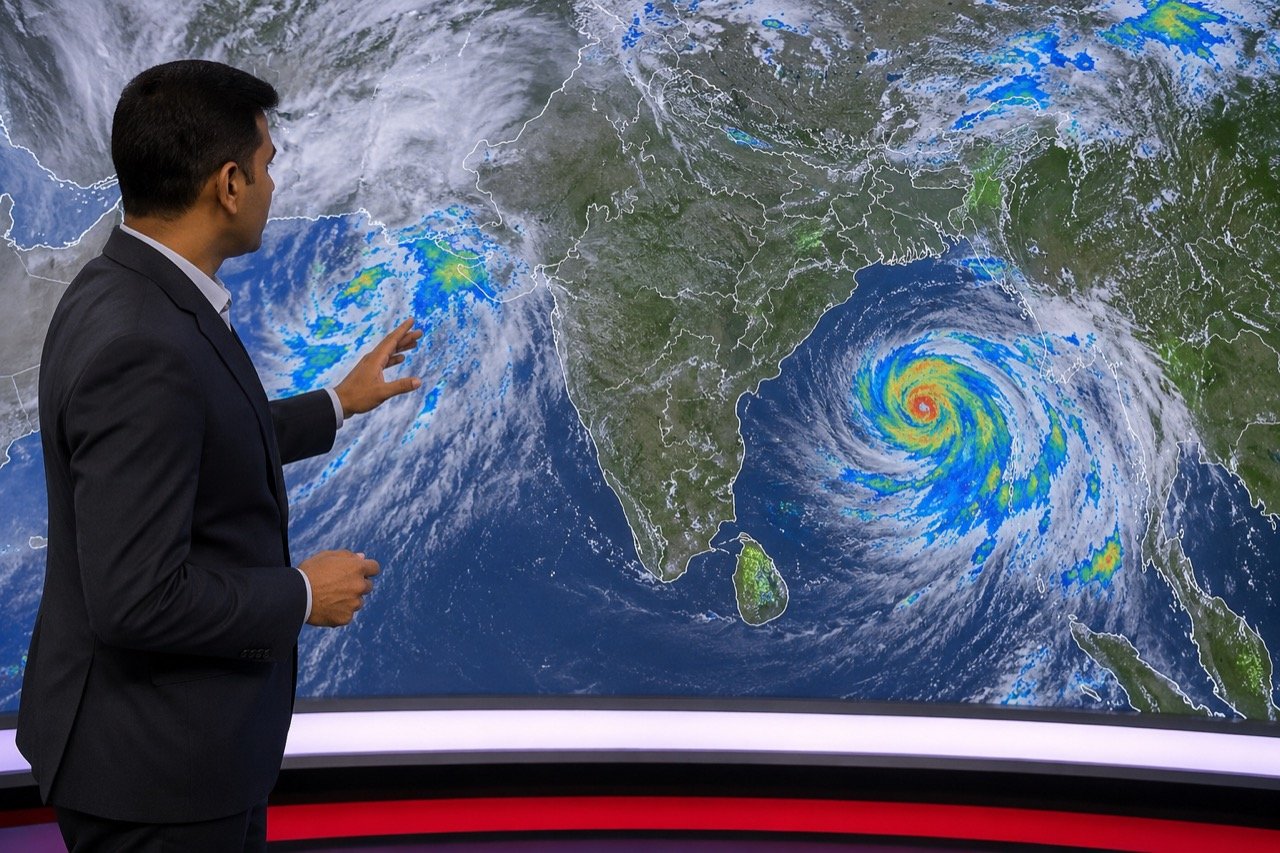
Bay of Bengal Low Pressure System Revives Monsoon Over Western India
A low-pressure system over the Bay of Bengal has pushed the monsoon back into an active phase, bringing steady heavy rain to Kerala, coastal Karnataka and Maharashtra, and putting Mumbai and Pune on preparedness watch.
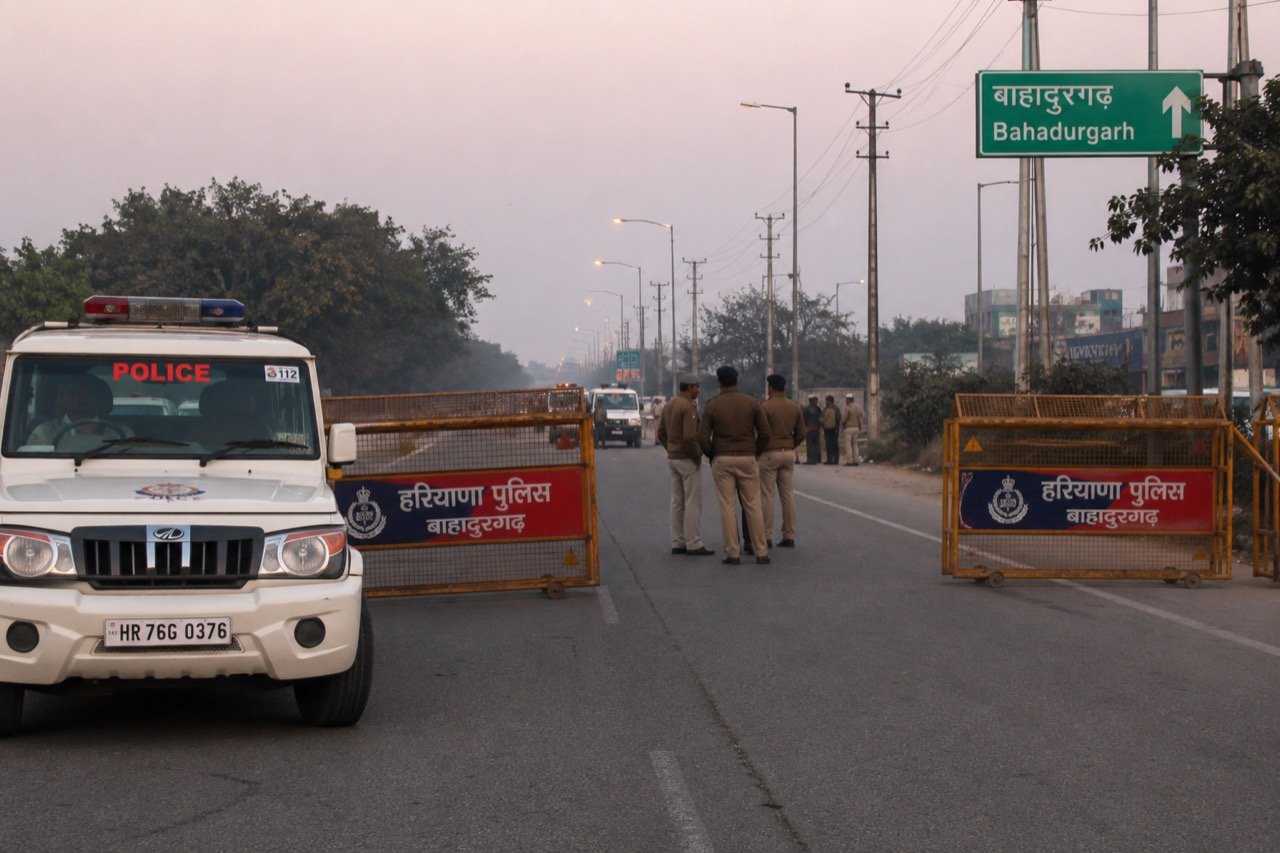
Bishnoi Gang Suspects Injured in Haryana Encounter as Police Tighten Net
A joint Haryana-Delhi Police operation in Bahadurgarh left two suspected Lawrence Bishnoi gang members injured, spotlighting the multi-state coordination now central to India's fight against organised crime networks.