Anand IELTS-TOEFL Proxy-Test Racket Exposes India's Exam-Integrity Challenge
Gujarat Police have arrested a man over a suspected IELTS and TOEFL proxy-test racket in Anand, reviving concerns about impersonation, forged documents and fraud in India's overseas-education pipeline.
Commentary & Analysis ·
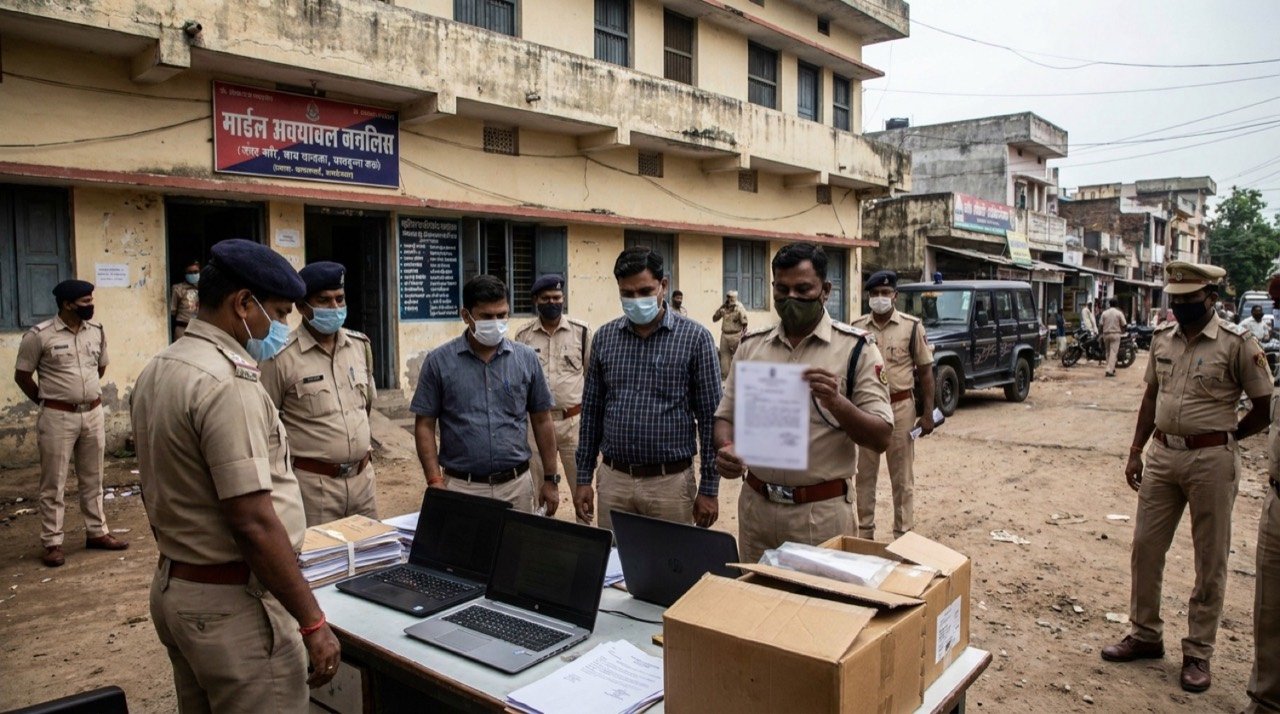
Police in Gujarat's Anand district have arrested one person in a suspected IELTS and TOEFL proxy-test racket, according to current reports. On its face, this is a modest local development: one accused, one district, one case file. But the arrest points to a problem that is national in scope: the persistent vulnerability of high-stakes English-proficiency tests that anchor India's vast overseas-education pipeline. Every year, hundreds of thousands of Indian students sit IELTS and TOEFL examinations as a gateway to universities and visas abroad, and the sheer scale of that pipeline is precisely what makes the underlying testing infrastructure an attractive target for manipulation.
A familiar pattern of exam fraud
The mechanics alleged in Anand are not new to India's exam-integrity landscape. IELTS and TOEFL scores open doors to foreign universities and visas, which is exactly why they have, at times, become focal points for impersonation, forged documents and organised fraud routed through coaching centres and intermediaries. A proxy-test racket typically involves someone else sitting the examination, or otherwise manipulating the process, on behalf of a paying candidate who could not achieve the required band score on their own merit. The Anand case fits that familiar pattern, and it raises an uncomfortable but necessary question: is this a single arrest reflecting an isolated act of opportunism, or is it the visible edge of a larger, more organised operation that has simply not yet been fully mapped by investigators?
That question matters because the two scenarios call for very different responses. An isolated act might be handled adequately through a single prosecution. An organised racket, by contrast, implies a supply chain of enablers, recruiters and possibly complicit staff, and would demand a systemic response rather than a one-off enforcement action. India has, in the past, seen education and visa-adjacent frauds of both varieties, from lone document forgers to coordinated networks operating across multiple cities. Until the investigation in Anand runs its full course, it would be premature to assume either extreme.
What investigators must establish
Investigators will need to determine whether the accused acted alone or as part of a wider network involving candidates, intermediaries or testing-centre staff. This is the central evidentiary task ahead. The presence of facilitators or insiders, people embedded within the testing ecosystem itself, would point to a far more entrenched problem than a lone offender exploiting a one-off gap in verification. Tracing the chain, from the candidate who allegedly sought a proxy, through any middlemen who arranged the substitution, to the person who is accused of actually sitting or manipulating the test, will shape both the prosecution and any preventive lessons that follow.
This kind of chain-tracing is often the hardest part of such investigations. Proxy-test arrangements, almost by design, rely on discretion and plausible deniability at every link. Candidates may claim ignorance of how a score was achieved; intermediaries may operate through informal cash transactions that leave little paper trail; and any complicit staff at testing centres would have strong incentive to conceal their involvement. Gujarat police will need cooperation from testing bodies and, potentially, from immigration and university authorities abroad if the fraudulent scores have already been used in active applications.
The stakes for students
For students, and particularly for the many young Indians whose families invest significant savings into overseas-education ambitions, the warning embedded in this case is direct. Fraudulent scores can damage visa applications, jeopardise university admissions and inflict lasting harm on personal credibility, with consequences that can surface years later, long after a degree is completed or a career has begun. A shortcut taken once, whether by a desperate candidate or a family under pressure to secure a foreign placement, can unravel an entire study-abroad plan retroactively, since immigration and academic authorities routinely retain the right to review and revoke credentials obtained fraudulently.
There is also a quieter, less discussed cost: the erosion of trust that any single fraud case inflicts on the wider applicant pool. When foreign universities or visa officers become aware of scandals involving Indian test centres, the scrutiny applied to all Indian applicants tends to increase, even those who have earned their scores honestly through years of preparation. In that sense, a proxy-test racket does not merely victimise the institutions being deceived; it imposes a diffuse tax on every genuine applicant who must now contend with heightened suspicion.
What this means for testing institutions and authorities
For authorities, the Anand case underlines the need for stronger biometric checks, secure test-centre monitoring, data-sharing with examination bodies and strict action against agents who mislead applicants. Biometric verification, already used to varying degrees across testing centres, needs to be applied with consistency and rigour if it is to close the gap that proxy arrangements exploit. Equally important is the question of data-sharing: if testing bodies, visa-issuing authorities and Indian law enforcement do not exchange information promptly, fraudulent scores can continue circulating through the pipeline even after a case like Anand's becomes public.
Coaching centres and education agents occupy an especially delicate position in this landscape. Many operate legitimately and provide real value to students preparing for these exams. But the same networks of coaching centres and intermediaries that support honest preparation can, in a minority of cases, become conduits for exactly the kind of fraud alleged in Anand. Distinguishing between the two, and holding accountable those agents who cross the line into facilitating impersonation or forged documentation, is a task that will require sustained regulatory attention rather than episodic crackdowns.
A local case, a national challenge
Anand's case may be local, but the integrity challenge it exposes is national, and addressing it will require coordination far beyond a single district police station. India's position as one of the largest source countries for international students gives it a particular stake in ensuring its testing infrastructure is seen as trustworthy by the destination countries and universities that rely on IELTS and TOEFL scores to make admissions and visa decisions. Any perception that Indian test results are unreliable carries consequences that extend well beyond the individuals directly involved in a given fraud case.
The NE Times View
A single arrest in Anand points at a larger industry built on impersonation and forged scores. The damage runs both ways: it cheats foreign universities and tarnishes the genuine majority of Indian applicants who earn their bands honestly. The fix is not more raids alone but tamper-proof biometric verification at test centres and swift consequences for the agents who orchestrate this. Exam integrity is reputational infrastructure for a country exporting talent, and every unresolved case chips away at that infrastructure a little further. Sustained, systemic reform, rather than episodic enforcement, is what will ultimately protect both the credibility of Indian applicants and the country's standing as a dependable source of international students.
Key takeaways
- One person has been arrested in Anand, Gujarat, over an alleged IELTS and TOEFL proxy-test racket.
- Investigators must establish whether the case involves a lone offender or a wider network of candidates, intermediaries and possibly testing-centre insiders.
- Fraudulent scores carry serious personal risks for students, including damaged visa applications, jeopardised admissions and long-term harm to credibility.
- Systemic fixes, including tamper-proof biometric verification, secure monitoring and stricter data-sharing between authorities and testing bodies, are needed beyond individual prosecutions.
- Exam integrity functions as reputational infrastructure for India's overseas-education pipeline, and lapses affect honest applicants as much as institutions.
You may also like to read
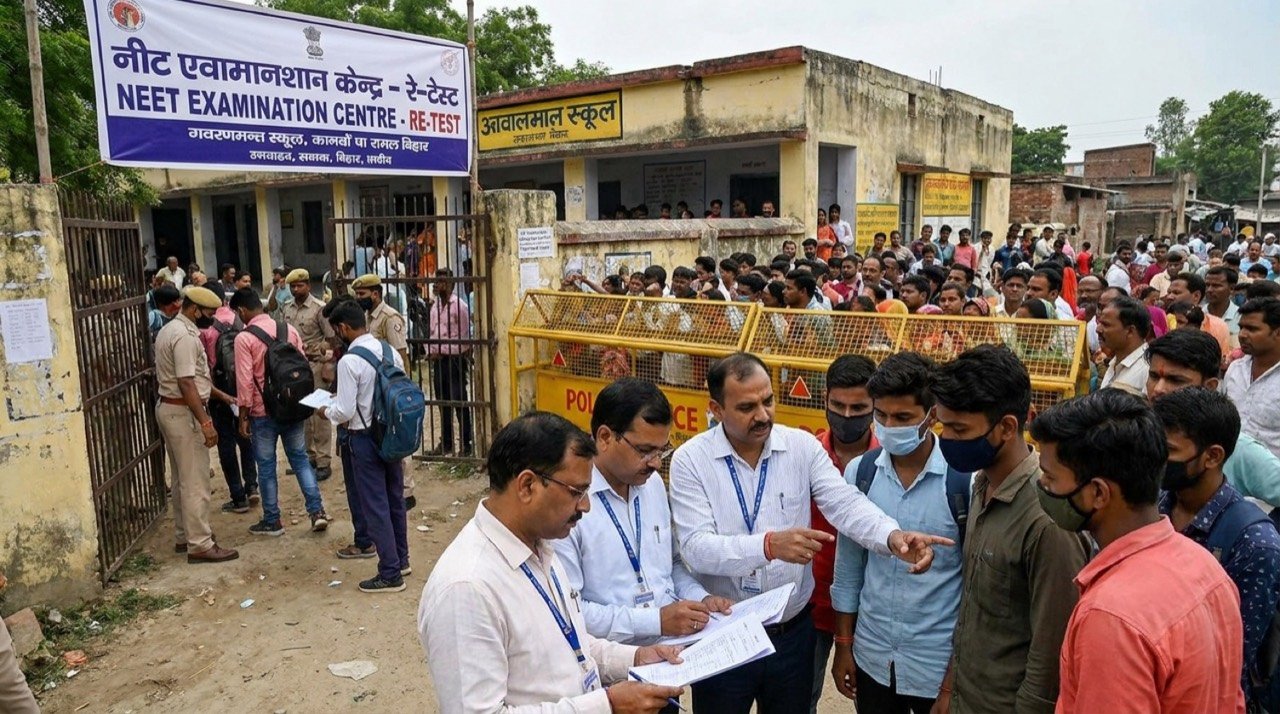
Bihar NEET Re-Test Arrests Expose Alleged Dummy Candidate Racket
Police in Bihar's Lakhisarai district have arrested 30 people over alleged impersonation during the NEET-UG 2026 re-test, citing fake Aadhaar cards and the involvement of biometric verification staff.
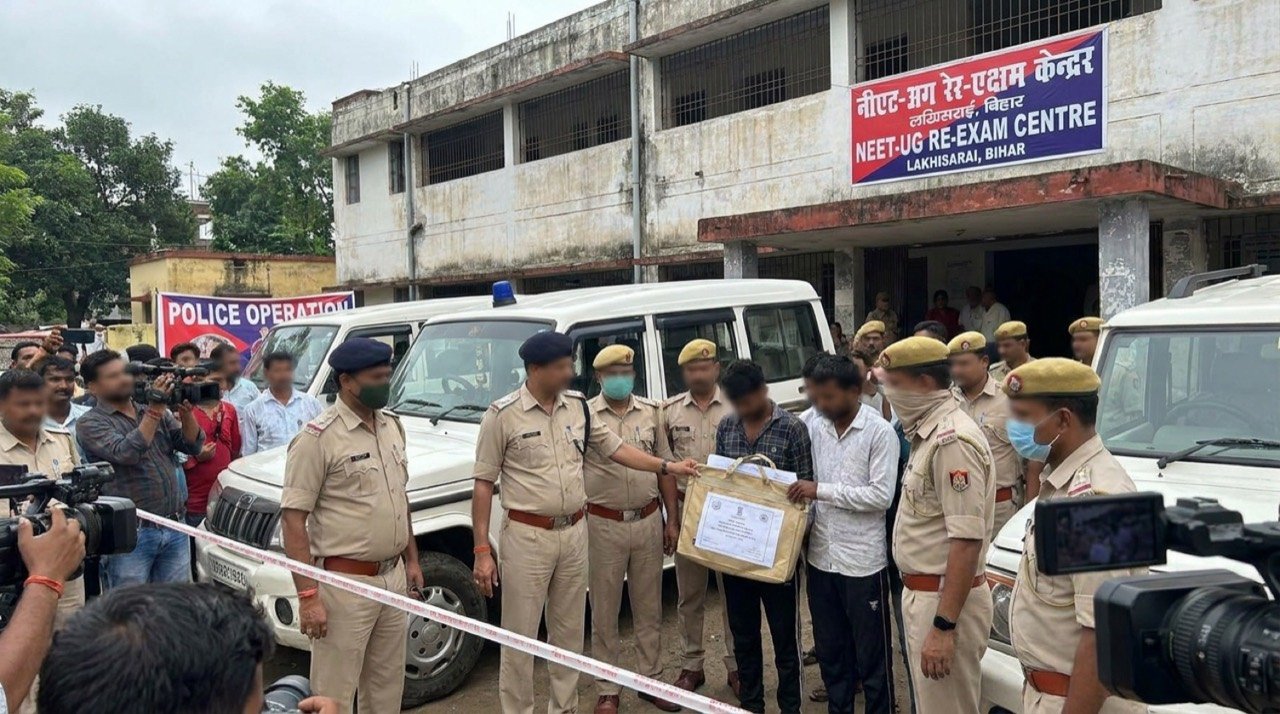
Bihar Police Arrest 30 in NEET-UG Re-Exam Cheating Racket at Lakhisarai
Bihar Police say they busted a NEET-UG re-exam cheating racket in Lakhisarai, arresting 30 people including nine impersonators, with deals of up to Rs 12 lakh allegedly struck.
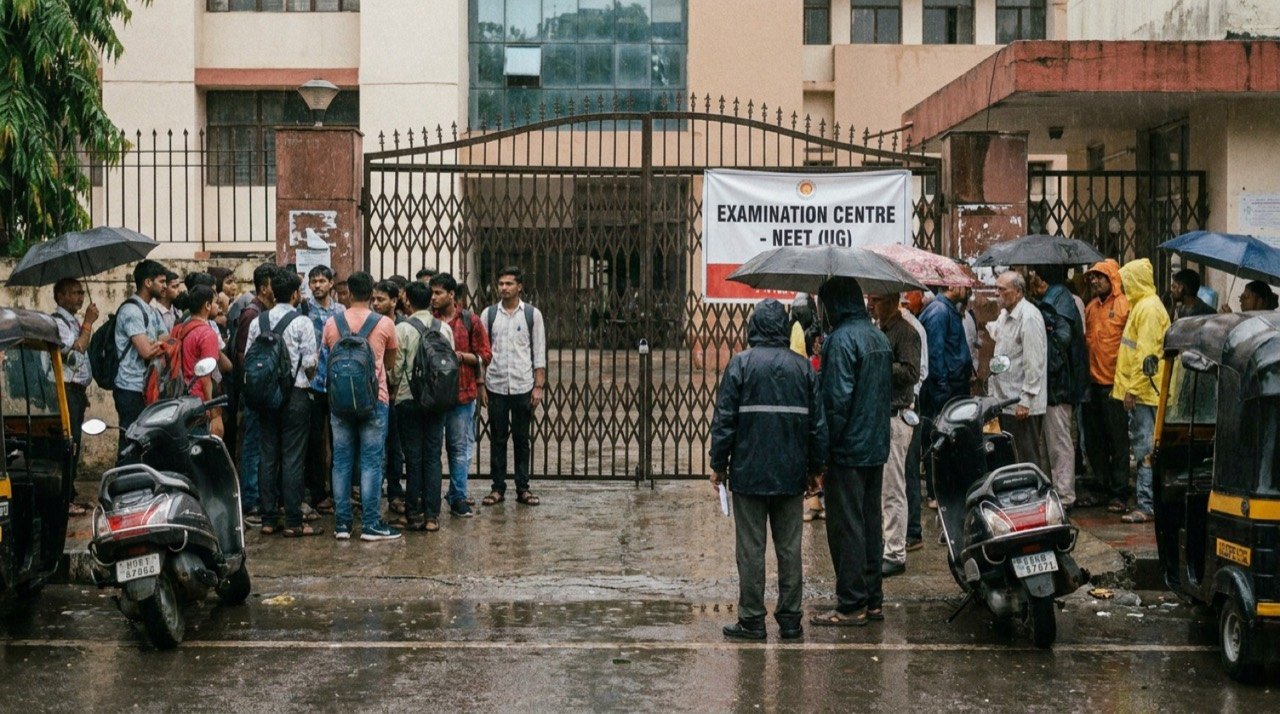
NEET Re-Test Gate Closures Revive Debate Over Exam Fairness
Students turned away minutes late at the NEET re-test have reignited a hard question for India's high-stakes exams: how should rigid rules and uniform deadlines accommodate real-life disruption?

Brahmapur-Udhna Amrit Bharat Express Goes Daily, Boosting Odisha Link
The Brahmapur-Udhna Amrit Bharat Express is set to run every day, giving passengers travelling between Odisha and Gujarat a more dependable and affordable long-distance rail option for work, study and family journeys.
More from this section
More
AICTE Industry Fellowship 2026: Rs 1.5 Lakh Scheme Closes July 5
The AICTE Industry Fellowship Programme 2026, which places technical-education faculty inside leading companies on a Rs 1.5 lakh monthly stipend, reached its application deadline on July 5.
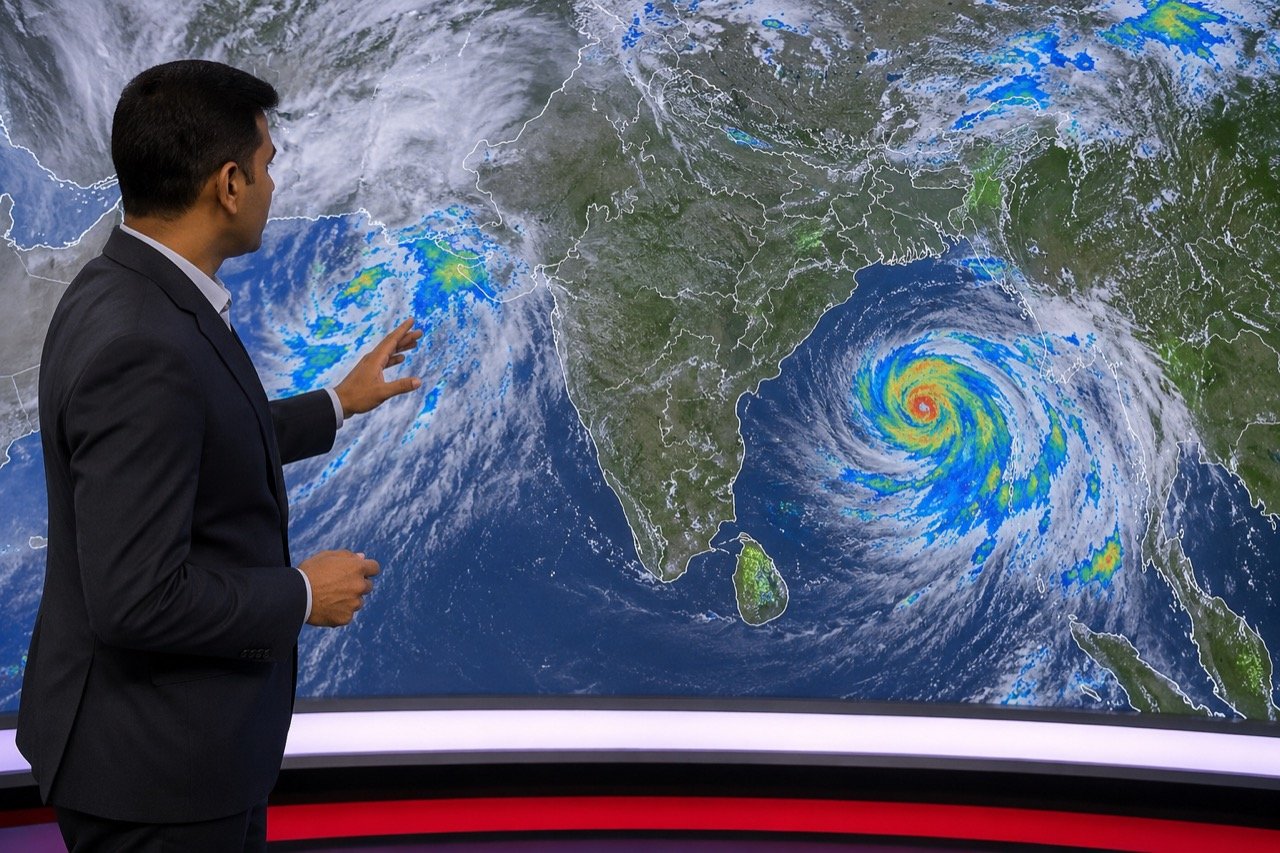
Bay of Bengal Low Pressure System Revives Monsoon Over Western India
A low-pressure system over the Bay of Bengal has pushed the monsoon back into an active phase, bringing steady heavy rain to Kerala, coastal Karnataka and Maharashtra, and putting Mumbai and Pune on preparedness watch.
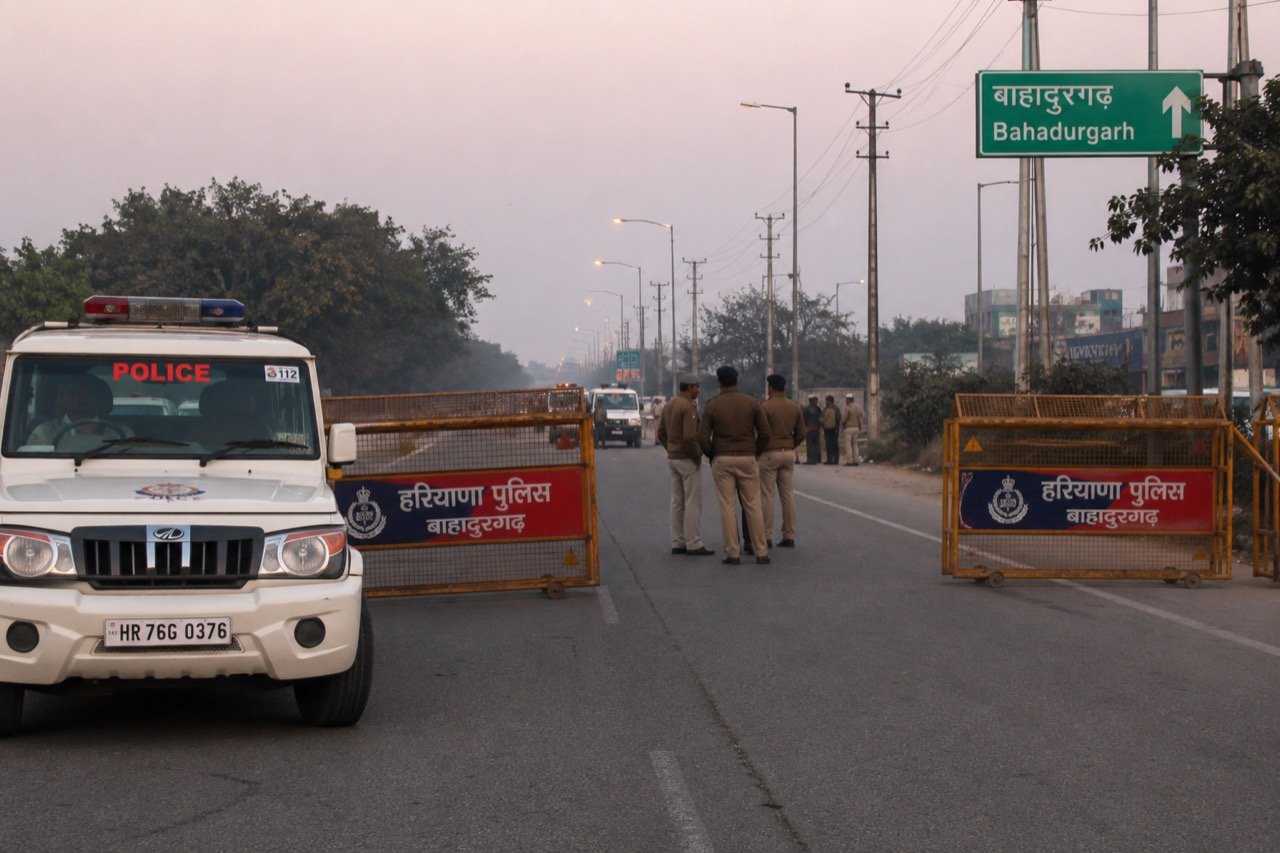
Bishnoi Gang Suspects Injured in Haryana Encounter as Police Tighten Net
A joint Haryana-Delhi Police operation in Bahadurgarh left two suspected Lawrence Bishnoi gang members injured, spotlighting the multi-state coordination now central to India's fight against organised crime networks.