Lohagad Fort Death Probe Widens as Police Examine Conspiracy Angle
The investigation into a death near Maharashtra's Lohagad Fort has widened, with police tracing phone records and suspect movements to determine whether the case was a planned conspiracy rather than a sudden dispute.
Commentary & Analysis ·
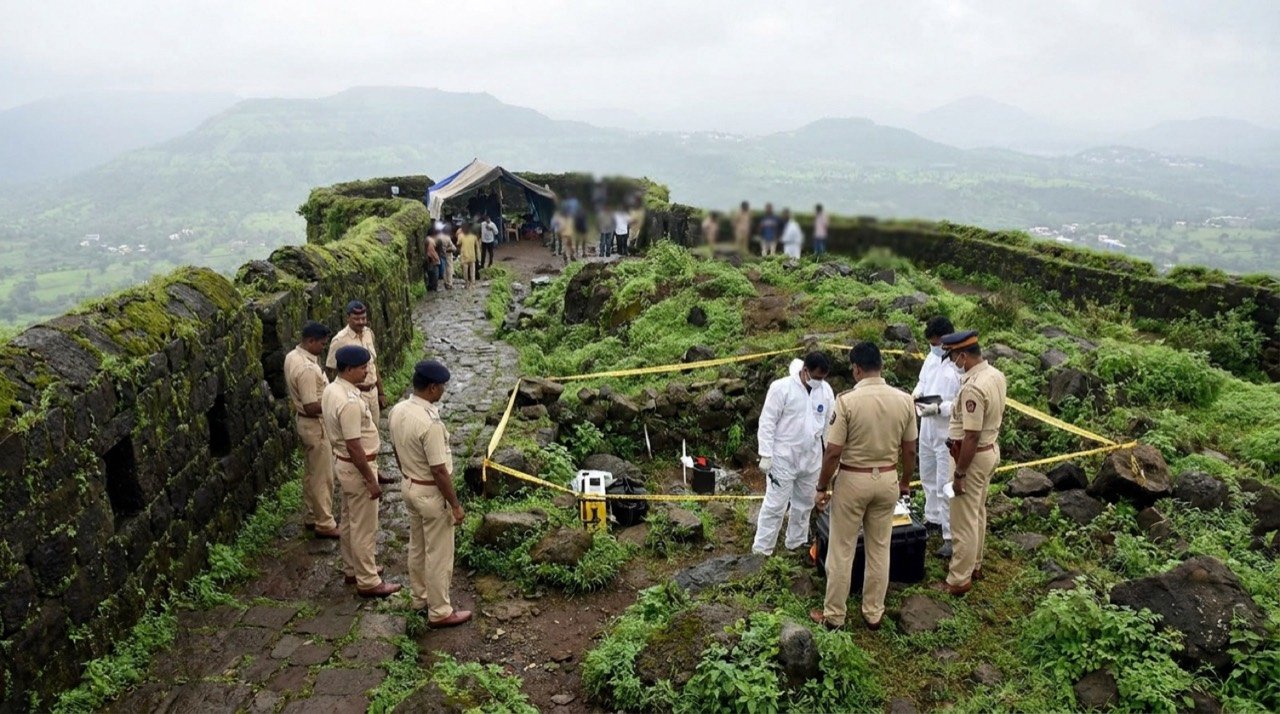
The investigation into a death near Lohagad Fort in Maharashtra has widened, as police examine whether the incident was part of a planned conspiracy rather than a sudden, spur-of-the-moment dispute. Investigators are reported to be tracing the movements of suspects, scrutinising phone records and mapping possible links among those involved after the victim was found in the hill-fort area near Pune. The shift in framing, from an impulsive quarrel to a possible premeditated act, is not a minor procedural adjustment. It changes the entire architecture of the case, the kind of evidence that will matter most, and ultimately the charges that could be brought if the theory holds up.
How the probe is developing
The move toward a conspiracy angle marks a significant turn in the case. Rather than treating the death as an isolated confrontation born of anger or circumstance, police are building a timeline from digital evidence, including call-data records and location traces, to establish whether the suspects coordinated their actions before and after the incident. This is a meaningful escalation in investigative rigour. A spontaneous dispute requires little more than establishing who was present and what triggered the flashpoint. A conspiracy, by contrast, demands proof of planning, communication and intent stretching back before the act itself, which is precisely why investigators are now poring over call records and movement data rather than relying solely on eyewitness accounts from the scene.
Officials are expected to lean heavily on forensic findings, digital evidence and witness statements before presenting a fuller account. At this stage, investigators have stressed the importance of verified facts over early speculation, a caution that is well warranted. Conspiracy cases are notoriously difficult to prove in court precisely because they require investigators to reconstruct intent and coordination rather than simply establishing physical cause and effect. Any gap in the digital trail, any unexplained inconsistency in call timings or location pings, can be seized upon by defence counsel to undermine the entire theory. That is likely why officials have been careful not to commit publicly to a firm narrative before the underlying evidence is fully assembled and cross-checked.
A heritage site in the spotlight
Lohagad is a popular trekking and tourist destination, which has amplified public attention to the case. Its accessibility from Pune, combined with its historical significance as a hill fort, means it draws a steady stream of visitors across weekends and holidays, many of them travelling from nearby cities for a day trip rather than a planned expedition. That popularity is precisely what makes a death at such a site so unsettling to the public, and why it has drawn scrutiny well beyond what a similar incident in a less-visited location might receive.
Crimes in remote heritage and hill-fort locations raise difficult questions about safety, surveillance and the reach of policing in areas that draw large numbers of visitors but have limited permanent security infrastructure. Unlike urban crime scenes, which are typically ringed by CCTV networks, mobile-tower density and a visible police presence, heritage trekking sites often rely on natural terrain, sparse signage and periodic patrols. This creates gaps that can be exploited, whether by opportunistic actors or, if the conspiracy theory bears out, by those who may have selected such a location precisely because of its relative isolation. The case therefore sits at the intersection of two separate public concerns: the specific circumstances of one death, and the broader adequacy of safety arrangements at heritage and tourism sites across the state.
What investigators must establish
The central task now is to separate verified facts from rumour while ensuring the victim's family receives clear answers. Establishing motive, confirming the sequence of events and corroborating digital leads with physical and forensic evidence will be essential to any charge that the death was the result of a conspiracy. Police are examining whether the death was a planned conspiracy. Investigators are tracing suspect movements and phone records. The victim was found in the Lohagad hill-fort area near Pune. Forensic findings and witness statements are expected to shape the case.
Each of these strands must ultimately converge rather than merely coexist. Phone records alone can show that individuals were in contact or in proximity to one another, but they cannot by themselves establish what was discussed or intended. Forensic findings from the scene can help fix the sequence of events but say little about premeditation. Witness statements, meanwhile, are often the most immediately available evidence but also the most vulnerable to memory lapses, bias or pressure over time. A conspiracy charge that will withstand judicial scrutiny needs all three strands, digital, forensic and testimonial, to tell a consistent story. Any single strand pursued in isolation risks producing a case that looks compelling in public statements but collapses once tested against the standards of proof required in court.
The wider stakes for policing and public trust
The incident has renewed concern over safety at remote heritage sites, a concern that extends well beyond the immediate parties to this case. Families who plan weekend treks to forts like Lohagad, tour operators who bring groups to such sites, and local administrations responsible for tourism promotion all have a stake in how this investigation concludes and what follow-on measures, if any, are proposed. If the conspiracy theory is confirmed, it may prompt renewed conversation about whether such sites need better lighting, patrolling schedules, mobile coverage or emergency response mechanisms, even though the specific circumstances here appear to involve a targeted act rather than a random assault on a visitor. Conflating the two risks producing policy responses that do not actually address the underlying problem.
There is also a public-trust dimension. A specialist quoted on the case observed that "in cases like this, the digital trail often tells the story before the forensics confirm it, but neither can be rushed." That caution cuts against the pressure investigators inevitably face in a high-profile case, pressure to produce an early, tidy narrative that satisfies public curiosity even before the underlying evidence has been fully tested. Resisting that pressure, while still keeping the victim's family informed of the pace and direction of the inquiry, is a difficult balance for any investigating team, but it is the only route to a version of events that can survive scrutiny in a courtroom rather than only in headlines.
The NE Times View
Police widening the probe to test for conspiracy is the right instinct; jumping to a "sudden quarrel" conclusion too early is how cases unravel in court. The reliance on phone records and movement tracing reflects how digital evidence now anchors serious investigations, often doing more to establish a credible timeline than physical evidence alone ever could. The danger is the opposite extreme, manufacturing a conspiracy narrative to fit a sensational death, particularly given the intense public interest a case at a well-known heritage site inevitably attracts. A methodical, evidence-led inquiry, not headlines, should decide what happened here, and the outlook depends entirely on the strength of the evidence investigators assemble in the coming weeks. For now, police have urged patience as the inquiry proceeds toward a verified account, and that patience is warranted rather than a sign of drift.
Key takeaways
- Investigators have shifted from treating the Lohagad Fort death as a spontaneous dispute to examining it as a possible planned conspiracy, a change that raises the evidentiary bar considerably.
- The case is being built on a combination of call-data records, location traces, forensic findings and witness statements, each of which must corroborate the others for any conspiracy charge to hold.
- Lohagad's popularity as a trekking and tourist destination near Pune has intensified public attention and revived broader questions about safety and security infrastructure at heritage sites.
- Officials have deliberately avoided premature conclusions, stressing verified facts over speculation, a caution that reflects how easily conspiracy cases can unravel under judicial scrutiny.
- The eventual outcome will hinge on whether digital, forensic and testimonial evidence converge into a single consistent account rather than a narrative assembled to fit public expectation.
You may also like to read
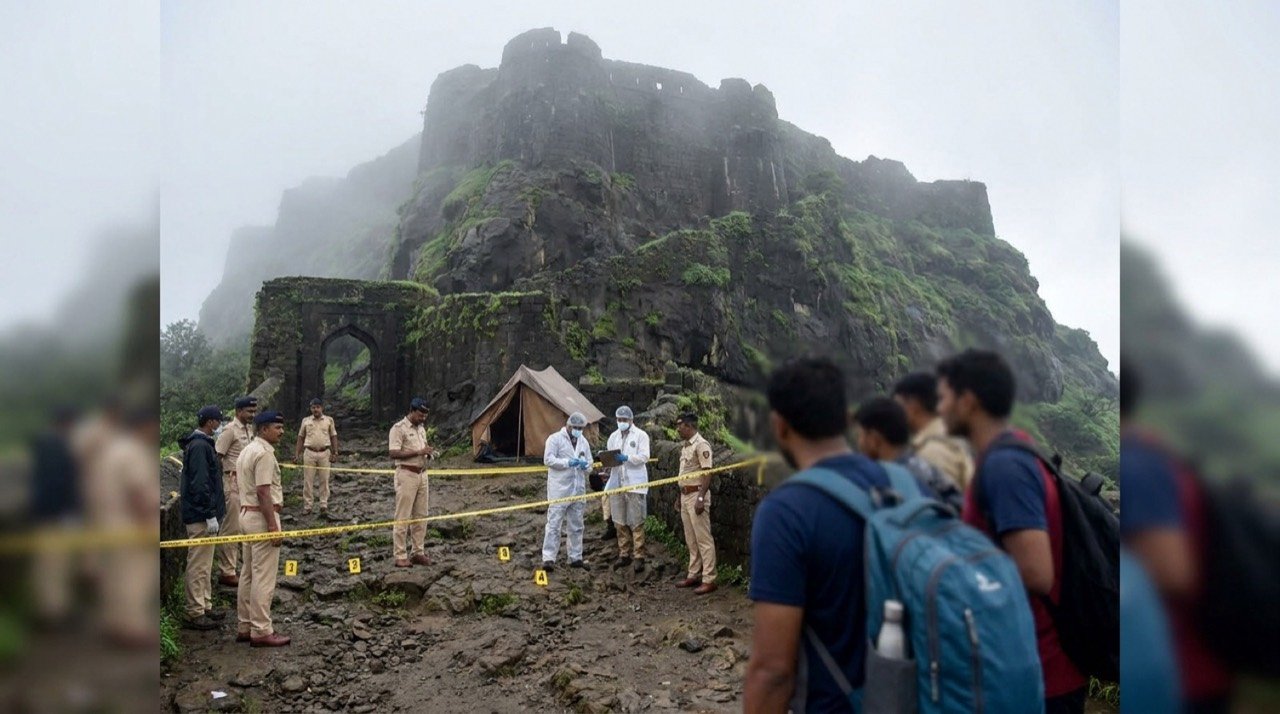
Lohagad Fort Death Near Pune Turns Into Murder Probe After Two Arrests
A fall at the popular Lohagad Fort trekking site, first treated as an accident, has become a murder investigation after Pune police arrested the victim's fiancee and an alleged associate.
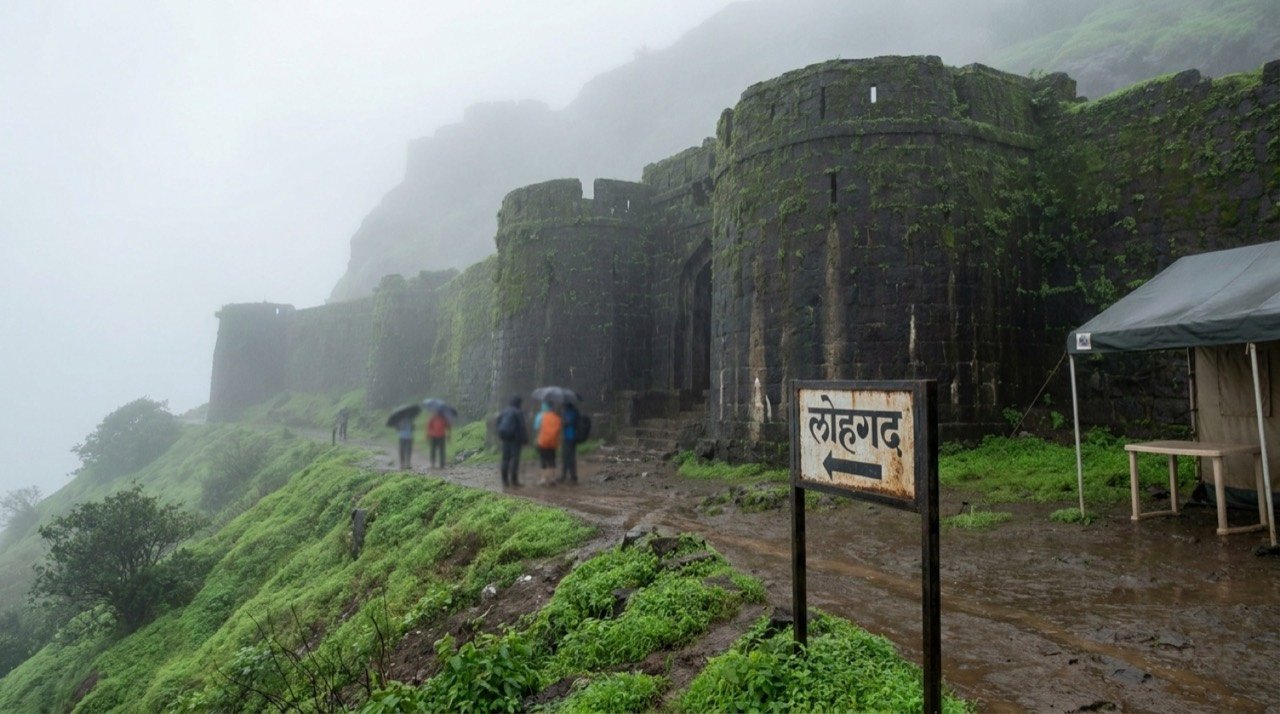
Pune Lohagad Trek Death Turns Into Murder Probe As Fiancée, Friend Arrested
Police arrested a Pune businessman's fiancée and her friend after fresh evidence reframed his fatal fall at Lohagad Fort from an accident into a suspected murder investigation.

India Presses Venezuela to Probe Seafarer's Death, Organ Claims
New Delhi has asked Venezuelan authorities to investigate the death of an Indian seafarer amid disturbing claims of missing organs, putting consular protection for maritime workers abroad under sharp scrutiny.
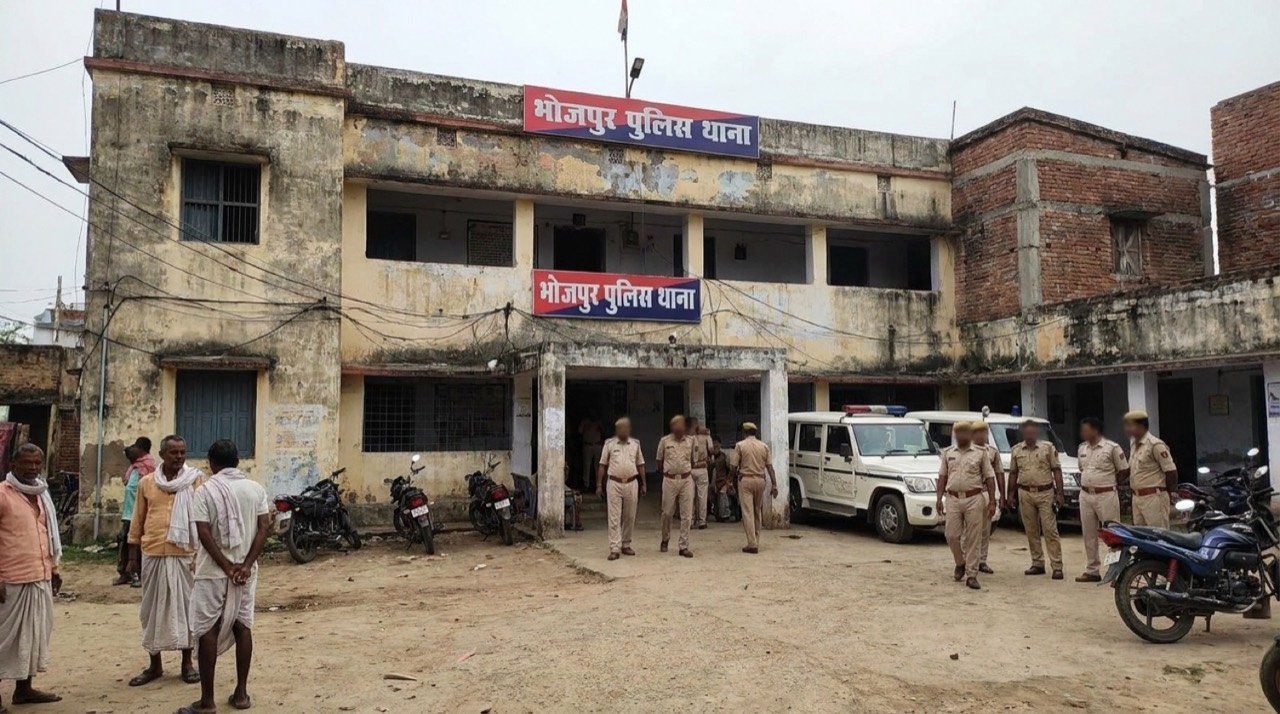
FIR Names Bihar Police Officers in Bharat Tiwari Encounter Death
An FIR filed by Bharat Bhushan Tiwari's mother names Bhojpur police personnel over his June 17 encounter death, as Bihar orders a judicial inquiry and the family disputes the self-defence account.
More from this section
More
AICTE Industry Fellowship 2026: Rs 1.5 Lakh Scheme Closes July 5
The AICTE Industry Fellowship Programme 2026, which places technical-education faculty inside leading companies on a Rs 1.5 lakh monthly stipend, reached its application deadline on July 5.
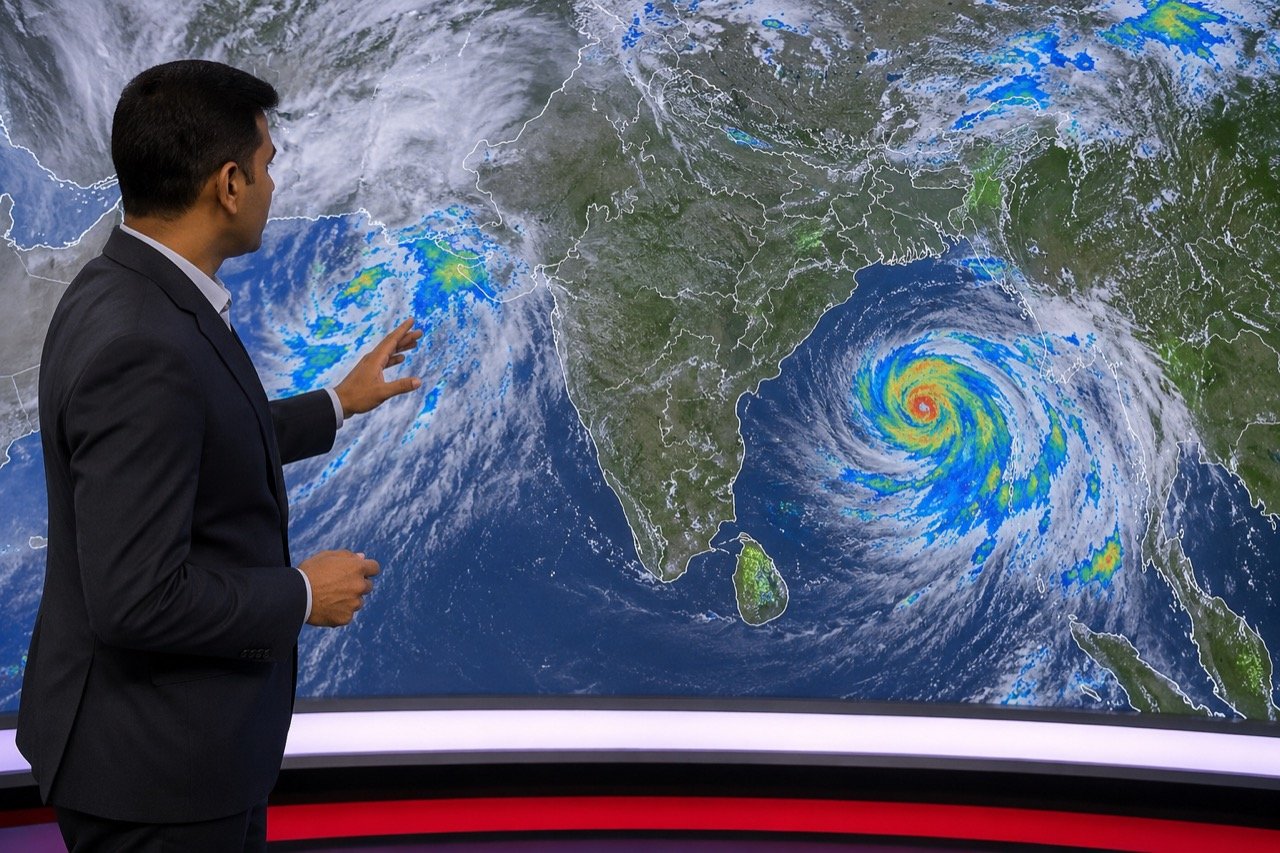
Bay of Bengal Low Pressure System Revives Monsoon Over Western India
A low-pressure system over the Bay of Bengal has pushed the monsoon back into an active phase, bringing steady heavy rain to Kerala, coastal Karnataka and Maharashtra, and putting Mumbai and Pune on preparedness watch.
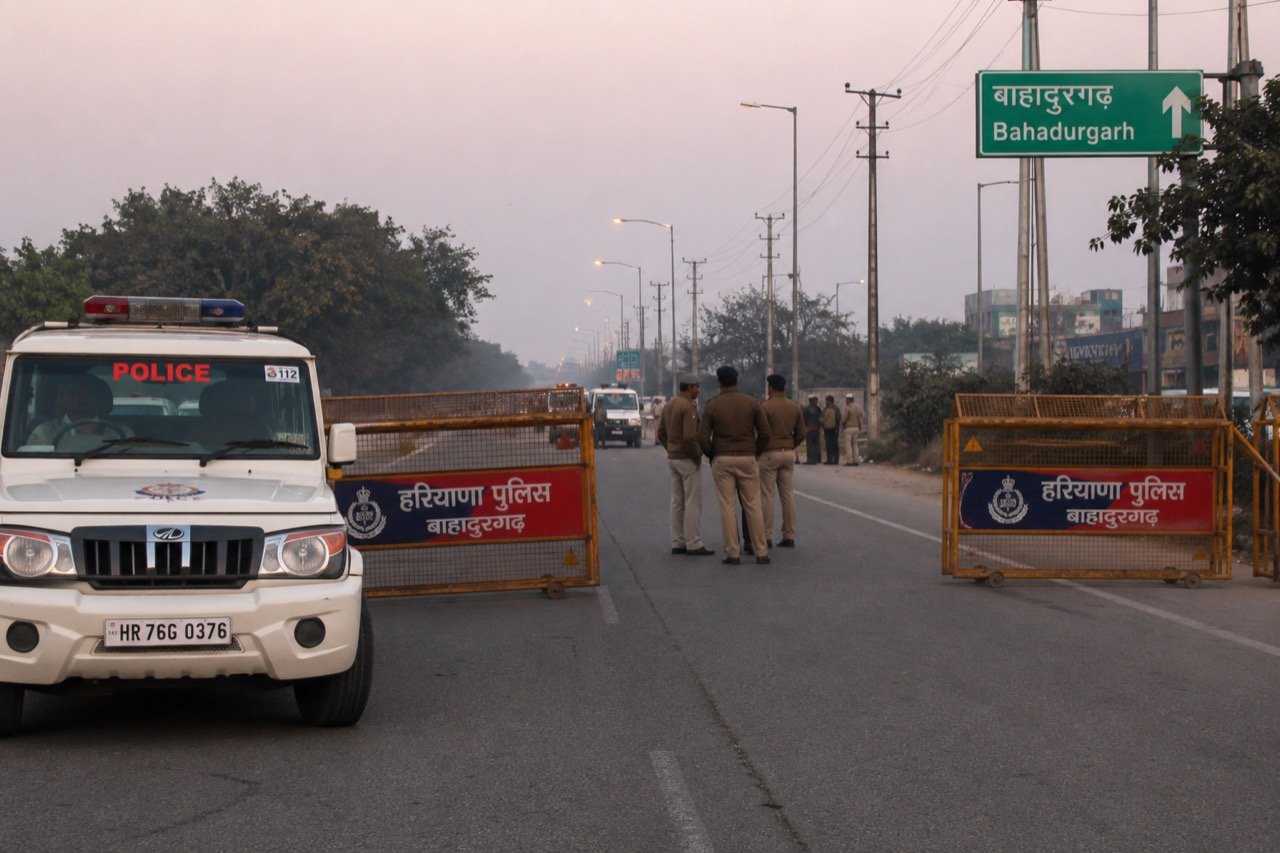
Bishnoi Gang Suspects Injured in Haryana Encounter as Police Tighten Net
A joint Haryana-Delhi Police operation in Bahadurgarh left two suspected Lawrence Bishnoi gang members injured, spotlighting the multi-state coordination now central to India's fight against organised crime networks.