India Presses Venezuela to Probe Seafarer's Death, Organ Claims
New Delhi has asked Venezuelan authorities to investigate the death of an Indian seafarer amid disturbing claims of missing organs, putting consular protection for maritime workers abroad under sharp scrutiny.
Commentary & Analysis ·
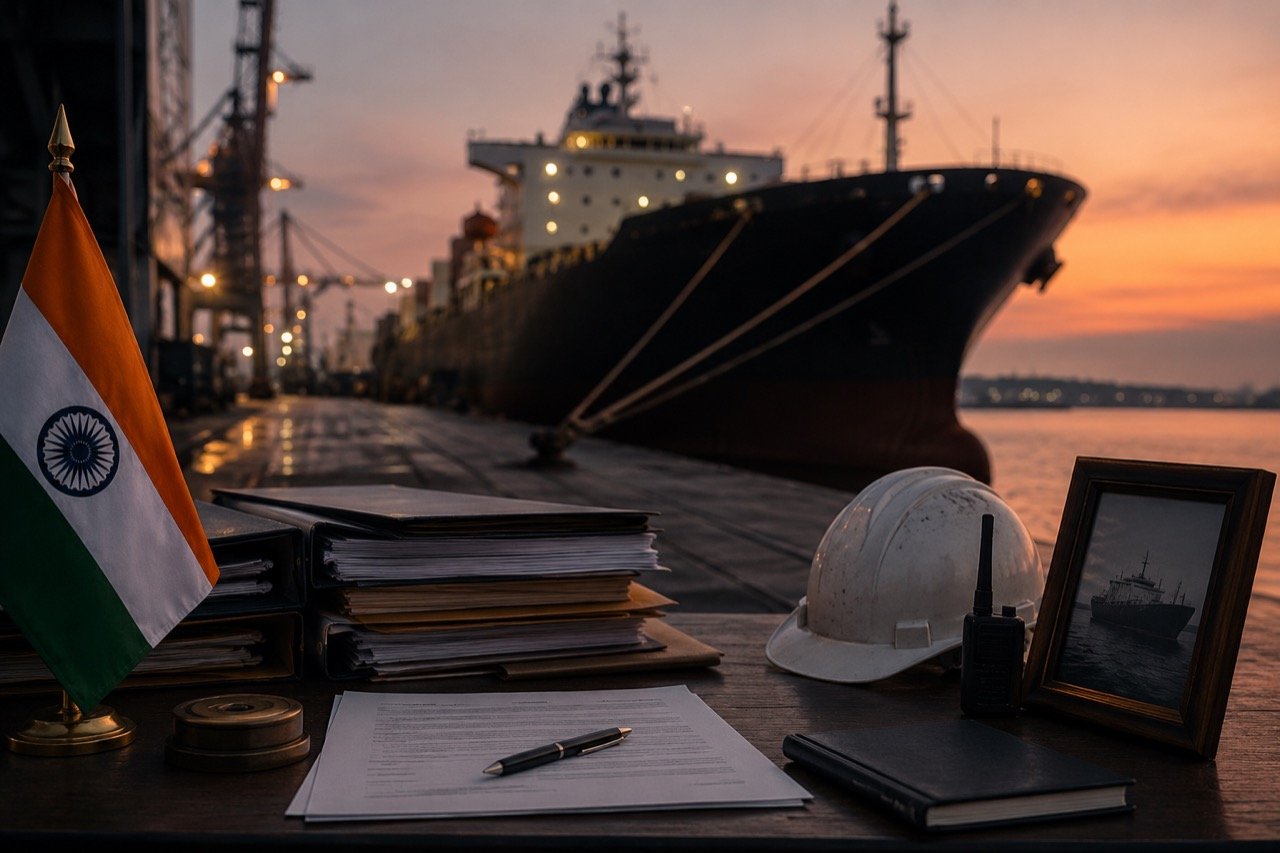
India's request for a Venezuelan investigation into the death of an Indian seafarer, reportedly accompanied by concerns that the deceased's organs were missing, has become a serious test of how the country protects its citizens working overseas. According to Hindustan Times, New Delhi is pursuing the matter with Venezuelan authorities, and the case has quickly moved beyond a single tragic incident into a broader question about the adequacy of India's consular and diplomatic machinery for its maritime workforce.
What is being sought
The central public-interest questions in this case are straightforward, even if the diplomatic path to answering them is not. India wants accountability for what happened to the seafarer, effective consular support extended to the grieving family, and a transparent, medically documented explanation of the circumstances of death. None of these demands are extraordinary; they represent the baseline that any government owes a citizen who dies while working abroad in service of the country's shipping and trade interests. Yet the fact that such a request has to be formally pursued, rather than routinely fulfilled, points to gaps in how these processes typically unfold.
Reports of missing organs, if accurate, would raise the stakes considerably, shifting the matter from a question of workplace safety or medical misadventure to one of potential criminal wrongdoing. It is precisely because such an allegation is so serious that India's insistence on an independent, verifiable investigation becomes essential. A post-mortem examination conducted transparently, with documentation that the family and Indian authorities can independently review, is the only way to either substantiate or dispel these concerns.
The particular vulnerability of maritime workers
This case underlines a vulnerability specific to seafarers that is often invisible to the public until tragedy strikes. Seafarers spend months at a stretch outside India under complex employment contracts that straddle multiple jurisdictions, flags of registry and manning agencies. A ship might be flagged in one country, owned by a company based in another, and crewed through an agency operating in a third, with the vessel itself calling at ports scattered across the globe. When something goes wrong, there is rarely a single, obvious point of accountability.
When a death occurs at sea or in a foreign port, families depend almost entirely on consular channels, medical records, post-mortem documentation and the cooperation of local authorities who may have little incentive to expedite or prioritise the case. The family of the deceased, typically thousands of kilometres away and unfamiliar with the legal and administrative systems of the country where the death occurred, has essentially no independent means of verifying what they are told. They must rely on the Indian state to ask the right questions, demand the right documents, and press for answers on their behalf.
Why the probe request matters
India's formal push for an investigation signals that the government is unwilling to accept incomplete information, and that signal matters both practically and symbolically. Practically, it puts pressure on Venezuelan authorities to produce documentation and cooperate with a process that might otherwise have proceeded quietly and without external scrutiny. Symbolically, it tells the wider community of Indian seafarers, and the shipping companies and agencies that employ them, that deaths abroad will not simply be absorbed into paperwork and forgotten.
The meaningful markers to watch now are concrete and verifiable: Venezuela's formal response to India's request, the release of post-mortem records that can be independently reviewed, the repatriation of the seafarer's remains to the family, and any official briefing from India's Ministry of External Affairs setting out what has been established and what remains unresolved. Each of these steps would represent tangible progress; the absence of movement on any of them would itself be a signal worth noting.
Until verified information emerges, the claims surrounding the case, particularly the allegation about missing organs, warrant restraint rather than speculation. It is entirely possible for a case to be both serious enough to demand a full investigation and, at the same time, not yet substantiated in its most alarming details. Responsible coverage and public discussion should hold both of these truths simultaneously: press for answers, but avoid asserting conclusions the evidence does not yet support.
The wider systemic question
India supplies a significant share of the world's merchant mariners, a workforce that keeps global shipping running and sends home substantial remittances. Yet the machinery that protects these workers when things go wrong abroad is stretched thin and often opaque, reactive rather than systematic. Individual cases tend to surface only when they attract media attention or when a family manages to make enough noise through political or diplomatic channels. That is not a sustainable model of protection for a workforce this large and this exposed.
What this case exposes, beyond its own particulars, is the absence of standing protocols that would apply automatically whenever an Indian seafarer dies overseas, regardless of which country, which shipping company, or which manning agency is involved. Without such protocols, each case becomes its own ad hoc negotiation, dependent on the persistence of the family, the responsiveness of the specific embassy involved, and the willingness of foreign authorities to cooperate.
The NE Times View
Behind the diplomacy is a family waiting for answers, and that must remain the centre of this story. No amount of institutional reform, however necessary, should be allowed to obscure the immediate human reality: a family that has lost someone, is grappling with grief, and now faces the added burden of uncertainty about how and why that death occurred, compounded by disturbing allegations that demand resolution rather than silence.
This case should prompt more than one probe. New Delhi needs standing protocols for overseas seafarer deaths, including mandatory independent documentation, time-bound consular reporting to families, and clear escalation procedures when a host country is slow to cooperate. These should not be improvised each time a tragedy makes headlines; they should exist as a matter of policy, ready to be activated the moment a case like this arises.
If the claims of missing organs are substantiated, the response must be firm and public, both in demanding accountability from Venezuelan authorities and in ensuring that the family receives justice and clarity. If the claims are not substantiated, that too must be communicated clearly and documented properly, so that the family and the public can trust the outcome rather than being left with lingering doubt. Either way, Indian workers abroad deserve a system that fights for the truth by default, not only when headlines demand it.
Key takeaways
- India is formally pressing Venezuela for an investigation into an Indian seafarer's death, amid unverified concerns that organs were missing.
- The core demands are accountability, consular support for the family, and transparent, medically documented answers about the cause of death.
- Maritime workers face unique vulnerabilities abroad due to overlapping jurisdictions, flags of registry and manning agencies, leaving families reliant on consular channels.
- Key markers to watch include Venezuela's response, release of post-mortem records, repatriation of remains, and a briefing from India's Ministry of External Affairs.
- The case highlights the need for standing Indian government protocols on overseas seafarer deaths, rather than ad hoc responses driven by media attention.
You may also like to read
Indian Seafarer in Venezuela: Family Awaits Answers as Case Drags On
The case of an Indian seafarer reportedly still stranded in Venezuela is keeping the focus on maritime workers' vulnerability abroad, a family's anxious wait at home, and the consular machinery meant to help.
Lohagad Fort Death Probe Widens as Police Examine Conspiracy Angle
The investigation into a death near Maharashtra's Lohagad Fort has widened, with police tracing phone records and suspect movements to determine whether the case was a planned conspiracy rather than a sudden dispute.

Pune Lohagad Trek Death Turns Into Murder Probe As Fiancée, Friend Arrested
Police arrested a Pune businessman's fiancée and her friend after fresh evidence reframed his fatal fall at Lohagad Fort from an accident into a suspected murder investigation.
Lohagad Fort Death Near Pune Turns Into Murder Probe After Two Arrests
A fall at the popular Lohagad Fort trekking site, first treated as an accident, has become a murder investigation after Pune police arrested the victim's fiancee and an alleged associate.
More from this section
More
AICTE Industry Fellowship 2026: Rs 1.5 Lakh Scheme Closes July 5
The AICTE Industry Fellowship Programme 2026, which places technical-education faculty inside leading companies on a Rs 1.5 lakh monthly stipend, reached its application deadline on July 5.
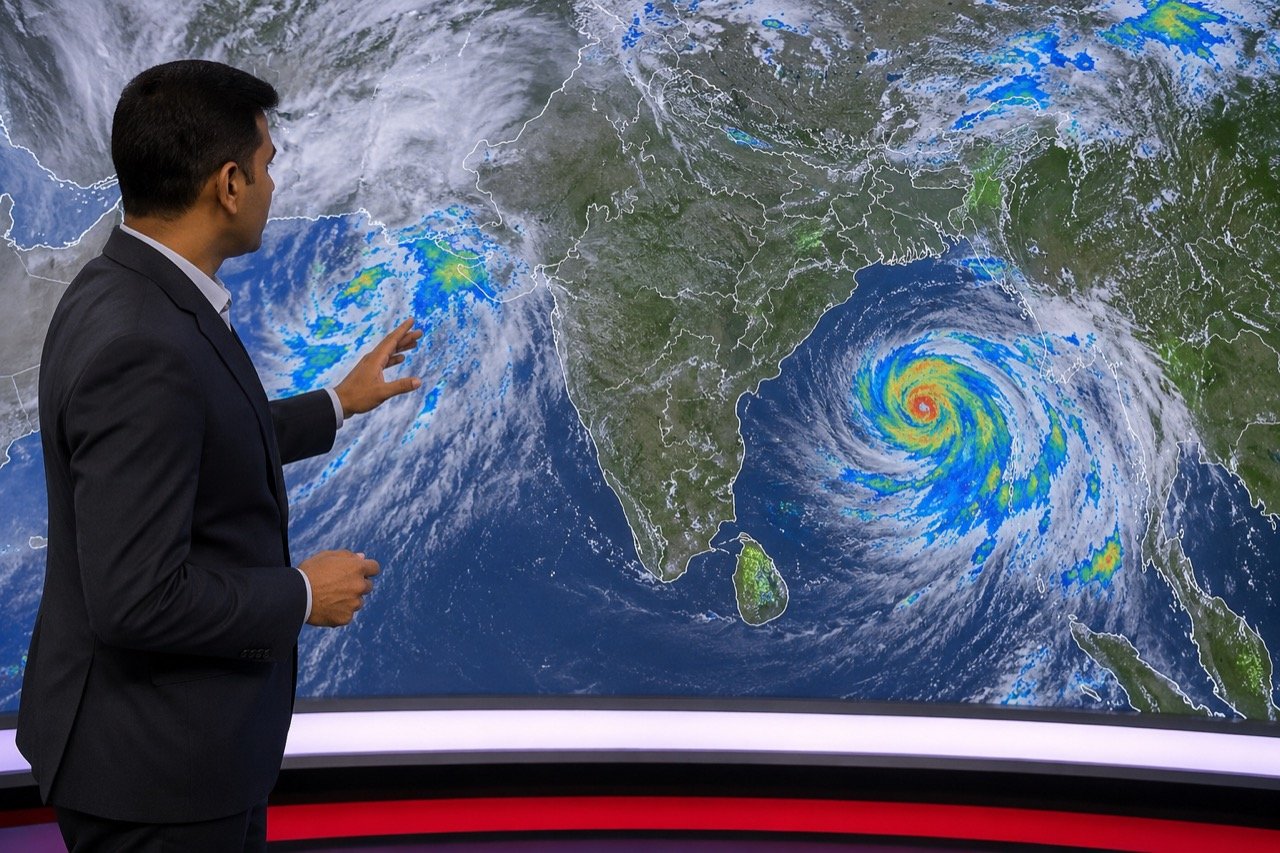
Bay of Bengal Low Pressure System Revives Monsoon Over Western India
A low-pressure system over the Bay of Bengal has pushed the monsoon back into an active phase, bringing steady heavy rain to Kerala, coastal Karnataka and Maharashtra, and putting Mumbai and Pune on preparedness watch.
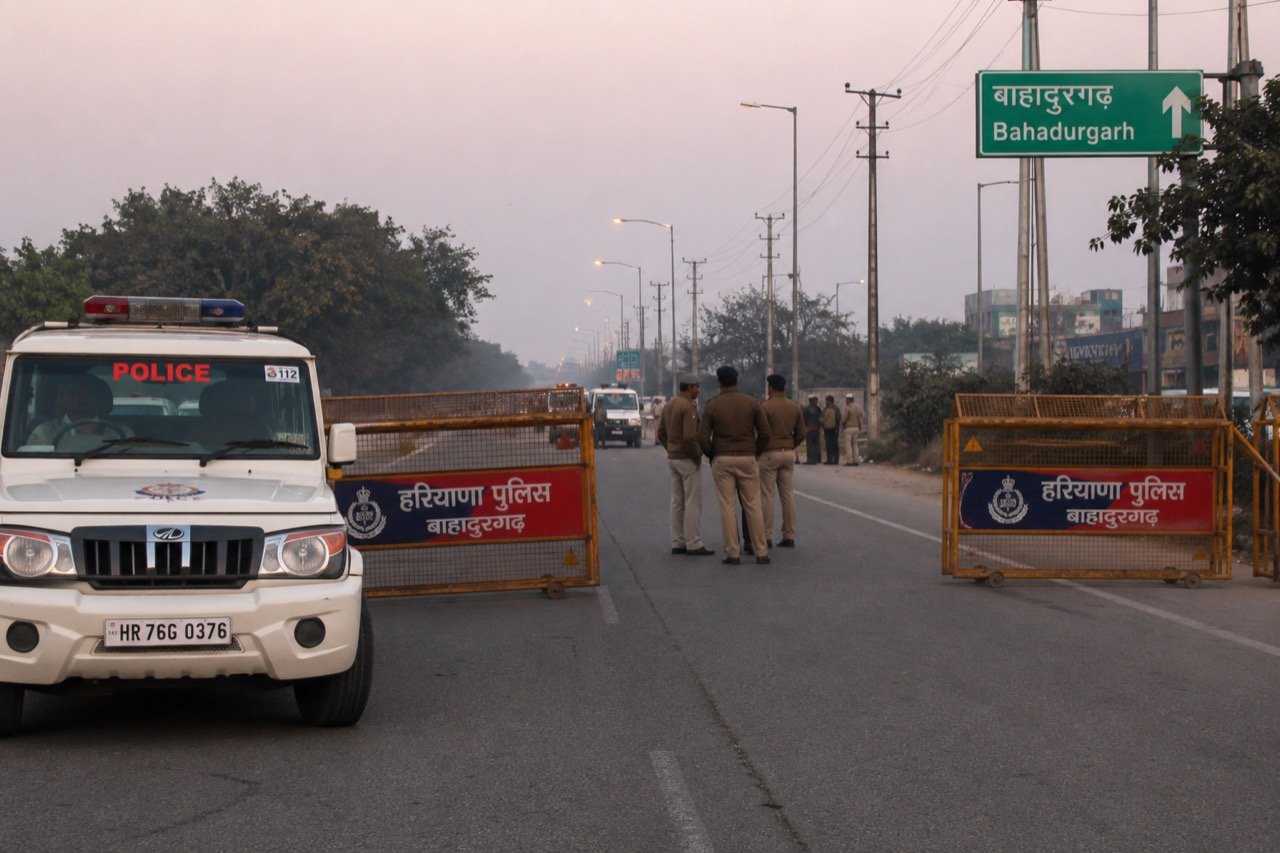
Bishnoi Gang Suspects Injured in Haryana Encounter as Police Tighten Net
A joint Haryana-Delhi Police operation in Bahadurgarh left two suspected Lawrence Bishnoi gang members injured, spotlighting the multi-state coordination now central to India's fight against organised crime networks.